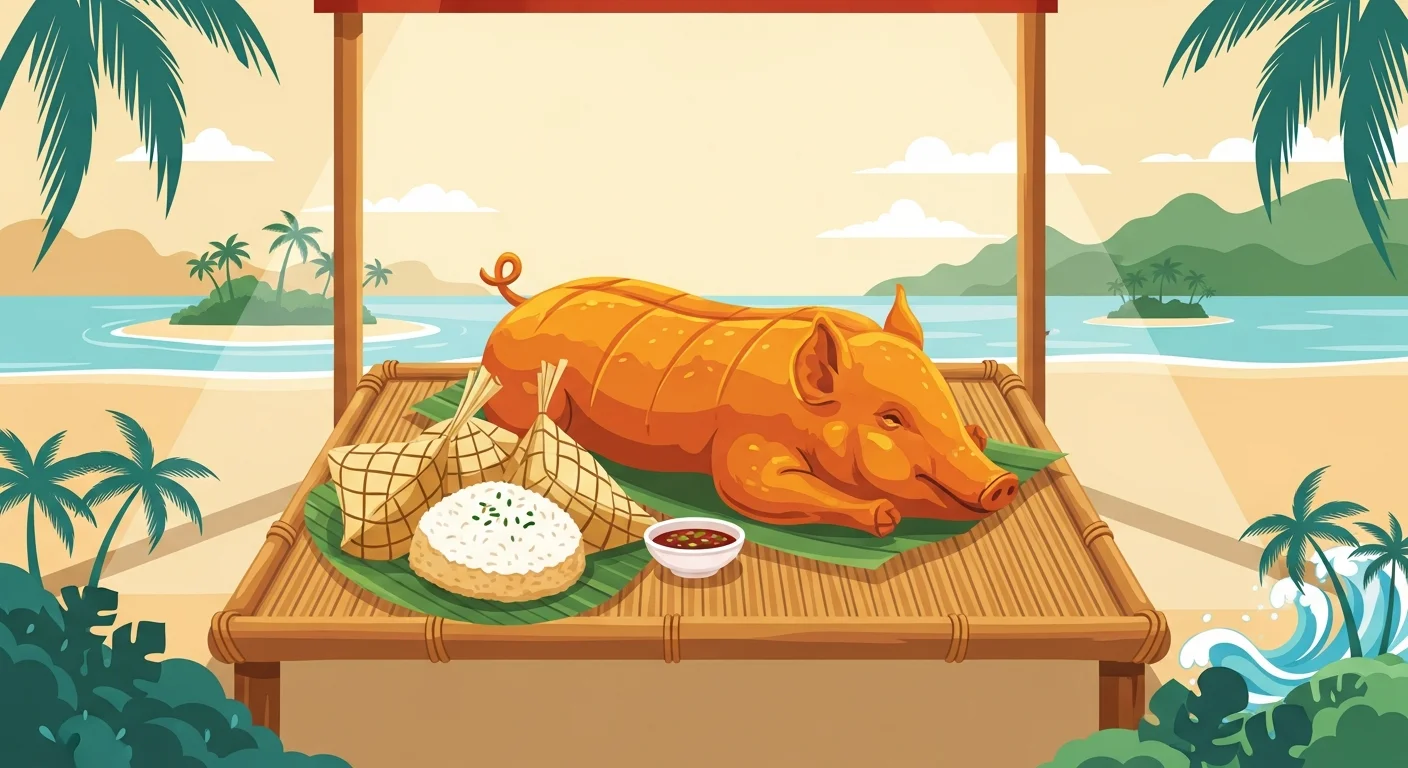
TL;DR: Cebu lechon (whole roasted pig, stuffed with lemongrass and spices, no dipping sauce needed) is the dish Anthony Bourdain called the “best pig ever.” Restaurant prices run roughly ₱600–990 per kilo (about US$10–17) — Rico’s Lechon’s official December 2025 list has a full kilo at ₱990, with quarter-kilo portions from ₱395. A whole pig from a name-brand shop starts around ₱8,000 for a small 3–5kg suckling pig and climbs past ₱15,000 for a large one. Cheaper, more local lechon is at Carcar’s public market and lechon row, about 40 km south of Cebu City, where per-kilo prices commonly run lower — confirm with the vendor, as market prices shift often. Verified July 2026.
Ask any Cebuano and they’ll tell you the same thing: this is the best lechon in the Philippines, and they have Anthony Bourdain on record agreeing with them. On his show No Reservations, Bourdain ate Cebu lechon and called it the “best pig ever” — a line every lechon shop in the province has printed on a wall somewhere since. What makes Cebu lechon different from the lechon you’ll find elsewhere in the country is the stuffing: a mix of lemongrass, garlic, onions, and native spices packed into the cavity before the pig goes over charcoal for hours, so the flavor is built in rather than added with sauce. This guide covers where locals and visitors actually buy it — from famous restaurant chains to the Carcar public market — what it costs, and how to order and eat it properly.
Cebu Lechon Prices at a Glance
| Where | Style | Per-kilo price (2026) | Whole lechon | Best for |
|---|---|---|---|---|
| Rico’s Lechon | Restaurant chain | ₱990/kg (official list) | ₱8,000–15,700+ | Consistent quality, easy branches |
| CnT Lechon | Restaurant chain | ~₱600–750/kg (confirm in-store) | Confirm with branch | The other big Cebu City name |
| Zubuchon | Modern/MSG-free | ~₱600–750/kg (confirm in-store) | Confirm with branch | Tourist-friendly, mall branches |
| House of Lechon | Carcar-style storefront | ₱1,100/kg (1kg tier, per shop list) | Confirm with branch | Carcar flavor without the drive |
| Ayer’s Lechon | Talisay-based | Confirm with branch | Confirm with branch | Local favorite, less touristy |
| Carcar public market / lechon row | Market & street vendors | Commonly cheaper than restaurants; varies by vendor | Confirm with vendor | Cheapest, most local, day-trip experience |
Prices vary by branch, cut, and vendor, and market prices move often. Where we couldn’t confirm an exact current number, we’ve said so — always confirm with the shop or stall before you order. Verified July 2026.
Why Is Cebu Lechon So Famous?
Cebu lechon is famous because of how it’s seasoned, not just how it’s cooked. Most Filipino lechon is roasted with little more than salt, letting a liver-based sauce do the flavor work at the table. Cebu’s version stuffs the pig’s cavity with lemongrass, garlic, onions, scallions, and native spices, so the meat itself carries the flavor as it roasts whole over charcoal for hours. The skin turns glass-crisp while the meat stays moist — the combination that made Anthony Bourdain call it the “best pig ever” on No Reservations, a quote that’s now practically the province’s food slogan.
Where to Buy Lechon in Cebu
Rico’s Lechon
Rico’s is one of the two most recognized Cebu lechon names, with multiple branches across Cebu City, Mandaue, and Mactan, including locations at Ayala Central Bloc and Axis Entertainment Avenue on Escario Street. Its published December 2025 price list puts a full kilo of Original or Spicy lechon at ₱990 (about US$17), with smaller cuts from ₱395 for a quarter-kilo. Whole pigs range from a 3–5kg “de leche” (suckling pig, feeds 6–12) at roughly ₱8,000, up to a 14–17kg “Large” that feeds 60–80 for ₱15,100–15,700. Rico’s is the easiest name-brand pick if you want a predictable, published price before you order.
CnT Lechon
CnT is Rico’s biggest rival for the “best in Cebu City” title, with a well-known main branch on Carreta Street and other outlets around the city and in SM Cebu. Reported per-kilo pricing in recent roundups sits around ₱600–750/kg, but CnT doesn’t publish a fixed nationwide list the way Rico’s does, so confirm the current price with the branch before ordering.
Zubuchon
Zubuchon is the modern, tourist-friendly option — it markets itself as MSG-free, with the skin pricked repeatedly for a lighter, less puffy crackling. Branches include SM Seaside City Cebu and IT Park, both easy stops if you’re already near the malls. Reported per-kilo pricing is in a similar ₱600–750/kg range to CnT; again, confirm at the counter since Zubuchon doesn’t publish one fixed public rate.
House of Lechon
House of Lechon serves Carcar-style lechon from a Mandaue/Cebu City storefront, so you get that specific regional style without the drive south. Its own posted portion pricing lists a 1-kilo cut at ₱1,100, with smaller portions from ₱275 for an eighth-kilo — useful if you want to sample rather than commit to a full kilo.
Ayer’s Lechon
Ayer’s is a Talisay City-based option that’s popular with locals rather than tour buses — a good pick if you want lechon without the mall-branch crowd. Pricing wasn’t consistently confirmable across sources at the time of writing, so treat any number you see online as unverified and ask the shop directly.
Carcar Public Market and Lechon Row
Carcar City, about 40 km (roughly 1–1.5 hours by road) south of Cebu City, calls itself the “Lechon Capital of Cebu,” and it’s the cheapest and most local way to eat it. The Carcar public market has lechon vendors selling by the kilo or by the piece, and a stretch of the highway known as Carcar Lechon Row lines up multiple stalls, each with its own recipe. Reported per-kilo prices at the market have ranged from roughly ₱280–800 depending on the year and vendor — a wide enough spread that you should treat any figure as a starting point for haggling, not a fixed rate. CNT Lechon’s Carcar branch and Joyful Lechon are two of the named vendors worth comparing side by side.
The Carcar Day Trip
If you have half a day free, Carcar rewards the trip beyond just lechon. It’s a Spanish-era heritage town with preserved ancestral houses, and the market itself is also known for chicharon (pork cracklings) and ampao (a puffed rice-and-sugar candy) as pasalubong. Get there by South Bus Terminal buses heading toward Barili, Dumanjug, or Bato (Carcar is on the route, roughly an hour out), by habal-habal, or by hired van if you’re combining it with a south-Cebu itinerary that also covers Kawasan Falls or Oslob. Go hungry, walk the market first to compare a few stalls, and buy your pasalubong chicharon and ampao before you leave — they sell out of the good batches by afternoon.
How to Order and Eat Lechon Like a Local
Ordering lechon in Cebu is simple once you know the shorthand:
- By weight or by piece. Restaurants sell in kilo increments (quarter, half, three-quarters, whole kilo); market stalls will often just cut what you point at and weigh it.
- Skin vs. meat. Some shops let you specify more skin (“crispy”) or more meat if you ask.
- No sauce is the local way. Cebu lechon is seasoned inside, so it’s traditionally eaten “walang sawsawan” (without dipping sauce) — order it plain first and see if you miss the sauce. Most shops still have a liver-style sauce on hand if you want it.
- Pair it with puso. Puso is rice steamed inside a small woven coconut-leaf pouch, sold hanging in bundles at markets and lechon stalls for about ₱10–20 each. Unwrap it, pile lechon on top, and eat with your hands — it’s the classic way to eat lechon on the go rather than as a sit-down restaurant meal.
- Takeout and pasalubong. Rico’s, CnT, and Zubuchon all sell vacuum-packed portions meant for pasalubong (bringing food home for family), and several branches sit close to the airport route through Mactan — ask about packing and how long it stays good before you plan around it.
The Honest Take
Cebu lechon earns the hype — the skin genuinely shatters, and the stuffed seasoning is a real difference from lechon you’ll find in Manila or the provinces. But the “best lechon in Cebu” argument is a real, ongoing local debate, not a settled fact, and every shop has its loyalists. If you only have time for one restaurant, Rico’s or CnT are the safest bets for consistency; if you want the cheaper, more local version, the Carcar day trip is worth the drive even if the market stalls look plainer than a restaurant counter. Don’t expect every shop’s online price list to be current — Cebu lechon pricing moves with pork prices, and several of the smaller and market vendors don’t publish rates at all, so treat any number here as a starting point and confirm before you order, especially for a whole pig.
Getting the Most Out of a Lechon Trip
Pair a lechon stop with the rest of a Cebu itinerary rather than treating it as a standalone trip. If you’re already exploring Cebu City’s markets, Carbon Market is worth a stop for produce, dried goods, and street food alongside your lechon hunt. For a full south-Cebu day that includes Carcar, see our Cebu 5-day itinerary or Cebu budget itinerary for how to slot it in, and check where to stay in Cebu City if you’re basing yourself near the restaurant branches rather than driving out to Carcar. For the rest of what to see and do around the island, start with things to do in Cebu.
Sources
- Rico’s Lechon — official Cebu branch price list (per-kilo and whole-lechon pricing, effective December 2025)
- WhyCebu — Best Lechon in Cebu: 12 Top Spots and 2026 Prices (comparative per-kilo pricing and branch locations for CnT, Zubuchon, House of Lechon, Ayer’s, and Carcar market)
- Cebu Daily News — #PRESYO MERKADO: Carcar City’s famous lechon (Carcar market pricing context)
- Per-kilo prices for CnT, Zubuchon, Ayer’s, and Carcar market vendors are not all published on official sites and vary by branch and season — confirm current pricing directly with each shop or stall before ordering. Verified July 2026.
Book Tours & Hotels for This Trip
Find and book the best deals — prices and availability update in real time. Links open in a new tab.
Where to stay near Cebu City
Top-rated hotels for this trip — tap through to check live rates.
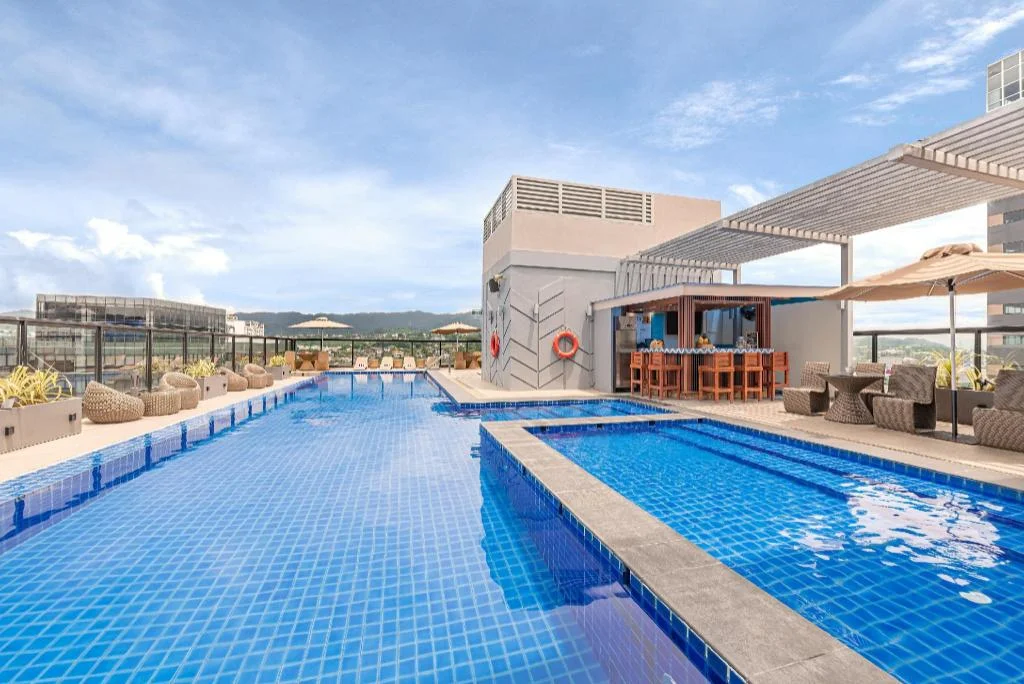
Seda Central Bloc Cebu City
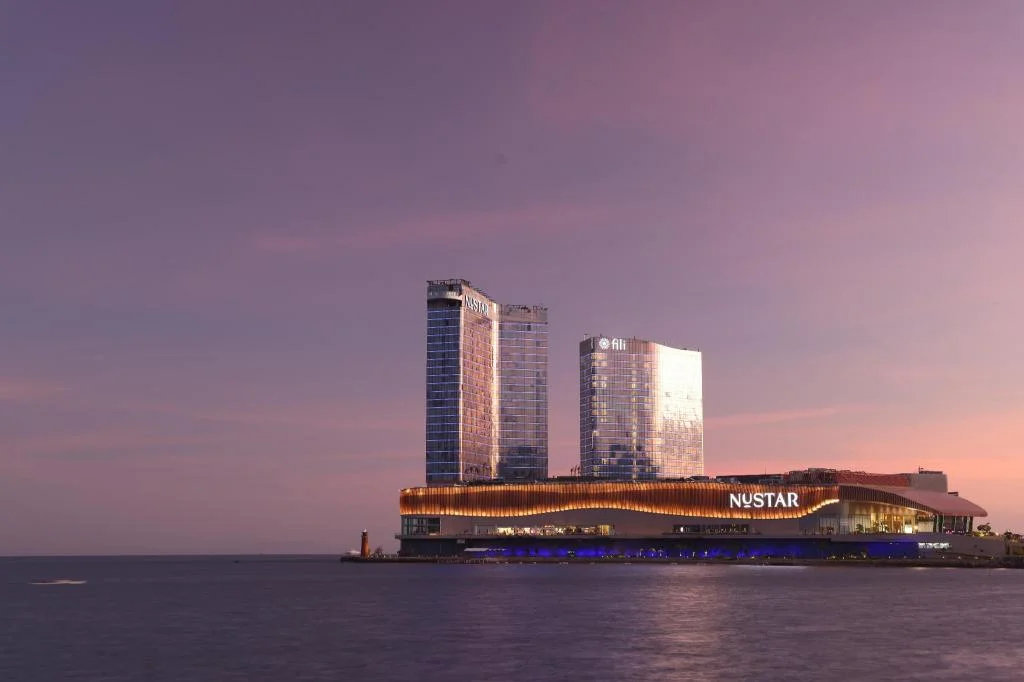
Fili Hotel - NUSTAR Resort & Casino Cebu
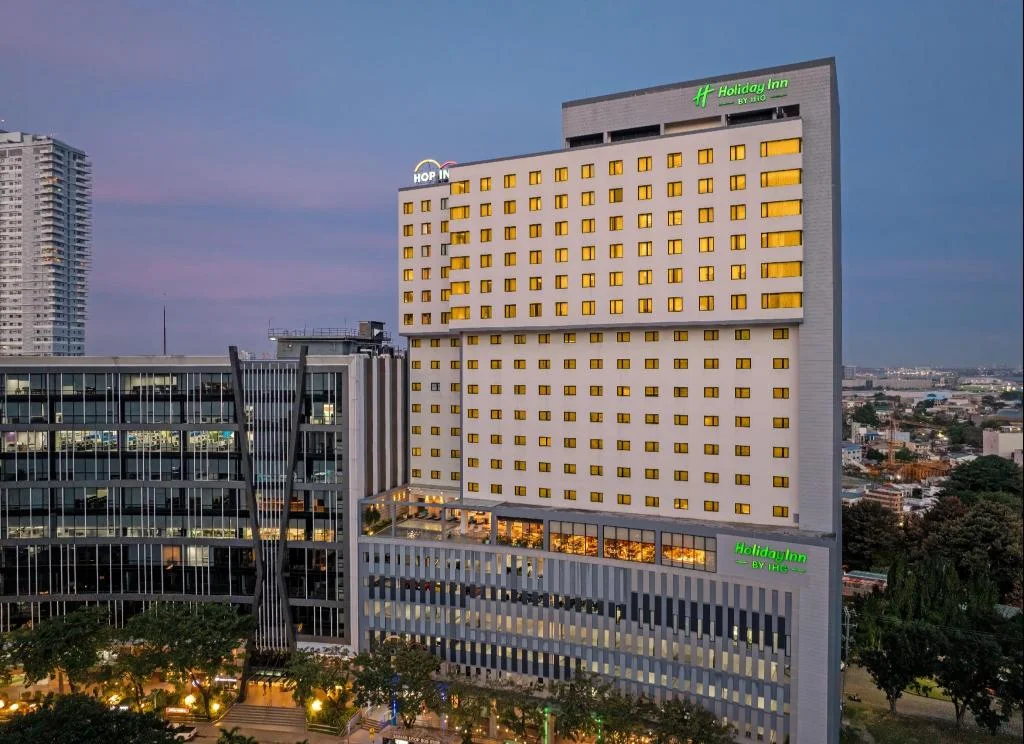
Holiday Inn Cebu City By IHG
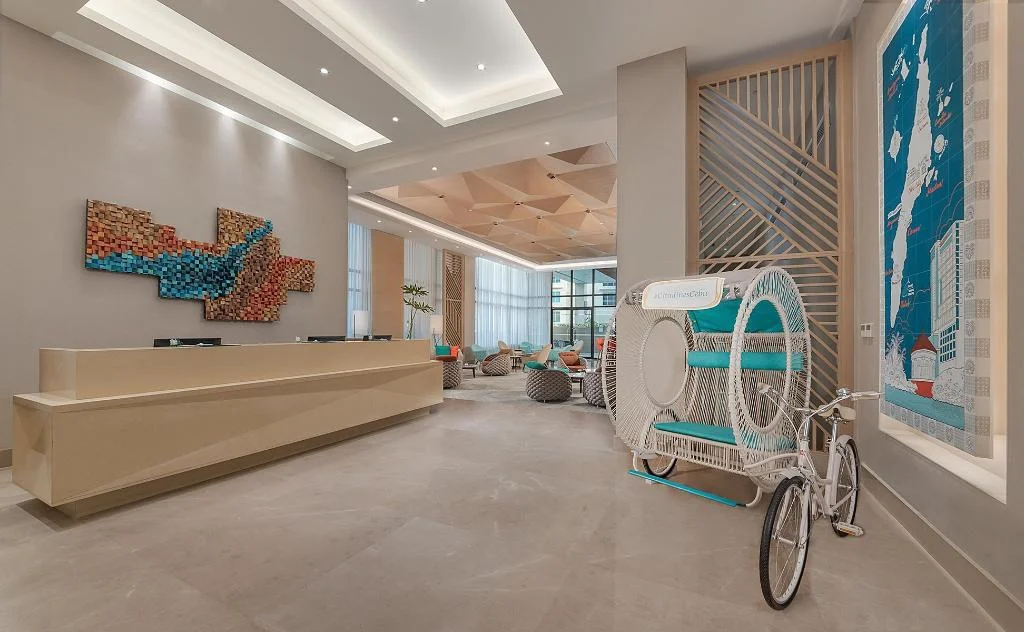
Citadines Cebu City
Prefer a rental? Vacation rentals near Cebu City
Self-catering condos and apartments — book the exact unit, kitchen included.
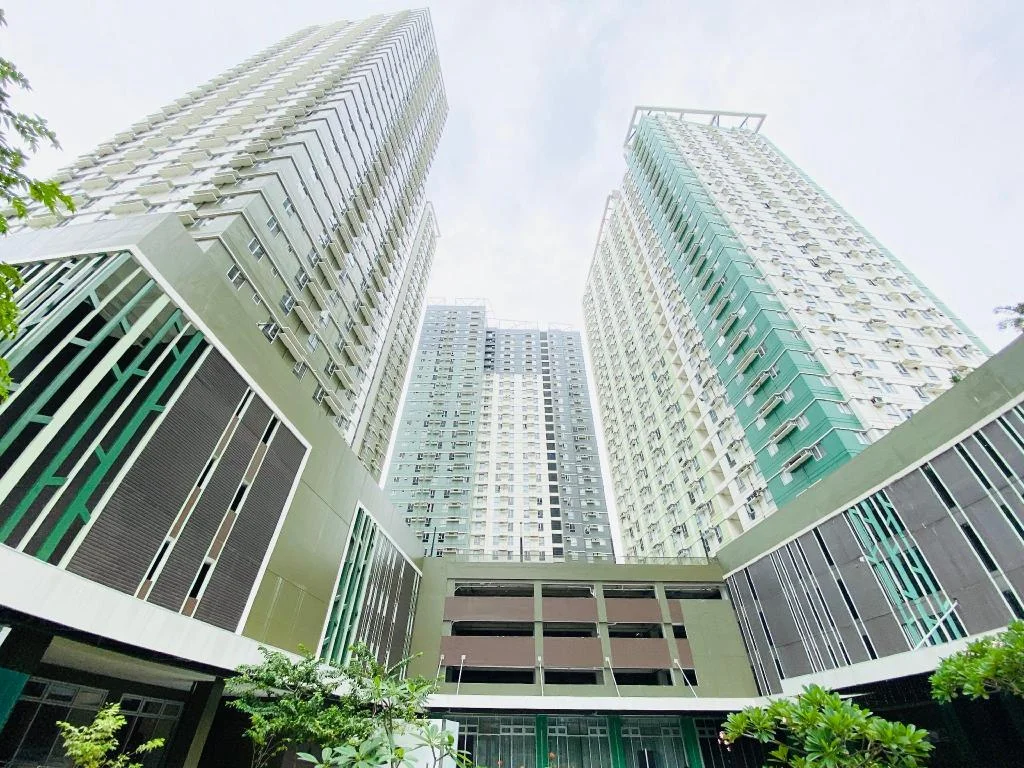
Cebu Avida Riala by P&J
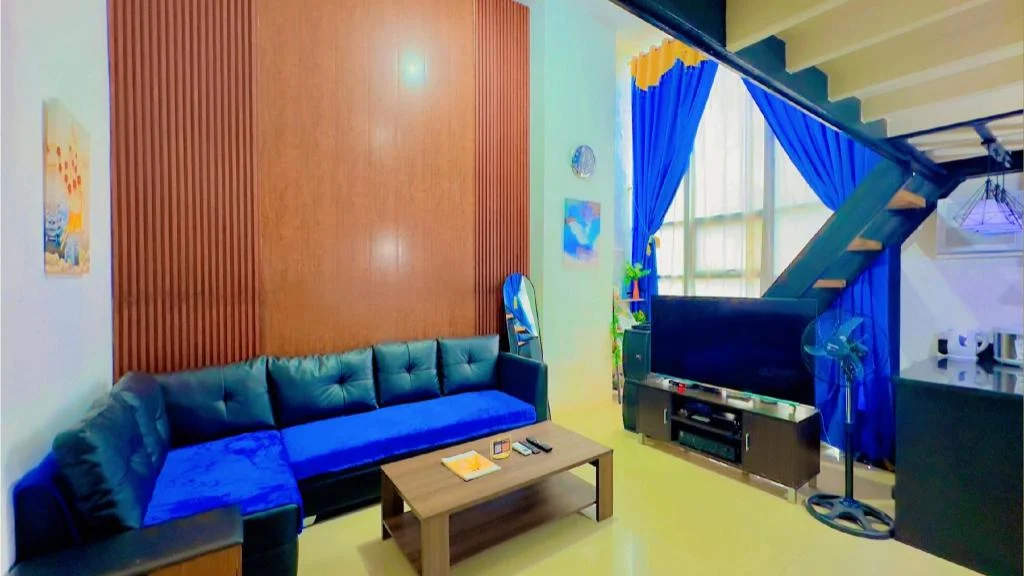
Special Big Loft Unit w/Fibreop Internet & Netflix
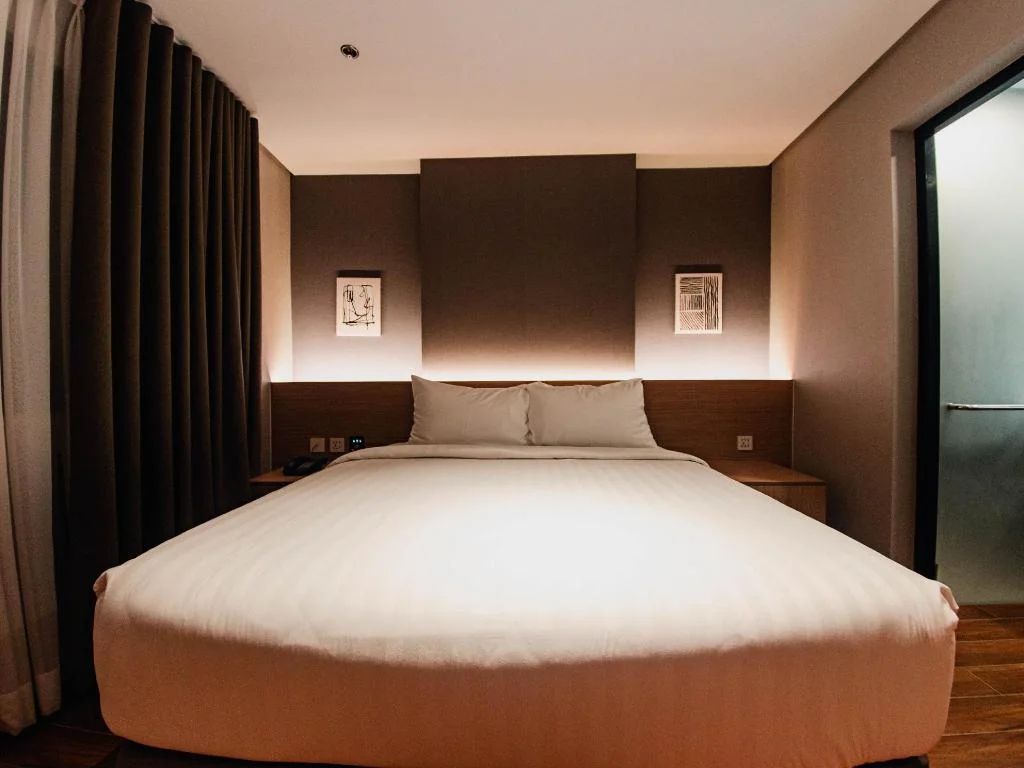
Moonstar Cebu Hotel - Deluxe Room
Before you go