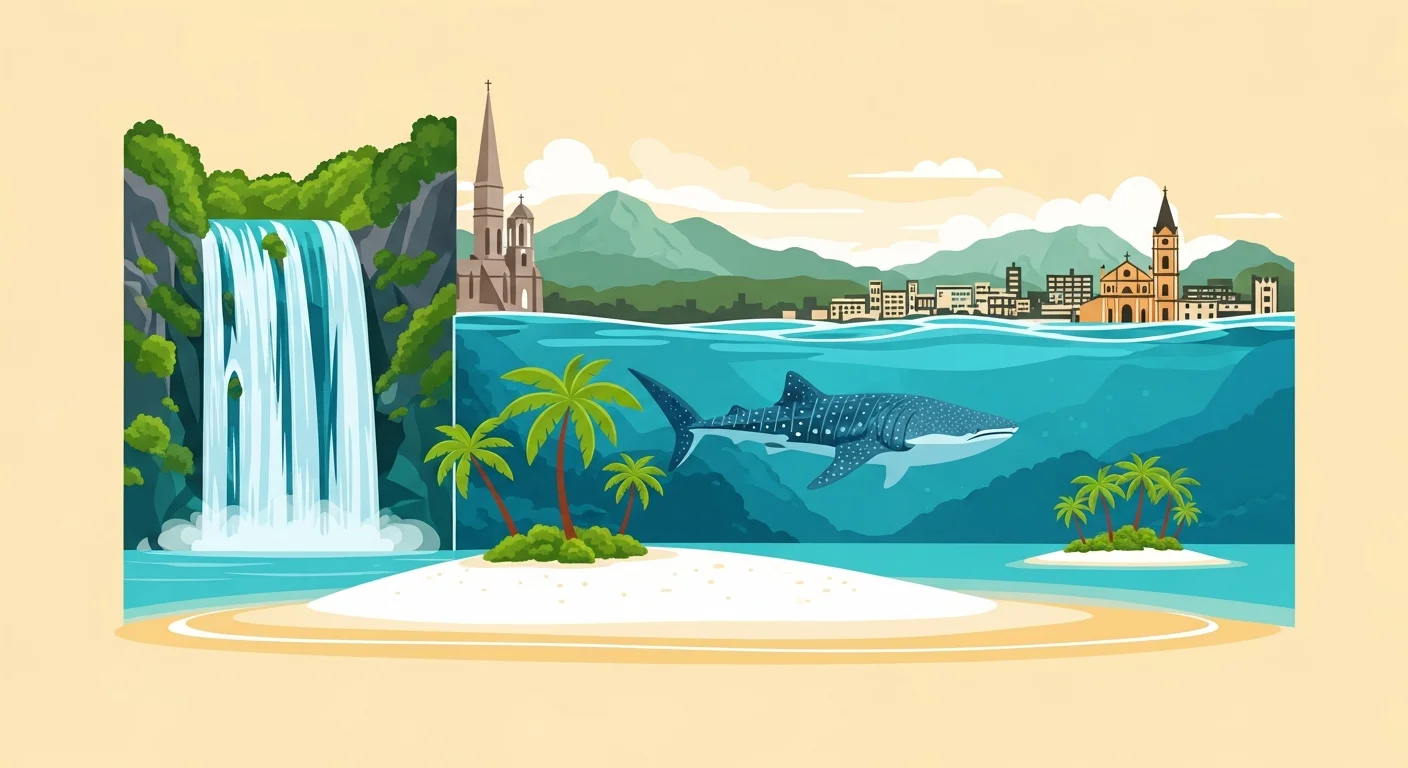
TL;DR: The best things to do in Cebu in 2026 are swimming with whale sharks in Oslob (₱500–1,000), canyoneering to Kawasan Falls in Badian (about ₱2,100, the regulated rate), snorkeling the Moalboal sardine run (₱100 fee), island hopping to Pescador and Sumilon, thresher shark diving in Malapascua, sunrise at Osmeña Peak (₱30, Cebu’s highest point), and the heritage trail around Magellan’s Cross in Cebu City. Five days lets you cover the south coast plus an island. The best window is the December–May dry season. Browse Cebu tours on Klook to lock in slots. Verified June 2026.
Some links on this page are affiliate links — if you book through them we may earn a small commission at no extra cost to you. We only recommend things we’d tell a friend to do.
Cebu packs more variety into one province than almost anywhere in the Philippines: world-class diving, a waterfall canyon you abseil through, whale sharks, sugar-white island beaches, mountain ridgelines, and the country’s oldest Spanish heritage core — all within a few hours of each other. This is the hub page for the whole site. Below is every signature experience grouped by theme, with the real 2026 fees, an honest take on each, and links onward to the full guide, the destination page, and the itineraries that tie them together.
We write as locals, not as a brochure. Where something is overrated, ethically murky, or best skipped on weekends, we say so.
Cebu’s Top Experiences at a Glance (2026)
| Experience | Where | Fee (₱, per person) | Best for | Full guide |
|---|---|---|---|---|
| Whale shark watching | Oslob | ₱500 watch / ₱1,000 snorkel | Bucket-list close encounter | Oslob guide |
| Kawasan canyoneering | Badian | ~₱2,100 (regulated) | Adrenaline + waterfalls | Canyoneering guide |
| Sardine run snorkel | Moalboal | ₱100 env. fee | Free-diving the bait ball | Sardine run guide |
| Thresher shark diving | Malapascua | ₱2,500–4,000/dive | Certified divers | Thresher diving guide |
| Island hopping | Moalboal / Bantayan | ₱100–250 + boat | Beaches & snorkeling | Best beaches |
| Osmeña Peak sunrise | Dalaguete | ₱30 + ₱100 guide | Hikers, sunrise chasers | Osmeña Peak guide |
| Heritage trail | Cebu City | Free–₱50 | History, culture | — |
| Simala Shrine | Sibonga | Free | Pilgrimage, architecture | — |
Prices in Philippine Peso. ₱62 ≈ US$1 (July 2026). Verified June 2026.
Swim with Whale Sharks in Oslob
Swimming alongside a whale shark — a gentle filter-feeder the size of a bus — is Cebu’s most famous single experience, and it happens daily in the southern town of Oslob. The encounter is almost guaranteed: at Oslob whale shark watching, fishermen feed the sharks small shrimp, so the animals reliably gather close to the boats just offshore.
The fee structure for foreigners is ₱500 for viewing from the boat, ₱1,000 for snorkeling in the water, and ₱1,500 for diving — all including a briefing, life vest, and 30 minutes in the water. Locals pay less. Whale shark watching in Oslob costs ₱500 to view or ₱1,000 to snorkel in 2026, and the encounter takes about 30 minutes in the water with a near-guaranteed sighting. Briefings start before dawn; arrive by 6 AM to beat the tour buses.
Most travelers pair Oslob with nearby Tumalog Falls, a curtain-like ₱50 waterfall ten minutes away (habal-habal from the parking lot to the falls is ₱20–50), and many sleep on Sumilon Island, the sandbar resort island just off the coast (₱50 environmental fee; boat hire ₱1,500–2,500 round trip for a group of four to six). For the full breakdown — timings, the early-slot strategy, and how to combine it all — read our complete Oslob whale shark guide.
Getting to Oslob from Cebu City is straightforward: a Ceres bus from the South Bus Terminal runs about three hours for roughly ₱200, or a day tour will collect you before dawn. Because the sharks feed in the early morning and stop by late morning, the whole experience is a sunrise affair — plan to be on the road by 3–4 AM from the city, or stay overnight in Oslob the night before.
The honest take: This is the most ethically debated activity in Cebu, and you should decide with open eyes. The feeding keeps the sharks in one spot for tourism, which marine biologists say alters their natural migration and feeding behavior, and the briefing rules (no touching, no sunscreen) are not always enforced when boats are crowded. Plenty of travelers find it the highlight of their trip; plenty of others regret it afterward. If the feeding troubles you, the wild sardine run in Moalboal and wild thresher diving in Malapascua (both below) offer marine encounters with no provisioning at all.
Canyoneering and Chasing Waterfalls
Cebu’s waterfall scene is anchored by one unforgettable activity: canyoneering down the Matutinao River gorge to Kawasan Falls in Badian. You spend three to four hours jumping off cliffs, swimming through turquoise canyon pools, and rappelling small cascades before arriving at the famous tiered falls themselves.
The rate is regulated. Badian canyoneering costs about ₱2,100 per person at the official rate, which includes a certified guide, safety gear (life vest and helmet), snacks, entrance fees, and a transfer to the starting point. Kawasan Falls canyoneering costs roughly ₱2,100 per person at the regulated 2026 rate and takes 3–4 hours from the Matutinao jump-off to the base of the falls. Cliff jumps range from 5 meters to a 20–25 meter leap — all optional, with no pressure from guides. A Cebu City day-trip package with transport runs ₱2,500–4,500.
This is, in our view, the best single adventure in Cebu. The full route, what to wear, the safety story, and how to get to Badian from the city are in our Kawasan Falls canyoneering guide. If you’d rather just see waterfalls without the adrenaline — Tumalog, Kawasan from the bottom, Aguinid, and more — our best waterfalls in Cebu guide ranks them all.
Book a Kawasan canyoneering tour on Klook to guarantee a guide slot on busy weekends.
The honest take: Go on a Tuesday or Wednesday and start by 7 AM. On weekends and holidays the canyon backs up at the big jumps and the falls area turns chaotic by late morning. During the June–November rainy season, operators cancel when the river rises — call ahead before you commit.
Diving and Marine Life
Cebu is one of Asia’s great diving destinations, and two encounters stand out for being entirely wild.
In Moalboal, the sardine run is a year-round phenomenon: millions of sardines swirl in a shifting silver tornado just a few meters off Panagsama Beach, close enough to snorkel from shore. The only cost is a ₱100 environmental fee. The Moalboal sardine run is visible by snorkel straight from shore for a ₱100 fee, and the bait ball is present year-round, making it the best free-diving spectacle in the Philippines. Nearby Pescador Island adds drop-offs, turtles, and the famous “Cathedral” swim-through. Our Moalboal sardine run and island hopping guide covers the boat tours and timing.
In the far north, Malapascua Island is the only place on earth where you can reliably dive with thresher sharks at dawn — elegant, long-tailed pelagic sharks that visit a cleaning station at Monad Shoal. Diving costs ₱2,500–4,000 per dive including equipment, and you need to be a certified diver (or do a guided course on-island). Malapascua is the world’s most reliable site for daily thresher shark dives, with dawn dives to Monad Shoal costing ₱2,500–4,000 per dive in 2026. The whole plan — when to go, how to reach Maya port, which dive shops — is in our Malapascua thresher shark diving guide.
Islands and Beaches
If your idea of Cebu is white sand and clear water, head for the islands. The province’s beaches range from resort-polished to barely developed.
Bantayan Island, off the northwest tip, is the classic slow-paced beach escape — powder-soft sand, no high-rises, and a famously laid-back rhythm. The day-hopping highlight is Virgin Island, a tiny sandbar islet (₱250 per person for the first two visitors, then ₱100 each, plus boat hire). Everything you need is in the Bantayan Island guide.
In the south, Moalboal doubles as a beach base, and island hops to Pescador are easy. White Beach (Basdaku) is the town’s main sand strip (₱25–50 environmental fee plus parking), while Panagsama is the dive-and-snorkel hub rather than a sunbathing beach. Off Oslob, Sumilon Island has a stunning shifting sandbar (₱50 environmental fee, boat hire ₱1,500–2,500 for a group). For the definitive ranking of where to actually swim and snorkel — by sand quality, water, and crowds — see our best beaches in Cebu guide.
The honest take: Cebu’s mainland beaches near the city (Mactan) are mostly walled-off resort strips — fine if you’ve booked one, underwhelming as public beaches. For real beach magic, go to the islands.
Mountains and Viewpoints
Cebu isn’t all sea level. The Mantalongon highlands above Dalaguete hold Osmeña Peak, at 1,013 meters the highest point in the province. The hike to the jagged, sawtooth ridgeline takes about 20–30 minutes from the trailhead, and the entrance is just ₱30 (an optional guide is ₱100). Osmeña Peak is Cebu’s highest point at 1,013 meters, with a ₱30 entrance fee and a short 20–30 minute hike to a sunrise ridgeline often above a sea of clouds. Camp overnight for the sunrise, or chain it with a traverse to Kawasan. Full logistics are in the Osmeña Peak guide.
Closer to the city, two viewpoints anchor the skyline above Cebu. The Temple of Leah is a Roman-style “Taj Mahal of Cebu” built as a monument to a wife (₱120 weekdays, ₱150 weekends, plus ₱50 parking), and Tops Lookout gives the classic panoramic view over the city and Mactan for ₱100 — best at sunset and after dark when the city lights up. Both sit on the mountain road above Cebu City and are easily combined with the Sirao flower garden in a single afternoon. A taxi or habal-habal up to Tops is the usual way; the road is steep and winding, so this is one trip where hiring a ride beats public transport.
City, Heritage, and the Simala Shrine
Cebu City is the oldest city in the Philippines, and its compact heritage core is walkable in an afternoon. Start at Magellan’s Cross, the wooden cross planted in 1521 to mark the islands’ first Christian baptisms — free to visit, housed in a small chapel beside the Basilica del Santo Niño. A short walk away, Fort San Pedro (₱50 for foreigners) is the country’s oldest and smallest triangular bastion. Magellan’s Cross marks the site of the first Christian baptism in the Philippines in 1521 and is free to visit in the heart of Cebu City’s heritage district.
South of the city in Sibonga, the Simala Shrine — formally the Monastery of the Holy Eucharist — is a castle-like pilgrimage church drawing visitors for both its dramatic architecture and its reputation for answered prayers. Entry is free; candle and flower offerings are sold at the gate. Dress modestly (covered shoulders and knees). It sits about two hours south of Cebu City and slots neatly into a south-coast drive between the city and Oslob, so many travelers stop here on the way down rather than making a dedicated trip.
The honest take: The heritage core is genuinely interesting but small — budget half a day, not a full one. Pair it with the city’s food scene (lechon, Carbon Market, Larsian) to round out the day rather than padding the sightseeing.
How to Tie It All Together: Itineraries
The experiences above span the whole island, so the question becomes routing. We’ve built two itineraries that thread them efficiently without backtracking:
- The 5-day Cebu itinerary covers the headline acts — whale sharks, Kawasan canyoneering, the Moalboal sardine run, and Cebu City — in a logical south-then-city flow. This is the one most first-timers want.
- The South Cebu 3-day itinerary is the tighter loop for travelers focused purely on Oslob, Badian, and Moalboal.
Both are written so each day’s activities are geographically adjacent, which matters a lot on Cebu’s long, winding coastal road.
Where to Stay and Book
Where you base yourself decides how easy the whole trip is. For arrivals, flights, and city sights, stay in Cebu City or on Mactan near the airport — our where to stay in Cebu City guide breaks down the best neighborhoods, and the Mactan island resorts guide covers the beachfront resort strip. For the south-coast adventures, base in Moalboal or Panagsama Beach, a short hop from both Kawasan and the sardine run. For an island escape, Bantayan or Malapascua.
Browse Cebu hotels and resorts on Agoda to compare rates across all of these areas, and book your Cebu tours on Klook — whale sharks, canyoneering, island hopping, and diving slots fill up on weekends and holidays, so reserving ahead saves a wasted morning.
Plan Your Trip
A few practical notes that apply across everything above:
- Best time to go: December to May (dry season), with the clearest water from March to May. June to November is cheaper and quieter but brings rain that can cancel canyoneering and ferries.
- Getting around: Ceres buses from Cebu City’s South Bus Terminal reach Oslob (₱200), Badian, and Moalboal (₱120–140) cheaply. For islands, ferries leave from Hagnaya (Bantayan) and Maya (Malapascua). Many foreign visitors hire a private van or book day tours for convenience.
- Budget: A mid-range traveler should plan ₱2,000–4,000 per day excluding accommodation once you add an activity, transport, and meals. The big-ticket activities (canyoneering, diving) are the spend; peaks, beaches, and heritage sites are cheap or free.
- Money: Bring cash. Most operators, habal-habal drivers, and rural sites don’t take cards.
The Bottom Line
Cebu rewards a mix. Don’t spend five days on beaches alone, and don’t try to cram every activity into three. The sweet spot is a south-coast adventure run — whale sharks, Kawasan canyoneering, and the Moalboal sardine run — softened by a beach day, a sunrise peak, and an afternoon in the heritage core. Pick your base, book the slot-limited activities ahead, and follow one of our itineraries so the long coastal drives work in your favor.
When you’re ready to lock it in, browse Cebu tours on Klook and compare hotels on Agoda.
Sources
Verified on the ground; confirm live prices and schedules with operators before booking.
Book Tours & Hotels for This Trip
Find and book the best deals — prices and availability update in real time. Links open in a new tab.
Where to stay near Cebu City
Top-rated hotels for this trip — tap through to check live rates.
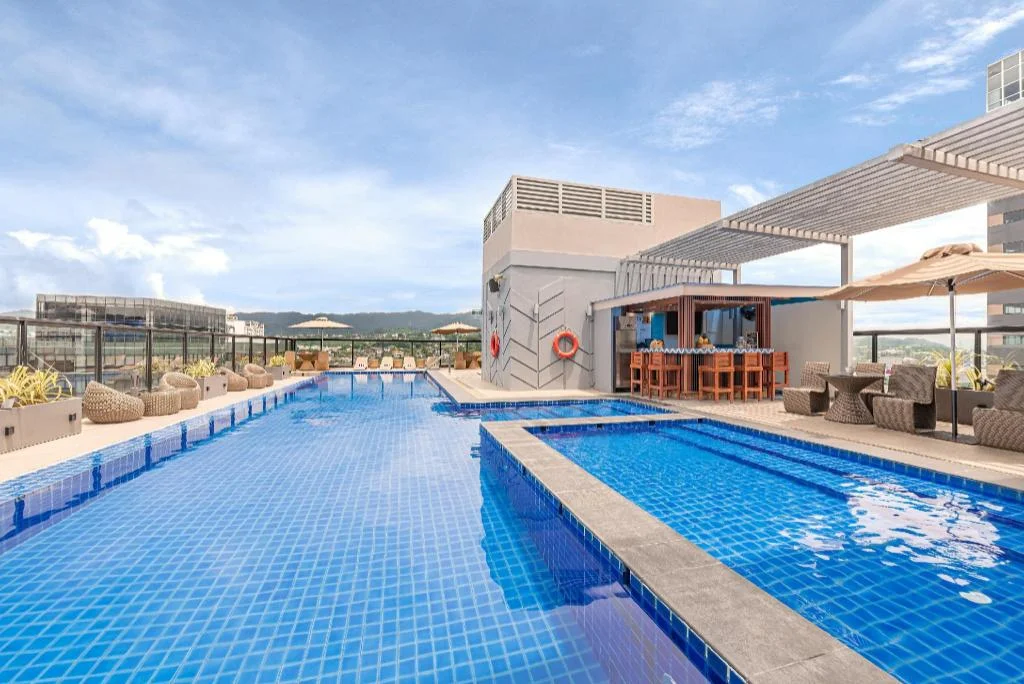
Seda Central Bloc Cebu City
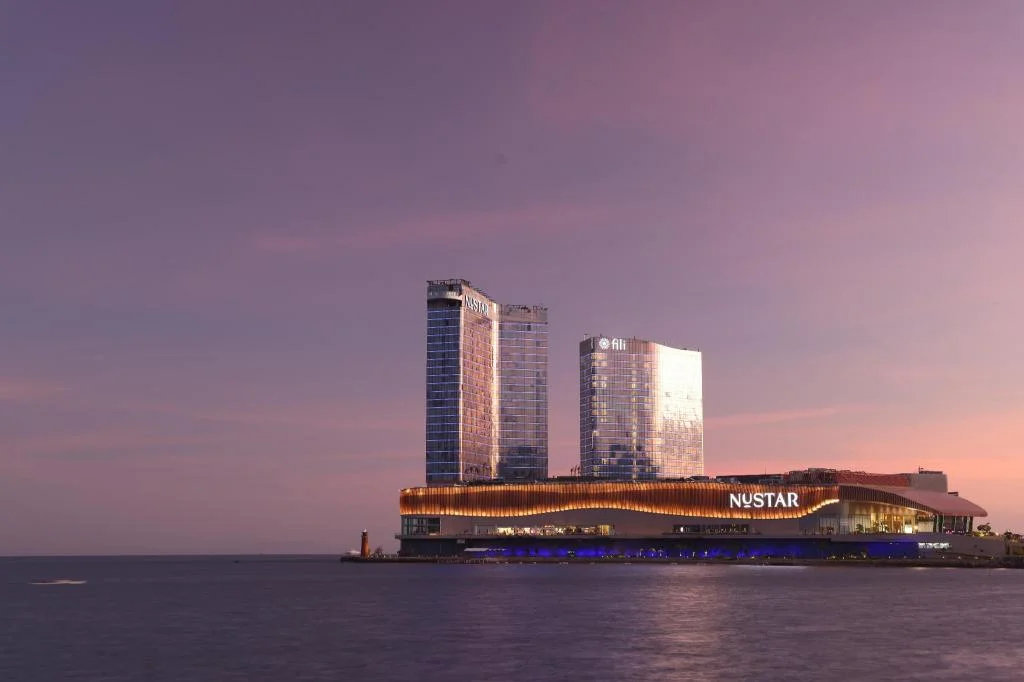
Fili Hotel - NUSTAR Resort & Casino Cebu
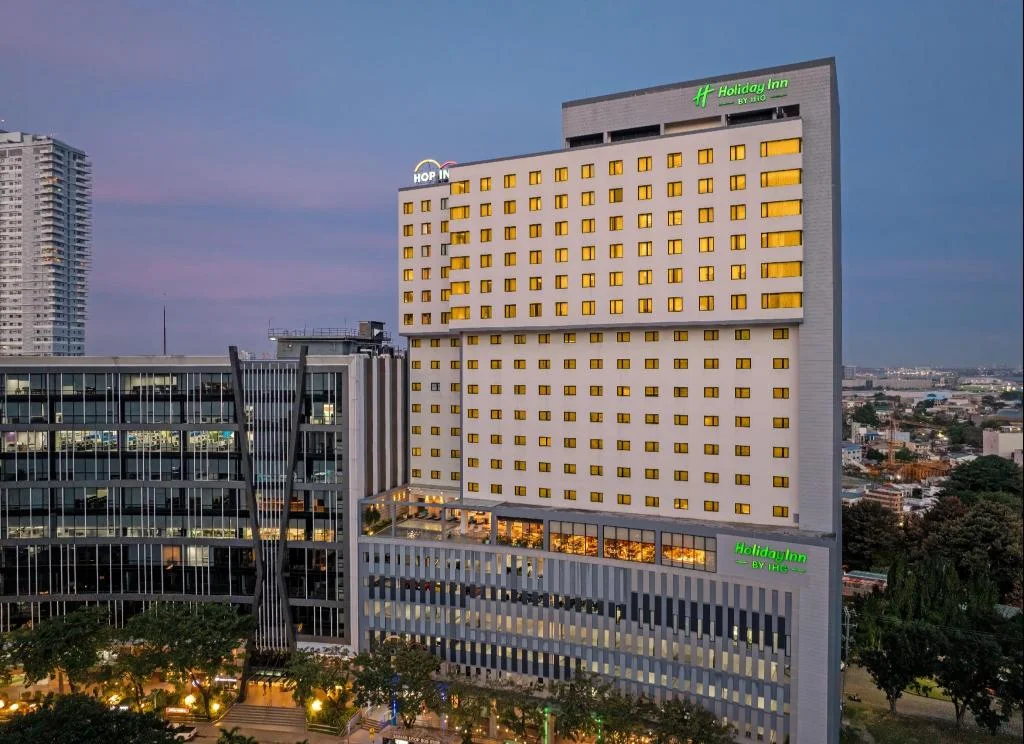
Holiday Inn Cebu City By IHG
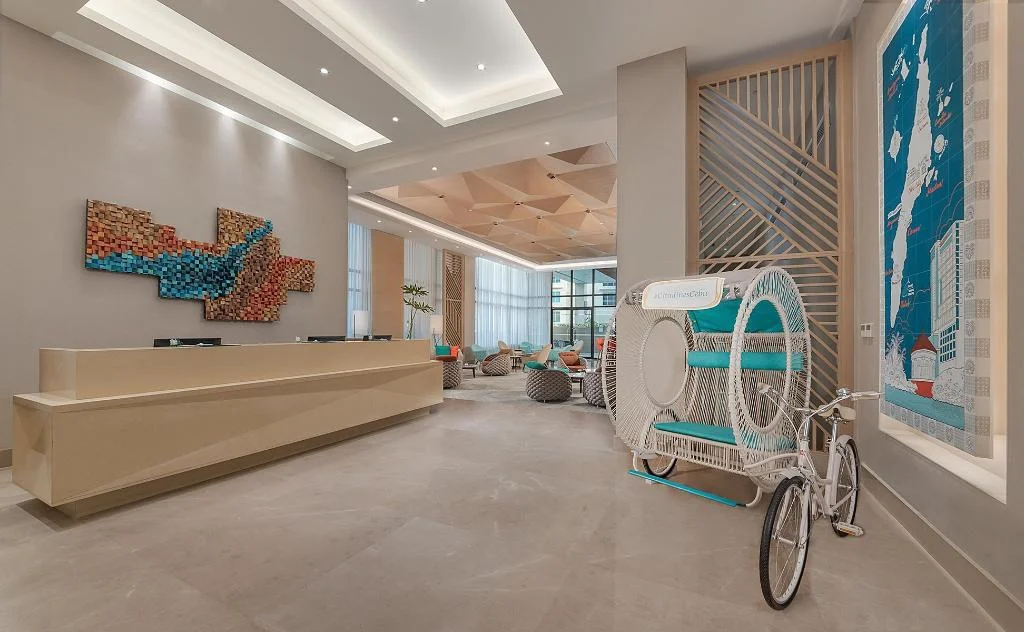
Citadines Cebu City
Prefer a rental? Vacation rentals near Cebu City
Self-catering condos and apartments — book the exact unit, kitchen included.
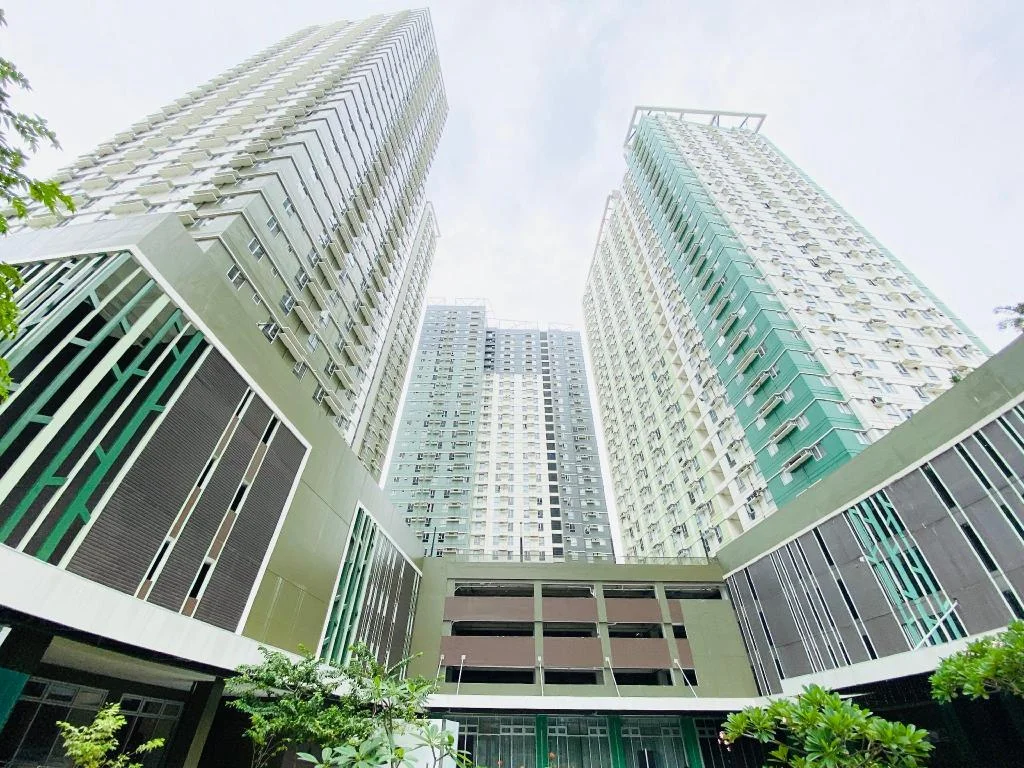
Cebu Avida Riala by P&J
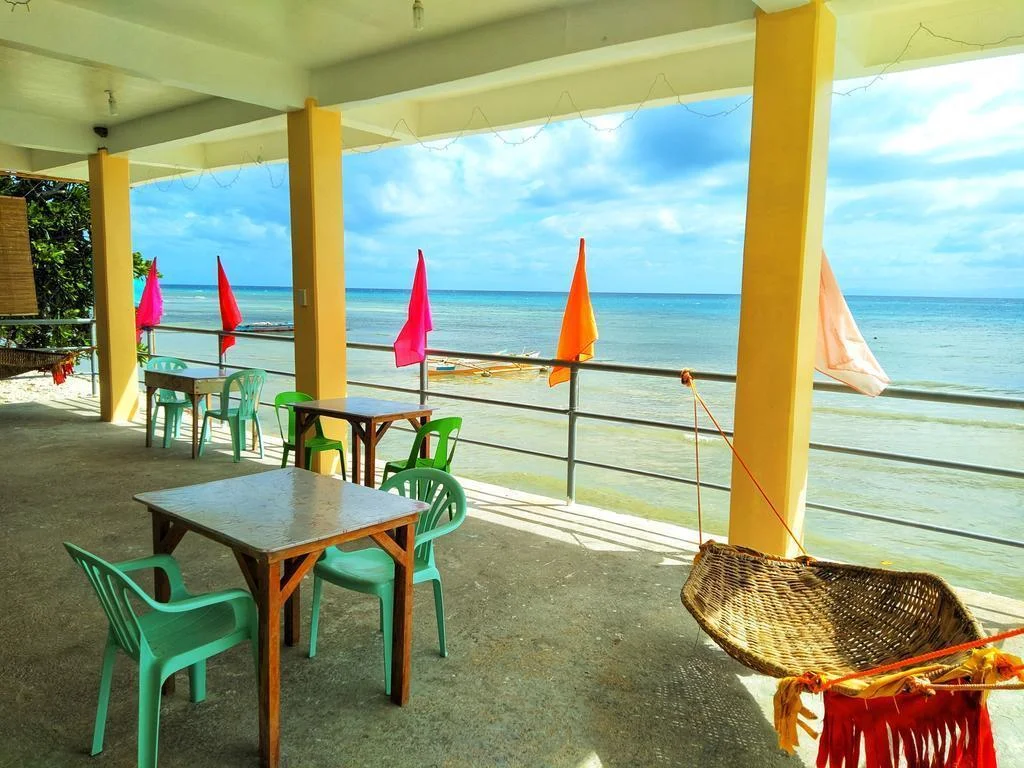
Ocean View Lodging House
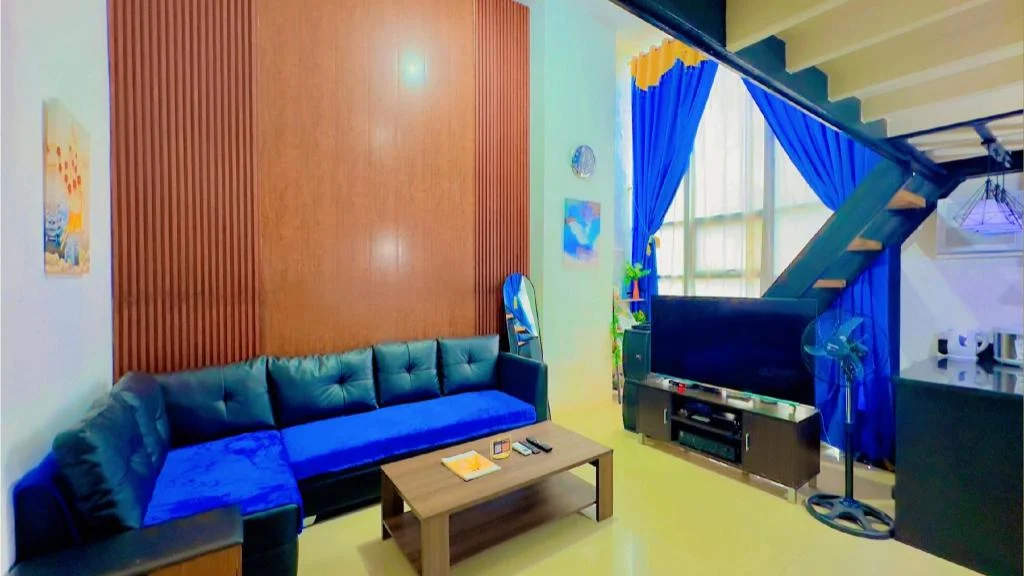
Special Big Loft Unit w/Fibreop Internet & Netflix
Before you go
Frequently asked
What are the best things to do in Cebu?
How many days do you need in Cebu?
Is Oslob whale shark watching ethical?
How much does it cost to do the main Cebu activities?
What is the best month to visit Cebu?
Do you need to swim for these activities?
Can you do Oslob and Kawasan in one day?
Is Cebu good for non-beach travelers?
How do you get around Cebu to reach these places?
Where should you stay as a base in Cebu?
More Places to Explore
Whale Shark Watching
Oslob
Swim alongside gentle whale sharks, the world's largest fish, in one of the few places where these magnificent creatures can be reliably encountered.
Kawasan Falls
Badian
A stunning three-tiered waterfall famous for its turquoise waters, bamboo raft rides, and as the endpoint of the famous Badian canyoneering adventure.
Moalboal Sardine Run
Moalboal
Swim with millions of sardines in one of the world's only year-round sardine runs, just meters from shore.
Osmeña Peak
Dalaguete
Cebu's highest peak at about 1,013 meters, with jagged Chocolate-Hills-like ridges and panoramic island views.
Magellan's Cross
Cebu City
The historic cross planted by Ferdinand Magellan in 1521, marking the birth of Christianity in the Philippines and now a National Cultural Treasure.