
TL;DR: The Oslob whale shark interaction costs ₱500 to watch from the boat or ₱1,000 to snorkel alongside the sharks — the world’s largest fish, up to 7 meters long, in water shallow enough to stand in. Arrive at Barangay Tan-awan before 6 AM; by 9 AM queues are long and the experience noticeably worse. The program is controversial due to feeding-induced behavior changes in the sharks — this guide covers the ethical debate honestly so you can decide. Book a Cebu–Oslob day trip on Klook for transport + interaction bundled. Verified June 2026.
Oslob Whale Shark Costs (2026)
| Option | What’s Included | Price (₱) | Notes |
|---|---|---|---|
| Watching only (boat, no swimming) | Bangka + boatman | ₱500 | Good if you prefer not to swim |
| Snorkeling interaction | In-water + life vest | ₱1,000 | Most popular option |
| Freediving / scuba permit | Additional to snorkeling fee | ₱1,500–2,000 | Requires own gear or rental |
| Tumalog Falls entrance | — | ₱30 | 10–15 min from Tan-awan |
| Tricycle to Tumalog (round trip) | — | ₱250–300 | Fixed tricycle rate |
| Sumilon Island boat (return) | Bangka transfer | ₱500–800 | Arrange from Oslob town |
| Bus from Cebu City (round trip) | Ceres AC bus | ₱360–440 | ~3.5–4 hrs each way |
| Day-trip package from Cebu City | Transport + fees | ₱2,500–3,500 | Easiest logistics option |
₱62 ≈ US$1 (July 2026). Foreigners pay slightly higher rates than Filipino nationals. Verified June 2026.
How Does the Oslob Whale Shark Interaction Work?
At Barangay Tan-awan, a tourism management system controls the entire interaction. Here is the exact sequence:
- Register and pay at the tourism office at the start of the beach road. It opens around 6 AM — arrive before this if at all possible, as queues build fast.
- Watch a mandatory briefing video — about 10 minutes covering rules.
- Board a bangka (outrigger boat) with your assigned guide and boatman.
- Interact in the water for your 30-minute slot.
The whale sharks are fed small shrimp by local boatmen to keep them in the area. They are typically present from early morning until late morning, becoming less predictable by midday.
You can arrive independently or as part of a package. Klook and GetYourGuide both list day-trip packages from Cebu City that bundle transport, interaction fees, and sometimes Tumalog Falls and Sumilon Island — typically ₱2,500–3,500 per person.
What Time Should You Arrive?
Arrive at Barangay Tan-awan before 6 AM — ideally by 5:30 AM. This is the single most important logistical point in this guide.
By 9–10 AM:
- Registration queues are long (30–60 minutes of waiting is common)
- The interaction zone is crowded with multiple boats
- The sharks are often deeper or less active near the surface as feeding winds down
- Photos are harder to get cleanly
Arriving early gives you: a short queue, more active sharks near the surface, fewer boats around you, and dramatically better light and photos.
To arrive by 6 AM from Cebu City, you need to board a bus by 2:00–2:30 AM (see the transport section below). Many visitors stay overnight in Oslob or at a guesthouse 1–2 hours away the night before.
The Ethical Debate — an Honest Assessment
The Oslob program is the most polarizing wildlife experience in the Philippines. Here are the actual arguments on each side.
The Concerns
Feeding alters natural behavior. Whale sharks in Oslob have been conditioned to associate boats with food. Multiple independent studies have documented changes in their movement patterns — they spend more time in the interaction zone rather than migrating as wild sharks normally do. Some researchers believe this disrupts natural feeding and potentially breeding behavior.
Boat strikes. Despite rules prohibiting engine use near the sharks, the density of boats increases collision risk. Propeller scarring has been documented on several of the resident sharks.
Surface exposure and stress. Whale sharks are pelagic animals — they normally inhabit deep, dark water. Prolonged surface interaction under direct sun may cause thermal stress, though this is contested.
Dependency risk. Sharks that become habituated to handouts may be less capable of surviving in the wild if the program ends.
The Counterarguments
Direct economic benefit to a poor community. The Oslob program generates significant income for the fishing families of Tan-awan who would otherwise rely on more destructive fishing practices. Local support for the program is high and it has materially improved living standards in the barangay.
Conservation awareness at scale. Millions of people have been within arm’s length of a whale shark at Oslob. Many leave with an emotional connection to the species they would not otherwise have had. The conservation value of that experience is real, even if imperfectly delivered.
Not all sharks are permanent residents. Some whale sharks at Oslob appear seasonally and continue to migrate; the program’s effects are not uniform across every individual.
Regulated over unregulated. Before formalization, tourists accessed the sharks without any rules. The current system enforces rules, collects fees for management, and limits daily interaction numbers.
Our position
Reasonable people disagree on this one. The experience is extraordinary on a sensory level. If the ethical dimension is your primary concern, visit Tumalog Falls and Sumilon Island instead — two excellent alternatives nearby that involve no wildlife conditioning. Or choose Donsol in Sorsogon, where whale shark encounters happen in the wild without feeding.
If you decide to go: follow every rule strictly. Your individual impact is minimized by maintaining distance and keeping your interaction short and calm.
Rules in the Water
These rules exist for good reason and are enforced:
- No sunscreen — chemical sunscreen is toxic to the sharks. Wear a rash guard. This is checked before you enter the water.
- 3-meter minimum distance — do not touch, grab, or ride the sharks. Violators are removed from the water immediately.
- No flash photography — flash startles the sharks and is prohibited.
- Follow your guide at all times — they position you for the best view while managing the shark’s space.
- 30-minute limit per group in the water.
How to Combine with Tumalog Falls
Most visitors finish the whale shark session by 8–9 AM and head straight to Tumalog Falls, about 10–15 minutes from Tan-awan by tricycle.
Tumalog is a single cascade falling around 25 meters into shallow turquoise pools, surrounded by bamboo groves. The mist is photogenic at almost any hour, but early morning light is softer and crowds are smaller. Entrance fee is around ₱30; the tricycle round trip from Tan-awan costs ₱250–300.
Arrive before 10 AM if you want it relatively quiet. By 11 AM it fills with visitors who arrived for the whale sharks and are now working through the same sequence as you.
Sumilon Island
Sumilon Island is a 15–20-minute boat ride from Oslob town center (not from the whale shark site — arrange boats from the town pier or through your tour package). The island’s sandbar shifts seasonally — at low tide a white strip emerges from brilliant clear water. The surrounding marine sanctuary has excellent snorkeling.
Day-trip boats charge ₱500–800 per person return. If you are combining whale sharks, Tumalog, and Sumilon in one day, leave Tan-awan by 9 AM to reach Sumilon before the afternoon wind picks up.
Is Oslob Whale Shark Watching Worth It? (The Honest Take)
For most travelers: yes, but know what you’re signing up for.
Being face-to-face with a 7-meter whale shark in shallow water, close enough to see the spots on its skin, is genuinely unlike any other experience in the Philippines. The scale of the animal registers differently in person than in any photo.
What it is not: a wild encounter. The sharks are there because they are fed. The setting is managed and crowded by 9 AM. If you arrive hoping for a serene moment in the ocean alone with a whale shark, you will be disappointed — there will be other boats, other swimmers, and a choreographed feel to the whole thing.
Come early, follow the rules, and treat it for what it is: a curated wildlife experience with real ethical trade-offs. Leave the flash photography and sunscreen at home. That’s the version of this that’s worth doing.
For the full south Cebu day-trip context, see the 5-Day Cebu Itinerary, which builds Oslob into Day 2 with an early departure from Cebu City.
Where to Stay Near Oslob
Staying overnight near Oslob lets you hit Tan-awan at 5:30 AM without the 2 AM bus departure from Cebu City. A small cluster of guesthouses sits near the whale shark area; search Oslob accommodation on Agoda to compare options from budget rooms to small resorts. Moalboal (about 1 hour north) also works as a base if you’re pairing Oslob with Moalboal diving on consecutive days.
How to Get to Oslob
From Cebu City (South Bus Terminal)
Take a Ceres bus bound for Oslob or Santander from the South Bus Terminal on V. Rama Avenue. Air-conditioned buses depart from around 5 AM (earlier buses also run through the night). Journey time is approximately 3.5–4 hours; fare is around ₱180–220. Tell the conductor “Tan-awan, whale shark” — they will drop you at the correct stop.
To arrive at 6 AM, board the bus by 2:00–2:30 AM. Night buses do run. This is the most budget-friendly option but requires an uncomfortable early departure.
From Moalboal
Moalboal is about 1 hour north of Oslob. Take any southbound Ceres bus from the Moalboal junction toward Oslob or Santander (₱60–80, about 45–60 minutes). This is the most natural progression if you’re combining Moalboal’s sardine run with an Oslob day.
Private Transfer or Day-Trip Package
A private van from Cebu City to Oslob costs ₱3,000–5,000 one-way depending on vehicle size. Many tour operators offer overnight packages that include accommodation near Oslob and the early morning whale shark session — worth considering if you want to avoid the 2 AM bus. Search Oslob day-trip packages on Klook for current bundled options.
Sources
Oslob whale shark interaction rules and fees as posted by the Tan-awan tourism office; tour listings via Klook and GetYourGuide. Verified on the ground; confirm live prices and schedules with operators before booking.
Book Tours & Hotels for This Trip
Find and book the best deals — prices and availability update in real time. Links open in a new tab.
Where to stay near Oslob
Top-rated hotels for this trip — tap through to check live rates.
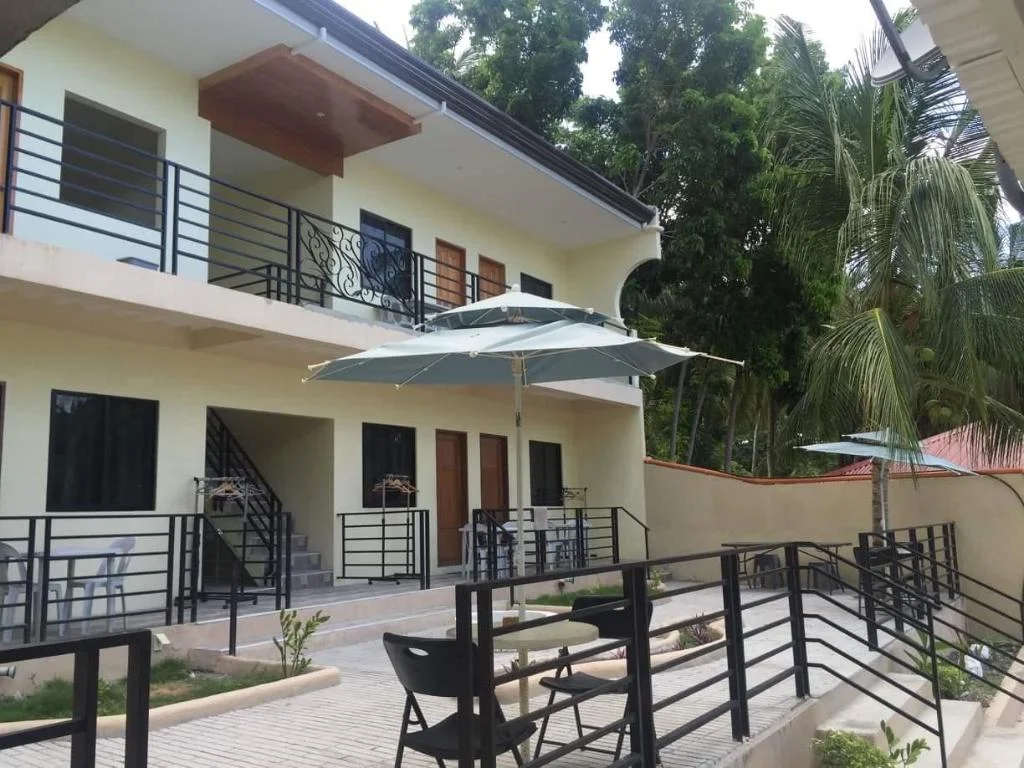
Joaquim's Lodge
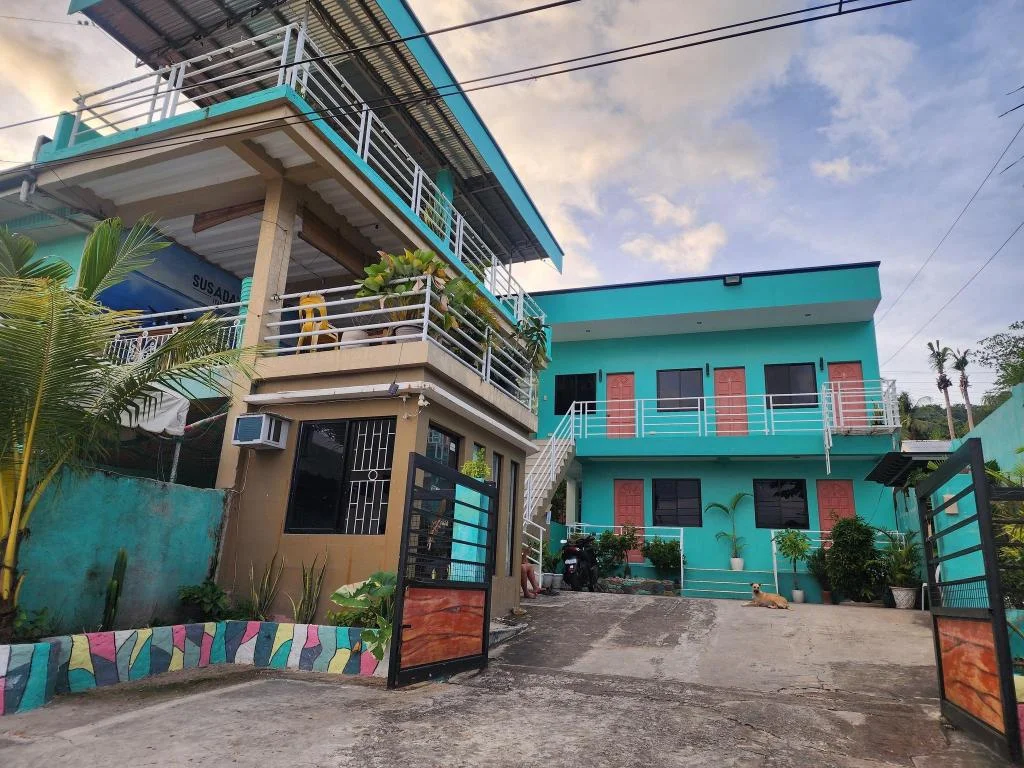
Susada's Inn
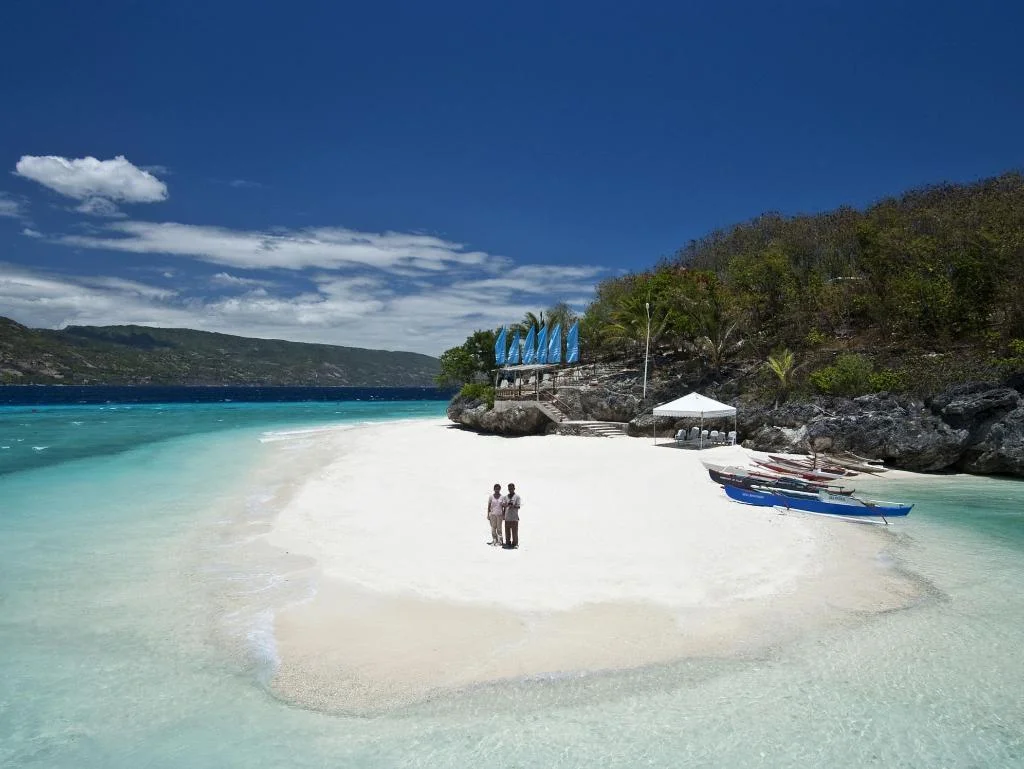
Bluewater Sumilon Island Resort
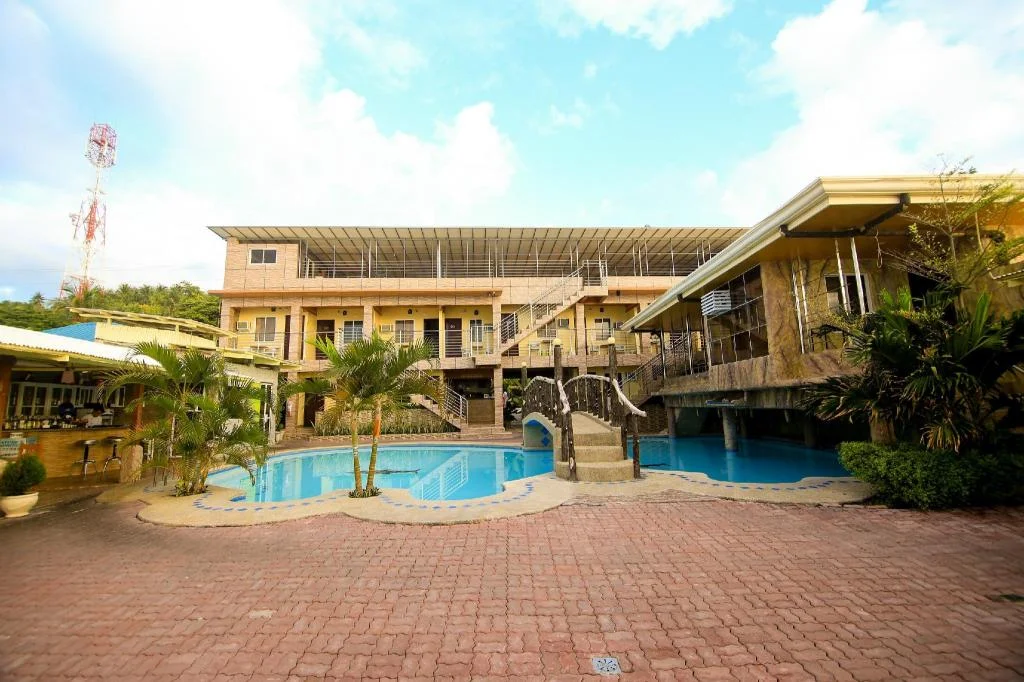
Ging-Ging Hotel & Resort
Prefer a rental? Vacation rentals near Oslob
Self-catering condos and apartments — book the exact unit, kitchen included.
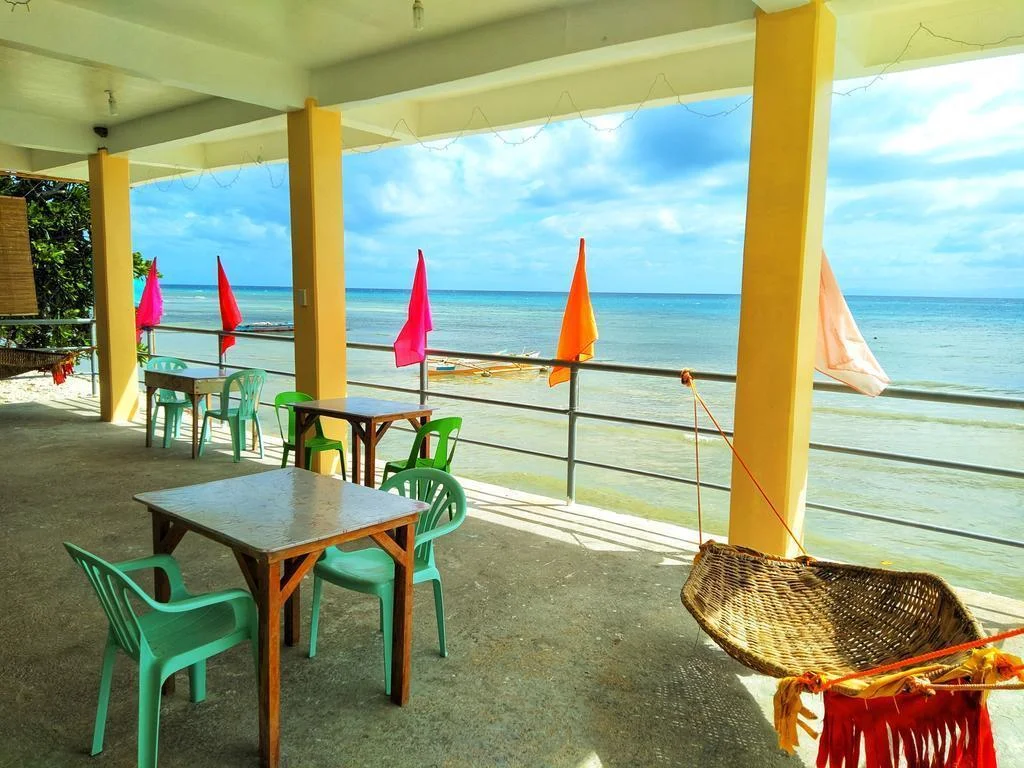
Ocean View Lodging House
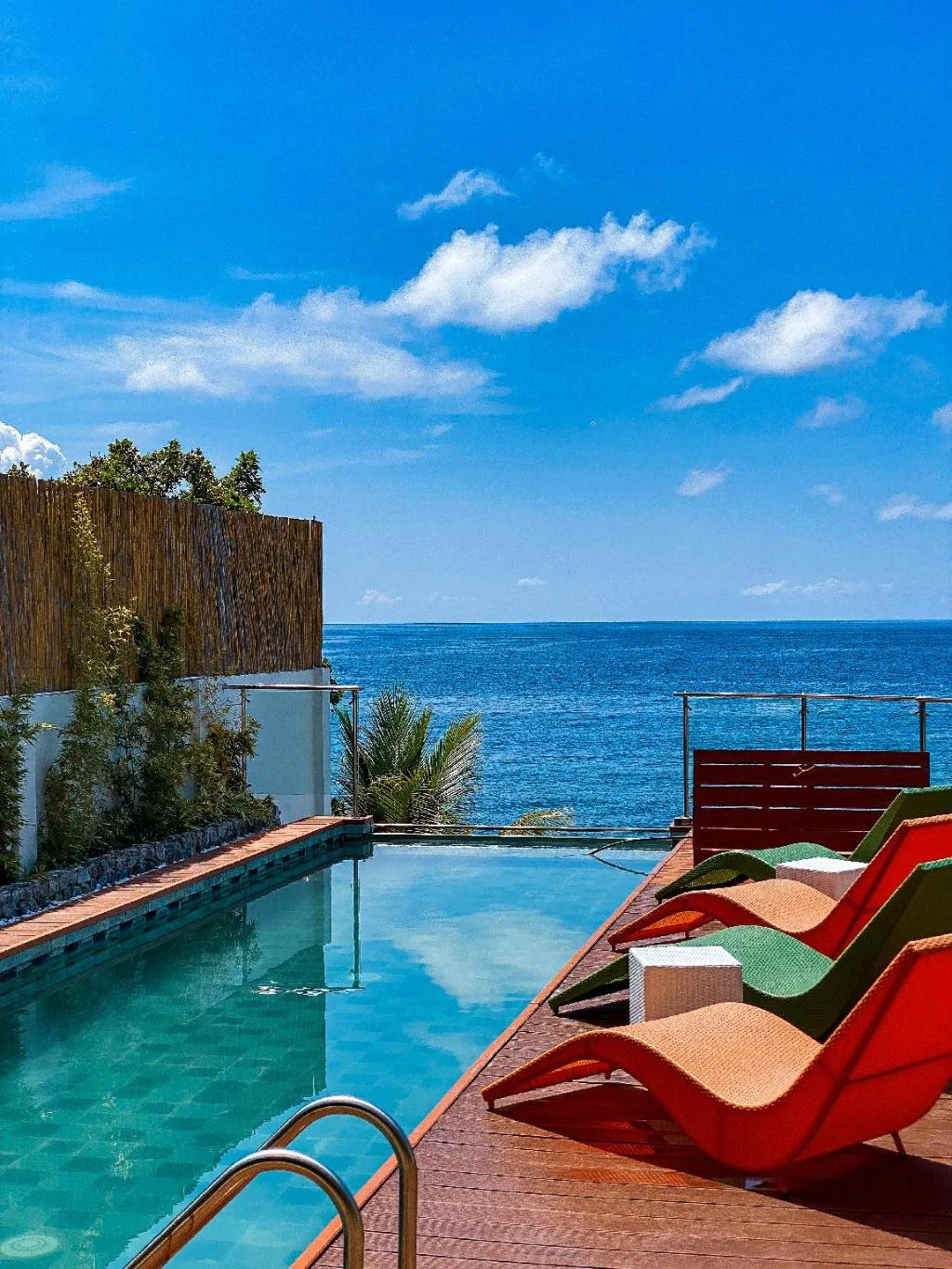
The South Hideaway Oslob
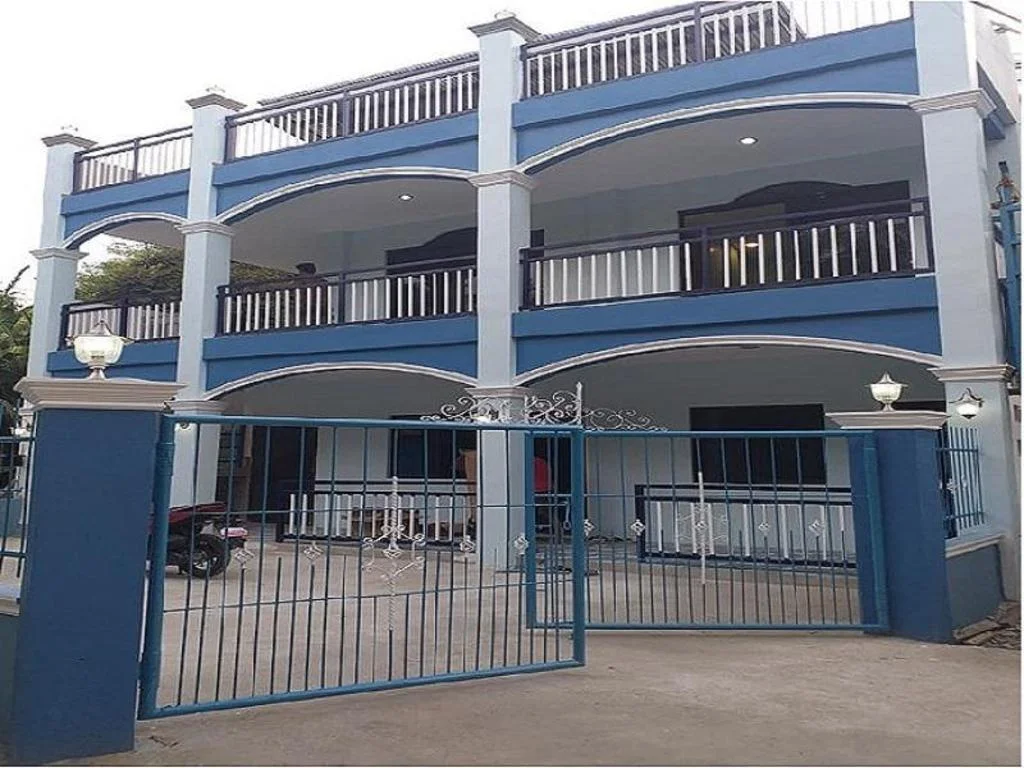
Azulea Family Deluxe 1 * own CR, shower, AC, TV
Before you go
Frequently asked
How much does Oslob whale shark watching cost?
What time should I arrive at Oslob for whale shark watching?
Is Oslob whale shark watching ethical?
How long is the whale shark interaction at Oslob?
Can I touch the whale sharks at Oslob?
Can I combine Oslob whale sharks with Tumalog Falls in one day?
How do I get from Cebu City to Oslob?
Is there a sunscreen rule at Oslob whale shark watching?
More Places to Explore
Whale Shark Watching
Oslob
Swim alongside gentle whale sharks, the world's largest fish, in one of the few places where these magnificent creatures can be reliably encountered.
Tumalog Falls
Oslob
A spectacular curtain waterfall cascading down a moss-covered cliff into a shallow turquoise pool, creating a dreamlike natural retreat.
Sumilon Island
Oslob
A pristine coral island with a famous shifting white sandbar, excellent snorkeling, and the distinction of being the Philippines' first marine sanctuary.