
TL;DR: Yes — a toddler or non-swimmer can watch Oslob’s whale sharks from the boat. Kids 2 and under ride free without entering the water; non-swimmers float in the mandatory life jacket or stay dry. Most operators draw the in-water snorkeling line around age 6–7 — their own policy, not a rule. Verified July 2026.
Oslob whale shark watching is Cebu’s single most-asked-about activity for families, and the question that comes up every time is some version of: “my kid is 3 and can’t swim, can we still go?” The short answer is yes, and it’s more straightforward than most tour marketing makes it sound. This guide walks through exactly what happens if your child (or you) isn’t getting in the water — the current rules, the real age line operators enforce, what a non-swimmer’s day actually looks like, and what to do if a kid freezes up mid-session. If you haven’t decided whether Oslob is the right call for your family at all, our baby and toddler guide and complete Cebu families guide cover the wider trip; this page is for once you’ve decided to go and need the specifics on the water part.
Oslob With a Toddler or Non-Swimmer, At a Glance
| Question | Answer |
|---|---|
| Can a toddler ride the boat? | Yes, in a life jacket, no swimming required |
| Do toddlers pay? | Typically free 2 and under; discounted roughly 3–7 |
| Minimum age to snorkel in the water? | No official rule; most operators draw the line around 6–7 |
| Can a non-swimmer enter the water? | Yes, wearing the mandatory life jacket, floating at the surface |
| Can you skip the water entirely? | Yes — watch from the boat, sharks surface right alongside it |
| Session length | 30 minutes per group |
| Operating hours | 6:00 AM–12:00 PM, last entry ~11 AM |
| Life jackets | Mandatory for everyone entering the water |
| Sunscreen | Banned before water entry — rinse off first |
Verified July 2026.
Can a Toddler or Non-Swimmer Go to Oslob At All?
Yes — nobody is turned away for being too young or unable to swim, because the boat-watching option exists specifically for this. Every group boards a small outrigger boat and paddles a short distance offshore to where the whale sharks feed; some passengers slip into the water in a mask and life jacket while others stay seated in the boat. A toddler on a parent’s lap or a non-swimmer gripping the boat’s edge sees essentially the same animal, a few feet further away, without getting wet. Pricing reflects this — children 2 and under are usually free, specifically because they’re expected to stay in the boat, not because of any swimming requirement.
What Are the Current Rules for Staying on the Boat vs In the Water?
Both options run under the same session, so you don’t need to choose in advance — you decide once you’re on the water. Sessions operate daily from 6:00 AM to around 11:00 AM–12:00 PM, each boat’s group given a 30-minute window. Everyone entering the water wears a mandatory life jacket, keeps a minimum distance from the sharks — most operators cite at least 4 meters, though a few post a slightly higher figure — and follows the standard rules: no touching, no flash photography, no sunscreen in the water (rinse off beforehand, since residue harms the animals), no chasing a shark that moves off. Boats paddle rather than run motors near the sharks. Everyone sits through a short safety briefing at the registration center before boarding — this is also the point to tell your guide that someone in your group is staying dry, so they can position the boat accordingly.
Is There a Minimum Age for Whale Shark Watching in Oslob?
Not an official one — the age line you’ll hit is set by individual operators, not a government rule. In practice, most operators don’t let children under roughly 6–7 enter the water to snorkel, some draw it slightly lower around 5, and none stop a toddler of any age from riding the boat. Pricing generally follows an age tier — free for kids 2 and under, roughly 30% off for ages 3–7, full price from 8 up — and that tier applies whether or not the child actually enters the water, so a boat-only toddler and a boat-only 6-year-old usually pay the same rate. Because this is operator policy rather than law, confirm directly with whichever operator you book, since enforcement is inconsistent.
What Are Your Options If You (or Your Kid) Can’t Swim?
The mandatory life jacket is what makes this workable — it does the floating, not your swimming ability. A non-swimmer entering the water wears the same life jacket as everyone else, which keeps them face-down and buoyant at the surface without needing to tread water or kick. If that still feels like too much, the fully dry option is just as valid: stay in the boat and watch the sharks surface-feed a few meters away — they often come close enough to the boats that the view isn’t dramatically different from being in the water. Tell your guide before the session starts if anyone in your group is nervous in open water; a good guide will keep you closer to the boat, and there’s no penalty for choosing to stay dry partway through if the water feels like too much once you’re in it.
What If Your Child Gets Scared Mid-Water?
Pull them back to the boat — that’s the standard response, and guides expect it. Fear at Oslob usually isn’t about the shark itself; it’s the noise of a crowded viewing area, the number of boats bobbing close together, and waves that hit waist-high on a small child feeling much bigger than they do to an adult. Parents on Oslob’s traveler forums describe kids freezing up before they’ve even reached a shark — one account described a 7-year-old locking up at the water’s edge, legs refusing to move, simply from the scale and strangeness of the scene. If that happens, the fix is immediate and low-stakes: a guide or parent lifts the child back onto the boat, and the session continues for whoever wants to stay in. Because pulling a child out mid-session is easy and normal, the lower-stress plan is to set expectations beforehand that watching from the boat is a completely acceptable outcome — not a fallback or a failure — rather than promising a nervous kid they’ll definitely swim with a shark and hoping it goes well once you’re there.
Is Oslob Whale Shark Watching Ethical to Bring Kids To?
That’s a separate question worth answering before you book, not after. Oslob’s whale sharks return daily because operators hand-feed them to guarantee sightings — a practice marine biologists have flagged for altering the sharks’ natural migration and feeding patterns and adding boat traffic to a small stretch of water. Operators have added safeguards over the years (distance limits, no-touching, mandatory life vests), but the practice remains genuinely debated among conservationists, not resolved. That doesn’t mean don’t go — plenty of thoughtful travelers do, kids included, and go in informed. It’s worth a few minutes with our Oslob ethics guide before you decide, especially if you’re modeling responsible wildlife tourism for a child old enough to ask why the sharks are always right there.
The Honest Take
Oslob works with a toddler or non-swimmer far more easily than the “extreme adventure” framing suggests — the boat-only option isn’t a consolation prize, it’s a normal, priced-in way to do the activity, and a large share of every day’s visitors use it. Where families actually run into trouble is the drive, not the water: it’s 2.5–4 hours each way from Cebu City, sessions start at 6 AM, meaning a 2–3 AM departure if you’re not staying nearby, and that’s a rough day for a baby or toddler regardless of what happens at the viewing area. If your child is under about 2, weigh the long transit and early wake-up against a sighting they won’t remember — plenty of families reasonably decide to wait a year or two. If you’re going, plan for the boat option from the start with any nervous swimmer in your group, brief kids on what to expect before you arrive, and treat “staying dry and watching from the boat” as the default good outcome, not the backup plan.
Get Moving
Book a hotel or homestay near Oslob if you want to avoid the pre-dawn drive with a toddler in tow — see our where to stay near Oslob guide for options — and pair the whale shark stop with the shallow, easy Tumalog Falls nearby rather than stacking a second demanding activity onto the same day. For the full cost and operator breakdown, read our Oslob whale sharks guide, and if the ethics of feeding-based tourism give you pause, our ethical debate and alternatives guide lays out both sides. Ready to book with the boat-only option confirmed in advance? Compare Oslob whale shark tours on Klook and message the operator directly about your child’s age before you pay.
Sources
- Highland Adventure Tours — Oslob whale shark watching fee update, March 2025 (₱500 local / ₱1,000 foreign fee)
- Hale Manna — Oslob Whale Shark 2026: Prices & Hours (session hours, life jacket policy, non-swimmer notes)
- Oslob Whale Sharks (Island Trek Tours) — official rules and code of conduct (distance rule, sunscreen policy, briefing requirement)
- Tripadvisor — “Whalesharks with a small child?” Oslob forum thread (parent first-hand accounts of children’s reactions)
- Operator age-tier pricing and in-water minimum-age practice, cross-checked against multiple current Oslob tour listings, July 2026.
- Verified July 2026.
Book Tours & Hotels for This Trip
Find and book the best deals — prices and availability update in real time. Links open in a new tab.
Where to stay near Oslob
Top-rated hotels for this trip — tap through to check live rates.

Joaquim's Lodge
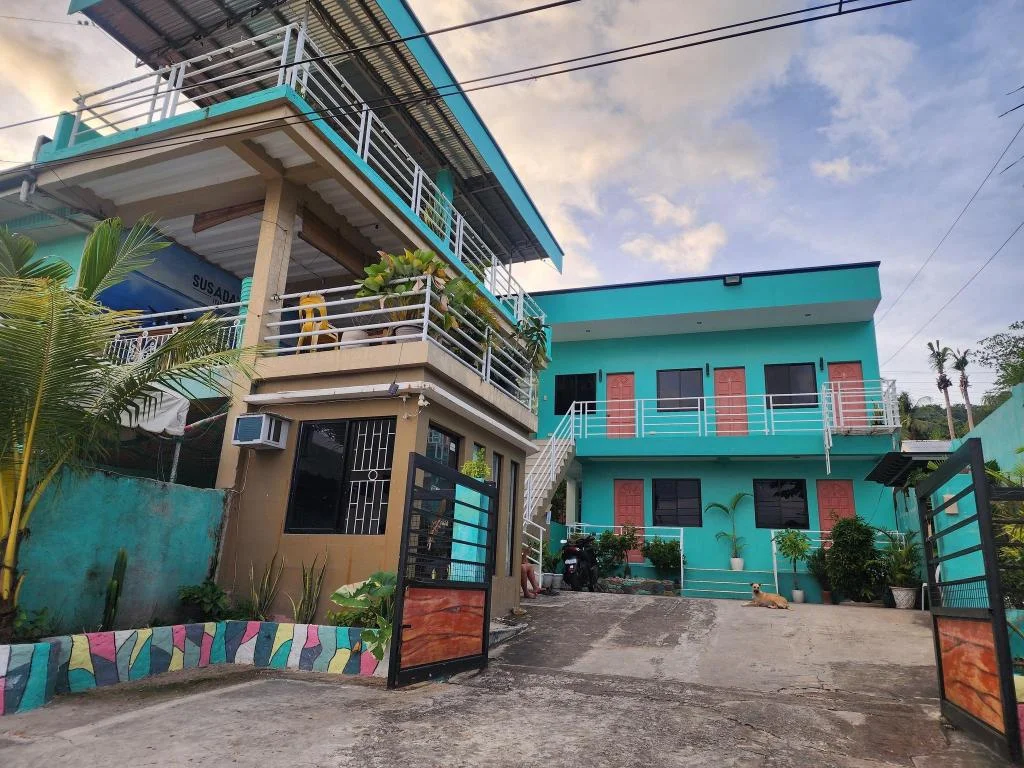
Susada's Inn
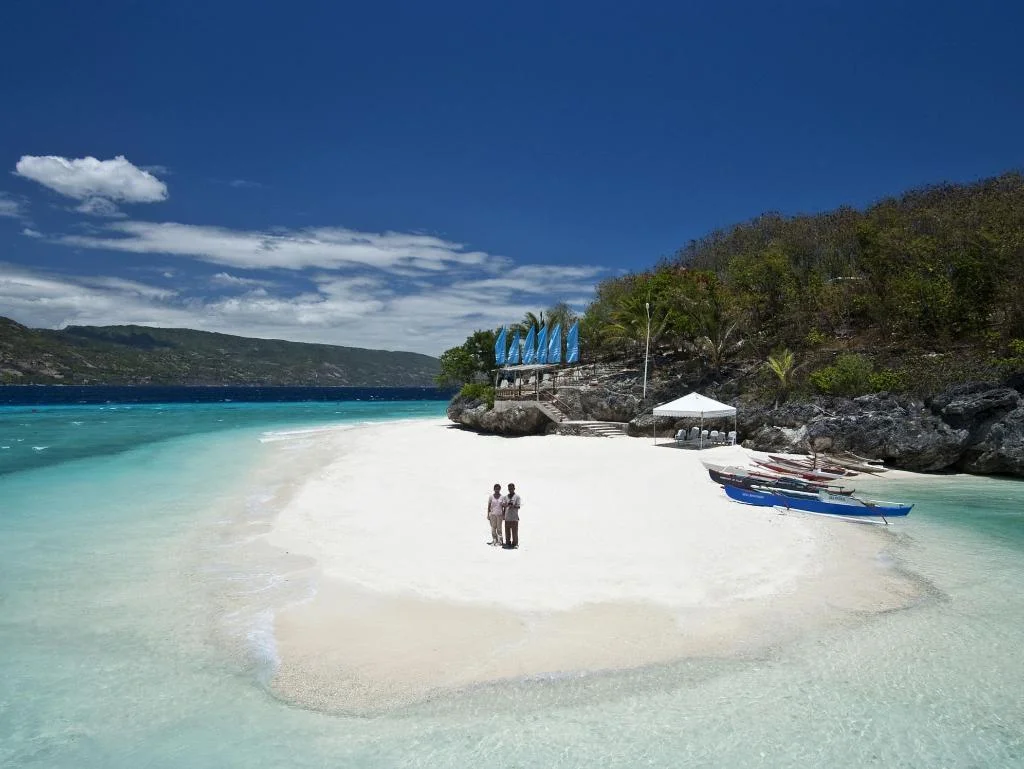
Bluewater Sumilon Island Resort
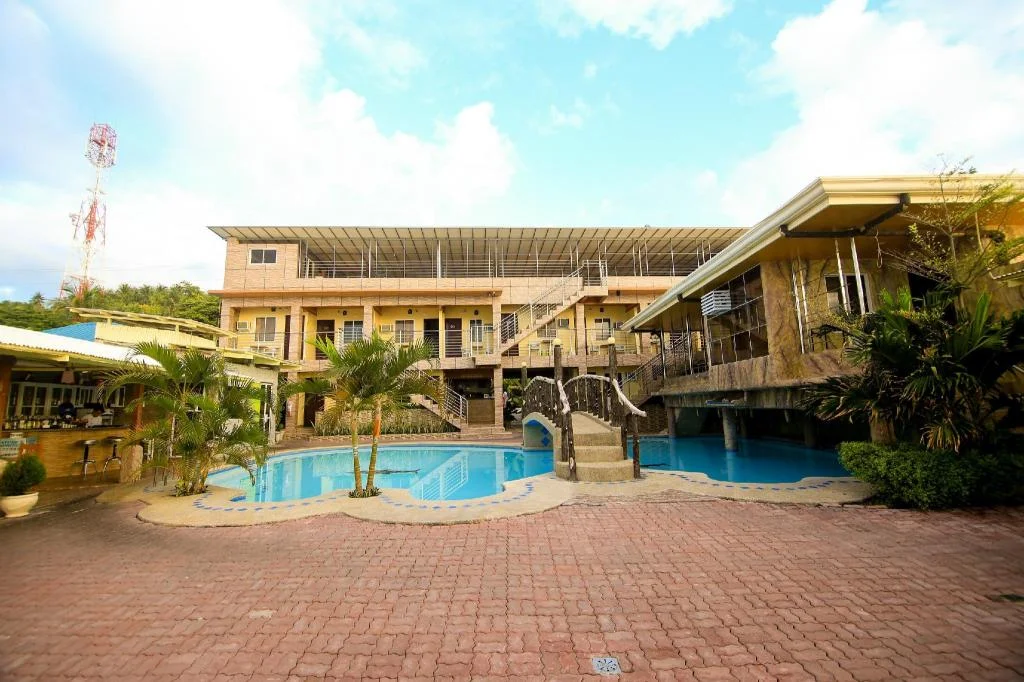
Ging-Ging Hotel & Resort
Prefer a rental? Vacation rentals near Oslob
Self-catering condos and apartments — book the exact unit, kitchen included.
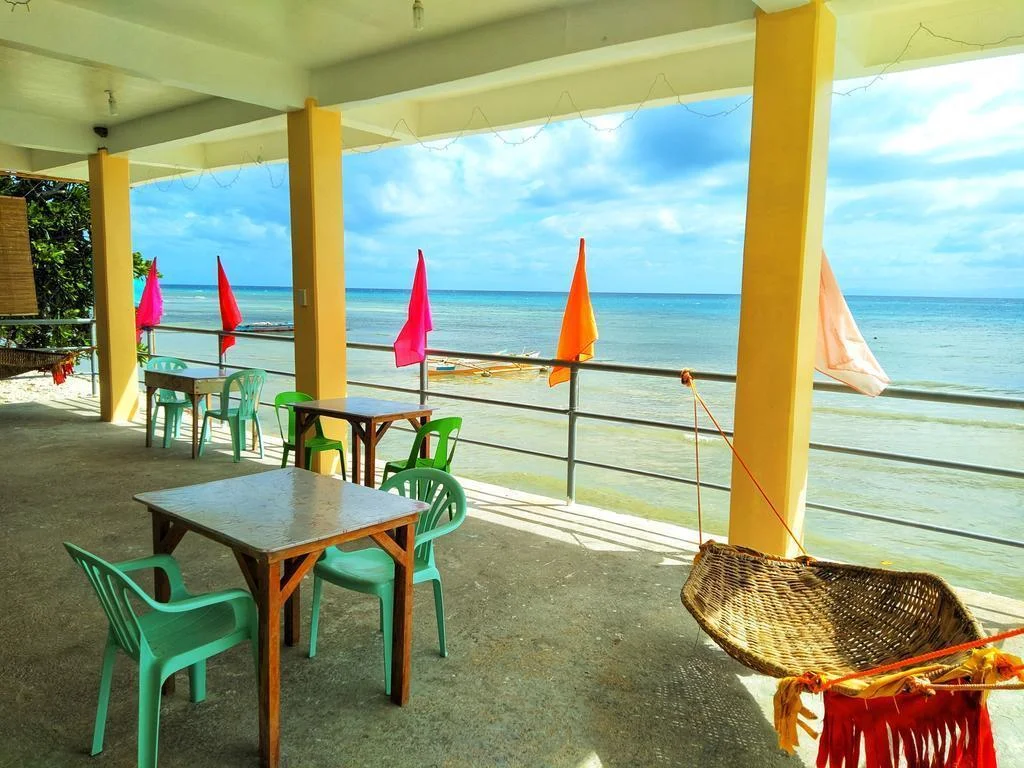
Ocean View Lodging House

The South Hideaway Oslob
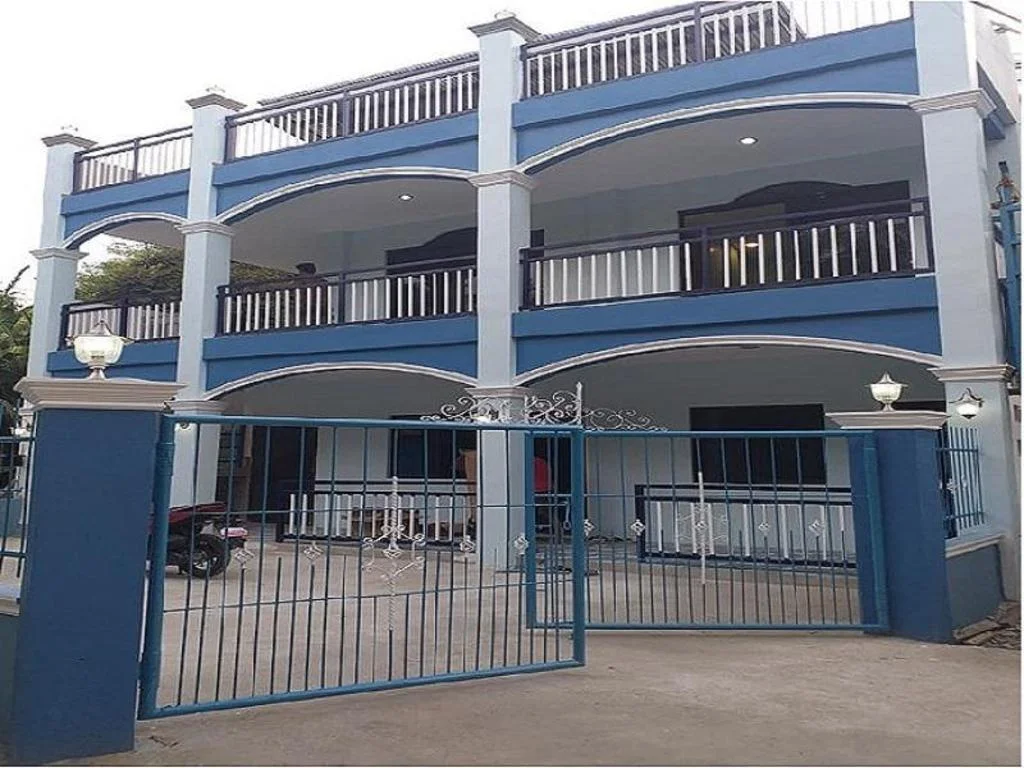
Azulea Family Deluxe 1 * own CR, shower, AC, TV
Before you go