
TL;DR: Oslob guarantees whale shark sightings by hand-feeding a resident group of sharks daily — a practice researchers say has measurably changed the animals’ movement, metabolism, and migration, while lifting around 177 local fishing families out of poverty. Entrance runs ₱500 to watch from the boat or ₱1,000 to snorkel (about US$8–16). If you want a no-feeding, no-touching encounter instead, Donsol (Sorsogon) and Pintuyan (Southern Leyte) are the Philippines’ established ethical alternatives, though sightings there aren’t guaranteed. Verified July 2026.
Few attractions in the Philippines split opinion the way Oslob’s whale shark watching does. On one hand, it’s the most reliable place on earth to swim beside the world’s largest fish — a near-100% sighting rate, year-round, an hour’s drive from the rest of southern Cebu’s waterfalls and dive sites. On the other, it exists because boatmen hand-feed the sharks small shrimp every morning, and more than a decade of research says that’s changed the animals in ways that matter. This guide lays out both sides honestly: what the feeding practice actually is, what marine biologists have found, why the local community defends it, and where to go instead if you’d rather see a whale shark that hasn’t been trained to show up.
Oslob vs. the No-Feeding Alternatives
| Site | Feeding? | Rules | Cost (2026) | Sighting odds |
|---|---|---|---|---|
| Oslob, Cebu | Yes, daily hand-feeding | No touching, 4m distance, no diving below sharks | ₱500 watch / ₱1,000 snorkel (~US$8–16) | Near-guaranteed, year-round |
| Donsol, Sorsogon | No feeding, no touching | 3m from head / 4m from tail, briefing required, 6 people per boat | ~₱5,000/boat (~US$81) + ₱300 registration (~US$5) | Good but weather/season-dependent, roughly Dec–May |
| Pintuyan, Southern Leyte | No feeding, no baiting, no touching | Similar distance rules, spotter-led | Boat + registration fee, confirm locally | Seasonal, roughly Sept/Oct–April/May, not guaranteed |
₱62 ≈ US$1 (July 2026). Donsol and Pintuyan prices and seasonal windows shift year to year — confirm current rates with the Donsol Whale Shark Center or Pintuyan Dive Resort before booking. Verified July 2026.
How Did Whale Shark Feeding Start in Oslob?
It started with one tourist’s tip in 2011, not a government program. Fishermen in Barangay Tan-awan had long fed small whale sharks free shrimp (uyap) to lure them away from their fishing nets, which the sharks would otherwise damage. In 2011, a tourist reportedly paid one of these fishermen to draw a shark in close so they could get a proper look. Word spread, informal feeding-and-viewing trips began, and within a year the local government had formalized it into the paid attraction it is today. The current business arrangement, according to research on Oslob’s tourism economy, splits roughly 60% of revenue to the fishermen-operators, 10% to the barangay, and 30% to the municipality, which funds marine wardens patrolling against illegal fishing in the wider bay.
What Do Marine Biologists Actually Say About It?
Researchers who’ve tracked Oslob’s whale sharks for years have documented real behavioral and physiological changes, and they haven’t improved with time. The Large Marine Vertebrates Research Institute Philippines (LAMAVE), which has run the longest-standing independent study of the site, found that newly arriving sharks gradually shift their schedule to arrive earlier at the feeding area, and sharks with a long resighting history now show anticipatory behavior — turning up at the site on average just minutes after the feeder boats do, rather than following natural plankton movements. Accelerometer tagging found daily movement and estimated metabolic rate increased by up to 55% around the provisioning site, and resident sharks spend roughly six times longer at the surface than would be typical, extending their exposure to warmer surface water. A separate concern raised in peer-reviewed work is nutritional: the shrimp fed to the sharks is trucked or shipped in from other regions and offers far less plankton diversity than a whale shark’s natural diet, and its nutritional value likely degrades in storage and transport. LAMAVE’s assessment, published after multiple years of monitoring, is that compliance with Oslob’s own code of conduct hasn’t meaningfully improved over time, even as international attention on the site has grown.
Physical injury is the more visible concern for anyone who’s actually been in the water. Boat traffic in a compressed feeding zone means whale sharks are frequently in close proximity to outriggers and hulls, and researchers and dive operators have documented skin lesions and abrasions, especially around the mouth, consistent with repeated contact. The whale shark (Rhincodon typus) was uplisted to Endangered on the IUCN Red List in 2016 — a status that raises the stakes on getting any tourism model right, feeding or not.
What’s the Case For Oslob’s Model?
The strongest argument for Oslob isn’t ecological, it’s economic — and it’s a genuinely significant one. Before 2011, Tan-awan’s fishing families worked one of the poorer coastal economies in Cebu; a widely cited study on the site’s livelihood impact found average daily fisher income rose from roughly US$1.40 to about US$62 after the shift to whale shark tourism, with the program’s ticket revenue estimated at around US$18.4 million over its first five years. That income supports around 177 fishers and their households directly, and the 30% cut that funds marine wardens has, by several accounts, reduced illegal and destructive fishing in the surrounding waters — a conservation upside that’s easy to miss if you only look at the whale sharks themselves. Surveys of tourists who’ve done the Oslob interaction consistently find that most are aware the practice is controversial and choose to go anyway, citing the economic benefit to the community alongside the personal experience, which is its own kind of honest trade-off.
It’s also worth separating Oslob from what’s happening elsewhere in the region: in 2025, the Provincial Government of Bohol — just across the strait — banned whale shark feeding activities in its own waters, a sign that at least some Philippine LGUs are moving away from the provisioning model even as Oslob continues under Cebu’s local government.
Where Can You See Whale Sharks Without the Feeding?
Donsol, in Sorsogon province on Luzon, is the Philippines’ original no-feeding whale shark site and still the gold standard. Sightings are wild — spotters look for surface-feeding sharks following seasonal plankton blooms, roughly December through May, and there’s no guarantee one will show up on your boat’s stretch of Butanding orientation. Rules are strict: at least 3 meters from the shark’s head and 4 meters from its tail, no touching, no flash photography, a maximum of 6 swimmers per boat, and a mandatory briefing at the visitor center before you go out. It costs more and takes more patience than Oslob, but the whale sharks you see there are behaving as they would with no humans around at all.
Pintuyan, in Southern Leyte’s Sogod Bay, is the newer, quieter version of the same idea. It’s explicitly modeled after Donsol — no feeding, no baiting, no touching — and the whale shark season there runs roughly September/October through April/May, tied to the bay’s plankton cycle. It draws a fraction of Oslob’s crowds (Southern Leyte’s whale shark tourism drew close to 10,000 visitors across a recent full season, a small number next to Oslob’s daily volume), which for many travelers is itself part of the appeal — you’re watching a wild animal do what it would do anyway, not queuing for a shift.
Diving with wild whale sharks is the least predictable but most natural option of all. In Cebu itself, divers occasionally get a bonus wild whale shark sighting at dive sites around Moalboal or elsewhere in the Visayas during plankton blooms — it isn’t bookable and shouldn’t be the reason you plan a trip, but it happens. Southern Leyte’s Sogod Bay is a better bet for pairing a dive trip with a real chance of an unplanned encounter, since the same plankton blooms that draw whale sharks also support healthy reef diving nearby.
So, Should You Go to Oslob?
There’s no single right answer here, and anyone who tells you otherwise is oversimplifying it. If a guaranteed, close-up encounter with the world’s largest fish matters more to you than how that encounter is produced, Oslob delivers exactly what it promises, and your money does measurably support a community that built a real alternative to subsistence fishing. If the idea of a wild animal’s migration being altered by daily feeding sits wrong with you, skip it — Donsol or Pintuyan will give you a wilder, less certain, but ethically cleaner version of the same idea, and neither is more than a domestic flight or a long ferry trip from Cebu.
The Honest Take
If you do go to Oslob: go early (sessions run 6 AM to noon), keep your time in the water short, never let a boatman coax you into touching a shark for a better photo, and treat the ₱500–1,000 fee as what it is — access to a managed viewing slot, not an untouched wildlife encounter. Skip any operator who promises you can ride or grab a fin; that’s a rules violation, not a perk. If you’re chasing the “purest” version of this experience and have the extra days, Donsol is worth the flight from Cebu, and Southern Leyte’s Pintuyan is worth it if you’re already island-hopping through Leyte. What you shouldn’t do is treat Oslob’s ethical debate as settled in either direction — it’s a genuine trade-off between animal welfare research and a documented, large-scale poverty-reduction story, and reasonable people land on both sides of it.
If you’d rather build a full itinerary around the area, our complete Oslob guide and our Oslob whale sharks guide cover logistics, timing, and how to combine the interaction with Tumalog Falls and a Sumilon Island sandbar trip. Compare Cebu–Oslob day-trip packages on Klook if you want transport and the interaction fee bundled, or search Donsol tour options on GetYourGuide if you’ve decided the no-feeding route is the one for you.
Sources
- LAMAVE — Long-term study on whale shark tourism impact in Oslob
- Inquirer News — “Tourism hurting whale sharks in Oslob – study”
- Hakai Magazine — “A Whale (Shark) of an Ethical Dilemma”
- PMC / PeerJ — Code of conduct compliance and behaviour of whale sharks in Oslob
- The Conversation / Southern Cross University — “Poor Filipino fishermen are making millions protecting whale sharks”
- Donsol Whale Shark Center — rules and pricing
- Southern Leyte Provincial Government — Pintuyan whale shark interaction
- Community livelihood, injury, and behavior-change details cross-checked against 2024–2026 reporting and peer-reviewed research; confirm current fees and rules locally before you go. Verified July 2026.
Book Tours & Hotels for This Trip
Find and book the best deals — prices and availability update in real time. Links open in a new tab.
Where to stay near Oslob
Top-rated hotels for this trip — tap through to check live rates.
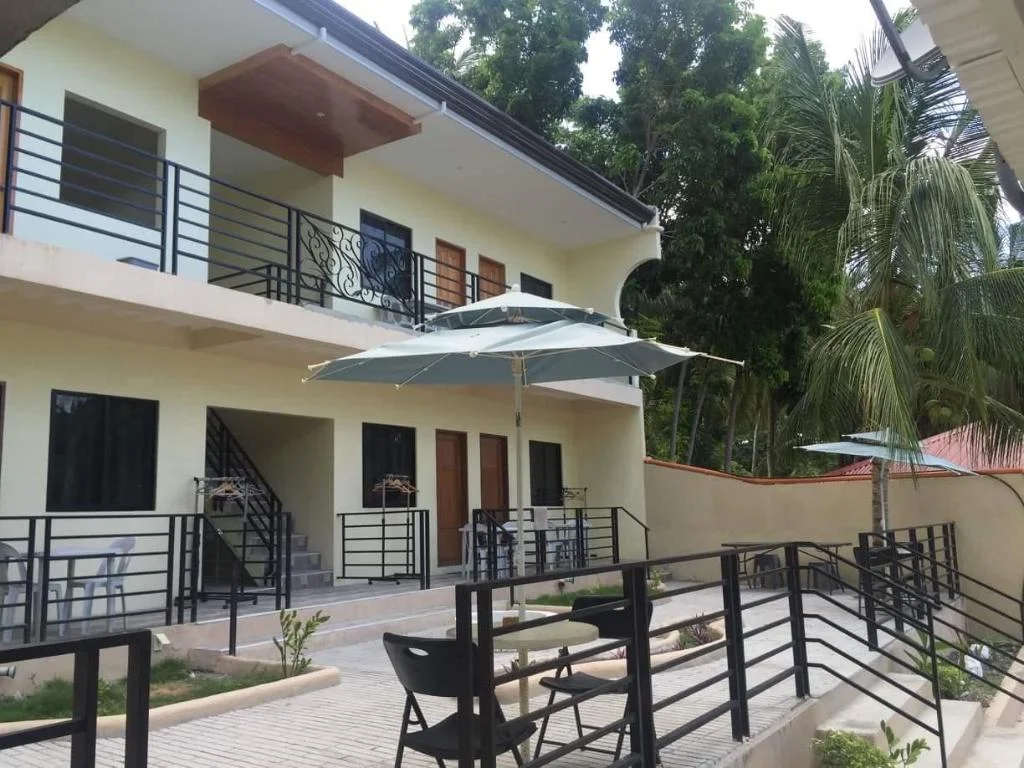
Joaquim's Lodge
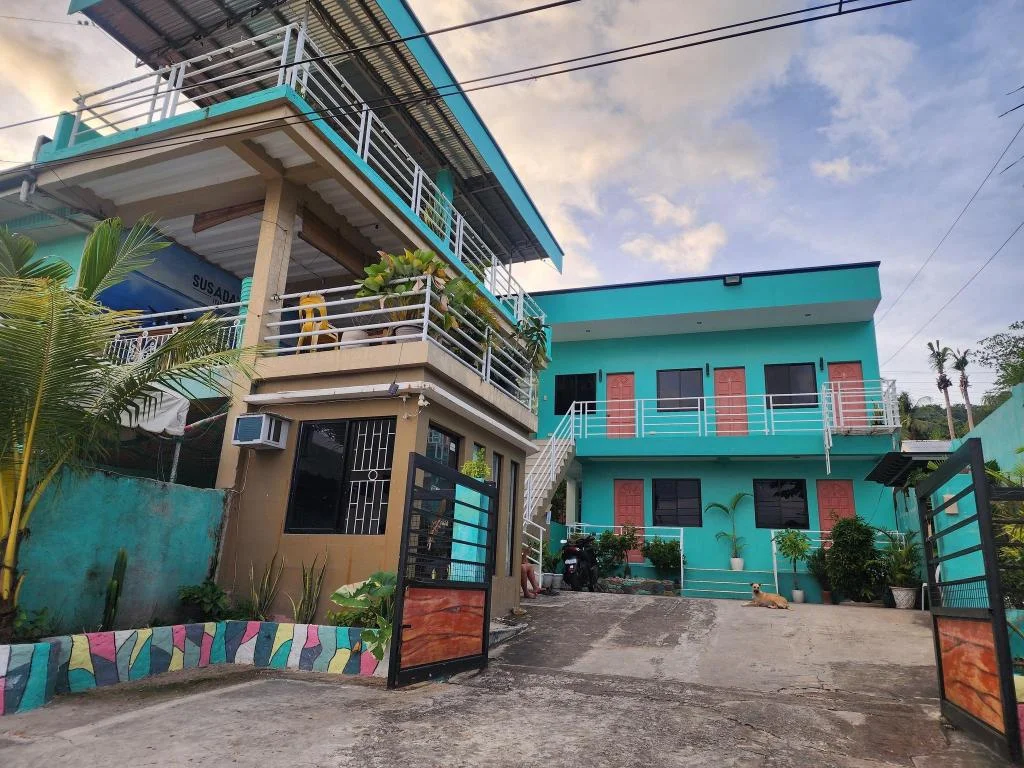
Susada's Inn
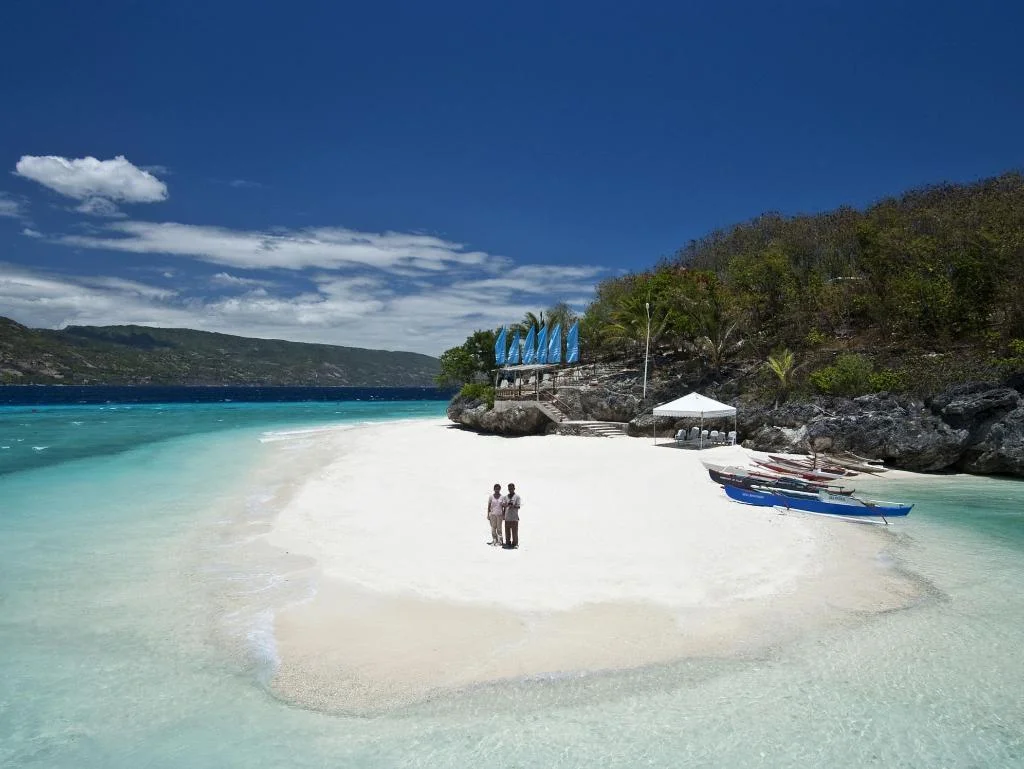
Bluewater Sumilon Island Resort
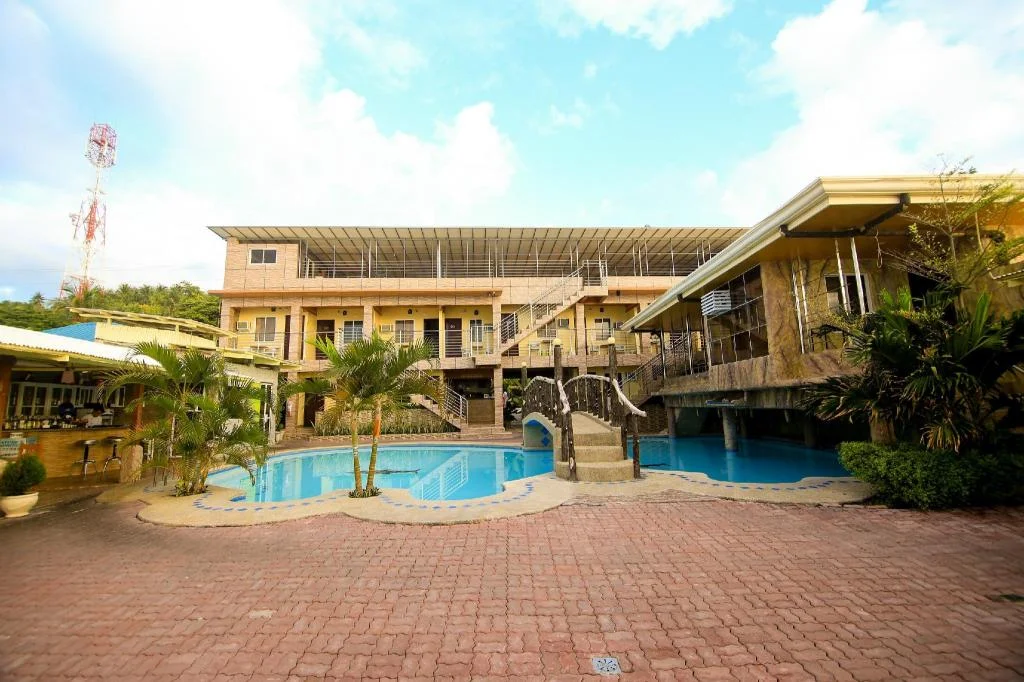
Ging-Ging Hotel & Resort
Prefer a rental? Vacation rentals near Oslob
Self-catering condos and apartments — book the exact unit, kitchen included.
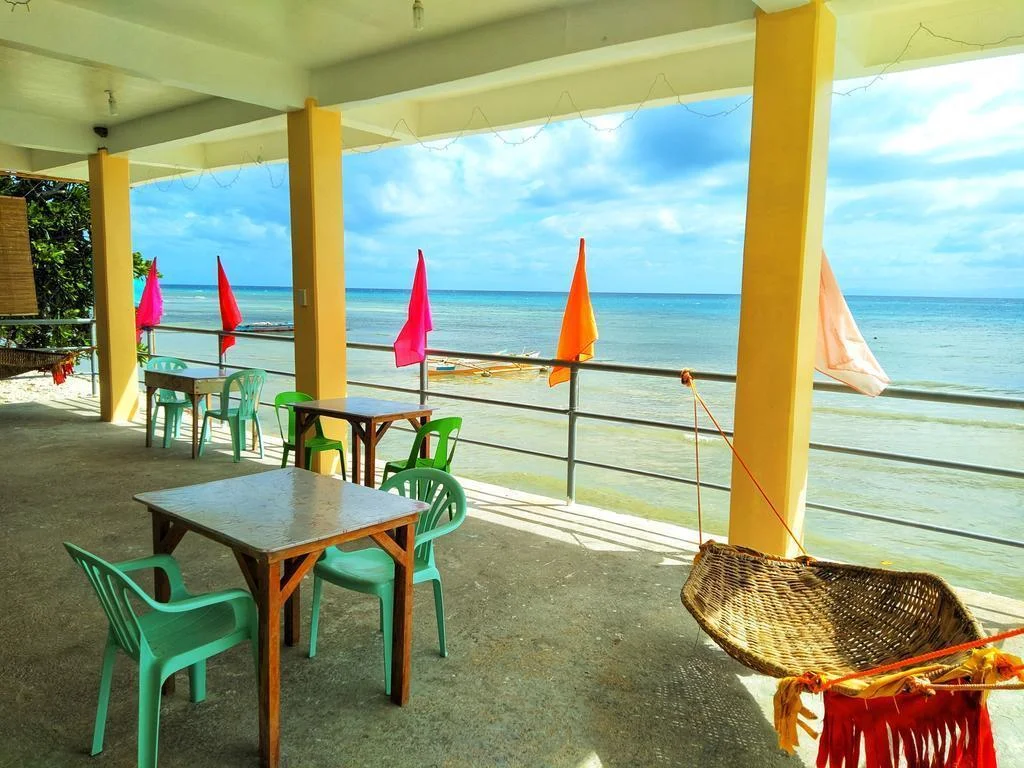
Ocean View Lodging House
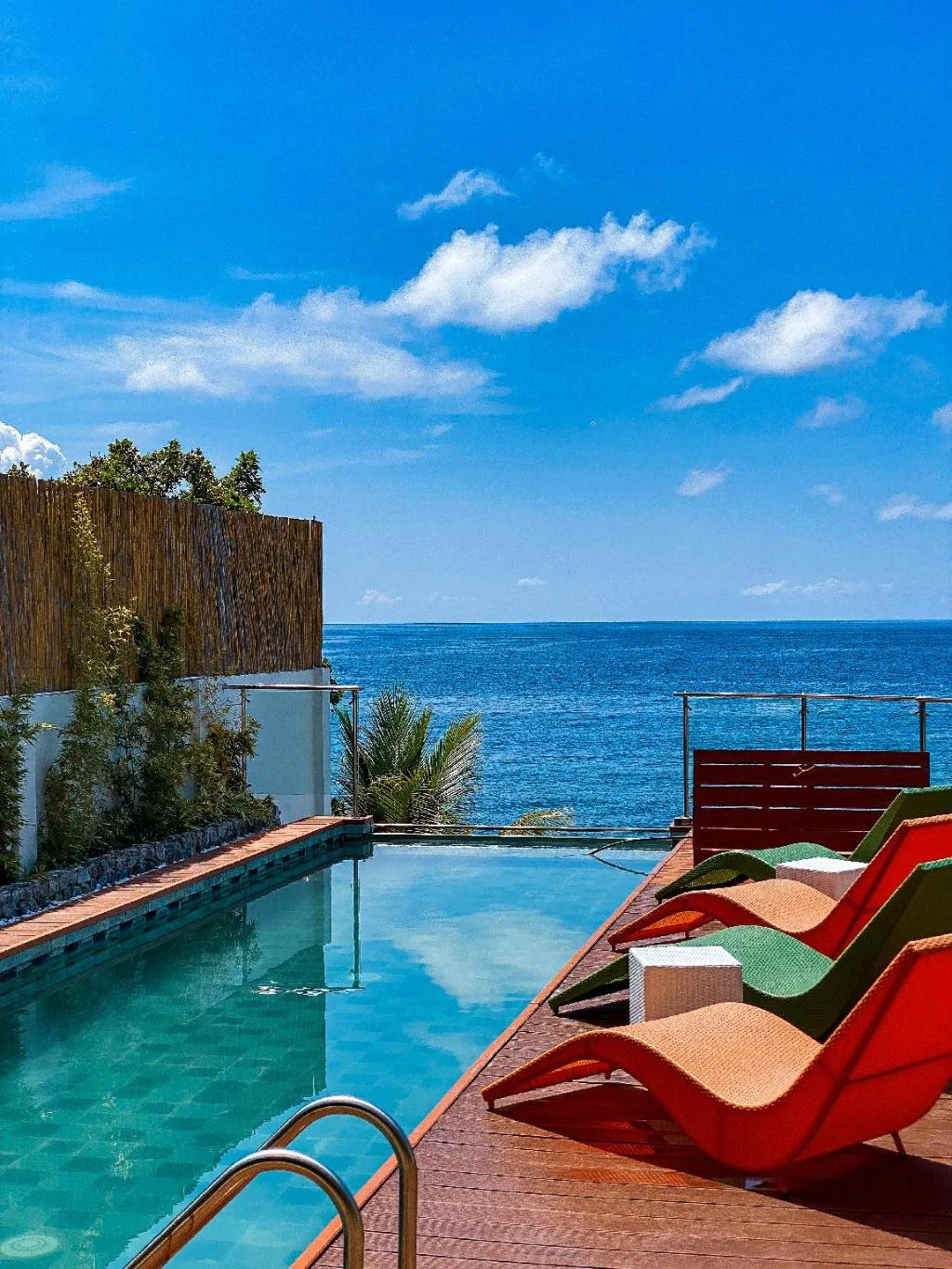
The South Hideaway Oslob
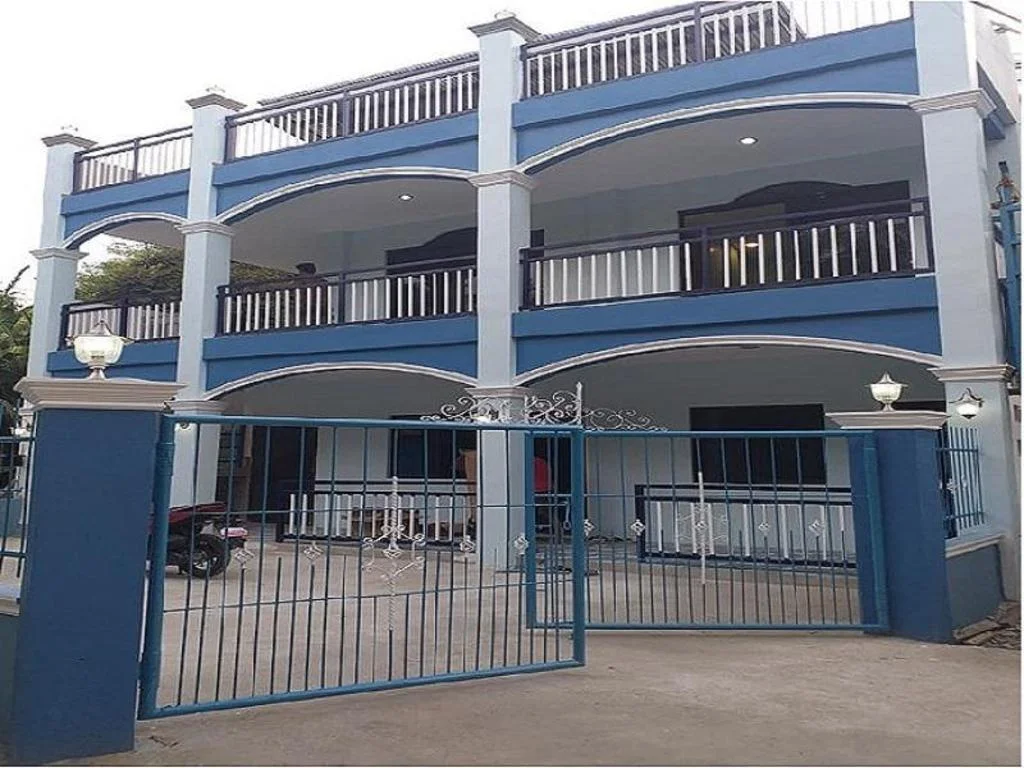
Azulea Family Deluxe 1 * own CR, shower, AC, TV
Before you go
Frequently asked
Is it ethical to swim with the whale sharks in Oslob?
Why do the whale sharks stay in Oslob instead of migrating?
Do the whale sharks get hurt in Oslob?
What is the alternative to Oslob for seeing whale sharks in the Philippines?
Can you dive with whale sharks instead of snorkeling with fed ones?
Has the Philippine government restricted whale shark feeding anywhere?
Are whale sharks endangered?
Should I skip Oslob entirely?
More Places to Explore
Whale Shark Watching
Oslob
Swim alongside gentle whale sharks, the world's largest fish, in one of the few places where these magnificent creatures can be reliably encountered.
Tumalog Falls
Oslob
A spectacular curtain waterfall cascading down a moss-covered cliff into a shallow turquoise pool, creating a dreamlike natural retreat.
Sumilon Island
Oslob
A pristine coral island with a famous shifting white sandbar, excellent snorkeling, and the distinction of being the Philippines' first marine sanctuary.