
TL;DR: Both are legal, regulated whale shark encounters in the Philippines, but they’re built on opposite models. Oslob (Cebu) hand-feeds resident whale sharks daily, so sightings are near-guaranteed for about ₱1,000 (~US$17) and it’s a 3-hour drive from Cebu City — but conservationists flag it as the more ethically compromised option. Donsol (Sorsogon, Luzon) offers a wild, unfed, seasonal encounter (Nov–Jun, best Mar–May) considered the more ethical model, but sightings aren’t guaranteed, it costs more per person via boat rental, and it’s roughly 320 km with no direct flight from Cebu. Verified July 2026.
If you’re chasing a whale shark swim in the Philippines, you’ll almost certainly land on these two names. They get compared constantly, and for good reason — Oslob, on Cebu’s southern tip, and Donsol, on the far side of the country in Sorsogon, are the two best-known places to get in the water with Rhincodon typus, the world’s largest fish. But they are not interchangeable experiences. One feeds the sharks to keep them close and predictable; the other lets them come and go on their own terms. One is a short trip from Cebu City; the other is close to a full day of travel. This guide lays out the real differences — cost, access, guarantee, and the animal-welfare debate — so you can pick the one that matches what you actually want, without pretending either option is uncomplicated.
Oslob vs Donsol at a Glance
| Factor | Oslob (Cebu) | Donsol (Sorsogon) |
|---|---|---|
| Distance from Cebu City | ~130 km, ~3-hour drive | ~320 km, no direct flight; fly to Legazpi/Bicol then drive |
| Whale sharks | Provisioned (hand-fed daily) | Wild, unfed |
| Sighting guarantee | Near-certain, year-round | Not guaranteed; seasonal |
| Season | Year-round | November–June (peak March–May) |
| Base price (per person) | ~₱1,000 (~US$17) | |
| Operating hours | 6:00 AM–12:00 PM | Morning departures, weather-dependent |
| Widely considered | More controversial | More ethical |
| Best for | Guaranteed sighting, limited time | Wild encounter, flexible schedule |
Verified July 2026. Prices and hours change — confirm with your operator or the local tourism office before you book.
How Do You Get to Oslob?
Oslob is about 130 km south of Cebu City, roughly a 3-hour drive down the coastal south road. Most travelers do it as a day trip: a private van or a joiner tour picks you up before dawn (whale shark viewing runs 6:00 AM–12:00 PM only, and the earlier you arrive, the calmer the water and the smaller the crowd). See our Cebu City to Oslob route guide for transport options, or book a bundled tour that includes transfers.
How Do You Get to Donsol?
Donsol is in Sorsogon province, on the Bicol Peninsula — a different island region entirely, around 320 km from Cebu with no direct flight between the two. The realistic path is flying from Cebu to Legazpi or Bicol International Airport in Daraga, then a 45–60 minute drive or shared van to Donsol town. Some travelers route through Manila instead. Either way, budget the better part of a travel day each direction, which is the main reason Donsol stays a bucket-list add-on for Luzon trips rather than a Cebu day trip.
Are You Guaranteed to See a Whale Shark?
In Oslob, yes, effectively — sharks are fed by hand every morning in Barangay Tan-awan, so they’re present nearly year-round during operating hours. That reliability is Oslob’s entire draw: tourists fly in from across the world knowing they will almost certainly get in the water with a whale shark that same morning.
In Donsol, no — the whale sharks are wild and migratory, so a trained spotter has to find one before your Butanding Interaction Officer (BIO) lets you enter the water. Odds are best in the March–May peak of the November–June season, but some boats go out and see nothing. That uncertainty is the trade-off for a genuinely wild encounter.
What Does Each One Cost?
Oslob charges a flat activity fee of around ₱1,000 per person (about US$17), covering registration, a life jacket, an assigned spotter, and your boat slot for a roughly 30-minute session in the water. Snorkel gear rental, underwater camera rental, and lockers are small optional add-ons on top. Bundled day tours from Cebu City that include transport typically run ₱1,800–2,500 per person.
Donsol works differently: there’s no simple per-swimmer ticket. You pay a registration fee (roughly ₱100 for Filipinos, ₱300 for foreigners) plus a shared boat rental — commonly cited around ₱3,500–5,000 for up to six people, which includes the mandatory BIO. Split across a full boat, the per-person cost can land close to Oslob’s; traveling solo or in a small group, it’s noticeably more expensive. Add flights and lodging, and Donsol is the pricier trip overall once you account for getting there.
Confirm both sets of numbers directly with the Oslob Tourism office or your tour operator, and with the Donsol Tourism Office — fees adjust from year to year.
Is Oslob’s Feeding Controversial?
Yes, and it’s worth understanding why before you book. Researchers who’ve studied the Tan-awan site have documented sharks with resighting histories that arrive earlier and show less avoidance behavior around boats — consistent with sharks adapting to a predictable food source rather than following natural migration. Critics argue the constant provisioning disrupts feeding and breeding patterns and has caused skin scarring from repeated contact with feeder boats. A multi-year study by a Philippine conservation NGO reportedly found the mandated 4-meter distance rule was violated the large majority of the time.
To be fair, the picture isn’t unanimous. Some marine scientists point out that solid evidence of long-term physiological harm is still limited, and the local livelihood the program supports (a community that once fished, sometimes for sharks) is a real and legitimate consideration. It’s a genuine debate, not a settled verdict — go in informed rather than either boycotting on principle or ignoring the concerns entirely.
Why Is Donsol Considered the Ethical Model?
Donsol runs on a different philosophy: no feeding, no touching, a cap on swimmers per shark (typically six), no scuba diving allowed near the sharks, and a required BIO on every boat to enforce the rules in real time. The program traces back to a WWF-supported partnership with the local government starting in the late 1990s, which trained community members as guides and spotters instead of hunters — Donsol had a whale shark hunting history before the shift to ecotourism. The town won a national ecotourism award in the early 2000s and international recognition not long after, and it’s routinely cited by conservation groups as the model other whale shark destinations should follow. The trade-off, as above, is that you might not see a shark at all.
How Do You Choose Between Them?
- Short on time, based in Cebu, want a guaranteed photo: Oslob. It’s a manageable day trip and the closest thing to a sure bet.
- Traveling through Luzon anyway, have flexible days, and prioritize a wild encounter: Donsol. Build in a buffer day in case the sharks don’t show.
- Uneasy about feeding wildlife: lean Donsol, or consider diving elsewhere in Cebu without the ethical baggage — Cebu’s reefs at Moalboal and Malapascua don’t involve provisioning.
- Want both: some travelers do Oslob as part of a Cebu itinerary, then add Donsol on a separate Luzon or Bicol trip rather than trying to combine them — the distance makes a single-trip combo impractical.
The Honest Take
Neither of these is a simple “good guy vs bad guy” story, whatever some blog headlines suggest. Oslob gives you a fast, cheap, near-certain encounter with an endangered animal, funded by a fishing community — but it does so by feeding wild whale sharks daily, which credible research links to changed behavior and physical wear. Donsol asks more of you: more travel time, more cost, no guarantee — in exchange for an encounter that’s genuinely wild and runs under one of the more respected marine conservation programs in the country.
If you do choose Oslob, treat the 4-meter rule and no-touching policy as real rules, not suggestions, and pick an operator that visibly enforces them. If you choose Donsol, book through the official Butanding Interaction Officer system rather than freelance boatmen, and go in the March–May window for the best odds. Skip both, for what it’s worth, if you’re only doing it for the photo — the sharks deserve better than being a backdrop.
Sources
- Oslob Whale Shark Watching — Island Trek Tours (operator FAQ)
- Oslob pricing and hours, cross-checked against current operator and tourism reporting
- Learning from a provisioning site: code of conduct compliance and behaviour of whale sharks in Oslob — PMC/NCBI
- A guilty pleasure: Tourist perspectives on the ethics of feeding whale sharks in Oslob — ScienceDirect
- Inside the Chaotic World of Whale Shark Tourism — National Geographic
- Donsol WWF ecotourism program background and code of conduct, cross-checked against tourism and conservation reporting
- Route and travel-time details for Cebu–Donsol/Legazpi, cross-checked against current flight and transfer listings
- Verified July 2026.
Ready to pick your whale shark trip? Compare Oslob day tours on Klook if you want the guaranteed Cebu option, or search Donsol whale shark experiences if you’re routing through Luzon instead. Either way, pair your Oslob trip with Sumilon Island or read the ethics debate in more depth before you decide, and if you’d rather stay overnight near the south coast, browse places to stay around Oslob.
Book Tours & Hotels for This Trip
Find and book the best deals — prices and availability update in real time. Links open in a new tab.
Where to stay near Oslob
Top-rated hotels for this trip — tap through to check live rates.
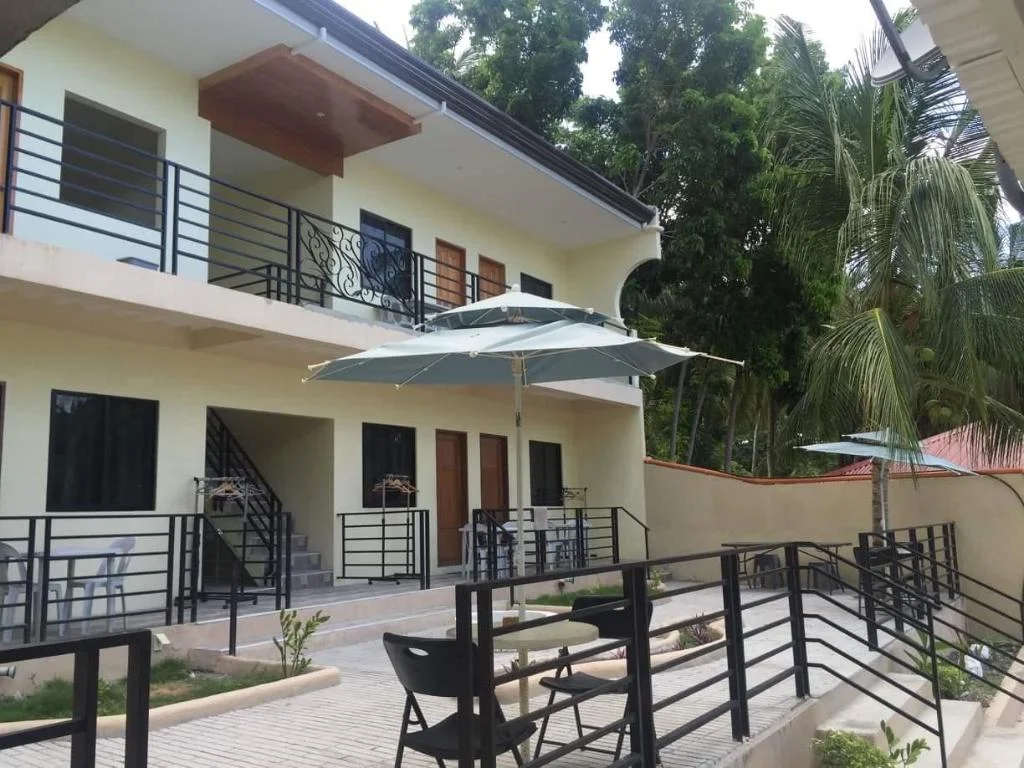
Joaquim's Lodge
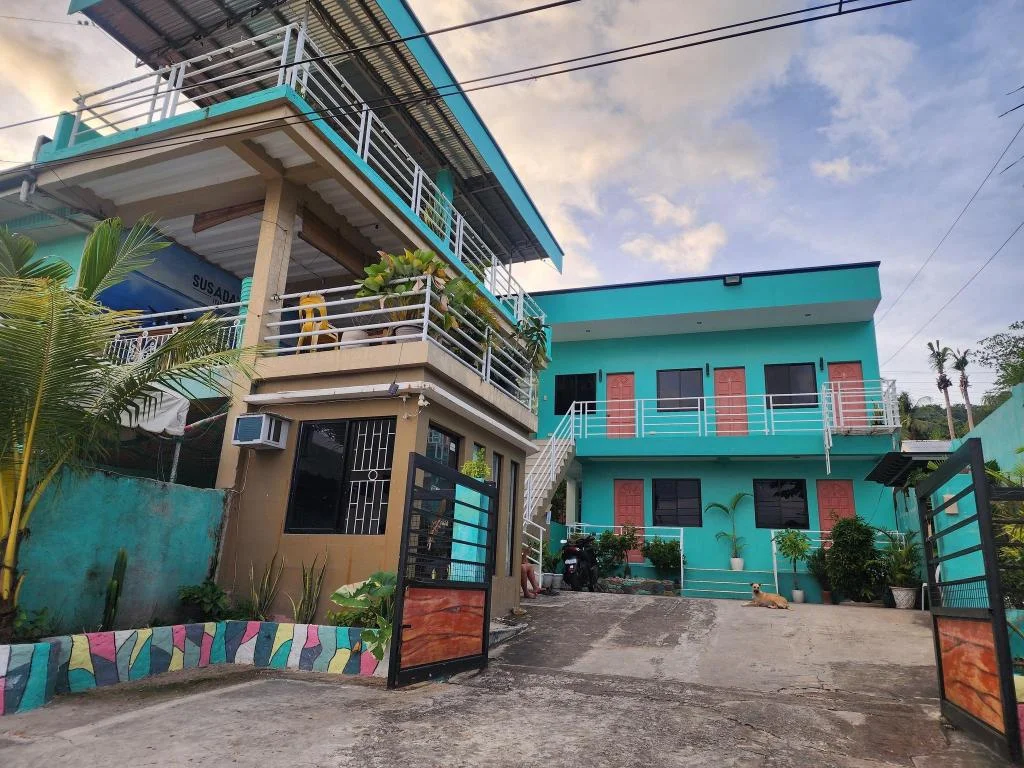
Susada's Inn
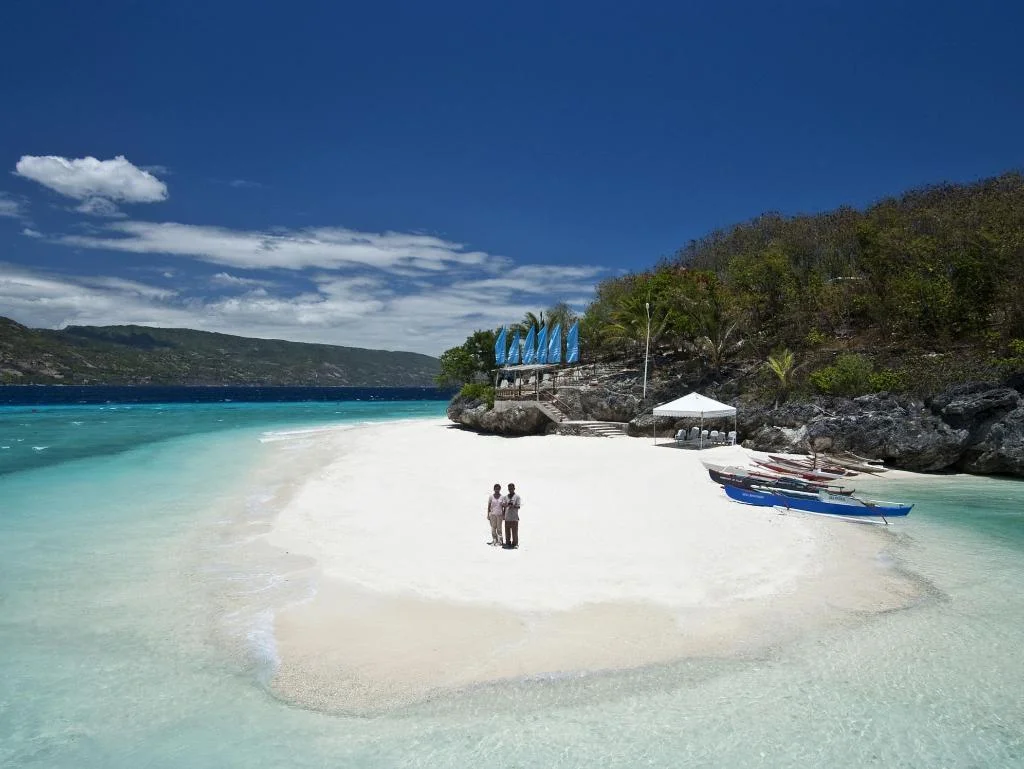
Bluewater Sumilon Island Resort
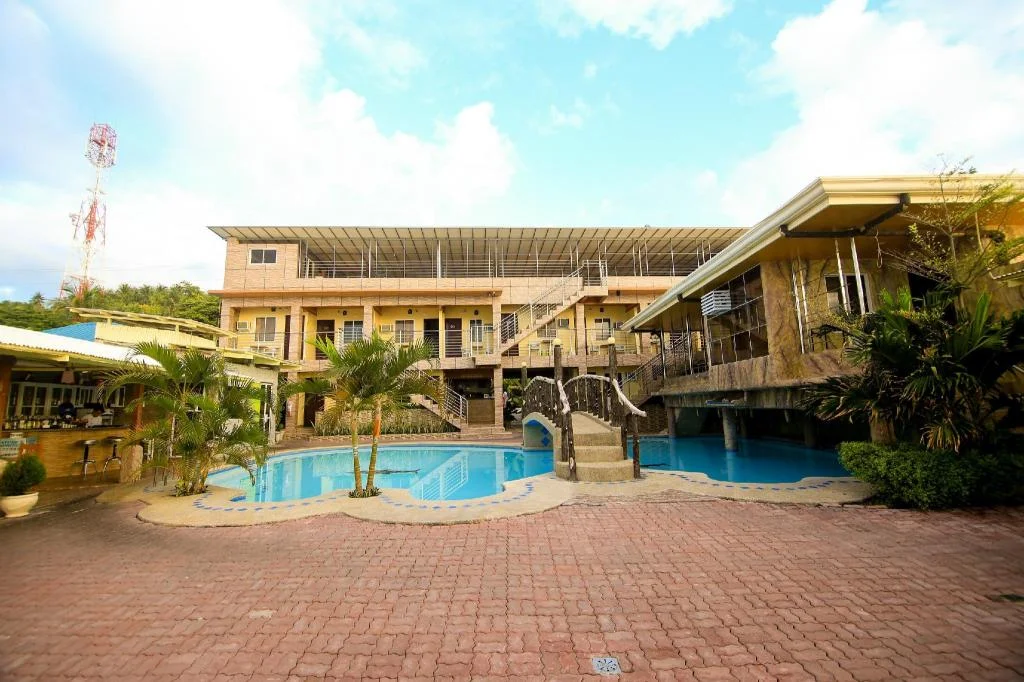
Ging-Ging Hotel & Resort
Prefer a rental? Vacation rentals near Oslob
Self-catering condos and apartments — book the exact unit, kitchen included.
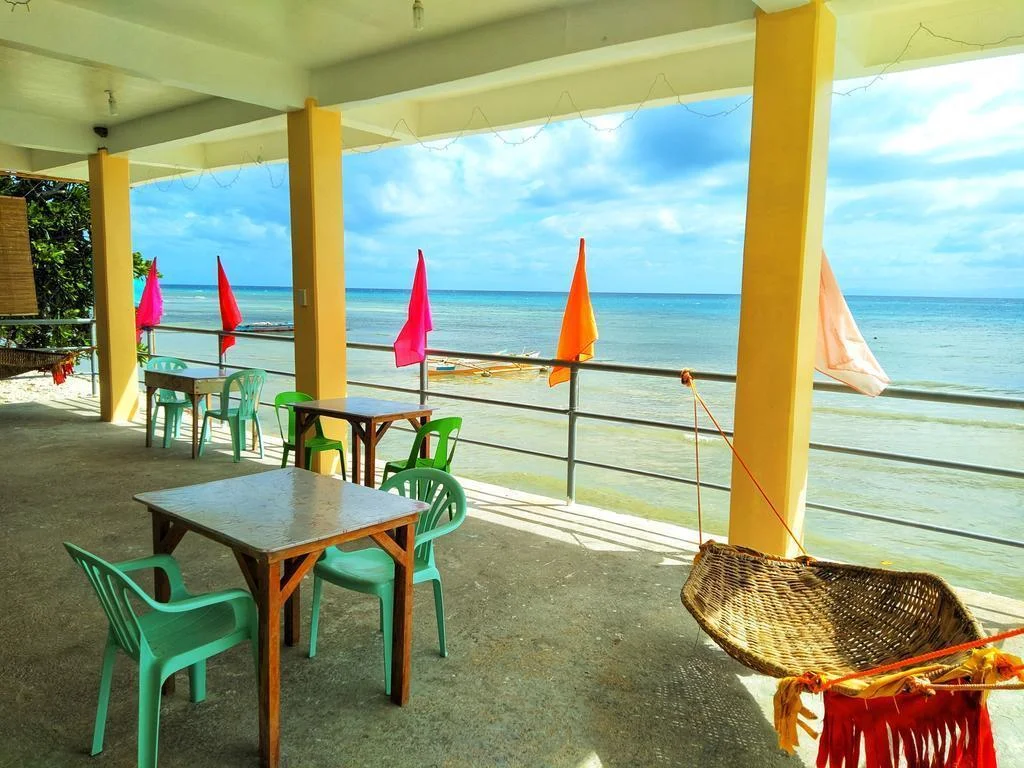
Ocean View Lodging House
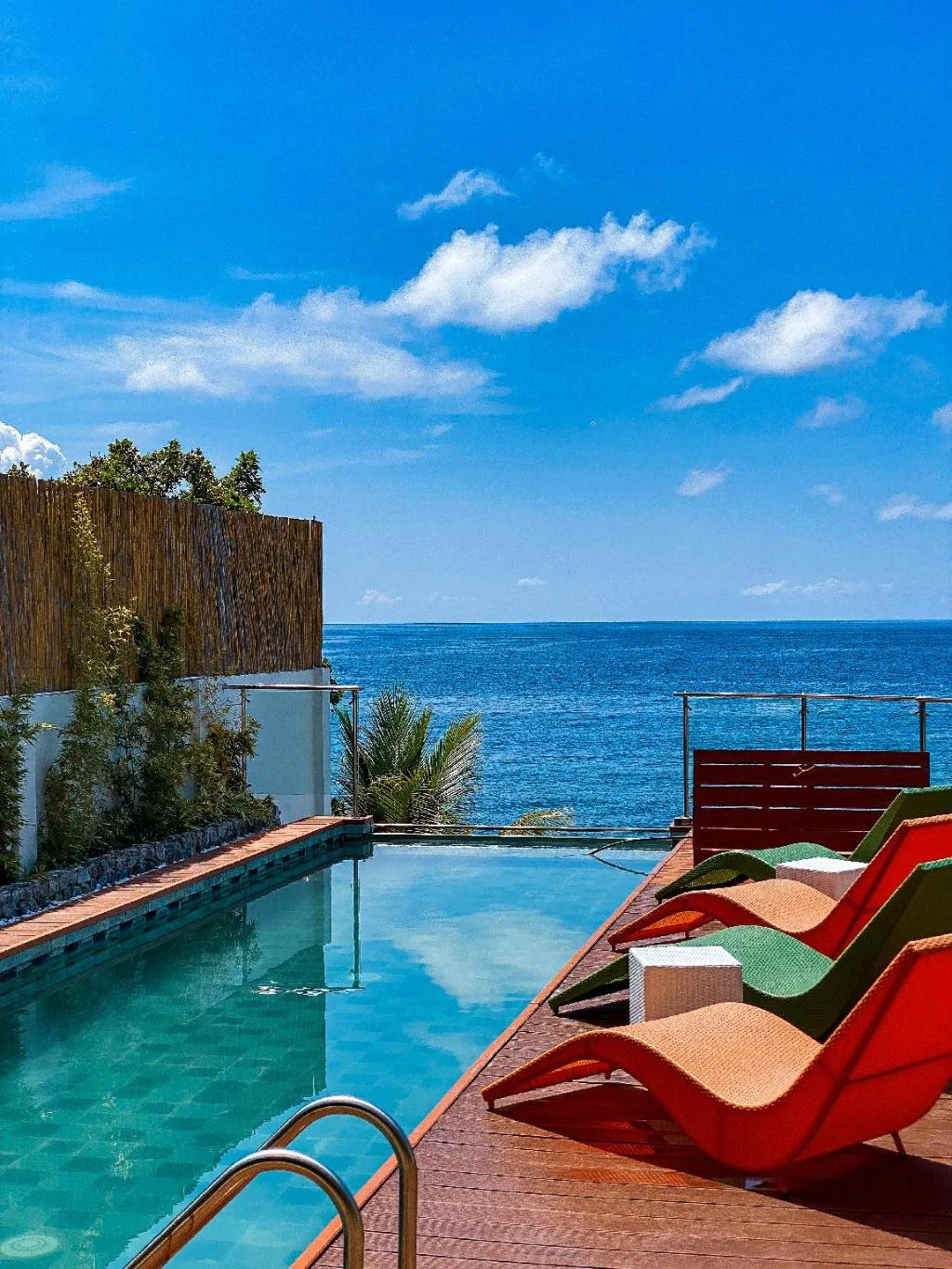
The South Hideaway Oslob
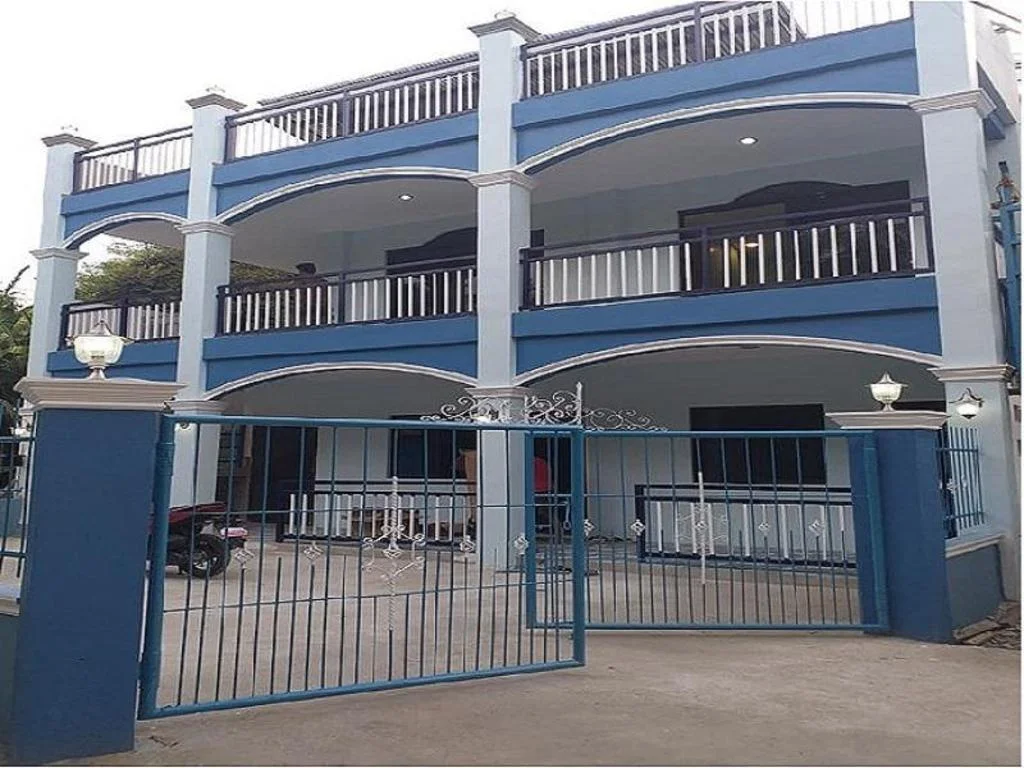
Azulea Family Deluxe 1 * own CR, shower, AC, TV
Before you go
Frequently asked
Which is more ethical, Oslob or Donsol?
Are you guaranteed to see a whale shark in Oslob?
Are you guaranteed to see a whale shark in Donsol?
How much does Oslob whale shark watching cost?
How much does Donsol whale shark watching cost?
How far is Donsol from Cebu?
Can you combine Oslob whale sharks with anything else nearby?
Which one should first-timers pick?
More Places to Explore
Whale Shark Watching
Oslob
Swim alongside gentle whale sharks, the world's largest fish, in one of the few places where these magnificent creatures can be reliably encountered.
Sumilon Island
Oslob
A pristine coral island with a famous shifting white sandbar, excellent snorkeling, and the distinction of being the Philippines' first marine sanctuary.