
TL;DR: Cebu has four real diving bases, each doing one thing well: Malapascua for daily thresher sharks at Kimud Shoal (certified divers only, ~₱4,600-6,000 / US$79-103 for two tanks), Moalboal for the Panagsama sardine run, turtles, and Pescador Island’s wall (beginner-friendly, ~₱2,500-3,500), Mactan for easy house-reef training and a PADI course close to the airport (from ~₱15,900), and Oslob/Sumilon for a whale shark encounter plus a marine sanctuary wall (mostly surface-level, from ₱1,000). Wait at least 18-24 hours after diving before flying or hiking up to altitude. Verified July 2026.
If you’re planning a Cebu trip around diving, the first thing to know is that “Cebu diving” isn’t one place — it’s four very different dive destinations spread across one province, and picking the wrong base for what you actually want to see is the most common mistake divers make here. Want thresher sharks at 6 AM in open water? That’s Malapascua Island, a five-hour drive-and-boat trip north. Want an easy sardine bait ball and turtles fifteen steps from your dive shop? That’s Moalboal, 2.5-3 hours south. Want to get certified without leaving the airport zone, or dive a wreck and a cave on your lunch break? That’s Mactan. This guide breaks down where to go for what, what each day actually costs in 2026, and how the pieces fit into one trip.
Cebu Diving at a Glance
| Dive Area | Highlight | Level | 2-Tank Fun Dive (approx.) |
|---|---|---|---|
| Malapascua (Kimud Shoal) | Thresher sharks, every single morning | Certified diver, Open Water minimum | ₱4,600-6,000 (US$79-103) |
| Moalboal (Panagsama / Pescador) | Sardine bait ball, turtles, Pescador wall | Beginner-friendly | ₱2,500-3,500 (US$43-60) |
| Mactan (house reefs, Marigondon Cave) | Easy training reefs; cave dive for advanced divers | Beginner to advanced | ₱1,800-3,000 (US$31-52) |
| Oslob / Sumilon | Whale shark encounter + protected marine sanctuary wall | Mostly surface-level; scuba limited | ₱1,000-3,500+ (activity-dependent) |
Fun-dive rates are typical 2-tank boat trips with a local operator, before gear rental if you don’t own your own. Park and environmental fees (₱100-700) are usually separate. Verified July 2026.
Is Malapascua worth it for thresher sharks?
Yes, if you’re a certified diver and thresher sharks are the point of your trip — Malapascua is the only place on the planet where you can reliably see them on a normal recreational dive, every morning, year-round. The sharks used to show up at Monad Shoal, but they’ve mostly relocated to nearby Kimud Shoal, a sunken plateau at 12-22 meters where the sharks rise from deeper water at dawn to use the cleaning stations. Boats leave stupidly early — 5:00-6:00 AM — because the sharks retreat as the light gets stronger.
You need at least an Open Water certification; this isn’t a snorkel or freedive site. Fun dives run roughly ₱2,300 each with local operators like Thresher Shark Divers, and a dedicated 2-dive Kimud Shoal trip lands around ₱4,600-6,000 (US$79-103) once you add the fuel surcharge that most shops apply for the shark run and equipment rental. A PADI Open Water course in Malapascua runs about ₱23,500-25,500 (US$405-440) — pricier than Mactan, but you’ll spend your certification dives on a genuinely good reef instead of a training pool.
Getting there takes commitment: it’s a 4-5 hour van or bus ride from Cebu City to Maya Port in Daanbantayan, then a 30-45 minute boat crossing. Read our thresher shark diving guide for the full route and boat schedule before you book.
What’s diving like in Moalboal?
Easy, social, and built for both first-timers and experienced divers who just want a relaxed few days. Moalboal’s draw is the sardine run — a shifting, sometimes-massive ball of millions of sardines that hangs a short swim off Panagsama Beach, visible on a snorkel or a dive with no boat required. Sea turtles show up on nearly every dive along the same house reef, not just as a special sighting. A short boat ride out gets you to Pescador Island, where a wall drops past 50 meters with swim-throughs and occasional whitetip reef shark sightings.
As of an August 2025 rule change, you now need a paid local guide to swim out to the sardines, which most dive shops or beachfront guides bundle into a package for roughly ₱2,500-3,500 including environmental fees. A Discover Scuba Diving taster session (no certification needed) runs from about ₱2,500. Panagsama Beach is lined with PADI 5-star dive centers, so certification courses, Advanced Open Water, and specialty dives (wreck, deep, night) are all easy to book on short notice. Our Moalboal diving guide breaks down the individual dive sites, and best dive sites in Cebu covers how Pescador stacks up against the rest of the province.
Can you dive Mactan, or is it just for beginners?
Both. Mactan’s house reefs — Kontiki, Marigondon, Tingo — are shallow, calm, and 20-30 minutes from Mactan-Cebu International Airport, which makes them the default choice for PADI certification courses and quick fun dives if you’re short on time or basing yourself near the resorts rather than heading south or north. The reefs slope from chest-deep water down a coral wall to 30-40+ meters, so the same site works for a nervous first-timer and a diver logging a deep specialty dive.
For something more technical, Marigondon Cave is a genuine cave dive with its entrance below 30 meters — advanced or deep-certified divers only, with a chamber floor around 37 meters. Group PADI Open Water courses in Mactan run from about ₱15,900 per person (minimum two students) up to ₱17,900 for private instruction, generally the cheapest certification option in the province. See our Mactan Island guide for logistics and best places to get PADI certified in Cebu if cost and convenience matter more to you than scenery.
Should you scuba dive with the whale sharks in Oslob, or go to Sumilon instead?
For most divers, go to Sumilon and treat Oslob as a separate, surface-level add-on. The Oslob whale shark encounter is regulated as a shallow, boat-based, hand-fed interaction, not a scuba dive — the standard experience is snorkeling or watching from an outrigger for a strict, paid time slot (around ₱1,000 per person as of 2026), not descending on tanks. A handful of operators advertise a scuba add-on, but it’s limited, and the whole feeding-based setup at Tan-awan draws real criticism from marine conservationists over habituating wild sharks to boats and food — more on that in the honest take below.
Sumilon Island, a short boat ride from Oslob, is the better dive: it’s the Philippines’ first marine protected area, with a healthy wall, a shifting white sandbar, and none of the feeding controversy. A lot of operators sell it as a combined Oslob-plus-Sumilon day, usually ₱2,000-4,500 depending on whether it includes lunch, kayaking, and transfers. If you want the marine sanctuary experience without the whale shark debate at all, our Oslob whale sharks guide and the Sumilon Island guide lay out both sides.
How much does diving in Cebu cost, all in?
Budget by activity, not by destination — a fun dive in Mactan and a fun dive in Malapascua cost roughly the same per tank, the real cost difference is travel and lodging.
| Item | Typical Cost (2026) |
|---|---|
| Single fun dive (any area, own gear) | ₱1,800-2,500 (US$31-43) |
| 2-tank fun dive with gear rental | ₱2,500-4,000 (US$43-69) |
| Thresher shark dive, Kimud Shoal (2 tanks) | ₱4,600-6,000 (US$79-103) |
| Discover Scuba Diving (no certification) | ₱2,500-3,100 (US$43-53) |
| PADI Open Water course (group) | ₱15,900-25,500 (US$274-440) |
| Oslob whale shark watching (surface, per person) | ~₱1,000 (US$17) |
| Environmental/marine park fee (per site, per day) | ₱100-700 (US$2-12) |
Approximate rates gathered from Mactan, Moalboal, and Malapascua dive centers, mid-2026. Fuel surcharges and gear rental are frequently billed separately — ask what’s included before you book. Verified July 2026.
When should you dive each spot?
There’s no true off-season for diving in Cebu, but timing changes the odds. Malapascua’s thresher shark sightings are strongest and boat conditions calmest from December through May; the amihan wind season (November-February) occasionally cancels the early Kimud Shoal run when the crossing gets too rough. Moalboal’s sardine run and Mactan’s house reefs are dependable all year since they’re sheltered and close to shore. The one thing to plan around everywhere is typhoon season (roughly June-November) — check the forecast before committing to a Malapascua trip specifically, since it’s the most exposed crossing of the four.
How do you choose a dive center or PADI course?
Match the shop to the goal, not the other way around. If you’re chasing thresher sharks, book directly with a Malapascua-based PADI center that runs the Kimud Shoal trip daily rather than a generic tour agency — you want an operator that knows the shark schedule cold. If you’re getting certified for the first time and want it over quickly and cheaply, Mactan’s resort-adjacent dive schools are built for exactly that. If you want your open-water dives to double as a highlight (sardines, turtles, a wall dive), do the course in Moalboal instead and pay a bit more for better dives. Whichever center you pick, confirm it’s a current PADI (or equivalent) 5-star or Instructor Development Center, ask what’s included in the quoted price (gear, park fees, fuel surcharge), and book Kimud Shoal or sardine-run trips a day or two ahead in peak months — boats do fill up.
The Honest Take
Diving in Cebu earns its reputation — daily thresher sharks are genuinely rare on a global scale, and the sardine run in Moalboal is one of the most reliable big-marine-life spectacles you can access on a beginner dive anywhere in Southeast Asia. But go in with realistic expectations on a few fronts. Malapascua sightings, while frequent, aren’t 100% guaranteed — weather and shark behavior both matter, and a rough amihan week can cancel the shoal run outright. The Oslob whale shark experience is the one to think hardest about: the shallow, hand-fed setup keeps sharks in one bay far longer than natural behavior would, and a meaningful part of the dive and conservation community treats it as a tourist trap dressed up as wildlife viewing — go for the photo if you must, but don’t expect the “wild encounter” marketing to hold up, and consider Sumilon or Donsol instead if that bothers you. Mactan’s house reefs are genuinely fine for training and a lazy fun dive, but don’t expect drama — they’re a warm-up, not the main event. If you only have time for one, pick based on your certification level and how much travel you’re willing to do, not hype.
Put a Dive Trip Together
Most visiting divers pair two of these rather than pick one: a few days in Moalboal for sardines and turtles, then a Malapascua add-on for the thresher sharks if the schedule allows, or a quick Mactan course before flying south. Compare Malapascua thresher shark trips and dive packages on Klook, or browse Moalboal sardine run and Pescador Island dive tours if that’s your priority. If Oslob and Sumilon are on the list, check current whale shark watching slots before you go, and read best dive resorts in Cebu for where to actually sleep between dive days.
Ready to book a base? Compare dive-friendly stays in Moalboal on Agoda — most sit within walking distance of a dive shop and the sardine run itself.
Sources
- Thresher Shark Divers Malapascua — dive prices and Kimud Shoal information
- PADI Adventures — Cebu dive trips and courses
- SiDive Mactan — PADI Open Water course pricing
- Oslob Whale Shark Watching by Island Trek Tours — official rates and rules
- Dive site depths, sardine-run guide fee change (Aug 2025), and course pricing cross-checked against current Moalboal and Mactan dive center listings, mid-2026. Verified July 2026.
Book Tours & Hotels for This Trip
Find and book the best deals — prices and availability update in real time. Links open in a new tab.
Where to stay near Moalboal
Top-rated hotels for this trip — tap through to check live rates.
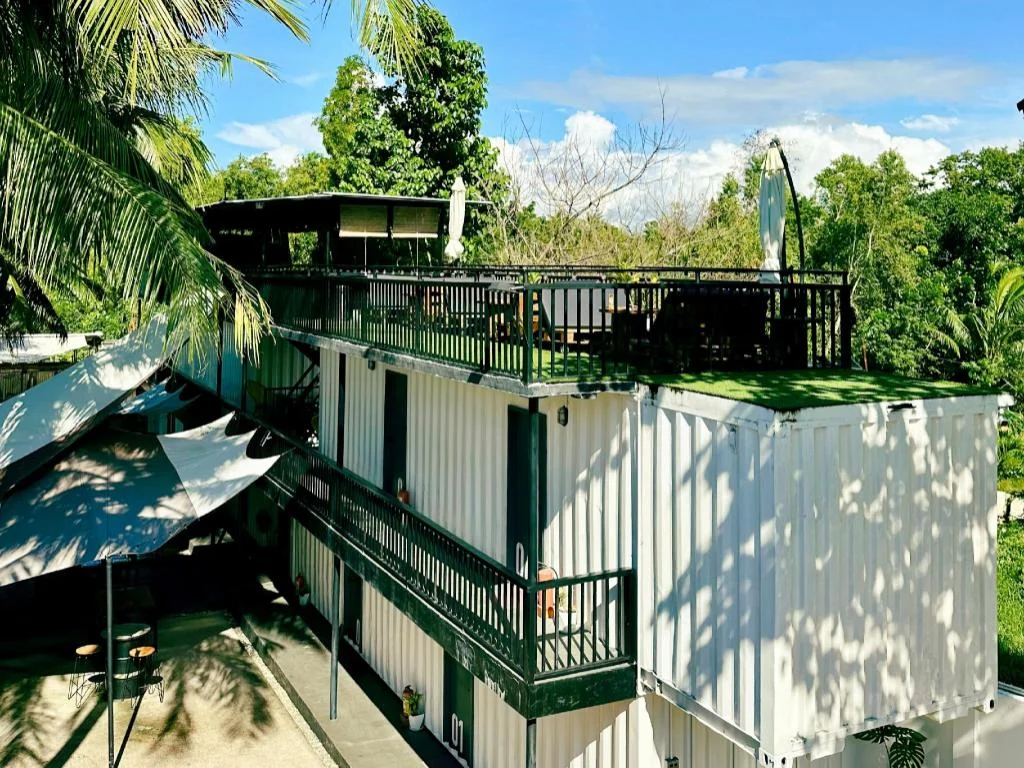
PIG DIVE HOSTEL MOALBOAL
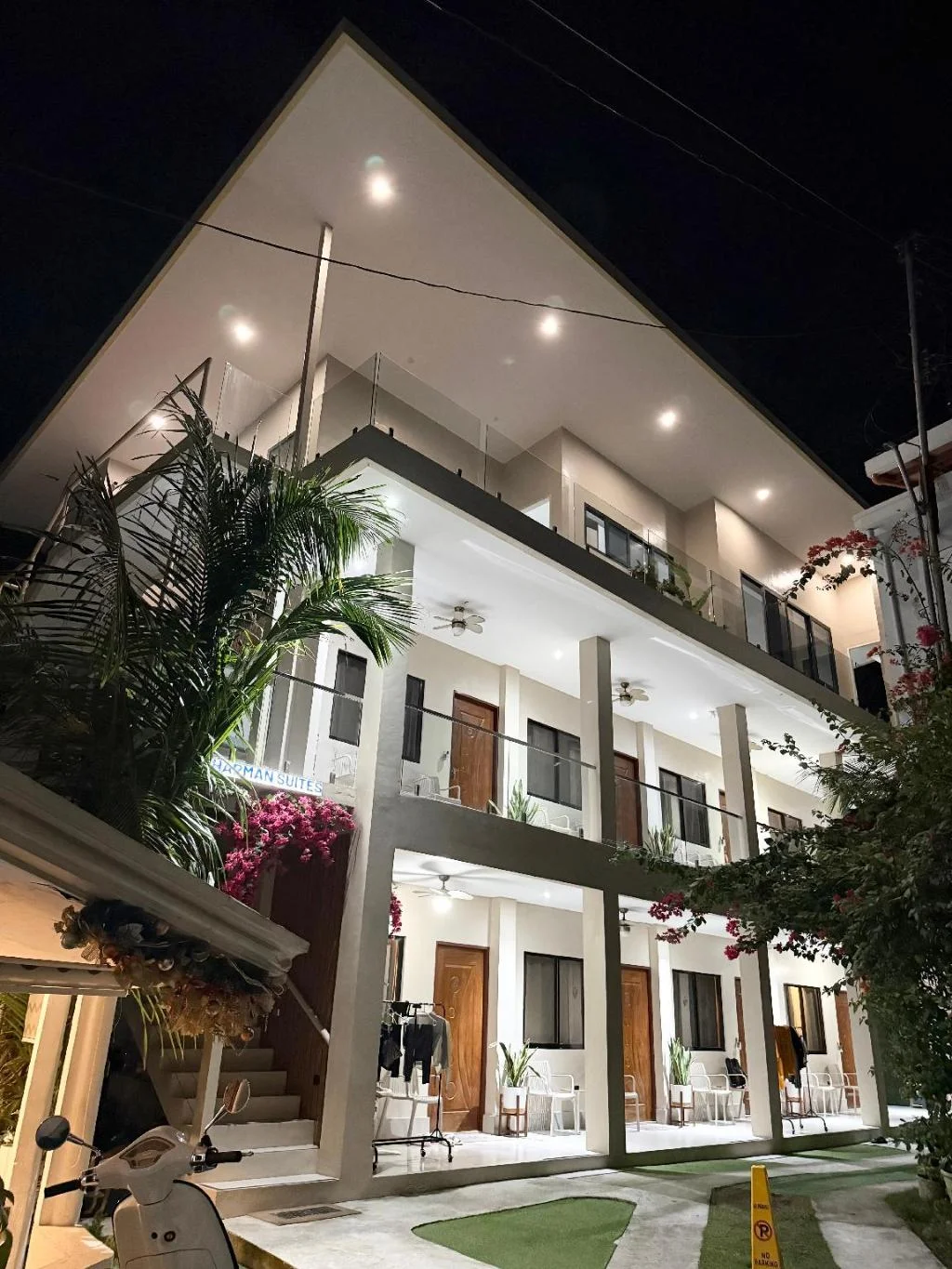
Harman Suites Moalboal
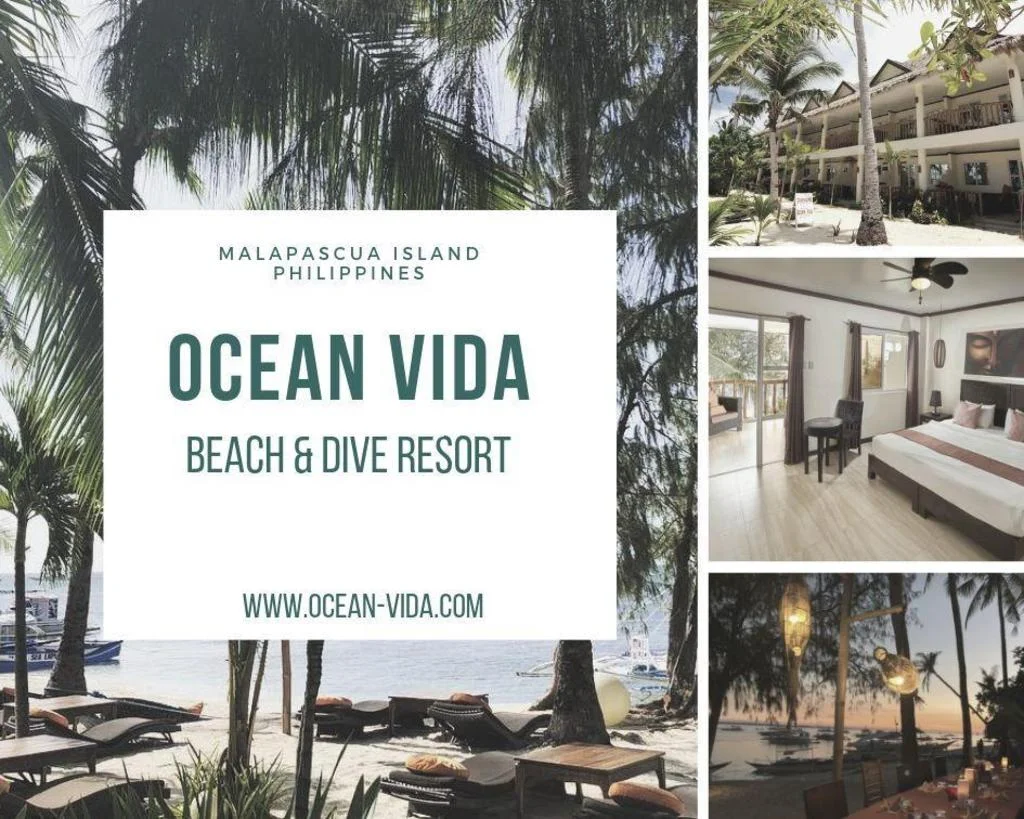
Ocean Vida Resort
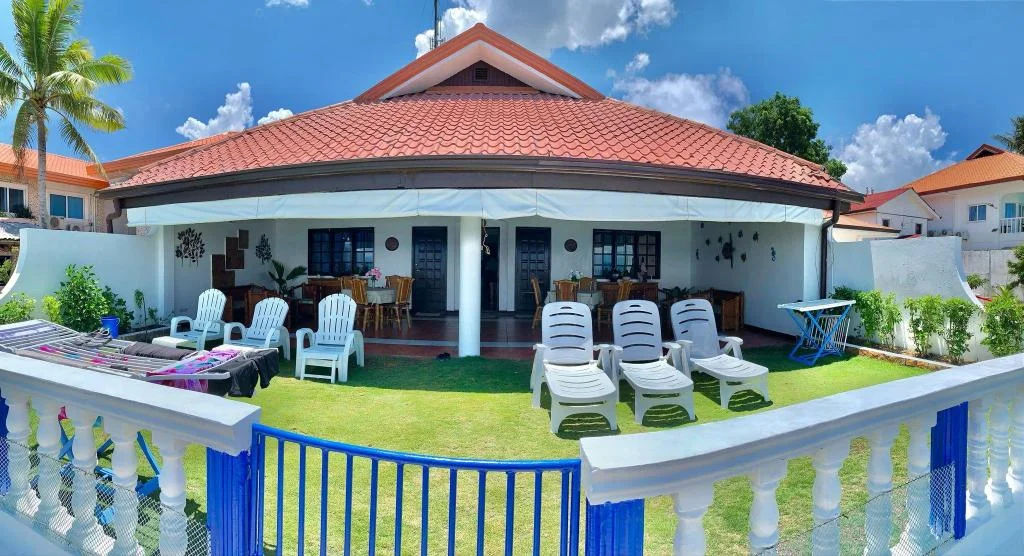
Il Sogno Resort
Prefer a rental? Vacation rentals near Moalboal
Self-catering condos and apartments — book the exact unit, kitchen included.
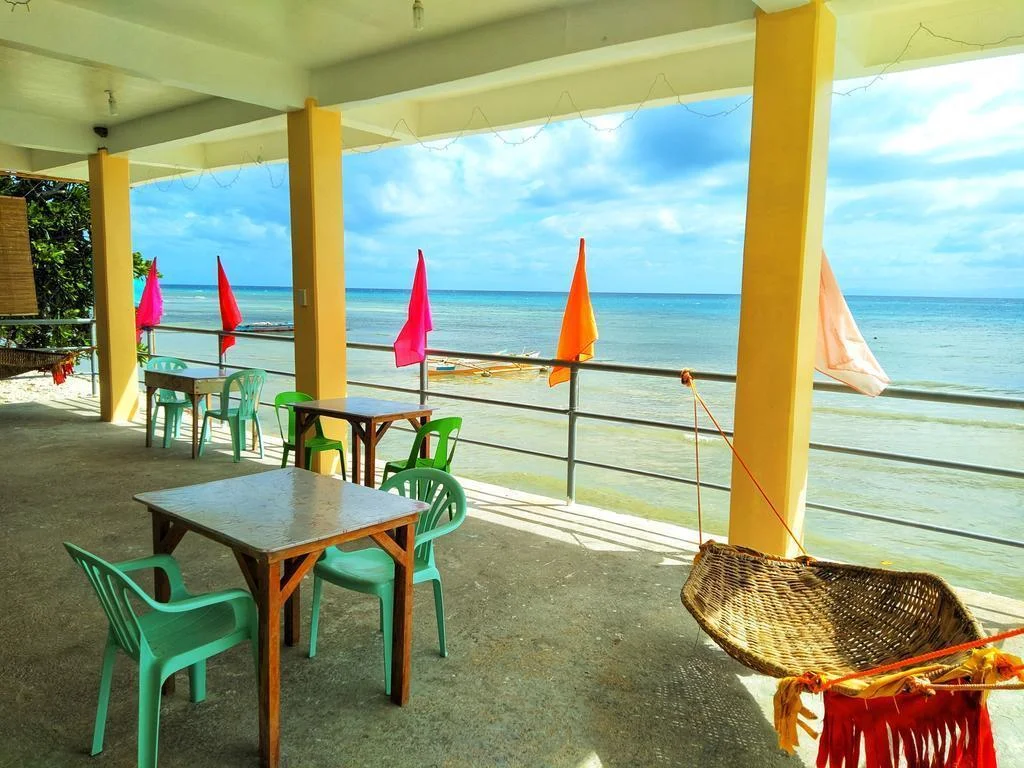
Ocean View Lodging House
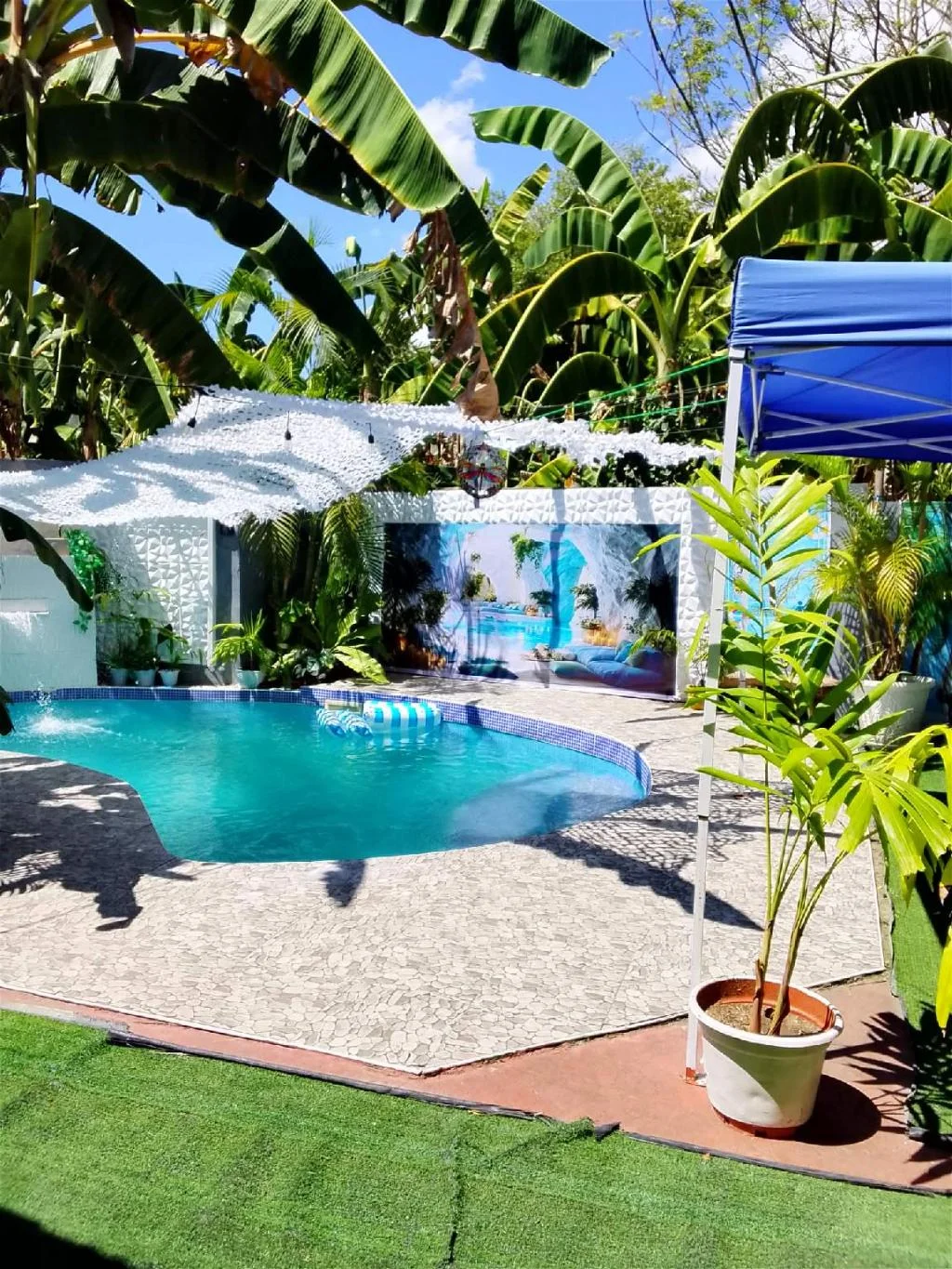
Two crazy monkeys
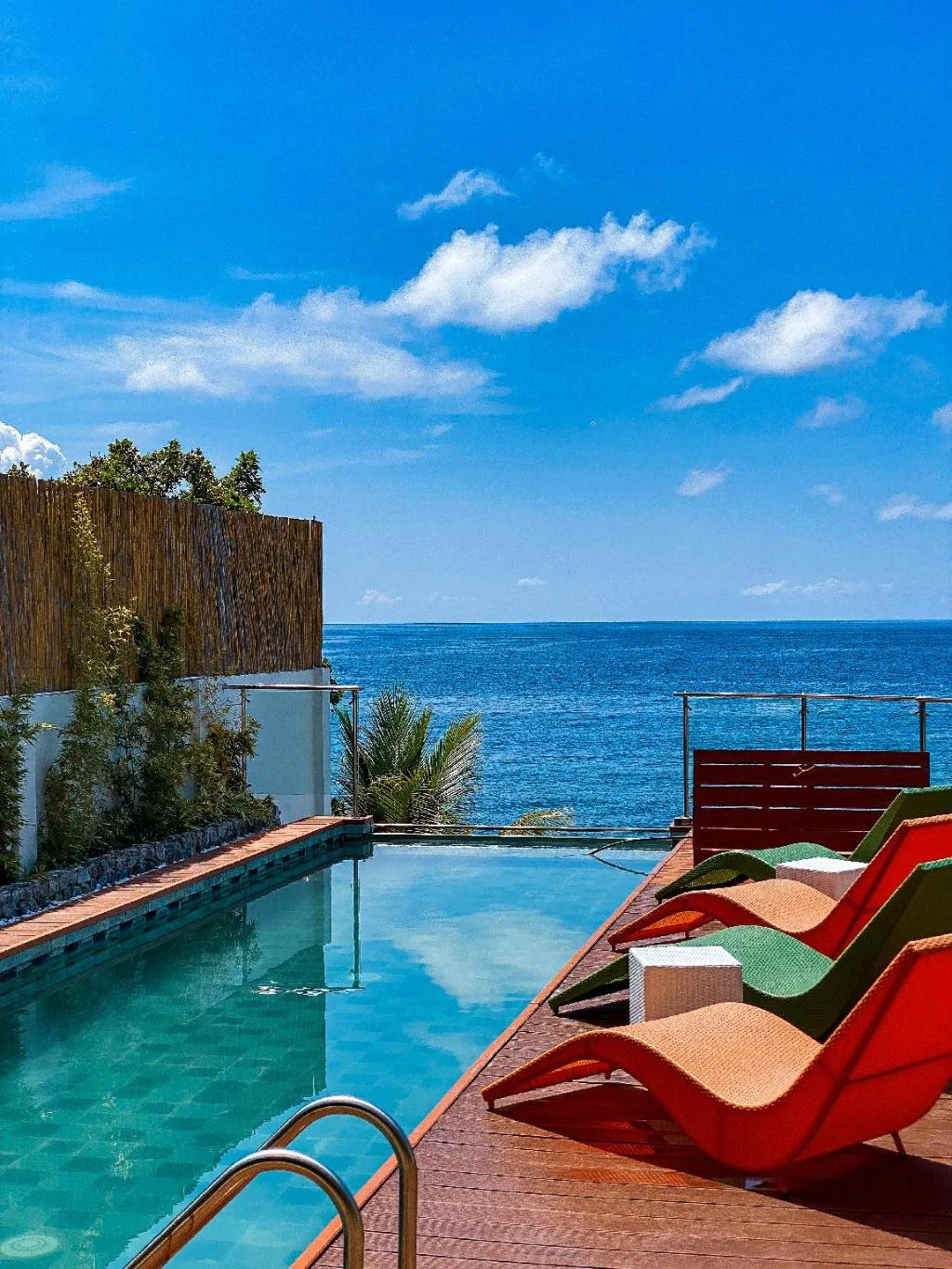
The South Hideaway Oslob
Before you go
Frequently asked
Where should a diver base themselves in Cebu?
Do you need to be certified to see the thresher sharks in Malapascua?
Can beginners dive in Moalboal?
Is scuba diving with the Oslob whale sharks actually possible?
How much does a PADI Open Water course cost in Cebu?
How long should you wait to fly after diving in Cebu?
What's the best time of year to dive in Cebu?
More Places to Explore
Malapascua Island
Daanbantayan
A world-famous diving paradise known for thresher shark encounters, featuring beautiful white sand beaches and laid-back island vibes.
Moalboal Sardine Run
Moalboal
Swim with millions of sardines in one of the world's only year-round sardine runs, just meters from shore.
Pescador Island
Moalboal
A world-class marine sanctuary featuring The Cathedral underwater cave and exceptional wall diving.
Whale Shark Watching
Oslob
Swim alongside gentle whale sharks, the world's largest fish, in one of the few places where these magnificent creatures can be reliably encountered.
Sumilon Island
Oslob
A pristine coral island with a famous shifting white sandbar, excellent snorkeling, and the distinction of being the Philippines' first marine sanctuary.
Related Guides
- The 12 Best Dive Sites in Cebu (2026)
- Best Dive Resorts in Cebu (2026): Top Dive Stays
- Malapascua Thresher Shark Diving: 2026 Guide
- Moalboal Complete Guide (2026): Diving, Sardines & Stays
- Night Diving in Cebu (2026): Where, What You'll See & Cost
- Liveaboard Diving from Cebu (2026): Is It Worth It?
- Decompression Chamber & Dive Emergencies in Cebu (2026)