TL;DR: A PADI Open Water course in Cebu takes 3–4 days (theory done as eLearning beforehand, then confined and open water dives) and costs roughly ₱16,000–25,000 (US$275–430) depending on the shop — Mactan and Malapascua run cheaper than Moalboal. If you just want a one-day taste, Discover Scuba Diving costs about ₱3,500–4,000 (US$60–70) but doesn’t certify you. Moalboal, Malapascua, and Mactan all have long-established PADI 5-Star shops; pick based on what you want to see after you’re certified. Verified July 2026.
If you’ve ever snorkeled Cebu’s reefs and wondered what’s a little deeper, this is the guide for getting there properly. Cebu is one of the cheapest, easiest places in the world to learn to scuba dive — warm water year-round, visibility that regularly hits 15–20 meters, and three dive hubs that each specialize in a different kind of beginner course. Panagsama Beach in Moalboal puts you steps from the sardine run and Pescador Island; Malapascua trains you a boat ride from thresher shark territory; Mactan gets you in the water within an hour of landing at the airport. This guide covers what the PADI Open Water course actually involves, what it costs at each location in 2026, and how to decide between a quick taster dive and the real certification.
Course Comparison at a Glance
| Course | Days | Price (₱ / US$) | What you get |
|---|---|---|---|
| Discover Scuba Diving (DSD) | 1 (half-day) | ₱3,500–4,000 / $60–70 | One guided dive to ~12m with an instructor, no certification |
| PADI Scuba Diver | 2–3 | ₱14,000–17,900 / $241–309 | Confined water + 2 open water dives; certifies you to dive to 12m with a pro, upgradable to full OW later |
| PADI Open Water Diver | 3–4 | ₱15,900–24,900 / $274–429 | eLearning + 5 confined water dives + 4 open water dives; lifetime certification to 18m with any buddy |
| PADI Advanced Open Water | 2 | ₱19,300–20,900 / $333–360 | 5 adventure dives (deep, navigation, plus 3 electives); extends certified depth to 30m |
Price ranges pulled from Cebu Fun Divers (Moalboal), Ocean Passion (Malapascua), and SiDive (Mactan) in mid-2026. Confirm the exact quote with your shop — rates shift with fuel costs, group size, and season. Verified July 2026.
What’s the Difference Between a Taster Dive and Real Certification?
Discover Scuba Diving gives you one guided dive; the Open Water course gives you a certification you keep for life. DSD is built for people who aren’t sure diving is for them — you get a briefing, gear up, and follow an instructor down to about 12 meters for roughly 20–30 minutes, no exam, no card at the end. It’s the cheapest way to see if you like breathing underwater before committing real money and days to it.
The full PADI Open Water Diver course is different in kind, not just length. You study dive theory (decompression limits, buoyancy, gear, safety procedures), demonstrate skills in confined water (a pool or a calm, shallow bay), then complete four dives in the open water with an instructor grading you along the way. Pass, and you’re certified to dive anywhere in the world to 18 meters with a buddy, no supervision required, for the rest of your life. If you did a DSD earlier, most shops credit those skills toward the OW course, shaving time off the confined water portion.
There’s also a middle option, PADI Scuba Diver, which is essentially the first half of Open Water — confined water plus two open dives instead of four. It certifies you to dive to 12 meters, always with a professional. It’s a decent choice if you’re short on time or budget but still want a real card, and it converts to full Open Water later if you complete the remaining dives.
What Does the Open Water Course Actually Involve?
Three parts: online theory, pool skills, and open water dives — usually across 3–4 days. Almost every shop in Cebu sells the course bundled with PADI’s eLearning, which you’re expected to finish online before you arrive; it covers the material that used to require a full day of classroom sessions. Do that homework in advance and your on-the-ground schedule looks like this:
- Day 1 — Confined water. Five skill sessions in a pool or a calm, shallow bay: clearing your mask, recovering your regulator, controlling buoyancy, managing emergencies. This is where most first-time nerves get worked out before you’re anywhere near open water.
- Days 2–3 — Open water dives. Four dives, usually two per day, at real dive sites with your instructor evaluating you as you go. In Moalboal that often means training dives along the Pescador Island house reef; in Malapascua and Mactan it’s the local house reefs and nearby marine sanctuaries.
- Certification. Pass all four dives and you get your PADI card (physical and/or digital), good for life, no renewal needed.
Skip the eLearning prep and most shops will still teach you, but plan on an extra day of in-person classroom time before you touch the water.
Requirements and Health
You need to be at least 15 for the full Open Water certification (10–14 year-olds can earn a Junior Open Water card with depth restrictions, upgradable once they turn 15). Every student fills out a standard medical questionnaire; answer “no” to everything on it — no relevant heart, lung, ear, or recent-surgery issues — and you’re clear to dive with no doctor’s visit required. Answer “yes” to anything and you’ll need written sign-off from a physician before your first dive, so it’s worth checking the questionnaire online before you book if you have any doubts.
You also need to be a reasonably comfortable swimmer: PADI requires you to swim 200 meters (any stroke, untimed) and float or tread water for 10 minutes. If you’re not sure you can manage that, book a Discover Scuba Diving session first — it’s a low-stakes way to find out whether you’re comfortable enough in open water to commit to the full course.
Where Should You Get Certified — Moalboal, Malapascua, or Mactan?
Pick based on what you want to see once you’re certified, not just the closest shop. All three towns have established PADI centers with decades of combined experience running Open Water courses for foreign students, so course quality is broadly comparable — what differs is what’s waiting for you the moment you finish.
- Moalboal puts you a short swim from the sardine run and sea turtles, and it’s the base for trips out to Pescador Island. If you want to be diving with something spectacular within days of certifying, this is it. It also tends to run at the higher end of the price range.
- Malapascua is the quieter, more remote option, and the payoff is thresher sharks at Monad Shoal — a dive normally reserved for certified divers, so getting your card here means you can go straight from training to one of the most sought-after shark dives in Asia. See our thresher shark diving guide for what that dive involves once you’re certified.
- Mactan is the convenience play — it’s minutes from the airport and Cebu City hotels, so if your trip is short or you’re combining diving with a broader Cebu itinerary, it saves the most travel time. The reef itself is calmer and less dramatic than the south or the outer islands, which also makes it a gentler place to be a total beginner.
For a fuller rundown of dive sites across the whole province, see our Cebu diving overview and best dive sites in Cebu guides, or our dedicated PADI certification shop comparison if you want a deeper look at specific operators.
How Do You Choose a Dive Shop?
Look for a PADI 5-Star or PADI 5-Star IDC rating, a class size cap (ask directly — some larger shops run 4:1 or worse student-to-instructor ratios during peak season), and reviews that specifically mention the instructor’s patience with nervous first-timers, not just the dive sites. Confirm exactly what’s bundled: eLearning, equipment rental, tanks, weights, and the certification fee should all be included in the headline price — ask what isn’t, because some shops charge extra for the certification card itself or for gear beyond the basics.
If you’re nervous about committing to 3–4 days upfront, book a Discover Scuba Diving session first through Klook’s Cebu dive listings and decide from there whether to upgrade to the full course with the same shop — most will credit the DSD dive toward your Open Water training.
The Honest Take
Cebu is genuinely one of the best-value places on earth to learn to dive — the water’s warm, the visibility is good most of the year, and course prices sit well below what you’d pay in Australia, the US, or Europe. But go in with realistic expectations: this is not a half-day activity. Between eLearning, confined water, and four open dives, you need 3–4 actual days in one place, which means it only makes sense if you’re already planning to spend that time in Moalboal, Malapascua, or Mactan rather than trying to squeeze it into a quick stopover.
Watch out for shops that cut corners on ratios during high season (December–May) — a rushed, overcrowded confined-water session is where bad habits and real anxiety start. It’s worth paying slightly more for a shop that caps class size, even if a cheaper option is next door. And if you’re only mildly curious rather than sure you want a lifelong certification, don’t feel pressured into the full course — a Discover Scuba Diving session is honestly the smarter first move for most people, and there’s no shame in stopping there.
Skip the whole thing if you’re prone to ear or sinus problems that haven’t cleared up, or if you have any of the medical conditions on PADI’s questionnaire and haven’t yet gotten a doctor’s sign-off — sort that out before you book, not after you’ve paid.
Sources
- Cebu Fun Divers — course prices and rates (Moalboal pricing)
- Ocean Passion Malapascua — PADI course prices (Malapascua pricing)
- SiDive — PADI Open Water Diver course (Mactan pricing and course structure)
- PADI — Scuba Diving Certification FAQ (age, medical, and swim requirements)
- PADI Blog — Discover Scuba Diving vs. Open Water Diver (course comparison)
- Prices verified against operator listings and PADI’s own course documentation. Confirm current rates directly with the shop before booking. Verified July 2026.
Ready to get in the water? Compare Discover Scuba Diving and Open Water listings on Klook, or sort out where to stay first — Moalboal puts you closest to the sardine run for after you’re certified, while Mactan keeps you close to the airport if your trip is tight on time. Once you’ve got your card, our Moalboal diving guide and best dive sites in Cebu round-up are the natural next stops.
Book Tours & Hotels for This Trip
Find and book the best deals — prices and availability update in real time. Links open in a new tab.
Where to stay near Moalboal
Top-rated hotels for this trip — tap through to check live rates.
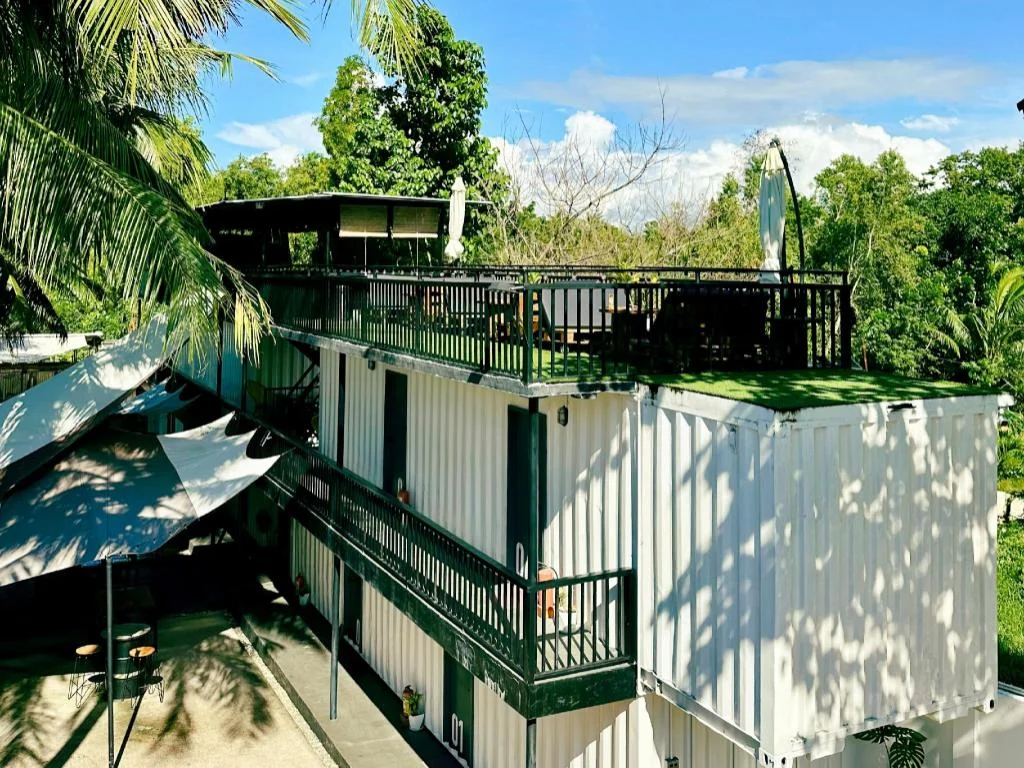
PIG DIVE HOSTEL MOALBOAL
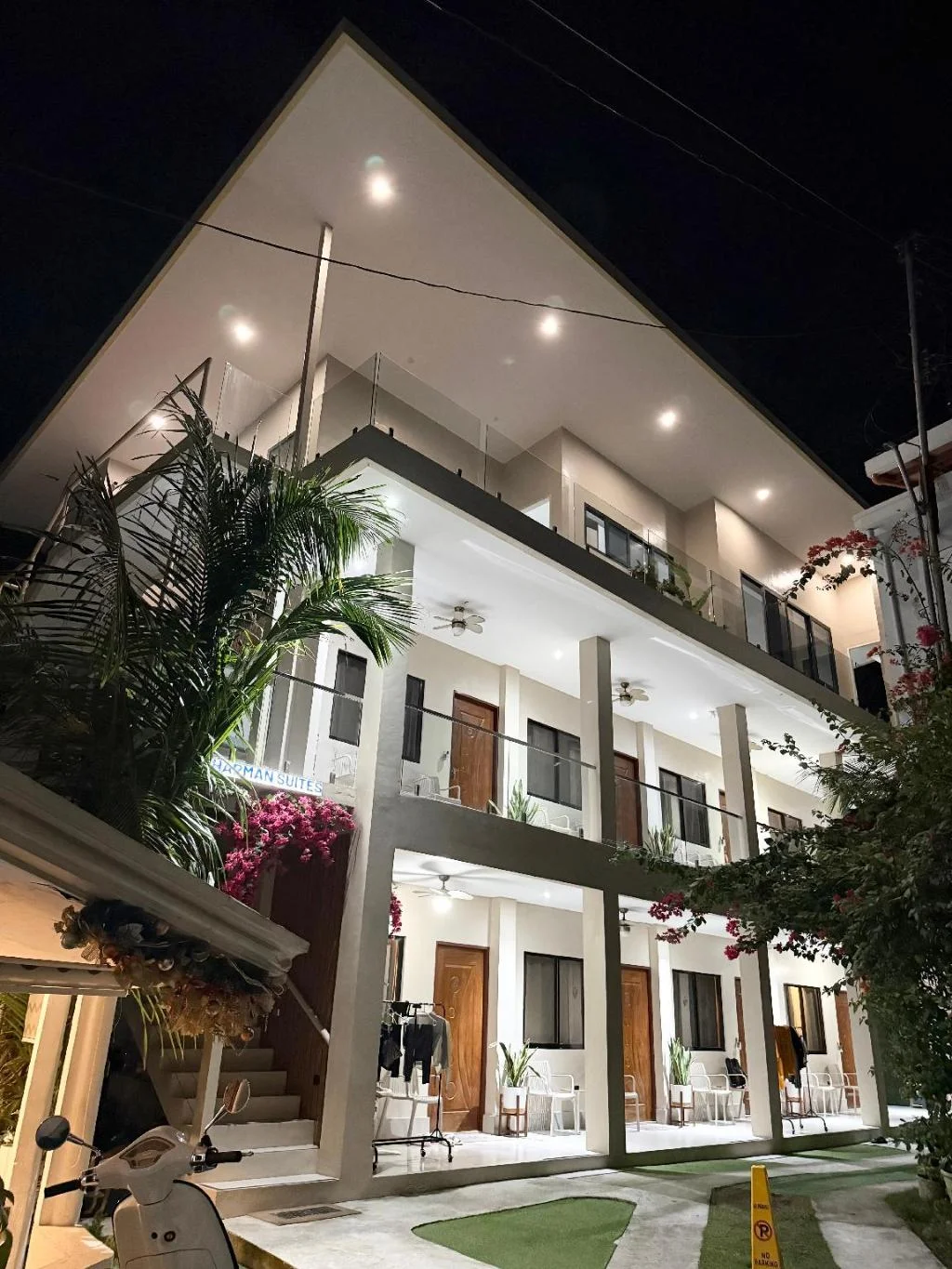
Harman Suites Moalboal
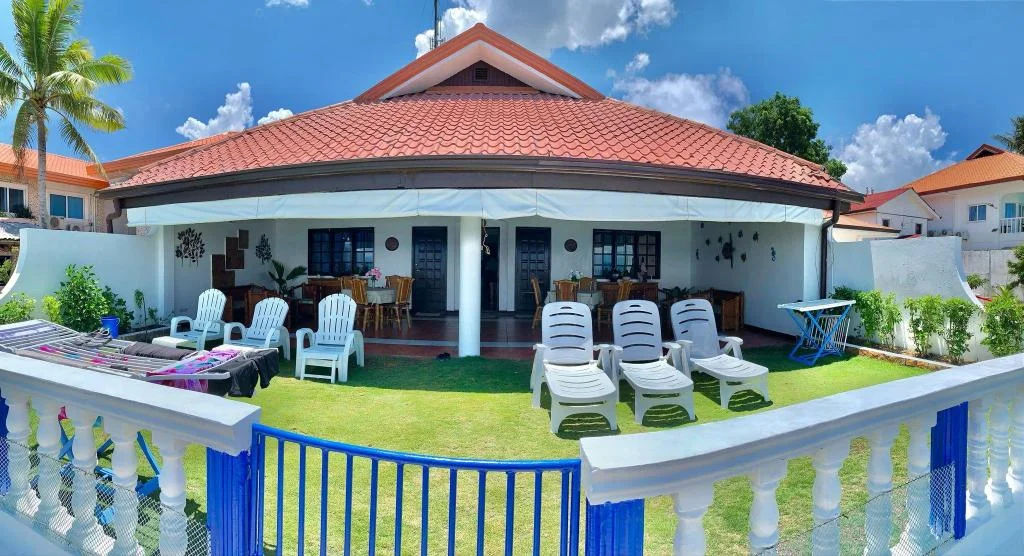
Il Sogno Resort
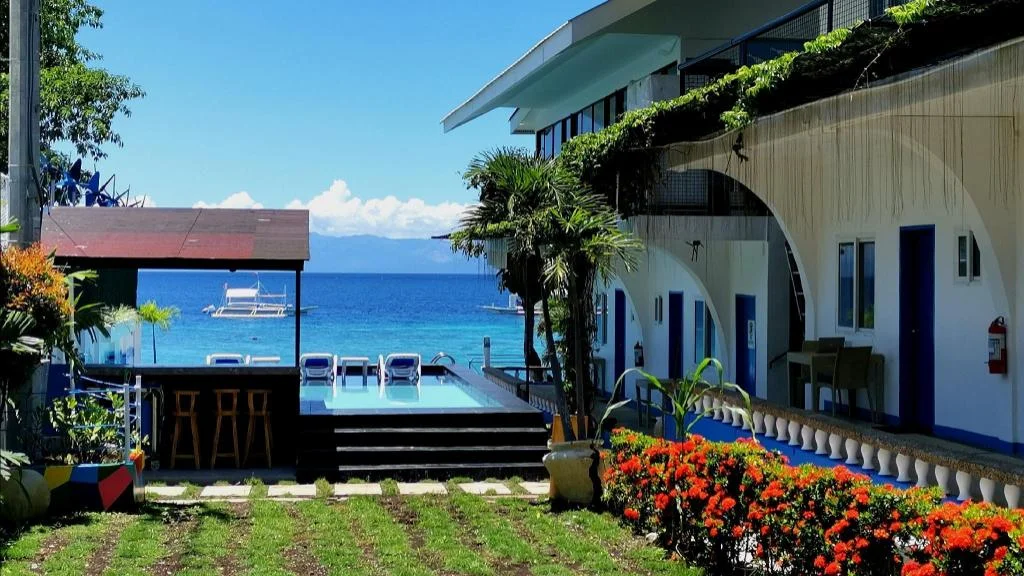
Pescadores Suites Moalboal
Prefer a rental? Vacation rentals near Moalboal
Self-catering condos and apartments — book the exact unit, kitchen included.
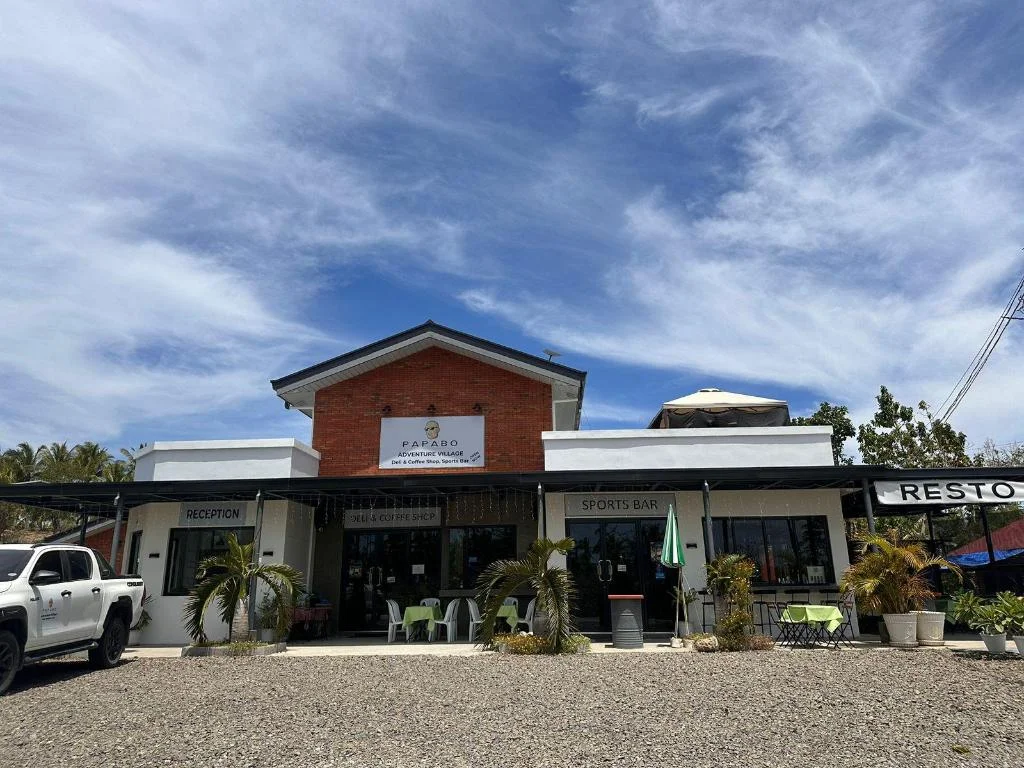
PAPABO Adventure Village
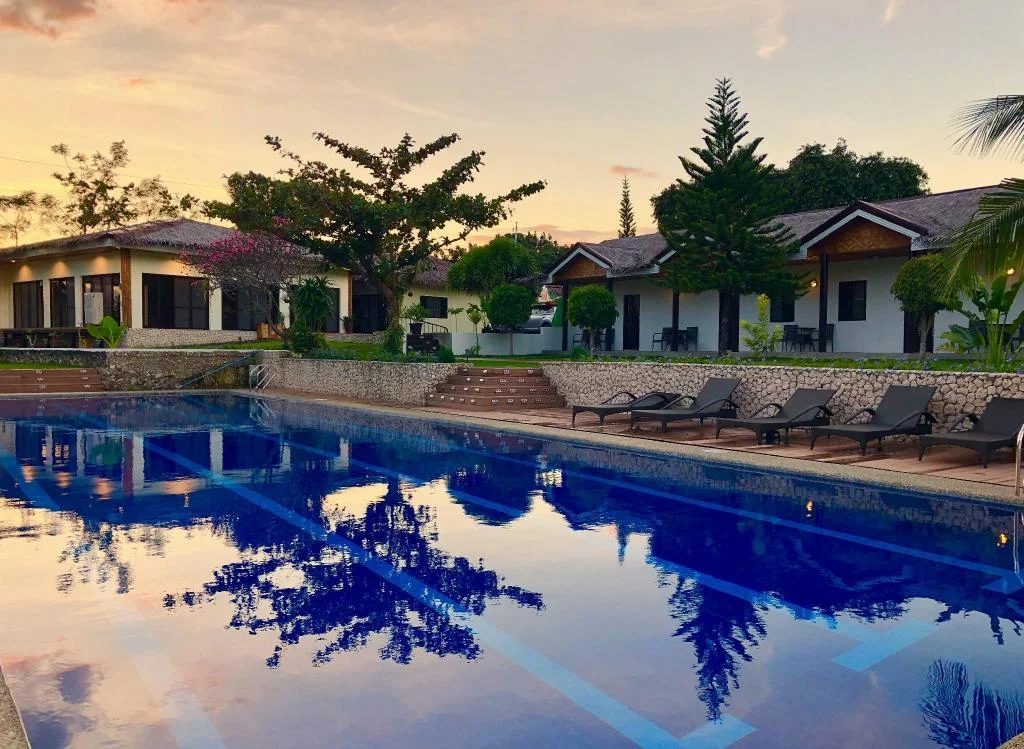
Casa de Moalboal
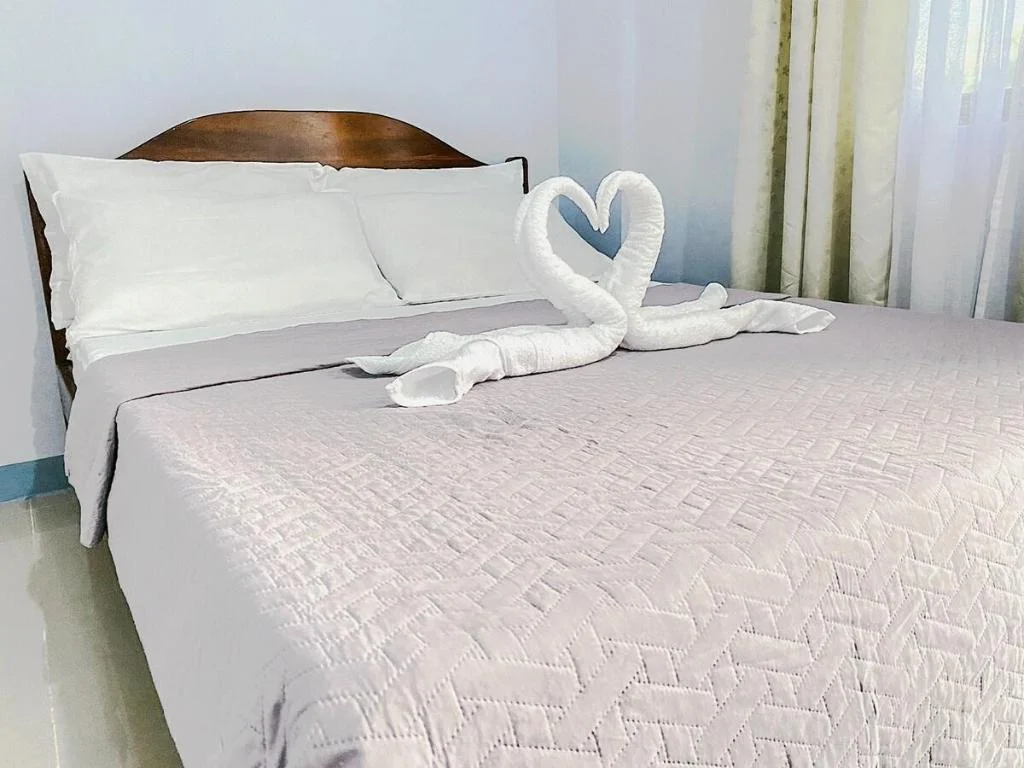
Althea Appartelle
Before you go
Frequently asked
How much does it cost to get PADI Open Water certified in Cebu?
What's the difference between Discover Scuba Diving and the Open Water course?
How many days does the Open Water course take?
Where's the best place in Cebu to learn to dive — Moalboal, Malapascua, or Mactan?
Do I need to know how to swim to get certified?
What are the age and health requirements?
Can I complete the eLearning before I arrive in Cebu?
Is it worth getting certified in Cebu instead of at home?
More Places to Explore
Panagsama Beach
Moalboal
Moalboal's main beach and diving hub, famous for the sardine run and sea turtles just meters from shore.
Pescador Island
Moalboal
A world-class marine sanctuary featuring The Cathedral underwater cave and exceptional wall diving.
Moalboal Sardine Run
Moalboal
Swim with millions of sardines in one of the world's only year-round sardine runs, just meters from shore.