
TL;DR: Cebu has five real dive regions, and they’re not interchangeable — Moalboal is the all-round base (Pescador Island’s wall, The Cathedral cavern, and the year-round sardine run), Malapascua is the pilgrimage for pelagic thresher sharks, Mactan is the easy, convenient reef dive near the airport, and the Oslob/Sumilon and Olango/Hilutungan sanctuaries are worthwhile add-ons rather than standalone bases. Fun dives run roughly ₱1,000–1,600 (US$16–26) in Mactan and Moalboal, and ₱2,000–2,300 (US$32–37) in Malapascua and around Oslob/Sumilon, before gear rental and marine park fees. March–June has the calmest seas and best visibility province-wide. Verified July 2026.
Cebu is one of the few places on earth where you can dive a wall, a wreck, a shark cleaning station, and a sardine bait ball without leaving one province — the catch is that those sites are spread across four corners of the island, each with its own travel time, skill requirement, and price. This guide is the map: what each region is actually known for, how hard the diving is, when to go, and what a fun dive costs, so you can decide where to base yourself before you book anything. If you’re brand new to scuba, pair this with our learn-to-dive guide; if you already know you want a site-by-site list, jump to the best dive sites in Cebu. Everyone else, keep reading — this is the overview that tells you where to point yourself first.
Cebu’s Dive Regions at a Glance (2026)
| Region | Signature dive | Level | Best months | Fun-dive price |
|---|---|---|---|---|
| Moalboal | Pescador Island wall & The Cathedral cavern; year-round sardine run | Open Water+ | Year-round; calmest Mar–Jun | ₱1,200–1,600 (~US$19–26) |
| Malapascua | Thresher shark cleaning station at Monad/Kimud Shoal | Advanced (20–25 m) | Sharks year-round; best conditions Dec–May | ₱2,300 (~US$37), + ₱500 fuel surcharge |
| Mactan | Marigondon Cave & Wall house reefs | Open Water-friendly | Year-round | ₱1,000 (~US$16) + ₱100 sanctuary fee |
| Oslob / Sumilon | Sumilon Island drop-off & marine sanctuary wall | Open Water+ | Year-round; calmer Mar–Jun | From ₱2,000/person (~US$32) day package |
| Olango / Hilutungan | Hilutungan Marine Sanctuary drift wall & Airplane Wreck (Moalboal) | Open Water+ | Year-round | Full-day 2-dive package ~₱7,728 (~US$125) from Cebu City/Mactan |
Prices in Philippine Peso. ₱62 ≈ US$1 (July 2026). Rates vary by dive shop, group size, and season — confirm before booking. Verified July 2026.
What Are Cebu’s Main Dive Regions?
Cebu’s diving splits into five clusters, and almost nobody dives all of them on one trip. South Cebu (Moalboal and the Oslob/Sumilon coast) is one long drive down the western and southern coastline, so it’s realistic to combine both in a single south Cebu trip. North Cebu (Malapascua) is its own trip entirely — a 4–5 hour bus ride to Maya Port plus a boat crossing, not a day add-on. Mactan, where the airport sits, is really an extension of Cebu City and needs no extra travel at all. Olango and Hilutungan sit in the channel between Mactan and the outer islands and are almost always sold as day-boat add-ons from Mactan rather than a base you sleep in.
Where Should You Dive in Moalboal?
Moalboal is Cebu’s best all-round dive base, and the reason is Pescador Island — a limestone islet a short banca ride from Panagsama Beach with a sheer wall dropping past 40 meters, plus The Cathedral, a swim-through cavern with a shaft of light that’s become one of the most photographed dive sites in the Philippines. On the same coastline you get Pescador’s wall for the deeper, more technical dives and shallower house reef sites for easier ones, which makes Moalboal workable for a wide range of certification levels in one trip.
What sets Moalboal apart from every other region on this list is that you don’t need to dive at all to see its headline attraction: the sardine run is a permanent, free-swimming bait ball that sits just 20–30 meters off Panagsama Beach, shallow enough to snorkel. Divers get to swim through the school rather than just around it, and pair it with turtle point a short surface swim away. Moalboal Dive Center lists shore dives at ₱1,200 and boat dives at ₱1,600 (equipment rental ₱300/day extra), broadly in line with the industry-wide average of roughly US$30 per fun dive that most Moalboal operators quote once Pescador’s ₱100 marine park fee is folded in.
Where Should You Dive in Malapascua?
Malapascua exists, for divers, because of one animal: the pelagic thresher shark, seen almost every morning at the Monad/Kimud Shoal cleaning station a short boat ride offshore. This is not a maybe-you’ll-see-something dive — Malapascua is one of the most reliable thresher shark encounters on the planet, which is why divers fly in from around the world specifically for it. Sightings aren’t guaranteed on any single morning, but the odds are about as good as wildlife diving gets.
It’s also a real commitment: the shoal sits around 20–25 meters, so Advanced Open Water certification (or equivalent depth experience with a guide) is strongly recommended, and boats leave Malapascua around 5:00 AM to reach the cleaning station for sunrise sightings between roughly 6:00 and 7:00 AM. Thresher Shark Divers’ 2026 price list runs ₱2,300 per fun dive (₱2,100 for 10+ dives), plus a ₱500 fuel surcharge specifically for the shark dive, ₱400/dive equipment rental if you need gear, and a ₱300–700 daily marine park fee. Non-divers aren’t shut out entirely — the island has snorkeling, a lighthouse walk, and boat trips to Kalanggaman’s sandbar — but the thresher shark cleaning station itself is a certified-diver-only dive. See our full Malapascua thresher shark diving guide for the complete cost and logistics breakdown.
Is Mactan Worth Diving, or Just a Backup?
Mactan is the convenience option — house reefs and swim-throughs like Marigondon Cave and its adjoining wall sit a short boat ride from resorts near the airport, so you can fit a fun dive into a stopover or a day between other activities without a multi-hour transfer. It’s genuinely underrated for beginner and intermediate divers: shallower profiles, easy currents on most days, and enough dive shops around Marigondon Beach Road to shop around on price and schedule.
It won’t out-dive Moalboal or Malapascua on drama — no reliable sharks, no cavern with a light shaft — but it’s the only region on this list where you can dive in the morning and be back in Cebu City or at the airport by lunch. Rates run around ₱1,000 per dive plus a ₱100 sanctuary fee at budget-friendly shops, up to roughly ₱5,000 for a three-dive package with gear and lunch included at fuller-service operators — a wide enough spread that it’s worth comparing two or three shops before booking.
Is Diving Oslob and Sumilon Worth It?
Yes, as a pairing with the whale shark encounter, not as a dedicated dive trip on its own. Sumilon Island was the Philippines’ first marine protected area, established in 1974, and its wall and sanctuary waters reward that decades-long protection with genuinely good visibility and healthy coral. Most visitors combine a dive or snorkel here with the morning whale shark watching at Tan-awan, since both sites are minutes apart on the same stretch of coast.
Day packages that combine the two experiences start around ₱2,000 per person, with a ₱500 weekend/holiday surcharge at some operators, on top of the standalone Sumilon boat and environmental fees (roughly ₱1,500 per boat plus ₱50 per person). It’s a good half-day, not a multi-day dive base — nobody flies to Cebu purely to dive Sumilon.
What About Olango and Hilutungan?
Olango Island’s channel holds two of Cebu’s most accessible marine sanctuaries — Hilutungan and Nalusuan — and they’re almost always sold as boat-trip add-ons from Mactan, not a place you base yourself. The Hilutungan Marine Sanctuary starts in water shallow enough for snorkelers at the reef top, then slopes into a steep wall that suits everyone from newly certified divers to experienced ones looking for an easy drift. It’s a genuinely good option for mixed groups where some people dive and others snorkel off the same boat.
Full-day two-dive packages bundled with sanctuary fees and transport from Cebu City or Mactan run around ₱7,728 per person at some operators — noticeably more than a standalone Mactan fun dive, because it includes the longer boat transfer and both marine park fees. If you’re already staying in Mactan, ask your dive shop for a same-day Hilutungan add-on rather than booking it as a separate package; it’s usually cheaper bundled with a regular Mactan dive day. For a wreck instead of a wall, the Airplane Wreck back in Moalboal is a similar easy, current-light profile if you’re already based there.
How Do You Choose a Dive Base in Cebu?
Pick based on what you actually want to see, not proximity to the airport. If you want one animal and are willing to travel and dive deep for it, go to Malapascua. If you want the widest range of sites, a snorkel-friendly headline attraction, and a laid-back beach town to stay in, go to Moalboal — it’s the region most divers end up recommending to first-timers precisely because it doesn’t force a single hard choice. If your dive plans are secondary to a short stopover or a mixed non-diving itinerary, Mactan and a Hilutungan add-on cover you without eating a travel day. Combine Moalboal with Oslob/Sumilon if you’re doing a south Cebu loop — the coastal road connects them, and the whale shark encounter is a natural add-on for anyone in the area regardless of whether they dive.
The Honest Take
Cebu’s diving is genuinely world-class in patches — the Pescador wall, the thresher sharks, the sardine run — but it’s not one contiguous dive destination the way Moalboal alone can feel from its marketing. Skipping around costs real travel time: Malapascua in particular is a dedicated multi-day trip, not a side note to a Cebu City stay. Marine park fees, fuel surcharges, and equipment rental add up fast and aren’t always advertised up front, so ask for an all-in price before you book, not just the headline fun-dive rate.
The best conditions province-wide are March to June — calmer seas, 20–30 meter visibility, and also the busiest, priciest window. July to October brings afternoon rain and the occasional rough day under the habagat monsoon, but morning dives generally still run and it’s the cheapest time to book. November to February can get choppier on the Malapascua side under the amihan monsoon, with visibility often down to 10–15 meters, though thresher sharks show up on the shoal regardless of season. If you’re deciding when to fly in at all, cross-check this against our best time to visit Cebu guide, since dive conditions and general travel weather don’t always peak in the same months.
Plan the Rest of Your Trip
However you split your dive days, pair them with the rest of the province — things to do in Cebu covers the non-diving side of a trip, and our south Cebu 3-day itinerary already threads Moalboal and Oslob together if you’re planning a dedicated dive-and-beach loop. Browse Cebu dive shops and multi-day packages on Klook before you go, and if you’re staying over in Moalboal or Malapascua rather than day-tripping, compare hotels near the dive shops on Agoda so you’re not commuting to your own dive boat.
Sources
- Moalboal Dive Center — Fun Diving Rates
- Thresher Shark Divers Malapascua — Dive Prices 2026
- Thresher Shark Divers Malapascua — Best Time to Dive
- Mactan Scuba Dive Center
- PADI — Hilutungan Island Marine Sanctuary dive site
- PADI — Pescador Island dive site
- Sumilon Island tour and sanctuary fee reporting cross-checked against multiple 2026 operator listings. Verified July 2026.
Book Tours & Hotels for This Trip
Find and book the best deals — prices and availability update in real time. Links open in a new tab.
Where to stay near Moalboal
Top-rated hotels for this trip — tap through to check live rates.
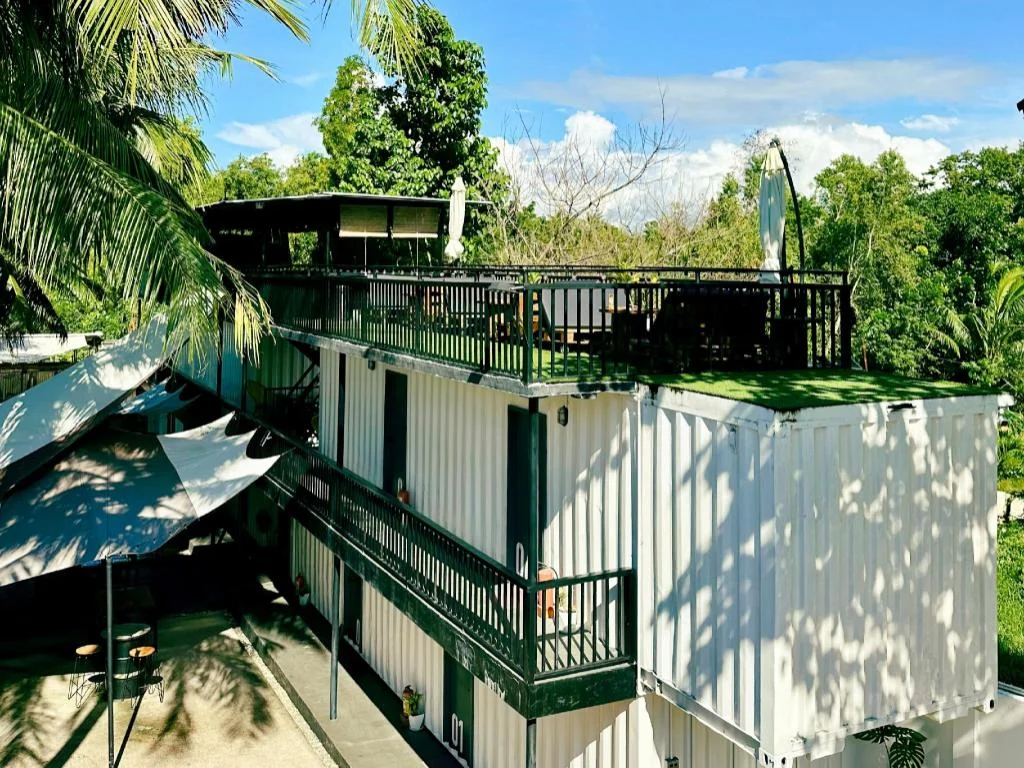
PIG DIVE HOSTEL MOALBOAL
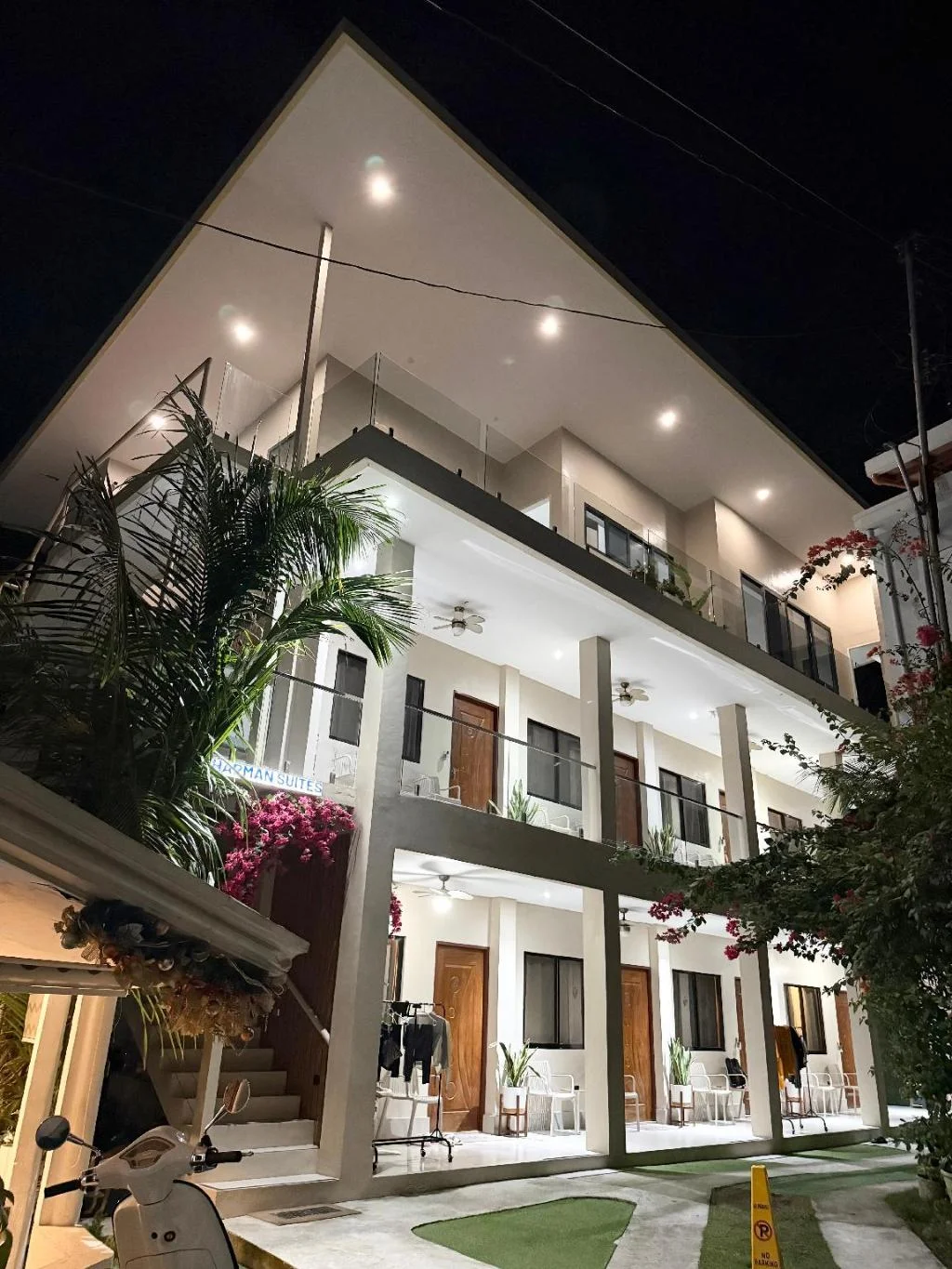
Harman Suites Moalboal
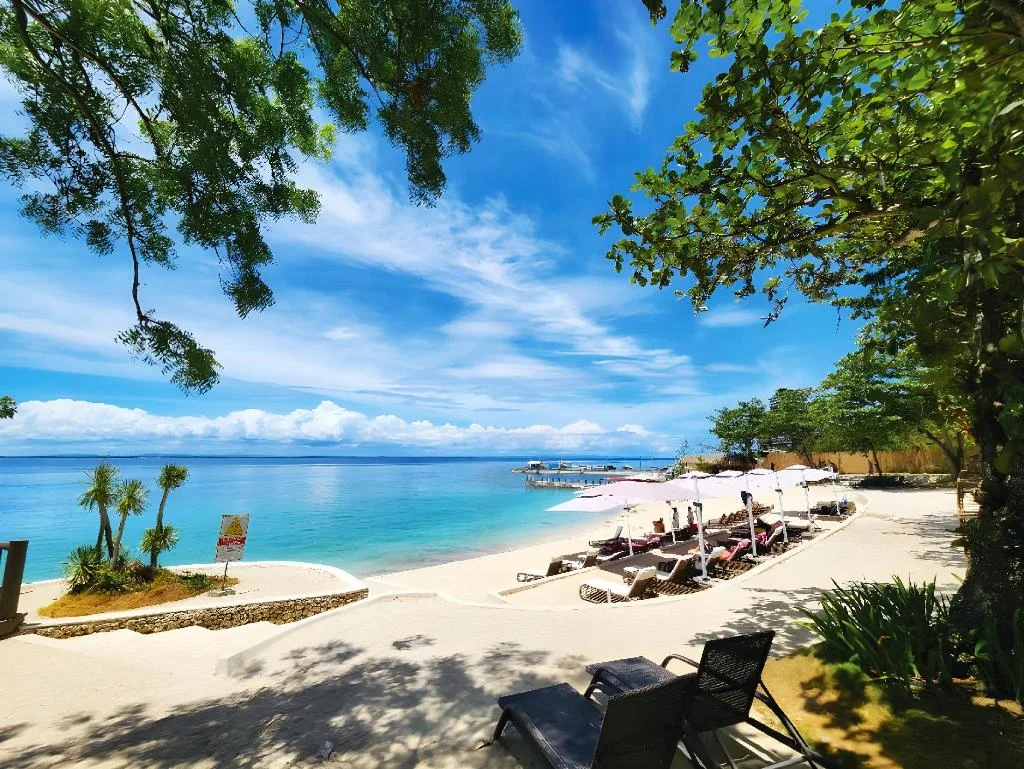
Mercure Mactan Cebu
Ocean Vida Resort
Prefer a rental? Vacation rentals near Moalboal
Self-catering condos and apartments — book the exact unit, kitchen included.

ClockWorkOrange Luxury Suites
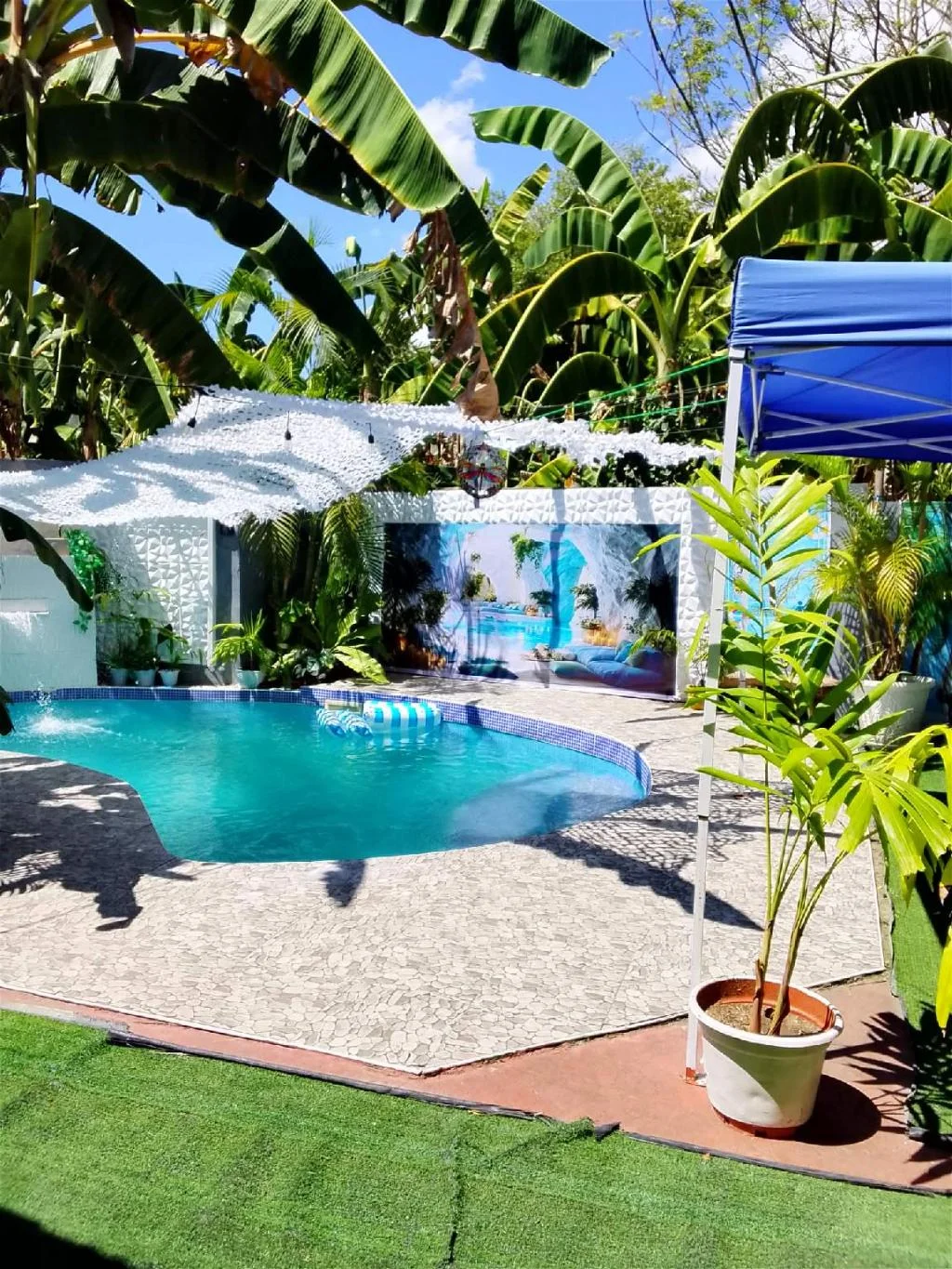
Two crazy monkeys
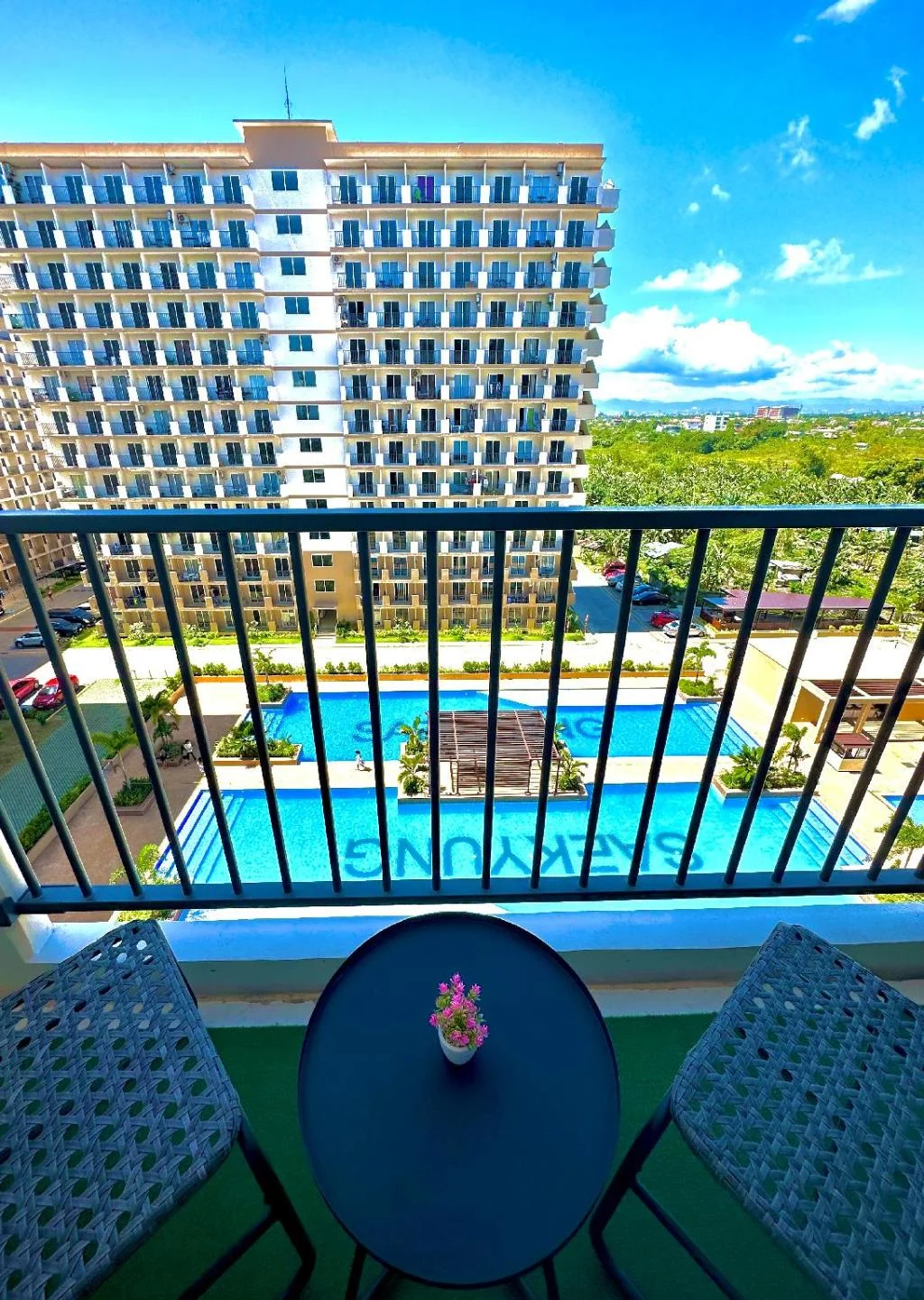
Condo with POOL/BALCONY/KITCHEN/NETFLIX/HOT SHOWER
Before you go
Frequently asked
Where is the best place to dive in Cebu?
How much does a fun dive cost in Cebu?
Do I need a certification to dive in Cebu?
What is the best month to dive in Cebu?
Can beginners dive in Cebu, or do you need experience?
Do I need to book dive trips in advance?
How do you get between Cebu's dive regions?
Is Cebu diving good for non-divers too?
More Places to Explore
Pescador Island
Moalboal
A world-class marine sanctuary featuring The Cathedral underwater cave and exceptional wall diving.
The Cathedral (Pescador Island)
Moalboal
An awe-inspiring underwater cavern with cathedral-like chambers and stunning light effects.
Moalboal Sardine Run
Moalboal
Swim with millions of sardines in one of the world's only year-round sardine runs, just meters from shore.
Thresher Shark Diving
Daanbantayan
One of the world's only reliable locations to dive with pelagic thresher sharks at the famous Monad Shoal cleaning station.
Hilutungan Marine Sanctuary
Lapu-Lapu City
One of the Philippines' oldest marine sanctuaries with pristine coral reefs, abundant tropical fish, and excellent snorkeling for all skill levels.
Airplane Wreck Dive Site
Moalboal
A unique dive site featuring a sunken aircraft at 20m depth, now colonized by corals and occasionally occupied by sea turtles.