
TL;DR: Moalboal is Cebu’s easiest serious dive base — the sardine run wall sits a few steps from shore at Panagsama Beach, and Pescador Island’s wall and Cathedral cave are a 15–30 minute boat ride out. Fun dives run ₱1,200–2,100 (US$19–34) per dive depending on shore vs. boat and which shop, with multi-dive packages bringing the per-dive cost down and a ₱100 marine park fee added on top. Turtle sightings at Turtle Point and the house reef are close to guaranteed, and the best visibility and calmest seas run December–April. Verified July 2026.
Moalboal is the reason people say Cebu diving punches above its weight. Most dive destinations make you boat 30–45 minutes to anything worth seeing; here, you can walk out of your dive shop, fin 30 meters offshore, and drop straight into a wall thick with a sardine school that can run into the millions. Add a short boat ride to Pescador Island for wall diving and a genuine cave swim-through, a nearby turtle cleaning station, and shore diving available day or night, and it’s easy to see why Moalboal has one of the highest concentrations of dive shops per kilometer of beach in the Philippines. This guide is for certified divers planning a Moalboal trip — what the sites actually offer, what a fun dive costs in 2026, and how to choose between shore and boat days. If you’d rather snorkel than dive, see our Moalboal sardine run guide instead.
Moalboal Dive Sites at a Glance
| Site | Typical depth | Highlight | Boat or shore |
|---|---|---|---|
| Panagsama house reef / Sardine Run | 5–40 m (wall drops to 60–70 m) | Resident sardine bait ball, wall drop-off, night dive macro | Shore |
| Pescador Island — The Cathedral | 18–30 m entrance, exits ~16–18 m | Vertical cave swim-through with light shafts | Boat, ~15–30 min |
| Pescador Island wall | 5–40 m+ | Steep coral wall, occasional reef sharks and jacks | Boat, ~15–30 min |
| Turtle Point (Talisay Wall) | 5–25 m | Frequent green and hawksbill turtle sightings, small canyons | Boat, ~10–15 min |
| Tongo Marine Sanctuary | 5–30 m | Healthier, less-dived coral; macro life | Boat |
| Airplane Wreck | ~20–24 m | Artificial wreck, good for wreck-curious divers | Boat |
| Sunken Island | 5–18 m | Shallow reef, gentle current — good for beginners | Boat, short |
Depths and conditions vary by season and site management; confirm with your dive shop’s briefing on the day. Verified July 2026.
How Much Does a Fun Dive Cost in Moalboal?
Expect ₱1,200–2,100 (US$19–34) per dive, with shore dives cheaper than boat dives and prices varying noticeably by shop. Moalboal Dive Center lists shore dives at ₱1,200 and boat dives at ₱1,600, both including tank, weights, and a guide but excluding marine park fees. Cebu Fun Divers, a PADI 5-Star center, prices shore dives higher at ₱1,900 and boat dives at ₱2,100, with a ₱100 marine park fee charged per dive on top and equipment rental running ₱350 per dive or ₱750 per day for a full set.
| Item | Price (₱) | Price (US$) |
|---|---|---|
| Shore dive (budget shop) | ₱1,200 | ~$19 |
| Shore dive (5-star shop) | ₱1,900 | ~$31 |
| Boat dive (budget shop) | ₱1,600 | ~$26 |
| Boat dive (5-star shop) | ₱2,100 | ~$34 |
| 5-dive package | ₱9,975 | ~$161 |
| 10-dive package | ₱18,900 | ~$305 |
| Full gear rental (per day) | ₱750 | ~$12 |
| PADI Open Water course | ₱24,900 | ~$402 |
| Marine park/sanctuary fee (per dive) | ₱100 | ~$1.61 |
Sample rates from Moalboal Dive Center and Cebu Fun Divers, converted at ₱62 ≈ US$1 (July 2026). Prices vary by operator and season — confirm directly before booking. Verified July 2026.
Night dives and sunrise dives usually cost a small surcharge (around ₱200 extra per dive at some shops) rather than a separate rate card. If you’re diving for several days, ask about multi-dive packages — they typically knock 10–15% off the per-dive price compared to booking single dives daily.
Is the Sardine Run Worth Diving (Not Just Snorkeling)?
Yes — diving the sardine run gets you inside the bait ball rather than watching it from the surface, and it costs little more than a normal shore dive since the school sits directly off Panagsama Beach. The sardines are a genuinely reliable, year-round sighting; unlike seasonal migrations elsewhere, this school has stayed resident off Moalboal for years, making it one of the most dependable big-marine-life encounters in the Philippines. Some shops quote scuba diving specifically with the sardines at around ₱2,500 per dive as a named experience, though most simply include the wall (and whatever section of the school is present that day) in a standard shore dive along the house reef. It’s a shallow, easy dive — 10–20 meters for most of the encounter — so it pairs well with a second, deeper dive later in the day.
Is Pescador Island’s Cathedral Worth the Boat Ride?
Yes, if you’re diving it — the Cathedral is a genuine cave-diving experience, not just another reef. The entrance sits around 18–28 meters on the island’s west side, opening into a vertical chimney chamber where sunlight filters down from above; it’s one of the more memorable single dive sites in the Visayas. The rest of Pescador’s wall drops steeply with healthy hard coral and regular sightings of jacks, and occasionally reef sharks, making it worth a two-tank morning (wall dive plus the Cathedral) rather than a quick single dip. Boat rides from Panagsama run roughly 15–30 minutes depending on the shop’s dock and sea conditions. A ₱100 marine sanctuary fee applies per diver on top of your dive rate, since Pescador has been a protected marine park since 1990.
Where Do You See Turtles — and Are Sightings Reliable?
Turtle Point (also called Talisay Wall) is the dedicated site, but turtles also turn up regularly on the house reef and around Pescador. Talisay Wall earned its nickname because green and hawksbill turtles use the area as a resting and feeding ground; the site itself is a steep wall cut with small canyons and cave-like overhangs, home to lionfish, frogfish, ghost pipefish, and the occasional barracuda alongside the turtles. It’s a short boat ride from Panagsama — around 10–15 minutes — making it easy to pair with a Pescador or sardine run dive on a two-tank day. Sightings aren’t guaranteed on any single dive, but divers who do a Moalboal trip of three or more days report seeing turtles on the majority of their dives somewhere in the area.
Shore Diving vs. Boat Diving — How Do You Choose?
Shore dive the house reef and sardine run for convenience and cost; boat out to Pescador, Turtle Point, and Tongo for variety. The house reef right off Panagsama drops from about 3 meters to 40 meters just offshore, with the wall continuing to 60–70 meters further out — enough for a full dive without a boat, and available day or night since you’re not dependent on a boat schedule. Night diving here is popular for spotting blue-ringed octopus, flamboyant cuttlefish, and other nocturnal critters that don’t show during the day. Boat dives cost more but reach sites with different topography and marine life — the Cathedral cave, Turtle Point’s canyons, and the comparatively less-visited coral at Tongo Marine Sanctuary. Most divers on a multi-day trip mix both: a shore dive or two around sunrise or sunset, and a boat trip for the rest.
Ready to book? Search Moalboal diving and Pescador Island tours on Klook to compare operators and packages before you arrive, or line up a shop directly once you’re on the ground — most take walk-ins.
When Should You Go for the Best Conditions?
December through April gives the calmest seas and clearest water, part of the broader Amihan (northeast monsoon) season that runs roughly November to May, when visibility regularly exceeds 30 meters. June through October is Habagat, the southwest monsoon — expect more rain, choppier surface conditions on boat days, and a higher (though still low) typhoon risk; shore diving the house reef holds up better than boat trips in rougher weeks. The sardine run itself doesn’t follow this seasonality — it’s a resident school, not a migration, so it’s visible essentially any time of year, rain or shine.
The Honest Take
Moalboal is not an undiscovered secret anymore, and Panagsama Beach at midday can feel like a conveyor belt of snorkel boats circling the sardine ball, engines running close enough to leave you wondering how the fish tolerate the noise. If you dive rather than snorkel, you avoid most of that crowd — divers move through the school rather than churning the surface above it, and shore-diving the house reef puts you in the water within minutes rather than queueing for a boat. Go early morning or do a late-afternoon/night dive if you want the sardines with fewer boats overhead. Pescador is genuinely worth the trip for the Cathedral alone, but skip it on the busiest midday hours when every operator’s boat converges on the same mooring. Skip the trip altogether if you’re only certified to a very basic level and nervous around depth or current — several sites here (the Cathedral, parts of Turtle Point) reward experience more than most Cebu dive spots.
Plan the Rest of Your Trip
Pair your dive days with a night or two watching the sun go down over Panagsama Beach, and if you have a non-diving day, the Moalboal sardine run and island hopping tour covers the snorkeling side of the same sites. For where to base yourself, our where to stay in Moalboal guide breaks down Panagsama versus Basdaku by budget, and Agoda’s Moalboal listings are worth checking for dive-shop-adjacent stays. For a province-wide view of where Moalboal fits among Cebu’s other dive spots, see our Cebu diving guide and best dive sites in Cebu roundup.
Sources
- Moalboal Dive Center — Fun Diving Rates
- Cebu Fun Divers — Prices & Rates
- PADI — Pescador Island dive site
- PADI — Panagsama Beach / Savedra house reef dive site
- Guide to the Philippines — Turtle Point
- Seasonal and visibility notes cross-checked against Original Diving and ZuBlu Moalboal destination pages. Verified July 2026.
Book Tours & Hotels for This Trip
Find and book the best deals — prices and availability update in real time. Links open in a new tab.
Where to stay near Moalboal
Top-rated hotels for this trip — tap through to check live rates.
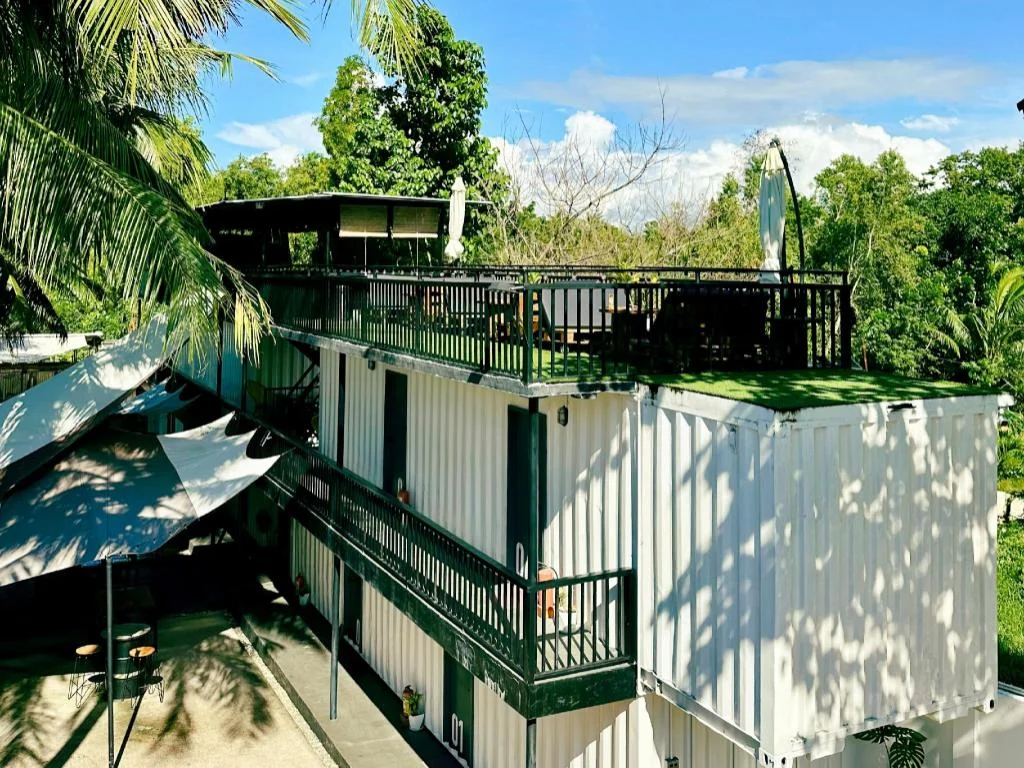
PIG DIVE HOSTEL MOALBOAL
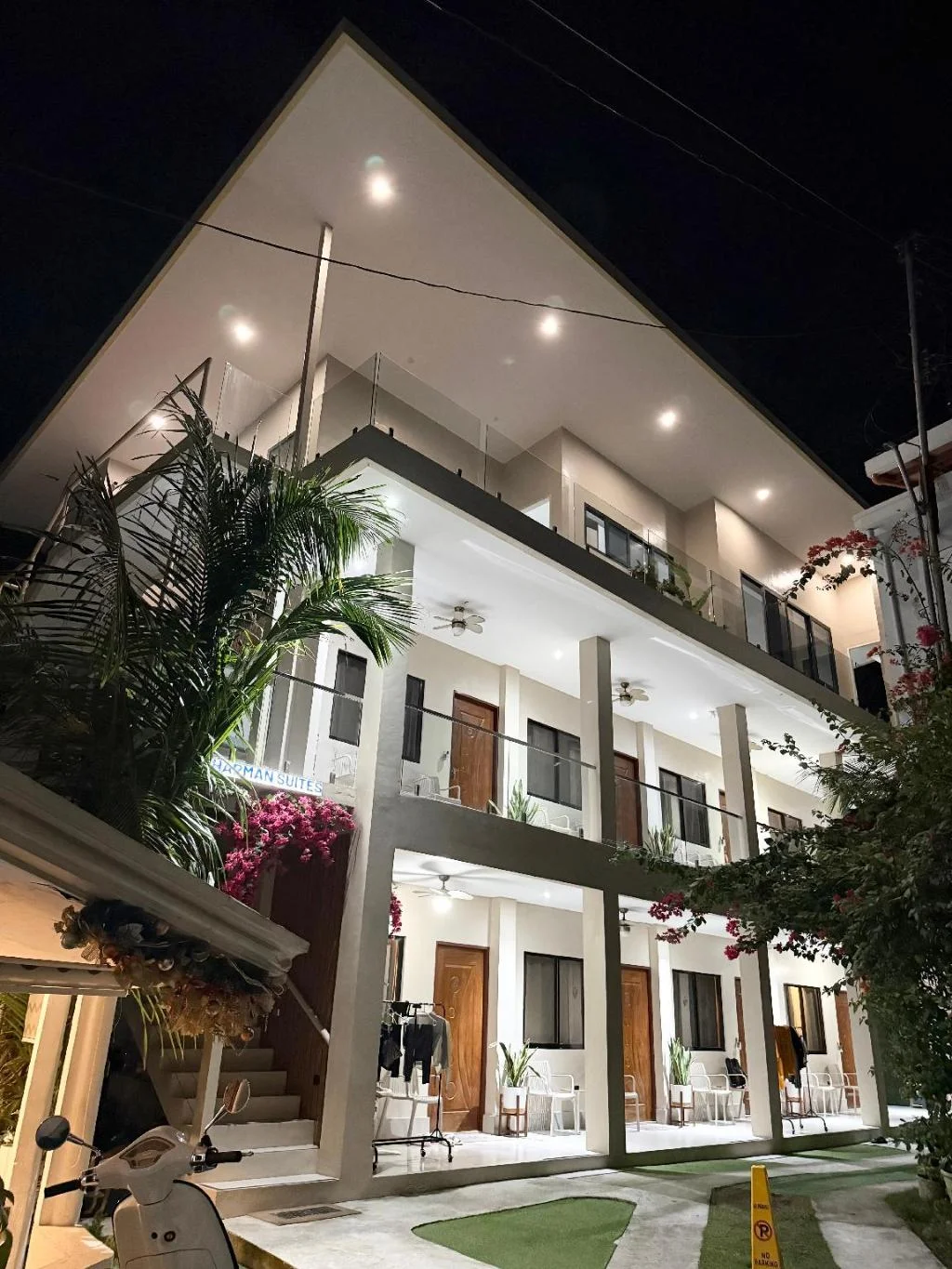
Harman Suites Moalboal
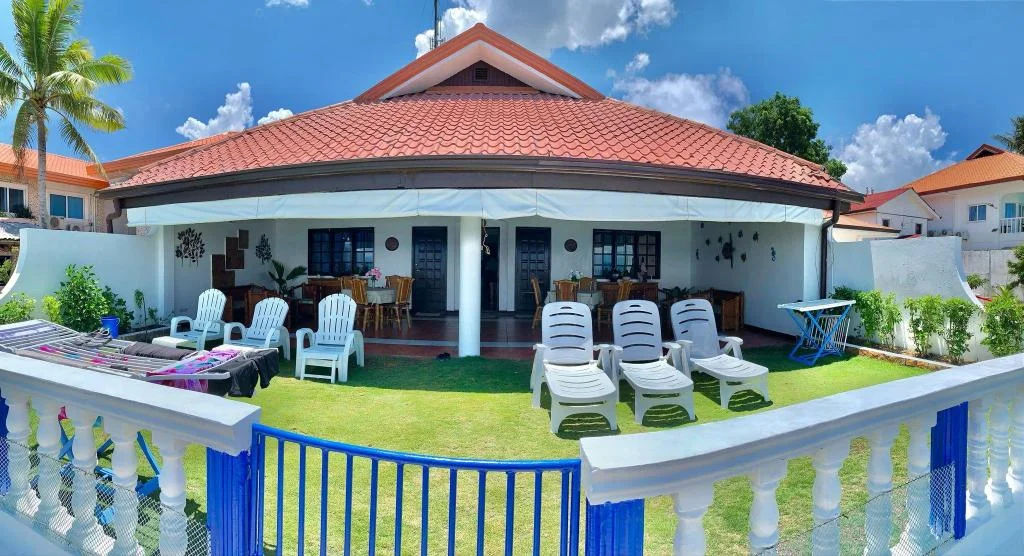
Il Sogno Resort
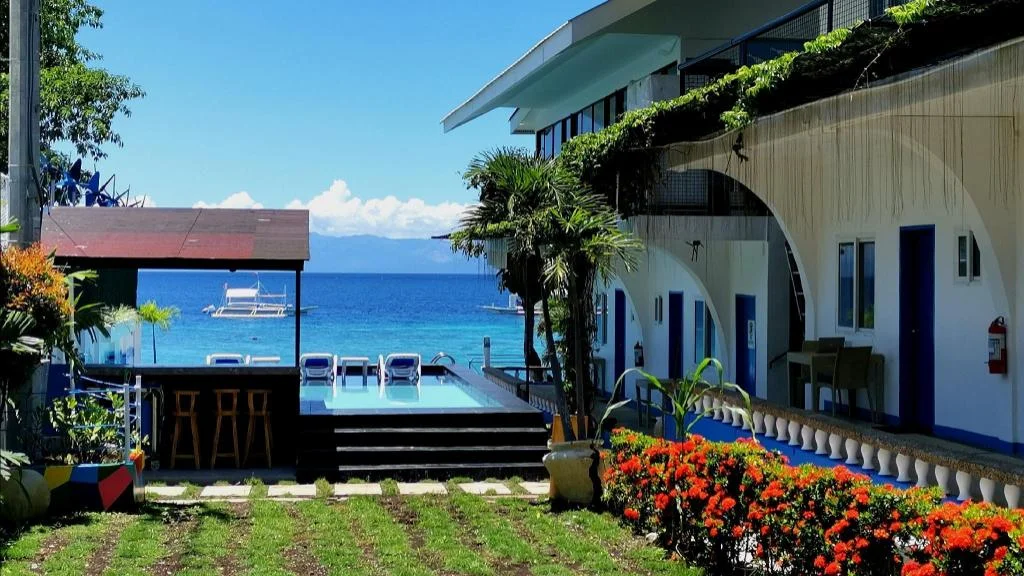
Pescadores Suites Moalboal
Prefer a rental? Vacation rentals near Moalboal
Self-catering condos and apartments — book the exact unit, kitchen included.
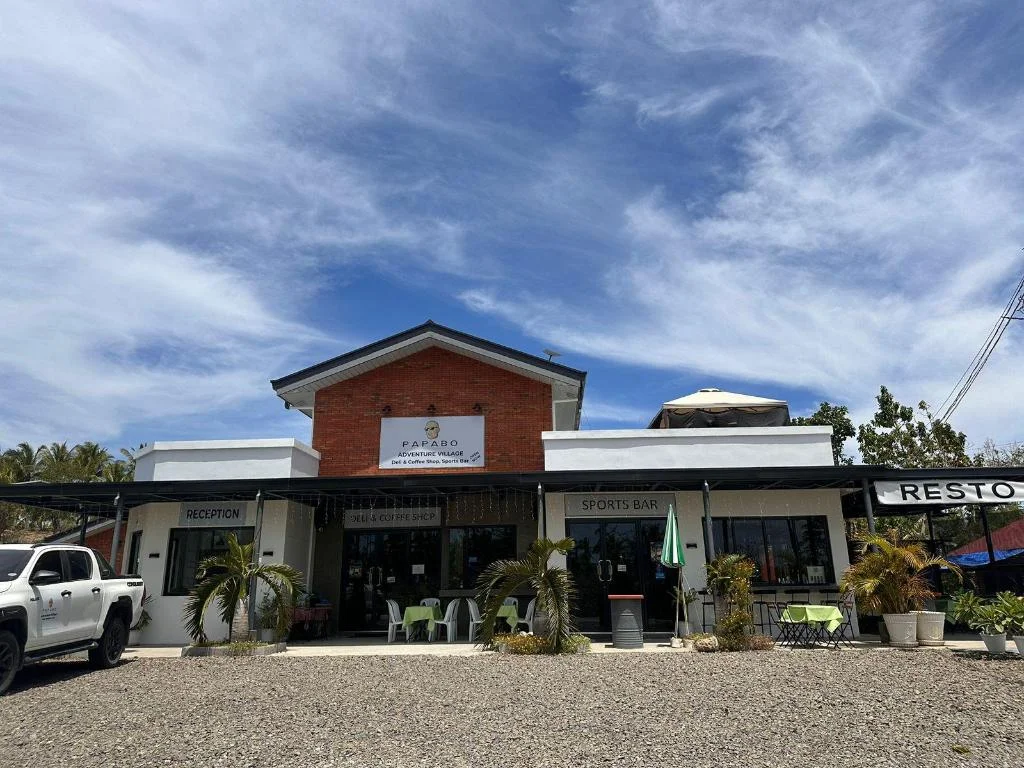
PAPABO Adventure Village
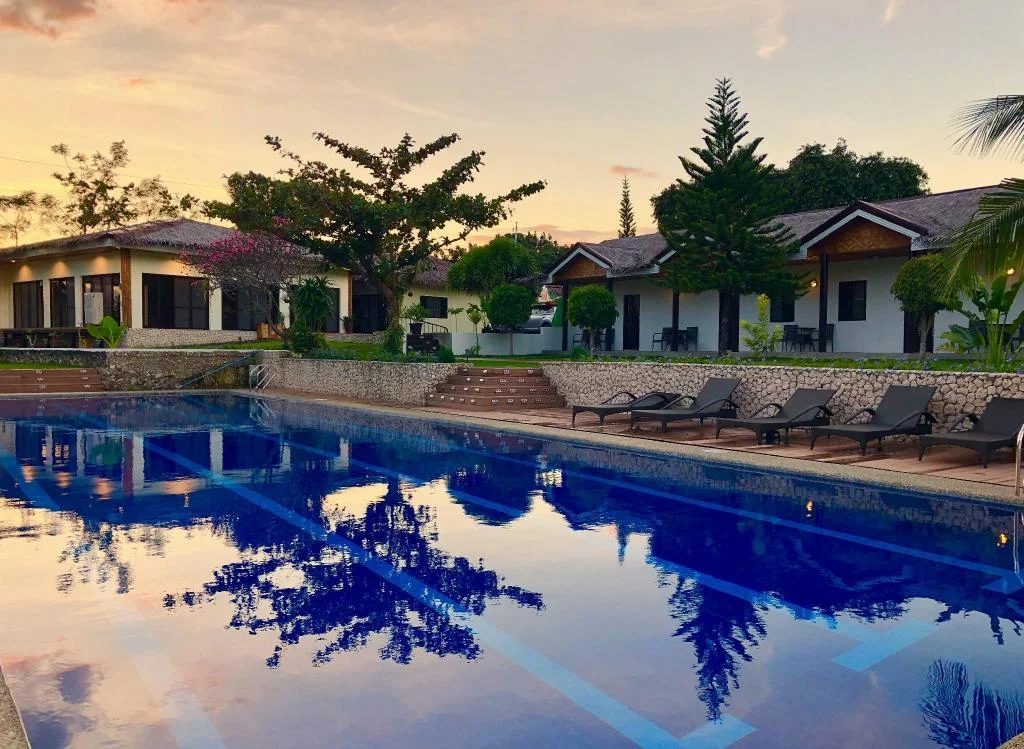
Casa de Moalboal
Althea Appartelle
Before you go
Frequently asked
How much does diving in Moalboal cost?
Do you need to be certified to dive in Moalboal?
Can you dive with the sardines?
Is Pescador Island worth diving?
What's the best time of year to dive in Moalboal?
Can beginners dive in Moalboal, or is it advanced-only?
Do you need a guide to see the sardine run without diving?
Where do most people stay for a Moalboal dive trip?
More Places to Explore
Pescador Island
Moalboal
A world-class marine sanctuary featuring The Cathedral underwater cave and exceptional wall diving.
The Cathedral (Pescador Island)
Moalboal
An awe-inspiring underwater cavern with cathedral-like chambers and stunning light effects.
Moalboal Sardine Run
Moalboal
Swim with millions of sardines in one of the world's only year-round sardine runs, just meters from shore.
Turtle Point
Moalboal
Swim alongside green sea turtles in their natural habitat at this reliable turtle-spotting destination.
Panagsama Beach
Moalboal
Moalboal's main beach and diving hub, famous for the sardine run and sea turtles just meters from shore.
Sunken Island
Moalboal
An underwater pinnacle for experienced divers, offering blue water diving and chances to see pelagic species.
Tongo Marine Sanctuary
Moalboal
A protected marine sanctuary featuring pristine coral gardens, diverse marine life, and excellent macro photography opportunities.