
TL;DR: Cebu’s best diving isn’t one place, it’s a string of specific sites: The Cathedral at Pescador Island (Moalboal) for a cave swim-through, the Moalboal sardine run for a bait ball you can see from the surface, Kimud/Monad Shoal off Malapascua for daily thresher sharks, and Gato Island for a whitetip shark tunnel. Add the Mactan airplane wreck, the Hilutungan and Nalusuan sanctuary walls, Sumilon Island (the country’s first marine protected area), and North Cebu’s Capitancillo Island. Most sites suit Open Water divers; a handful (Sunken Island, the Cathedral’s 28m chimney, Gato’s tunnel, Capitancillo’s wall) call for Advanced Open Water. A two-tank boat dive runs roughly ₱2,500–3,500 (US$43–60) plus sanctuary fees. Verified July 2026.
Cebu gets lumped together as “one diving destination,” but that flattens what’s actually a spread of very different dive sites scattered across the island — a cave off Pescador Island, a resident sardine ball at Panagsama Beach, a thresher shark cleaning station near Malapascua, wrecks and walls off Mactan, and a 1974-era marine sanctuary at Sumilon Island. If you’ve already read our province-wide diving overview, this is the drill-down: 12 named sites, not regions, with depth, diver level, and what’s actually down there. This guide is for divers planning where to book dives, not where to base a whole trip — for that, see our Moalboal diving guide or Malapascua thresher shark guide.
The 12 Best Dive Sites in Cebu at a Glance
| Dive Site | Area | Depth | Level | Highlight |
|---|---|---|---|---|
| The Cathedral, Pescador Island | Moalboal | 12–28 m (site 5–65 m) | Advanced Open Water | Cave chimney, soft coral wall, reef sharks |
| Moalboal Sardine Run | Panagsama, Moalboal | 1–20 m | Open Water / snorkel | Resident sardine bait ball, year-round |
| Sunken Island | Moalboal | 22 m+ over a deep seamount | Advanced, strong current | Pelagics — jacks, tuna, occasional mantas |
| Tongo Point Marine Sanctuary | Moalboal | 5–55 m | Open Water+ | Turtle cleaning station, electric clams |
| Talisay Wall | Moalboal | 5–55 m | Open Water (beginner-friendly) | Wall and small caves, resident turtles |
| Kimud Shoal / Monad Shoal | Malapascua | 12–27 m | OW + workshop (Kimud) / AOW (Monad) | Dawn thresher shark cleaning station |
| Gato Island | Malapascua | 10–27 m | Advanced (current, tunnel) | Whitetip reef shark tunnel, sea snake reserve |
| Airplane Wreck (Tambuli) | Mactan / Olango Channel | ~20–22 m | Open Water | Sunken plane artificial reef |
| Hilutungan Marine Sanctuary | Olango Channel | 5 m to 50 m sloped wall | Open Water | Big fish schools, turtles, barracuda |
| Nalusuan Island Marine Sanctuary | Olango Channel | Shallow reef to ~40 m | Open Water | Shallow flat into a sloped wall |
| Sumilon Island Marine Sanctuary | Oslob | 8–18 m | Open Water | Philippines’ first marine sanctuary (1974) |
| Capitancillo Island | Bogo, North Cebu | 25–50 m wall | Advanced | Lighthouse islet, gorgonian wall, big fish |
Depths and levels are typical ranges reported by local dive operators; confirm current conditions and certification requirements with your dive shop before booking. Verified July 2026.
What Are the Best Dive Sites in Moalboal?
Moalboal packs five distinct sites into one small stretch of coast, which is why it’s Cebu’s default dive base.
The Cathedral, Pescador Island is the headline site — a vertical cave chimney on the island’s northwest side, with the entrance around 28 meters and a chamber roughly 12 meters up where sunlight pours through from the surface. The surrounding wall carries soft corals, sea fans, and sponges, with white-tip reef sharks, moray eels, and octopus tucked into the reef. Pescador Island sits about 4 kilometers offshore; the Cathedral itself and the deeper wall sections are better suited to Advanced Open Water divers, though the shallower parts of Pescador work fine for newly certified divers on a guided dive.
The Moalboal Sardine Run needs no boat at all — the bait ball hangs roughly 20 meters off Panagsama Beach at depths from about 1 to 20 meters, meaning snorkelers and divers see the same show at different depths. It’s a resident phenomenon, not a seasonal migration, so it’s there essentially every day of the year; early morning (around 6–8 AM) is when the ball is thickest, before boat traffic scatters it.
Sunken Island is the current-swept, advanced-diver option: a submerged seamount whose top sits around 22 meters and drops away past 100 meters into blue water. It’s not always diveable — currents have to be assessed on the day — but when conditions line up, it draws jacks, barracuda, tuna, and occasionally mantas or a passing whale shark.
Tongo Point Marine Sanctuary and Talisay Wall round out Moalboal’s turtle-focused sites. Both are steep-wall dives running 5 to 55 meters, and both host a turtle cleaning station — Tongo is considered the more reliable of the two for hawksbill and green turtle sightings, while Talisay Wall adds small caves and black coral and is gentle enough for less experienced divers to enjoy the shallower sections.
Where Do You Dive With Thresher Sharks in Malapascua?
At Kimud Shoal, which has replaced Monad Shoal as the main thresher shark site since the pandemic. Threshers still occasionally pass Monad Shoal (20–27 meters, sharks rarely above 30 meters, Advanced Open Water territory), but the reliable cleaning station is now at Kimud Shoal, 12 to 22 meters deep — shallow enough that, as of late 2025, Open Water divers can join after a mandatory buoyancy workshop run by local operators. Dives start before dawn to catch the sharks at the cleaning station; boats leave Malapascua in the dark to be in the water by first light. See our full Malapascua thresher shark diving guide for logistics and operator comparisons.
Gato Island, about 16 kilometers northeast of Malapascua, is the area’s other signature dive — a protected sea snake and marine reserve built around a roughly 30-meter tunnel running under the island at about 10 meters depth. The tunnel is wide enough for single-file passage and almost always holds two to four resident whitetip reef sharks, plus lobsters, crabs, and cardinalfish. Other parts of the site sit deeper (24–27 meters), and current can be brisk, so this one leans Advanced Open Water.
What’s the Best Wreck Dive Near Mactan?
The Airplane Wreck, a small sunken plane placed as an artificial reef near Maribago on Mactan’s east coast, facing the Olango Channel. It sits around 20–22 meters, with the seabed dropping to roughly 50 meters just past the fuselage. It’s a forgiving, beginner-friendly wreck dive — the kind of site newly certified divers do for their first taste of “there’s a plane down there,” with trigger fish, turtles, sweetlips, nudibranchs, and scorpionfish around the structure.
Where Are Cebu’s Best Marine Sanctuary Dives?
Hilutungan and Nalusuan, both in the Olango Channel off Mactan, and Sumilon, off Oslob in the south. All three are protected marine sanctuaries built around sloped reef walls, and all three suit Open Water divers.
Hilutungan Marine Sanctuary sits about 11 kilometers from Mactan, with a sloped wall descending well past 50 meters and reliable sightings of big fish schools, sea turtles, barracuda, and groupers. Nalusuan Island Marine Sanctuary, a little further out, starts shallow over a reef flat before sloping into sandy patches and soft coral — a gentler profile that works well paired with Hilutungan on the same day. Full-day dive safaris that combine both sites, sanctuary fees included, have been priced around ₱7,700 (roughly US$133) per person; confirm the current package price with your operator.
Sumilon Island Marine Sanctuary, off Oslob in south Cebu, has a different claim to fame: it was the Philippines’ first marine protected area, established in 1974 through Silliman University’s marine biology program. The southwest side’s wall runs 8 to 18 meters with visibility often exceeding 25 meters, hard and soft corals, and dense reef fish — a good add-on if you’re already down south for whale shark watching in Oslob.
What About North Cebu?
Capitancillo Island, a small coral islet off Bogo City topped by a lighthouse, is North Cebu’s best-known dive — usually run as a day safari from Mactan or Malapascua rather than a casual add-on. The wall runs roughly 25 to 50 meters, thick with gorgonian fans and hard coral, and the site is known for big fish: yellowfin tuna, jacks, mackerel, snapper, and grouper cruise past regularly. It’s a longer boat ride than most sites on this list, which keeps it quieter — worth it if you’ve already done Moalboal and Malapascua and want a site fewer divers have logged.
How Do You Choose Which Sites to Dive?
Match the site to your certification and how many dive days you have. If you’re Open Water only and have one or two days, prioritize the Moalboal sardine run, Talisay Wall, the Mactan airplane wreck, and Hilutungan or Nalusuan — all forgiving, all shallow enough to enjoy fully. If you’re Advanced Open Water with more time, add the Cathedral, Sunken Island, Gato Island, and Capitancillo, all of which reward the extra depth allowance and current experience.
If thresher sharks are the priority, base yourself in Malapascua and budget at least two morning dives — the sharks are near-daily but not guaranteed on any single dive. If you want variety in one trip, Moalboal’s cluster of five sites means you rarely need to change dive base at all.
The Honest Take
Not every “must-dive” site on other lists holds up. Some operators will sell you a Sunken Island trip on a day when the current makes it a washing-machine dive with zero visibility — ask about conditions before you commit, and be willing to reschedule. The Cathedral is genuinely excellent but gets crowded with day-trip boats from Moalboal by mid-morning; book an early slot if you want it to yourself. And be realistic about the thresher sharks: Kimud Shoal sightings are frequent, not guaranteed, and the pre-dawn wake-up plus the choppy pre-dive briefing put off some divers who’d rather sleep in and do a relaxed reef dive instead.
Skip Sunken Island and Gato Island if you’re newly certified or nervous about current — there’s no shame in sticking to Talisay Wall, the Mactan wreck, and the sanctuary sites, which show you nearly as much marine life with a fraction of the risk. And if you’re diving on a tight budget, the Olango Channel sanctuaries (Hilutungan, Nalusuan) and Moalboal’s shore-adjacent sites cost far less in boat time than a Malapascua or Capitancillo day safari.
Plan the Rest of Your Dive Trip
Most of these sites cluster around three bases: Moalboal (five sites), Malapascua (two), and Mactan/Cebu City (wrecks and sanctuaries, plus day trips to Capitancillo). Pair Moalboal diving with the sardine run and island-hopping guide for logistics, and check best snorkeling spots in Cebu if some of your group isn’t certified. For gear and dive packages, browse dive and snorkel tours on Klook or search Malapascua thresher shark dive trips before you fly in — slots fill up around the dawn departure times.
If you’re basing yourself near the water, compare Moalboal accommodation on Agoda — most dive resorts there are a short walk from the boats that run to Pescador and Sunken Island.
Sources
- PADI Dive Site Directory — Pescador Island, Gato Island, Hilutungan, Nalusuan, Airplane Wreck, Tongo Point, Talisay Wall
- ZuBlu Diving — Thresher sharks of Malapascua
- Malapascua Exotic Island Dive Resort — dive sites
- Savedra Dive Center — Pescador Island and Sumilon Island diving
- DiveScotty — Hilutungan, Nalusuan, and Capitancillo Island dive safaris
- Depths, certification levels, and current pricing checked against 2025–2026 dive operator listings; confirm site conditions and requirements with your chosen dive shop before booking. Verified July 2026.
Book Tours & Hotels for This Trip
Find and book the best deals — prices and availability update in real time. Links open in a new tab.
Where to stay near Moalboal
Top-rated hotels for this trip — tap through to check live rates.
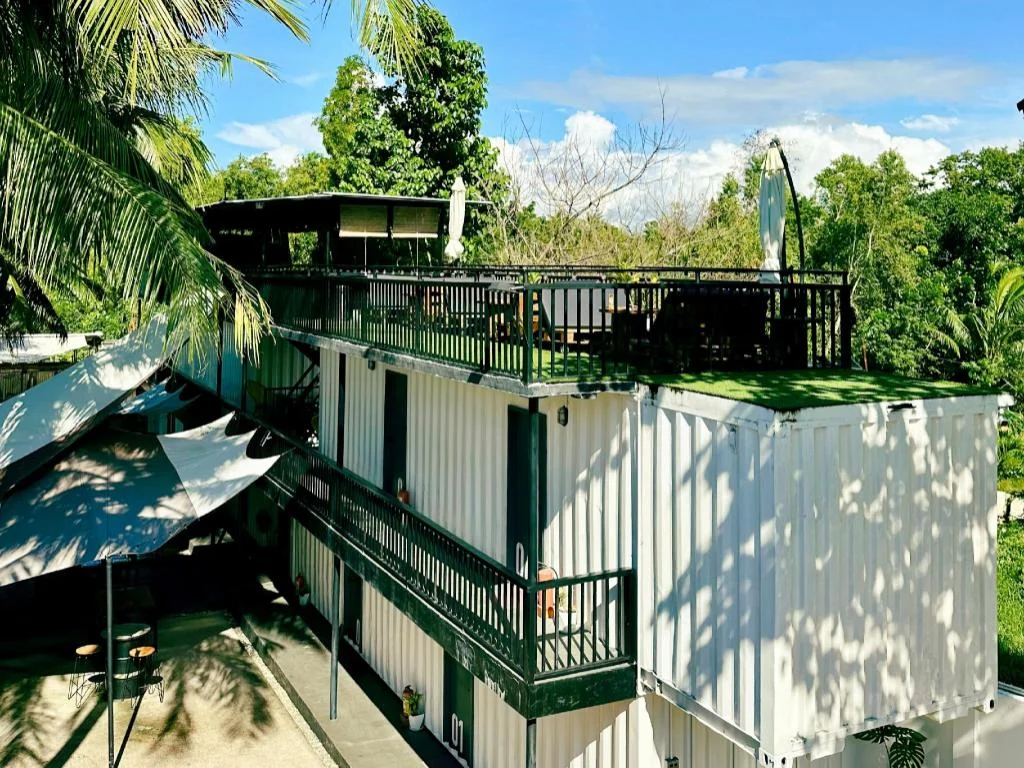
PIG DIVE HOSTEL MOALBOAL
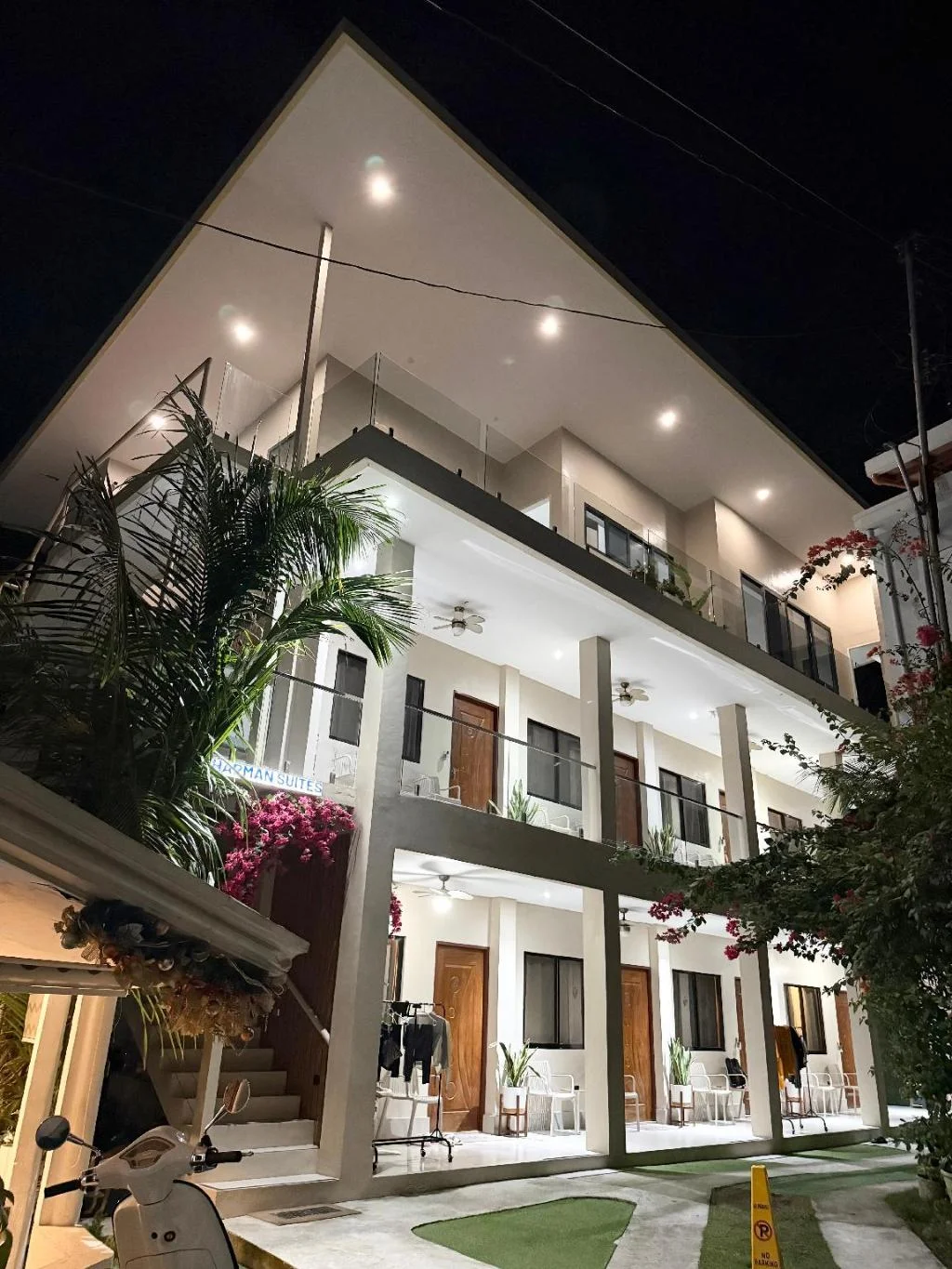
Harman Suites Moalboal
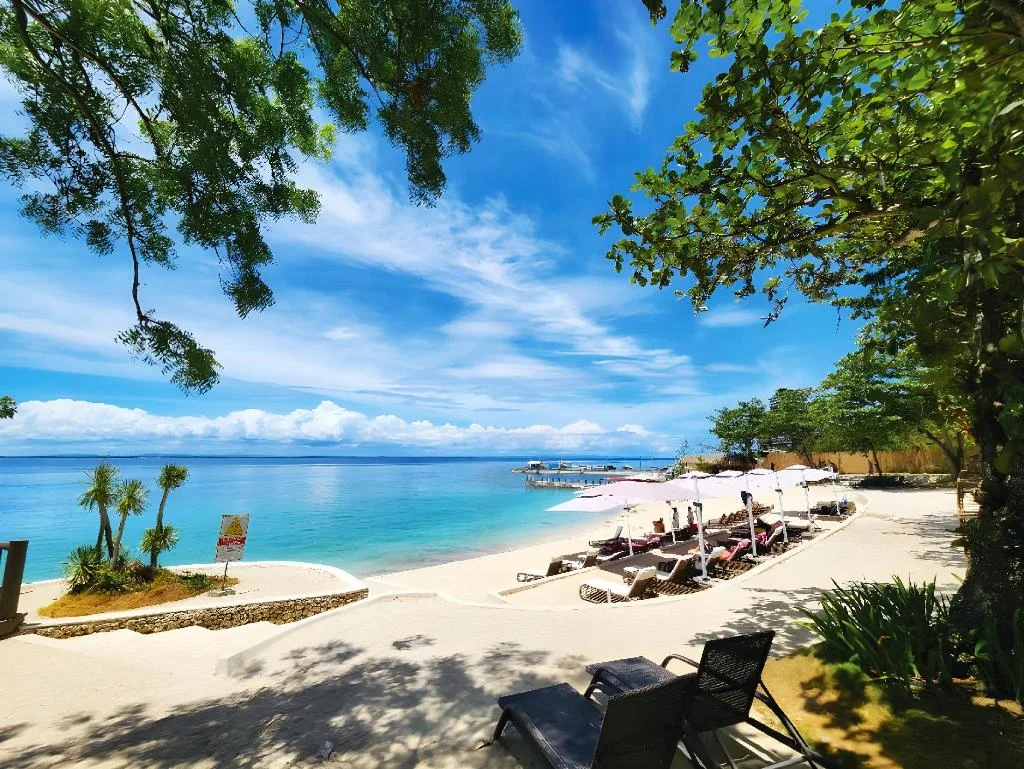
Mercure Mactan Cebu
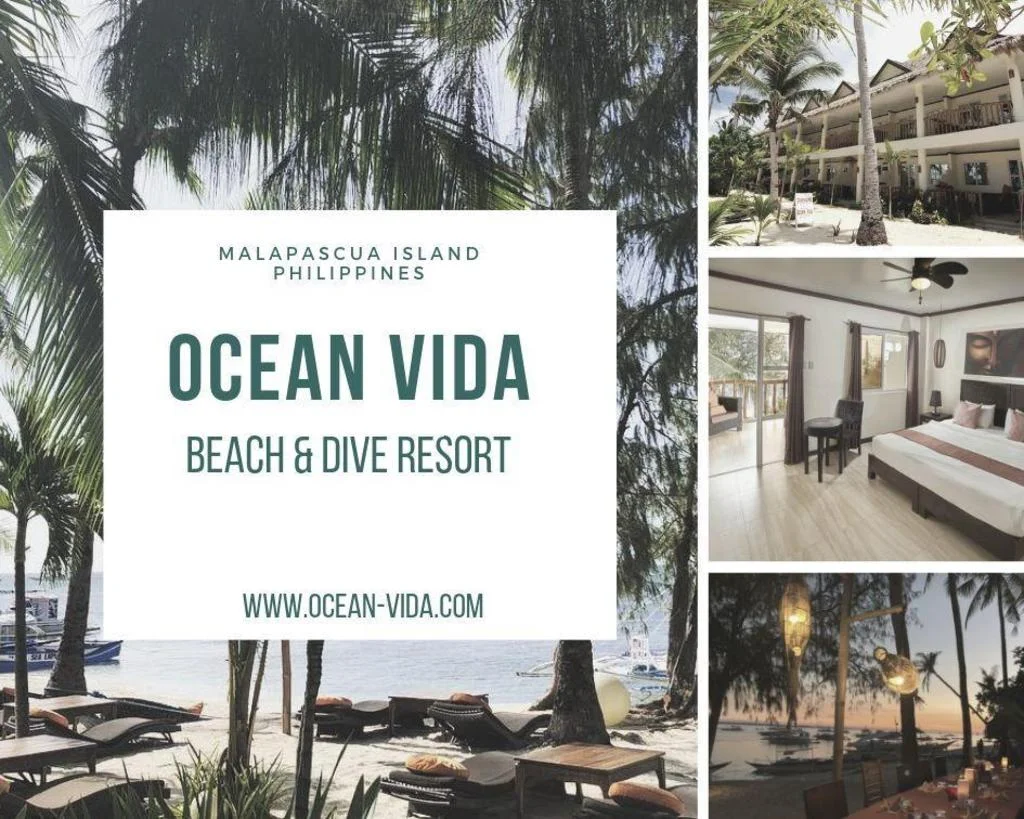
Ocean Vida Resort
Prefer a rental? Vacation rentals near Moalboal
Self-catering condos and apartments — book the exact unit, kitchen included.
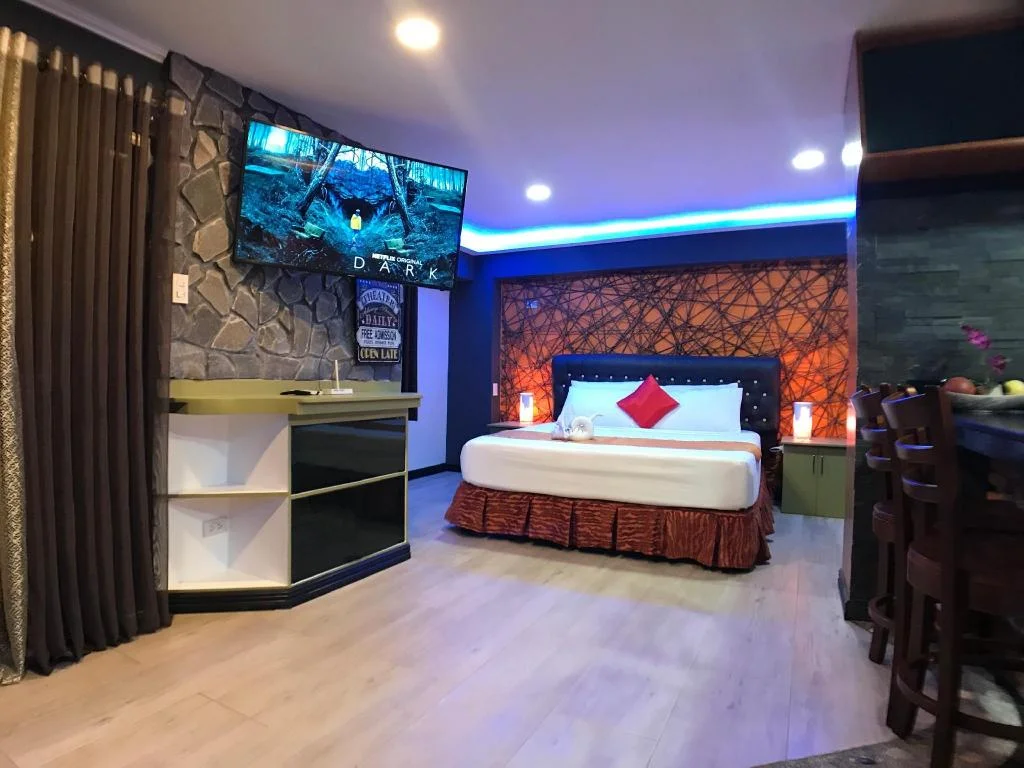
ClockWorkOrange Luxury Suites
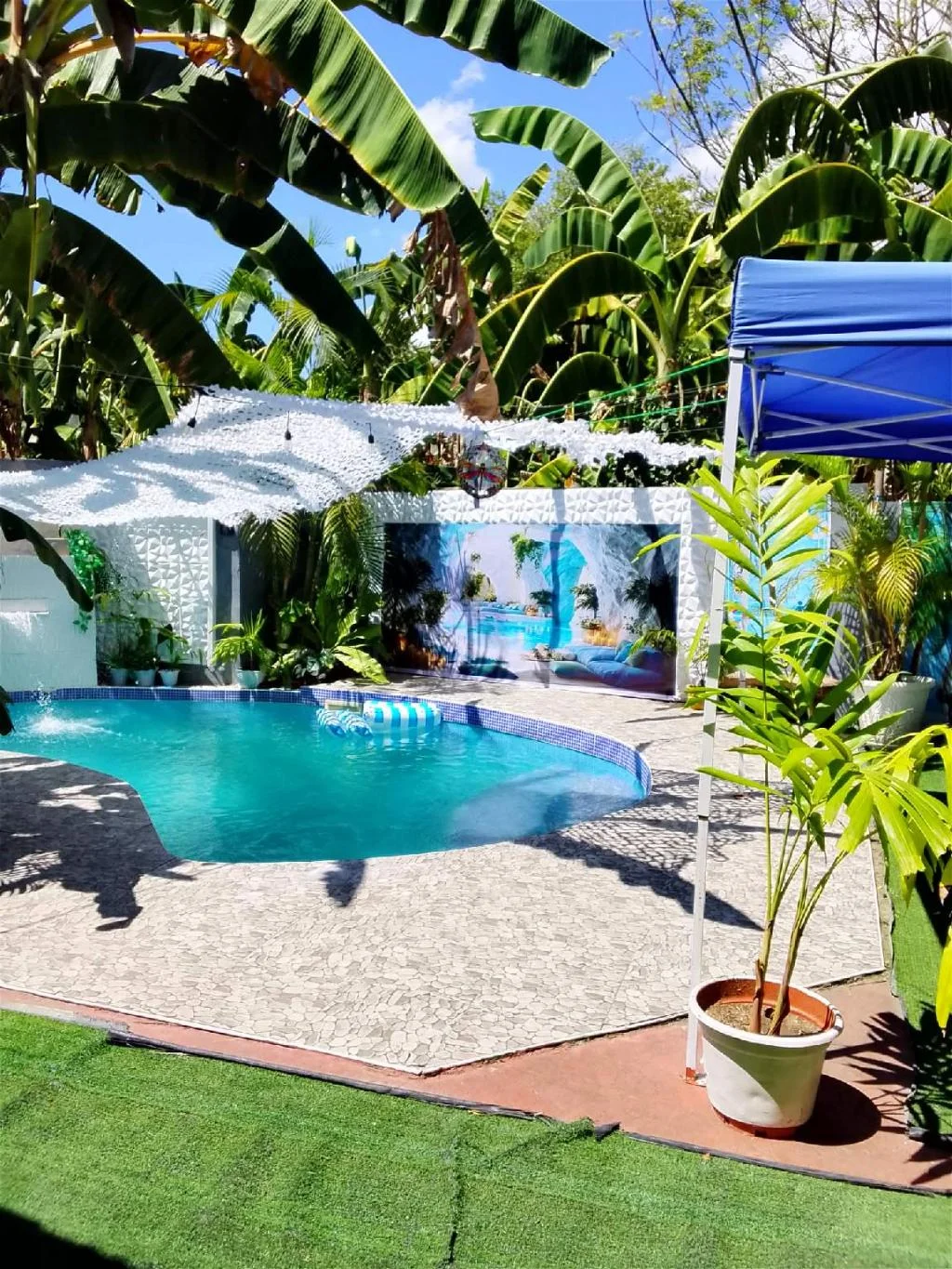
Two crazy monkeys
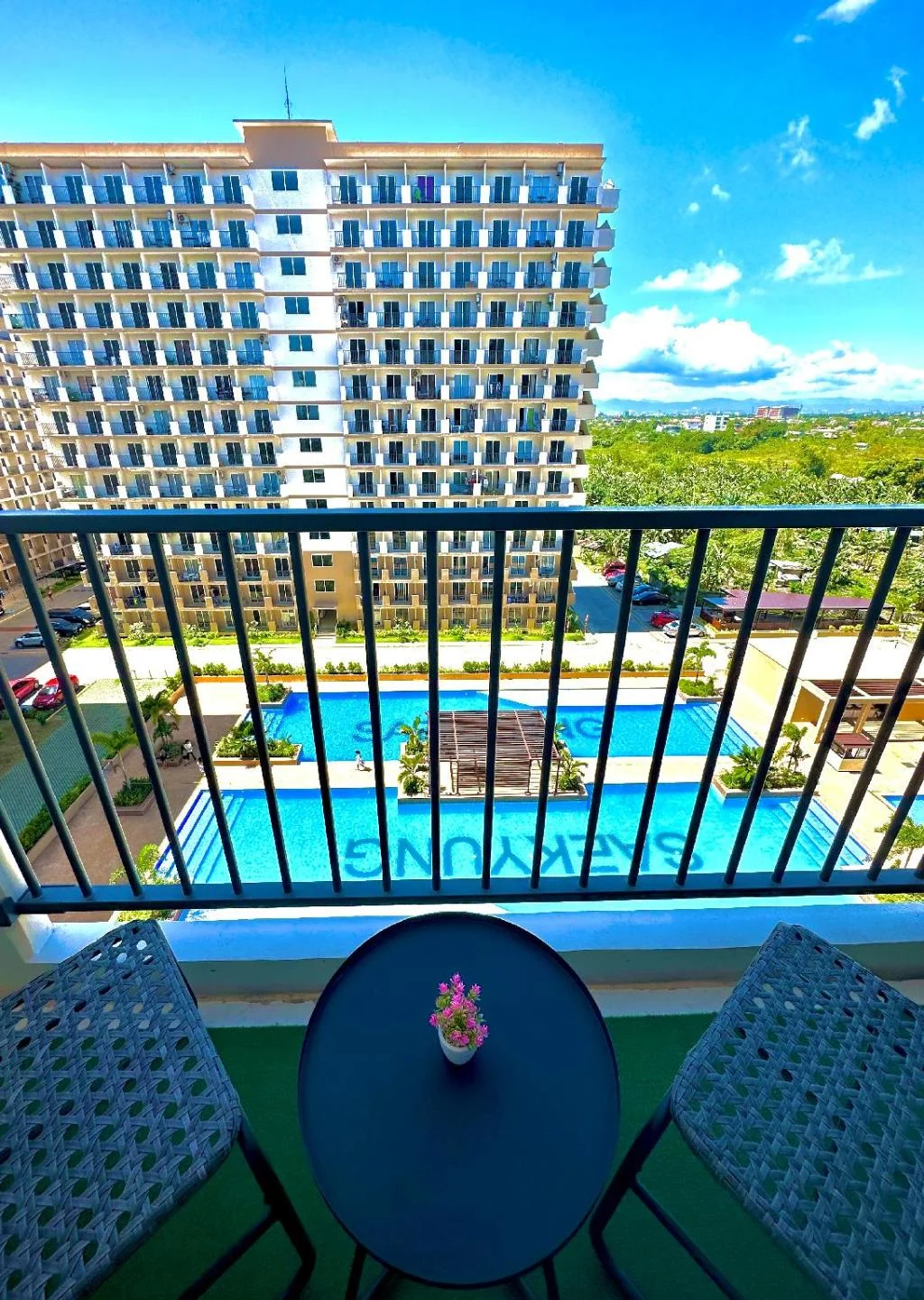
Condo with POOL/BALCONY/KITCHEN/NETFLIX/HOT SHOWER
Before you go
Frequently asked
What is the single best dive site in Cebu?
Do I need to be certified to dive these sites?
Can beginners dive with thresher sharks in Malapascua?
What's the best time of year to dive in Cebu?
How much does a two-tank dive cost in Cebu?
Are these dive sites good for snorkelers too?
More Places to Explore
Pescador Island
Moalboal
A world-class marine sanctuary featuring The Cathedral underwater cave and exceptional wall diving.
The Cathedral (Pescador Island)
Moalboal
An awe-inspiring underwater cavern with cathedral-like chambers and stunning light effects.
Sunken Island
Moalboal
An underwater pinnacle for experienced divers, offering blue water diving and chances to see pelagic species.
Airplane Wreck Dive Site
Moalboal
A unique dive site featuring a sunken aircraft at 20m depth, now colonized by corals and occasionally occupied by sea turtles.
Thresher Shark Diving
Daanbantayan
One of the world's only reliable locations to dive with pelagic thresher sharks at the famous Monad Shoal cleaning station.
Hilutungan Marine Sanctuary
Lapu-Lapu City
One of the Philippines' oldest marine sanctuaries with pristine coral reefs, abundant tropical fish, and excellent snorkeling for all skill levels.
Nalusuan Island Marine Sanctuary
Lapu-Lapu City
A small island sanctuary famous for its 500-meter wooden pier over turquoise waters, with excellent snorkeling and resort facilities.