
TL;DR: Cebu’s best snorkeling doesn’t need a scuba tank. Moalboal is the headline act — millions of sardines and resident sea turtles visible from Panagsama Beach, DIY for under ₱500 (US$9) or a boat trip to Pescador Island for reef and current. Mactan’s Hilutungan and Nalusuan sanctuaries are the easy, close-to-airport option (₱150–400 per person, US$2.60–7). Sumilon Island off Oslob pairs a sandbar and drop-off wall but costs more (₱2,000+, US$34+, for a full day trip). Olango is better for birdwatching than snorkeling. Budget half a day minimum, book gear or a guide if you’re a nervous swimmer, and go in the dry season (Nov–May) for the clearest water. Verified July 2026.
Cebu’s reputation is built on scuba diving, but you don’t need a tank to see most of what makes its waters famous. A sardine run so dense it blocks the sun, sea turtles that surface a few meters from the beach, coral gardens in waist-to-shoulder-deep water — all of it is snorkel-accessible, and most of it costs a fraction of a dive trip. This guide rounds up the spots worth your time if you’re snorkeling rather than diving: the Moalboal Sardine Run and Turtle Point, Pescador Island, Mactan’s Hilutungan and Nalusuan sanctuaries, Sumilon Island, and Olango Island Wildlife Sanctuary. For each, you’ll get what you’ll actually see, how to get there, what it costs, and whether it suits a beginner. If you’re set on scuba instead, see our best dive sites in Cebu guide — several of these same locations show up there too, just explored deeper.
Cebu Snorkeling Spots at a Glance
| Spot | What you’ll see | Access | Entry/boat fee | Beginner-friendly? |
|---|---|---|---|---|
| Moalboal sardine run (Panagsama Beach) | A dense, moving “ball” of millions of sardines, 10–30m from shore | Swim out from the beach, no boat needed | ~₱25–100 environmental fee (US$0.50–1.75) | Yes — shallow, shore access |
| Turtle Point, Moalboal | Resident green sea turtles feeding on seagrass | Swim out from Panagsama or a short banca ride | Usually bundled with sardine run fee | Yes, with a guide nearby |
| Pescador Island | Coral wall, reef fish, sometimes thresher or whale sharks passing | 15–20 min boat from Panagsama Beach | ₱200–500/pax shared boat (US$3.50–8.50); ₱2,500–3,000 (US$43–52) private charter, 3 hrs | Moderate — some current |
| Hilutungan Marine Sanctuary | Shallow coral garden, reef fish, easy visibility | Boat from Mactan (island-hopping tour) | ~₱150–250/pax (US$2.60–4.30) | Yes — shallow reef |
| Nalusuan Island Marine Sanctuary | House reef drop-off, giant clams, reef fish | Boat from Mactan (island-hopping tour) | ~₱200–400/pax (US$3.50–7) | Yes — calm lagoon side |
| Sumilon Island | Sandbar, marine sanctuary wall, occasional turtles | Boat from Oslob (~15–20 min) | ₱1,500/boat + ₱50/pax fee (US$26 + $0.86) DIY; ₱2,000+/pax (US$34+) full-day tour | Yes, sandbar side; wall is deeper |
| Olango Island Wildlife Sanctuary | Mangroves, tidal flats, migratory birds; modest reef snorkeling nearby | Boat from Mactan | ~₱25–80/pax (US$0.50–1.40) | Yes, but reef is secondary to birdlife |
Fees change by operator, season, and local ordinance — confirm the current rate on arrival. Verified July 2026.
Is the Moalboal Sardine Run Worth It for Snorkelers?
Yes — it’s the single best snorkel experience in Cebu, and it costs almost nothing. The sardine run is a resident phenomenon at Panagsama Beach: a shifting, silvery mass of millions of sardines that swirls just off the reef wall, often within 10–30 meters of the sand. You don’t need a boat. Walk into the water from any public access point along Panagsama, swim out past the reef edge, and the school is usually visible within minutes — sometimes closer to shore, sometimes a bit further depending on current and time of day (early morning tends to be calmer and less crowded with dive boats).
Bring your own mask and snorkel if you have one; otherwise gear rental from shops along the Panagsama road runs about ₱200–300 (US$3.50–5) a day. Dive shops and freelance guides also offer to swim out with you for roughly ₱300–500 (US$5–8.50), useful if you’re not a confident open-water swimmer, want photos, or just want someone watching for boat traffic. A small local environmental fee, reported anywhere from ₱25 to ₱100 depending on who’s collecting it that day, is standard — pay it, it funds the sanctuary.
How Do You See the Turtles at Turtle Point?
The same way you see the sardines — swim out from shore. Turtle Point, a short stretch of reef near Panagsama Beach, is where Moalboal’s resident green sea turtles come to feed on seagrass, and sightings are close to guaranteed; locals joke it’s harder to not see a turtle here than to spot one. Turtles are grazing, not performing, so keep distance, don’t touch or chase them, and let them surface for air on their own schedule — tour operators and marine wardens do enforce this.
Most people combine Turtle Point with the sardine run in the same swim, since they’re close together and covered by the same beach access and fee. If you’d rather have a boat and a guide handle logistics, our swimming with sea turtles in Moalboal guide covers organized options in more depth.
Is Pescador Island Worth the Boat Trip?
Yes, if you want reef and current on top of what Panagsama already gives you. Pescador Island sits about 15–20 minutes by boat from Panagsama Beach and is best known as a dive site — a vertical wall dropping into deep water — but the shallower coral rim around the island is a legitimate snorkel spot, with better fish variety and visibility than the beach-access sardine run. Thresher sharks and even whale sharks are occasionally reported passing nearby, though don’t plan a trip around that.
A shared boat with other snorkelers runs roughly ₱200–500 per person (US$3.50–8.50), usually bundled into a “sardine run and Pescador” package sold by dive shops along Panagsama. A private banca charter costs more — around ₱2,500–3,000 (US$43–52) for about three hours — but gives you control over timing and stops. A ₱100 (US$1.75) marine sanctuary fee per snorkeler is typically included in whichever price you’re quoted; ask if it isn’t. Mask and snorkel rental, if needed, adds about ₱300 (US$5). Expect more current here than at the beach, so it suits reasonably confident swimmers better than total beginners — stay near the guide or boat if you’re unsure.
Are Mactan’s Hilutungan and Nalusuan Sanctuaries Good for Beginners?
Yes — they’re the calmest, most convenient snorkeling in the province if you’re staying near Cebu City or Mactan-Cebu International Airport. Hilutungan Marine Sanctuary and Nalusuan Island Marine Sanctuary are two of the small islands covered by Mactan island-hopping tours, and their reefs start shallow — often just 2 meters (about 6 feet) down — which makes them easy for nervous swimmers and kids in life vests. Expect healthy coral cover, reef fish, and at Nalusuan, giant clams on the sanctuary’s shore side.
Access is by boat as part of an island-hopping package, typically bundled with a third island such as Caohagan (a sandbar-and-village stop, not on our destination list but commonly included). A private boat for a group runs ₱3,500–5,000 (US$60–86) for 10–15 people, plus roughly ₱150–250 (US$2.60–4.30) per person at Hilutungan and ₱200–400 (US$3.50–7) per person at Nalusuan for marine sanctuary entrance — fees vary by island and change with local ordinances, so confirm on the day. Packaged island-hopping tours bundling both sanctuaries plus lunch run from roughly $90–127 per person through tour operators, or you can browse Mactan island-hopping tours on Klook and compare what’s included.
Is Sumilon Island Worth It Just for Snorkeling?
It’s worth it if you’re already headed to Oslob for whale sharks, less so as a standalone snorkel trip given the cost. Sumilon Island has two very different sides: a shifting white sandbar that’s mostly a photo-and-swim spot, and a marine sanctuary wall on the opposite side with a real drop-off, reef fish, and occasional turtle sightings — genuinely good snorkeling, but you’re paying resort-level prices for it since Sumilon is privately managed by Bluewater Sumilon Island Resort.
Reported pricing varies a lot by source, which is a flag to double-check locally: a DIY boat crossing from Oslob runs around ₱1,500 per boat (US$26) plus a ₱50 (US$0.86) environmental fee per person, with snorkeling gear and reef access sometimes billed separately on top. Bluewater’s own day-use pass, which bundles the boat transfer, lunch, and snorkeling gear, has been quoted anywhere from ₱500–800 to significantly more depending on package and season — confirm the current day-pass price directly with Bluewater Sumilon or a listed operator before you go. Organized day tours from Oslob combining Sumilon with whale shark watching start around ₱2,000 per person (US$34), with a weekend surcharge of about ₱500 (US$8.50). If you want the sandbar and a swim without the full sanctuary fee, ask specifically what’s included before paying.
Is Olango Island Worth It for Snorkeling?
Not really, if snorkeling is your main goal — go there for the birds instead. Olango Island Wildlife Sanctuary is the Philippines’ first protected wetland, a mangrove and mudflat sanctuary that hosts thousands of migratory birds between roughly September and April, and that’s genuinely worth the boat trip from Mactan. The snorkeling nearby is real but modest — modest reef, modest visibility compared to Moalboal or Mactan’s dedicated sanctuaries — with entrance fees reported anywhere from ₱25–80 (US$0.50–1.40) depending on which part of the sanctuary and what’s included, plus gear rental around ₱180 (US$3) if you need it. Pair it with a Mactan island-hopping day if birdlife interests you; don’t make a special trip purely for the snorkeling.
How to Choose Which Spot to Snorkel
- One day, want the biggest wow: Moalboal’s sardine run and Turtle Point — free-ish, shore access, unforgettable wildlife.
- Staying near Cebu City or the airport, want easy and calm: Hilutungan or Nalusuan off Mactan.
- Already going to Oslob for whale sharks: add Sumilon’s sandbar and wall to the same day.
- Want more reef and don’t mind a bit of current: Pescador Island from Moalboal.
- Traveling with nervous swimmers or young kids: the Mactan sanctuaries or Moalboal’s shore snorkel with a life vest, both shallow and boat-optional or boat-nearby.
- Bring your own mask and snorkel if you’re hitting more than one spot — it saves repeated rental fees and is more hygienic than shared gear.
The Honest Take
Moalboal’s sardine run earns the hype — it’s one of the most accessible, dramatic wildlife encounters in the Philippines, and the fact that you can do it for the cost of a fee and a rental mask makes it hard to beat. The Mactan sanctuaries are reliably pleasant but not spectacular; think of them as the easy, no-fuss option rather than a bucket-list stop. Sumilon is the one to be skeptical about — the pricing is genuinely inconsistent across operators and sources, and paying resort day-use rates just to snorkel is a harder sell than the other spots on this list, especially if you’re not also there for the whale sharks or the sandbar itself. Olango is worth visiting, but as a birdwatching trip that happens to have some snorkeling nearby, not the reverse.
Across the board, avoid days right after heavy rain — river runoff clouds visibility near Moalboal and the Mactan-facing coast especially. Weekends and midday bring more boat traffic at every popular sanctuary; early morning is calmer and the operators less rushed.
Plan the Rest of Your Trip
Combine your snorkeling with a proper Mactan island-hopping tour if you’re island-hopping rather than doing single spots, or read our Moalboal sardine run and island-hopping guide for a fuller day plan around Panagsama Beach. If you want to go deeper — literally — our best dive sites in Cebu guide covers the scuba side of these same waters. Compare snorkeling and island-hopping tours on Klook to book ahead for peak dates.
Sources
- PADI dive site listings — Pescador Island, Hilutungan, Nalusuan (location and reef conditions)
- GetYourGuide — Moalboal sardine run and Pescador Island tours (current tour pricing)
- Recent operator and traveler reports on Moalboal gear rental and environmental fees, Mactan sanctuary entrance fees, and Sumilon day-pass pricing, cross-checked across multiple 2025–2026 sources. Prices vary by operator and ordinance — confirm locally before you go. Verified July 2026.
Book Tours & Hotels for This Trip
Find and book the best deals — prices and availability update in real time. Links open in a new tab.
Where to stay near Moalboal
Top-rated hotels for this trip — tap through to check live rates.
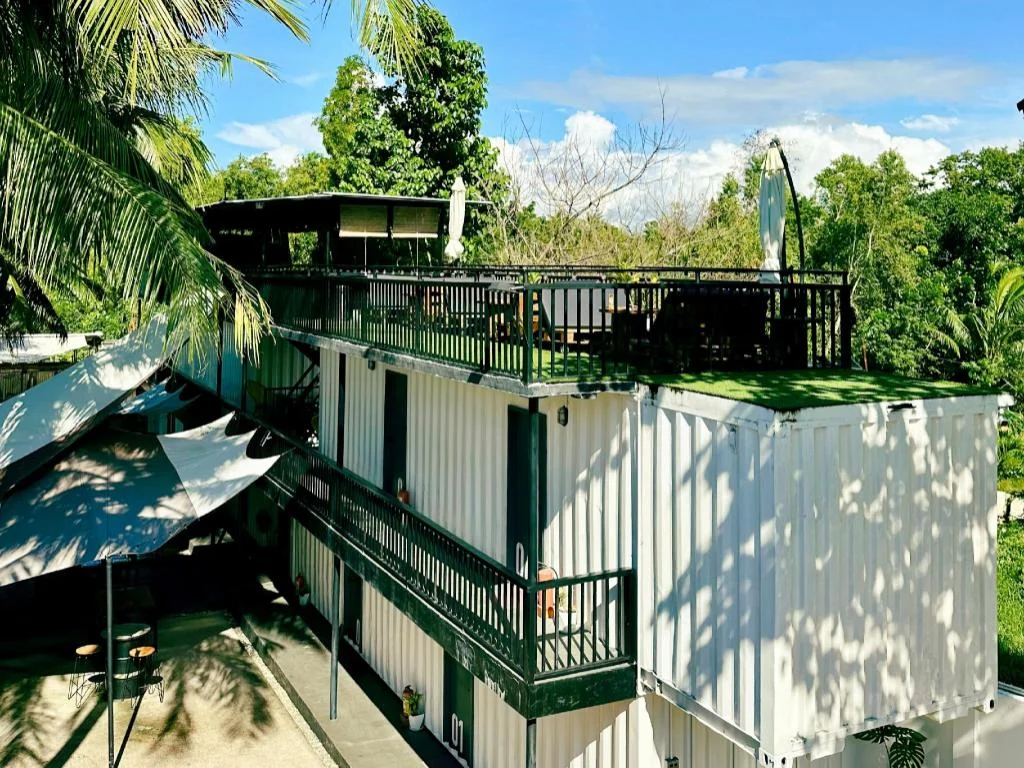
PIG DIVE HOSTEL MOALBOAL
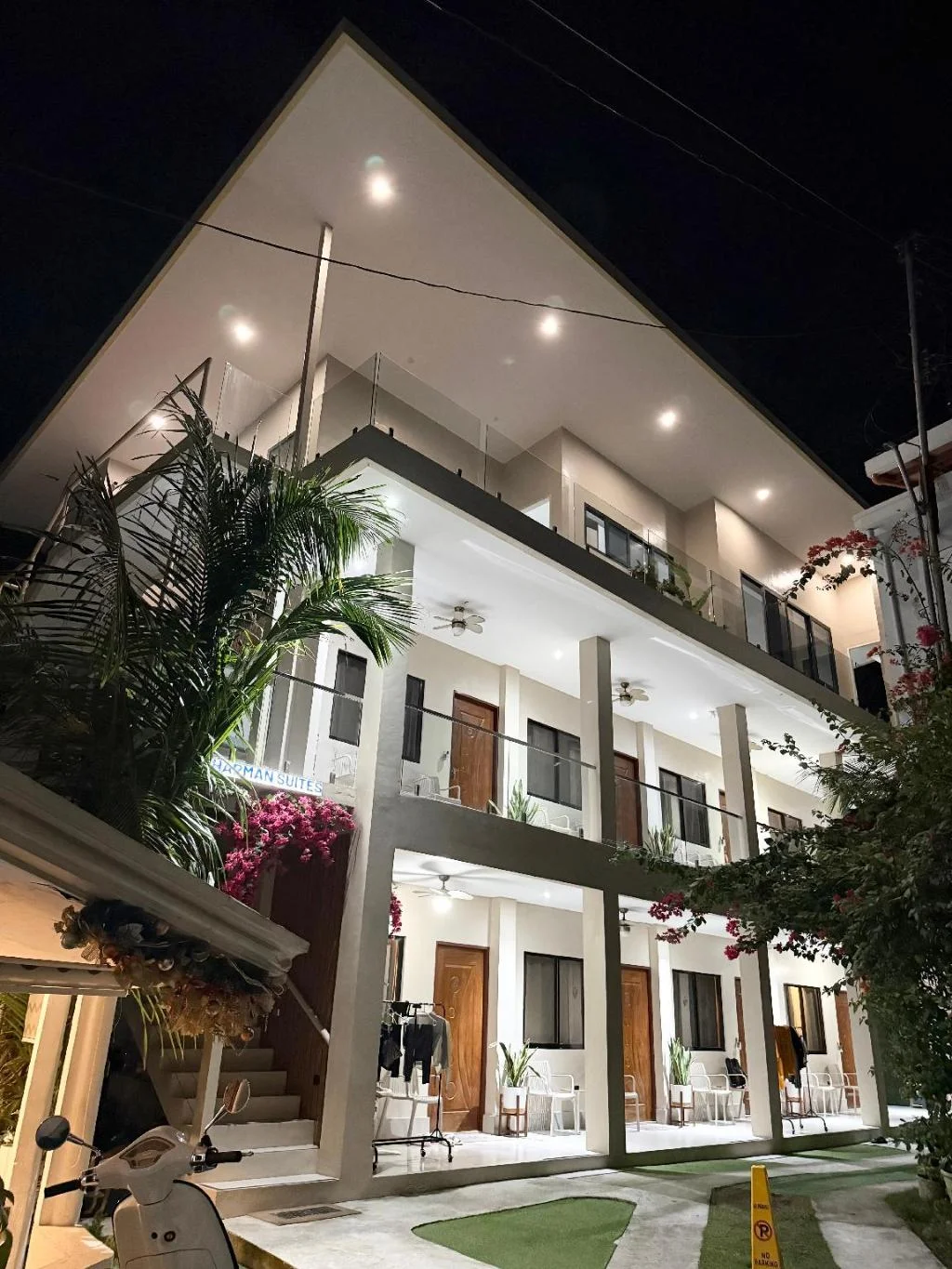
Harman Suites Moalboal
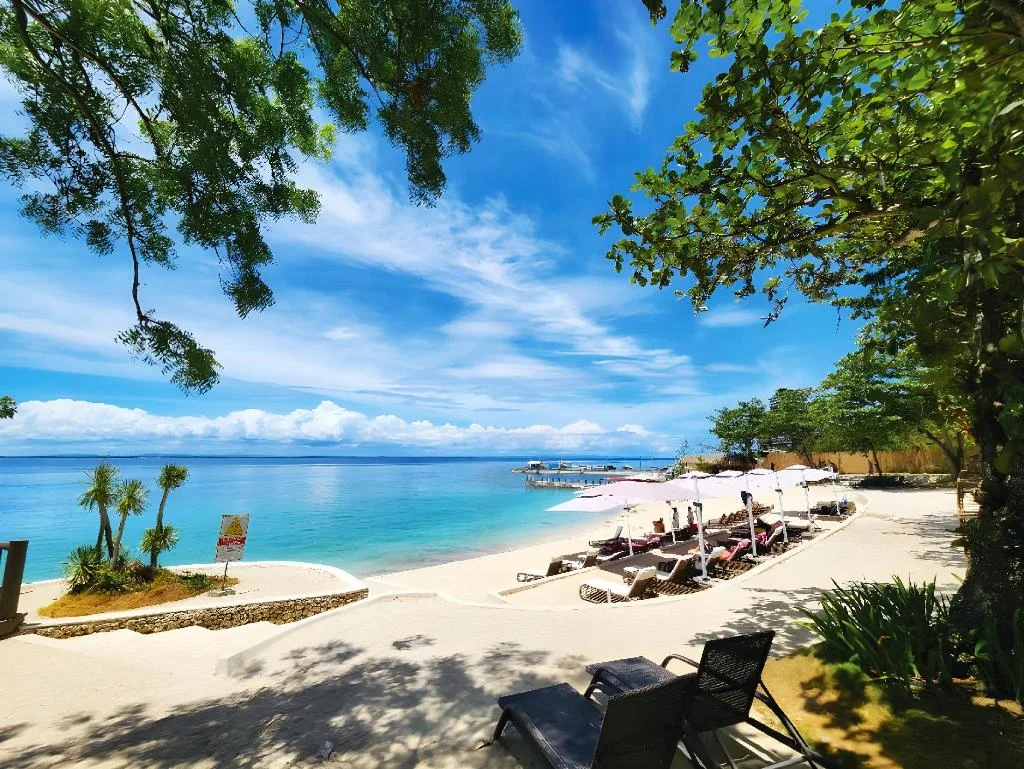
Mercure Mactan Cebu
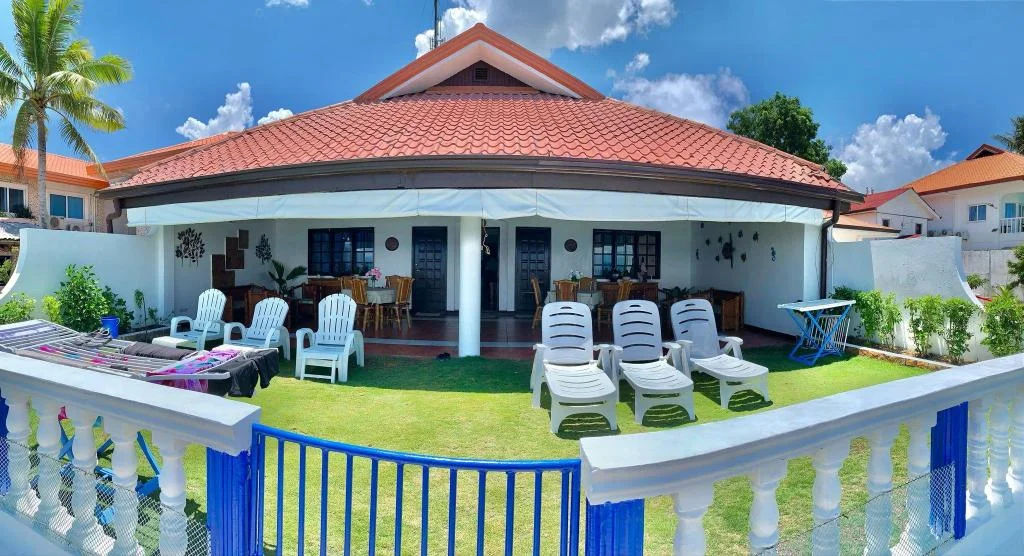
Il Sogno Resort
Prefer a rental? Vacation rentals near Moalboal
Self-catering condos and apartments — book the exact unit, kitchen included.

ClockWorkOrange Luxury Suites
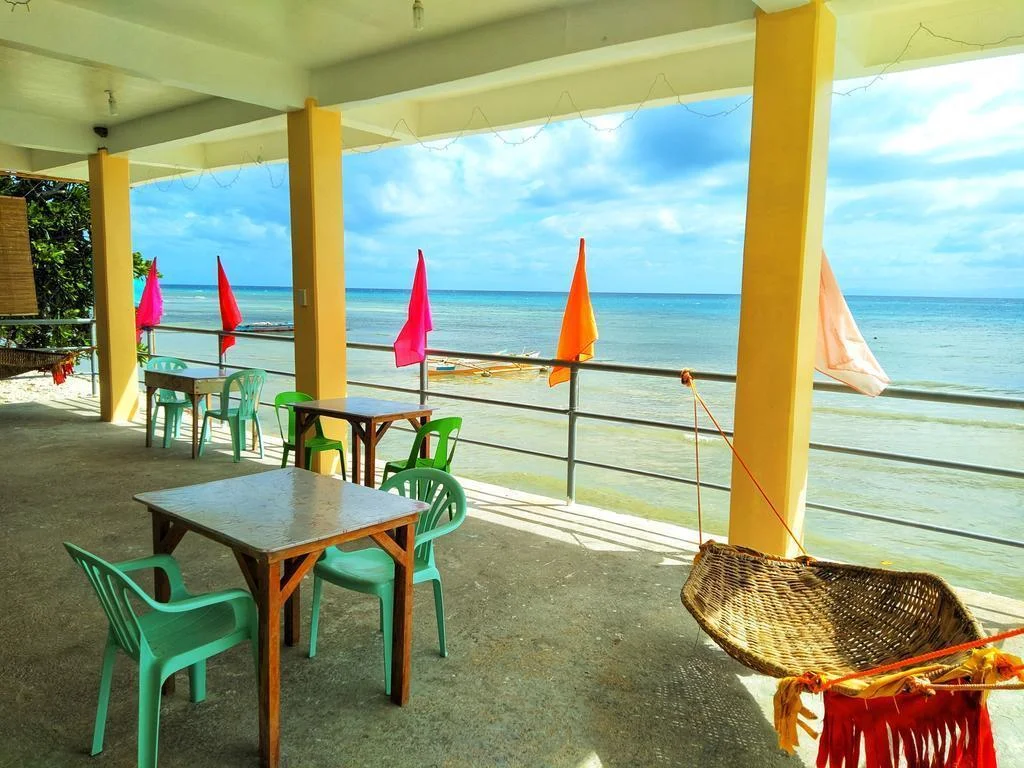
Ocean View Lodging House
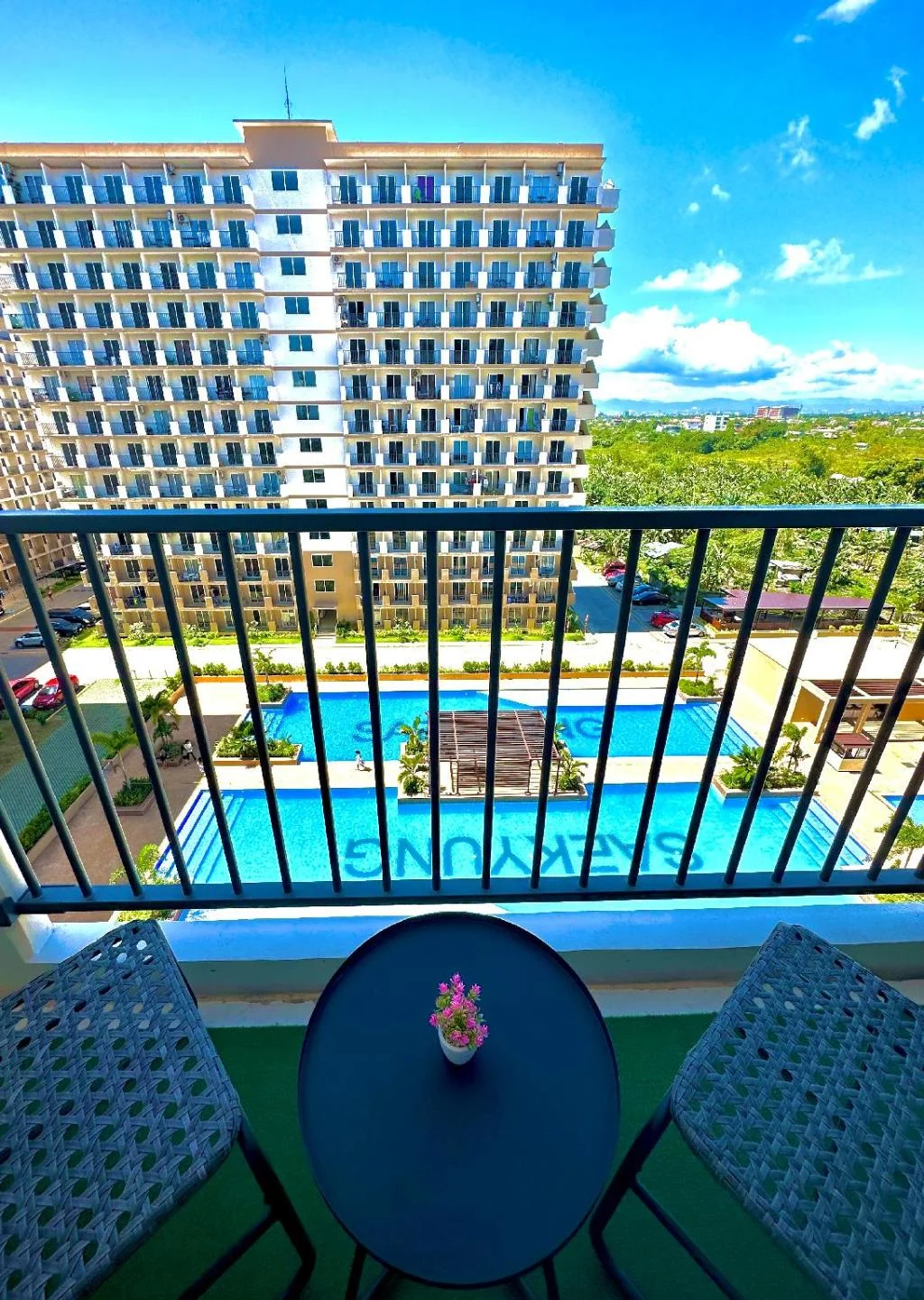
Condo with POOL/BALCONY/KITCHEN/NETFLIX/HOT SHOWER
Before you go
Frequently asked
Do you need to know how to dive to snorkel in Cebu?
Which is better for snorkeling, Moalboal or Mactan?
How much does snorkeling cost in Cebu?
Is Moalboal snorkeling really free?
What's the difference between this guide and a Cebu dive sites guide?
When is the best time of year to snorkel in Cebu?
Do I need my own snorkel gear?
Can beginners and non-swimmers snorkel in Cebu?
More Places to Explore
Moalboal Sardine Run
Moalboal
Swim with millions of sardines in one of the world's only year-round sardine runs, just meters from shore.
Turtle Point
Moalboal
Swim alongside green sea turtles in their natural habitat at this reliable turtle-spotting destination.
Pescador Island
Moalboal
A world-class marine sanctuary featuring The Cathedral underwater cave and exceptional wall diving.
Hilutungan Marine Sanctuary
Lapu-Lapu City
One of the Philippines' oldest marine sanctuaries with pristine coral reefs, abundant tropical fish, and excellent snorkeling for all skill levels.
Nalusuan Island Marine Sanctuary
Lapu-Lapu City
A small island sanctuary famous for its 500-meter wooden pier over turquoise waters, with excellent snorkeling and resort facilities.
Sumilon Island
Oslob
A pristine coral island with a famous shifting white sandbar, excellent snorkeling, and the distinction of being the Philippines' first marine sanctuary.
Olango Island Wildlife Sanctuary
Lapu-Lapu City
A 920-hectare wetland sanctuary and one of the world's seven major migratory bird flyways, hosting thousands of birds from Siberia, China, and Japan.