
TL;DR: Green sea turtles graze the seagrass at Turtle Point, a short swim off Panagsama Beach in Moalboal, and sightings are reliable enough that most mornings you’ll see at least one. It’s free from shore (just the ₱25–100 environmental fee), or bundled into a ₱500–800 boat tour with the sardine run and Pescador Island. Go early morning (6–9 AM) before crowds and boat traffic stir up the water. Touching is banned under a Moalboal ordinance carrying a ₱2,500 fine, so keep your distance and let them be. Verified July 2026.
Moalboal is one of the very few places on earth where you can swim with wild green sea turtles without a boat, a dive certification, or much of a budget. They graze the seagrass just off Panagsama Beach, the same stretch of coast that’s home to Moalboal’s famous year-round sardine run, which means a single sunrise swim can deliver both in under an hour. This guide covers exactly where Turtle Point is, how reliable the sightings really are, what it costs (shore vs. boat), and the rules — including a real fine — that keep the turtles calm enough to swim next to in the first place. It’s written for anyone planning to snorkel this stretch of south Cebu, whether you’re staying in Panagsama for a week of diving or stopping through on a south Cebu loop.
Turtle Point at a Glance (2026)
| Option | Cost | Notes |
|---|---|---|
| Shore snorkel (swim from Panagsama) | Free + ₱25–100 env. fee | No boat needed; 3–5 min swim from the beach |
| Mask & fins rental | ₱100–150 | Bring your own to skip this |
| Guide (if requested) | ₱300–500 | Not always required — ask locally |
| Boat add-on (turtle point + sardine run) | ₱500–800/person | Shared banca, usually with Pescador Island too |
| Private banca (small group) | ₱2,500–5,000 total | Sets your own pace and timing |
| Fine for touching marine life | ₱2,500 | Moalboal municipal ordinance, enforced |
Prices in Philippine Peso. ₱62 ≈ US$1 (July 2026). Verified July 2026.
Where Exactly Is Turtle Point?
Turtle Point sits just offshore from Panagsama Beach, roughly in front of Quo Vadis Dive Resort, in a patch of seagrass a few minutes’ swim from the sand. It’s not a marked, gated attraction — it’s a stretch of shallow reef and seagrass where green sea turtles have settled in to feed, and where local dive shops and boatmen know exactly where to point you.
You’ll find it inside the same short stretch of coast — Barangay Basdiot — that hosts the sardine run, so orientation is easy: ask any dive shop on the Panagsama strip and they’ll point you toward the water in seconds.
How Do You Get to Turtle Point — Shore or Boat?
Both work, and shore is free. From Panagsama Beach, swim out past the initial drop-off toward the seagrass beds — most days you can spot a turtle within a few minutes without a guide. If you’d rather not swim unassisted, join a shared banca that bundles Turtle Point with the sardine run and often Pescador Island for ₱500–800 per person, or charter a private boat for ₱2,500–5,000 for a small group if you want to set your own timing.
Bring your own mask and fins if you can — rentals run ₱100–150 and are perfectly fine, but a mask that actually fits your face makes a bigger difference here than most gear upgrades.
How Reliable Are the Sightings, Really?
Very reliable, though never a sure thing with wild animals. Turtle Point isn’t a feeding show or an enclosure — these are wild green sea turtles that have simply grown used to snorkelers being around. Regular visitors and dive shops report seeing at least one turtle on the large majority of mornings, and it’s common to spot two or three in a single session grazing, resting on the sand, or coming up for air a few meters from swimmers.
That said, turtles move, and a rough morning with heavy boat traffic or poor visibility can mean a quieter swim. If you strike out on your first attempt, try again at a different time of day rather than assuming they’ve left — the population here is resident, not migratory.
What’s the Best Time to Go?
Early morning, 6:00–9:00 AM. This is true for two reasons: the water is calmer and clearer before the wind and boat traffic pick up, and turtles tend to sit closer to the surface near high tide to feed, which lines up nicely with a sunrise session. It’s also simply less crowded — by mid-morning, Panagsama’s water fills with snorkelers, dive boats, and day-trip bancas, and turtles that feel crowded tend to drift further out or dive deeper to avoid the traffic.
If you’re staying in Panagsama, there’s no excuse not to make this your first activity of the day — roll out of bed, walk to the water, and you can be swimming with turtles before breakfast.
What Are the Rules — Can You Touch or Ride Them?
No, absolutely not — and it’s backed by an actual fine, not just good manners. Moalboal passed a municipal ordinance in 2021 that prohibits touching any marine life along its snorkeling and island-hopping areas. It became a national story in March 2024 when a tourist was filmed touching and pushing a turtle at Turtle Point; the video went viral, and Moalboal’s mayor confirmed violators face a ₱2,500 fine under the ordinance.
Beyond the legal risk, marine biologists point out real reasons for the rule: turtles that lose their natural wariness of people become easier targets for poachers, and unwanted contact can provoke a defensive bite. So the practical rules are simple:
- Keep a couple of meters of distance. Let the turtle set the pace, not you.
- Never touch, grab, ride, or chase. Even a “gentle” touch is a violation and can stress the animal.
- Don’t block their path to the surface. Sea turtles are air breathers — cutting off their route up can genuinely harm them.
- No flash photography or aggressive freediving down onto them. Float and observe; don’t dive-bomb.
Do You Need a Guide?
Not strictly, but it can vary. Turtle Point sits close enough to shore that competent swimmers head out on their own constantly. That said, local rules around guide requirements for snorkeling in Moalboal have shifted over the years — at times dive shops have asked snorkelers to take a paid guide (around ₱300–500) as much for water safety and marine-life monitoring as for navigation. Check with your resort or a beachfront dive shop when you arrive; if a guide is currently required, it’s a small price for someone who also knows exactly where the turtles are that morning.
How Do You Combine It With the Sardine Run and Pescador Island?
Easily — most people do all three in one outing. A typical sunrise circuit looks like this:
- Turtle Point first, while the water’s calm and turtles are active near the surface.
- The sardine run next, just a short swim or paddle further along Panagsama.
- Pescador Island, if you’re extending into a half-day boat trip — better suited to a banca than a shore swim.
If you want the deep dive on the sardine run itself — costs, timing, and what to expect in the bait ball — see our full Moalboal sardine run guide. If you’d rather book the whole circuit as one boat trip, our Moalboal island-hopping guide breaks down pricing for the combined sardine-turtle-Pescador route.
Browse Moalboal snorkeling and island-hopping tours on Klook if you’d rather have a boat and guide sort the logistics for you.
The Honest Take
Swimming with wild sea turtles this easily, this cheaply, is genuinely rare — most places charge for a boat, a permit, or both. Moalboal gives it to you for the cost of a beach fee, which is why it belongs on any south Cebu itinerary that includes water time.
The honest caveats: this isn’t a guaranteed wildlife show, and going in expecting a guaranteed turtle on command sets you up to be disappointed if the water’s rough that day. The area also gets genuinely crowded by mid-morning — boats, snorkelers, and sunscreen-slicked water all pile up fast, which is bad for you and worse for the turtles. And however tempting it looks in someone else’s viral video, do not touch, chase, or “pose” with a turtle — beyond the ₱2,500 fine, it’s the kind of habituation that ends badly for the animal long after your trip is over. Go early, keep your distance, and let the encounter happen on the turtle’s terms — that’s when it’s actually worth doing.
Sources
- Sunstar Cebu — Moalboal LGU reminds tourists not to touch marine life (₱2,500 fine, 2021 ordinance)
- Cebu Daily News/Inquirer — Moalboal diving issue: Dos and Don’ts for tourists
- Sugbo.ph — Panagsama Beach, Moalboal 2026 guide
- Tunex Travels — Moalboal Travel Guide: Sardine Run, Cost, and Tips
- Local operator and environmental-fee information as reported at Panagsama Beach; confirm current fees, guide requirements, and conditions locally before you go. Verified July 2026.
Book Tours & Hotels for This Trip
Find and book the best deals — prices and availability update in real time. Links open in a new tab.
Where to stay near Moalboal
Top-rated hotels for this trip — tap through to check live rates.
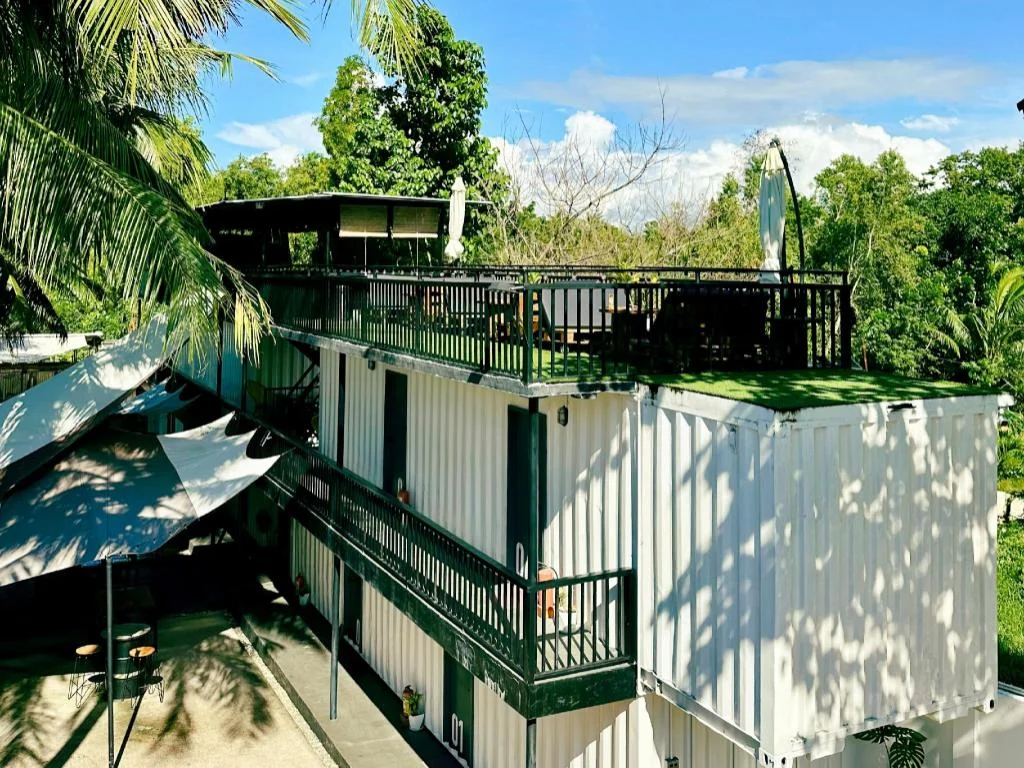
PIG DIVE HOSTEL MOALBOAL
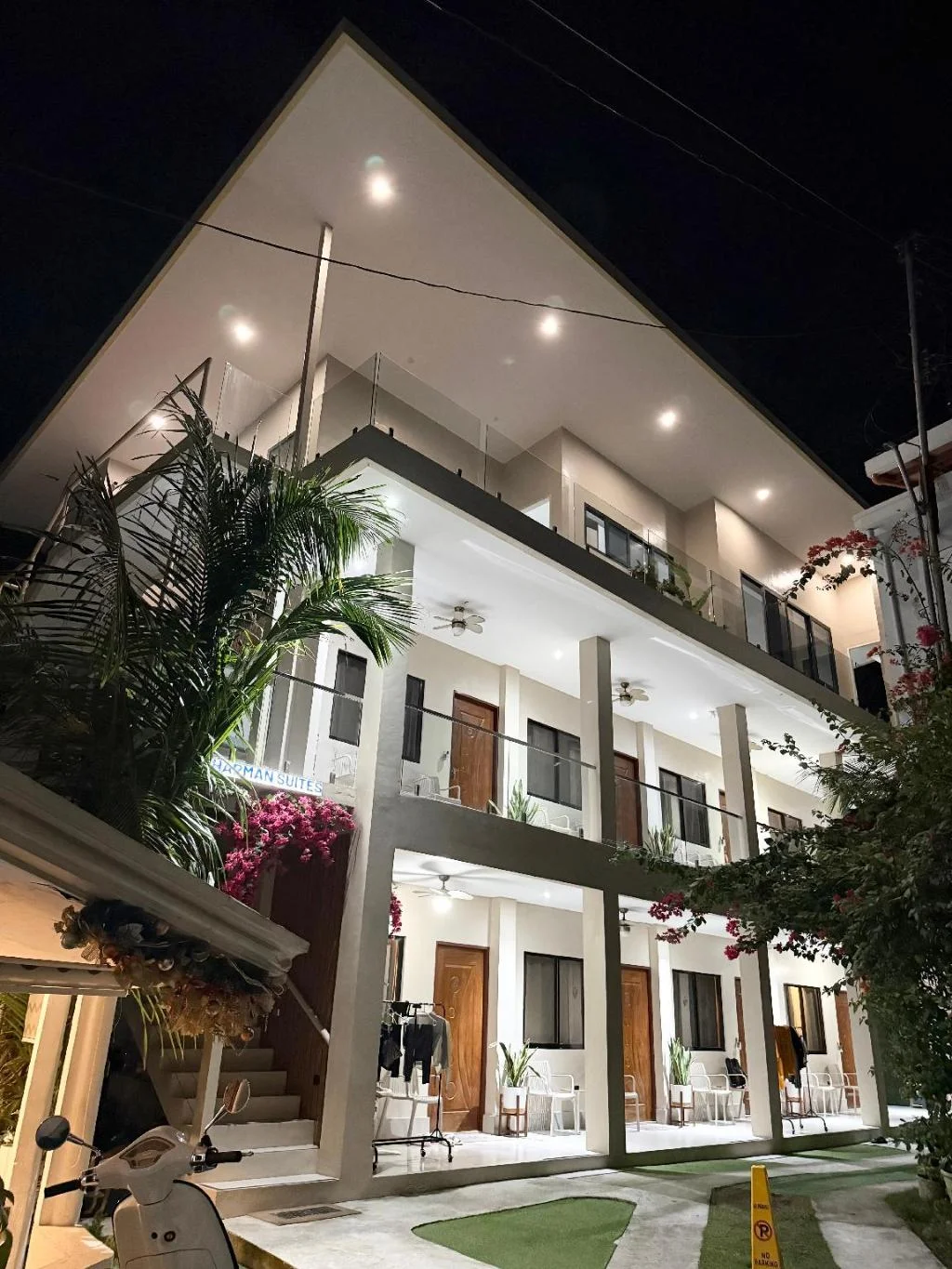
Harman Suites Moalboal
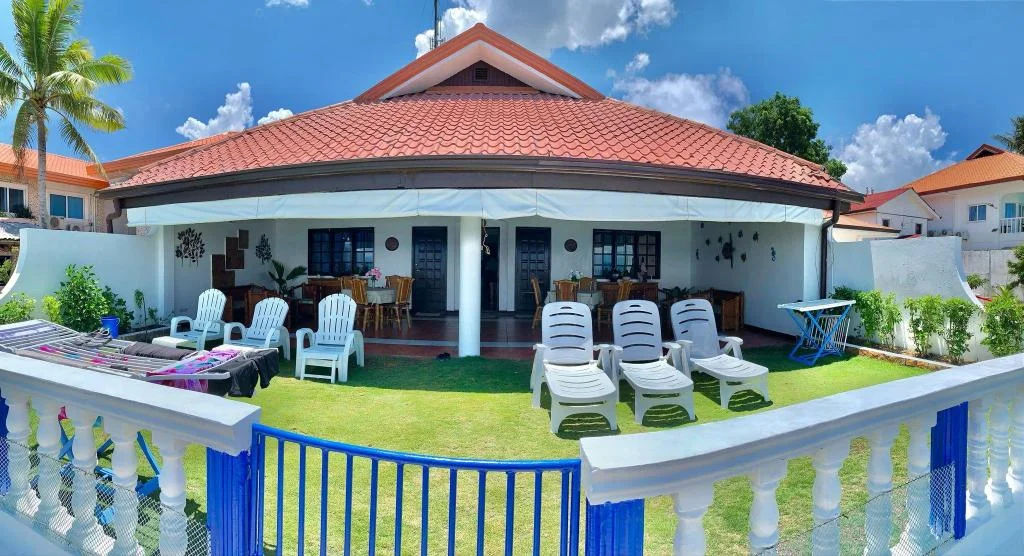
Il Sogno Resort
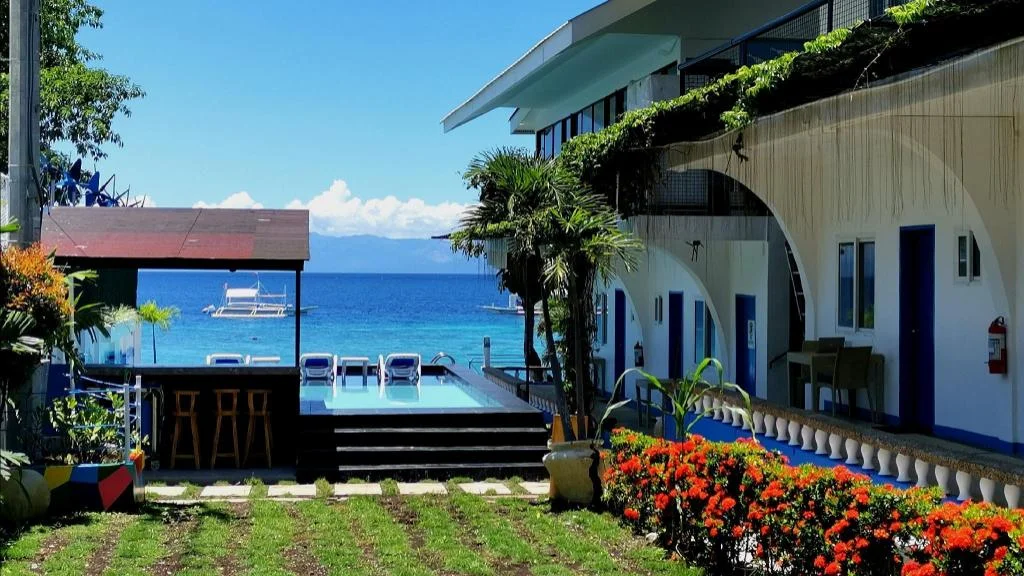
Pescadores Suites Moalboal
Prefer a rental? Vacation rentals near Moalboal
Self-catering condos and apartments — book the exact unit, kitchen included.

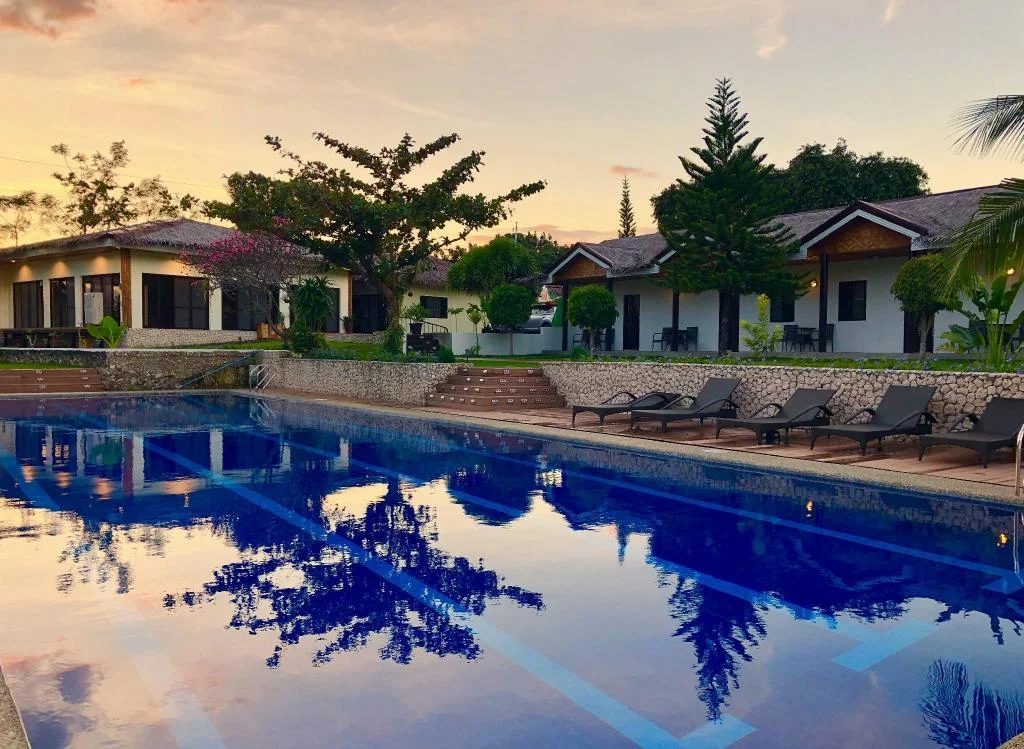
PAPABO Adventure Village
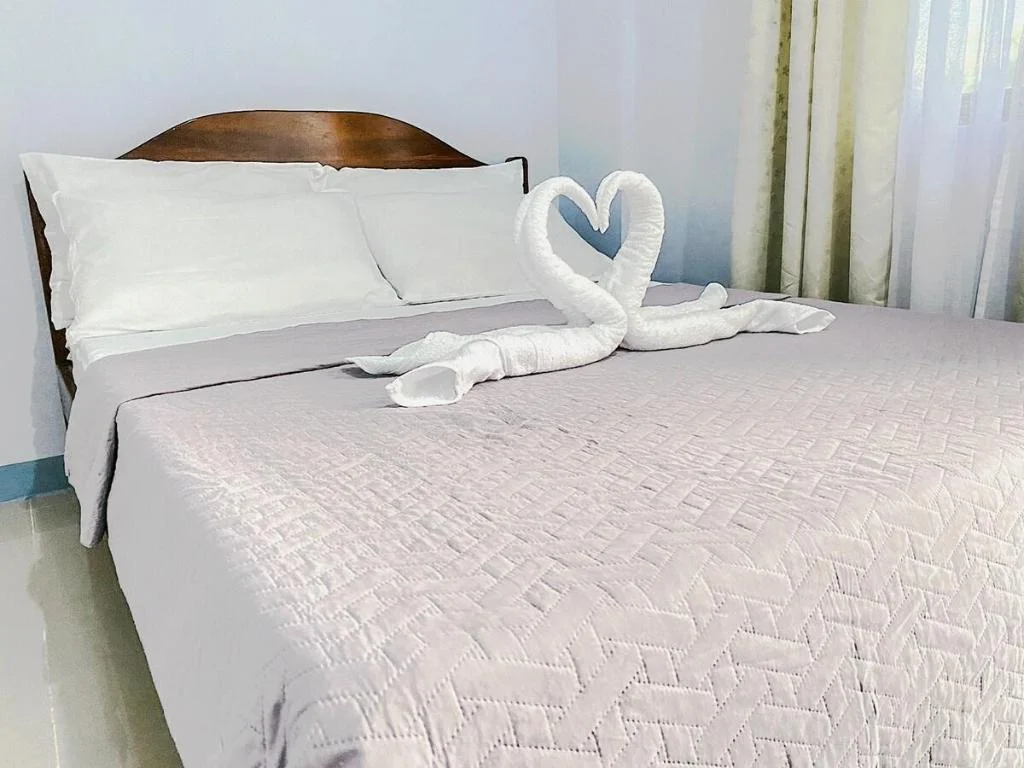
Casa de Moalboal
Althea Appartelle
Before you go
Frequently asked
Where do you swim with sea turtles in Moalboal?
Is it free to see the turtles in Moalboal?
How likely are you to actually see a turtle?
Can you touch or ride the turtles?
Do you need a boat or a guide to see the turtles?
What's the best time of day to swim with the turtles?
Can you combine turtle swimming with the sardine run?
Do you need to be a strong swimmer?
More Places to Explore
Turtle Point
Moalboal
Swim alongside green sea turtles in their natural habitat at this reliable turtle-spotting destination.
Panagsama Beach
Moalboal
Moalboal's main beach and diving hub, famous for the sardine run and sea turtles just meters from shore.
Moalboal Sardine Run
Moalboal
Swim with millions of sardines in one of the world's only year-round sardine runs, just meters from shore.
Pescador Island
Moalboal
A world-class marine sanctuary featuring The Cathedral underwater cave and exceptional wall diving.