
TL;DR: Cebu has three night-diving bases: Mactan’s Kontiki house reef for easy macro critters, Moalboal’s Panagsama reef for hunting octopus and a dedicated mandarinfish dive, and Malapascua for the real mandarinfish spawning display at dusk. Prices run ₱1,600-2,650 (US$28-46) per dive. Open Water certification is enough for all three. Verified July 2026.
Cebu’s reefs change completely after the sun goes down, and the diving splits cleanly by location rather than by difficulty. If you’re chasing a specific sighting — mandarinfish spawning at dusk, a hunting octopus working a coral head, bioluminescence stirred up in the shallows — the site you pick matters more than your certification level, since Cebu’s three night-diving bases each specialize in something different. Mactan’s Kontiki house reef sits just 20-30 minutes from the airport; Moalboal adds lionfish and sleeping turtles to its octopus sightings, plus a dedicated mandarinfish dive at Savedra Dive Center; and Malapascua’s Evolution house reef is where the real dusk mandarinfish display happens. None of the three demand technical dive training — Open Water certification covers all of them. This guide breaks down what each one actually shows you, what a night dive costs in 2026, and one common assumption worth correcting before you book.
Night Diving in Cebu at a Glance
| Site | Signature sighting | Depth | Certification | Price (single dive) |
|---|---|---|---|---|
| Mactan (Kontiki Marina house reef) | Crabs, shrimp, octopus, squid | Shallow, shore entry | Open Water | ₱1,600-1,700 (US$28-29) |
| Moalboal (Panagsama house reef) | Hunting octopus, lionfish, sleeping turtles, sea snakes | Shallow reef | Open Water | ₱1,600 (US$28) + ₱100 marine park fee |
| Moalboal (Savedra mandarinfish spot) | Mandarinfish courtship/spawning at dusk | Shallow coral rubble | Open Water | Ask shop; bundled with dusk timing |
| Malapascua (Evolution house reef) | Mandarinfish spawning, marbled-mouth frogfish, bobtail squid | ~6-15m | Open Water | ₱2,650 (US$46) |
Prices are single-tank, guided rates with gear where noted; multi-dive packages lower the per-dive cost. Verified July 2026.
Where Does Night Diving Actually Happen in Cebu?
There isn’t one “Cebu night dive” — there are three distinct ones, and picking the wrong base is the most common mistake. Mactan’s Kontiki Marina house reef is the convenience option: a shallow, shore-entry site 20-30 minutes from Mactan-Cebu International Airport, built for an easy after-dark macro dive rather than a bucket-list sighting. Moalboal runs night dives on the same Panagsama house reef that hosts its famous sardine run by day, and separately offers a dedicated dusk dive timed to a specific mandarinfish spot through Savedra Dive Center. Malapascua, a five-hour trip north for the thresher sharks, also runs one of the country’s more reliable mandarinfish dives on its own house reef and at Lighthouse Reef. None of these substitute for each other — they’re genuinely different dives.
Does Kontiki in Mactan Really Have Mandarinfish?
No — Kontiki’s night dive is a macro-critter reef, not a mandarinfish site, and no operator running it advertises mandarinfish as a sighting. Dive shops running the Kontiki house reef describe crabs, shrimp, and shellfish “seen every other minute,” with octopus probing the reef and squid working the open water above it — a genuinely good after-dark macro dive, just not the specific fish some divers travel to Cebu hoping to see. If mandarinfish are the actual target, book Moalboal or Malapascua instead of assuming Mactan covers it; this is exactly the kind of site-specific detail worth confirming with a shop before you fly in expecting a particular animal.
What Will You See on a Moalboal Night Dive?
Expect a working reef, not a static one — hunting octopus, cornered lionfish, and turtles wedged into ledges to sleep. Panagsama’s house reef turns over completely after dark: octopus come out to probe the coral for food, lionfish use divers’ torch beams to corner prey against the reef (a genuinely interesting behavior to watch, not just a photo op), sea turtles tuck themselves under ledges to rest, and sea snakes work sections of the reef that stay quiet during the day. It’s a strong add-on to a Moalboal sardine-run or Pescador Island day rather than the single reason to visit, and most shops on Panagsama Beach run it nightly on request. Separately, Savedra Dive Center runs a dedicated dusk dive to a specific coral-rubble patch where mandarinfish reliably emerge to spar and pair off before dark fully sets in — ask your shop whether you’re booking the general night dive or the timed mandarinfish spot, since they’re not automatically the same trip.
Is Malapascua’s Mandarinfish Dive Worth the Trip North?
If mandarinfish are genuinely the goal, yes — Malapascua’s dusk dive is one of the more dependable mandarinfish sightings in the Philippines, not a maybe. Evolution Diving Resort’s house reef holds mandarinfish in staghorn coral at around 6 meters, with the dive staying inside 15 meters overall — shallow and forgiving even though the payoff (a fish most divers only see in photos) is a genuine highlight. The catch is technique, not depth: guides ask divers to switch off their primary lights and let only a dim, finger-shielded beam through, since bright light sends the fish straight back into hiding before the males finish sparring and pairs spiral up to spawn. Divers on the reef also report marbled-mouth frogfish — a rare ambush predator that turns up here more reliably than most other Philippine dive sites — and bobtail squid tucked around the reef’s artificial structures. Since the trip north already takes 4-5 hours by road plus a boat crossing, most divers pair the mandarinfish dive with a multi-day Malapascua stay built around the thresher shark dives rather than a single-night detour.
What Certification Do You Need for Night Diving?
Open Water is the floor for all three sites — this isn’t advanced or technical diving anywhere in Cebu. Mactan and Moalboal’s house-reef night dives stay shallow and close to shore, well within Open Water limits, and Malapascua’s mandarinfish dive tops out around 15 meters. What changes at night isn’t the depth requirement, it’s the skillset: buoyancy control, dive light discipline, and staying oriented to your buddy and guide all feel different in the dark on your first go. Several shops run a short Night Diving specialty or at minimum an extended dry briefing before your first night dive rather than just handing you a torch — take the briefing seriously even if you’ve logged plenty of day dives.
How Much Does Night Diving Cost in Cebu?
Budget by site, since the three aren’t priced the same way. Mactan runs ₱1,700 per person solo or ₱1,600 per person for groups of two or more, all-inclusive of tank, weights, guide, and torch. Moalboal’s general night dive runs about ₱1,600 plus Moalboal’s standard ₱100 marine park entry fee, separate from the timed mandarinfish dusk dive, which shops typically bundle into a package rather than list as a standalone line item — ask directly. Malapascua’s Evolution house reef mandarinfish dive runs about ₱2,650, reflecting the more specialized nature of the sighting and the resort-level operation running it. None of these include return flights or the multi-hour transfer to reach Malapascua, which is the real cost difference between the three, not the dive itself.
What About Bioluminescence?
Cebu doesn’t have a dedicated, bookable bioluminescence dive the way some destinations do — what divers and beachgoers report is a late-night wade or swim stirring up bioluminescent plankton in the shallows, an incidental, weather- and plankton-bloom-dependent effect rather than something a dive shop schedules and guarantees. If it happens during your night dive or a beach walk, treat it as a bonus, not the reason you booked the trip; no operator in Cebu currently sells “bioluminescence diving” as its own product the way Vaadhoo or parts of Puerto Rico do.
How Do You Choose a Night Dive?
Match the site to what you actually want to see, not to whichever base is most convenient. Want an easy, low-commitment after-dark dive close to your resort? Mactan’s Kontiki reef does that cheaply and well. Want a working reef with genuine predator-prey behavior on display, and you’re already in the south for the sardine run? Moalboal covers both in one trip. Want the mandarinfish specifically, and you’re willing to build a multi-day itinerary around it? Only Malapascua delivers that reliably in Cebu. Whichever you pick, confirm with the shop beforehand whether you’re diving a general night reef or a timed dusk dive for a specific animal — the difference changes your entry time and, at Malapascua and Savedra, your light-discipline instructions.
The Honest Take
Night diving in Cebu rewards divers who match expectations to the actual site. Mactan’s reef is a genuinely solid, low-stakes macro dive — treat it as a fun add-on, not a headline event. Moalboal earns its reputation as a working reef after dark, and it’s worth doing even if you’re only in town for the sardine run. Malapascua’s mandarinfish dive is the one worth the extra travel if that specific sighting matters to you, but go in knowing it’s a patience game — the fish only emerge once your light discipline is right, and a crowded dive with too many bright torches can shut the whole display down. The one thing to actively correct before you book: don’t assume Kontiki in Mactan has mandarinfish just because it’s a popular night-dive site. It doesn’t, and no operator there claims otherwise.
Put a Night Dive Into Your Trip
Pair a Mactan night dive with your first days in Cebu before heading south — browse Mactan diving and island activities on Klook to see current listings. If you’re basing yourself in Moalboal for the sardine run, check current Moalboal dive packages and ask your shop to add the mandarinfish dusk dive. Planning the Malapascua leg around thresher sharks and the mandarinfish dive together makes the most of the trip north — compare dive-friendly stays in Moalboal on Agoda or in Malapascua before you book.
Sources
- SiDive Philippines — Night Dives, Kontiki Marina, Mactan (site details, pricing)
- Savedra Dive Center — Diving Rates, Moalboal (night dive pricing)
- Philippine Dives — 10 Best Night Diving Destinations in the Philippines (Malapascua and Moalboal night-dive marine life)
- Midnight Blue Elephant — The Ultimate Guide to Malapascua Diving (Evolution house reef mandarinfish dive, pricing, technique)
- Thresher Shark Divers — Malapascua Diving FAQ
- Verified July 2026.
Book Tours & Hotels for This Trip
Find and book the best deals — prices and availability update in real time. Links open in a new tab.
Where to stay near Moalboal
Top-rated hotels for this trip — tap through to check live rates.
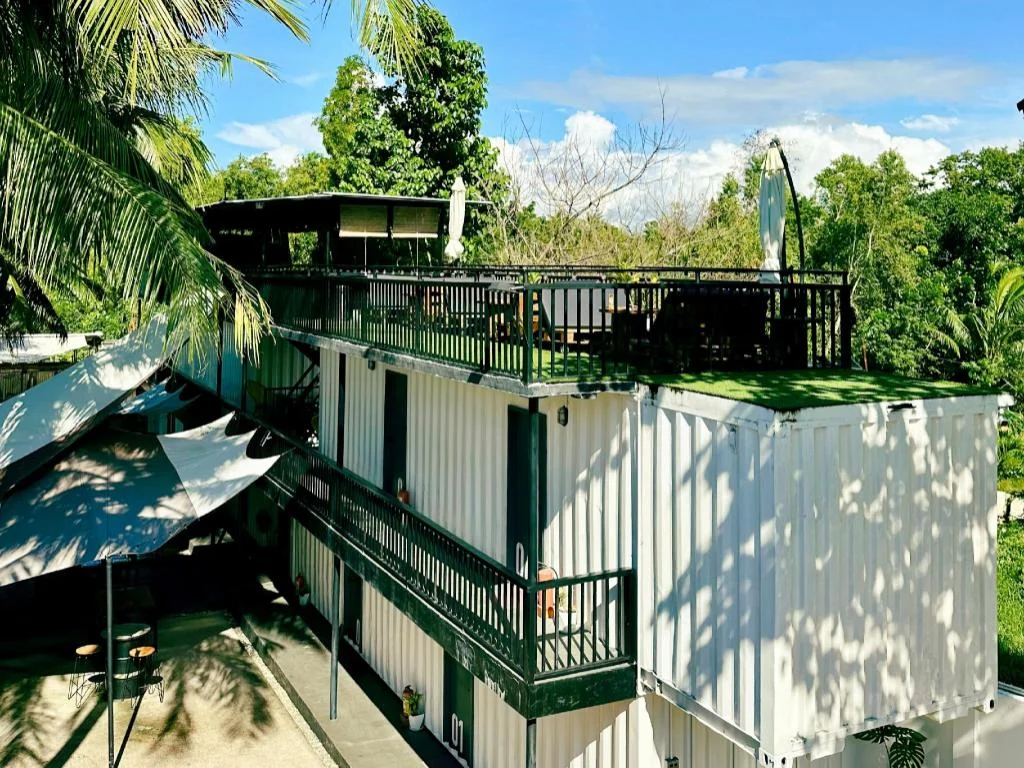
PIG DIVE HOSTEL MOALBOAL
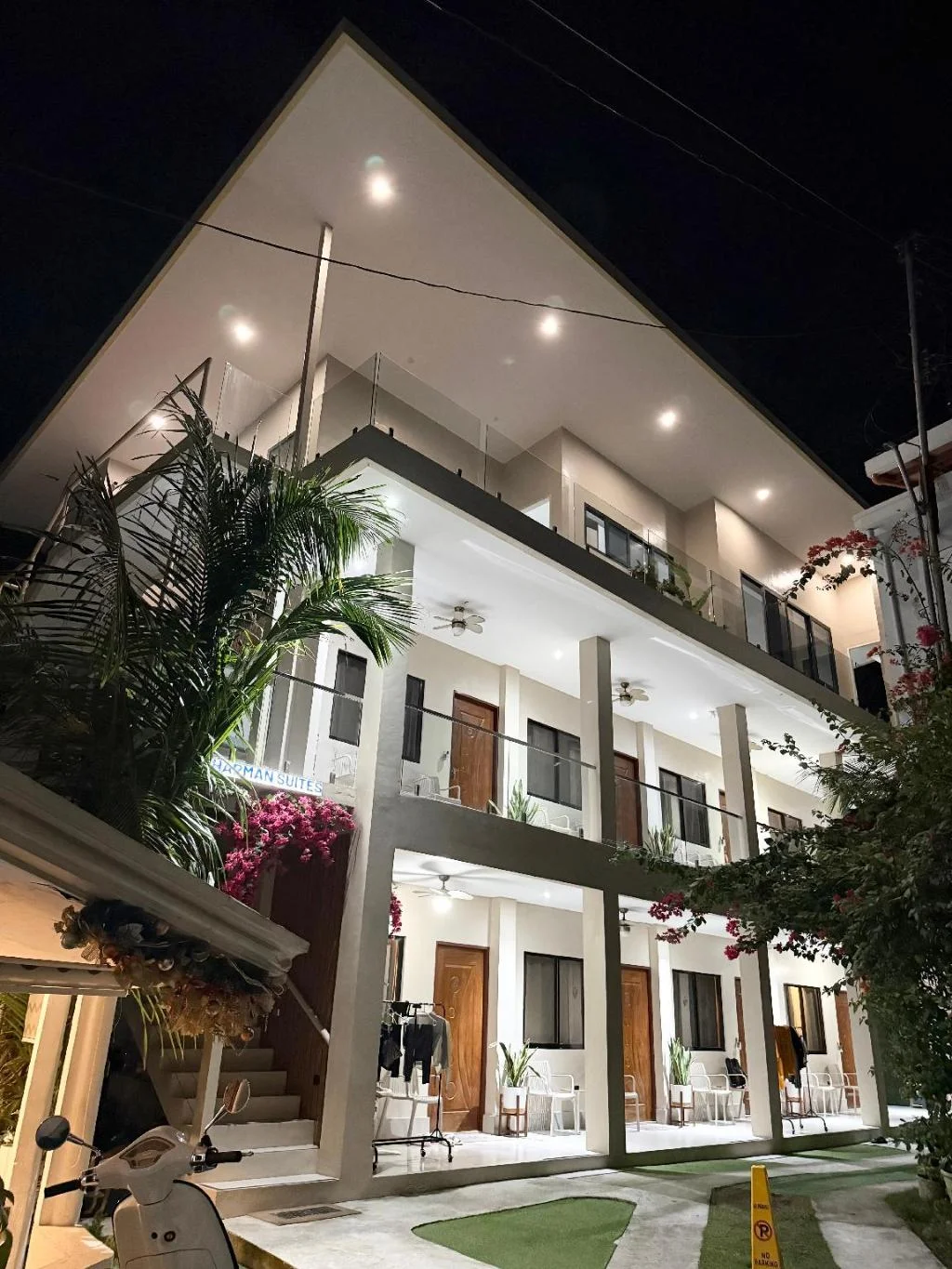
Harman Suites Moalboal
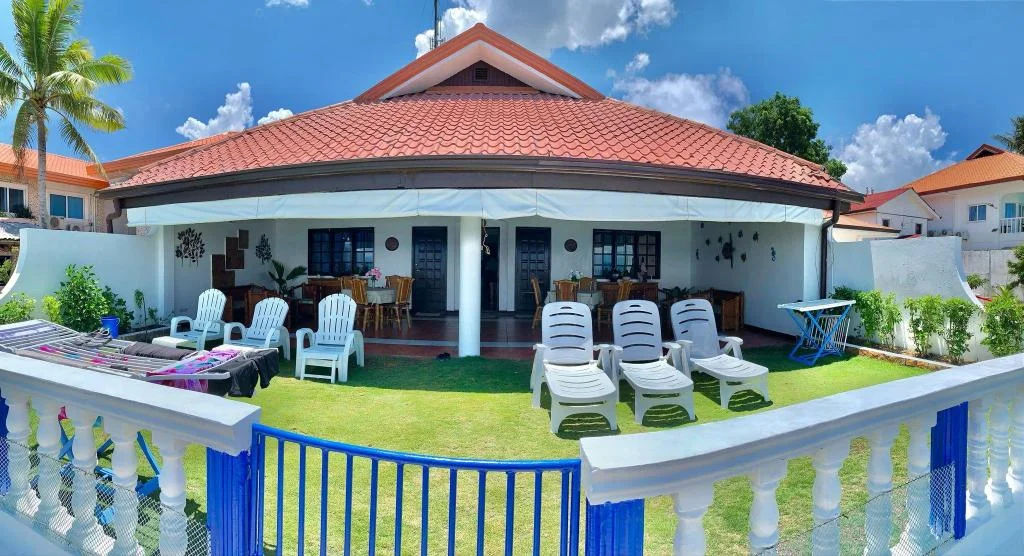
Il Sogno Resort
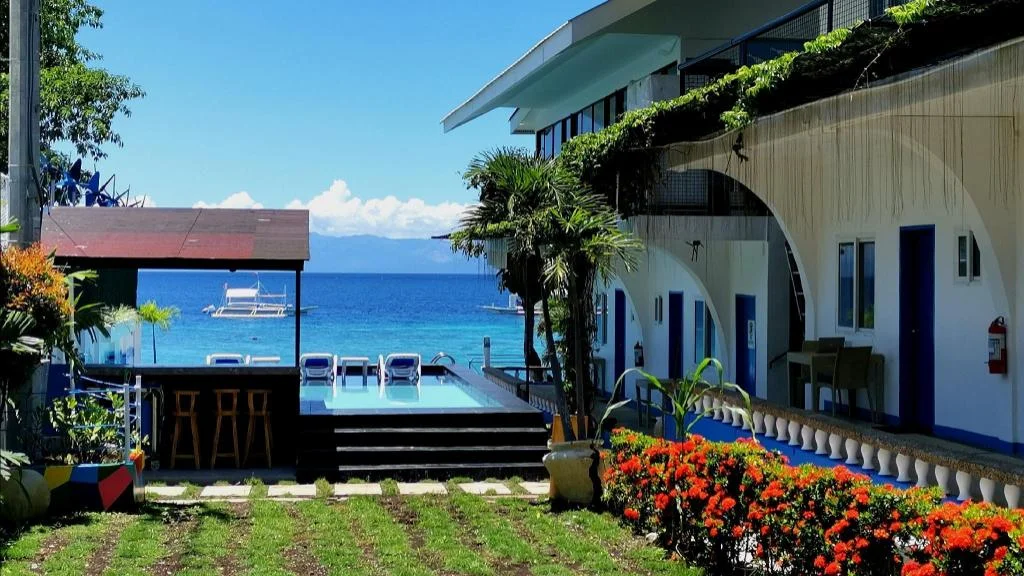
Pescadores Suites Moalboal
Prefer a rental? Vacation rentals near Moalboal
Self-catering condos and apartments — book the exact unit, kitchen included.
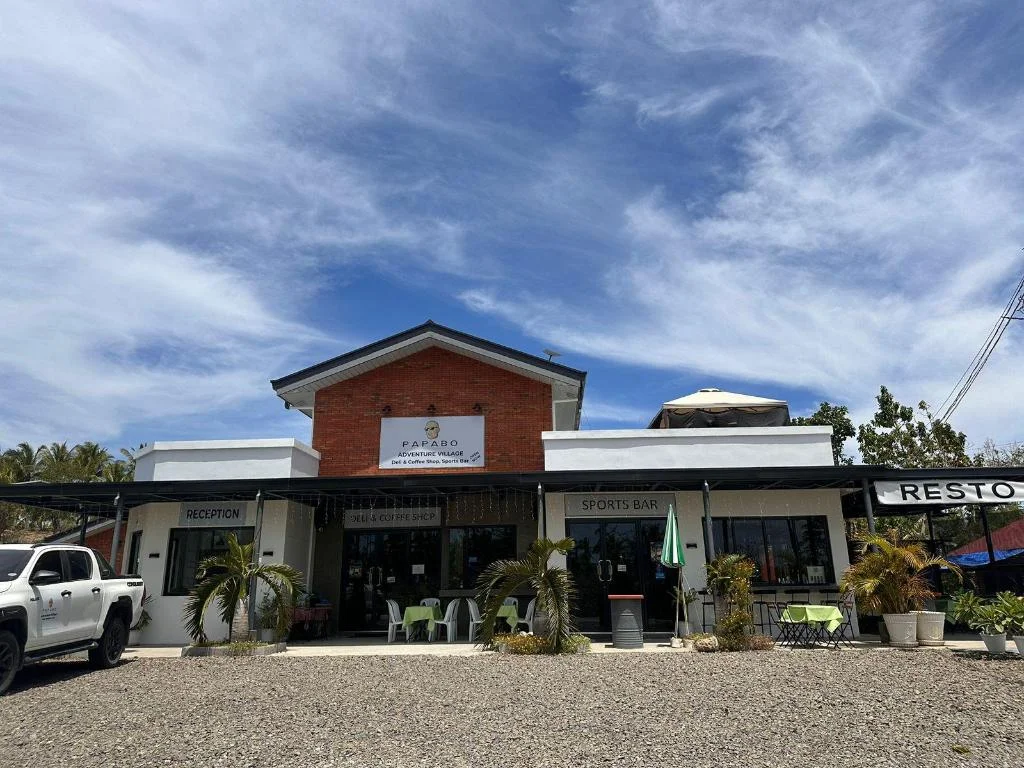
PAPABO Adventure Village
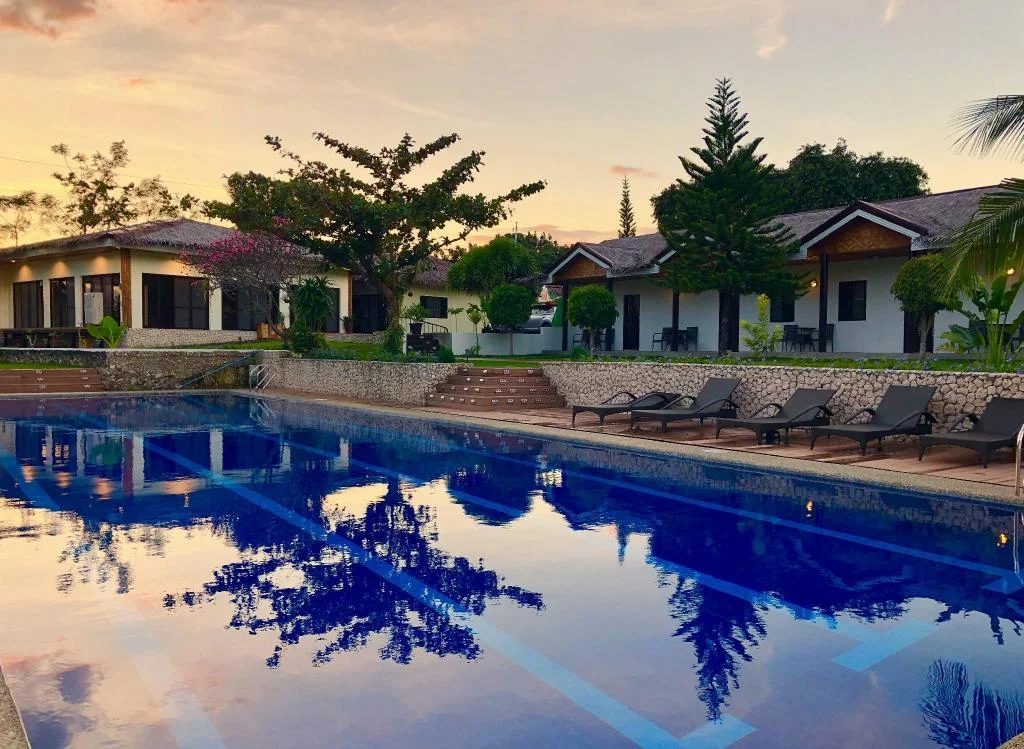
Casa de Moalboal
Althea Appartelle
Before you go