
TL;DR: Thresher sharks cruise the cleaning station off Malapascua Island more or less every day of the year, so this isn’t really a “season” the way whale sharks or sardine runs are. March-May gives the calmest seas and best visibility (20-30m) for the dawn boat ride out; July-October is wetter and choppier but cheaper and quieter. Budget ₱4,500-5,500 (US$78-95) per person for a two-dive morning with gear, PADI Open Water as your minimum certification, and a 5:00-8:00 AM boat departure. One honest correction: the sharks now clean mostly at Kimud Shoal, not the old Monad Shoal most articles still reference. Verified July 2026.
If there’s one dive in the Philippines built around a rumor that turns out to be true, it’s this one: full-grown pelagic thresher sharks, tails as long as their bodies, gliding up from the deep to get cleaned by wrasse at a shallow shoal a short boat ride from Malapascua Island. It’s one of the only places on earth where recreational divers can see this species with any regularity, which is why Malapascua built its entire dive economy around a 5:00 AM wake-up call. This guide is for divers trying to time a trip around it — when the seas are calmest, what’s actually changed at the cleaning station in the last few years, what certification you need, and what it costs. If you’re still deciding whether to dive Malapascua at all, our thresher shark diving guide covers the full experience; this one is about picking your dates.
At a Glance: Malapascua Dive Conditions by Season
| Period | Sea conditions | Visibility | Crowds/price | Shark dives running? |
|---|---|---|---|---|
| Mar-May (dry season) | Calmest, flattest seas | 20-30m | Busiest, priciest | Yes, most reliable |
| Nov-Feb (Amihan/shoulder) | Choppier, northeast wind | 10-15m | Moderate, better rates | Yes, occasional rough mornings |
| Jun (transition) | Variable | 15-20m | Lower | Yes |
| Jul-Oct (Habagat/wet season) | Rain squalls, roughest seas, typhoon risk | Reduced on bad days | Cheapest, quietest | Usually, some days cancelled |
Sharks themselves don’t disappear in any of these windows — this table describes boat and visibility conditions, not shark presence. Verified July 2026.
What’s the Best Season to Dive for Thresher Sharks?
March through May, Cebu’s dry season, gives you the best odds of a calm boat ride and clear water, not more sharks. Thresher sharks are resident at the cleaning station year-round, visiting to have parasites picked off by cleaner wrasse in the early morning hours before dropping back into deeper water. Nothing about that schedule is seasonal. What changes with the seasons is the boat ride out and the water itself: dry-season mornings tend to be flat and visibility can hit 20-30 meters, which makes for a much easier dive and a clearer look at the shark once it shows up.
November through February is the Amihan shoulder season — cooler, with a steadier northeast wind that can chop up the surface on the open-water crossing to the shoal, and visibility more commonly sitting at 10-15 meters. Dives still run most days; you just get less glassy water. June sits in between as the seasons turn over.
Should You Avoid Habagat Season (July-October)?
Not necessarily, but go in with the right expectations. July to October is the southwest monsoon (Habagat) and the Philippines’ broader typhoon season. Rain tends to come in afternoon bursts rather than washing out the whole day, so early-morning shark dives at the shoal usually go ahead even when the afternoon turns wet. Malapascua’s position in the northern Visayas also means it takes fewer direct typhoon hits than Luzon or Samar, though a storm passing anywhere in the region can still cancel boats for a day or two. If a trip gets weathered out, dive shops will simply reschedule you for the next viable morning.
The trade-off for the rougher window is real: lower room rates, fewer boats crowding the shoal, and a good chance of a near-empty cleaning station. If you’re a diver who can shrug off a bumpy crossing and doesn’t need postcard-flat seas, Habagat season is the best-value time to come.
Is It Monad Shoal or Kimud Shoal Now?
Kimud Shoal, for the most part — and it’s worth knowing this before you book, because a lot of older articles still say Monad. Monad Shoal was the original thresher shark cleaning station that put Malapascua on the dive map, sitting in the 25-30 meter range at its main cleaning zones. Around 2022, local operators and dive guides observed the sharks shifting their cleaning activity to nearby Kimud Shoal, which has shallower stations (roughly 14-20 meters) and, by most operator accounts, closer and longer encounters. Some shops still run both sites depending on conditions and shark activity on a given morning, but Kimud is now where most trips head. If a boat operator or listing only mentions Monad, it’s worth asking directly which site you’ll actually be diving.
The practical upshot for you: shallower average depth means more no-deco time at the cleaning station and, per several operators, no strict need for a deep specialty certification anymore — a change from the old Monad-era dives.
What Time Do the Dawn Dives Start?
Boats typically leave Malapascua between 5:00 and 8:00 AM, with the exact time confirmed by your dive shop the evening before, since it shifts with tide and shark activity reports from earlier boats. The crossing to the shoal takes roughly 20-30 minutes. Because the sharks visit the cleaning station in the low-light early morning hours before retreating to deeper water as the sun gets higher, earlier boats generally see more shark activity — though shops note that since the move to shallower Kimud Shoal, a brutally early pre-dawn departure is no longer strictly required the way it once was at Monad. Most shark trips are a two-dive morning (roughly 4-5 hours door to door); some operators now offer a three-dive version.
Because of the early start, you need to already be sleeping on Malapascua (or a nearby island base) the night before — day-tripping in from Cebu City or even from Maya port that same morning doesn’t leave enough time.
What Certification Do You Need?
PADI Open Water (or equivalent) is the floor, but Advanced Open Water is what lets you dive normally. Open Water-only divers are typically required to join as an Instructor-Led Dive rather than in an unsupervised buddy pair, which usually costs a bit more and ties you to an instructor’s pace. Advanced Open Water divers can join a standard boat group under a divemaster. If you’re not certified at all, most shops on the island run Open Water courses, but budget an extra 3-4 days for the course itself before you can dive the shoal.
How Much Does a Thresher Shark Dive Cost?
Plan for roughly ₱4,500-5,500 (about US$78-95) per person for a two-dive shark morning with rented equipment, once you add the marine park fee, the Kimud Shoal protection fee, and the boat fuel surcharge to the base dive cost. A bare-bones single dive (no gear) runs closer to ₱1,800-2,500 (US$31-43) from most shops, before those fees. Multi-dive packages — commonly sold as 10-dive blocks — bring the effective per-dive rate down, sometimes to around ₱1,500 (US$26) per dive. None of these fee amounts are standardized island-wide, so confirm the current breakdown directly with your dive shop before booking; marine park and Kimud protection fees in particular get adjusted from time to time.
| Item | Typical cost (₱) | Approx. US$ |
|---|---|---|
| Single fun dive (no gear) | ₱1,800-2,500 | $31-43 |
| Two-dive Kimud shark morning, with rented gear + fees | ₱4,500-5,500 | $78-95 |
| Per-dive rate on a 10-dive package | ~₱1,470-1,800 | $25-31 |
| Open Water certification course | Confirm with shop | — |
Prices vary by dive shop and change periodically; confirm before booking. Verified July 2026.
For the boat and gear, compare dive trip listings on Klook or check current packages on GetYourGuide, and line up your stay through Agoda’s Malapascua listings since rooms near the dive shops book out fastest in peak season.
The Honest Take
Sightings are reported on the large majority of morning trips, and some shops describe it as close to a daily occurrence — but “near-daily” isn’t “guaranteed,” and any operator who promises a shark on your dive is overselling it. Peak season (March-May) is genuinely the easiest, calmest version of this dive, but it’s also when the shoal gets the most boat traffic, so don’t expect solitude. If you want the same sharks with a real shot at having the cleaning station closer to yourselves, the shoulder months or even the wetter Habagat season are worth the trade-off in sea conditions, as long as you’re a comfortable enough diver to handle a bit of chop and the possibility of a cancelled morning. Skip this dive entirely if you’re not at least Open Water certified and unwilling to do an Instructor-Led Dive, or if a bumpy 20-30 minute boat crossing before sunrise sounds miserable to you — there’s no version of this trip without it.
Getting There
Malapascua sits off the northern tip of Cebu, reached by boat from Maya Port after a road trip up the island — see our Cebu to Malapascua guide for the full route and ferry times. Once you’re on the island, pair the shark dive with Malapascua’s other sites — see where to stay in Malapascua for basing yourself near the dive shops, and best dive sites in Cebu if you want to build out a longer diving trip beyond the shark dive itself.
Sources
- Thresher Shark Divers — dive schedule and pricing
- Malapascua Diving — thresher shark site and season information
- Malapascua Diving — dive prices
- Operator reporting on the Monad-to-Kimud Shoal shift (observed from around 2022) and current seasonal weather patterns for the Visayas.
- Verified July 2026.
Book Tours & Hotels for This Trip
Find and book the best deals — prices and availability update in real time. Links open in a new tab.
Where to stay near Daanbantayan
Top-rated hotels for this trip — tap through to check live rates.

Ocean Vida Resort
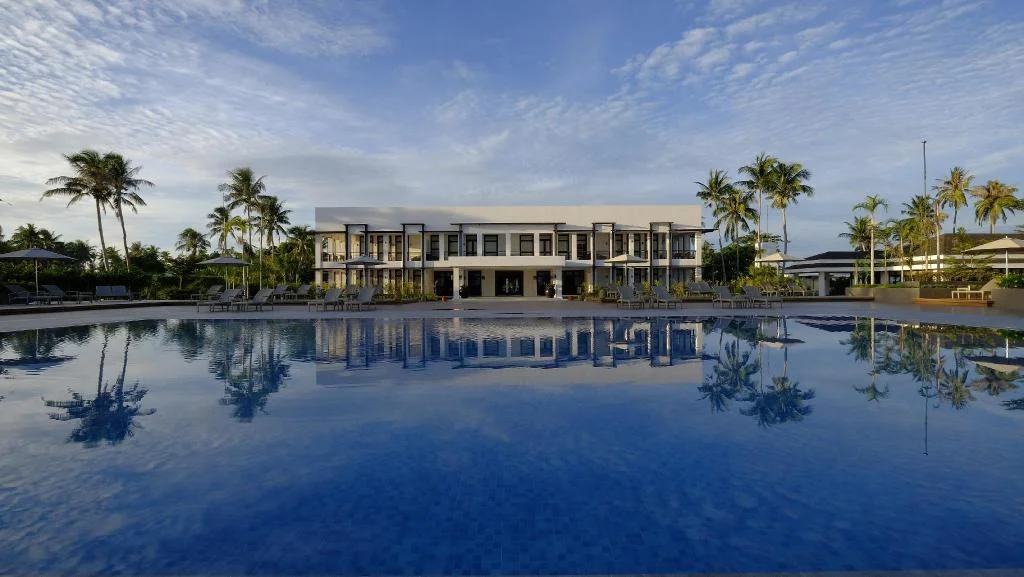
Kandaya Resort
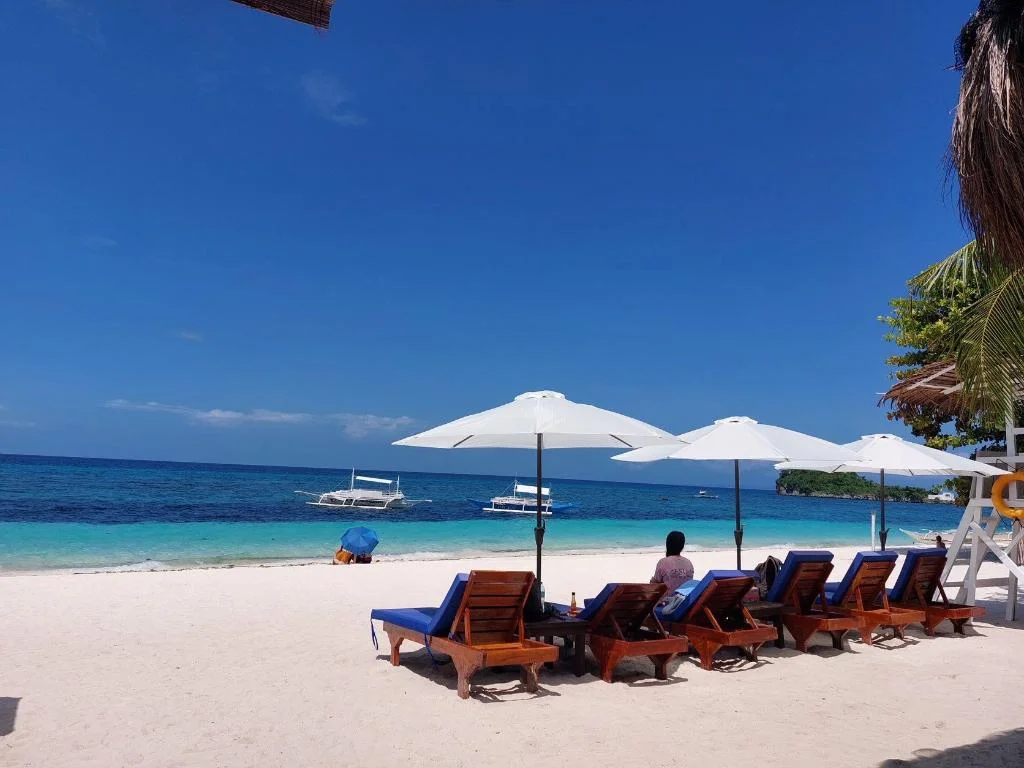
Avila's Horizon Dive Resort Malapascua
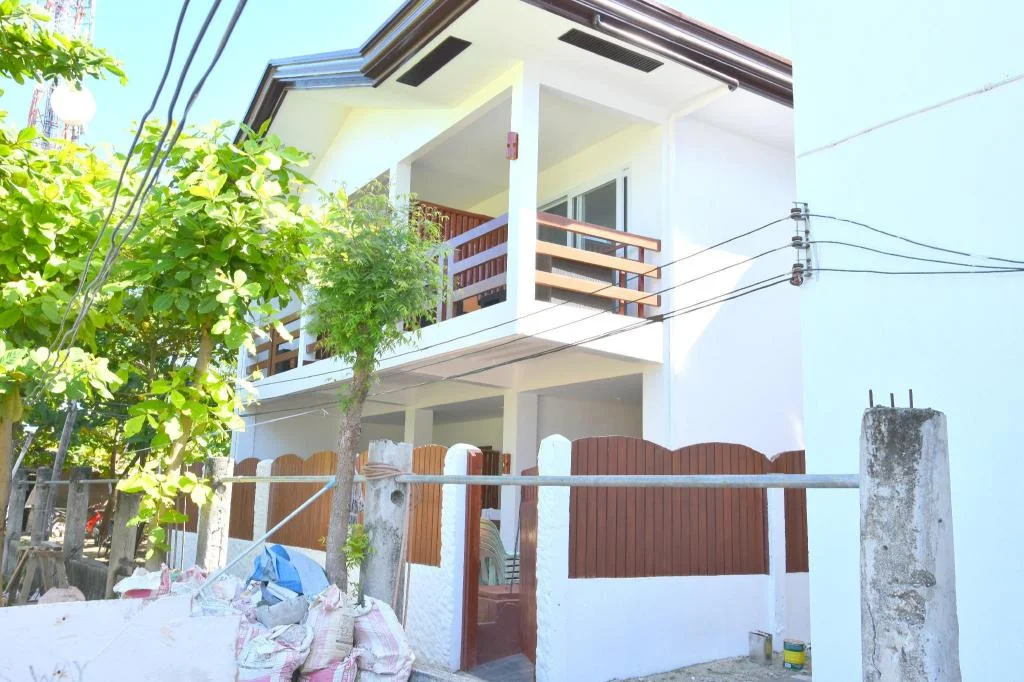
Malapatel
Prefer a rental? Vacation rentals near Daanbantayan
Self-catering condos and apartments — book the exact unit, kitchen included.
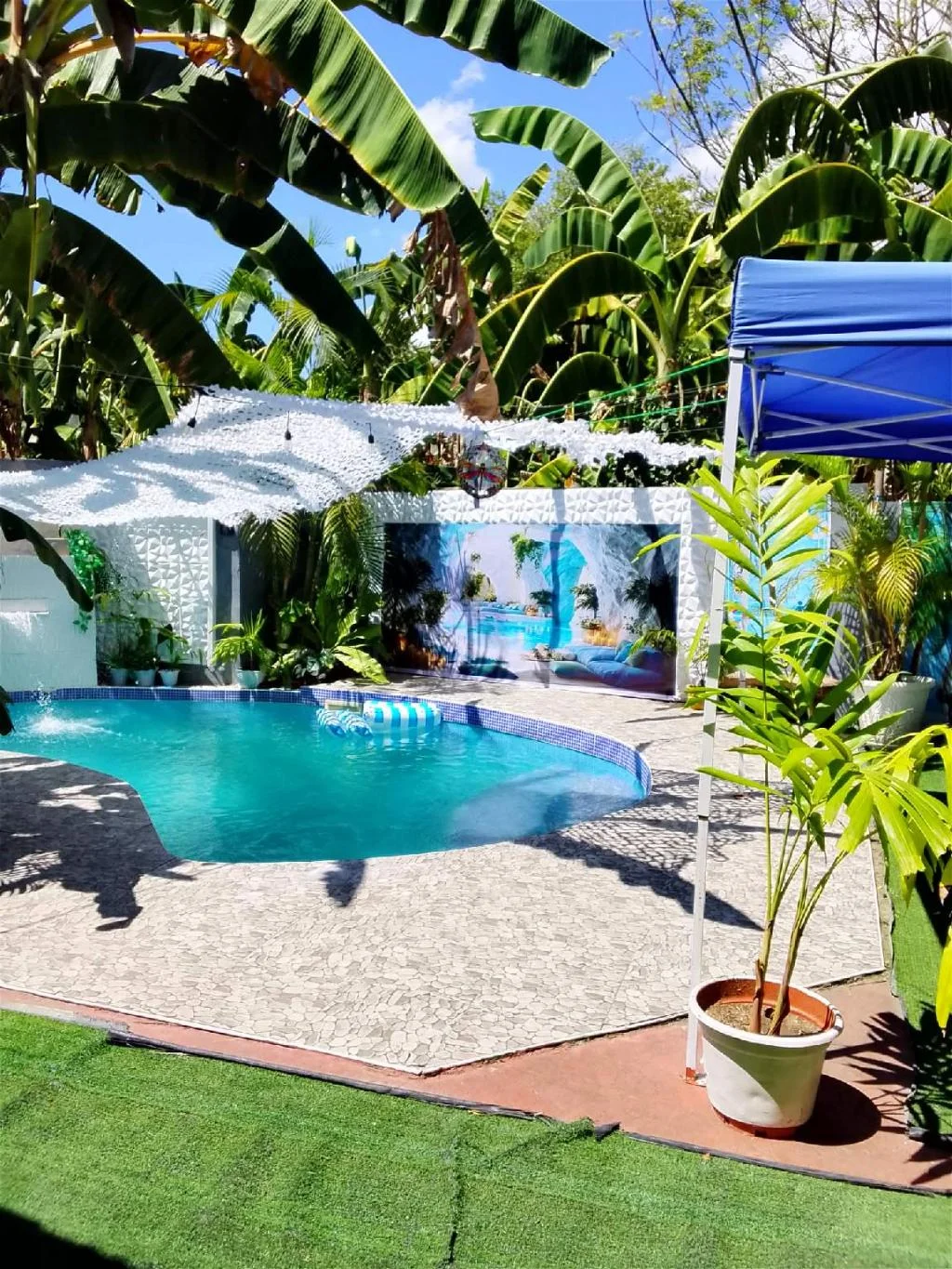
Two crazy monkeys
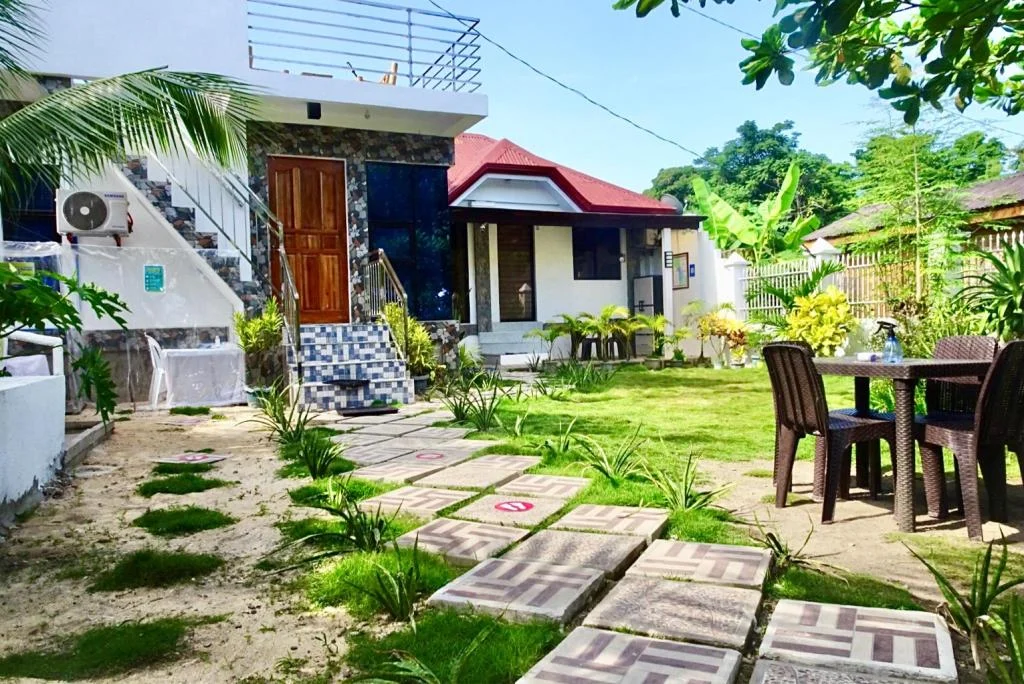
Chief's Villa 2 (Save up to50 prcnt for long term)
Little Sanity beach house
Before you go
Frequently asked
What is the best month to see thresher sharks in Malapascua?
Are thresher shark sightings guaranteed in Malapascua?
Is it Monad Shoal or Kimud Shoal for thresher sharks now?
What certification do you need to dive with thresher sharks?
What time do the shark dives start?
How much does a thresher shark dive cost in Malapascua?
Should I avoid Malapascua during typhoon season?
Do I need to get to Malapascua the night before a shark dive?
More Places to Explore
Malapascua Island
Daanbantayan
A world-famous diving paradise known for thresher shark encounters, featuring beautiful white sand beaches and laid-back island vibes.
Thresher Shark Diving
Daanbantayan
One of the world's only reliable locations to dive with pelagic thresher sharks at the famous Monad Shoal cleaning station.