
TL;DR: The chamber serving Cebu’s divers is the PCSSD Hyperbaric Chamber Facility in Mandaue City — four hours from Malapascua. A session runs about ₱38,000 (US$655) plus oxygen. A second chamber is planned for Malapascua/Daanbantayan. If something goes wrong: stop diving, give 100% oxygen, and call DAN at 02-8231-3601. Not medical advice. Verified July 2026.
Cebu is a real diving destination — deep wall dives in Moalboal, thresher shark dives past 30 meters off Malapascua — which means it carries the real risk of any serious dive destination: decompression sickness, and a recompression chamber that isn’t around the corner. The Mandaue chamber is also a multi-hour drive from Moalboal, and serious cases often need more than one treatment session. A second chamber is in development for Malapascua/Daanbantayan — contractor named, roughly ₱7.2 million budgeted — but no opening date is confirmed as of mid-2026, so verify locally before counting on it. If something does go wrong, DAN’s international line (+1-919-684-9111) backs up the Philippines number above, and the priority after oxygen is getting the diver moving toward Mandaue. This guide is deliberately narrow and practical: where the chamber actually is, what’s changing, the emergency flow every diver here should know before getting in the water, and who to call. For insurance shopping and broader dive safety, see our companion guides linked throughout — this one is about what to do in the moment.
Cebu’s Recompression Chamber, at a Glance
| Detail | Information |
|---|---|
| Facility | PCSSD Hyperbaric Chamber Facility |
| Location | TIEZA Building, P. Burgos St. cor Andres Soriano Ave, Brgy. Centro, Mandaue City |
| 24/7 contact | +63 928 242-6237 (PCSSD chamber line) |
| From Malapascua | ~4 hours (boat crossing + road transfer) |
| From Moalboal | Multi-hour road trip across the island |
| Treatment cost | ~₱38,000 (US$655) per session, plus oxygen; multiple sessions possible |
| Treatment protocol | Pressurized to 2.8 ATA on pure oxygen, ~5 hours, gradual return to normal pressure |
| Second chamber (planned) | Daanbantayan/Malapascua, contractor Saniya Construction, ~₱7.2 million, no confirmed opening date as of mid-2026 |
Verified July 2026 against PCSSD, TIEZA/DOT, and operator sources cited below. Confirm current status directly with your dive shop before you dive.
Where Is the Chamber That Actually Serves Cebu?
The PCSSD Hyperbaric Chamber Facility sits in Mandaue City, on mainland Cebu near Metro Cebu — not on any of the outer islands where the diving actually happens. That geography is the whole safety story here: for a diver in Moalboal, it’s a multi-hour drive across the island. For a diver at Malapascua, operators describe the realistic evacuation as roughly four hours — a boat crossing back to the mainland followed by a road transfer to Mandaue. No dive shop can shorten that distance; it’s simply where the one functioning chamber is. That’s exactly why every reputable shop briefs current, depth, and no-decompression limits seriously rather than treating it as paperwork.
Is a Second Chamber Really Coming to Malapascua?
Yes, according to Philippine Department of Tourism and TIEZA reporting from early 2025 — but treat it as in-progress, not yet operational, until you confirm otherwise locally. As of a February 2025 report, TIEZA had already issued notice to proceed to contractor Saniya Construction for a new hyperbaric chamber facility in Daanbantayan, Malapascua’s home municipality, at a stated project cost of roughly ₱7.2 million. It’s part of a broader Department of Tourism push to add chambers in other dive-heavy provinces too, including Camiguin, Oriental Mindoro, and Boracay. No public completion or go-live date had been confirmed as of mid-2026 in the sources available for this guide — before you rely on a Malapascua chamber existing, ask your dive shop directly whether it’s operational yet, since a planned facility and a functioning one are two different things for emergency planning purposes.
What’s the Actual Emergency Flow If Something Goes Wrong?
Stop, oxygen, call, go — in that order, and don’t skip the oxygen step waiting for someone else to arrive. This is general safety information based on the Divers Alert Network’s published first-response guidance, not personalized medical advice; your dive professional’s specific briefing and DAN’s direct instructions in a real emergency always take priority over this summary.
- Stop the dive and get the diver to the surface safely — a normal, controlled ascent unless remaining underwater is itself unsafe.
- Start emergency oxygen at 100% concentration as soon as possible. This is the single most time-critical action a boat crew or buddy can take before professional help arrives, and it’s why reputable Cebu dive shops carry oxygen on every boat.
- Keep the diver lying down and comfortable. If they’re conscious and not vomiting, mild hydration is generally recommended; don’t force fluids on someone who isn’t fully alert.
- Call for help immediately — DAN’s emergency line, plus your dive shop’s own designated emergency contact, who should already know which chamber to coordinate with and how.
- Begin transport toward definitive care — for Cebu, that means moving toward the Mandaue chamber, coordinated with DAN or a dive medicine professional by phone while transport is arranged.
Before you ever get in the water, ask your shop directly what their specific emergency plan is: which chamber they coordinate with, whether oxygen is on every boat, and who owns the evacuation call. A shop with a clear, rehearsed answer is doing its job; one without an answer is a red flag.
How Much Does Chamber Treatment Cost, and Who Pays?
Budget roughly ₱38,000 (about US$655) per session, not including oxygen, and know that serious cases often need more than one. A standard treatment protocol pressurizes the chamber to 2.8 ATA while the patient breathes pure oxygen for about five hours, before a gradual return to normal atmospheric pressure. That per-session figure doesn’t include the oxygen itself, ongoing monitoring, or the transport that got you there — and none of it typically falls under a regular travel policy the way a dedicated dive accident plan does. Our dive insurance and safety guide covers what a DAN-style plan actually costs and what it covers in detail; this guide is focused on the emergency itself, not the policy shopping.
How Do You Reach DAN in an Emergency?
Save two numbers before you dive, not after: 02-8231-3601 for DAN’s emergency line within the Philippines, and +1-919-684-9111 for DAN’s international emergency hotline if you’re calling from outside the country. DAN states its medics are available 24/7/365 specifically for dive emergencies — these are not general customer service lines, and DAN asks that they be used for genuine emergencies only. Screenshot or write down both numbers, plus your dive shop’s own emergency contact and the PCSSD chamber’s line, before you leave for your first dive day; don’t assume you’ll have signal or time to search for them later.
Why This Makes Dive Insurance Non-Negotiable
The math here is blunt: a multi-hour evacuation, a ₱38,000-plus chamber session that’s often not a single visit, and a standard travel policy that frequently excludes scuba diving outright or caps evacuation coverage well below what a real case costs. That combination is exactly why Cebu’s dive shops push DAN-style dive accident coverage so directly rather than assuming your general travel insurance has you covered. If you haven’t sorted this yet, read our dive insurance and safety in Cebu guide for what a dive-specific plan actually costs and covers, and our travel insurance for Cebu and the Philippines guide for the non-diving side of your coverage — buy both before you fly, not after you’re already in the water.
The Honest Take
Cebu’s dive emergency infrastructure is real but thin — one functioning chamber for the whole province, hours away from the best dive sites by boat and road, with a second facility for Malapascua still working through construction as of the most recent public reporting available. No operator can shorten that geography, and no amount of marketing changes it. What you can control is everything upstream of an emergency: dive within your certification and no-decompression limits, choose a shop that takes oxygen and evacuation planning seriously rather than treating it as a formality, carry real dive accident insurance, and know the DAN numbers before you need them. The divers who end up needing that four-hour transfer are almost always the ones who pushed past a limit someone told them not to — don’t be the case study this guide is written to prevent.
Before You Dive
Confirm your specific dive shop’s emergency plan before your first dive day, save the DAN and PCSSD numbers where you can find them offline, and make sure your coverage is sorted — read dive insurance and safety in Cebu and our full Cebu diving guide for how to plan a trip that stays well inside safe limits. If you need a base close to a reputable, safety-conscious dive shop, compare dive-friendly stays in Moalboal on Agoda, and browse current Cebu dive packages on Klook from operators who can speak clearly to their emergency plan when you ask.
Sources
- Divers.ph — Dive Emergency Contacts (PCSSD chamber address and contact, DAN Philippines number)
- Evolution Diving Resort — “A Day Trip to Avoid in Cebu” (chamber location, treatment protocol and cost, evacuation time from Malapascua)
- Divers Alert Network (DAN World) — Contact Us (emergency hotline numbers, Philippines and international)
- The Freeman/Philstar — “More hyperbaric chambers coming soon” (Feb 8, 2025) (Malapascua/Daanbantayan chamber project, contractor, cost)
- Dive Philippines — Hyperbaric Chambers (background on Philippine chamber network)
- This guide is general safety information, not medical advice — always follow your dive professional’s briefing and DAN’s direct guidance in an actual emergency. Verified July 2026.
Book Tours & Hotels for This Trip
Find and book the best deals — prices and availability update in real time. Links open in a new tab.
Where to stay near Moalboal
Top-rated hotels for this trip — tap through to check live rates.
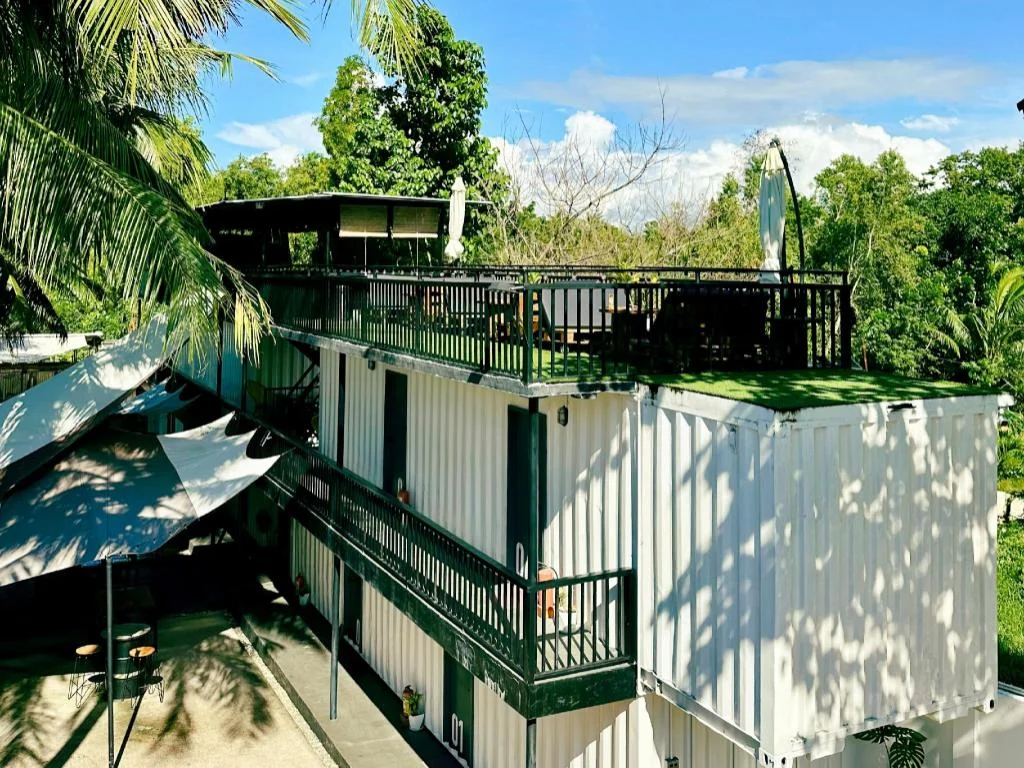
PIG DIVE HOSTEL MOALBOAL
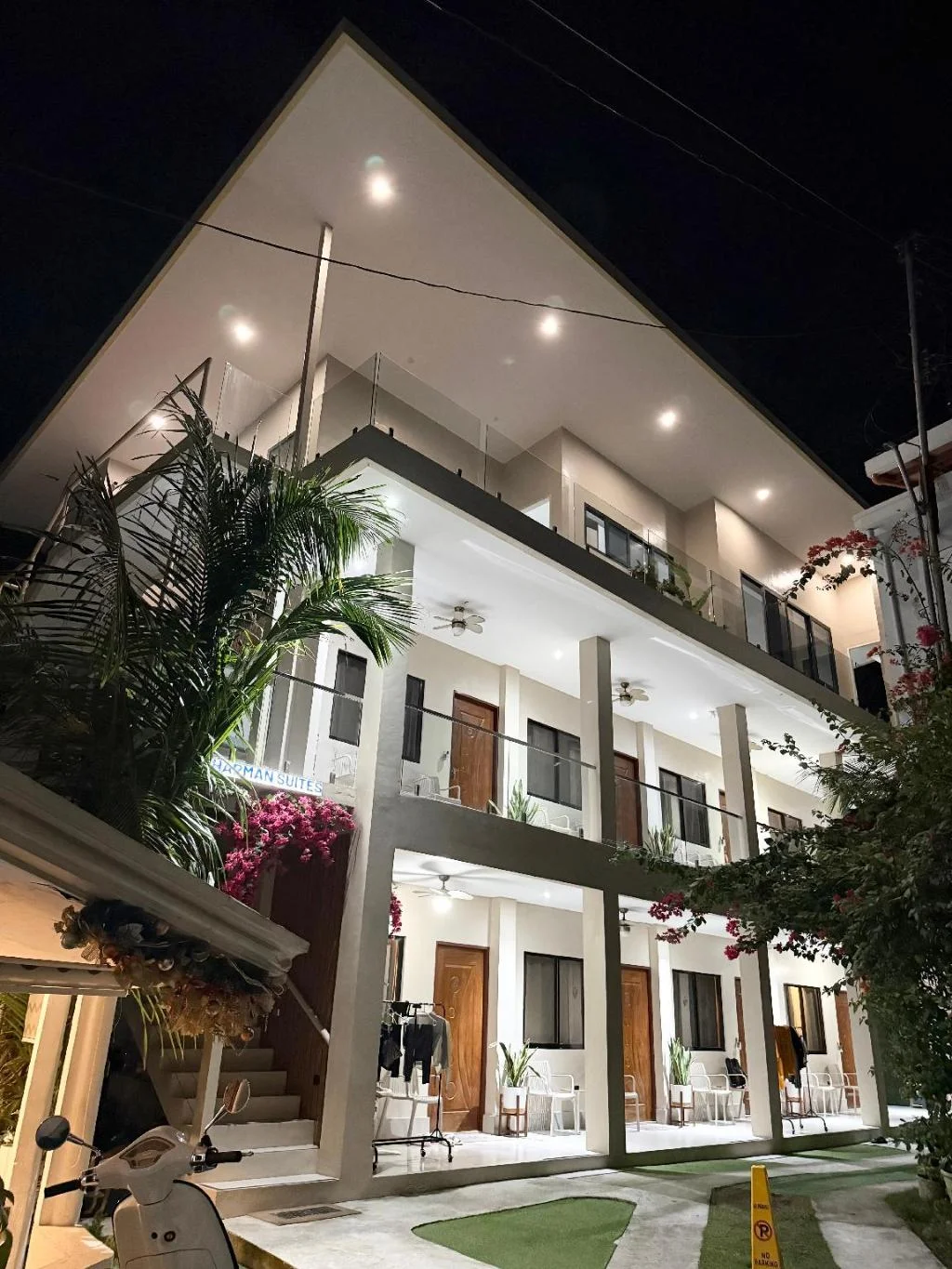
Harman Suites Moalboal
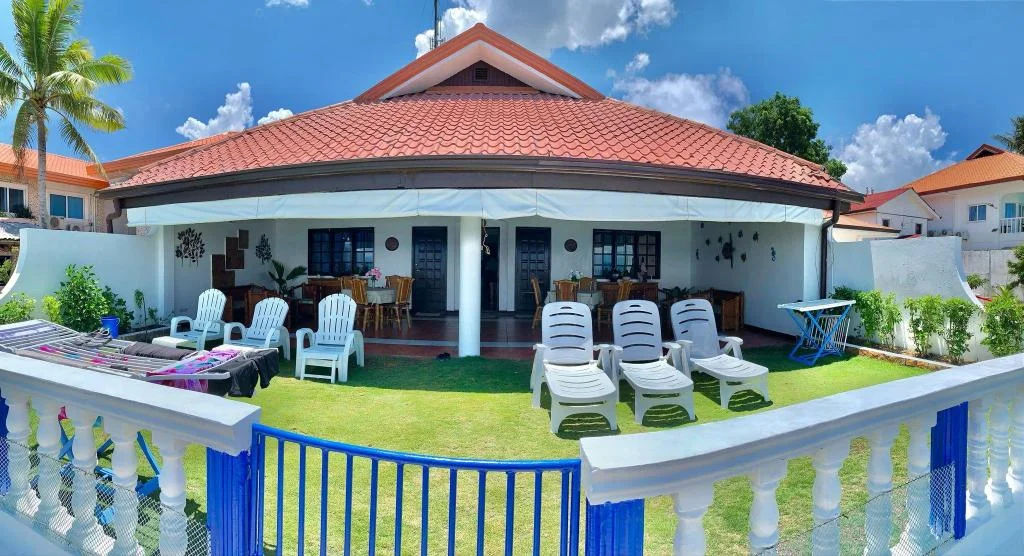
Il Sogno Resort
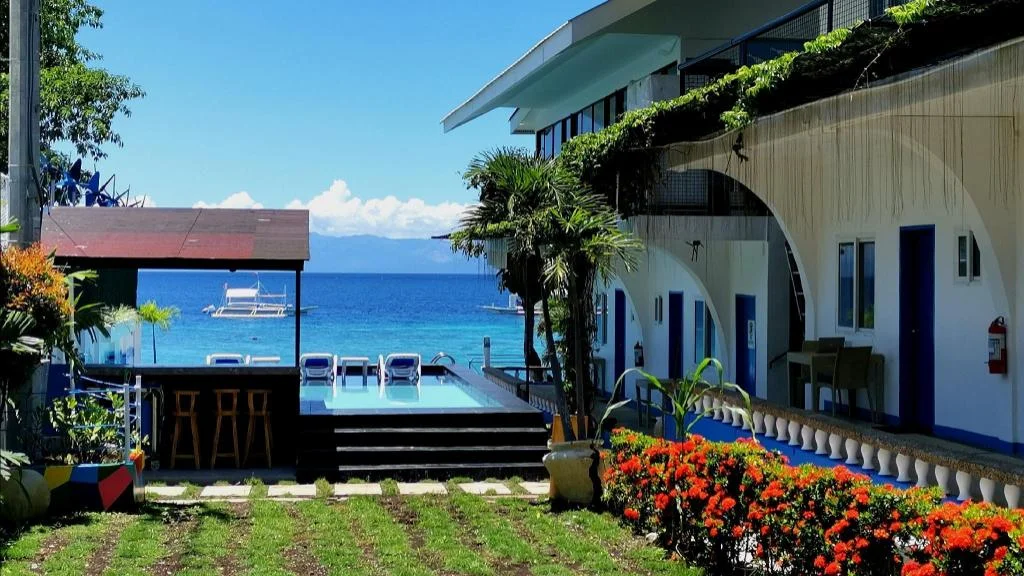
Pescadores Suites Moalboal
Prefer a rental? Vacation rentals near Moalboal
Self-catering condos and apartments — book the exact unit, kitchen included.
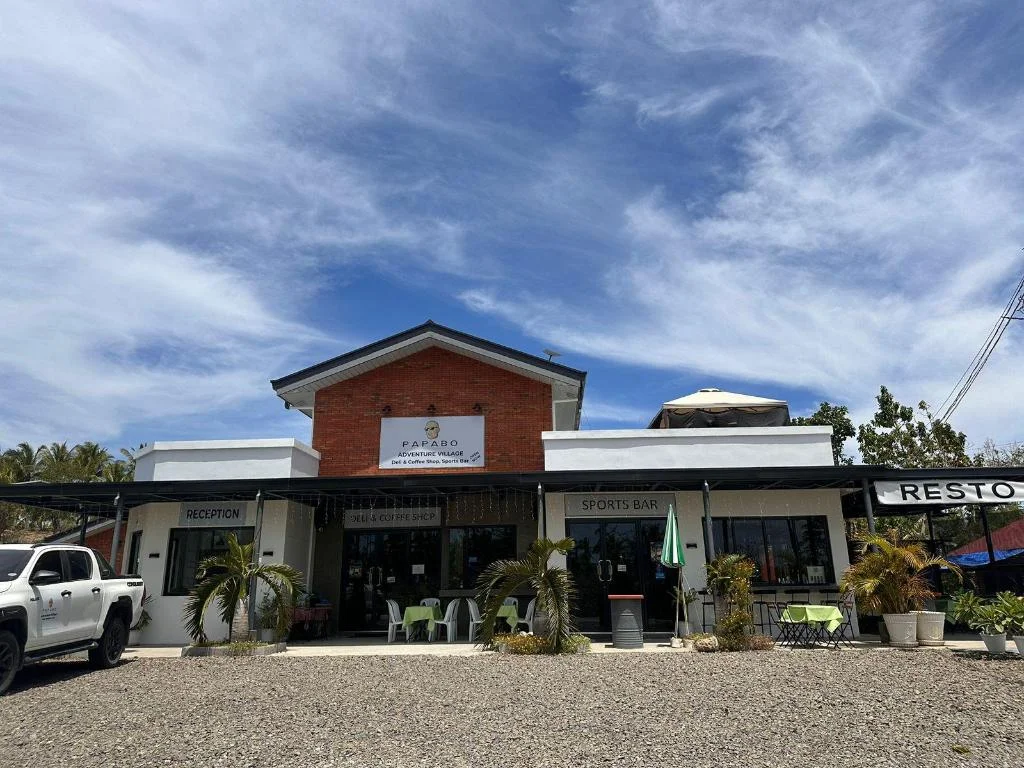
PAPABO Adventure Village
Casa de Moalboal
Althea Appartelle
Before you go