
TL;DR: For a real emergency, go to a private hospital ER — Chong Hua Hospital or Cebu Doctors’ University Hospital (CDUH), both in Cebu City with 24-hour emergency departments. Expect roughly ₱1,500–15,000 (US$26–260) for a private ER visit, paid upfront or guaranteed by insurance. Mercury Drug covers most pharmacy needs, with a 24-hour branch at Fuente Osmeña. Divers should confirm decompression chamber status locally before any dive with stops, and everyone should watch for dengue in the rainy season. Travel insurance with at least US$50,000 in emergency medical coverage is non-negotiable — tourists can’t enroll in PhilHealth. Verified July 2026.
Getting sick or hurt on a trip is nobody’s plan, but Cebu is worth being prepared for, precisely because it’s such an active destination — waterfalls, canyoneering, diving, scooters, spicy street food, long humid days. The good news: Cebu is the medical hub for the entire Visayas region, with solid private hospitals and pharmacies on nearly every corner. The part that trips up travelers is knowing where to go, what it costs without local insurance, and what to do about the specific risks of a Cebu trip — dive injuries and dengue chief among them. This guide is the traveler-first companion to our broader hospital breakdown; read that one for the full rundown of every hospital, and use this one for what actually matters when you’re the one who needs care.
What to Know Before Anything Goes Wrong
| Situation | What to do | Verified July 2026 |
|---|---|---|
| Real emergency (chest pain, bad fall, accident) | Private hospital ER — Chong Hua or CDUH, both 24-hour | ₱1,500–15,000 (~US$26–260) |
| Need medicine, OTC or prescription | Mercury Drug (largest chain); 24-hour branch at Fuente Osmeña | Most branches close with mall hours |
| Dive injury / suspected decompression sickness | Nearest hospital ER first, then DAN + nearest chamber | Confirm chamber status locally |
| High fever, rash, joint pain (possible dengue) | Hospital or clinic same day, not “wait and see” | Rapid test + private ER visit cost as above |
| No travel insurance | Private hospitals require deposit/guarantee upfront | Get insured before you fly, not after |
Which Hospital Should You Actually Go To?
For anything serious, go private and go to Chong Hua Hospital or Cebu Doctors’ University Hospital (CDUH) — both run 24-hour ERs and are where expats and travel insurers route foreign patients first. Chong Hua has campuses near Fuente Osmeña and in Mandaue City, with particular depth in cardiology and nephrology. CDUH, on Osmeña Boulevard, is best known for its heart center and orthopedics. Perpetual Succour (Gorordo Avenue) and UCMed (Mandaue) are solid alternatives if you’re closer to them. Public hospitals like Vicente Sotto Memorial Medical Center carry the region’s heaviest trauma and specialist caseload but are built around PhilHealth members, not foreign walk-ins — you’d typically only end up there via referral for major trauma. For the full comparison of every hospital’s specialties, costs, and locations, see our best hospitals in Cebu guide.
If you’re out sightseeing in the Busay hills — say, at Temple of Leah or Tops Lookout — and something happens, Chong Hua and CDUH are both roughly 30–45 minutes away by road depending on traffic. Ask a staff member, a tour driver, or your resort to call a taxi or ambulance rather than trying to flag one down on the highway yourself.
What Does an ER Visit Actually Cost?
Budget roughly ₱1,500–15,000 (about US$26–260) for a private ER visit, and expect to pay it upfront or show proof of coverage before anything beyond a basic consultation. A simple consult and basic treatment sits at the low end; imaging, IV fluids, or an overnight stay push it higher. Public hospital ERs start around ₱300 (about US$5), but that figure doesn’t include most tests, medication, or admission. General outpatient consultations run ₱700–1,500 (~US$12–26), and specialist visits ₱1,000–2,500+ (~US$17–43+). These are general ranges, not quotes — always confirm the current rate and any deposit requirement with the hospital’s billing office, and check with your insurer what documentation they need (a guarantee letter, in-network status, pre-authorization) before you’re admitted.
Private hospitals will treat a genuine emergency regardless of your ability to pay on the spot, but the bill still comes due afterward. That’s the entire case for travel insurance — see below.
Where Do You Buy Medicine as a Traveler?
Mercury Drug is the pharmacy chain you’ll see everywhere in Cebu — inside SM, Ayala, and Robinsons malls, along Colon Street, and scattered through Cebu City, Mandaue, and Lapu-Lapu. Most branches keep mall or standard retail hours, but a handful of standalone locations run 24 hours, including one at the Fuente Osmeña rotonda. Watsons and The Generics Pharmacy are also common for over-the-counter medication, rehydration salts, sunscreen, and basic first-aid supplies — you generally don’t need a Cebu-specific prescription for common OTC items, though anything controlled will require proper documentation. If you’re on a maintenance medication, bring enough for the whole trip plus a buffer, in its original packaging, with a doctor’s note — don’t assume you’ll find your exact brand here.
What About Diving Injuries and Decompression Sickness?
If you’re diving in Moalboal, Malapascua, or Mactan and suspect decompression sickness (the bends), get to the nearest hospital ER immediately for stabilization and oxygen, then contact Divers Alert Network (DAN) to coordinate transfer to a recompression chamber. The Philippines has only a handful of operational hyperbaric chambers nationwide, and as of recent reporting the one serving the Cebu region is in Mandaue City, with the Department of Tourism reported to be developing an additional chamber for Malapascua/Daanbantayan to cover north Cebu’s dive sites. Chamber availability and operating status can change, so this is one of those things to confirm directly with your dive operator or DAN before any dive involving decompression stops — don’t take it on faith from a blog post, including this one.
Save the DAN emergency hotline before you dive (dan.org / danasiapacific.org lists current numbers for the Asia-Pacific region) — DAN staff are trained specifically in dive medicine and can coordinate both evacuation and chamber treatment, which a general travel insurer’s call center often can’t do as quickly. If you’re taking an open-water course or booking dive trips, make sure your travel insurance explicitly covers diving and decompression treatment — it’s a common exclusion, not an automatic inclusion.
Should You Worry About Dengue in Cebu?
Yes, especially in the rainy season (roughly June through October). Central Visayas has recorded a real rise in dengue cases in recent years — regional health data logged over 7,500 infections and 16 deaths across the region in a single reporting period, with Cebu province logging the highest case count of any province and Cebu City cases at one point running over 100% above the prior year. Health authorities have also flagged the risk of further spikes after heavy rain and flooding, since standing water is where the mosquitoes that carry dengue breed.
The practical response: use mosquito repellent with DEET or picaridin, especially at dawn and dusk when the mosquitoes that spread dengue are most active, and don’t leave standing water around wherever you’re staying. Symptoms — sudden high fever, severe headache, pain behind the eyes, joint and muscle pain, rash, or bleeding gums — warrant a hospital or clinic visit the same day, not a wait-and-see approach at your hotel; dengue can turn serious a few days after the fever starts. Private hospitals in Cebu run rapid dengue tests and are well equipped to manage it with supportive care (fluids, monitoring, rest) — there’s no cure beyond that, which is exactly why catching it early matters.
Do You Actually Need Travel Insurance?
Yes — treat it as a precondition for the trip, not an optional add-on. Tourist visas don’t qualify you for PhilHealth, the Philippines’ national health insurance; that’s only open to foreigners with long-term residency, a work visa, a retirement visa (SRRV), or marriage to a Filipino citizen. Without insurance, a private hospital ER visit, imaging, or an overnight admission is entirely out of your own pocket, and hospitals generally want a deposit or an insurer’s guarantee letter before treating anything non-critical.
Standard advice for the region is at least US$50,000–100,000 in emergency medical coverage, plus medical evacuation coverage if you can get it — a stretcher flight home with a medical escort can run tens of thousands of dollars on its own, a bill no traveler wants to discover mid-crisis. Read the policy before you fly: confirm it actually covers what you’re doing in Cebu — diving, canyoneering, scooter riding, hiking — since these are some of the most commonly excluded activities in basic travel policies. See our travel insurance for the Philippines guide for how to pick a policy that actually covers a Cebu-style trip.
Before You Go: A Short Checklist
- Buy travel insurance with real medical and evacuation coverage, and confirm it covers your planned activities.
- Pack a basic first aid kit — antihistamines, anti-diarrheal medication, oral rehydration salts, insect repellent, adhesive bandages, and any prescription medication in original packaging with a doctor’s note.
- Save emergency numbers — your insurer’s 24-hour line, DAN if you’re diving, and the nearest private hospital to where you’re staying.
- Screenshot or print your policy in case you lose signal or your phone dies when you need it most.
- Check water safety habits before you go — see our guide on tap water safety in Cebu to avoid the stomach issues that send a lot of travelers to a clinic in the first place.
- Read our safety overview for the everyday precautions (scams, traffic, swimming conditions) that matter more day-to-day than any hospital visit — see is Cebu safe for tourists.
The Honest Take
Most Cebu trips never come near a hospital, and that’s the honest baseline — this guide exists for the minority of cases, not because Cebu is unusually dangerous. Where Cebu genuinely earns some caution is the activity mix: canyoneering, diving, scooters, and hiking all carry real injury risk, and dengue is a rainy-season reality rather than a rare scare story. The good private hospitals here are genuinely competent by regional standards, and the bottleneck is almost never medical quality — it’s cost and paperwork if you show up uninsured. Buy the insurance, keep the numbers saved, and you’ve handled 90% of what could go wrong. If you’re staying near Cebu City for a while, or need somewhere central to base yourself close to Chong Hua or CDUH while you sort out a follow-up appointment, compare hotels in Cebu City on Agoda — being a short ride from a hospital is a reasonable priority if you’re recovering from anything. And if you’ll be offline in Moalboal or Malapascua and want to be reachable by your insurer or dive shop, grab a Philippines eSIM through Klook before you leave the city.
Sources
- Chong Hua Hospital — official site and ClinicFinderPH listing
- Cebu Doctors’ University Hospital / CebuDoc Group — official site and ClinicFinderPH listing
- PinoyMedical — Emergency Room (ER) price ranges in the Philippines
- MedicalPinas — hospital and consultation fee ranges
- Mercury Drug — official store locator
- The Freeman/Philstar — “More hyperbaric chambers coming soon,” Feb 2025
- Divers Alert Network (DAN) — dan.org and DAN Asia-Pacific
- Philstar/The Freeman — Central Visayas dengue case reporting, 2025 and Cebu City dengue case reporting, 2025
- PhilHealth foreign-national enrollment rules per public expat health-insurance guides, 2025–2026 reporting. Verified July 2026.
For the full hospital-by-hospital breakdown, read best hospitals in Cebu; for the everyday safety picture, see is Cebu safe for tourists; and for what to actually pack, see what to pack for Cebu.
Book Tours & Hotels for This Trip
Find and book the best deals — prices and availability update in real time. Links open in a new tab.
Where to stay near Cebu City
Top-rated hotels for this trip — tap through to check live rates.
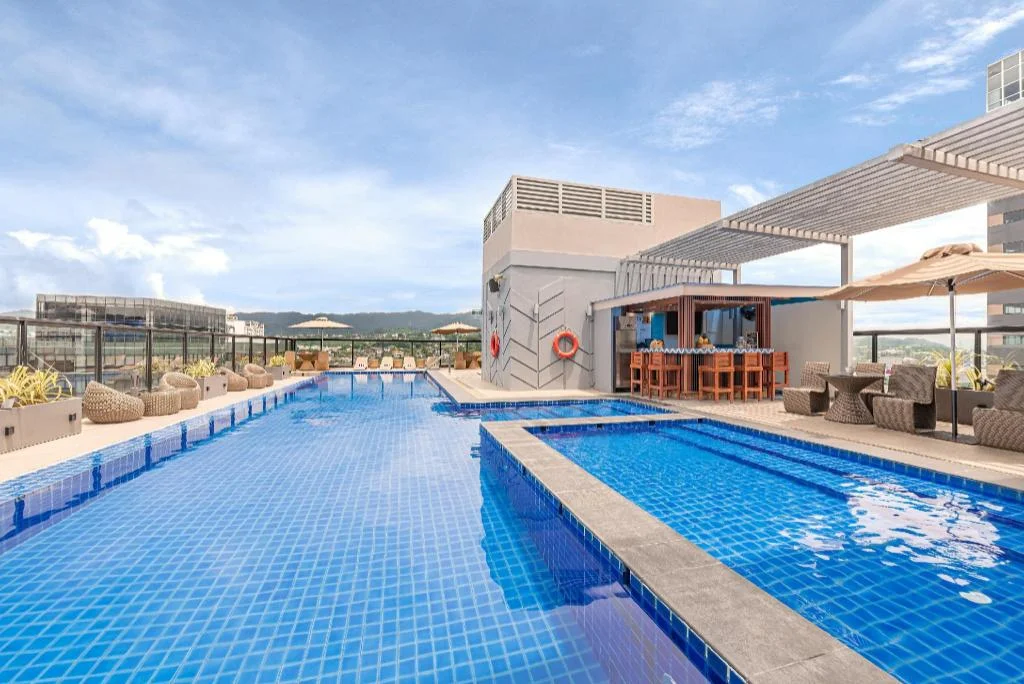
Seda Central Bloc Cebu City
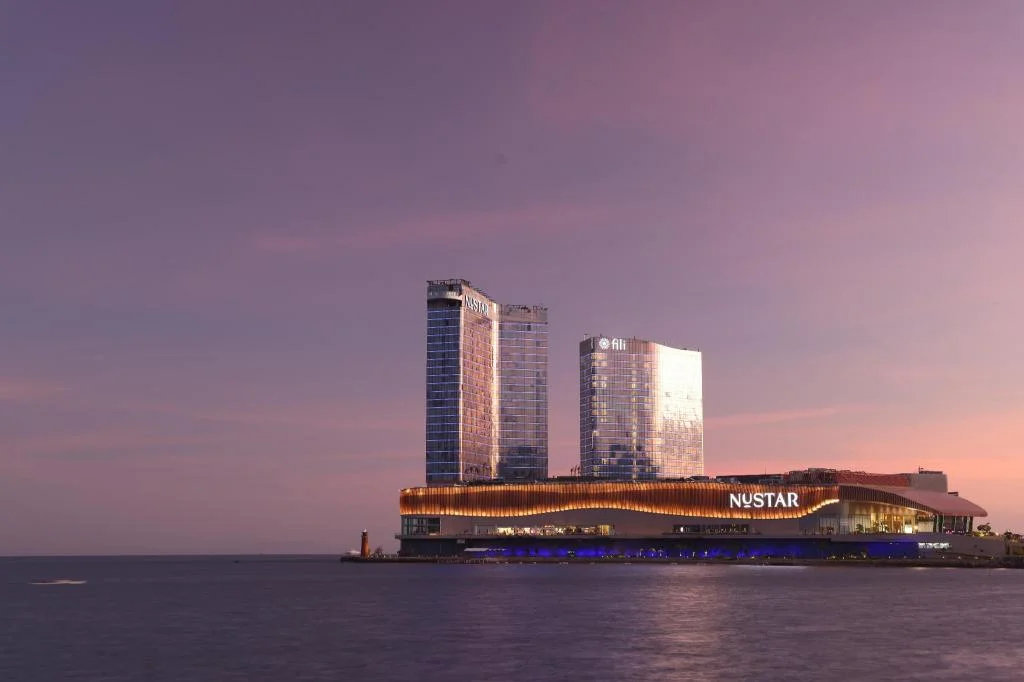
Fili Hotel - NUSTAR Resort & Casino Cebu
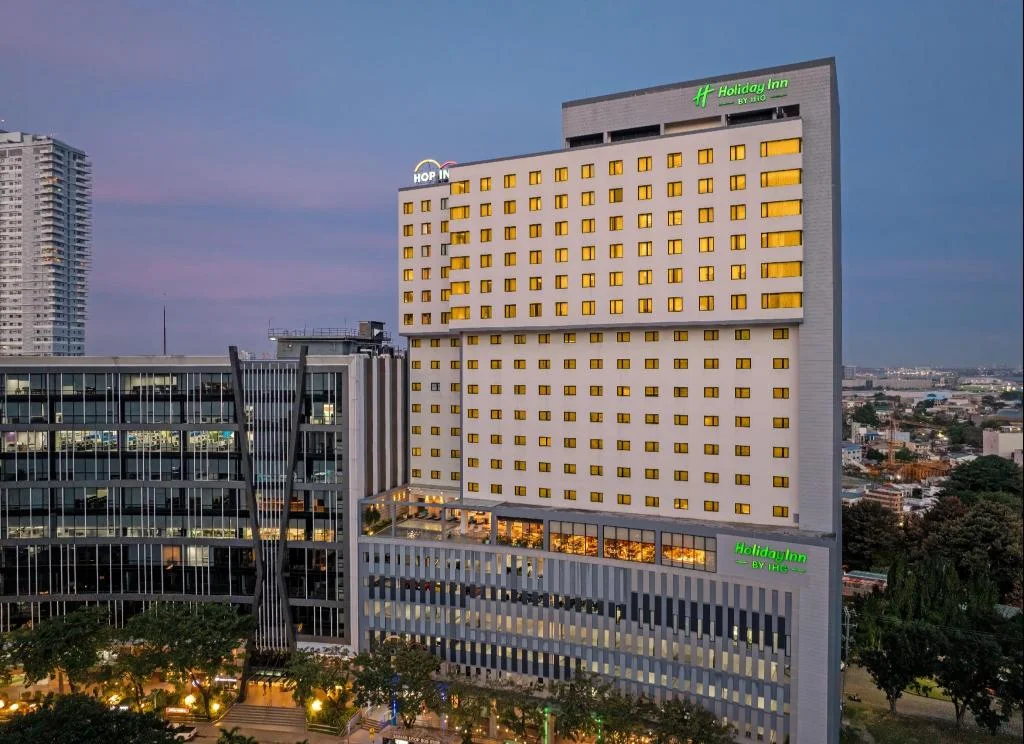
Holiday Inn Cebu City By IHG
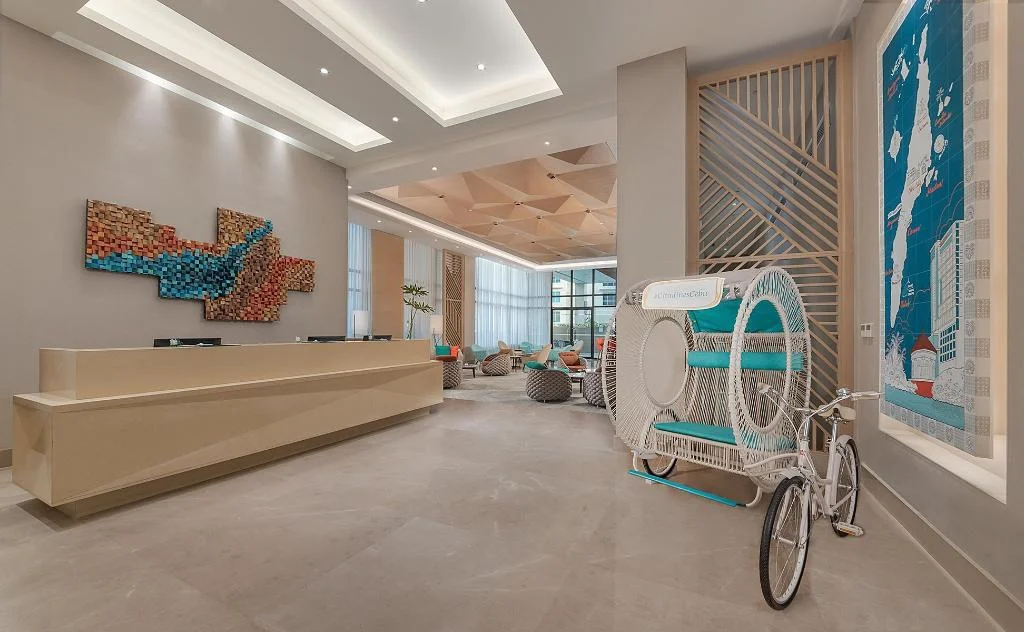
Citadines Cebu City
Prefer a rental? Vacation rentals near Cebu City
Self-catering condos and apartments — book the exact unit, kitchen included.
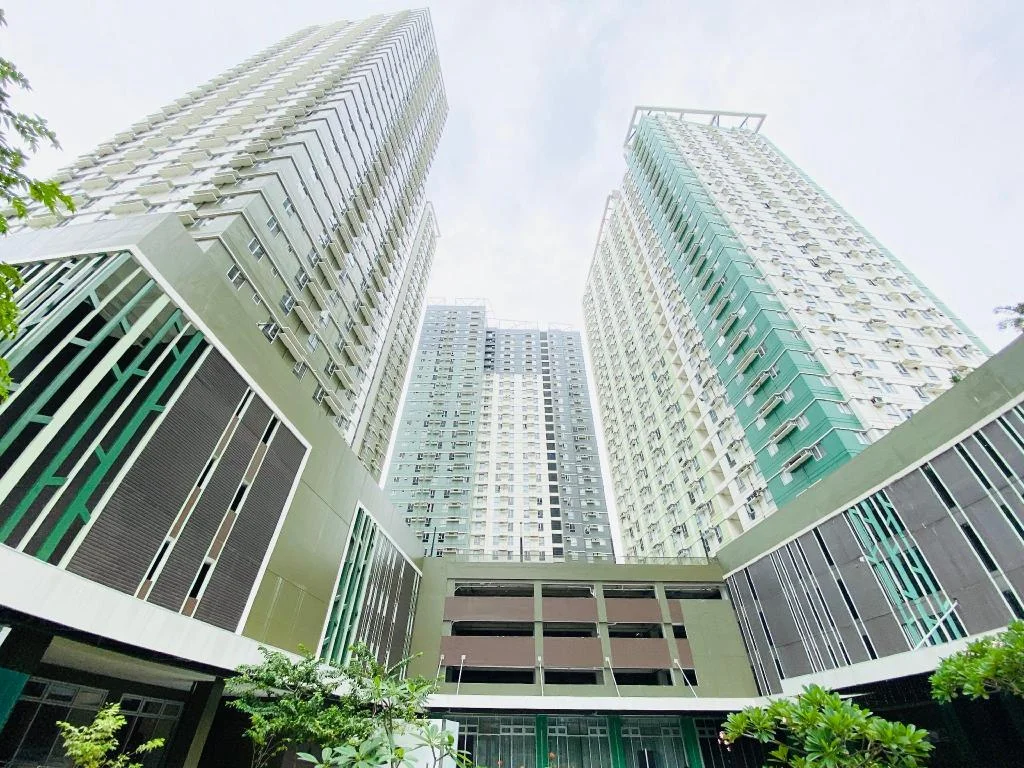
Cebu Avida Riala by P&J
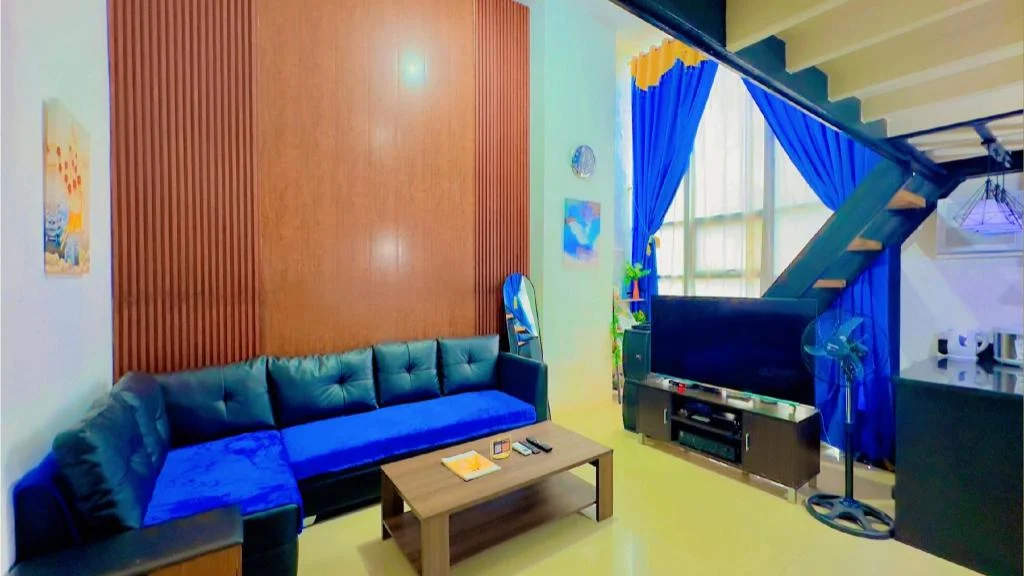
Special Big Loft Unit w/Fibreop Internet & Netflix
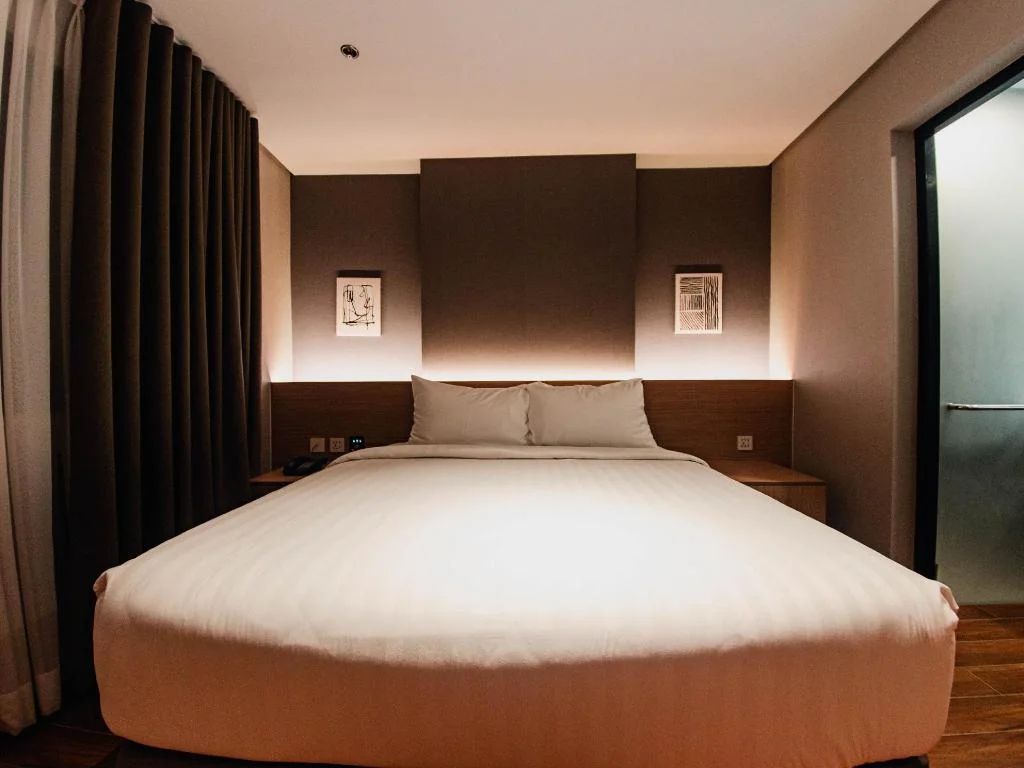
Moonstar Cebu Hotel - Deluxe Room
Before you go
Frequently asked
What should a tourist do in a medical emergency in Cebu?
Will a Cebu hospital treat me without travel insurance?
Where can tourists buy medicine in Cebu?
Is there a decompression chamber in Cebu for diving emergencies?
Should tourists worry about dengue in Cebu?
How much does travel insurance for Cebu cost, and how much coverage do I need?
Can foreigners use PhilHealth in Cebu?
What should I pack for medical safety before a Cebu trip?
More Places to Explore
Temple of Leah
Cebu City
A magnificent Roman-inspired temple built as a monument of love, nicknamed 'Cebu's Taj Mahal,' offering stunning architecture and city views.
Tops Lookout
Cebu City
Cebu City's premier hilltop viewpoint offering stunning panoramic views of the city, especially spectacular at sunset and nighttime.