
TL;DR: Yes — Cebu is generally safe for tourists, and the large majority of visits are completely trouble-free. The main tourist zones (Mactan, IT Park, Ayala, Moalboal, Oslob) are well used to foreign visitors, Filipinos are famously friendly, and English is widely spoken. The realistic risk is petty crime — pickpocketing and scams — far more than violent crime. The honest watch-list: overpriced taxis (use Grab), tour touts, the odd skimming ATM, motorbike-taxi and road safety, strong currents at some beaches, stomach bugs from tap water, and typhoon season (Jun–Nov). Apply normal travel common sense, use reputable operators, and buy travel insurance. Verified June 2026.
This is an honest, balanced safety guide — not a scare piece and not a brochure. Where there’s a real risk, we say so plainly, and we tell you how to manage it.
Cebu Safety at a Glance
Here’s the whole picture in one table — the concerns travelers actually ask about, an honest read on how real each risk is, and the one habit that handles it.
| Concern | Real risk level | How to stay safe |
|---|---|---|
| Petty theft / pickpocketing | Low–moderate (highest in crowds) | Keep valuables low-key and zipped; watch bags in markets, jeepneys, and ferries |
| Scams (taxis, touts, ATMs) | Moderate, but easily avoided | Use Grab, agree prices up front, book tours via reputable operators, use bank/mall ATMs |
| Transport & roads | Moderate | Prefer Grab cars; treat habal-habal motorbikes with caution; helmets, no rushing |
| Water & adventure activities | Low–moderate with care | Heed currents and local advice; use licensed canyoneering/dive operators with proper gear |
| Health (sun, dengue, food/water) | Low–moderate | Bottled water, sun protection, mosquito repellent, busy/popular eateries |
| Weather (typhoons Jun–Nov) | Seasonal | Travel insurance, flexible plans, monitor forecasts, keep ferry trips loose |
| Violent crime against tourists | Low | Normal city sense; avoid quiet areas late at night; don’t flash valuables |
Verified June 2026. Risk levels are relative for a typical tourist following ordinary precautions — they are not a guarantee. Conditions vary by place and time; confirm locally and use your own judgement.
The pattern across that table is the single most useful thing to internalize: in Cebu, the things most likely to go wrong are petty and preventable, not dramatic. Get the basics right and you remove most of the risk.
Is Cebu Safe for Tourists?
Yes. Cebu is generally safe for tourists, and most visits pass without any trouble at all. It’s one of the most-visited and most tourist-ready parts of the Philippines, with a long-established international airport on Mactan, big resort areas, and tour towns like Moalboal and Oslob that see foreign visitors every single day.
What that means in practice: locals are used to travelers, English is spoken almost everywhere, and the infrastructure for tourists — Grab, ATMs, hospitals, organized tours — is well developed. The friendliness Filipinos are known for is real, and it makes a lot of everyday situations easier and safer.
The honest caveat is the same one that applies to most popular destinations: petty crime exists, and it concentrates where tourists and crowds do. Pickpocketing in a packed market, an overpriced taxi, an opportunistic scam — these are the realistic risks, and they’re far more common than anything violent happening to a visitor. Treat Cebu the way you’d treat any unfamiliar city: stay aware in crowds, don’t flash cash or expensive gear, and keep your wits about you at night. Do that, and the odds are firmly in your favor.
Is Cebu Safe for Solo and Solo Female Travelers?
Yes — Cebu is a popular, broadly comfortable destination for solo travelers, including solo women, and many report feeling safe and genuinely welcomed. The combination of widespread English, friendly locals, and a well-worn backpacker and dive-traveler trail (Moalboal, Malapascua, Kawasan) means you’re rarely far from other travelers or someone happy to help.
That said, solo travel anywhere rewards a few extra habits, and Cebu is no exception:
- Use Grab instead of hailing random taxis, especially at night — the app logs your driver and route.
- Keep someone in the loop. Share your day plan or live location with a friend or your accommodation, particularly for island-hopping or canyoneering days.
- Avoid walking alone in quiet, poorly lit areas late at night. Stick to busier streets and known areas after dark.
- Mind your drink in bars and clubs, and don’t leave it unattended.
- Trust your instincts. If a situation, a tout, or an offer feels off, it’s fine to walk away — politeness costs you nothing here, and neither does saying no.
None of this is unique to Cebu; it’s standard solo-travel sense. Applied here, it makes for a destination plenty of solo and solo female travelers enjoy without incident.
What Scams Should You Watch Out For?
The scams in Cebu are the ordinary tourist-economy kind — annoying and wallet-denting rather than dangerous — and almost all of them are defeated by one habit: agree on the price, or use an app, before money changes hands. The usual suspects:
Overpriced or “broken meter” taxis. A driver claims the meter’s broken and quotes a flat, inflated fare, or simply takes the scenic route. The fix is Grab — book your ride in the app, see the price up front, and skip the negotiation entirely. If you must take a metered taxi, insist the meter runs.
Tour and hotel touts. Friendly strangers (sometimes posing as guides or “helpful locals”) who steer you to a specific tour operator, hotel, or shop where they earn a commission, often at marked-up prices. Book your activities through a reputable, licensed operator or a platform like Klook’s Cebu listings, and book stays directly or through a trusted site rather than following a tout off the street.
ATM and card skimming. Rare, but worth a precaution: use ATMs inside banks or shopping malls rather than standalone machines in quiet spots, cover the keypad, and keep an eye on your statements. Carry some cash so you’re not forced to use a dodgy machine in a pinch.
Padded bills and “no change.” Double-check restaurant and bar tabs, and carry small notes — “no change” for a large bill is a low-grade way to round a price up.
A useful stat line to remember: for tourists in Cebu, the realistic risk is petty crime and scams, not violent crime — and nearly every scam above is neutralized by using Grab, agreeing prices in advance, and booking through reputable operators.
Is the Water and Food Safe?
Don’t drink the tap water — that’s the main rule. Bottled water is cheap and sold everywhere, so stick to it for drinking and brushing teeth if you have a sensitive stomach, and be cautious with ice from unknown street vendors. Reputable restaurants, hotels, and resorts use safe water and ice.
Cebu’s food is one of the highlights of a trip — from lechon (roast pork the island is famous for) to fresh seafood — and it’s generally safe. The best way to avoid stomach trouble is simple: eat where it’s busy and the food turns over fast, whether that’s a popular carinderia (small local eatery), a packed seafood grill, or a well-reviewed restaurant. High turnover means fresh food. Be a little more careful with raw or under-chilled items and street food if your stomach is easily upset.
In the sea, swimming is part of why people come — but respect currents and local advice. Some beaches and waterfalls have stronger currents than they look, and conditions change with tides and weather. Heed posted warnings and what local guides tell you. For adventure activities — Kawasan canyoneering, scuba diving, island hopping out to spots like Pescador Island — book a licensed, reputable operator with proper guides, life vests, and gear rather than the cheapest freelance option you find on the beach. The right operator is the whole difference between a safe day and a risky one.
How Do You Get Around Safely?
Getting around Cebu safely comes down to picking the right mode for the trip and not cutting corners on the road.
Grab is your default. The ride-hailing app gives you a logged driver, a set price, and no meter argument — it’s the safest, simplest way to move around Cebu City and Mactan, day or night. Use it as your baseline, especially after dark and when traveling solo.
Buses and jeepneys are safe and cheap, but mind your bag. Ceres buses (the big provincial line) run south to Moalboal, Oslob, and beyond, and jeepneys handle short hops. They’re a fine, authentic way to travel — just keep your valuables zipped, on your lap or in front of you, and stay alert in crowded vehicles where pickpocketing is most likely.
Habal-habal (motorbike taxis) — useful, but the higher-risk option. They reach places cars and buses can’t, but a motorbike on Philippine roads carries real risk, and many don’t supply helmets. If you take one, ask for a helmet, agree the fare first, and don’t pressure the driver to rush. For longer distances, a Grab car or a hired van with a driver is the safer call.
Renting a scooter? Only if you’re a confident rider used to chaotic traffic. Cebu’s roads can be busy and unpredictable, signage is patchy, and an accident abroad is exactly the kind of thing your travel insurance is for. Wear a helmet, carry your license, and don’t ride at night on unfamiliar roads.
Keep It in Perspective (The Honest Take)
Here’s the part the brochures skip and the scare-stories overcook: Cebu is, on balance, a safe and welcoming place to travel — and most of the “risks” above are the same low-grade hassles you’d manage in any popular destination. The honest framing isn’t “be afraid”; it’s “be a normal, sensible traveler.”
A few things worth saying plainly:
- The realistic threat is your wallet, not your safety. Petty theft and scams outweigh violent crime against tourists by a wide margin. The precautions that matter most are mundane: zip your bag, use Grab, don’t flash valuables.
- The activities carry the real physical risk — so choose operators well. Statistically, a tourist in Cebu is far more likely to come to grief from a motorbike spill, a strong current, or an under-equipped tour than from crime. This is where to spend your caution: licensed operators, proper gear, respect for the sea, helmets on bikes.
- Weather is a planning problem, not a danger, if you’re flexible. Typhoon season (June–November) can scrap a ferry or an island-hopping day. Travel insurance and a loose itinerary turn that from a crisis into an inconvenience.
- Friendliness is a genuine safety asset. When something goes sideways, Cebuanos are quick to help, and English gets you understood almost everywhere. That’s not a small thing.
The bottom line: come prepared, not paranoid. Cebu rewards travelers who use common sense and punishes only carelessness — and that’s true of most great places to visit.
Plan and Book Your Cebu Trip Safely
The single best safety investment is booking the right things in advance: reputable tours, a solid place to stay, and travel insurance.
For tours and activities, booking through a licensed operator removes most of the touts-and-overpricing risk in one move. Compare and reserve canyoneering, diving, and island-hopping slots on Klook’s Cebu listings so you know your operator and price before you arrive.
For accommodation, staying in a well-reviewed place in a known area is a quiet but real safety upgrade. Search Cebu stays on Agoda and filter by location and rating — the resort strip on Mactan, the IT Park / Ayala area in the city, or a trusted guesthouse in Moalboal or Oslob.
To build a sensible, low-stress route, start with the things to do in Cebu guide and the 5-day Cebu itinerary, pick your window with the best time to visit Cebu guide (it covers typhoon season in detail), and get your arrival sorted with the Mactan-Cebu airport guide. If the Oslob whale sharks are on your list, the Oslob whale sharks guide covers the safety and ethics honestly.
Final Word
Is Cebu safe for tourists? Yes — generally and genuinely, with the usual caveats of any popular destination. Most trips are trouble-free. Keep your valuables low-key, use Grab, book reputable operators for Kawasan Falls canyoneering and for getting out to the Moalboal sardine run, respect the sea and the roads, drink bottled water, and carry travel insurance. Do that, and you’re left to enjoy what actually defines a Cebu trip: warm people, world-class water, and some of the best-value adventure travel in Southeast Asia.
Ready to plan it safely? Lock in a well-reviewed stay on Agoda, book your must-do tours through Klook, and map your days with the 5-day Cebu itinerary.
Sources
Verified on the ground; confirm live prices and schedules with operators before booking.
Book Tours & Hotels for This Trip
Find and book the best deals — prices and availability update in real time. Links open in a new tab.
Where to stay near Moalboal
Top-rated hotels for this trip — tap through to check live rates.
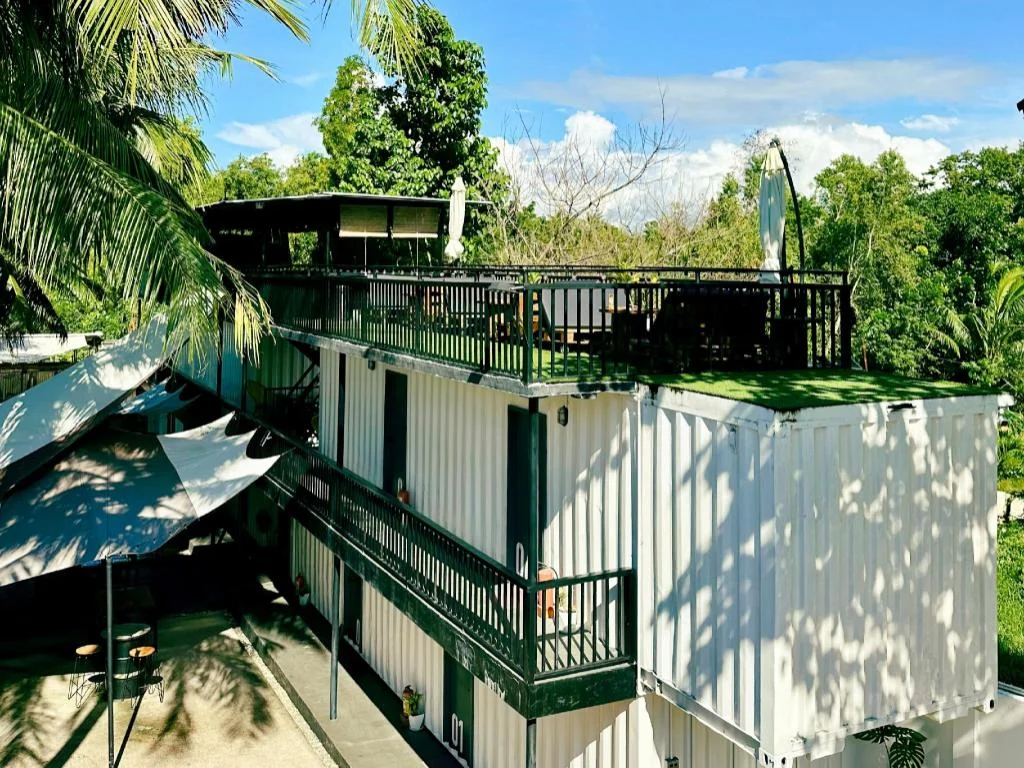
PIG DIVE HOSTEL MOALBOAL
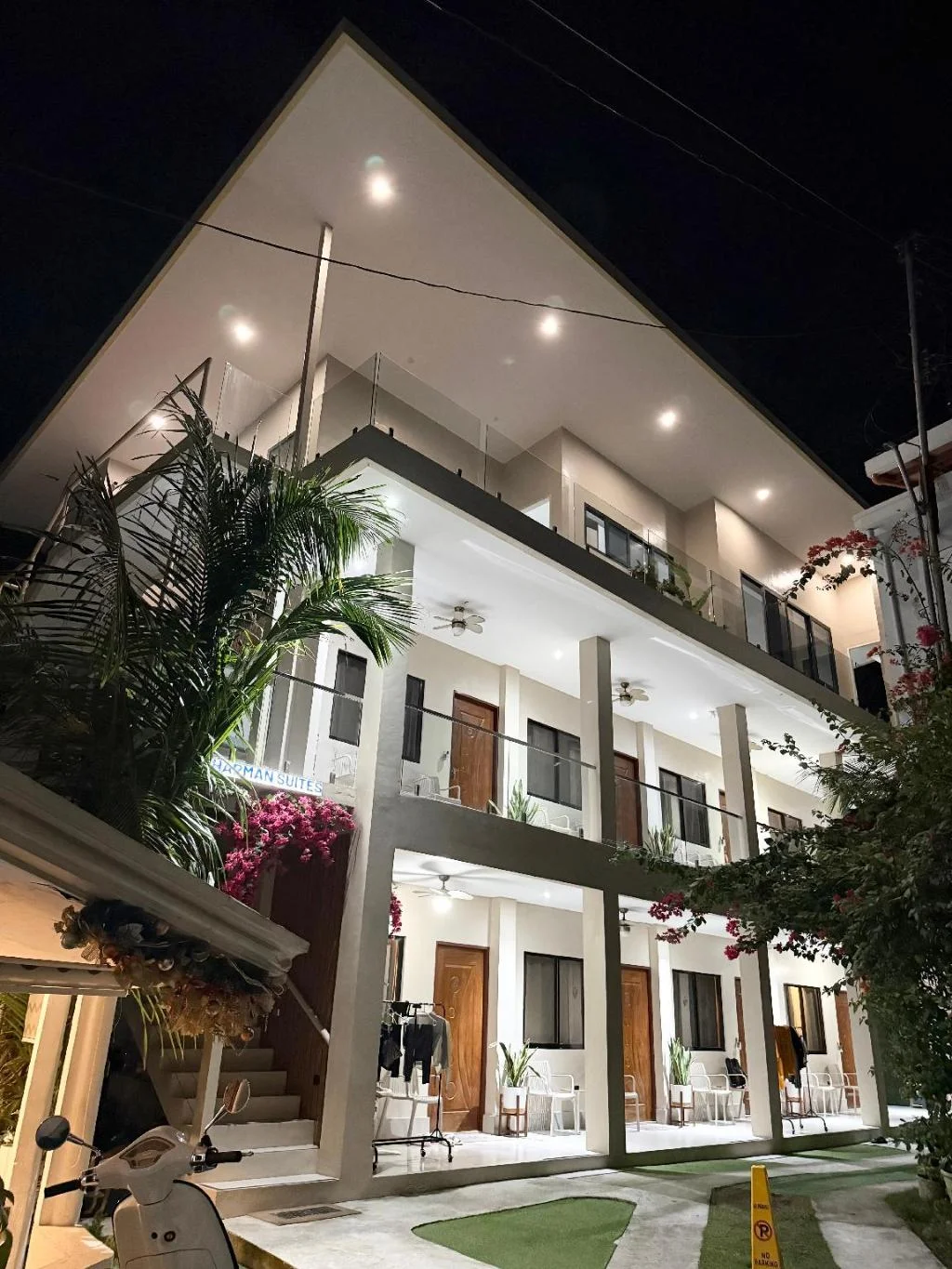
Harman Suites Moalboal
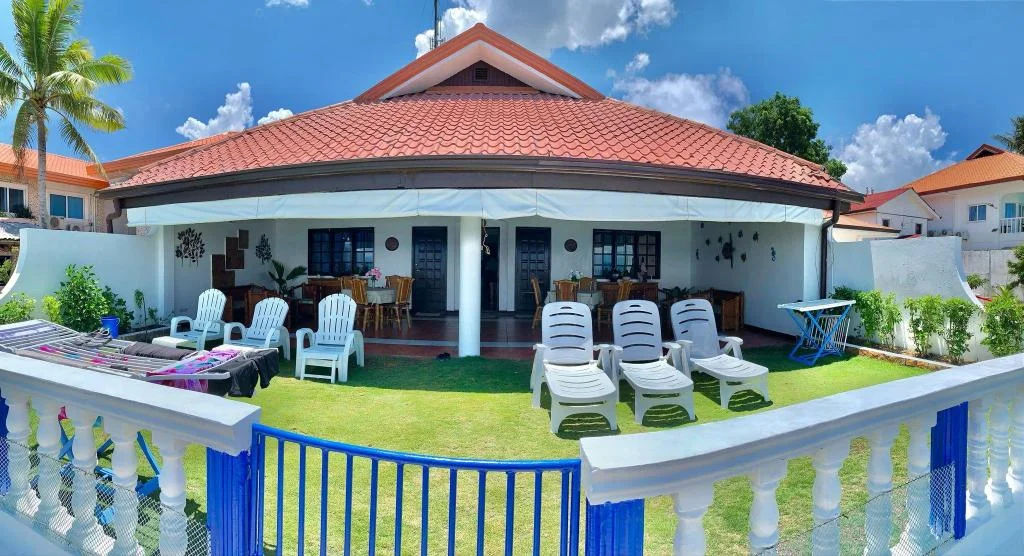
Il Sogno Resort
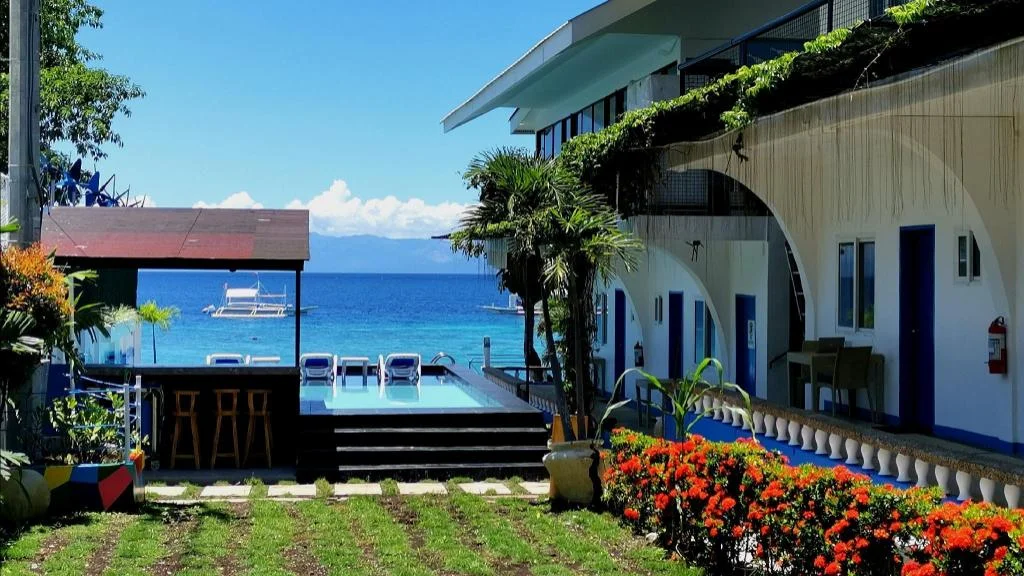
Pescadores Suites Moalboal
Prefer a rental? Vacation rentals near Moalboal
Self-catering condos and apartments — book the exact unit, kitchen included.
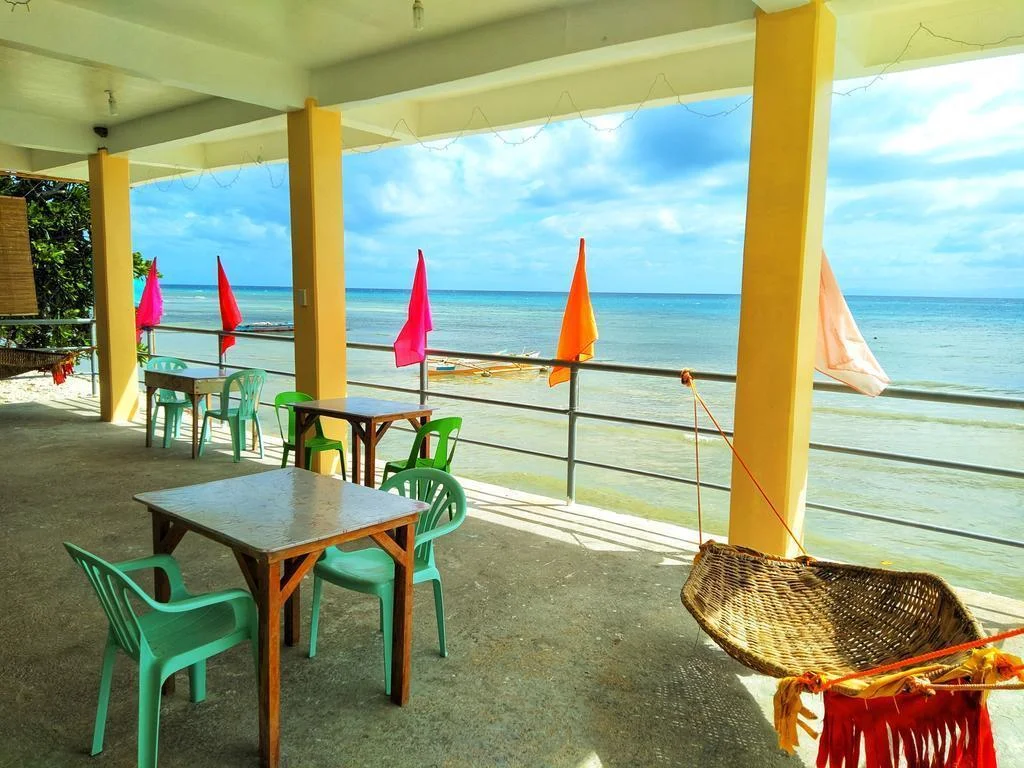
Ocean View Lodging House

The South Hideaway Oslob
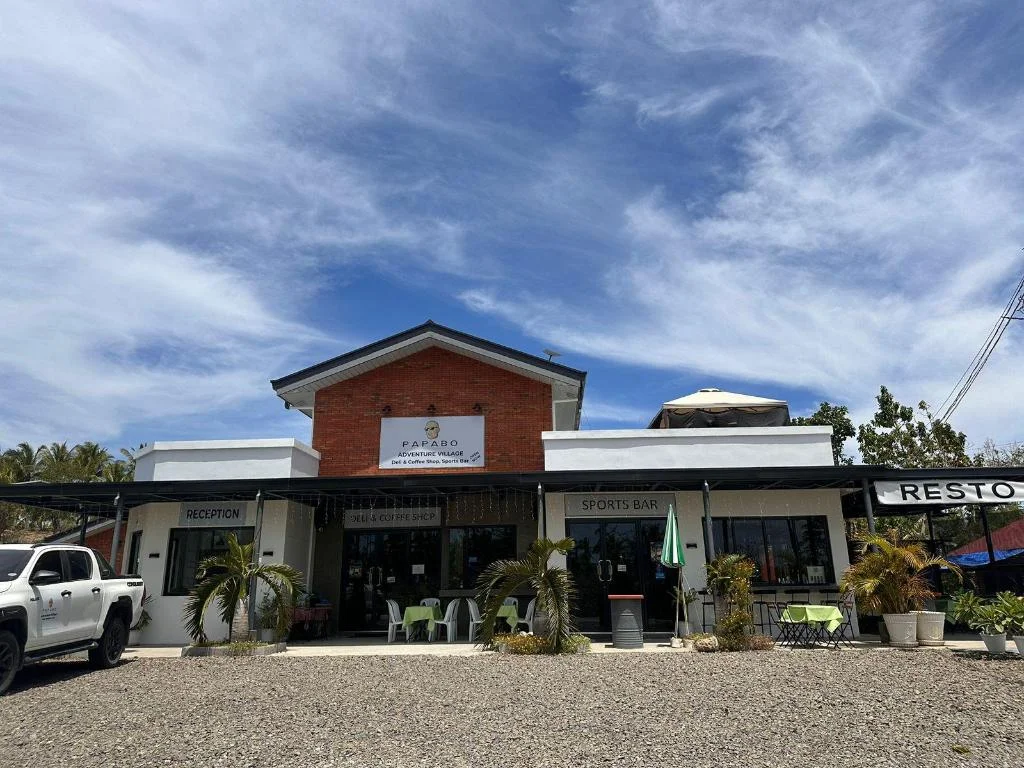
PAPABO Adventure Village
Before you go
Frequently asked
Is Cebu safe for tourists in 2026?
Is Cebu safe for solo travelers and solo female travelers?
What scams should tourists watch out for in Cebu?
Is the tap water safe to drink in Cebu?
Is it safe to swim and do activities like canyoneering and diving in Cebu?
What are the emergency numbers in Cebu and the Philippines?
Are habal-habal motorbike taxis safe in Cebu?
When is typhoon season in Cebu and is it dangerous for travelers?
Do I need travel insurance for Cebu?
More Places to Explore
Whale Shark Watching
Oslob
Swim alongside gentle whale sharks, the world's largest fish, in one of the few places where these magnificent creatures can be reliably encountered.
Kawasan Falls
Badian
A stunning three-tiered waterfall famous for its turquoise waters, bamboo raft rides, and as the endpoint of the famous Badian canyoneering adventure.
Moalboal Sardine Run
Moalboal
Swim with millions of sardines in one of the world's only year-round sardine runs, just meters from shore.
Pescador Island
Moalboal
A world-class marine sanctuary featuring The Cathedral underwater cave and exceptional wall diving.
Related Guides
- Why Cebu Is the Easiest Philippine Island for First-Time Foreign Visitors (2026)
- Best Time to Visit Cebu + How Much a Trip Costs (2026)
- The Best Things to Do in Cebu: The Ultimate Guide (2026)
- Mactan-Cebu Airport (CEB): Getting to the City, Moalboal & Beyond
- Health Risks for Travelers in Cebu: Dengue, Rabies & Vaccines (2026)
- Emergency Numbers & Hotlines in Cebu (2026): The Complete List