
TL;DR: Dengue is a year-round risk in the Philippines, per the UK’s NaTHNaC — not just a rainy-season concern. Rabies, tied to stray dogs, needs an immediate 15-minute soap-and-water wash and same-day hospital visit. CDC recommends hepatitis A, hepatitis B, typhoid, and a rabies pre-exposure talk before most Philippines trips. Not medical advice. Verified July 2026.
Cebu is a genuinely safe, well-developed destination for the vast majority of visits, and this guide isn’t meant to scare you out of the trip. But two health risks — dengue and rabies — come up often enough in official travel-health advisories that they deserve a straight, attributed answer instead of a vague “consult your doctor” and nothing else. Central Visayas and Cebu specifically have logged a real dengue case increase in recent years, and CDC’s Philippines guidance (last reviewed February 2026) is best acted on 4–6 weeks before you fly, since some recommended vaccines need time to take effect. Everything below is sourced to CDC, WHO, or the UK’s NaTHNaC, framed as general public-health guidance rather than medical advice for your specific situation — always confirm anything health-related with a doctor or travel clinic before you fly, and treat anything we couldn’t independently verify as “confirm locally,” flagged as such.
Cebu Health Risks at a Glance
| Risk | What official sources say | What to actually do |
|---|---|---|
| Dengue | Year-round risk in the Philippines (NaTHNaC); Cebu/Central Visayas case counts have risen in recent years | Mosquito repellent daily, cover up at dawn/dusk, seek care same-day for high fever + rash/joint pain |
| Rabies | The Philippines has a serious, ongoing rabies problem from stray dogs; CDC flags pre-exposure vaccination as worth discussing for some travelers | Avoid stray animals; if bitten, wash for 15 min and get to a hospital same day, every time |
| Recommended vaccines | CDC: hepatitis A, hepatitis B, typhoid for most travelers; JE and rabies pre-exposure for some, per activity | See a travel clinic 4–6 weeks before departure |
| Counterfeit rabies vaccines | Philippine FDA has reported counterfeit rabies vaccine/antiserum in circulation (per CDC) | Get bite treatment at a known hospital or clinic, not an unfamiliar source |
| Tap water | Not safe to drink, standard across the Philippines | Bottled or filtered water only |
Sourced to CDC (last reviewed Feb 19, 2026), NaTHNaC/TravelHealthPro, and WHO. Verified July 2026 — this is general public health guidance, not personalized medical advice.
Is Dengue a Real Risk for Travelers in Cebu?
Yes, and it’s a year-round one, not something that switches on only in the rainy season. The UK’s National Travel Health Network and Centre (NaTHNaC), via its TravelHealthPro service, states plainly that dengue in the Philippines “occurs year-round,” transmitted by mosquitoes that bite predominantly during the day rather than at night. CDC’s global dengue guidance similarly describes dengue as a year-round risk across much of the world, with local outbreaks that can spike every few years — though as of CDC’s most recent country list, the Philippines is not currently among the small number of countries flagged for an unusually elevated dengue alert. That said, “not on the current alert list” is not the same as “low risk” — dengue circulates in the Philippines every year regardless of any specific alert.
Locally, Central Visayas has recorded a genuine rise in dengue cases in recent years, with Cebu province and Cebu City among the hardest-hit areas in regional reporting — case counts in Cebu City have at points run well over 100% higher year-on-year. There’s no vaccine recommended for typical travelers, so prevention is entirely about avoiding bites: use a DEET or picaridin repellent, cover up around dawn and dusk when the Aedes mosquitoes that spread dengue are most active, and don’t assume the dry season is a free pass. If you develop a sudden high fever with a severe headache, pain behind the eyes, joint or muscle pain, or a rash, get to a hospital or clinic the same day rather than waiting it out at your hotel — dengue can escalate a few days after the fever starts, and Cebu’s private hospitals run rapid tests and manage it well when caught early.
Is Rabies a Real Risk in Cebu, and What Should I Do If I’m Bitten?
Rabies is a genuine, serious risk in the Philippines, driven almost entirely by unvaccinated stray and community dogs, and it’s one of the reasons “don’t approach street dogs, however friendly” is standard travel advice here rather than overcaution. CDC’s Philippines travel page recommends travelers discuss pre-exposure rabies vaccination with a doctor based on their planned activities and how quickly they could reach medical care if bitten — it’s a conversation worth having before a longer stay, rural travel, or any trip where you’ll be around animals more than a typical resort holiday, not a blanket requirement for a short Cebu City visit.
If you are bitten or scratched by a dog, cat, or any mammal in Cebu, the general public-health guidance from both CDC and WHO is consistent and worth memorizing: wash the wound immediately and thoroughly with soap and running water for a full 15 minutes — this single step meaningfully reduces the risk of transmission. Apply an antiseptic like povidone-iodine if you have it, then get to a hospital or a dedicated animal-bite treatment center the same day, regardless of how minor the bite looks. Post-exposure treatment — more wound care, a rabies vaccine series, and immunoglobulin in higher-risk exposures — is highly effective if it starts promptly, but rabies is close to universally fatal once symptoms appear, which is exactly why “wait and see” is the wrong call here. This is general guidance, not a substitute for an in-person medical evaluation of your specific bite.
Where to actually go in Cebu: Vicente Sotto Memorial Medical Center (VSMMC), the government tertiary hospital in Cebu City, runs a dedicated Animal Bite Treatment Center within its outpatient department and functions as the region’s public referral point for bite cases. On the private side, Cebu Doctors’ University Hospital and Perpetual Succour Hospital are commonly reported to offer rabies post-exposure treatment, and Maxicare’s published partner-clinic list names dedicated animal-bite and anti-rabies clinics in Cebu Business Park and Cebu IT Park, both open daily from 6am to 10pm. Call ahead to confirm current hours, stock, and pricing before you need one in a hurry — exact phone numbers for some public bite centers were inconsistent across the sources we checked, so treat any specific number you find online with caution and confirm it locally or through your hotel or hospital’s own switchboard.
One more attributed detail worth knowing: CDC’s Philippines page notes that the Philippine FDA has reported counterfeit rabies vaccines and antiserum circulating in the country, which could be ineffective. That’s a real reason to get treated at an established hospital or a known clinic network rather than an unfamiliar source, and to ask directly whether the vaccine being used is FDA-registered.
What Vaccines Does the CDC Recommend Before a Cebu Trip?
Per CDC’s Philippines destination page (last reviewed February 19, 2026), the standard advice for most travelers is: make sure your routine vaccines are current (MMR, DTaP/Tdap, polio, flu, chickenpox, shingles as applicable), plus consider these destination-specific ones:
- Hepatitis A — recommended for most unvaccinated travelers age 1 and up.
- Hepatitis B — recommended for all unvaccinated travelers, regardless of age or trip length.
- Typhoid — recommended especially if you’ll stay with friends or relatives, visit smaller cities, or spend time in rural areas.
- Japanese encephalitis — recommended for longer stays (a month or more) in at-risk areas, or considered for shorter trips with significant rural/outdoor exposure.
- Rabies (pre-exposure) — a “discuss with your provider” recommendation based on your specific activities and access to care, not a blanket requirement.
This is CDC’s general public health guidance for travelers to the Philippines, not personalized medical advice — see a doctor or a travel medicine clinic ideally 4–6 weeks before you fly so there’s time for multi-dose vaccines to take effect, and bring your itinerary and planned activities to that conversation since it changes the recommendation.
Is the Water and Food Safe?
Short version: don’t drink the tap water — stick to bottled or properly filtered water, which is standard practice across the Philippines rather than a Cebu-specific issue, and be selective with ice from unknown sources. This applies the same general CDC food-and-water-safety framework used for most destinations. For the full breakdown of what actually causes stomach trouble here, which restaurants and food stalls are lower-risk, and how to handle ice and street food, see our dedicated water safety guide.
The Honest Take
None of this should keep you off a Cebu trip — the overwhelming majority of visits involve zero contact with either dengue or a rabid animal, and Cebu’s private hospitals are genuinely competent at treating both when caught early. But “consult your doctor” without any specifics is a cop-out, so here’s the plain version: dengue risk doesn’t disappear in the dry season, so use repellent every trip, not just in the rainy months. Rabies risk in the Philippines is real and driven by stray dogs specifically, so the single most useful habit is simply not approaching or feeding them, however friendly they look — and if you are bitten, treat it as same-day medical business, not a wait-and-see situation. Get travel insurance before you go; between a possible dengue hospital stay and a full rabies post-exposure series, the cost of being uninsured here is a real number, not a hypothetical one. Our hospitals and medical care guide covers what an ER visit actually costs and which hospitals to head to, and our travel insurance guide covers what coverage level actually makes sense for a Cebu trip.
If your itinerary includes Kawasan Falls canyoneering or the Oslob whale sharks, pack repellent for the jungle approach trails at both, and keep a small first-aid kit with antiseptic on hand — minor cuts and scrapes are more common on adventure days than either dengue or a dog bite, and prompt wound care matters for all three. If you’d rather stay somewhere with quick access to a hospital while you sort out any of this, compare well-reviewed hotels in Cebu City on Agoda — being a short ride from Chong Hua or CDUH is a reasonable priority if a health issue comes up mid-trip.
Sources
- NaTHNaC / TravelHealthPro — Philippines country page
- CDC — Philippines destination page for travelers (last reviewed February 19, 2026)
- CDC — Global Dengue travel health notice
- WHO — Rabies fact sheet
- CDC — Rabies post-exposure prophylaxis, clinical guidance
- Maxicare — list of partner animal-bite treatment centers
- Philstar/The Freeman — Central Visayas and Cebu City dengue case reporting, 2025
Verified July 2026. This guide summarizes official public-health guidance for general awareness — it is not medical advice. Confirm your personal vaccination and prevention plan with a doctor or travel clinic before you fly, and confirm any specific hospital, clinic, or phone number locally before you need it.
Book Tours & Hotels for This Trip
Find and book the best deals — prices and availability update in real time. Links open in a new tab.
Where to stay near Oslob
Top-rated hotels for this trip — tap through to check live rates.

Joaquim's Lodge
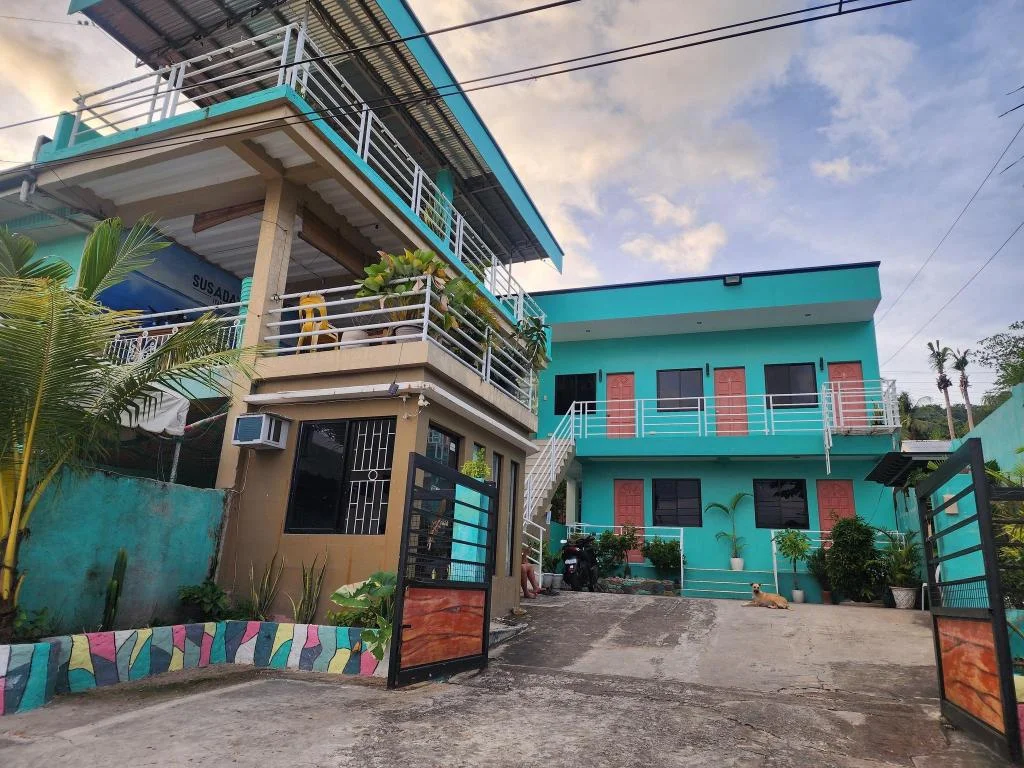
Susada's Inn

Bluewater Sumilon Island Resort
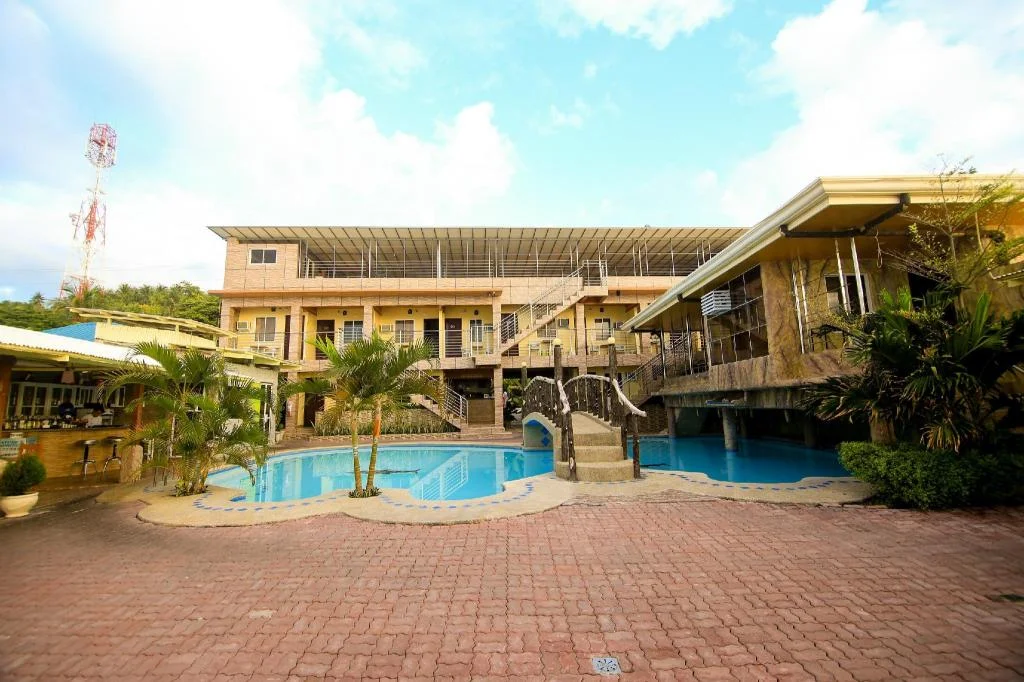
Ging-Ging Hotel & Resort
Prefer a rental? Vacation rentals near Oslob
Self-catering condos and apartments — book the exact unit, kitchen included.
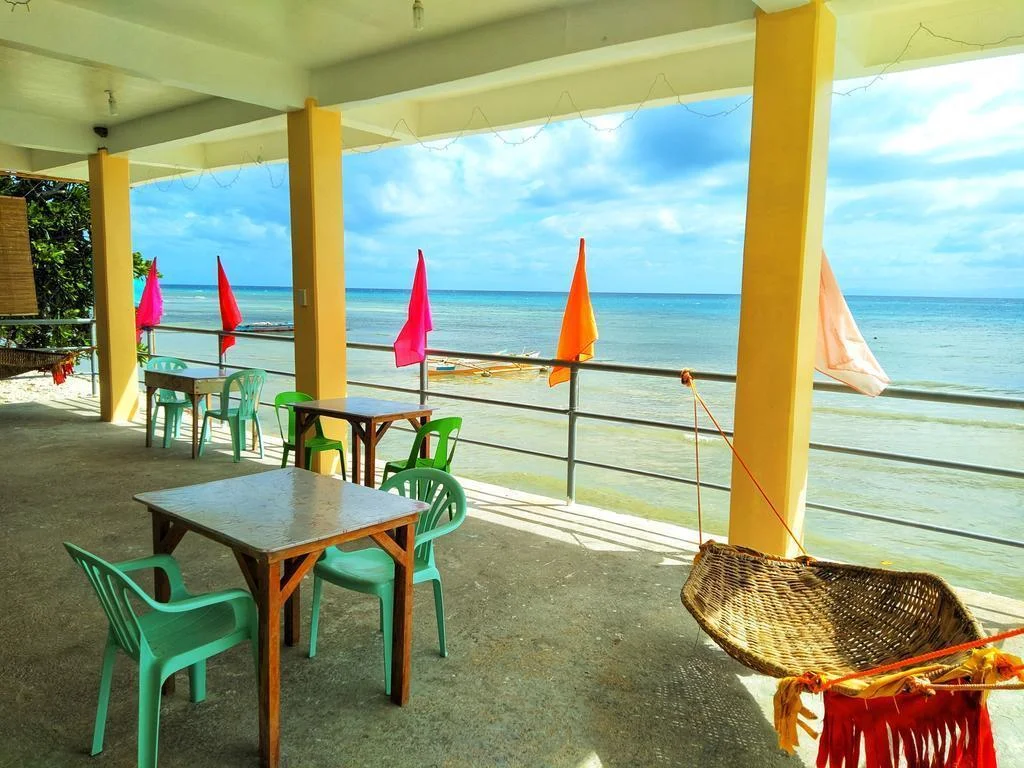
Ocean View Lodging House

The South Hideaway Oslob
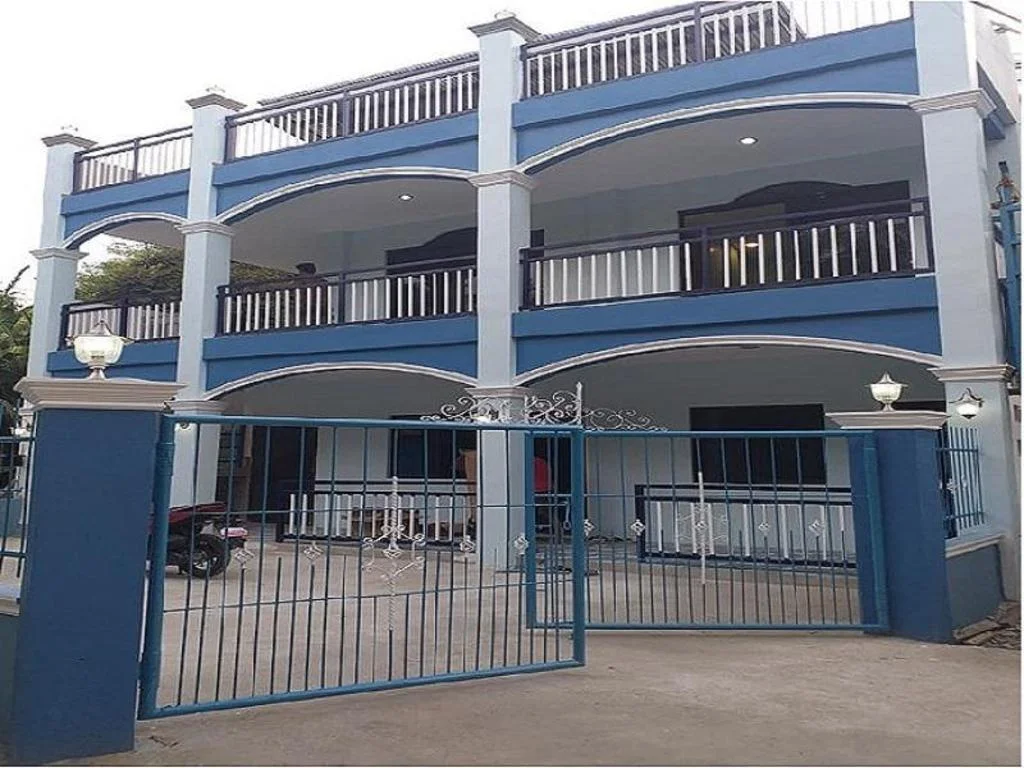
Azulea Family Deluxe 1 * own CR, shower, AC, TV
Before you go
Frequently asked
Is dengue a risk in Cebu year-round, or only in the rainy season?
Do I need a rabies vaccine before visiting Cebu?
What should I do if a dog or cat bites me in Cebu?
Where can tourists get rabies treatment in Cebu?
What vaccines does the CDC recommend before traveling to the Philippines?
Are counterfeit rabies vaccines a real concern in the Philippines?
Is the tap water in Cebu safe to drink?
Should I get travel insurance before a Cebu trip because of these health risks?
More Places to Explore
Kawasan Falls
Badian
A stunning three-tiered waterfall famous for its turquoise waters, bamboo raft rides, and as the endpoint of the famous Badian canyoneering adventure.
Whale Shark Watching
Oslob
Swim alongside gentle whale sharks, the world's largest fish, in one of the few places where these magnificent creatures can be reliably encountered.