
TL;DR: You don’t legally need travel insurance to enter the Philippines, but Cebu’s private hospitals expect cash or proof of coverage upfront, and a medevac flight from an outer island can cost tens of thousands of dollars. Get a policy with at least US$100,000 medical and US$250,000 medical evacuation, and check the fine print if you’re diving, doing canyoneering at Kawasan Falls, or traveling June–November (typhoon season). Expect to pay roughly US$30–90 (₱1,860–5,580) for a two-week mid-tier plan; adventure sports add-ons cost more. Verified July 2026.
Cebu is generally an easy, low-drama place to travel, whether you’re hiking up to Tops Lookout for the sunset or wandering the grounds of Temple of Leah. But the same trip can also include a whale shark boat off Oslob, a canyoneering descent through Kawasan Falls, a dive certification in Moalboal, and a ferry hop during typhoon season — and any one of those can turn into an expensive problem without the right coverage. This guide isn’t personalized financial advice; it’s a plain-English map of what a Cebu-ready travel insurance policy should include, what the adventure-sports fine print actually means, roughly what it costs, and how claims work in practice, so you know what questions to ask before you buy.
What Should a Cebu Travel Insurance Policy Cover?
| Coverage | Why it matters in Cebu | Rough minimum to look for |
|---|---|---|
| Emergency medical | Private hospital care (Cebu Doctors’, Chong Hua) requires payment or proof of cover upfront | US$50,000–100,000+ |
| Medical evacuation/repatriation | Outer islands (Malapascua, Bantayan, Camotes) and dive sites are far from major hospitals | US$250,000+ |
| Adventure sports / hazardous activities add-on | Canyoneering, diving, ziplining are often excluded by default | Named activity coverage, not just “hiking” |
| Trip delay / interruption | Typhoon season (roughly June–Nov) causes flight and ferry disruptions | 6–12hr delay trigger, reasonable daily cap |
| Baggage / theft | Petty theft happens in crowded markets and during festivals | Matches the value of your gear |
| Personal liability | Covers accidental damage or injury you cause to others | US$25,000+ |
Ranges above reflect industry-common minimums cited by insurers and comparison sites, not a specific plan’s terms. Verified July 2026.
Do You Actually Need Travel Insurance for Cebu?
You’re not legally required to have it, but it’s a practical safety net, not a formality. Public hospitals in the Philippines have long wait times and limited capacity for serious trauma or evacuation logistics, and private hospitals in Cebu City — the ones you’d actually want for an emergency — typically ask for a deposit or insurance guarantee before treating a foreign visitor for anything beyond routine care. For specifics on where to actually go if something happens, see our hospitals and medical care in Cebu guide. If your home country’s health plan doesn’t cover you abroad (most don’t), travel insurance is what stands between a bad afternoon and a bill that follows you home.
Do You Need Special Coverage for Diving?
Yes, if you’re diving anything beyond a shallow resort dive. Standard travel insurance policies commonly cap diving coverage at recreational depths — often around 30 meters (98 feet), the same ceiling as a PADI Open Water certification — or exclude diving altogether unless you select an add-on. Moalboal, Malapascua, and Cebu’s other dive sites are popular precisely because they support serious diving (thresher sharks, wrecks, walls), so check your policy’s actual wording for the word “diving” or “scuba,” not just “water sports.”
Dive shops across Cebu routinely recommend dedicated dive insurance from DAN (Divers Alert Network) alongside or instead of general travel insurance, since DAN’s coverage is built specifically around dive medicine and doesn’t carry the same depth or gas-mix restrictions that general travel policies do. If you’re doing an open water course, some certifying agencies include limited student medical coverage automatically — worth asking your dive shop directly rather than assuming.
What About Canyoneering and Other Adventure Activities?
Canyoneering at Kawasan Falls, cliff jumping, and similar activities are frequently excluded from basic travel insurance as “hazardous activities,” even though they’re a mainstream tourist activity in Badian. Some insurers offer a named adventure sports rider that explicitly lists canyoning, rappelling, and similar activities; others simply don’t cover it at any tier. Before you book a canyoneering trip through an operator like those on Klook, read your policy’s activity list line by line rather than assuming “adventure sports” automatically means everything you’re planning to do.
The same logic applies to whale shark encounters in Oslob, freediving, ziplining, and ATV tours — mainstream in Cebu, but treated as elevated risk by many insurers. If in doubt, call the insurer’s support line and ask about your specific activity by name before you travel.
Does Travel Insurance Cover Typhoons and Trip Delays?
Generally yes, within limits. Most mid-tier and comprehensive policies include trip delay and trip interruption benefits that apply when a named storm, airport closure, or common-carrier delay pushes your trip off schedule — relevant in Cebu roughly from June through November, when typhoons can ground flights or suspend ferry services with little notice. Coverage usually reimburses reasonable additional hotel nights and meals once you’ve been delayed past a set threshold (commonly 6–12 hours), and separately may reimburse non-refundable bookings if the whole trip is cancelled or cut short. For how to actually plan around this season, see our typhoon season safety guide. Read the “natural disaster” or “severe weather” clause specifically — some policies only trigger once a storm is officially named or a travel advisory is issued, not for ordinary rain delays.
How Much Does Travel Insurance Cost for a Cebu Trip?
As a rough planning number, comparison sites put average Philippines travel insurance costs somewhere in the range of a few dollars to around US$17–18 per day depending on coverage tier, trip length, and traveler age — which works out to roughly US$30–90 (₱1,860–5,580 at ₱62 ≈ US$1 (July 2026)) for a typical two-week trip on a mid-tier plan. Add-ons for diving, adventure sports, or higher evacuation limits push the price up. These are industry-wide ballparks, not a quote — get an actual price for your dates, age, and planned activities directly from an insurer before you decide.
Which Insurers Do Travelers Actually Use?
Among long-term travelers, backpackers, and digital nomads passing through Cebu, three names come up constantly: SafetyWing, World Nomads, and Heymondo. SafetyWing is popular for its subscription-style, pay-as-you-go pricing that suits open-ended trips. World Nomads is known for a long list of covered activities (commonly cited around 150+, including diving and ziplining) and the ability to buy or extend a policy while already traveling. Heymondo gets attention for an app-based claims process and 24/7 in-app medical chat, backed by larger insurers behind the scenes.
Traditional travel insurers (Allianz, AXA, and similar) also serve the Philippines and are worth comparing, especially if you want a single trip policy tied to fixed dates rather than a rolling subscription. None of these names is a personal recommendation for your specific trip — compare current quotes, activity lists, and depth/evacuation limits against what you’re actually planning to do in Cebu before choosing.
How Do You Choose the Right Policy?
- List every activity you’re actually planning — diving, canyoneering, whale sharks, hiking, scootering — before you shop, and search the policy document for each one by name.
- Check the medical evacuation limit specifically, not just the headline medical coverage number; it’s the figure that matters most for outer-island emergencies.
- Match the policy length to your real trip, including buffer days — a lapsed policy on your last day is a common, avoidable mistake.
- Screenshot or save the policy PDF and the 24/7 assistance number before you leave home; don’t rely on finding it later with patchy signal.
- If you’re renting a scooter, confirm the policy doesn’t require a local motorcycle license you don’t have — this is a common exclusion for scooter accidents.
The Honest Take
Travel insurance is one of those things nobody wants to pay for until the one time they desperately need it. Most trips to Cebu go fine without incident, and it’s easy to assume the $40 you’d spend on a policy is wasted money — until a family member on the trip gets a bad case of food poisoning that needs an IV drip at a private clinic, or a scooter spill needs stitches, or a typhoon strands you in Bantayan for three extra days. None of those are exotic scenarios here; they’re common enough that hospital staff and dive shop owners in Cebu bring up insurance unprompted.
Where it’s genuinely skippable: an ultra-short city stay with no diving, no scooters, and no outer-island travel, where your home health plan already has some overseas provision. Where it’s not worth cutting corners: anything involving diving beyond a shallow intro dive, canyoneering, remote islands, or a trip that overlaps typhoon season. Read the policy, not just the sales page, and if an activity you’re planning isn’t named explicitly, assume it isn’t covered until you confirm otherwise.
Before You Go
Pair this with a broader look at what to prepare before landing — see our Cebu travel checklist and our honest take on whether Cebu is safe for tourists. If your itinerary includes hotel stays that might need rebooking after a delay, it’s worth comparing flexible-rate hotels in Cebu City on Agoda so a trip-delay claim actually has something to reimburse. Buy the policy before you fly, save the assistance number where you can find it offline, and enjoy the parts of Cebu that don’t need an insurance claim at all.
Sources
- World Nomads — Travel Insurance for the Philippines
- SafetyWing — Nomad Insurance
- Heymondo — Travel Insurance for the Philippines
- Squaremouth — Philippines Travel Insurance: Plans & Prices
- DAN World — Asia Pacific dive insurance
- PADI — Dive Insurance
- General cost, evacuation, and claims-documentation figures cross-checked against multiple 2025–2026 insurer and comparison-site sources; confirm exact terms and pricing with any insurer before buying. Verified July 2026.
Book Tours & Hotels for This Trip
Find and book the best deals — prices and availability update in real time. Links open in a new tab.
Where to stay near Cebu City
Top-rated hotels for this trip — tap through to check live rates.
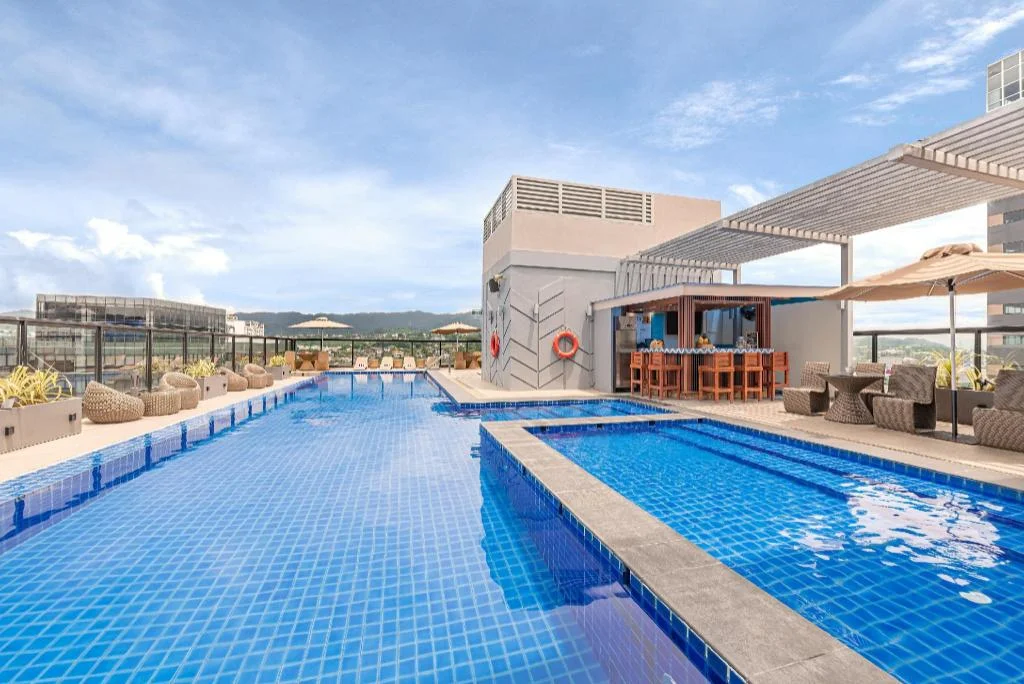
Seda Central Bloc Cebu City
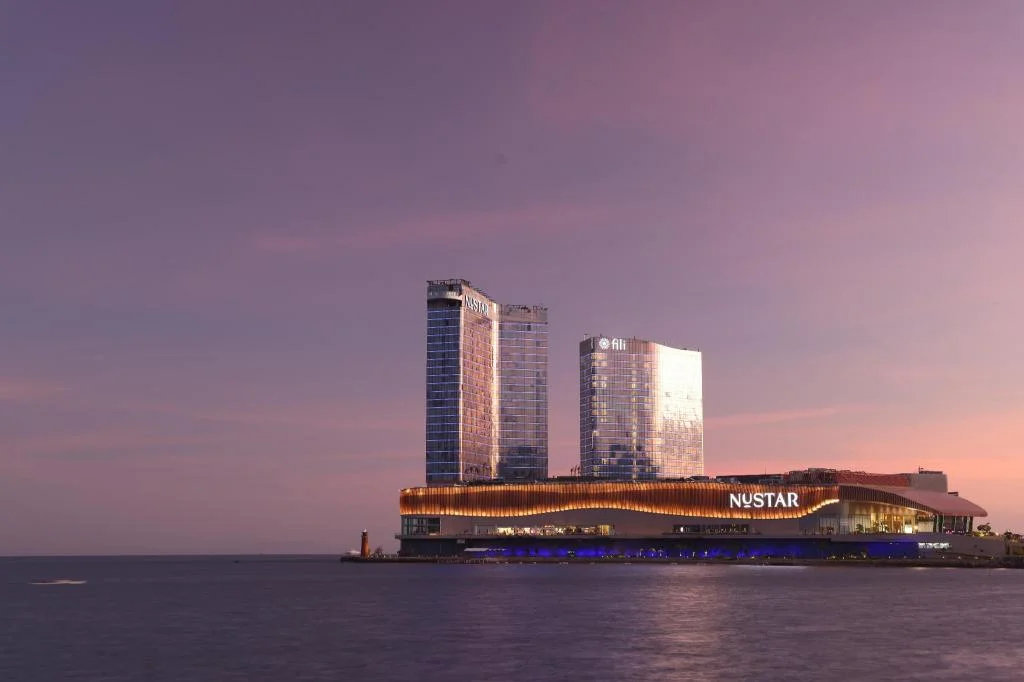
Fili Hotel - NUSTAR Resort & Casino Cebu

Holiday Inn Cebu City By IHG

Citadines Cebu City
Prefer a rental? Vacation rentals near Cebu City
Self-catering condos and apartments — book the exact unit, kitchen included.

Cebu Avida Riala by P&J

Special Big Loft Unit w/Fibreop Internet & Netflix

Moonstar Cebu Hotel - Deluxe Room
Before you go
Frequently asked
Is travel insurance required to enter the Philippines?
Does travel insurance cover scuba diving in Cebu?
Does travel insurance cover canyoneering at Kawasan Falls?
What does travel insurance cost for a Cebu trip?
How much medical evacuation coverage do I need for the Philippines?
Does travel insurance cover typhoons and flight delays in Cebu?
What travel insurance do most backpackers use for the Philippines?
What documents do I need to file a travel insurance claim?
More Places to Explore
Temple of Leah
Cebu City
A magnificent Roman-inspired temple built as a monument of love, nicknamed 'Cebu's Taj Mahal,' offering stunning architecture and city views.
Tops Lookout
Cebu City
Cebu City's premier hilltop viewpoint offering stunning panoramic views of the city, especially spectacular at sunset and nighttime.