
TL;DR: Cebu’s typhoon season runs roughly June through November, with the highest real risk from October to December — Typhoon Tino (Kalmaegi) killed at least 71 people in Cebu in November 2025, and Super Typhoon Odette (Rai) hit on December 16, 2021. PAGASA’s signal system (1 to 5) tells you how serious a storm is; Signal 1 or higher grounds ferries, and typhoon-force signals (4-5) ground flights too. Airlines and ferry operators offer free rebooking or a refund, not compensation for lost days, so buy travel insurance before any storm is named. Cebu is visitable most of the season, but avoid rigid, non-refundable plans in the October-December window. Verified July 2026.
If you’re planning a Cebu trip anytime from June through the new year, you’ll hear the word “bagyo” (typhoon) at some point — from your hotel, your driver, or the news. This guide is the plain version of what that actually means for a traveler: when the real risk window is, how the government’s warning system works, what gets cancelled and what doesn’t, and what to do if a storm catches you here. It’s not meant to scare you off — Cebu still runs normally on most days of typhoon season — but 2025 was a hard reminder that the risk is real, not theoretical, and worth planning around rather than ignoring.
Cebu Typhoon Season at a Glance
| Period | Typhoon risk | What’s actually happening |
|---|---|---|
| January-April | Low | Dry season — the safest months to visit, plus Sinulog in January |
| May | Low, rising | Rainy season (habagat) starts to build |
| June-July | Moderate | PAGASA’s typhoon season officially opens; scattered storms possible |
| August-September | Moderate-high | Southwest monsoon rains layer on top of tropical storm activity |
| October-November | Highest | Peak danger window — both Tino/Kalmaegi and Uwan/Fung-wong hit in November 2025 |
| December | High (tail risk) | Late-season super typhoons still happen — Odette/Rai made landfall Dec 16, 2021 |
Off-season storms do occur — Tropical Storm Basyang brushed southern Cebu with Signal No. 2 in February 2026. Always check PAGASA before travel, regardless of month. Verified July 2026.
When Is Typhoon Season in Cebu, Really?
The Philippine Area of Responsibility can see a tropical cyclone in any month, but Cebu’s practical typhoon season is June through November, with the sharpest risk from October to December. PAGASA and NOAA climatology both point to roughly 8-9 storms crossing the Philippines a year, concentrated in the June-to-November stretch. But the two most damaging storms to hit Cebu in recent memory both arrived at the edges of that window: Typhoon Tino (Kalmaegi) in early November 2025 and Super Typhoon Odette (Rai) on December 16, 2021. Don’t assume you’re safe just because it’s “late” in the season — plan around October through December specifically if you can.
How Do PAGASA’s Storm Signals Work?
PAGASA’s Tropical Cyclone Wind Signal (TCWS) has five levels, and the number tells you how much time and how much wind you’re dealing with. Signal No. 1 means winds of 39-61 kph are possible within 36 hours — light damage at most. Signal No. 2 (62-88 kph, 24 hours) can snap small trees and damage weak structures. Signal No. 3 (89-117 kph, 18 hours) starts causing real damage to light-material roofing. Signal No. 4 (118-184 kph, typhoon-force, 12 hours) and Signal No. 5 (over 185 kph, super typhoon, 12 hours) are the ones that shut the province down — flights and ferries stop, schools and offices close, and you should be indoors with supplies. Check the current signal at pagasa.dost.gov.ph or local outlets like Cebu Daily News rather than guessing from the sky outside.
Will My Flight or Ferry Actually Get Cancelled?
Yes, if a Signal No. 1 or higher is in effect for your route — the Philippine Coast Guard and the airlines make that call, not you. Once PCG suspends sea travel on a route, all passenger ferries there are grounded, typically for 12 to 48 hours, plus extra time afterward to clear the backlog of stranded passengers. It’s not rare: during Super Typhoon Uwan (Fung-wong) in November 2025, more than 325 domestic and 61 international flights were cancelled over a single weekend nationwide, and thousands of ferry passengers were stranded in ports. The good news — 2GO, OceanJet, Cebu Pacific, and Philippine Airlines all offer free rebooking to the next available trip, or a full refund, when the cancellation is weather-related. You won’t lose money, but you can lose a travel day, so build slack into any itinerary that depends on a ferry connection (Bantayan, Malapascua, Camotes, Bohol) during these months.
Was Cebu Really Hit Hard by a Typhoon Recently?
Yes — Typhoon Tino (Kalmaegi) was one of the deadliest typhoons to hit Cebu specifically in recent memory. It made landfall near Borbon in northern Cebu in early November 2025, dumping more than 180mm of rain on the province in the 24 hours before landfall — about a month and a half of typical November rainfall in a single day. Local disaster officials called the resulting flash flooding the worst in Cebu’s history. At least 71 people died in Cebu alone, mostly by drowning, with dozens more reported missing. It was the deadliest typhoon to strike the Visayas since Super Typhoon Odette (Rai) tore through the same region in December 2021. Barely a week later, Super Typhoon Uwan (Fung-wong) made landfall in Luzon but still disrupted flights and ferries connecting through Cebu. If you’re weighing whether “Cebu doesn’t really get hit” — it does, and 2025 proved it.
Was the September 2025 Earthquake Part of This?
No — the earthquake and the typhoons are separate hazards that happened to land close together on the calendar. A magnitude 6.9 earthquake struck offshore near Daanbantayan in northern Cebu on September 30, 2025, traced to a previously unmapped fault in Bogo Bay, and killed more than 70 people, mostly in Bogo City and nearby towns. Typhoon Tino followed roughly five weeks later. Worth knowing if you’re researching Cebu’s risk profile broadly, but for trip planning purposes, treat them as unrelated: an earthquake can happen any day of the year, while typhoon risk is seasonal and forecastable days in advance.
Do I Need Travel Insurance for a Typhoon-Season Trip?
Yes, and the timing of when you buy it matters more than which company you buy it from. Most travel insurance policies exclude claims tied to a storm that has already been named by the time you purchase the policy — so buying insurance the week a typhoon is already forecast toward Cebu won’t help you. Buy it as early as possible, ideally within 14-21 days of your first non-refundable deposit, and confirm the policy covers trip interruption, missed connections, and emergency medical evacuation, not just lost luggage. If your flights or hotel already have free-cancellation terms, insurance is still worth it for the days and connections airlines won’t reimburse you for.
What Do You Do If You’re Caught in a Typhoon in Cebu?
Get off the road, get away from rivers, and get your information from local sources, not international headlines. Cebu City’s fastest-flooding corridors are along the Guadalupe River, the Butuanon River on the Cebu-Mandaue boundary, and Lahug and Mahiga creeks — barangays like Guadalupe, Pardo, Tejero, Tinago, Carreta, and Mandaue’s Casuntingan and Paknaan flood hardest and fastest in a major storm. Charge your phone and power bank before the signal goes up, keep cash on hand (ATMs and card terminals fail with the power), and follow your hotel or resort’s evacuation plan rather than improvising. For real-time, area-specific updates, PAGASA’s official channels and your city or municipality’s disaster office (CDRRMO/MDRRMO) Facebook pages are far more useful than a foreign news feed. If you’re up at Tops Lookout or Temple of Leah when weather turns, come down — both sit on exposed hillside roads that close fast in heavy rain, and the view you came for disappears into fog anyway.
Should You Avoid Cebu During Typhoon Season?
Not automatically — most days between June and November are just an ordinary rainy afternoon, not a typhoon. Dive operators in Moalboal still run trips, Kawasan Falls still flows (often more dramatically), and the crowds thin out, which plenty of budget-conscious and repeat travelers actually prefer. The honest line is narrower than “avoid June to November” — it’s be genuinely cautious about October through December if your schedule is rigid, since that’s the exact window both Tino/Kalmaegi (November 2025) and Odette/Rai (December 2021) made landfall. If you’re flying in from far away with fixed non-refundable plans, shift toward December’s alternative — actually, shift toward January-May instead (see our best time to visit Cebu guide) — or go anyway with flexible dates, insurance bought early, and a close eye on PAGASA the week before departure.
The Honest Take
Cebu is not Manila-in-a-direct-hit or Tacloban-after-Haiyan territory most years, and plenty of travel content still repeats the line that “Cebu rarely gets hit.” That line needs an asterisk after 2025. Typhoon Tino made it painfully clear that Cebu can take a direct, deadly hit, and Super Typhoon Odette already proved it once in 2021. At the same time, the overwhelming majority of trips booked in July, August, or even September go completely fine — heavy rain, maybe a cancelled day trip, nothing more. The realistic read: treat July-September as “pack a poncho and watch the forecast,” and treat October-December as “build real flexibility into your plans or consider a different month.” Don’t let a scary headline cancel a July trip, and don’t book a rigid, non-refundable November itinerary and hope for the best either. For a fuller picture of what the wet months actually feel like day to day, see our rainy season in Cebu guide, and for the general safety picture beyond weather, see is Cebu safe for tourists.
Plan Around It, Not Against It
Typhoon season doesn’t have to mean cancelling Cebu altogether — it means booking smarter. Compare flexible-cancellation hotels in Cebu City on Agoda so a rescheduled flight doesn’t cost you a room, and browse Cebu tours and day trips on Klook — most reputable operators reschedule for free when PAGASA raises a signal. Buy travel insurance early, watch the PAGASA site the week before you fly, and pair this guide with our getting around Cebu breakdown for how transport actually adapts on a stormy day. Most of the season, you’ll never need any of it — but you’ll be glad you planned for the months you do.
Sources
- PAGASA — Tropical Cyclone Wind Signal system (official signal definitions)
- PHIVOLCS — Primer on the September 30, 2025 M6.9 offshore northern Cebu earthquake
- The Watchers — Typhoon Kalmaegi (Tino) flash flooding in Cebu, November 2025
- Wikipedia — Typhoon Rai (Odette), 2021
- Wikipedia — Typhoon Fung-wong (Uwan), 2025
- Cebu Daily News reporting on Tropical Storm Basyang (Penha), February 2026
- Cebu Pacific and OceanJet public disruption/rebooking policy pages
- Facts current as of research; confirm live PAGASA signals and operator advisories before and during any trip. Verified July 2026.
Book Tours & Hotels for This Trip
Find and book the best deals — prices and availability update in real time. Links open in a new tab.
Where to stay near Cebu City
Top-rated hotels for this trip — tap through to check live rates.

Seda Central Bloc Cebu City
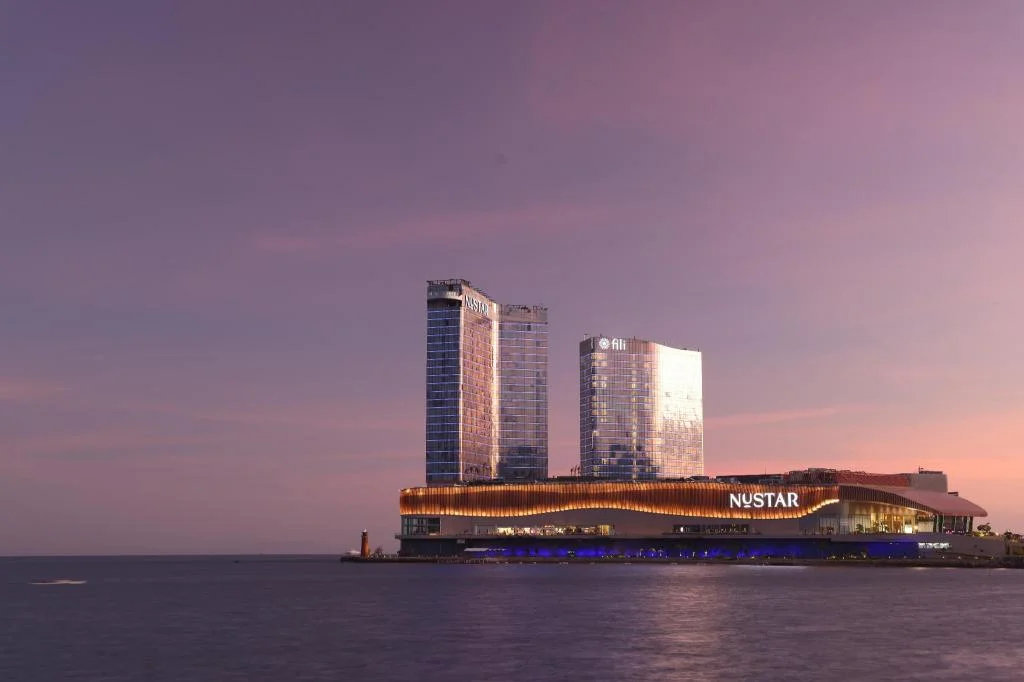
Fili Hotel - NUSTAR Resort & Casino Cebu
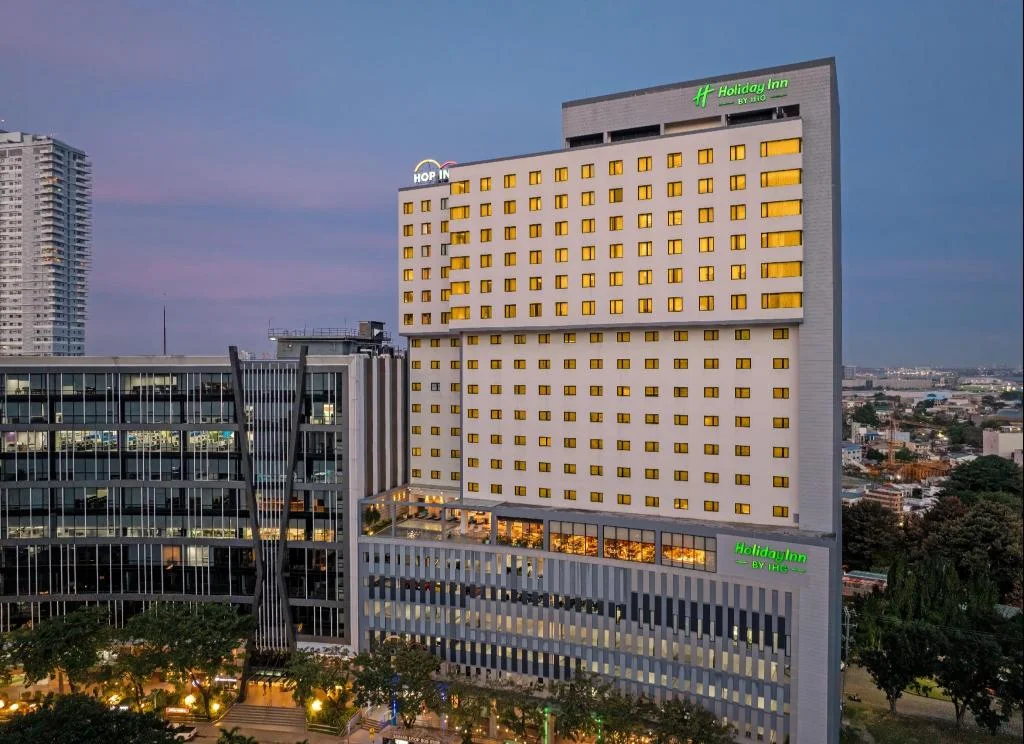
Holiday Inn Cebu City By IHG

Citadines Cebu City
Prefer a rental? Vacation rentals near Cebu City
Self-catering condos and apartments — book the exact unit, kitchen included.
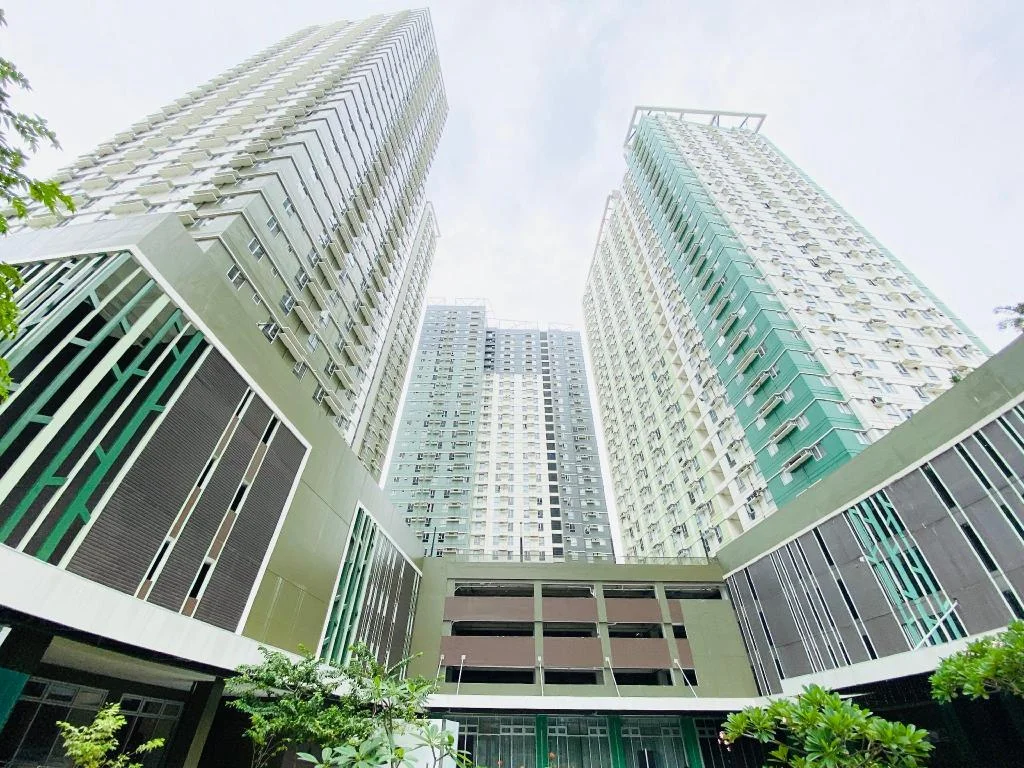
Cebu Avida Riala by P&J

Special Big Loft Unit w/Fibreop Internet & Netflix

Moonstar Cebu Hotel - Deluxe Room
Before you go
Frequently asked
When is typhoon season in Cebu?
How bad was Typhoon Tino (Kalmaegi) in Cebu?
What do the PAGASA storm signal numbers mean?
Will my flight or ferry get cancelled during a typhoon?
Should I buy travel insurance for a Cebu trip during typhoon season?
What do I do if I'm caught in a typhoon while in Cebu?
Was the 2025 Cebu earthquake connected to typhoon season?
Should I avoid visiting Cebu entirely during typhoon season?
More Places to Explore
Temple of Leah
Cebu City
A magnificent Roman-inspired temple built as a monument of love, nicknamed 'Cebu's Taj Mahal,' offering stunning architecture and city views.
Tops Lookout
Cebu City
Cebu City's premier hilltop viewpoint offering stunning panoramic views of the city, especially spectacular at sunset and nighttime.