
TL;DR: Cebu’s rainy season runs roughly June to December, with the heaviest rain from September to November and a fast return to dry, clear weather by January. Expect short, heavy afternoon downpours rather than all-day rain on most days. Whale shark watching and diving keep running; canyoneering at Kawasan Falls gets suspended after heavy upstream rain due to flash-flood risk. The upside: hotel rates drop and crowds thin out from July through October. Verified July 2026.
If you’re planning a Cebu trip between June and December, you’re going to hit rain at some point - the question is what kind, and whether it wrecks your plans. It usually doesn’t. Cebu’s wet season is less “monsoon washout” and more “sunny morning, dramatic hour of rain, sunny evening,” with the occasional multi-day system when a typhoon or tropical depression passes near the Visayas. This guide breaks down what the rain actually looks like month by month, which activities keep running without a hitch, which ones (like canyoneering near Temple of Leah’s neighboring south-Cebu waterfalls) get paused for safety, and why a lot of budget-conscious travelers deliberately book this window. It’s written for anyone weighing a June-to-December Cebu trip against waiting for the drier months, not for typhoon-chasers - if a storm is actually approaching, that’s a different, more serious conversation covered in our typhoon season safety guide.
Cebu Rainy Season at a Glance
| Factor | What to expect | Notes |
|---|---|---|
| Wet season window | Roughly June-December | PAGASA Type III: relatively dry Nov-Apr, wetter the rest of the year |
| Heaviest rain months | September-November | Monthly totals often 150-200mm+ in this stretch |
| Driest months | February-April | Lowest rainfall of the year, ahead of the May-June turn |
| Typical daily pattern | Sunny AM, heavy PM downpour | All-day rain usually only with an active storm system |
| Typhoon-risk months | June-November (peak Aug-Nov) | Most systems pass Cebu, but not guaranteed (Typhoon Odette, Dec 2021) |
| Whale sharks (Oslob) | Runs rain or shine | Suspended only for storm signals / unsafe seas |
| Canyoneering (Kawasan Falls) | Weather-dependent | Suspended after heavy upstream rain; call ahead |
| Hotel rates | Noticeably lower Jun-Jul | Fewer crowds through roughly July-October |
Rainfall figures reflect PAGASA long-term averages and station data for Cebu island; a given week can run wetter or drier than the average. Verified July 2026.
When Exactly Is Cebu’s Rainy Season?
Cebu’s wet season stretches roughly from June through December, with the wettest, most reliable rain from September through November. PAGASA classifies most of Cebu island under climate Type III: no dramatically defined wet or dry season, but relatively dry from November through April and wetter the rest of the year. Long-term station data for Cebu shows rainfall climbing through the middle of the year and peaking around October and November, often in the 150-220mm range for those months, before tapering off. February through April are the driest months, some of the lowest rainfall totals of the year.
Here’s the part that trips people up: by the time Sinulog arrives in mid-January, Cebu is typically already back into dry-season conditions - the “rainy” label doesn’t stretch cleanly into January the way some travel forums suggest. If you’re comparing windows, our best time to visit Cebu guide and month-by-month weather breakdown both go deeper on this shoulder-season shift.
What Does the Rain Actually Look Like?
Most days bring a short, heavy downpour in the afternoon, not steady rain from morning to night. The typical rhythm during wet season: clear or partly cloudy mornings, building humidity and cloud cover by lunchtime, then an intense but brief storm - usually 30 minutes to two hours - that clears out by early evening. This is standard tropical convection, and it’s genuinely workable around; plan outdoor activities for the morning and keep afternoons flexible.
The exception is when a typhoon, tropical depression, or an active southwest monsoon surge (locally called habagat) is affecting the Visayas. That’s when you get the multi-day, all-day rain that actually disrupts a trip - grey skies, sustained wind, and rough seas that can shut down ferries and boat tours for a day or more. That’s a different animal from routine rainy season, and it’s worth checking PAGASA’s public storm bulletins if you’re traveling August through November.
Which Activities Still Work in the Rain?
Diving, whale shark watching, and city sightseeing hold up well; river-based activities are the ones that get paused.
- Whale shark watching in Oslob runs rain or shine, and only stops for active storm signals or seas too rough for the outrigger boats. Tourist numbers there noticeably thin out from around July through October, so this is genuinely one of the better windows to go if you want a shorter queue.
- Diving and the sardine run in Moalboal continue through the wet season, though rougher seas and lower underwater visibility are more common than in the December-April stretch, and some individual dives get cancelled on rough-weather days.
- Waterfalls run fuller and more dramatic in wet season - genuinely a good look for places like Kawasan Falls - but that same extra volume is exactly why canyoneering gets suspended after heavy rain (see below).
- City-based plans - the Basilica del Santo Niño, museums, malls, food crawls - are basically rain-proof and make a solid backup plan for a washed-out afternoon.
Is Canyoneering at Kawasan Falls Safe During Rainy Season?
It can be, but operators do suspend trips after heavy upstream rain, and you should expect that possibility if you’re visiting between June and November. The Kanlaob and Matutinao rivers that feed Kawasan Falls run through a narrow canyon system, which means water levels and current can rise fast from rain falling upstream, sometimes somewhere you can’t even see from the falls themselves. Legitimate tour operators and the local tourism office monitor river conditions and rainfall and will cancel or reschedule when it’s genuinely unsafe - that’s the system working as intended, not a sign the activity is reckless. If canyoneering is the centerpiece of your itinerary, build in a spare day, book with an operator that has a clear weather-cancellation policy, and call the day before to confirm conditions.
Ready to lock in a slot regardless of season? Compare Kawasan Falls canyoneering tours on Klook and check the cancellation terms before you book.
How Is Rainy Season Different From Typhoon Season?
Rainy season is the broad wet stretch of the year; typhoon season is a narrower, higher-stakes window inside it. The Philippines’ active typhoon months run roughly June through November, with August through November carrying the highest chance of a storm actually tracking near or over the Visayas region. Most systems that form in this window pass well north or south of Cebu, and the island is generally considered one of the more sheltered parts of the Philippines - but “generally sheltered” isn’t “immune,” as Typhoon Odette (Rai) proved in December 2021 when it hit Cebu directly and caused widespread damage.
Practically, this means: routine rainy-season travel (June, July, most of September) is low-risk and just involves working around afternoon showers, while August through November calls for actually checking the forecast and PAGASA’s storm bulletins before you fly, and having a flexible itinerary. Our typhoon season safety planning guide covers what to do if a signal actually goes up while you’re here.
What Should You Pack for Rainy Season?
Pack for short, intense rain and constant humidity, not for a monsoon. A compact umbrella or a light packable rain jacket covers most days. Add a dry bag or a waterproof phone pouch if you’re doing any boat trips, waterfalls, or canyoneering, quick-dry clothing so you’re not stuck in damp cotton all day, closed water shoes with real grip for slick stone paths at waterfalls, and a power bank in case of a brief outage during a heavier storm. Insect repellent earns its space too, since mosquito activity picks up after rain. Our full what to pack for Cebu guide covers the rest of the packing list for any season.
Is Rainy Season Actually a Good Time to Visit?
For a lot of travelers, yes - the trade-off between occasional rain and lower prices, thinner crowds works out in their favor. Hotel rates in Cebu City tend to sit at their lowest around June and July, and visitor numbers drop noticeably from roughly July through October across the province. That means shorter lines at Oslob, easier bookings at popular resorts, and generally better deals on tours. Check current Cebu City hotel rates on Agoda to compare against peak-season pricing before you decide.
The honest caveat: if your whole trip hinges on one specific outdoor activity happening on one specific day - a single-day canyoneering trip with no buffer, for instance - rainy season adds real risk of a cancellation. Build slack into the itinerary and it stops being a problem.
The Honest Take
Rainy season in Cebu gets an unfairly bad reputation from people picturing a tropical monsoon that never lets up. In reality, most days are dry mornings and evenings bookending one heavy but short storm, and the things worth traveling for - diving, whale sharks, waterfalls, food, culture - mostly keep running. The genuine downside is the unpredictability around river-fed activities like canyoneering, and the real (if lower) chance of an actual typhoon disrupting a few days if you’re traveling August through November. If you want zero weather risk, the December-to-April dry season is the safer bet, and our best time to visit Cebu guide lays out that comparison in full. But if you’re comfortable with a bit of afternoon rain in exchange for thinner crowds and better prices, rainy season isn’t something to plan around avoiding, it’s something to plan around working with.
Sources
- PAGASA - Climate of the Philippines (climate type classifications, seasonal patterns)
- Climate of Cebu - Wikipedia (PAGASA climate type, monthly rainfall station data)
- Cebu City rainfall normals (1991-2020), PAGASA
- Kawasan Falls canyoneering suspension reporting, Cebu Daily News and SunStar Cebu
- Oslob whale shark operating patterns, official tour operator guidance
- Typhoon Odette (Rai) impact reporting, December 2021
- Verified July 2026.
Plan Around the Rain, Not Around Avoiding It
Rainy season doesn’t have to mean a washed-out trip - it just means building in a flex day for river activities and keeping a city-based backup plan ready. Pair a wet-season visit with indoor and low-risk days around the Basilica del Santo Niño area, save canyoneering and island-hopping for whichever morning looks clearest, and lean into the lower prices while everyone else waits for December. For the full seasonal comparison, see our best time to visit Cebu guide, and if you’re traveling August through November specifically, read the typhoon season safety guide before you go.
Book Tours & Hotels for This Trip
Find and book the best deals — prices and availability update in real time. Links open in a new tab.
Where to stay near Cebu City
Top-rated hotels for this trip — tap through to check live rates.

Seda Central Bloc Cebu City
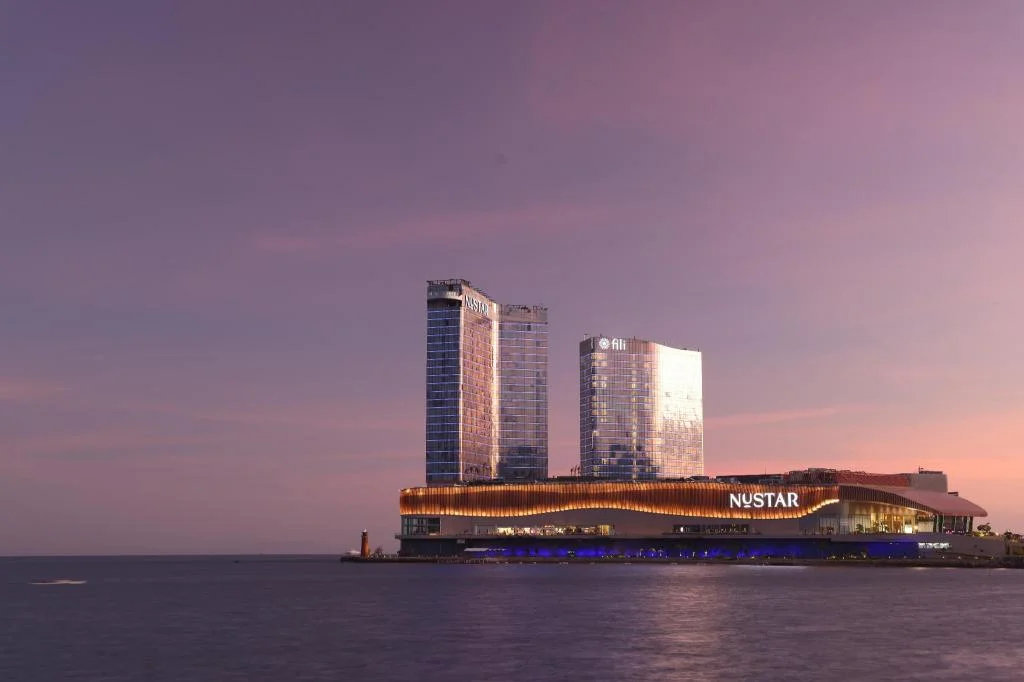
Fili Hotel - NUSTAR Resort & Casino Cebu

Holiday Inn Cebu City By IHG

Citadines Cebu City
Prefer a rental? Vacation rentals near Cebu City
Self-catering condos and apartments — book the exact unit, kitchen included.
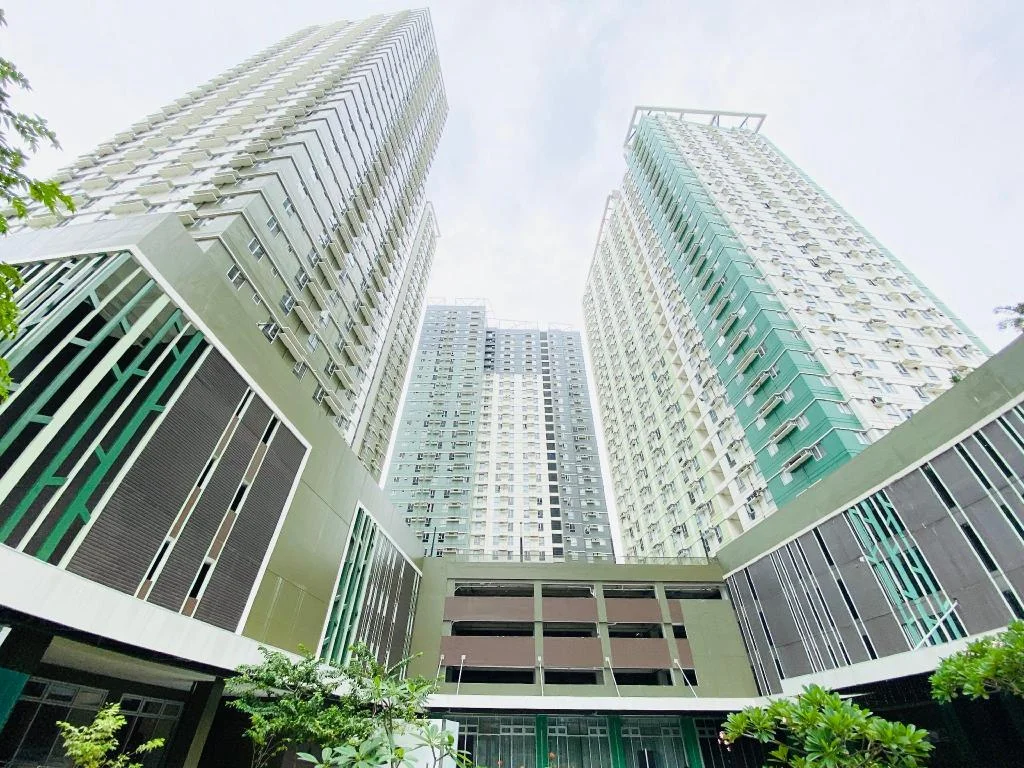
Cebu Avida Riala by P&J

Special Big Loft Unit w/Fibreop Internet & Netflix

Moonstar Cebu Hotel - Deluxe Room
Before you go
Frequently asked
When is rainy season in Cebu?
Does it rain all day in Cebu during rainy season?
Can you still see the whale sharks in Oslob during rainy season?
Is Kawasan Falls canyoneering safe during rainy season?
Is rainy season a good time to visit Cebu for cheaper prices?
How is rainy season different from typhoon season in Cebu?
What should I pack for Cebu's rainy season?
Should I avoid Cebu entirely during rainy season?
More Places to Explore
Kawasan Falls
Badian
A stunning three-tiered waterfall famous for its turquoise waters, bamboo raft rides, and as the endpoint of the famous Badian canyoneering adventure.
Temple of Leah
Cebu City
A magnificent Roman-inspired temple built as a monument of love, nicknamed 'Cebu's Taj Mahal,' offering stunning architecture and city views.