TL;DR: Cebu is hot and humid year-round (typically 27–34°C), so pack light, quick-dry clothing over anything heavy. The three things people actually get wrong: sunscreen (no sunscreen at all before swimming with whale sharks in Oslob, and mineral-only elsewhere near reefs), modest clothing for temples and shrines like Simala (shoulders and knees covered, strictly enforced), and water shoes for Kawasan Falls canyoneering (rentable for ₱100–150 / US$1.61–2.42 on-site). Bring a dry bag, a rain poncho for wet-season trips (June–November), and skip the jacket. Verified July 2026.
Cebu packs beach, waterfall, mountain, and city days into the same week, which is exactly why the packing question trips people up — a rash guard for whale sharks, a shawl for a shrine, and water shoes for a canyon are three different kits, not one. This guide is the checklist a Cebu local would actually hand you: what to bring, what to rent when you land, and what to leave at home because you’ll never use it. It’s built around the destinations people actually build a Cebu trip around — Kawasan Falls canyoneering, Oslob whale shark watching, and pilgrimage stops like Simala Shrine — plus the everyday practical stuff (plugs, rain, meds) that doesn’t show up on generic “tropical vacation” lists.
Cebu Packing List at a Glance
| Category | Bring | Rent/buy locally | Notes |
|---|---|---|---|
| Sun protection | Rash guard, wide-brim hat, mineral sunscreen | — | No sunscreen at all before Oslob whale shark swim |
| Canyoneering | Quick-dry shorts/leggings, old sneakers (optional) | Water shoes ₱100–150 (US$1.61–2.42) | Helmet & life vest included by operators |
| Snorkeling | Your own mask if picky about fit | Mask/snorkel/fins ₱100–200 (US$1.61–3.23) | Fine quality for casual day snorkeling |
| Modest wear | Light long-sleeve shirt, long pants/maxi skirt | Balabal wrap ₱20–50 (US$0.32–0.81) at Simala gate | Shoulders + knees covered, no caps |
| Rain | Packable poncho, dry bag | Umbrella (₱100–200) at any sari-sari store | Wet season June–Nov, wettest June–Sept |
| Electronics | Universal adapter, power bank | — | 220V/60Hz; Type A/B/C sockets |
| Health | Meds, repellent, rehydration salts | Pharmacy chains in cities | Scarce in rural south Cebu |
Prices reflect typical 2026 rates at popular sites; confirm locally as small vendor fees vary. Verified July 2026, ₱62 ≈ US$1 (July 2026).
What Clothes Do You Actually Need?
Lightweight, quick-dry clothing beats anything heavy, because Cebu sits at 27–34°C year-round with high humidity. Think breathable shirts, shorts, swimwear, and one modest outfit for churches and shrines. Cotton feels fine dry but stays wet and clammy once you sweat or get splashed, so travelers report quick-dry synthetic blends hold up far better across a multi-activity itinerary.
Pack:
- 4–6 breathable tops, 2–3 bottoms (shorts + one pair of light pants)
- Swimwear (2 sets so one can dry while you wear the other)
- One modest outfit: a light long-sleeve shirt or shawl, and pants or a maxi skirt past the knee
- Comfortable walking sandals plus one pair of sneakers or trail shoes for hikes like Osmeña Peak
- A light cardigan or shirt for over-air-conditioned malls, buses, and vans — it gets genuinely cold indoors
Skip jeans, jackets, and thick sweaters. Temperatures barely dip below the mid-20s°C even at night, so bulky layers are dead weight in your bag.
What Do You Need for Whale Shark Watching in Oslob?
Bring a rash guard and board shorts, not sunscreen, because no sunscreen at all — mineral or chemical — is allowed before you enter the water. Oslob’s whale shark interaction runs in a shallow, contained bay, and even “reef-safe” sunscreen washes off directly onto the animals and the water they feed in, so operators enforce a strict pre-swim sunscreen ban. Cover up with a long-sleeve rash guard, swim leggings or board shorts, and a hat for the boat ride instead, and apply sunscreen only after you’re back on the beach. Other posted rules include keeping roughly 4 meters from the whale sharks, no flash photography, no feeding except by designated feeders, and no diving underneath them.
What Sunscreen Should You Pack for the Rest of Cebu?
Away from Oslob’s no-sunscreen zone, use a mineral sunscreen with non-nano zinc oxide or titanium dioxide, and skip anything listing oxybenzone, octinoxate, or octocrylene. These chemical UV filters are linked to coral bleaching and are the ones environmental groups flag for reef-heavy destinations, which describes most of Cebu’s marine sanctuaries — Moalboal’s Pescador Island, Nalusuan, Hilutungan, and the sardine run areas all sit over living reef. Local brands and international mineral sunscreens are both sold at Watsons and Mercury Drug in the cities, but stock is thinner in Moalboal and Oslob, so buy before you head south if you’re particular about the brand.
What Do You Need for Kawasan Falls Canyoneering?
Wear quick-dry shorts or leggings and bring water shoes if you own a pair — otherwise rent them on-site for about ₱100–150 (US$1.61–2.42). The canyon route from upper Kawasan involves cliff jumps, rope descents, and scrambling over wet, slippery rock, so aqua shoes or any sturdy water shoe with grip matter more than people expect; flip-flops and bare feet are a common source of cut feet and turned ankles. Operators supply the helmet and life vest as part of the standard package, so you don’t need to bring those. Useful extras: a waterproof phone pouch or action camera, a dry bag for a full change of clothes and a towel at the exit, and small cash for tips and snacks — most guides won’t carry your loose belongings, so pack light and leave valuables at your hotel. Compare Kawasan Falls canyoneering tours on Klook if you want a package that bundles gear and transport.
What Should You Wear at Simala Shrine and Other Churches?
Cover your shoulders and knees — Simala’s dress code is checked at the gate and applied to every visitor, no exceptions. Sleeveless tops, shorts or skirts above the knee, see-through fabric, and caps are all turned away. If you show up under-dressed, vendors just outside the entrance rent a balabal (wrap cloth) for roughly ₱20–50 (US$0.32–0.81), so it’s not a trip-ender, but packing a light long-sleeve shirt and long pants or a maxi skirt saves you the line and the rental fee. The same modest standard is the safe default at Basilica del Santo Niño and other active churches downtown, even where enforcement is looser — flash photography is also barred inside Simala’s main church, offering room, and museum, and drones aren’t allowed anywhere on the grounds.
Do You Need to Bring Your Own Snorkel Gear?
Not for a normal day trip — rental mask-and-snorkel sets run about ₱100–200 (US$1.61–3.23) at most Moalboal shops and on island-hopping boats, and the quality is fine for casual snorkeling. Bring your own only if you have a specific fit need (common for smaller faces where rental masks leak) or you’re snorkeling multiple days and want to skip the rental line each time. If you’re doing an organized boat trip to Pescador Island or a marine sanctuary, gear is often already bundled into the tour price. Browse Cebu snorkeling and island-hopping tours on Klook for bundled options.
What Rain Gear Do You Need?
A packable poncho and a dry bag cover most situations — an umbrella works fine in the city but is useless on a boat or at a waterfall. Cebu’s wet season runs roughly June through November, with June to September the wettest stretch, though the province is usually spared the worst typhoons since the main storm track passes further north through Luzon or south through Mindanao. Even in dry season, brief afternoon downpours happen, so:
- A packable rain poncho or light waterproof jacket (better than an umbrella for outdoor activities)
- A dry bag (10–20L) for electronics, documents, and a spare outfit on boat and waterfall days
- Quick-dry sandals, since regular shoes take a full day to dry in the humidity
- A small umbrella is fine to buy locally (₱100–200 at any sari-sari store) for city walking days
What Electronics and Adapters Do You Need?
The Philippines runs 220V at 60Hz with a mix of Type A (flat two-pin), Type B (flat two-pin plus ground), and Type C (round two-pin) sockets. US and Canadian travelers usually don’t need an adapter since their standard plugs fit directly, but check that any single-voltage 110V device (some hair tools, certain older electronics) isn’t plugged in directly, since it needs a voltage converter, not just a shape adapter. UK, Australian, Irish, and New Zealand travelers do need an adapter, since their Type G and I plugs don’t fit Philippine sockets. Most modern phone, laptop, and camera chargers are dual-voltage (check the label for “100-240V”), so a simple shape adapter is all they need.
Also worth packing: a portable power bank (long tour days drain phones fast), a local eSIM or physical SIM set up before or on arrival (see our Cebu SIM and eSIM guide), and a universal adapter rather than a single-country one if you’re continuing on to other Southeast Asian stops.
What Documents, Money, and Health Items Do You Need?
Bring your passport (valid at least 6 months beyond your stay), proof of onward or return travel, and any required eTravel entry registration completed before arrival. For money, bring 1–2 debit or credit cards (BDO, BPI, and UnionBank ATMs are widely available in cities and larger towns) plus small-denomination pesos for tricycles, market stalls, and entrance fees, since card acceptance drops off fast outside Cebu City and Mactan.
For health, pack:
- Prescription medication in original packaging, plus a basic travel kit (anti-diarrheal, oral rehydration salts, antihistamine)
- Mosquito repellent with DEET or picaridin, especially for waterfall and rural day trips
- Motion sickness tablets if you’re prone to it — the roads to Osmeña Peak and Kawasan Falls wind a lot, and boat crossings can get choppy
- Basic first-aid items (blister plasters, antiseptic) for hiking and canyoneering days
Pharmacy chains like Watsons and Mercury Drug are common in Cebu City, Mactan, and larger towns, but scarce once you’re deep into rural south Cebu, so carry what you need for day trips rather than assuming you’ll find a pharmacy nearby.
The Honest Take
Most “Philippines packing list” advice overpacks you for a place that’s simpler than it sounds — you genuinely do not need a jacket, a full first-aid kit, or specialized dive gear unless you’re a certified diver. The three items that actually matter and that generic packing lists usually miss are the Oslob sunscreen rule (skip it entirely, wear a rash guard), Simala’s dress code (cover shoulders and knees or budget for a rental shawl), and water shoes for canyoneering (rent on-site if you don’t own a pair — not worth buying just for one trip). Everything else — snorkel gear, umbrellas, adapters — is cheap and easy to buy or rent the moment you land, so when in doubt, pack less and buy local.
Ready for the Trip
Once your bag’s sorted, line up the activities that actually need this gear: check Kawasan Falls canyoneering for the full route breakdown, confirm when to visit around the wet season, and read is Cebu safe for tourists for the practical safety side of the trip. For the month-by-month rain and heat patterns behind this list, see our Cebu weather guide.
Sources
- Oslob Whale Shark Watching official guide — Island Trek Tours
- Simala Shrine dress code — WhyCebu 2026 guide
- Kawasan Falls Canyoneering Guide 2026 — Hale Manna
- Philippines plug type and voltage guide — Holafly
- Philippines power plugs and sockets — power-plugs-sockets.com
- Reef-safe sunscreen in the Philippines — GMA News Online
- Surfrider Foundation 2025 Reef Friendly Sunscreen Guide
- Climate of Cebu — Wikipedia
- Stay Dry in Cebu: Rainy Season Tips — Lalamove
- Snorkel and water-shoe rental pricing verified against 2026 operator and traveler reports for Moalboal and Badian; confirm current rates locally. Verified July 2026.
Book Tours & Hotels for This Trip
Find and book the best deals — prices and availability update in real time. Links open in a new tab.
Where to stay near Oslob
Top-rated hotels for this trip — tap through to check live rates.
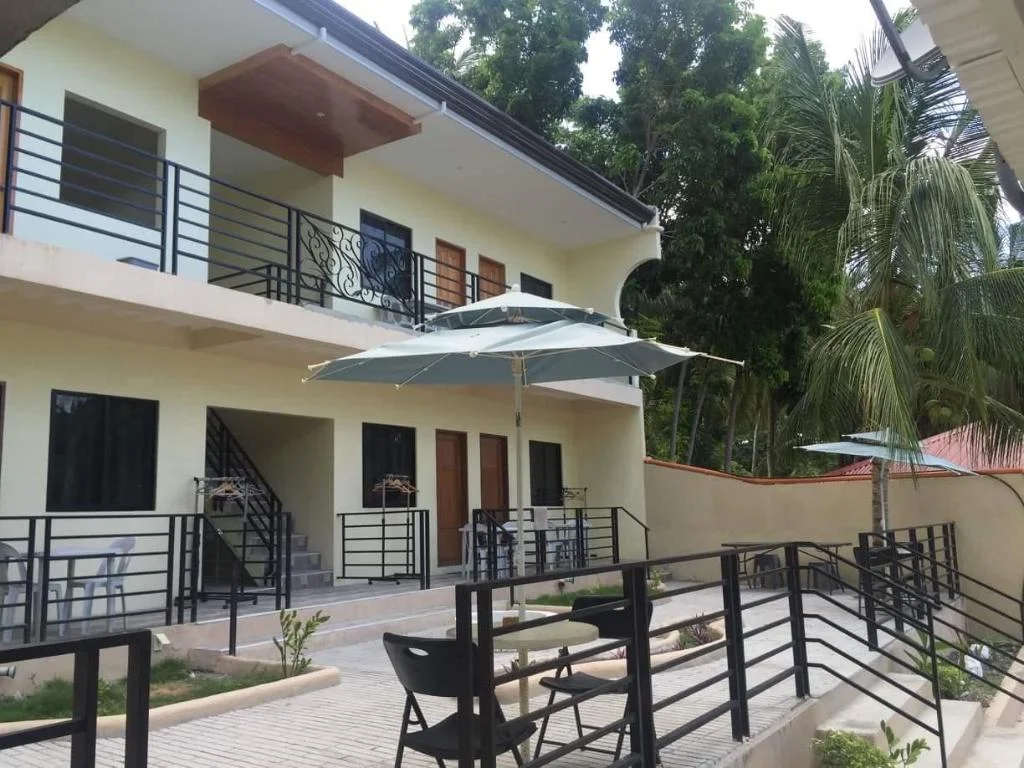
Joaquim's Lodge
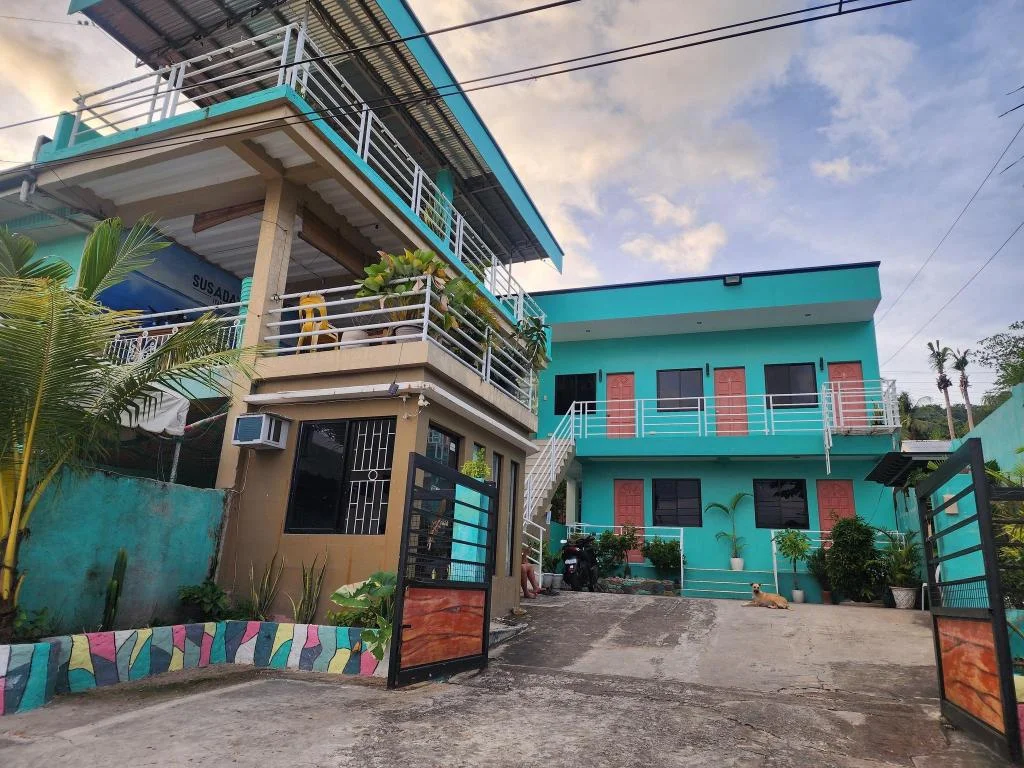
Susada's Inn
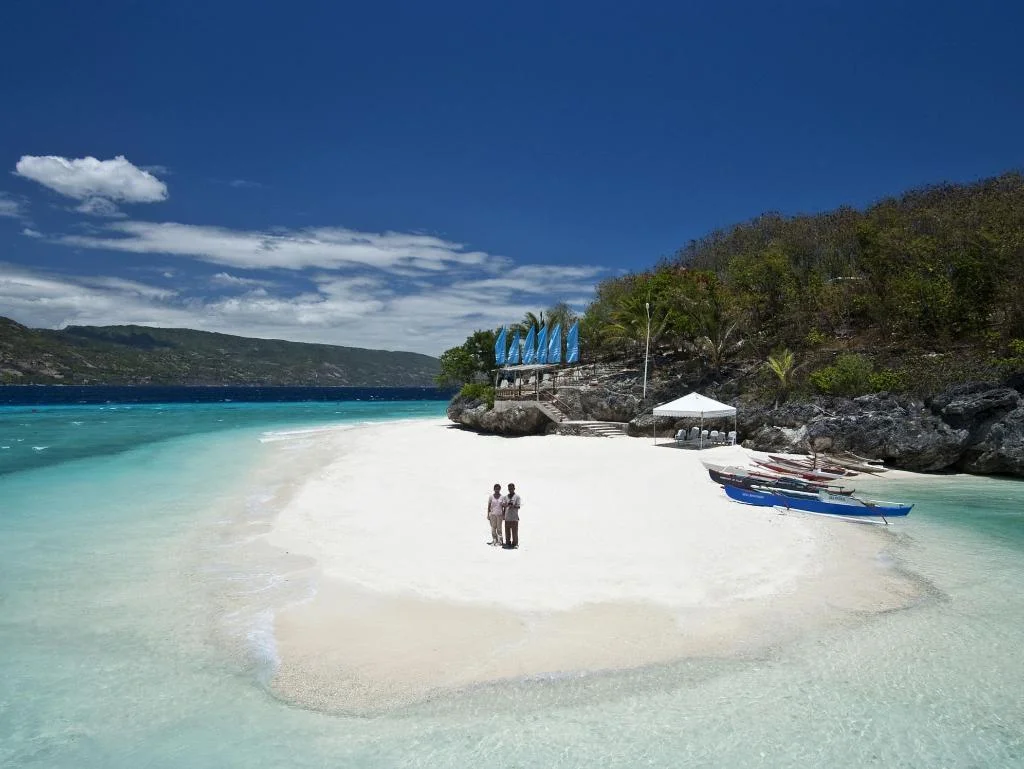
Bluewater Sumilon Island Resort
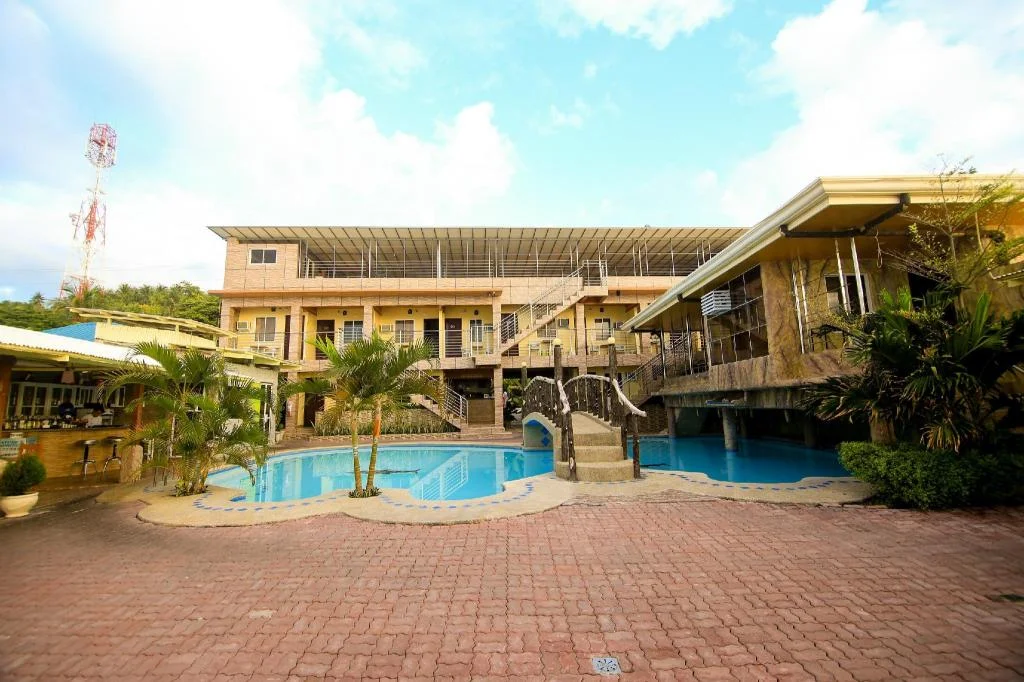
Ging-Ging Hotel & Resort
Prefer a rental? Vacation rentals near Oslob
Self-catering condos and apartments — book the exact unit, kitchen included.
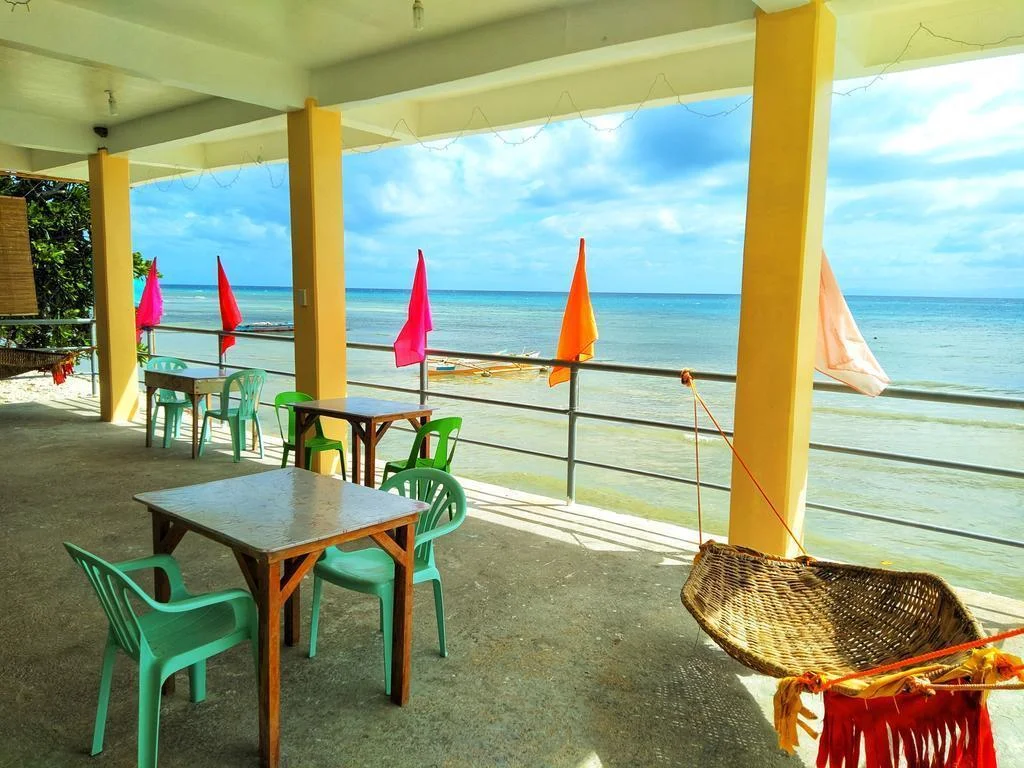
Ocean View Lodging House
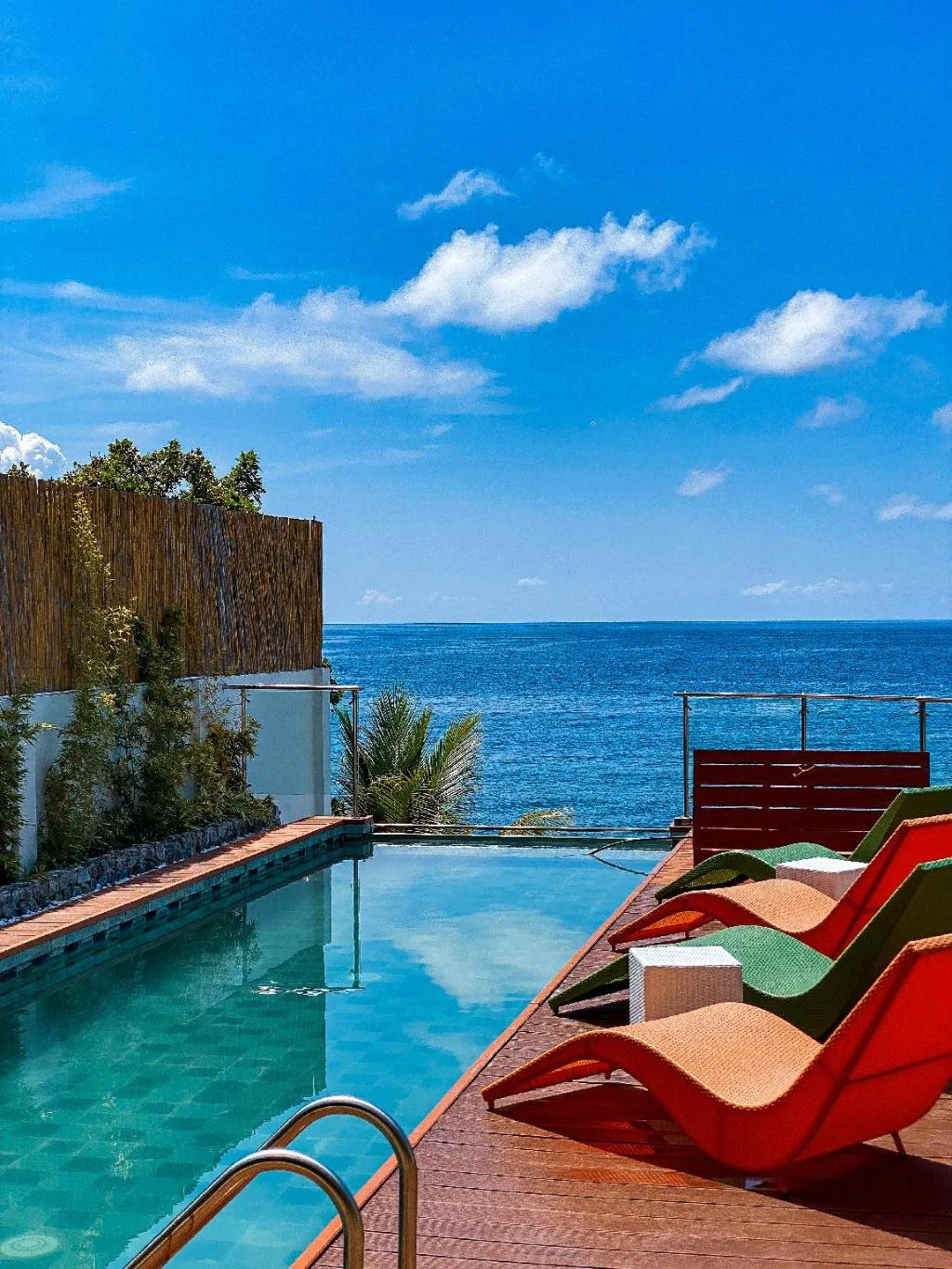
The South Hideaway Oslob
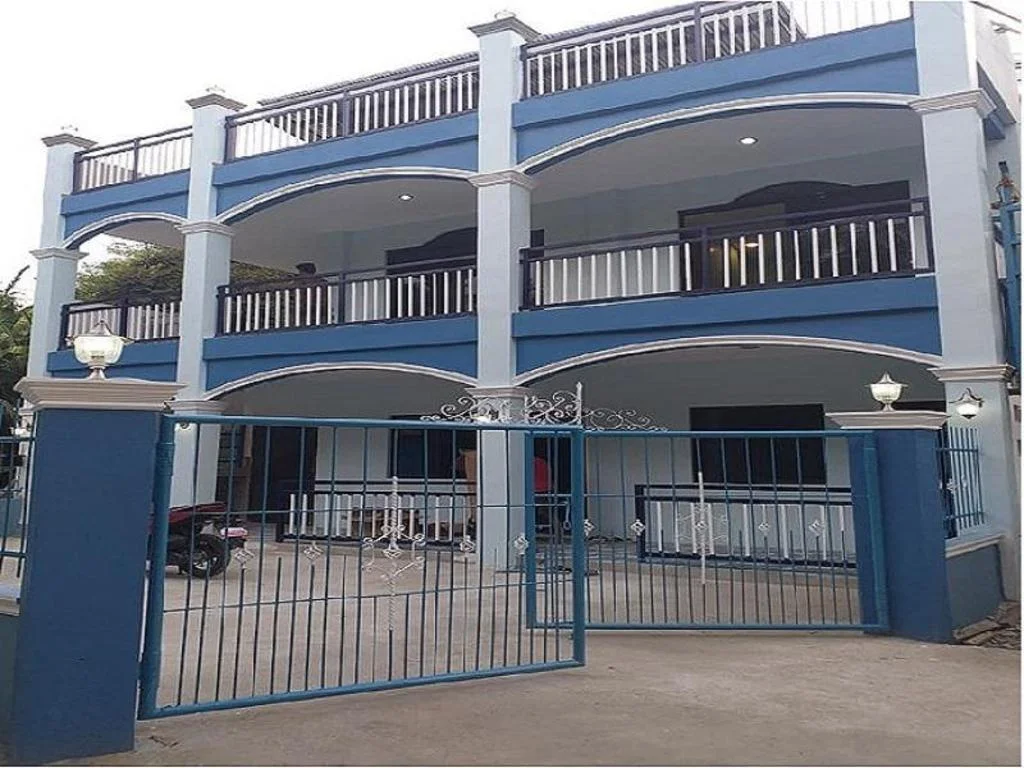
Azulea Family Deluxe 1 * own CR, shower, AC, TV
Before you go
Frequently asked
What plug adapter do I need for Cebu?
Do I need reef-safe sunscreen in Cebu?
What should I wear to Simala Shrine?
Do I need water shoes for Kawasan Falls canyoneering?
What rain gear do I need in Cebu?
Should I bring my own snorkel gear to Cebu?
What should I NOT pack for Cebu?
What documents and money items should I pack for Cebu?
Do I need to pack medicine for Cebu?
More Places to Explore
Kawasan Falls
Badian
A stunning three-tiered waterfall famous for its turquoise waters, bamboo raft rides, and as the endpoint of the famous Badian canyoneering adventure.
Whale Shark Watching
Oslob
Swim alongside gentle whale sharks, the world's largest fish, in one of the few places where these magnificent creatures can be reliably encountered.
Simala Shrine (Monastery of the Holy Eucharist)
Sibonga
A magnificent castle-like church and major pilgrimage site famous for miraculous healings, attracting millions of devotees to venerate the Virgin of Simala.