
TL;DR: Cebu is warm year-round (mean 28.1°C / 82°F), so its “seasons” are really dry (December–May, calmer seas, lower rain) versus wet (June–November, heavier rain, rougher seas, higher typhoon risk). July and October are the wettest months (~200mm of rain over ~15 days each); April is driest (~56mm). Typhoon season runs June–November, peaking July–October — Cebu is more sheltered than eastern Visayas provinces but not immune, as Typhoon Rai/Odette (Dec 2021) and Typhoon Kalmaegi/Tino (Nov 2025, 70+ deaths in Cebu) both proved. Verified July 2026.
This is the climate reference, not the recommendation guide — for “when should I actually book my trip,” see best time to visit Cebu. Here you get the raw numbers: what the temperature and rainfall actually do each month, when typhoon risk rises, and what that means if you’re planning to dive Kawasan Falls canyoneering, chase the Moalboal sardine run, or just want to know if you need to pack a rain jacket. Cebu sits in the central Visayas, which buffers it from the worst of the typhoon belt that regularly batters eastern Samar and Leyte — but “buffered” is not “safe,” and two of the deadliest storms in the province’s recent history (2021 and 2025) prove it.
Cebu Weather at a Glance, Month by Month
| Month | Avg Temp | Rainfall | Rainy Days | Typhoon Risk | Good For |
|---|---|---|---|---|---|
| January | 26.8°C (80°F) | 135mm | 12 | Low | Sinulog, cooler evenings, diving |
| February | 27°C (81°F) | 89mm | 9 | Low | Driest calm-sea stretch begins |
| March | 27.8°C (82°F) | 61mm | 7 | Very low | Island hopping, clear water |
| April | 28.8°C (84°F) | 56mm (driest) | 5 | Very low | Peak dry season, hottest sun |
| May | 29.4°C (85°F, hottest) | 94mm | 8 | Low, rising | Last calm month before monsoon |
| June | 28.9°C (84°F) | 181mm | 13 | Moderate | Fewer crowds, still diveable |
| July | 28.4°C (83°F) | 211mm (wettest tie) | 15 | Elevated | Lush waterfalls, quieter beaches |
| August | 28.6°C (83°F) | 158mm | 13 | High | Storm-watching from a distance, cheap rates |
| September | 28.4°C (83°F) | 190mm | 14 | High | Waterfalls at their fullest |
| October | 28.2°C (83°F) | 208mm (wettest) | 15 | High | Still workable with flexible plans |
| November | 28°C (82°F) | 131mm | 12 | Elevated | Transition month, watch forecasts |
| December | 27.4°C (81°F) | 172mm | 14 | Moderate | Christmas crowds, generally drier by mid-month |
Averages based on 1991–2020 climate normals for the Cebu/Mactan area. Individual years vary — always check the live forecast close to your trip. Verified July 2026.
How Hot Does Cebu Get?
Cebu never really gets cold — the annual range is only about 2.6°C, from a 26.8°C average in January to 29.4°C in May. May is the hottest month, with highs reaching close to 32.8°C and heat index readings that feel considerably higher given the humidity. January and February are the “cool” months, with overnight lows dipping to around 24°C — pleasant, but still shorts-and-sandals weather, not jacket weather unless you’re out on a boat at dawn.
The practical takeaway: there is no month where you’ll need warm clothing in Cebu proper. Sun protection matters every single month, and the UV index stays high year-round because of the tropical latitude, regardless of cloud cover.
When Does It Actually Rain in Cebu?
Rainfall is lowest from February through April (56–89mm a month) and highest from June through October (roughly 160–210mm a month), with July and October essentially tied as the wettest. PAGASA classifies Cebu as a Type III climate zone — relatively even rainfall spread across the year with no sharply defined dry season the way northern Luzon has, but a clear wet-versus-dry lean.
Two monsoon systems drive this pattern:
- Amihan (northeast monsoon), roughly November–May: drier, calmer, cooler air.
- Habagat (southwest monsoon), roughly June–October: wetter, more humid, rougher seas, and the window when most typhoons form or pass through.
Even in the wettest months, rain in Cebu usually comes as short, heavy downpours rather than all-day drizzle — a wet-season afternoon might dump 30mm in an hour and then clear up. It’s rarely a full washout, but it does mean more days where an outdoor plan needs a backup.
When Is Typhoon Season in Cebu?
Typhoon season runs June through November, with the highest activity from July through October. Cebu’s location in the central Visayas, tucked between Bohol, Negros, and Leyte, gives it more shelter than provinces directly on the Pacific-facing eastern seaboard (Samar, Eastern Leyte), which is why Cebu doesn’t see the same frequency of direct typhoon strikes as, say, Catanduanes or Northern Samar.
That shelter is relative, not absolute. Two recent storms show what a direct or near-direct hit looks like:
- Typhoon Rai (Odette), December 2021 — a Category 5-strength typhoon that made a direct, largely unforecast-in-severity hit on southern and central Cebu, flattening entire coastal towns and knocking out power across the province for weeks.
- Typhoon Kalmaegi (Tino), November 2025 — made landfall in Borbon, northern Cebu, and triggered what Cebu’s governor called the worst flash flooding in the province’s recorded history. More than 70 deaths were confirmed in Cebu alone, with over 560,000 people displaced province-wide. PAGASA retired the name “Tino” afterward because of the scale of damage and loss of life.
Neither of those storms hit during what most guides call “typhoon season” in the loosest sense — Rai hit in mid-December, after many travelers assume the risk has passed, and Kalmaegi hit in early November, right at the edge of the wet season. The lesson: don’t treat any month from June through at least early December as fully typhoon-free, and check PAGASA’s forecast in the days before flying, not just when booking months out.
What Do the Seasons Mean for Diving and Island Hopping?
Seas are calmest and visibility best from roughly November/December through May (amihan season); expect choppier water, lower visibility, and more day-trip cancellations from June through October (habagat season). This matters most for:
- The Moalboal sardine run: the sardine bait ball is present year-round and doesn’t disappear in the wet season, but calmer amihan-season water gives better visibility and easier boat access. Early morning (6–8 AM) is the best window in any month.
- Kawasan Falls canyoneering: the falls are more dramatic and full of water in the wet season (July–October) but currents run stronger and operators sometimes pause activities after heavy rain upstream — always check with the operator morning-of.
- Island hopping around Mactan and the smaller marine sanctuaries: dry-season crossings are smoother; wet-season trips are still usually fine but more prone to same-day rescheduling around squalls.
Browse island-hopping and diving tours on Klook to compare operators and see current availability for your travel dates.
How Does Weather Overlap With Crowds and Prices?
The dry season (December–May) is also Cebu’s peak tourist season, so good weather comes with higher hotel rates and bigger crowds, especially around Christmas/New Year and the Sinulog festival in January. The wet season (June–November) is Cebu’s low season commercially, which means cheaper resort rates and thinner crowds at places like Kawasan Falls — the trade-off is a real chance of a washed-out day or two, and, in the worst years, a serious storm.
If your dates are flexible, shoulder months like late May, early June, or November often split the difference: lower prices than peak season, without the heaviest of the wet-season downpours.
The Honest Take
Cebu doesn’t have a bad month in the way some destinations do — even in wet season, most days have real sunshine, and even in “cold” January, you’re still in shorts. The honest risk isn’t the daily weather, it’s the tail risk: a direct typhoon hit, which happened twice in the last five years with real casualties. If you’re traveling June through November, that’s not a reason to cancel, but it is a reason to buy travel insurance that actually covers weather disruption, build a spare day or two into any ferry-dependent itinerary (Bantayan, Camotes, Malapascua), and check PAGASA’s site or a weather app daily as your trip approaches rather than relying on a forecast you saw weeks earlier.
For the “when should I actually book” recommendation rather than the raw numbers, go to best time to visit Cebu. If you’re already committed to a wet-season trip, what to pack for Cebu covers the rain-jacket-and-dry-bag list you’ll actually need.
Sources
- PAGASA — Climate of the Philippines (climate classification, monsoon definitions)
- PAGASA Preliminary Report — Typhoon Tino (Kalmaegi), 2025 (official storm data)
- CNN — Typhoon Kalmaegi kills at least 85 in the Philippines (Cebu impact reporting)
- Climates to Travel — Cebu City climate data (1991–2020 monthly temperature/rainfall normals)
- Wikipedia — Typhoon Rai (Odette) (2021 Cebu landfall background)
- Monthly averages, typhoon-season framing, and dive-season conditions cross-checked against current operator and travel-guide reporting. Verified July 2026.
Book Tours & Hotels for This Trip
Find and book the best deals — prices and availability update in real time. Links open in a new tab.
Where to stay near Moalboal
Top-rated hotels for this trip — tap through to check live rates.
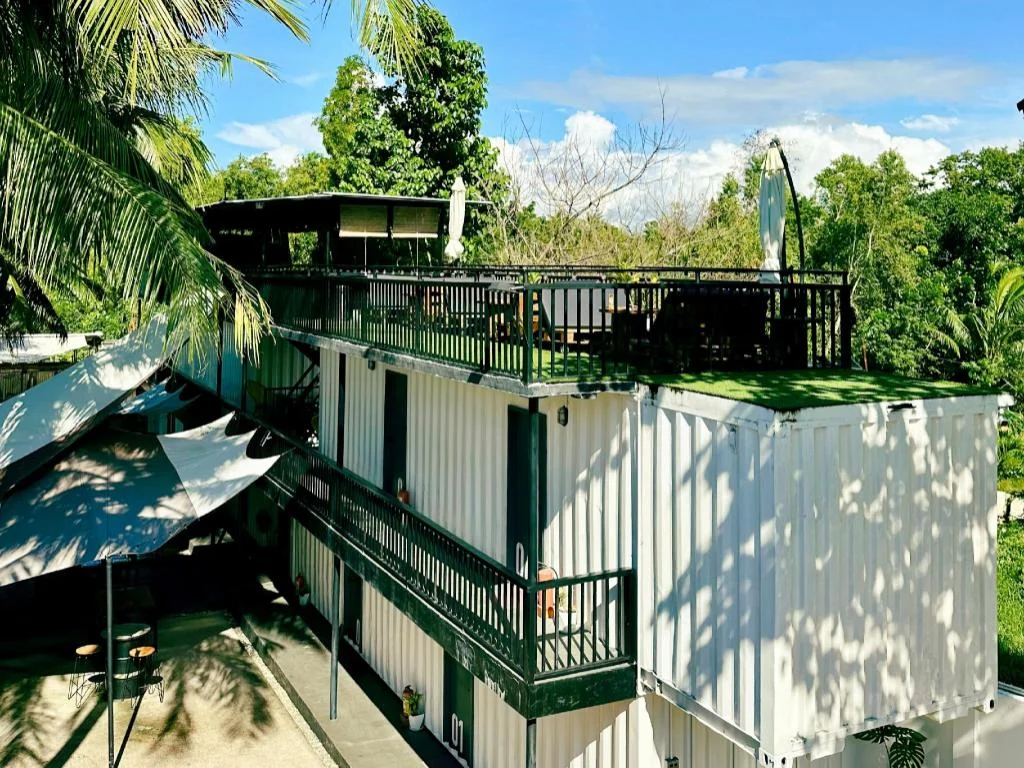
PIG DIVE HOSTEL MOALBOAL

Harman Suites Moalboal

Il Sogno Resort
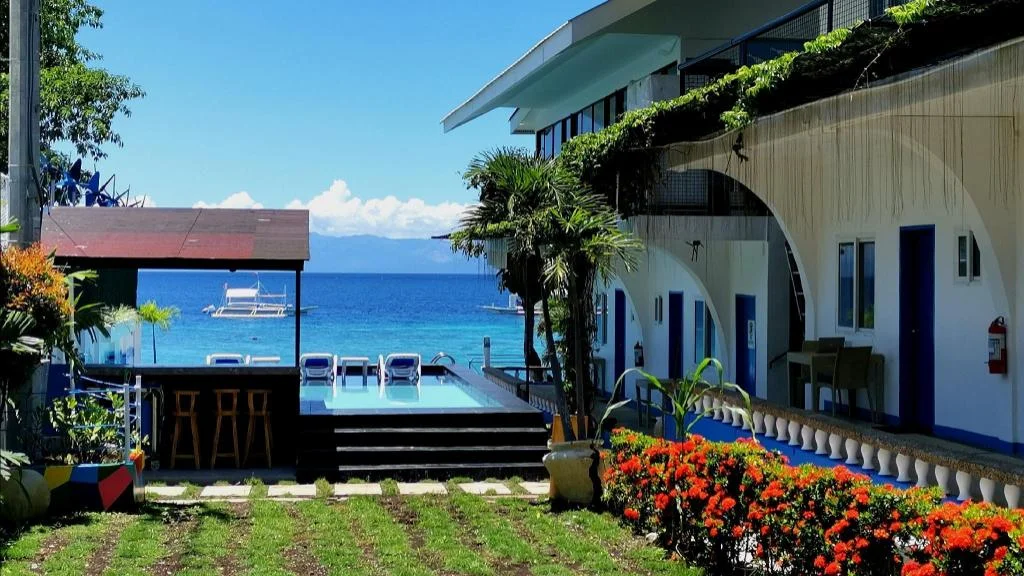
Pescadores Suites Moalboal
Prefer a rental? Vacation rentals near Moalboal
Self-catering condos and apartments — book the exact unit, kitchen included.
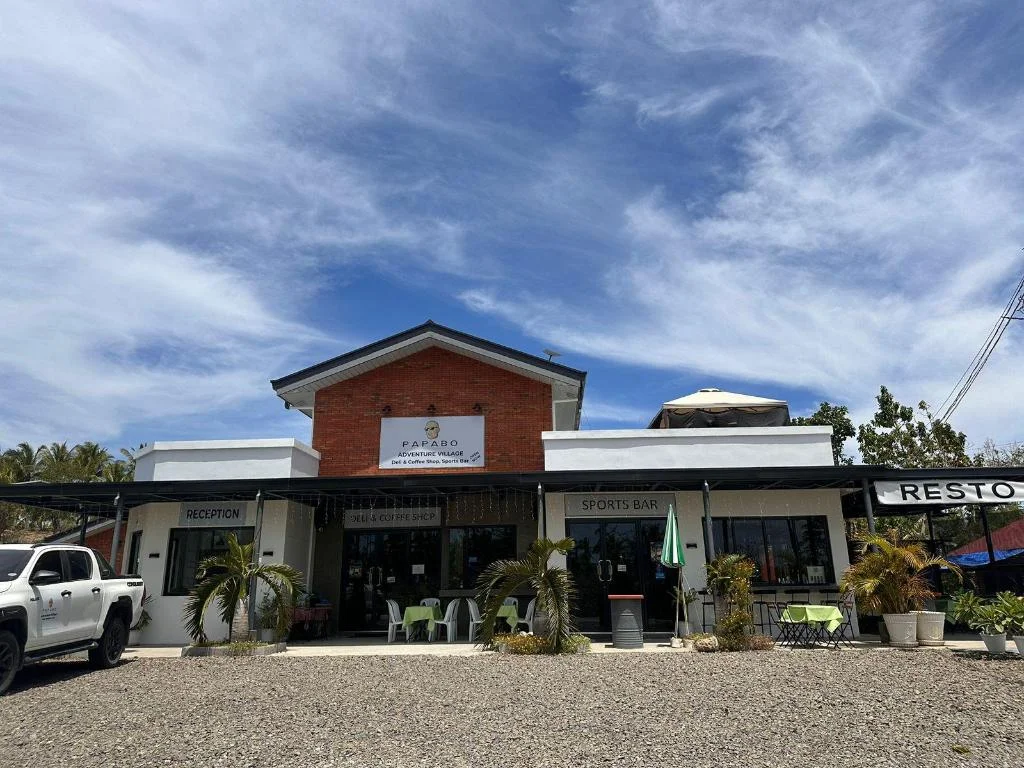
PAPABO Adventure Village
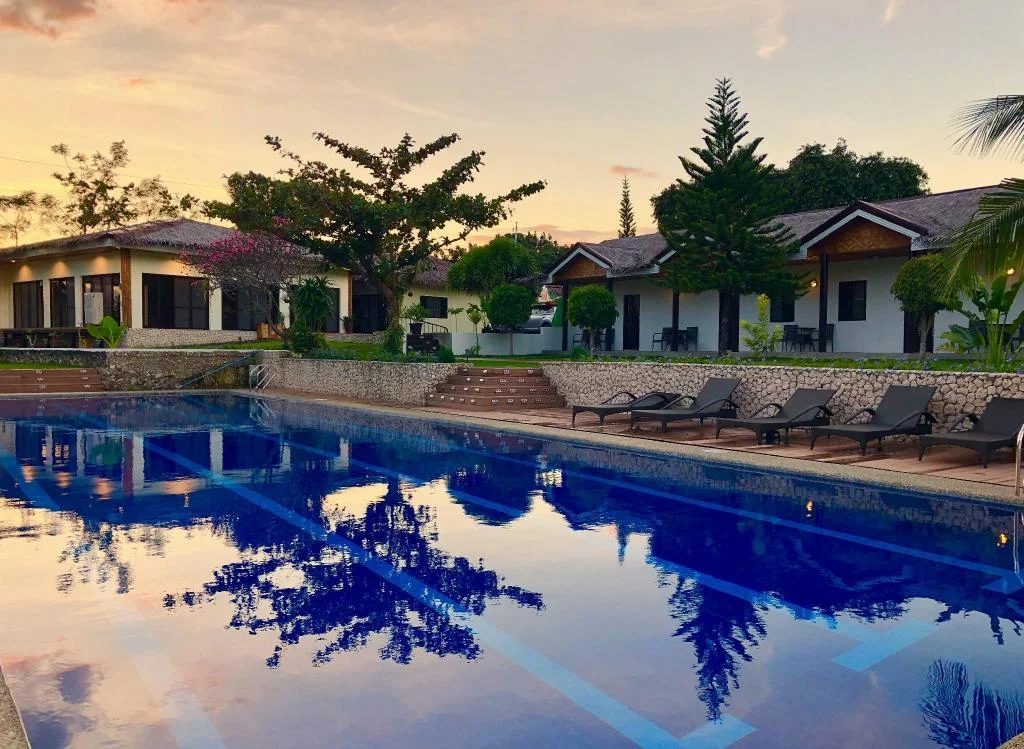
Casa de Moalboal

Althea Appartelle
Before you go
Frequently asked
What is the coldest month in Cebu?
What is the hottest month in Cebu?
When is typhoon season in Cebu?
Does it rain every day in Cebu during the wet season?
Is Cebu's weather different from Boracay or Palawan?
What should I pack for Cebu's weather?
Are there really seasons in Cebu, or is it hot all year?
Can a typhoon ruin my Cebu trip?
More Places to Explore
Kawasan Falls
Badian
A stunning three-tiered waterfall famous for its turquoise waters, bamboo raft rides, and as the endpoint of the famous Badian canyoneering adventure.
Moalboal Sardine Run
Moalboal
Swim with millions of sardines in one of the world's only year-round sardine runs, just meters from shore.