
TL;DR: Cebu’s dry season (roughly December–May) has the best weather, calmest seas, and clearest water for diving and island hopping — but December through late January is also the most crowded and expensive stretch of the year, thanks to Christmas, New Year, and Sinulog stacking back to back. February and early March are the sweet spot: dry-season weather, thinner crowds, normal prices. Wet season (June–November) brings afternoon rain and a real typhoon risk in August–September, but also the cheapest flights and hotels, and the Moalboal sardine run and Oslob whale sharks run daily all year regardless of season. Verified July 2026.
Cebu doesn’t really have a bad month — it has trade-offs. Every month here comes with a weather pattern, a festival or two, and a crowd-and-price level that shifts depending on what’s happening on the local calendar, not just the rain gauge. Most “best time to visit” advice stops at wet season versus dry season. That’s only half the picture: December weather is gorgeous, but so is the price tag, while a supposedly “risky” September week might give you empty beaches at Moalboal and a hotel room at half price.
This guide walks through all twelve months — what the weather actually does, what festivals or events land that month, how crowded and expensive it gets, and what that month is genuinely good for, whether that’s diving visibility, canyoneering at Kawasan Falls, or just finding a cheap flight. It’s built for planning a trip around a purpose, not just dodging rain. For the raw climate numbers, see our weather month-by-month breakdown; this one is about what to actually do with that weather.
Cebu Month by Month at a Glance
| Month | Weather | Key Events | Crowd & Price Level | Best For |
|---|---|---|---|---|
| January | Dry, warm, breezy | Sinulog Festival (3rd Sunday) | Peak — highest of the year | Festival energy, if you can book early |
| February | Dry, sunny, low humidity | Chinese New Year color at the Taoist Temple | High, but calmer than January | The best all-around month |
| March | Dry, warming up | Holy Week most years (variable date) | High if Holy Week lands here | Diving, island hopping before the heat peaks |
| April | Hot, dry, driest air | Kadaugan sa Mactan (April 27) | Shoulder-to-high | Battle of Mactan reenactment, hot-weather beach days |
| May | Hottest, still dry | Flores de Mayo processions | Shoulder | Last clear-water window before the rains |
| June | Rains begin (habagat starts) | Independence Day (June 12) | Low-shoulder | Budget trips, thinner crowds |
| July | Wet, afternoon showers | — | Low | Cheap flights and hotels, manageable rain |
| August | Wettest, typhoon risk rising | — | Low | Rock-bottom prices, quiet beaches |
| September | Wet, typhoon risk peaks | “Ber months” Christmas décor begins | Low | Cheapest month, flexible travelers only |
| October | Wet tapering off | — | Low-shoulder | Recovering weather, still discounted |
| November | Dry season returns | All Saints’/All Souls’ Day (Nov 1–2) | Shoulder, spikes Nov 1–2 | Good weather before December crowds |
| December | Dry, cool evenings begin | Christmas, New Year, Sinulog build-up | Peak — books out months ahead | Best weather of the year, at a price |
Weather patterns are typical ranges, not forecasts — always check a short-range forecast before finalizing outdoor plans. Verified July 2026.
What’s the Best Time to Visit Cebu, Overall?
The dry season, December through May, has Cebu’s best weather — but February is the best value inside that window. Cebu sits under the amihan (northeast monsoon) from roughly December to May, which means lower humidity, calmer seas, and the clearest water for diving and snorkeling. The catch is that “dry season” and “peak season” overlap almost exactly — December, January, and parts of March and April are also when the most people show up and prices climb hardest. If you want the weather without the premium, aim for February or the first half of March, once Sinulog clears out and before Holy Week crowds arrive. For a deeper breakdown of the two seasons and what drives them, see our best time to visit Cebu guide.
January: Is Sinulog Season Worth the Crowds?
Yes, if you plan around it — January is Cebu’s single most crowded and expensive month. The Sinulog Festival lands on the third Sunday of January (January 18 in 2026), and the weeks around it are the busiest stretch of the entire year in Cebu City — hotels sell out months ahead, and flights and rooms carry the year’s highest prices. Weather is genuinely excellent: dry, breezy, and warm. If Sinulog itself isn’t the draw, either book the rest of Cebu (Moalboal, Oslob, Bantayan) instead of the city, or shift your trip a few weeks later into February.
February–March: Why Locals Call This the Sweet Spot
February gives you dry-season weather without January’s crowds or price spikes — it’s the month most Cebuanos recommend to visiting friends. Skies are typically clearer and less humid than any other month, seas are calm for island hopping, and hotel rates settle back toward normal. March keeps most of that going, with the Chinese New Year color at the Cebu Taoist Temple usually falling in late January or February depending on the lunar calendar. The one wrinkle: Holy Week (Maundy Thursday through Easter Sunday) shifts every year and sometimes lands in late March instead of April — check the date for your travel year, because it changes the crowd picture at the beach towns even though Cebu City itself goes quiet.
April–May: How Hot Does It Get, and Is It Still Good for Diving?
April and May are Cebu’s hottest, driest months — and still some of the best for visibility underwater, before the heat turns humid. Expect the year’s warmest air temperatures and the least rain, which keeps the water at Moalboal and around Osmeña Peak clear and dry trails passable. April 27 brings Kadaugan sa Mactan, Lapu-Lapu City’s annual reenactment of the Battle of Mactan — a solid add-on if you’re based near Mactan-Cebu International Airport. By late May, humidity starts building ahead of the rains, so this window is closing rather than opening.
June–August: Is the Rainy Season Actually Worth Risking?
June and July are a reasonable bet — afternoon showers, but plenty of usable daylight and noticeably lower prices. August is the riskiest month of the year. The habagat (southwest monsoon) sets in around June, bringing more frequent rain, but it’s rarely an all-day washout; mornings are often clear with rain arriving later. August is when typhoon risk climbs fastest and rainfall peaks — Cebu is more sheltered than northern Luzon from direct typhoon hits, but tropical depressions still pass through, and outdoor tours (island hopping, canyoneering) get cancelled on short notice more often this month than any other. If your dates are flexible, this stretch is where the year’s cheapest flights and hotel rates show up.
September–October: Are the “Ber Months” Worth It for Cheap Travel?
September is statistically the wettest, highest-typhoon-risk month of the year — and also the cheapest, so it suits flexible travelers, not tight schedules. Christmas decorations start appearing around the city as the “ber months” kick off, which is a fun contrast against the still-wet weather. October usually starts tapering the rain and typhoon risk down, though it’s still part of the wet season. Both months reward travelers who build a buffer day or two into any multi-day plan (Bohol side trips, island-hopping days) rather than a tight back-to-back itinerary.
November: The Underrated Month Before the December Crush
November is arguably Cebu’s best-kept secret — the dry season (amihan) typically returns, but the December price surge hasn’t started yet. The one exception is November 1–2, All Saints’ and All Souls’ Day, when Filipinos travel in large numbers to visit family graves and hometowns — expect a genuine domestic-travel spike for that specific weekend, then a return to quiet, good-weather conditions for the rest of the month.
December: Why Does Everything Cost So Much?
December has arguably the best weather of the year — and the price to match, because Christmas, New Year, and the Sinulog build-up all land in the same six weeks. The dry season kicks back in with cooler evenings, and it’s genuinely a beautiful month to be in Cebu. But hotels and flights climb steadily from the first week of December through New Year, and the crowd only builds from there into January’s Sinulog. Book two to three months ahead if your dates fall anywhere near Christmas or New Year — see where to stay in Cebu City for booking timing by neighborhood.
How to Choose Your Month
- Chasing the cheapest trip? August or September — accept the rain risk for the lowest prices of the year.
- Want dry-season weather without the premium? February, or the first half of March before Holy Week.
- Building a trip around diving or the sardine run? December through May, when water clarity peaks around 20–30 meters at sites like Pescador Island.
- Coming for a specific festival? Plan Sinulog (mid-January) or Kadaugan sa Mactan (April 27) around the fixed or near-fixed date, and book accommodation as early as possible.
- Traveling with a tight, can’t-miss-a-day itinerary? Avoid August–September; a cancelled boat day burns through a short trip fast.
The Honest Take
There’s no single “best” month for everyone — there’s a best month for what you’re optimizing for. If money is no object and you want guaranteed good weather, December through February is hard to beat, but you’re paying peak rates and fighting crowds at anything Sinulog-adjacent. If you want value, the wet season isn’t the disaster it sounds like on paper — Cebu’s afternoon-shower pattern still leaves most days usable, and the sardine run and whale sharks run every single day regardless of season. The real risk window is narrow: August and September, when typhoon chances are highest and cancellations get more common. Outside of that, and outside the specific crowd spikes (Sinulog, Holy Week, Christmas/New Year, and the November 1–2 weekend), almost any week in Cebu works — pick based on your budget and your tolerance for company, not fear of rain.
Plan the Rest of Your Trip
Once you’ve picked a month, the next decisions are where to base yourself and how to fill the days — our things to do in Cebu roundup and getting around Cebu guide cover both. If your dates land near Sinulog, read the full Sinulog Festival guide before you book. For diving and snorkeling trips timed to the dry season, compare Cebu tours and island-hopping options on Klook, and lock in accommodation early with Cebu hotel search on Agoda — especially if your month of choice happens to be December or January.
Sources
- Climate of Cebu — Wikipedia
- Cebu Daily News — Sinulog 2026 full schedule of activities
- Sinulog Festival Official Website
- Cebu.gov.ph — Tourism in Cebu Province, Festival Calendar
- Philippine News Agency — Palace releases official list of 2026 holidays
- Sardine run seasonality and visibility cross-checked against multiple current Moalboal dive-operator guides (2025–2026 reporting)
- Oslob whale shark cancellation policy cross-checked against operator FAQ pages (2025–2026 reporting)
- Weather, event dates, and crowd patterns verified against current-year reporting; confirm exact dates for Holy Week and lunar-calendar events (Chinese New Year) for your specific travel year. Verified July 2026.
Book Tours & Hotels for This Trip
Find and book the best deals — prices and availability update in real time. Links open in a new tab.
Where to stay near Cebu City
Top-rated hotels for this trip — tap through to check live rates.

Seda Central Bloc Cebu City
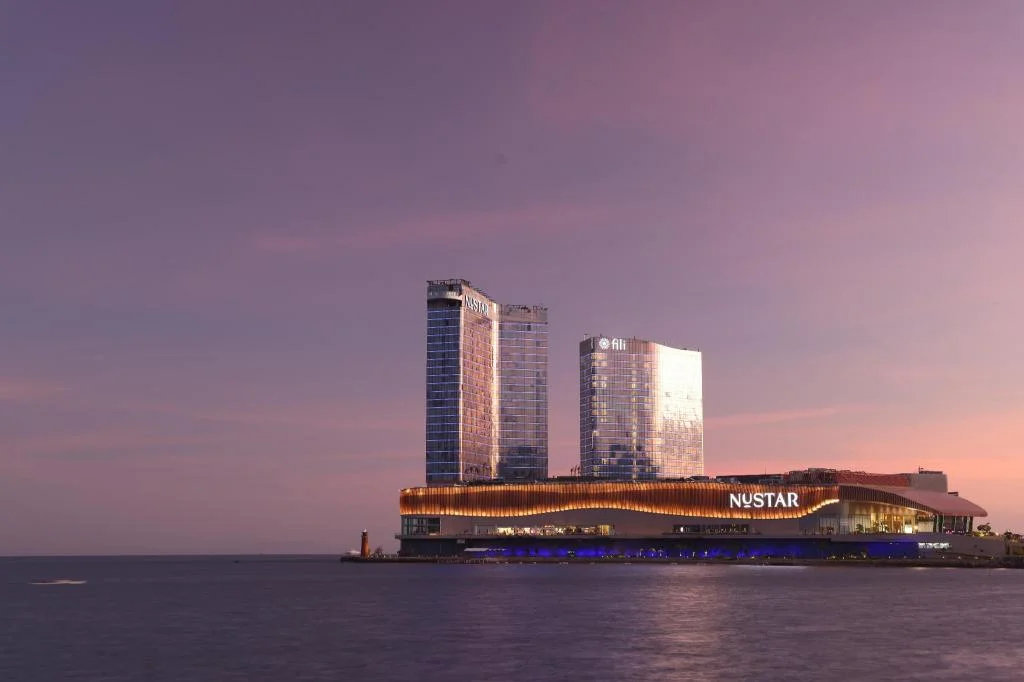
Fili Hotel - NUSTAR Resort & Casino Cebu

Holiday Inn Cebu City By IHG

Citadines Cebu City
Prefer a rental? Vacation rentals near Cebu City
Self-catering condos and apartments — book the exact unit, kitchen included.
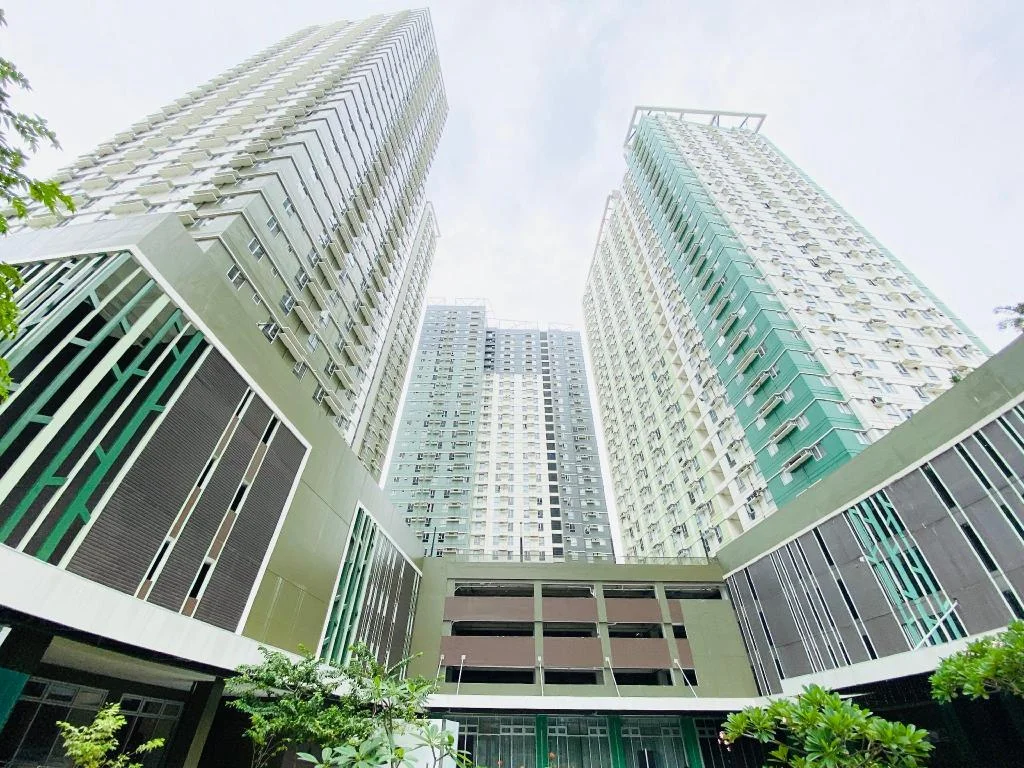
Cebu Avida Riala by P&J

Special Big Loft Unit w/Fibreop Internet & Netflix

Moonstar Cebu Hotel - Deluxe Room
Before you go
Frequently asked
What is the single best month to visit Cebu?
When is the rainy season in Cebu?
Is it worth visiting Cebu during typhoon season?
Does the sardine run and whale shark watching happen year-round?
When should I avoid Cebu if I hate crowds?
What's the cheapest time to fly to and stay in Cebu?
Is Holy Week a good time to visit Cebu?
Does Cebu have a real off-season?
More Places to Explore
Moalboal Sardine Run
Moalboal
Swim with millions of sardines in one of the world's only year-round sardine runs, just meters from shore.
Kawasan Falls
Badian
A stunning three-tiered waterfall famous for its turquoise waters, bamboo raft rides, and as the endpoint of the famous Badian canyoneering adventure.
Basilica del Santo Niño
Cebu City
The oldest church in the Philippines (1565), home to the miraculous Santo Niño image and center of the famous Sinulog Festival.