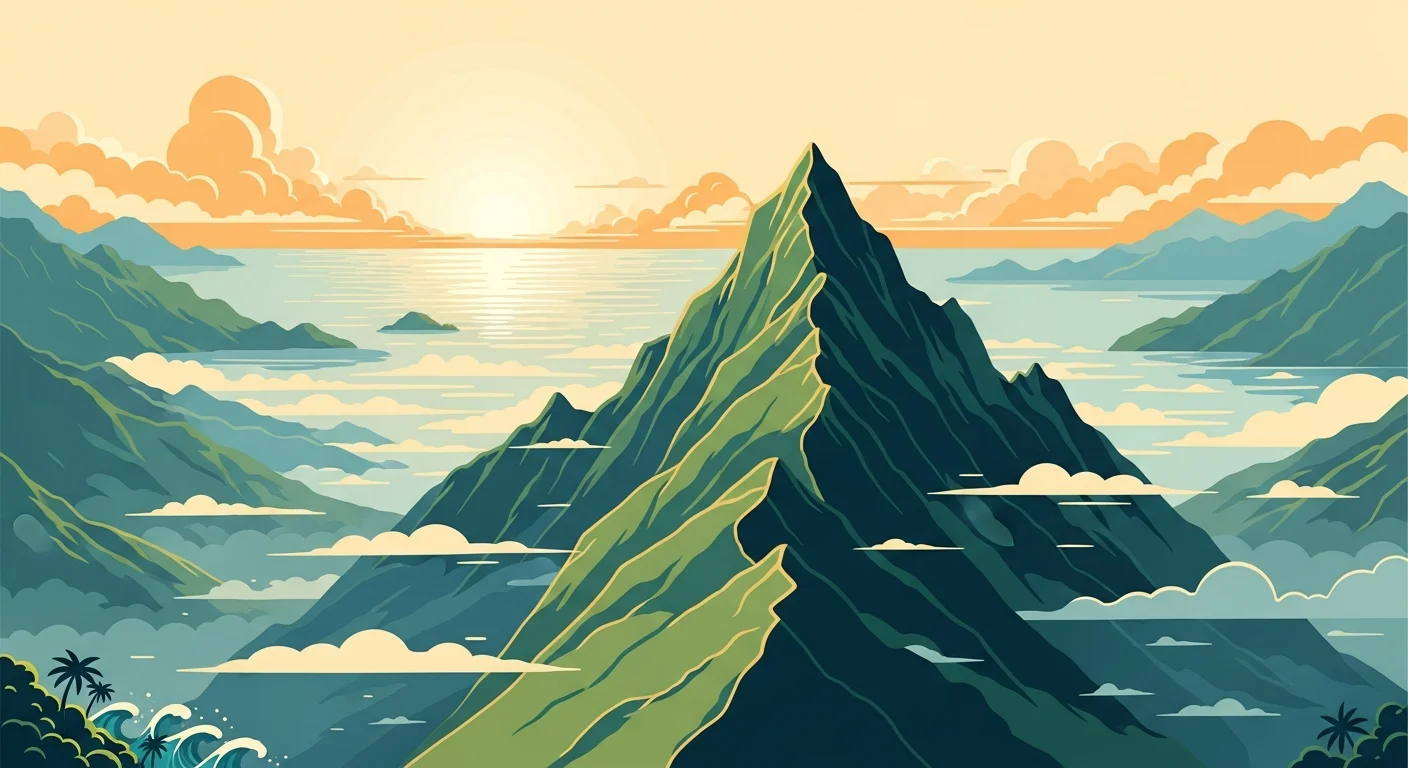
TL;DR: Osmeña Peak is the highest point in Cebu at 1,013 meters, sitting in Barangay Mantalongon, Dalaguete. The hike from the trailhead to the summit takes just 15–30 minutes, the entrance fee is ₱30 (about US$0.48), and an optional guide is around ₱100. Get there by Ceres bus from the Cebu South Bus Terminal to Dalaguete (≈3 hours), then a habal-habal (₱100–150) up to the jump-off. Camp overnight for sunrise and a possible sea of clouds — and pack a jacket, it gets cold up there. Verified June 2026.
Fees & Logistics at a Glance (2026)
| Item | What It Covers | Price (₱) | Notes |
|---|---|---|---|
| Entrance fee | Access to the peak | ₱30/person | Paid at the registration point |
| Local guide (optional) | Guide for the summit | ~₱100 | Optional for the peak, recommended for the traverse |
| Habal-habal (Dalaguete → Mantalongon) | One-way motorcycle taxi | ₱100–150 | Each way; negotiate the return |
| Tent rental (campsite) | Tent + basic gear | Budget rate | Or bring your own tent |
| Ceres bus (Cebu City → Dalaguete) | One-way fare | ₱150–200 | ~3 hours from South Bus Terminal |
| Guide tip (recommended) | — | ₱100–200 | If you hire a guide |
Prices in Philippine Peso. ₱62 ≈ US$1 (July 2026). Verified June 2026.
What Is Osmeña Peak?
Osmeña Peak is the highest point on Cebu Island, standing at 1,013 meters above sea level, in Barangay Mantalongon, Dalaguete — the highland heart of south Cebu, about an hour inland from Moalboal and roughly three hours from Cebu City.
What makes it special is the terrain. The summit is surrounded by a cluster of jagged, sharp-pointed green hills that locals and travelers compare to the Chocolate Hills of Bohol. These were formed when ancient coral reefs were pushed up out of the sea floor millions of years ago, leaving a ridge of razor-edged peaks that ripple out toward the Visayan Sea and, on a clear day, toward Negros across the water.
It is also a genuinely easy hike, which is part of why it is so popular. The road climbs most of the way for you, so the trail from the jump-off to the summit takes only 15–30 minutes. You get a near-1,000-meter viewpoint for the effort of a short uphill walk — one of the best view-to-sweat ratios in the Philippines.
How Hard Is the Osmeña Peak Hike?
It is easy — beginner-friendly and short. From the trailhead in Mantalongon, the walk to the summit takes about 15 to 30 minutes on a mostly clear path. There is a little scrambling on the final rocky section near the top, but nothing technical and nothing that requires gear.
The cool highland air actually makes it feel easier than a sea-level walk of the same distance. Families with older kids, casual travelers, and first-time hikers all manage it without trouble. If you want more, the ridge itself invites exploring — you can walk along the spine of the jagged hills for the best photo angles, which is where most people spend their time once they reach the top.
For a bit more, Casino Peak (also called Lugsangan Peak) is a five-minute drive away and offers the same Chocolate-Hills look from a different angle. Many people pair the two into a half-day.
Is Osmeña Peak Worth Camping For? (Sunrise & Sea of Clouds)
Yes — camping is what turns Osmeña Peak from a quick stop into the thing people remember. There is a campsite near the summit where you can pitch your own tent or rent one with basic gear, and spending the night is the only reliable way to catch sunrise from the top.
On a good morning you wake to a sea of clouds filling the valleys below the jagged hills, with the sun breaking over the Visayan Sea. It does not happen every day — it depends on the weather and the season — but when it does, it is one of the best sunrises in Cebu.
A few honest notes on camping here:
- It gets cold. This is 1,000+ meters in the highlands. Nights are genuinely chilly by Philippine standards. Bring a jacket, warm layers, and a sleeping mat.
- Facilities are basic. Expect simple toilets and not much else. Bring your own water, food, and a power bank.
- Mornings can be foggy. The same fog that makes the sea of clouds can also mean a whiteout with no view at all. It is a gamble — a good one, but a gamble.
If you would rather not haul gear, local operators around Mantalongon arrange guided sunrise treks and tent rental on site.
How Do You Get to Osmeña Peak from Cebu City?
The standard route is bus then motorcycle. From the Cebu South Bus Terminal in Cebu City, take a Ceres bus bound for Dalaguete (or any south-bound bus that stops there) — the ride is about 3 hours, fare roughly ₱150–200. Tell the conductor you are getting off at Dalaguete town.
From Dalaguete poblacion, hire a habal-habal (a motorcycle taxi) up to Barangay Mantalongon and the Osmeña Peak jump-off. This leg costs ₱100–150 each way — agree on the price before you get on, and ideally arrange for the driver to wait or come back for you, since transport thins out up in the highlands.
If you are coming from the southwest coast instead, you can reach the peak from Moalboal in about an hour by private vehicle, scooter, or arranged habal-habal heading east toward Dalaguete. That is the more common approach for travelers already doing the Moalboal–Badian circuit.
Self-driving a scooter or car is the easiest option of all if you are comfortable on Cebu roads — it lets you time the afternoon for clear views or stay overnight without worrying about the last ride down.
Can You Hike Osmeña Peak to Kawasan Falls? (The Traverse)
Yes, and it is one of the classic adventures in south Cebu. The Osmeña Peak to Kawasan Falls traverse starts in the cool highlands of Mantalongon and descends through farmland, forest, and river valleys to finish near Kawasan Falls in Badian.
Plan on roughly 3–5 hours of walking, mostly downhill but long, with sun exposure and a few stream crossings. A local guide is strongly recommended — the trail is not signposted, branches in places, and is easy to lose. You can usually arrange a guide at the Mantalongon jump-off.
The payoff is a perfect day: summit at sunrise from the campsite, then trek down and cool off in the turquoise pools of Kawasan. Many travelers chain it with Kawasan canyoneering the same trip — though doing the full traverse and canyoneering in one day is a lot, so most people split them over two days based out of Badian or Moalboal.
When Is the Best Time to Go?
Afternoon usually gives the clearest views. Mornings in Mantalongon are often foggy, so a midday-to-afternoon visit is the safer bet if you only care about seeing the hills and the sea below.
For sunrise and the sea of clouds, you have to camp overnight or start extremely early — and accept that fog might roll in and steal the view. That is the trade-off of chasing sunrise here.
Season-wise, the dry months (roughly December–May) are the most reliable. The highlands catch a lot of weather, and during the rainy season (June–November) you can get socked in for days. If you are traveling in the wet season, build in flexibility and be ready to wait out a foggy morning.
What Should You Bring?
- A jacket and warm layers — non-negotiable. It is cold at 1,000+ meters, especially overnight and at sunrise.
- Closed shoes with grip — the final summit scramble and the ridge are rocky; trainers or hiking shoes beat sandals.
- Water and snacks — there is little for sale at the jump-off, and nothing on the ridge.
- Power bank and headlamp — essential if you camp; useful for a pre-dawn start.
- Tent and sleeping mat — if you are not renting on site.
- Cash in small bills — for the entrance fee, guide, habal-habal, and tent rental. No card payments up here.
- Rain shell — highland weather turns fast in any season.
Where to Stay & Book
If you are doing Osmeña Peak as part of a south Cebu trip, the most common bases are Moalboal (about an hour west) for the beach scene and Badian for the Kawasan side. There are also simple budget lodges right in Mantalongon near the jump-off if you want to be steps from the trail without camping.
Search Moalboal and south Cebu accommodation on Agoda — staying on the coast the night before lets you reach the peak early without a pre-dawn departure from Cebu City.
For guided treks, sunrise tours, and the Osmeña Peak–Kawasan traverse, check available Cebu tours and activities on Klook — booking ahead is worth it on busy weekends and holidays, when the peak gets crowded with day-trippers.
Plan the Rest of Your South Cebu Trip
Osmeña Peak pairs naturally with the rest of the south. Tack on Casino Peak for a second hill viewpoint five minutes away, drop down to Kawasan Falls via the traverse or by road, and read our Kawasan Falls canyoneering guide to slot the adventure into your days. When you are ready to book, search Cebu tours on Klook and find a base on Agoda — then go catch that sunrise.
Sources
Entrance fee and guide rates as posted at the Mantalongon jump-off; tour listings via Klook. Verified on the ground; confirm live prices and schedules with operators before booking.
Book Tours & Hotels for This Trip
Find and book the best deals — prices and availability update in real time. Links open in a new tab.
Where to stay near Badian
Top-rated hotels for this trip — tap through to check live rates.
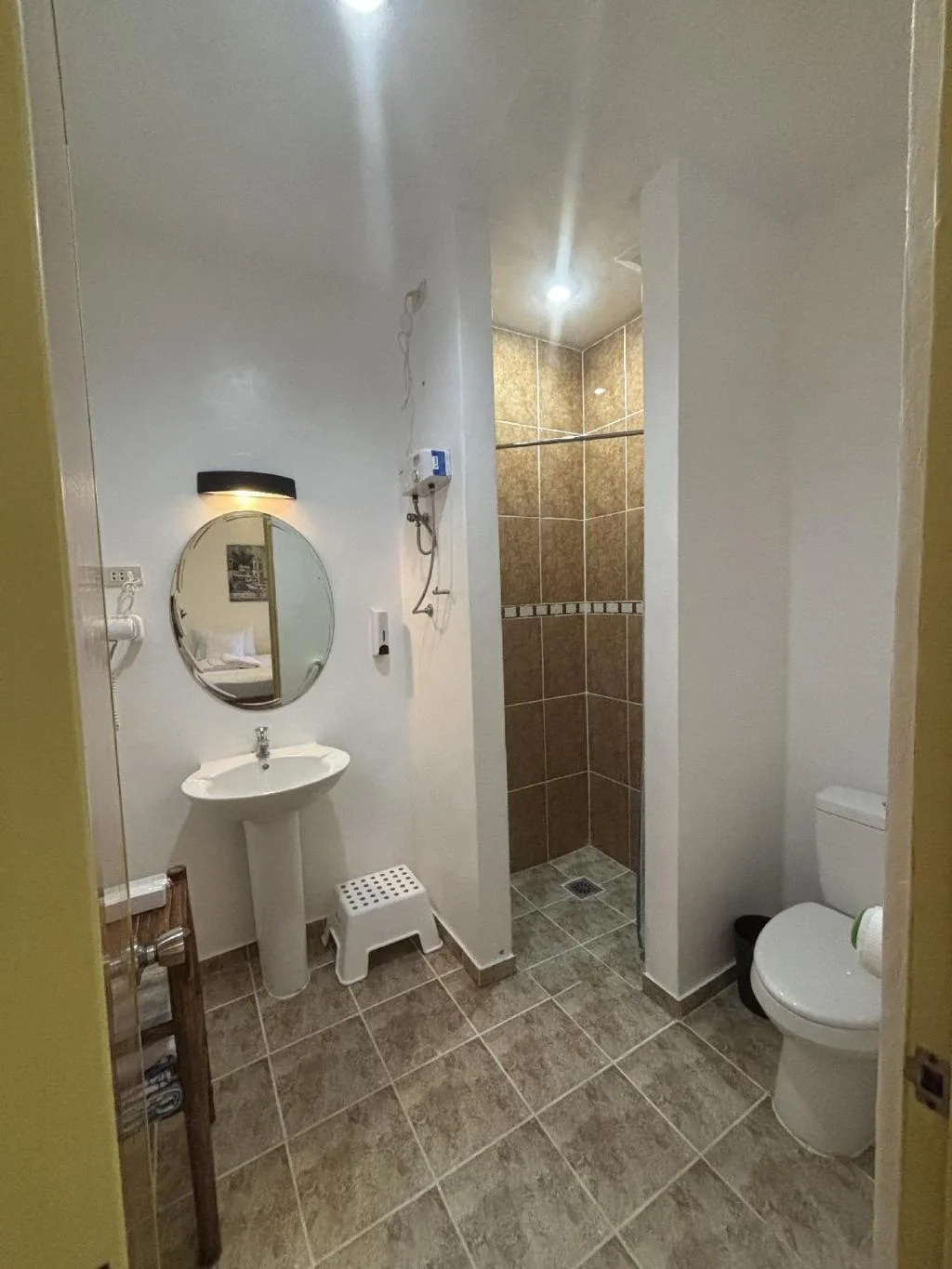
Cuestas Beach Resort and Restaurant
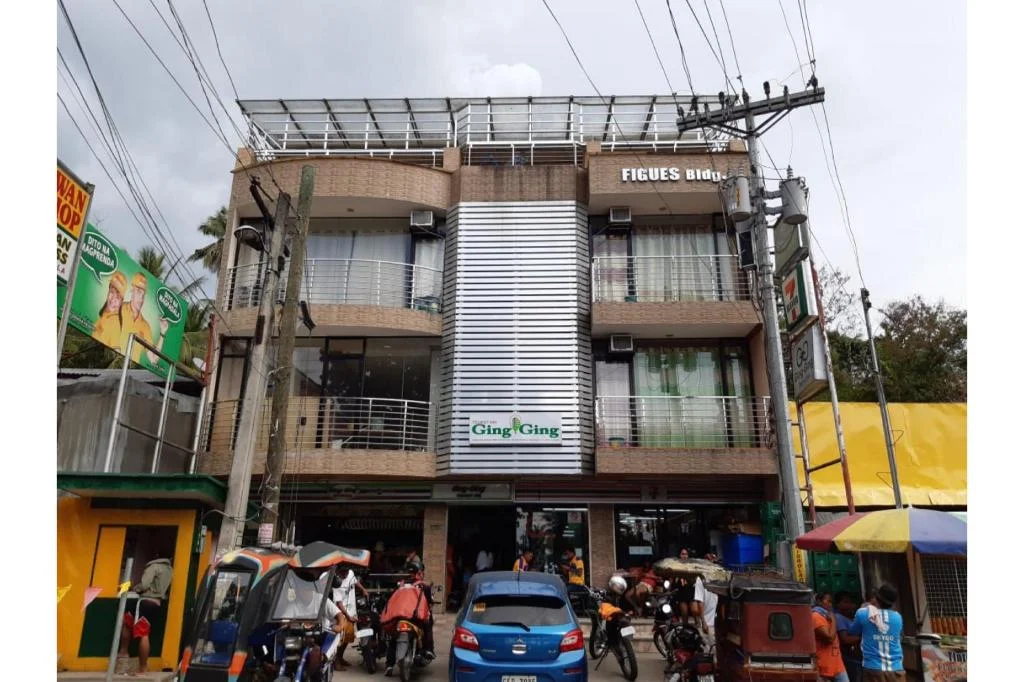
Ging Ging Tourist Inn
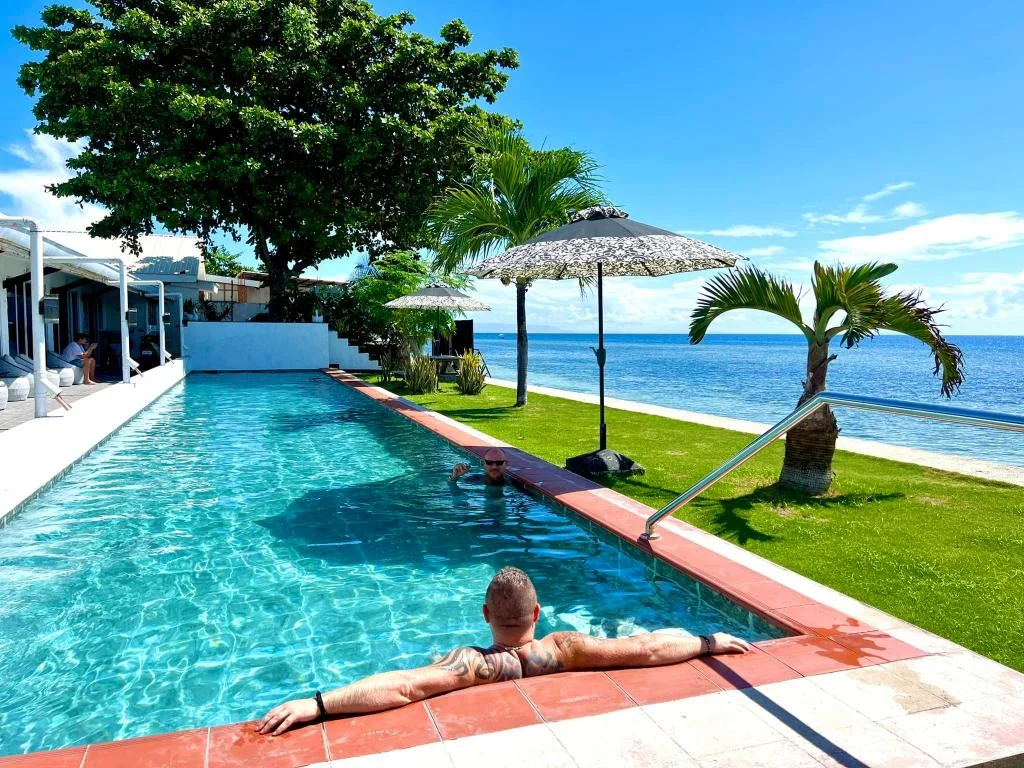
Beachhouse Poolside Room.
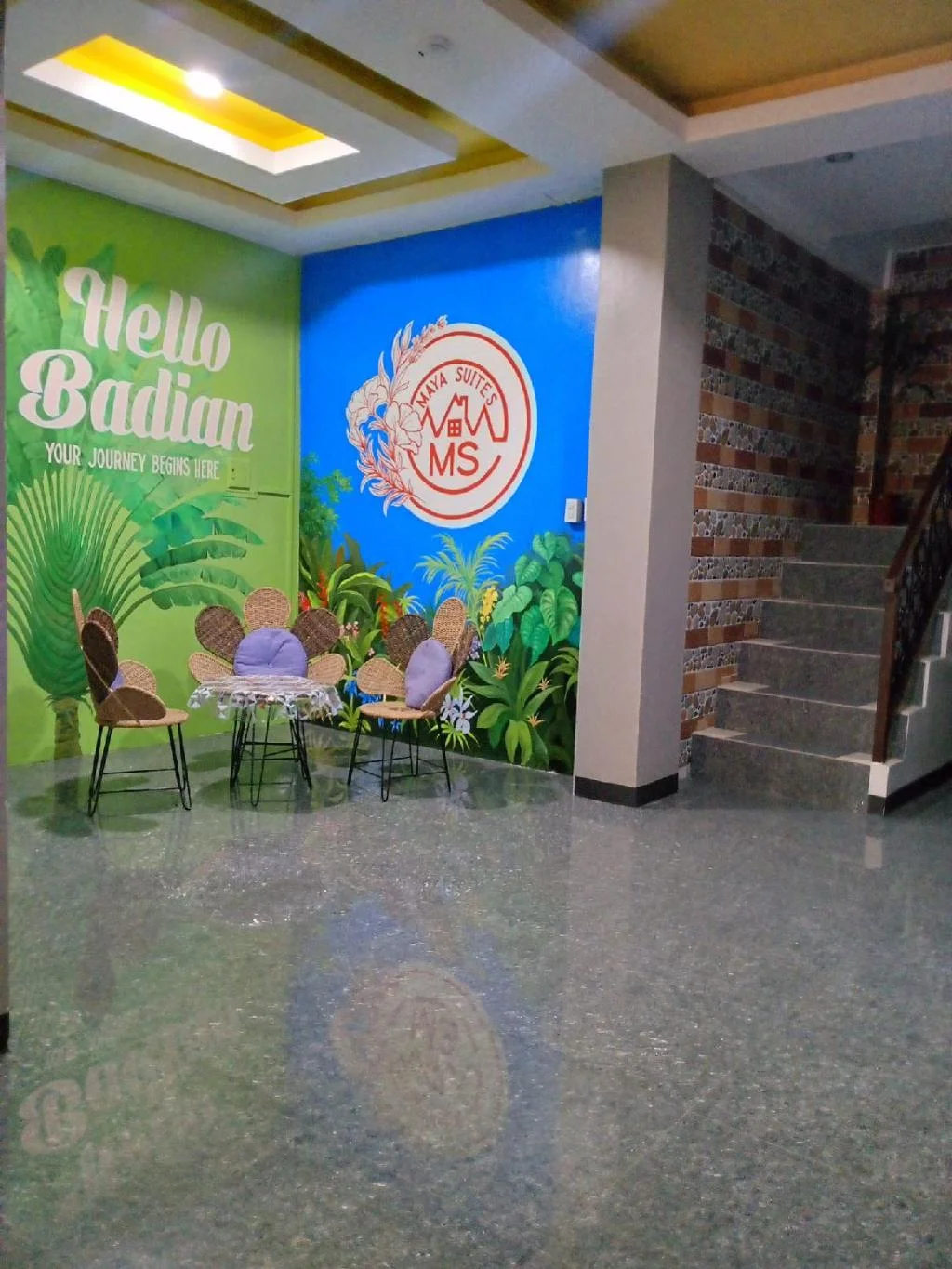
Maya Suites Badian powered by Cocotel
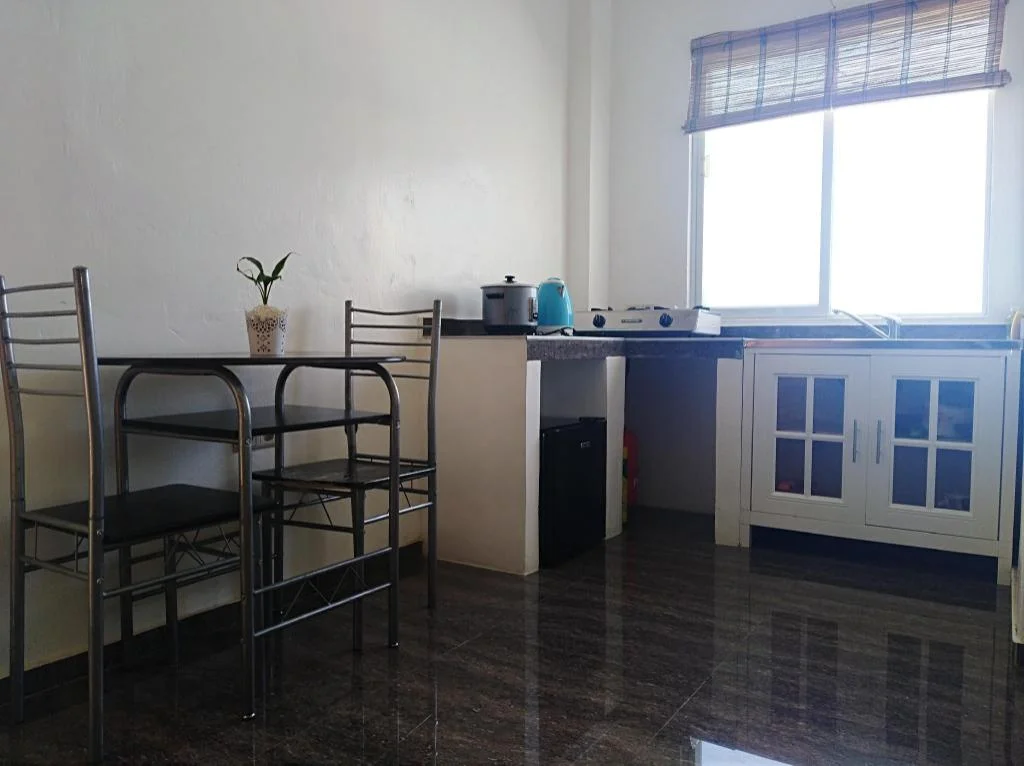
Prefer a rental? Vacation rentals near Badian
Self-catering condos and apartments — book the exact unit, kitchen included.
Browse all vacation rentals →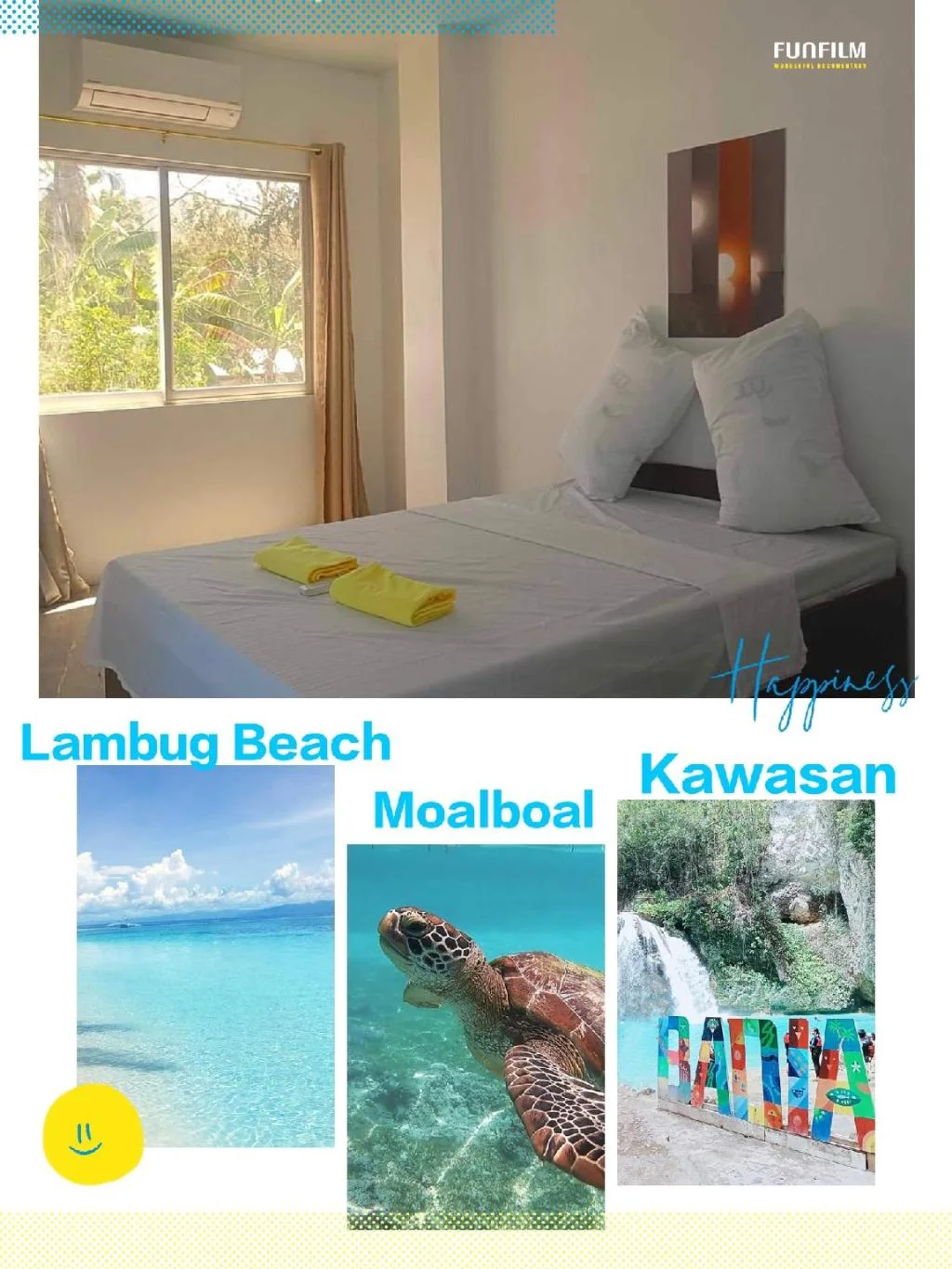
Before you go
Frequently asked
How much does it cost to hike Osmeña Peak?
How long is the Osmeña Peak hike?
How high is Osmeña Peak?
Can you camp at Osmeña Peak?
What is the best time to visit Osmeña Peak?
How do you get to Osmeña Peak from Cebu City?
What is the Osmeña Peak to Kawasan Falls traverse?
Do you need a guide for Osmeña Peak?
More Places to Explore
Osmeña Peak
Dalaguete
Cebu's highest peak at about 1,013 meters, with jagged Chocolate-Hills-like ridges and panoramic island views.
Casino Peak
Dalaguete
A photogenic peak featuring Chocolate Hills-like formations, just 5 minutes from Osmeña Peak.
Kawasan Falls
Badian
A stunning three-tiered waterfall famous for its turquoise waters, bamboo raft rides, and as the endpoint of the famous Badian canyoneering adventure.