
TL;DR: Before you fly to Cebu: register on eTravel (free, within 72 hours of arrival), check your passport has 6+ months validity for the standard 30-day visa-free entry, and have a return or onward ticket ready to show. Book flights/ferries and any peak-season hotel 2–3 months ahead, grab a Globe or Smart tourist eSIM (₱500–1,750, US$9–30), and bring more cash than usual — Oslob’s whale sharks and plenty of tricycles are cash-only. Pack for both beach and mountain (reef-safe sunscreen, a light jacket for Osmeña Peak), and reserve canyoneering or whale shark slots a few days out if you’re traveling in peak season. Verified July 2026.
Cebu rewards a bit of prep. It’s an easy island to wing — Grab works, English is widely spoken, and you can usually sort a SIM or a canyoneering slot the same day — but a handful of things genuinely go smoother if you handle them before you land: the entry paperwork, insurance, and a realistic cash strategy chief among them. This checklist is built for a first Cebu trip, whether you’re chasing whale sharks and canyoneering down south, hiking up to Temple of Leah and Tops Lookout in the hills above the city, or splitting your week between both. Work through it in order — entry rules first, money and connectivity next, packing and bookings last — and you’ll spend your first day in Cebu doing things, not fixing avoidable mistakes.
Cebu Pre-Trip Checklist at a Glance
| Task | Timeline | Cost | Notes |
|---|---|---|---|
| eTravel registration | Within 72 hrs before arrival | Free | etravel.gov.ph, save the QR code |
| Passport validity check | Before booking flights | Free | 6+ months beyond your stay |
| Flights/ferries booked | 2–3 months ahead (peak season) | Varies | Earlier for Sinulog (January) or Christmas |
| Travel insurance | Before departure | ~US$30–80/trip | Not mandatory, strongly recommended |
| SIM/eSIM | Before or on arrival | ₱500–1,750 (US$9–30) | Globe/Smart tourist plans |
| Cash on hand | On arrival | ATM fee ~₱250 (US$4) | HSBC is fee-free but rare |
| Reef-safe sunscreen | Before you pack | ₱400–900 (US$7–16) | Oslob, Moalboal, Sumilon |
| Whale shark / canyoneering slot | Same-day to a few days ahead | ₱1,000–2,100 (US$17–36) | Book ahead in peak season |
Verified July 2026.
What Entry Paperwork Do You Need Before Landing?
Register on eTravel and check your passport’s validity — both are non-negotiable. Almost all foreign visitors must complete the free eTravel registration within 72 hours before their flight lands in the Philippines; you’ll get a QR code by email that immigration scans on arrival, so save it (a phone screenshot is fine, a printed copy is a smart backup if your phone dies). It’s entirely free — never pay a third-party site to “process” it for you.
Most nationalities get 30 days visa-free on entry. Your passport needs at least 6 months of validity remaining beyond your planned stay, and immigration and airlines both check this — it’s the single most common reason travelers get turned away at check-in. You’ll also want a return or onward ticket to show if asked; an open-ended one-way ticket without a follow-up plan can raise questions at the gate. See our visa-free entry guide and eTravel walkthrough for the full step-by-step.
How Far Ahead Should You Book Flights and Ferries?
Book international flights into Mactan-Cebu (CEB) as early as your dates allow, and lock domestic ferries once your island-hopping plan is set. Fares to Cebu climb fast around Sinulog (January), Holy Week, and the Christmas–New Year stretch, and hotels in Cebu City and Moalboal sell out weeks ahead during those windows. For a normal-season trip, booking flights 6–8 weeks out and ferries (to Bohol, Camotes, or Bantayan) a week or two ahead is usually enough — see ferries from Cebu for routes and operators. Arriving travelers should also check our Mactan-Cebu Airport guide for terminal layout and transfer options once you land.
Do You Need Travel Insurance for Cebu?
It isn’t legally required, but skipping it is a bad bet. No standard visa-free entry into the Philippines mandates travel insurance in 2026, so no one will stop you at the border for lacking it. That said, Cebu’s biggest draws — canyoneering, motorbike rental, diving, island hopping — carry genuine injury risk, and private hospital treatment here is billed directly to you without coverage. A basic policy with medical evacuation typically costs US$30–80 for a one- to two-week trip. Read the fine print for adventure-activity exclusions before you book a canyoneering trip or rent a scooter — see our travel insurance for Cebu breakdown for what to look for.
What’s the Best Way to Get a Cebu SIM or eSIM?
Grab a Globe or Smart tourist eSIM before you fly, or buy one at the airport — both work fine. Globe’s tourist eSIM lineup runs from roughly ₱500 (US$9) for 20GB over 15 days up to ₱1,750 (US$30) for 80GB over 30 days, activated through the GlobeOne app before you even board. If you’d rather handle it in person, Globe and Smart counters are right in the arrivals area at Mactan-Cebu International Airport. Coverage is strong across Cebu City, Mactan, and Moalboal; it gets patchier in the far south and on smaller islands like Malapascua, so don’t count on a fast signal everywhere. Our Cebu SIM and eSIM guide covers both networks in more depth.
How Much Cash Should You Bring, and Will Your Cards Work?
Bring more cash than you’d carry in a typical Western city. Cards are fine in malls, chain restaurants, and bigger hotels, but plenty of the best Cebu experiences are cash-only — the Oslob whale shark counter, tricycles, sari-sari stores, and many small resorts don’t take cards at all. Foreign ATM cards get charged a flat fee, commonly around ₱250 (about US$4), at most Philippine bank ATMs regardless of how much you withdraw; HSBC is the rare fee-free exception, but its machines are limited to a few locations in Cebu City and Manila. Withdraw in larger amounts less often to minimize fees, and keep a supply of small ₱20/₱50/₱100 notes — vendors routinely can’t break a ₱1,000 bill. Our money in Cebu guide has the ATM map and card-acceptance details.
What Should You Pack for Beach and Mountain Days?
Pack light, quick-dry layers, plus one warm layer for the hills. Cebu’s coast is hot and humid year-round, so swimwear, breathable fabrics, and rash guards or reef shoes for rocky entries (Kawasan, Moalboal’s shore dives) are the core of the bag. But the province isn’t all beach: Osmeña Peak and the Busay hills above Cebu City get genuinely cool and breezy, especially before sunrise or at altitude, so throw in a light jacket. Reef-safe sunscreen (free of oxybenzone and octinoxate) is worth the extra cost — it’s not a nationwide legal requirement, but several marine sanctuaries and dive operators in Moalboal and Oslob ask visitors to use it or skip sunscreen entirely before getting in the water, to protect the coral. Round it out with a dry bag for boat trips, insect repellent for waterfall hikes, and any prescription meds in original packaging. Our full what to pack for Cebu list covers the rest.
Which Activities Need Advance Reservations?
Most Cebu tours run walk-in, but book ahead if you’re traveling in peak season, on a weekend, or with a group. Oslob’s whale shark watching opens daily at 6 AM and charges foreign visitors roughly ₱1,000 (US$17), cash only at the counter — no reservation required, but weekend and holiday slots fill by mid-morning, so arrive early or confirm a slot with an operator the day before. Kawasan Falls canyoneering in Badian runs about ₱1,500–2,100 (US$26–36) depending on the operator and package, and while same-day sign-ups happen, booking through a licensed operator or Klook a few days out is the safer move in the December–May peak, or if diving/canyoneering slots need to line up with your ferry or flight home.
The Honest Take
None of this checklist is complicated, but skipping any one item is how a trip gets a rough start — showing up at check-in with 4 months left on your passport, landing without an eTravel QR code, or discovering on day one that the only ATM in town charges a fee and your bank doesn’t reimburse it. Cebu is genuinely easy to travel once you’re here — Grab, English, and a well-worn tourist trail take care of most day-to-day friction — so front-load the boring admin (eTravel, insurance, a SIM plan) and save your actual planning energy for the fun calls: how many days in Moalboal versus Oslob, and whether you’re doing canyoneering, diving, or both. The one thing not to wing: cash. Card readers go down constantly outside malls, and there’s no ATM at all at some of the best beaches, so build a cash buffer into every day trip.
Wrap-Up
Handle the entry paperwork, insurance, and a SIM plan before you fly, keep enough cash on hand for the cash-only spots, and pack for both a beach day and a cool mountain morning — that’s the whole list. For where to actually go once you land, see things to do in Cebu, and if you’re still deciding how long to stay, our best time to visit Cebu guide breaks down the seasons. Ready to lock in the big-ticket days? Compare Cebu tours and activities on Klook so your canyoneering and whale shark slots are sorted before you land.
Sources
- Philippine Bureau of Immigration — eTravel registration
- Philippines visa-free entry policy — evisa.gov.ph
- Globe Telecom — Prepaid Traveler SIM and eSIM
- Oslob whale shark watching pricing and hours cross-checked against 2026 operator and traveler reporting
- Kawasan Falls canyoneering pricing cross-checked against 2026 operator listings and municipal rate reporting
- ATM fee structure verified against 2026 foreign-card banking guides for the Philippines
- Verified July 2026.
Book Tours & Hotels for This Trip
Find and book the best deals — prices and availability update in real time. Links open in a new tab.
Where to stay near Cebu City
Top-rated hotels for this trip — tap through to check live rates.
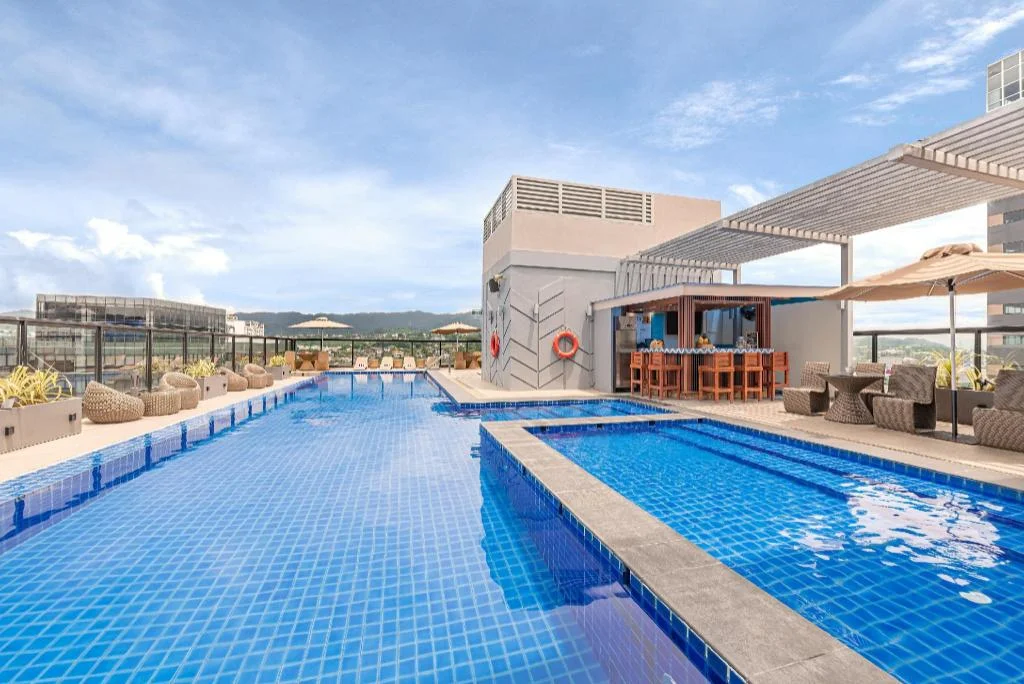
Seda Central Bloc Cebu City
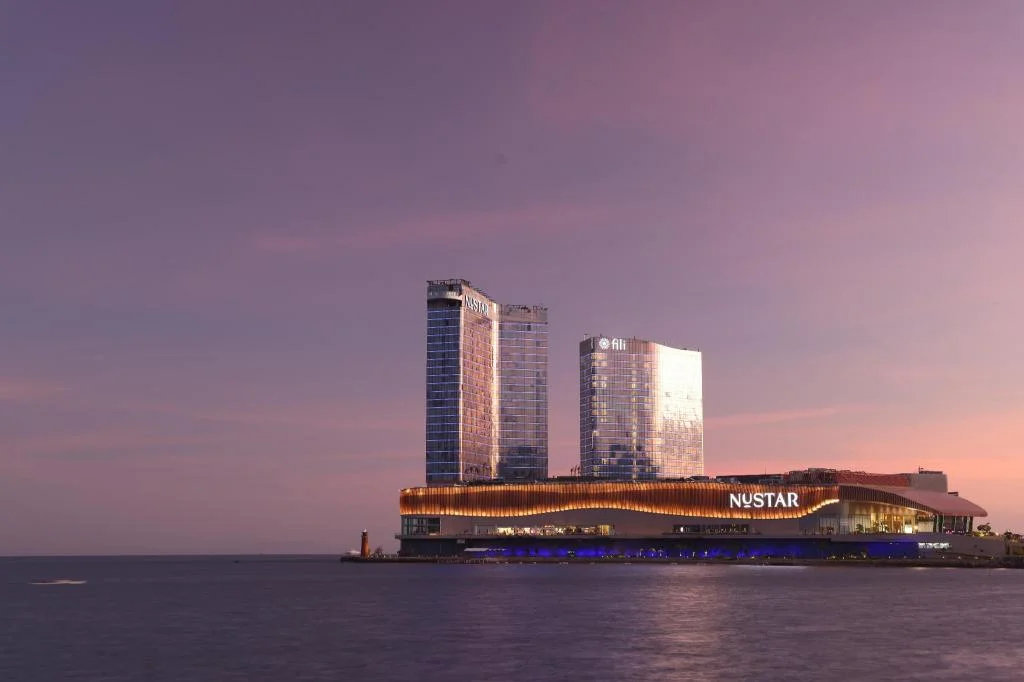
Fili Hotel - NUSTAR Resort & Casino Cebu
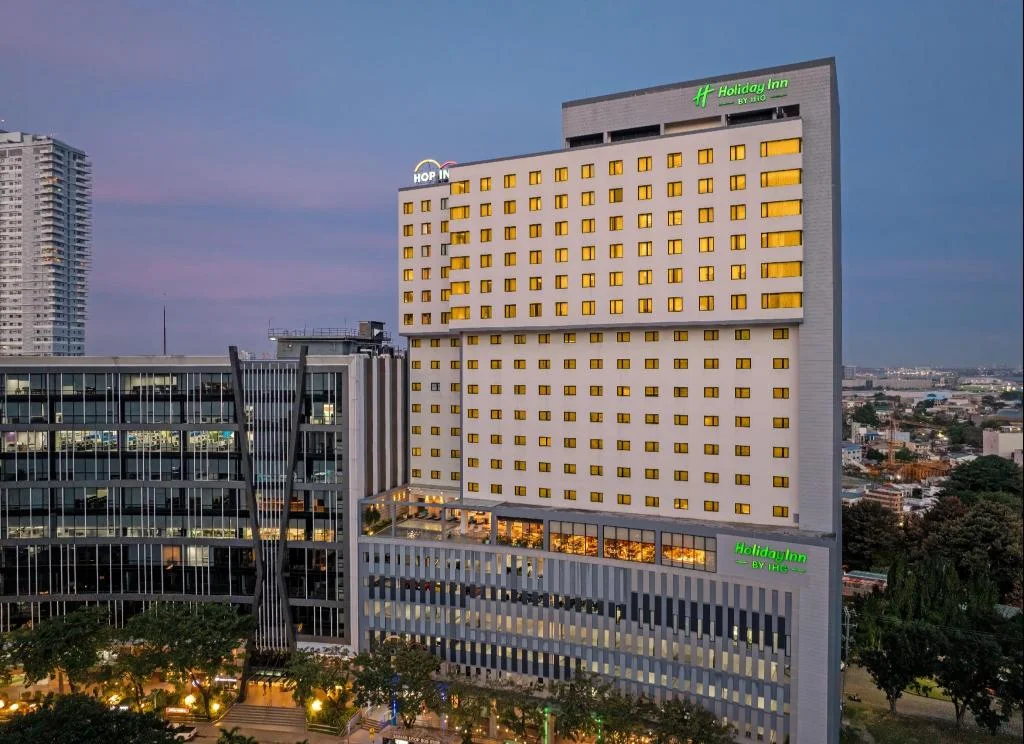
Holiday Inn Cebu City By IHG
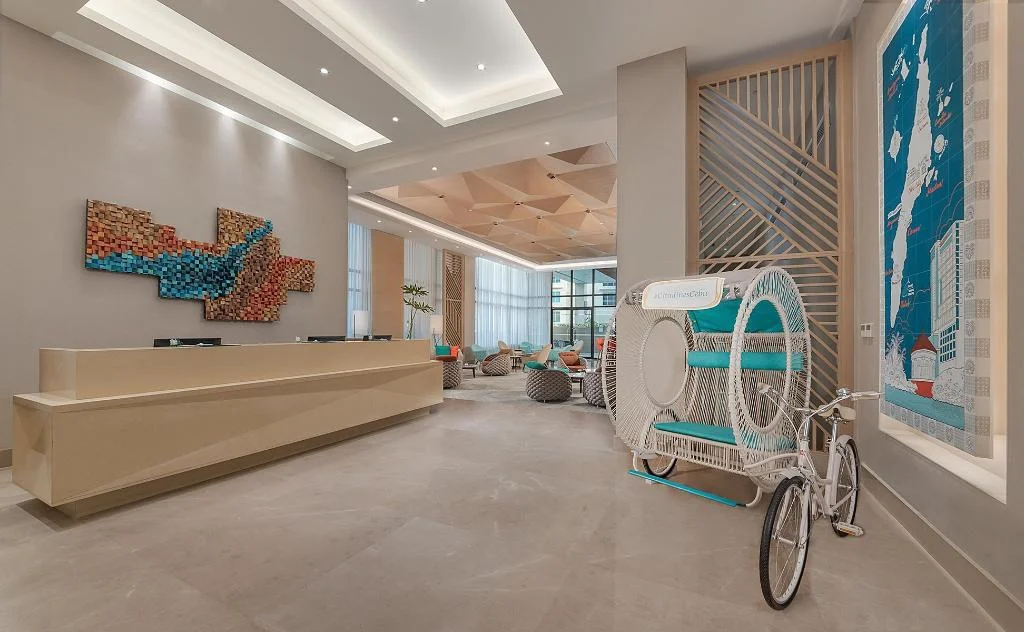
Citadines Cebu City
Prefer a rental? Vacation rentals near Cebu City
Self-catering condos and apartments — book the exact unit, kitchen included.
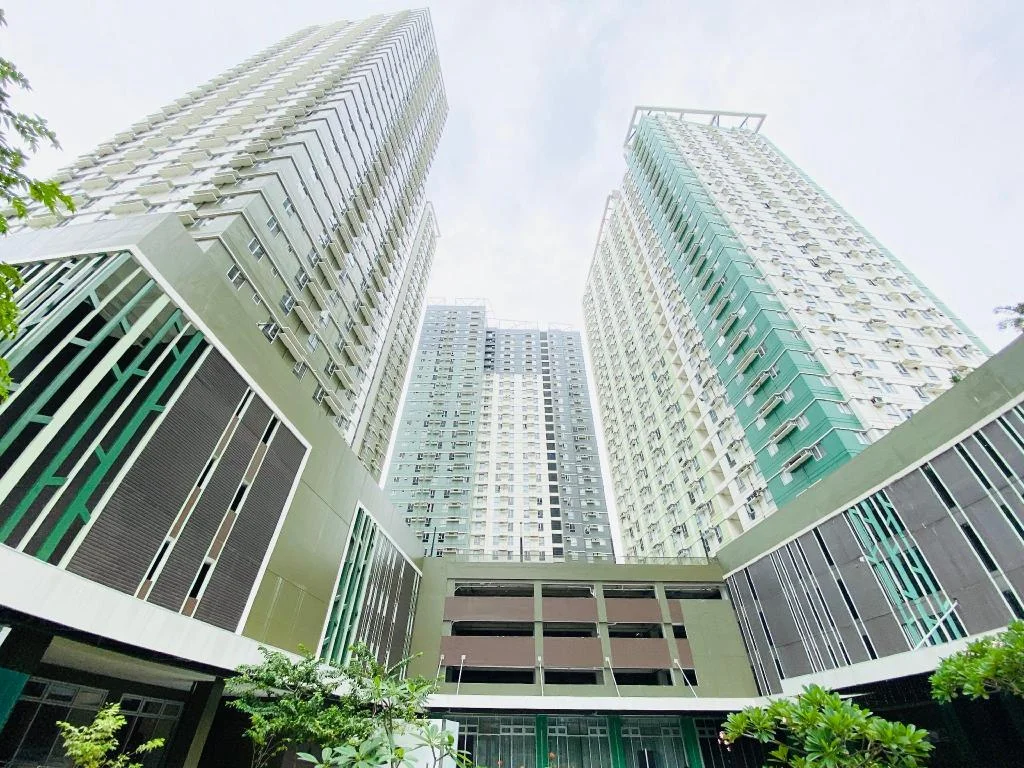
Cebu Avida Riala by P&J
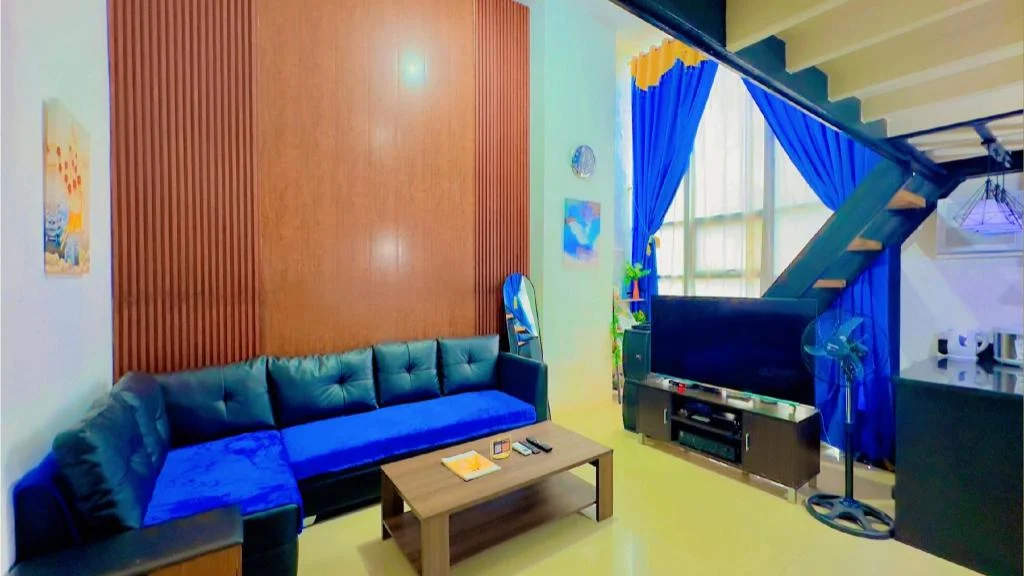
Special Big Loft Unit w/Fibreop Internet & Netflix
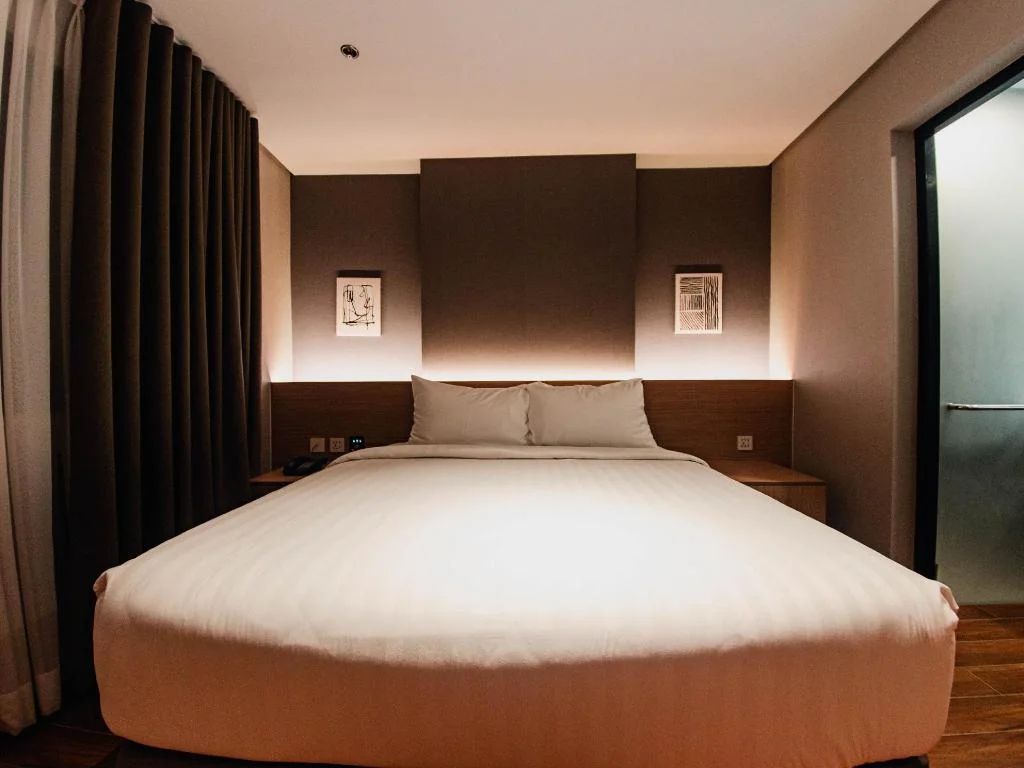
Moonstar Cebu Hotel - Deluxe Room
Before you go
Frequently asked
What is eTravel and do I need it for Cebu?
How long can I stay in the Philippines without a visa?
Do I need travel insurance to visit Cebu?
Should I buy a Cebu SIM card before I arrive or at the airport?
How much cash should I carry in Cebu, and do ATMs charge fees?
Do I need to book whale shark watching or canyoneering in advance?
What plug adapter do I need for Cebu?
Is Cebu tap water safe to drink?
More Places to Explore
Temple of Leah
Cebu City
A magnificent Roman-inspired temple built as a monument of love, nicknamed 'Cebu's Taj Mahal,' offering stunning architecture and city views.
Tops Lookout
Cebu City
Cebu City's premier hilltop viewpoint offering stunning panoramic views of the city, especially spectacular at sunset and nighttime.