TL;DR: For most nationalities you do not need a visa to visit the Philippines (or Cebu) for tourism. Under Executive Order 408, citizens of most countries — including the USA, UK, Australia, Canada, Japan, South Korea, Singapore, and most EU states — get 30 days visa-free on arrival. Taiwan now gets 30 days (since July 1, 2025) and China (PRC) gets 14 days (since January 16, 2026). Regardless of nationality, every arriving foreign national must complete the free eTravel registration at etravel.gov.ph within 72 hours before arrival — beware scam sites that charge for it. You can extend your stay at a Bureau of Immigration office for a fee. Verified June 2026 — visa rules change; always confirm with the Philippine embassy or Bureau of Immigration before you travel.
This is entry-rules information that changes. Everything below was verified June 2026, but policies, fees, and day-limits can be updated at short notice. Treat this as a starting point and confirm the specifics for your passport with the Philippine Bureau of Immigration or your nearest Philippine embassy before you book or fly.
Do You Need a Visa to Visit the Philippines or Cebu?
For most travelers, no — you don’t need a visa for a tourist trip to the Philippines, and Cebu is entered under the same national rules as the rest of the country. Under Executive Order 408, citizens of most countries are admitted visa-free for tourism, with the visa-free period stamped in your passport on arrival.
There is no separate visa for Cebu specifically. Whether you fly into Mactan–Cebu International Airport or arrive via Manila and connect onward, the same national entry rules apply. If your nationality qualifies for visa-free entry, you simply arrive, clear immigration, and get your stamp — no embassy paperwork beforehand.
The big exceptions are a handful of nationalities with different arrangements (most notably China and India), covered below. If your passport isn’t one of the well-known visa-free countries, check your specific nationality with a Philippine embassy before assuming you can enter visa-free.
Verified June 2026 — visa policy is set nationally and can change; confirm before you travel.
How Many Days Can You Stay Visa-Free? (By Nationality)
Most visa-free nationalities get 30 days on arrival. A few have different limits. Here’s the at-a-glance table, verified June 2026.
| Nationality | Visa-free days | Notes |
|---|---|---|
| USA | 30 days | EO 408, tourism |
| UK | 30 days | EO 408, tourism |
| Australia | 30 days | EO 408, tourism |
| Canada | 30 days | EO 408, tourism |
| Most EU (e.g. Germany, France, Spain) | 30 days | EO 408, tourism |
| South Korea | 30 days | EO 408, tourism |
| Japan | 30 days | EO 408, tourism |
| Singapore | 30 days | EO 408, tourism |
| Taiwan | 30 days | New — effective July 1, 2025 |
| China (PRC) | 14 days | New — effective January 16, 2026 |
| India & some others | Varies | Different rules — check your nationality (see below) |
Verified June 2026. Days are counted from your date of arrival and are for tourism. Visa rules change — always confirm your nationality’s current limit with the Philippine embassy or Bureau of Immigration before you fly.
A few things worth underlining. Taiwan’s 30-day visa-free entry is relatively new (effective July 1, 2025), and China (PRC)‘s 14-day visa-free entry is newer still (effective January 16, 2026) — if you’re searching older travel forums, you may find outdated information for these passports, so trust only current official sources.
India and a few other nationalities have conditional rules rather than a simple yes/no. For example, Indian passport holders may qualify for 14 days visa-free if they hold a valid visa or residence permit for certain countries, and otherwise need to apply for a visa in advance. The details are nationality-specific, so check your nationality directly with a Philippine embassy rather than relying on a general guide.
If 30 days (or 14) isn’t enough for your trip, you don’t necessarily need a visa upfront — most tourists simply extend on the ground, covered further down.
What Is eTravel and How Do You Register?
eTravel is the Philippine government’s mandatory online arrival registration, and ALL arriving foreign nationals must complete it — there are no nationality exemptions, visa-free or not. You register on the official eTravel system within 72 hours before your arrival, and it is completely free.
The official site is etravel.gov.ph — and that is the only place you should ever fill it out. The registration is a short health-and-travel declaration that generates a QR code you present (digitally or printed) when you land. It is not a visa and it does not grant entry on its own; it’s an additional step that sits alongside your passport and immigration stamp.
Warning — beware scam sites. Because eTravel is free and required, fraudulent lookalike sites have appeared that copy the form and charge a “processing fee” for something the government provides at no cost. Some buy ads to rank above the real site. Before you enter any personal details:
- Check the address bar reads etravel.gov.ph exactly.
- Never pay a fee — the real eTravel is always free.
- Be suspicious of any site asking for card payment to “submit” your arrival registration.
Register within the 72-hour window before arrival, save the QR code to your phone, and you’re set. Verified June 2026 — confirm the current process at etravel.gov.ph, as the system is periodically updated.
Can You Extend Your Stay in the Philippines?
Yes. If you want to stay longer than your visa-free period, tourists can extend their stay at a Bureau of Immigration office, and fees apply. This is routine — plenty of travelers who fall in love with Cebu’s beaches and dive sites extend at least once.
Cebu has a Bureau of Immigration office, so you don’t have to travel to Manila to do it. Bring your passport, arrive prepared to pay the extension fees in cash, and ideally start the process a few days before your current stay expires rather than on the last day.
The critical rule: don’t overstay. Overstaying your authorized period incurs penalties — additional fines on top of the normal extension fees, and potential complications when you leave. Extending on time is straightforward and far cheaper than dealing with an overstay at the airport.
Verified June 2026 — extension fees, maximum total stay, and required forms are set by the Bureau of Immigration and change periodically. Confirm the current fees and process with the Bureau of Immigration before relying on a specific figure.
What Documents Do You Need at Immigration?
At Philippine immigration, visa-free travelers typically need three things: a passport valid for at least 6 months beyond your intended stay, proof of an onward or return ticket, and your completed eTravel registration.
Here’s what that means in practice:
- Passport valid ≥6 months. Check your expiry date before booking. A passport with under six months of validity can get you turned away at check-in or on arrival.
- Onward/return ticket. Airlines and immigration commonly ask for proof that you’ll leave within your visa-free period — a return flight or an onward ticket out of the Philippines. Travelers without one are sometimes denied boarding, so don’t show up with a one-way ticket and no plan.
- eTravel QR code. Completed within 72 hours before arrival (see above), saved to your phone or printed.
Immigration may also ask about your accommodation and how long you intend to stay, so have your hotel booking and rough plans handy. A confirmed Cebu hotel booking on Agoda doubles as both your accommodation proof and the answer to “where are you staying.”
Verified June 2026 — entry requirements can change and individual officers have discretion. Confirm current requirements with your airline and the Bureau of Immigration before you fly.
A Few Honest Caveats Before You Travel
This is the section that matters most, because entry rules are exactly the kind of travel fact that goes out of date.
Rules change — sometimes at short notice. The Taiwan (2025) and China (2026) visa-free policies are both recent additions, and the Philippines adjusts visa arrangements as diplomatic and tourism priorities shift. What’s true in June 2026 may not be true when you read this. Always verify your nationality’s current rules with the Philippine Bureau of Immigration or your nearest Philippine embassy before you book flights — not just before you fly.
“Visa-free” is not “no paperwork.” Even visa-free travelers must complete eTravel, show a passport valid for six-plus months, and carry proof of onward travel. Skipping any of these can mean being denied boarding by the airline before you even reach the Philippines.
Day limits are firm. Your 30 (or 14) days start the moment you arrive. If your plans are tight against the limit, build in a buffer or plan to extend early — don’t gamble on counting days at the airport on your way out.
Use only official sources for the actual process. For eTravel, that’s etravel.gov.ph and nowhere else. For visa and extension questions, that’s the Bureau of Immigration and Philippine embassies. Travel blogs (including this one) are useful for orientation, but the official sources are the ones that count when you’re standing at the immigration desk.
The honest bottom line: for most visitors the Philippines is wonderfully easy to enter — 30 days, no visa, one free online form. Just confirm the current rules for your passport, do eTravel on the official site, and turn up with a valid passport and a return ticket.
Once You’re In: Plan Your Cebu Trip
With entry sorted, the fun part is deciding what to do. Cebu is one of the easiest places in the Philippines to base yourself, with an international airport and quick access to beaches, waterfalls, and world-class snorkeling.
Start with our nationality-specific trip guides for a tailored plan: the Cebu travel guide for Americans, the Cebu travel guide for Australians, the Cebu travel guide for Chinese visitors, and the Cebu travel guide for Taiwanese visitors. For the big picture, the things to do in Cebu guide covers the headline experiences, and the best time to visit Cebu guide helps you pick your dates and budget.
The signature day trips are within easy reach: Oslob whale shark watching and Kawasan Falls canyoneering in the south. To pre-book tours and activities, compare options on Klook’s Cebu listings, and lock in a place to stay — which also serves as your immigration accommodation proof — by searching Cebu hotels on Agoda.
Sources
- Philippine Bureau of Immigration
- PHGuides — Tourist Visa Extension (published extension and visa-waiver fees)
- eTravel official registration site
Final Word
For the vast majority of visitors, the Philippines asks very little to let you in: most nationalities get 30 days visa-free under Executive Order 408 (Taiwan 30 days, China 14 days), the only universal step is the free eTravel registration at etravel.gov.ph, and you can extend at a Bureau of Immigration office if you want to stay longer. Carry a passport valid for six-plus months and a return ticket, avoid the scam eTravel sites, and verify your nationality’s current rules with an official source before you fly — because these rules change. Then book a Cebu stay on Agoda, line up a tour on Klook, and start with the things to do in Cebu guide. Verified June 2026.
Book Tours & Hotels for This Trip
Find and book the best deals — prices and availability update in real time. Links open in a new tab.
Where to stay near Moalboal
Top-rated hotels for this trip — tap through to check live rates.
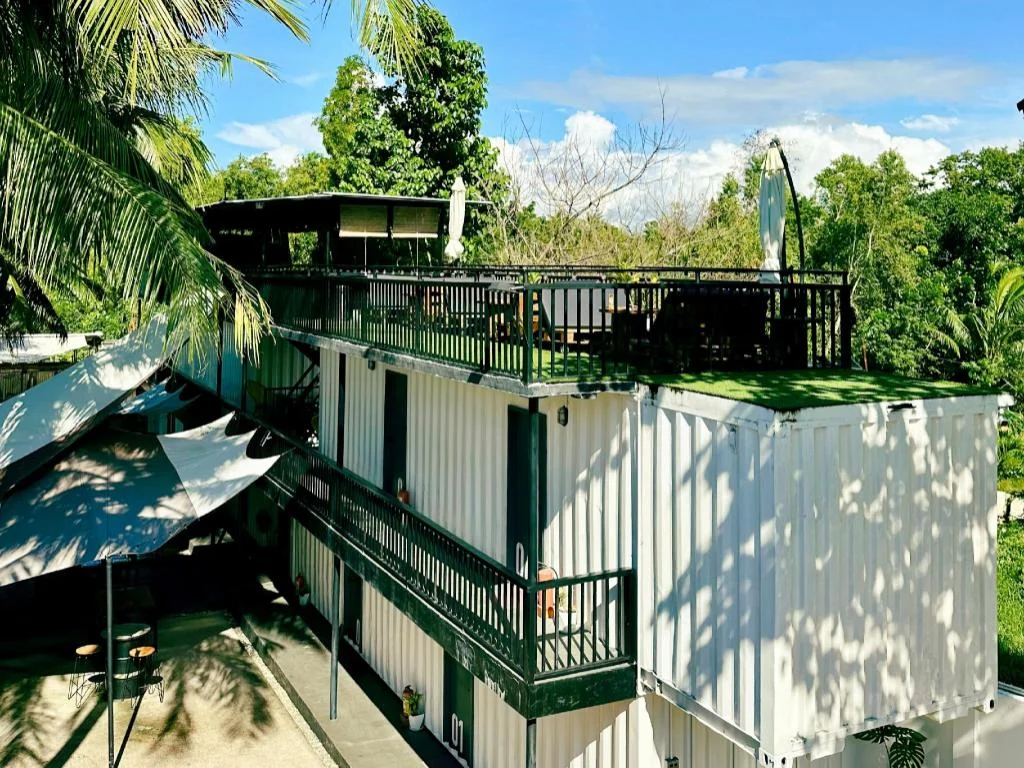
PIG DIVE HOSTEL MOALBOAL
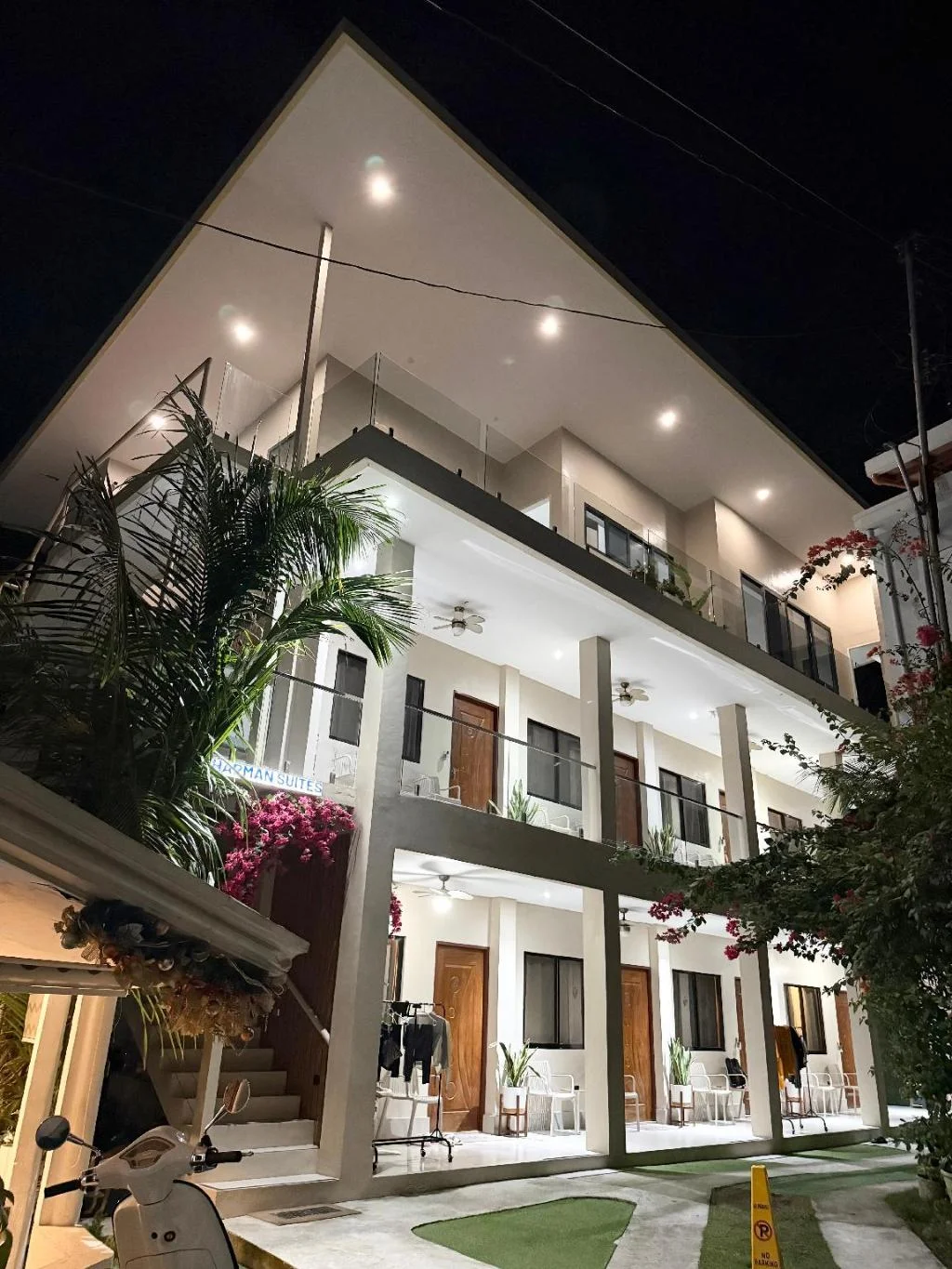
Harman Suites Moalboal
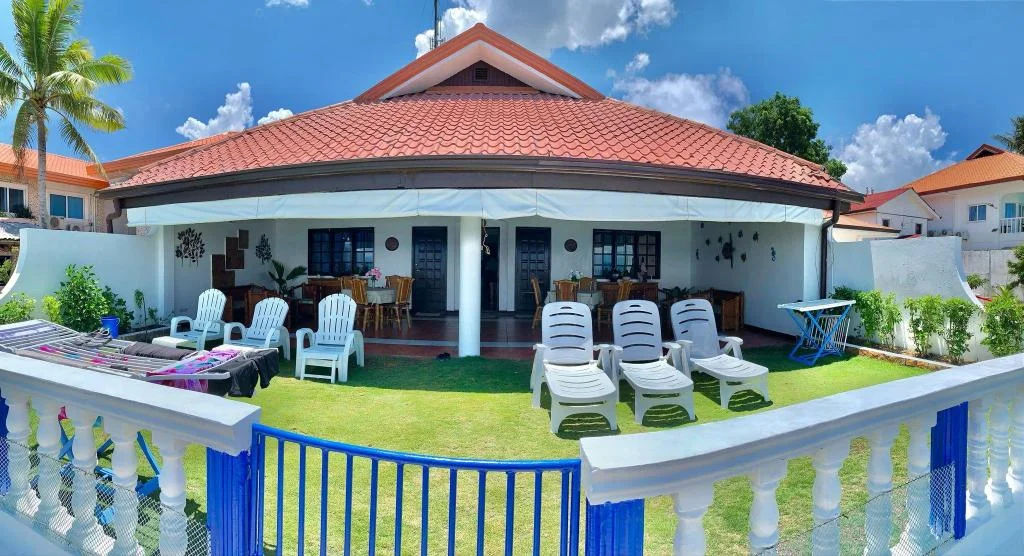
Il Sogno Resort
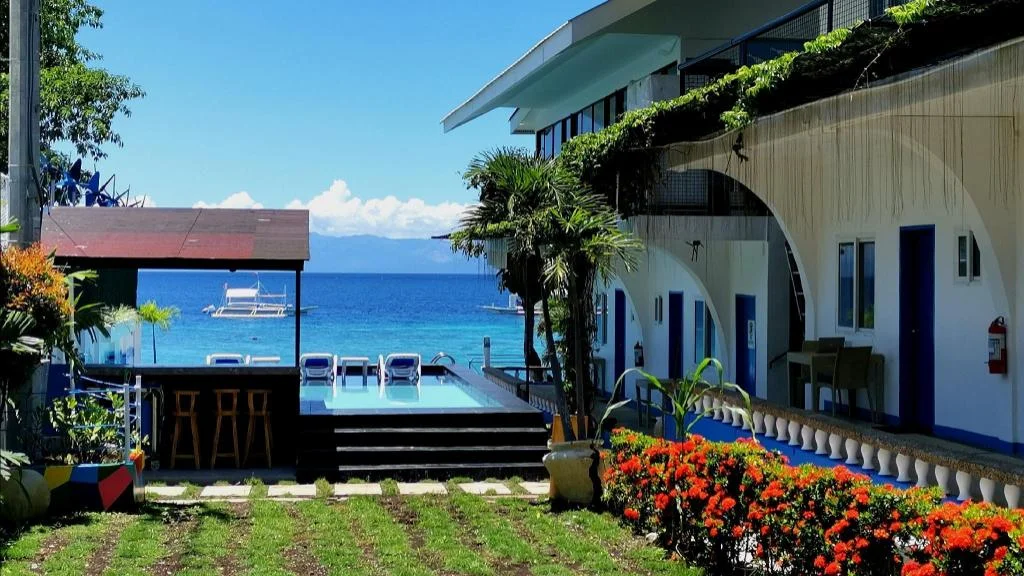
Pescadores Suites Moalboal
Prefer a rental? Vacation rentals near Moalboal
Self-catering condos and apartments — book the exact unit, kitchen included.
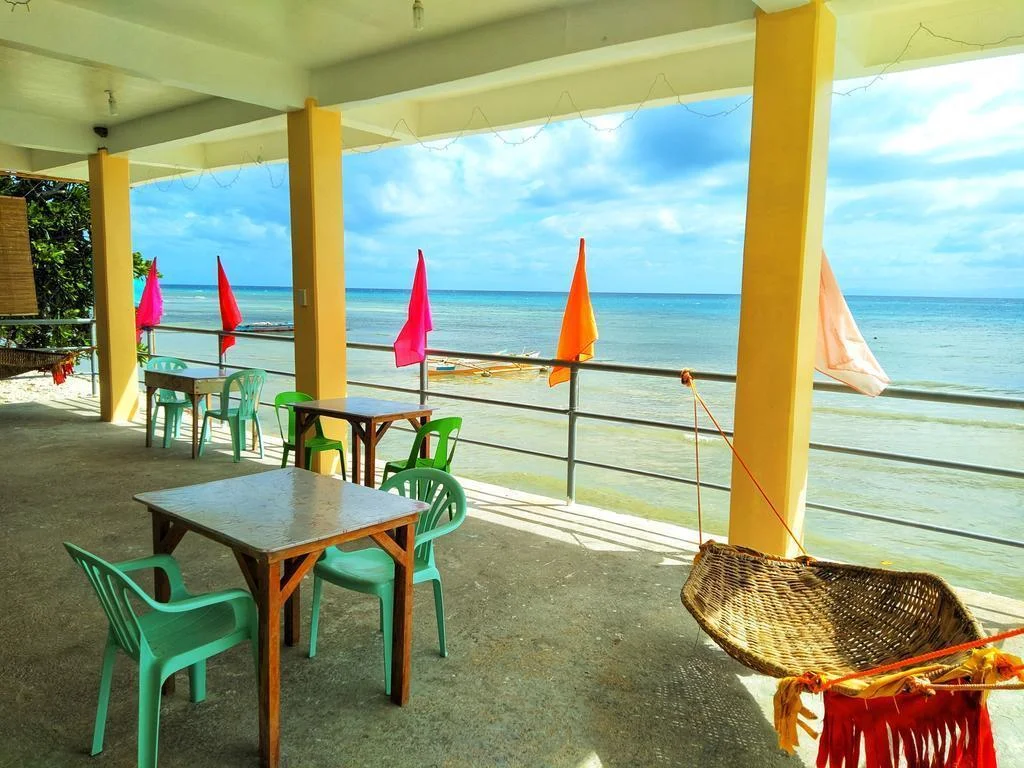
Ocean View Lodging House
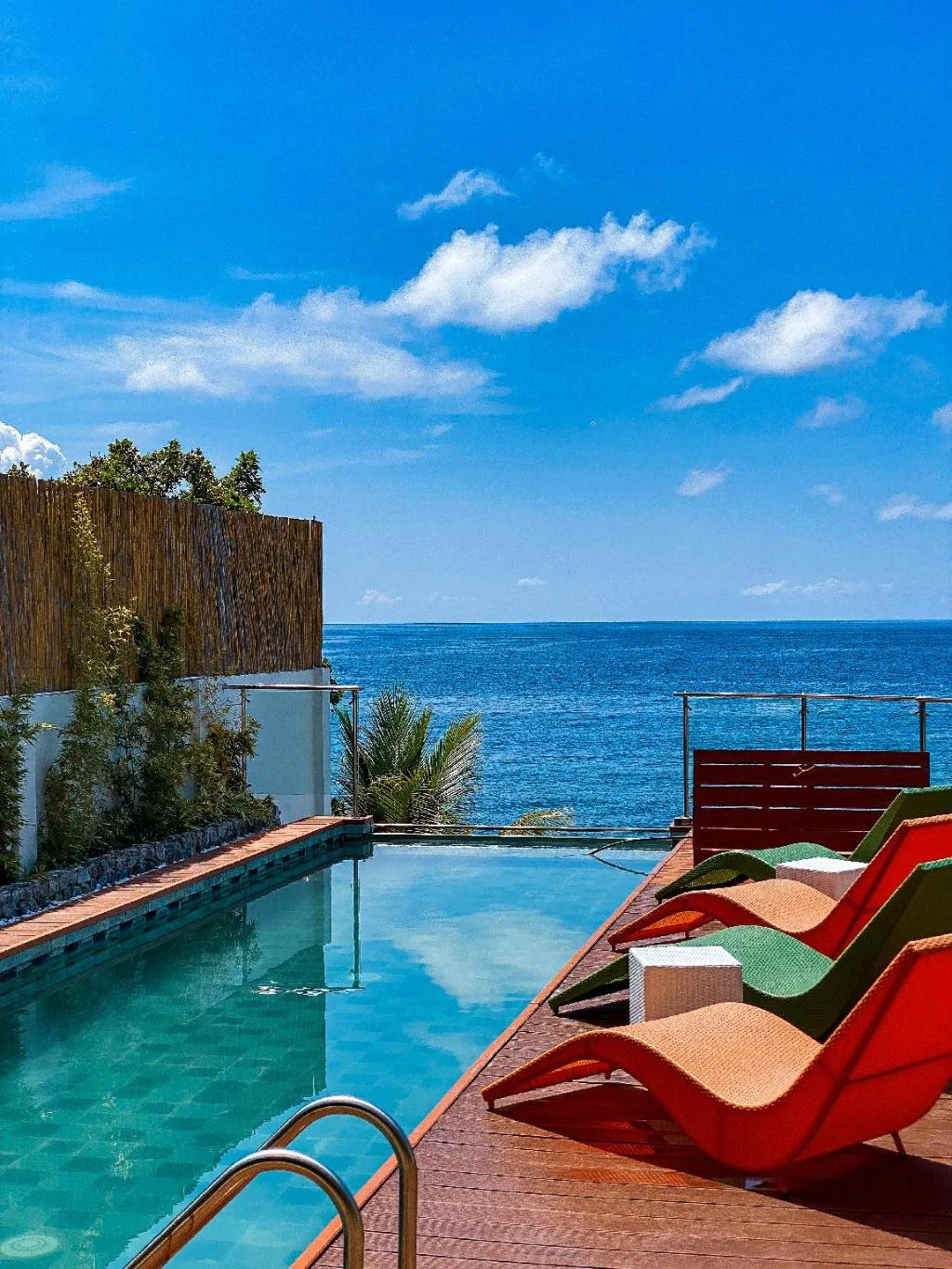
The South Hideaway Oslob
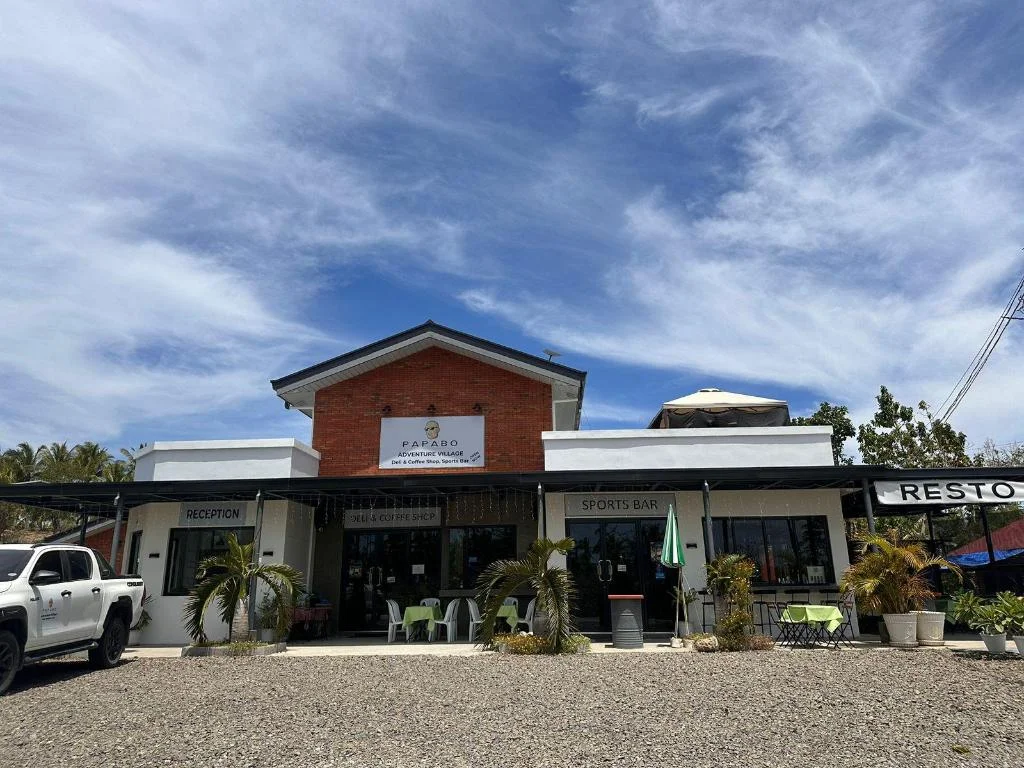
PAPABO Adventure Village
Before you go
Frequently asked
Do you need a visa to visit the Philippines?
How many days can you stay in the Philippines visa-free?
What is eTravel and do I have to register?
Is the Philippines eTravel registration free?
Can you extend your stay in the Philippines beyond the visa-free period?
What documents do you need at Philippine immigration?
Do Chinese citizens need a visa to visit the Philippines?
Do Taiwanese citizens need a visa to visit the Philippines?
More Places to Explore
Whale Shark Watching
Oslob
Swim alongside gentle whale sharks, the world's largest fish, in one of the few places where these magnificent creatures can be reliably encountered.
Kawasan Falls
Badian
A stunning three-tiered waterfall famous for its turquoise waters, bamboo raft rides, and as the endpoint of the famous Badian canyoneering adventure.
Moalboal Sardine Run
Moalboal
Swim with millions of sardines in one of the world's only year-round sardine runs, just meters from shore.
Pescador Island
Moalboal
A world-class marine sanctuary featuring The Cathedral underwater cave and exceptional wall diving.