
TL;DR: Cebu is one of the easiest tropical escapes for Australians — and a strong English-speaking alternative to Bali. There are no direct flights, so you fly to Manila (Philippine Airlines, Qantas, or Cebu Pacific from Sydney, Melbourne, or Brisbane — about 8–9 hours) then take a ~1.5-hour domestic hop to Cebu, or connect via Singapore or Hong Kong. Australians get 30 days visa-free entry under EO 408, plus a free eTravel registration within 72 hours of arrival. The best window is the Australian summer (Dec–Feb), which falls in Cebu’s dry season. Budget around A$70–120 a day mid-range. Verified June 2026 — confirm visa and flight details with the embassy and your airline before booking.
Quick Facts for Aussie Travelers
| Detail | What to know |
|---|---|
| Flights / connection | No direct flights — fly to Manila, then a domestic hop to Cebu (or via Singapore / Hong Kong) |
| Travel time | ~8–9 hrs to Manila + ~1.5 hr domestic + layover (plan a full travel day) |
| Visa | 30 days visa-free (EO 408) + free eTravel registration within 72 hrs of arrival |
| Currency | Philippine peso (₱) — roughly ₱37 = A$1 (June 2026) |
| Best time | Australian summer (Dec–Feb) = Cebu dry season; AU winter (Jun–Aug) = PH wetter season |
| Power plugs | 230V, plug types A / B / C — bring an adapter |
Verified June 2026. Confirm visa and flight specifics with the Philippine embassy and your airline before you book.
Australians have a deep love affair with Southeast-Asian beach holidays — Bali and Thailand have practically become extensions of the Aussie summer. Cebu sits squarely in that same sweet spot, just a little further north, and it’s quietly become a favourite. Australia is now a top-6 source market for Cebu, accounting for around 2.9% of Central Visayas foreign arrivals in 2024. If you’ve done Bali and want the same warm water and cheap living without the language barrier, Cebu is your next trip.
This guide is written for you — the Aussie planning the trip — covering exactly how to get there, the visa, the best time to go around our seasons, costs in dollars, and an honest take on Cebu versus Bali.
How Do Australians Get to Cebu?
There are no direct flights from Australia to Cebu, so the standard route is to fly into Manila first, then take a short domestic flight south to Cebu. From Sydney, Melbourne, or Brisbane, carriers including Philippine Airlines, Qantas, and Cebu Pacific fly to Manila in roughly 8–9 hours. From Manila it’s about a 1.5-hour domestic hop to Mactan-Cebu International Airport (airport code CEB). Allow for a layover and you’re looking at a full travel day door to door.
Two routings to weigh up:
- Via Manila (most direct): One international leg, then a domestic connection. Easiest if you want fewer countries between you and the beach. Cebu Pacific often has the most competitive domestic fares.
- Via Singapore or Hong Kong: Connect through a major hub and pick up an onward flight to Cebu. Sometimes cheaper, sometimes more convenient depending on the day.
Don’t take any fare figures on faith — airline pricing swings hard by season and how early you book. Check Skyscanner or Google Flights for live routings and prices before you commit. Mactan-Cebu International is a modern, easy airport, and Grab (the local rideshare) operates from the terminal into the city and to the Mactan resorts.
Verified June 2026 — flight routes and carriers can change. Confirm directly with the airline.
Do Aussies Need a Visa for Cebu?
No — Australian passport holders get 30 days visa-free entry to the Philippines under Executive Order 408, and Cebu is included. You don’t need to arrange anything in advance for a standard holiday under 30 days.
There is one free admin step: eTravel registration. Every arriving traveler must register at etravel.gov.ph within 72 hours before arrival. It’s free, takes a few minutes online, and produces a QR code you show on arrival. Do it before you fly — don’t leave it to the airport queue.
A few practical notes:
- Your passport should have at least six months validity beyond your travel dates — the standard rule for the region.
- Airlines often ask to see onward or return tickets at check-in, so have proof of your departure flight.
- If you want to stay longer than 30 days, you can extend the visa-free stay at a Bureau of Immigration office in the Philippines, or pair Cebu with nearby islands within your 30 days.
Verified June 2026 — visa rules change. Confirm the current requirements with the Philippine embassy in Australia or your airline before booking.
When Is the Best Time for Australians to Visit Cebu?
The best time to visit Cebu is its dry season, roughly December to May — and the happy coincidence for Australians is that this overlaps with our summer (Dec–Feb). That means you can escape the Aussie heat for somewhere equally warm but with calmer seas, clearer water for diving, and a far lower chance of canyoneering being rained out.
The flip side: the Australian winter (Jun–Aug) falls during Cebu’s wetter season. It’s not a washout — mornings are often clear and the rain comes in short bursts — but expect more grey days, and book canyoneering and island-hopping with a flexible mindset, since heavy rain can cancel river activities.
| Your season (AU) | Cebu conditions | Verdict |
|---|---|---|
| Summer (Dec–Feb) | Dry season, calm seas, best diving | Ideal — peak conditions |
| Autumn (Mar–May) | Hot and dry, building to season’s end | Excellent, fewer crowds early |
| Winter (Jun–Aug) | Wetter season, short rain bursts | Travelable, quieter, lower prices |
| Spring (Sep–Nov) | Tail of wet season, easing into dry | Mixed; improves toward November |
Verified June 2026. Oslob whale sharks appear year-round and Moalboal diving is good in most months, so even the wet season delivers.
For a deeper breakdown by activity, see our best time to visit Cebu guide.
Cebu vs Bali — Why Pick Cebu?
If you’re choosing between Cebu and Bali, the short answer is: pick Cebu for English, diving, and value; pick Bali for resort density and nightlife. Both are cheaper than a holiday at home and both deliver warm water and tropical scenery.
Where Cebu pulls ahead for Australians:
- No language barrier. English is an official language in the Philippines, taught in schools and used in business. Menus, signs, tour guides, and casual conversation are all in English — far smoother than navigating Bahasa.
- World-class diving and marine life. Cebu’s Oslob whale sharks, the Moalboal sardine run (millions of fish you swim out to from the beach), and the Pescador Island wall dives are bucket-list-grade and genuinely hard to match in Bali.
- Value. Day-to-day costs — food, tours, transport — are low. Cebu is often pitched as the cheaper, less-crowded cousin of Bali, and for activities like canyoneering and snorkelling you get a lot for your dollar.
Where Bali still wins: a denser cluster of luxury resorts, a bigger nightlife and café scene, and more direct flight options from Australia. If you’ve already done Bali and want the same vibe with fresh experiences and easy English, Cebu is the obvious next step.
We’ve written a full head-to-head — read Cebu vs Bali for Australians before you decide.
What to Do in Cebu
Cebu packs a remarkable variety into one island — heritage city, jungle waterfalls, and some of Asia’s best diving, all within a few hours of each other.
- Swim with whale sharks in Oslob. The famous (and ethically debated) chance to snorkel beside gentle giants. Read our honest Oslob whale sharks guide for the full context before you go.
- Canyoneer to Kawasan Falls. A 3–4 hour adventure of cliff jumps, swimming, and rappelling through a turquoise river canyon ending at the multi-tiered Kawasan Falls — the standout activity on most Cebu trips.
- Swim the Moalboal sardine run. Wade off the beach and float inside a swirling bait ball of millions of sardines — no boat needed. See our Moalboal sardine run and island hopping guide.
- Relax on Mactan. The resort strip near the airport is perfect for bookending your trip — see Mactan Island resorts.
- Explore Cebu City heritage. Magellan’s Cross, the Basilica del Santo Niño, and the city’s Spanish-colonial core make an easy first day.
For the full menu, browse our things to do in Cebu hub.
A Sample Cebu Itinerary for Australians
Most Aussies have a generous 30 days visa-free, but a focused 5–7 day trip covers Cebu’s highlights comfortably. Here’s a tried-and-tested order:
| Day | Plan |
|---|---|
| Day 1 | Arrive Mactan-Cebu, recover, dinner near IT Park or the Mactan resorts |
| Day 2 | Cebu City heritage — Magellan’s Cross, Basilica, Temple of Leah, Tops Lookout |
| Day 3 | Head south; Oslob whale sharks + Tumalog Falls |
| Day 4 | Kawasan Falls canyoneering in Badian |
| Day 5 | Moalboal — sardine run and Pescador Island snorkelling/diving |
| Day 6–7 | Slow days on Mactan or a side trip to Bohol, then fly home |
Want it mapped out hour by hour? Follow our full 5-day Cebu itinerary, which includes transport notes and a per-person budget.
Where to Stay in Cebu
Where you base yourself depends on your style:
- Mactan Island — beach resorts a short drive from the airport, ideal for the start and end of your trip and for families who want a pool and the sea on the doorstep. Browse Mactan Island resorts.
- Cebu City — central for heritage sightseeing, shopping, and dining; better value rooms than the resorts.
- Moalboal — the budget-to-mid backpacker and diver hub on Panagsama Beach, three hours south, perfect for sardine-run and Pescador trips.
Search Cebu hotels and resorts on Agoda to compare areas and prices — rooms range from backpacker dorms around A$15 a night to beachfront resort rooms from A$90+.
How Much Does a Cebu Trip Cost in AUD?
Cebu is easy on the Australian wallet. Excluding flights, a mid-range traveler should budget around A$70–120 a day; backpackers can do it on A$40–60, and resort holidays climb from there. The currency is the Philippine peso (₱), roughly ₱37 = A$1 (June 2026).
| Item | Typical cost (AUD) | In pesos |
|---|---|---|
| Backpacker dorm bed | A$12–20 | ₱440–740 |
| Mid-range hotel / resort room | A$50–110 | ₱1,850–4,000 |
| Local meal (carinderia / casual) | A$3–6 | ₱110–220 |
| Restaurant dinner with drinks | A$12–25 | ₱440–925 |
| Oslob whale shark snorkel | A$27 | ₱1,000 |
| Kawasan canyoneering | A$40–50 | ₱1,500–1,800 |
| Ceres bus, Cebu City to the south | A$3–6 | ₱110–220 |
| Grab across the city | A$4–8 | ₱150–300 |
Verified June 2026 at ₱37 ≈ A$1. Rates move — check current exchange before you travel. Carry cash for buses, tricycles, and entrance fees, which are cash-only.
To lock in tours before you arrive, browse Cebu activities on Klook — booking whale sharks and canyoneering ahead secures your slot, especially on weekends.
The Honest Take
Cebu is a brilliant Bali alternative for Australians, but go in with eyes open.
The flights are the catch. There’s no direct route, so factor in a full travel day with a connection — it’s not the “wheels-up-by-lunch-feet-in-the-sand-by-dinner” ease of Denpasar. Build in buffer time for the Manila connection, and don’t book a tight domestic layover.
The Oslob whale sharks are ethically contentious. The animals are fed to keep them in the bay for tourists, which conservationists criticise. We don’t tell you to skip it, but read our Oslob guide and decide for yourself — wild encounters in places like Donsol are an alternative.
Wet-season rain can scupper plans. If you’re travelling in the Aussie winter (Jun–Aug), canyoneering and island hopping can be cancelled by heavy rain. Keep your itinerary flexible and don’t pin a one-shot activity to your last morning.
It’s less polished than Bali in places. Roads in the south can be slow and congested on weekends and public holidays, and infrastructure outside the resorts is more basic. That’s part of the charm and part of the value — but it’s not a manicured luxury bubble everywhere.
The payoff for those trade-offs: clear English, genuinely world-class diving, lower crowds than Bali, and prices that make a two-week trip painless on an Australian budget.
Sources
- eTravel Philippines — official arrival registration
- Executive Order 408 — 30-day visa-free entry for Australian citizens
- Smartraveller — Australian government travel advisory
- Skyscanner / Google Flights — live routings and fares
Plan Your Cebu Trip
Cebu rewards Australians with everything they love about Southeast Asia — warm water, cheap living, big adventures — plus the ease of a place where everyone speaks English. Start with our 5-day Cebu itinerary, check the best time to visit Cebu against your travel dates, and weigh it all up with Cebu vs Bali for Australians.
When you’re ready to book, search Cebu tours on Klook and find your hotel on Agoda — and use Skyscanner to compare flights via Manila. See you in Cebu.
Book Tours & Hotels for This Trip
Find and book the best deals — prices and availability update in real time. Links open in a new tab.
Where to stay near Moalboal
Top-rated hotels for this trip — tap through to check live rates.
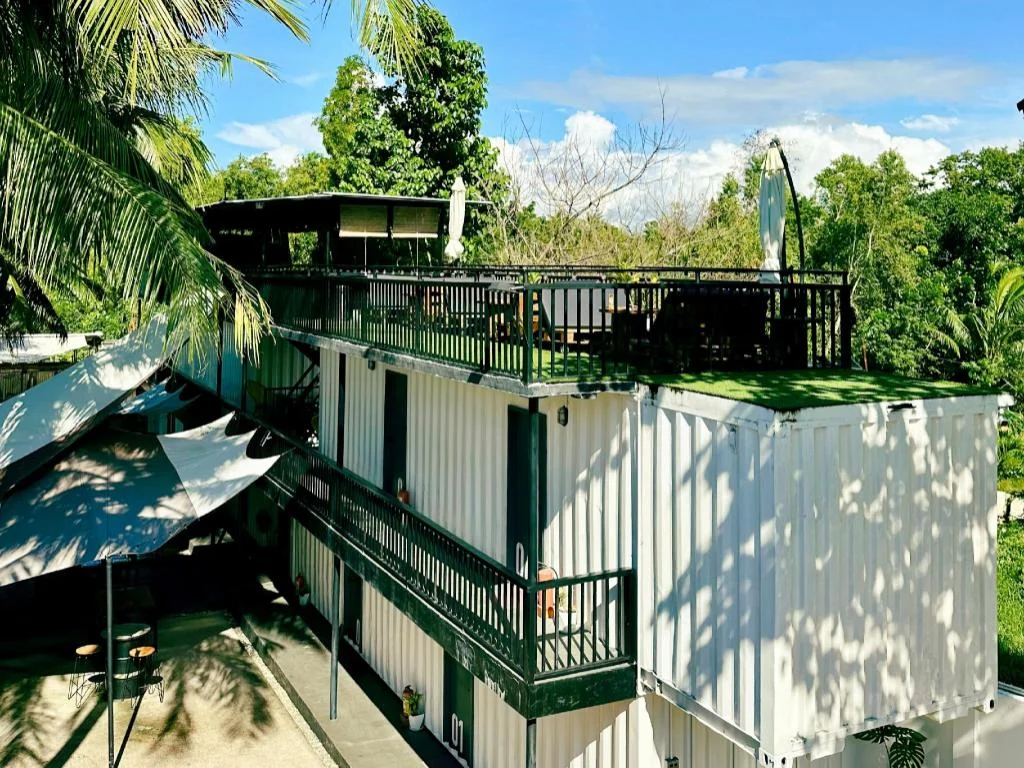
PIG DIVE HOSTEL MOALBOAL
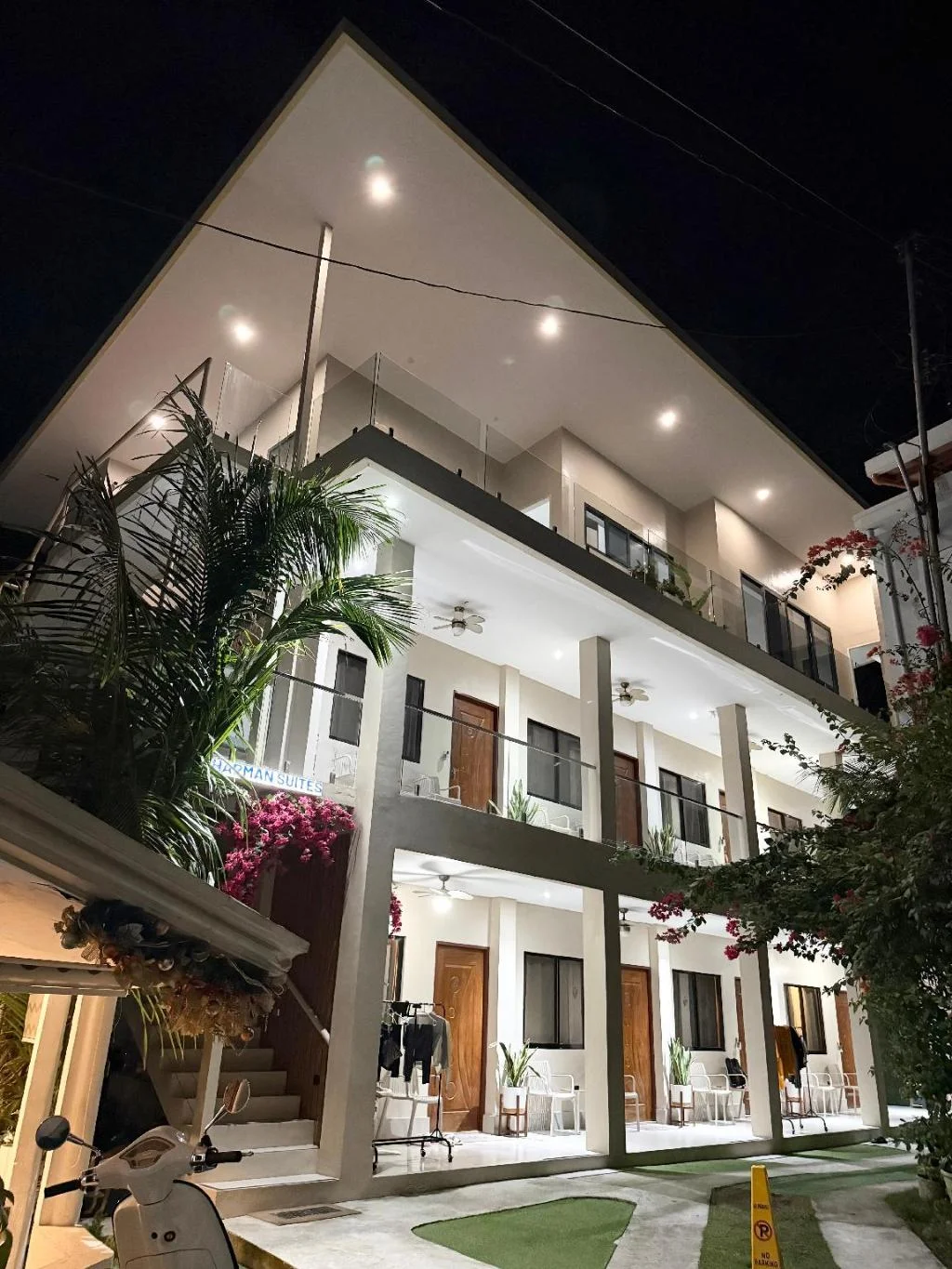
Harman Suites Moalboal
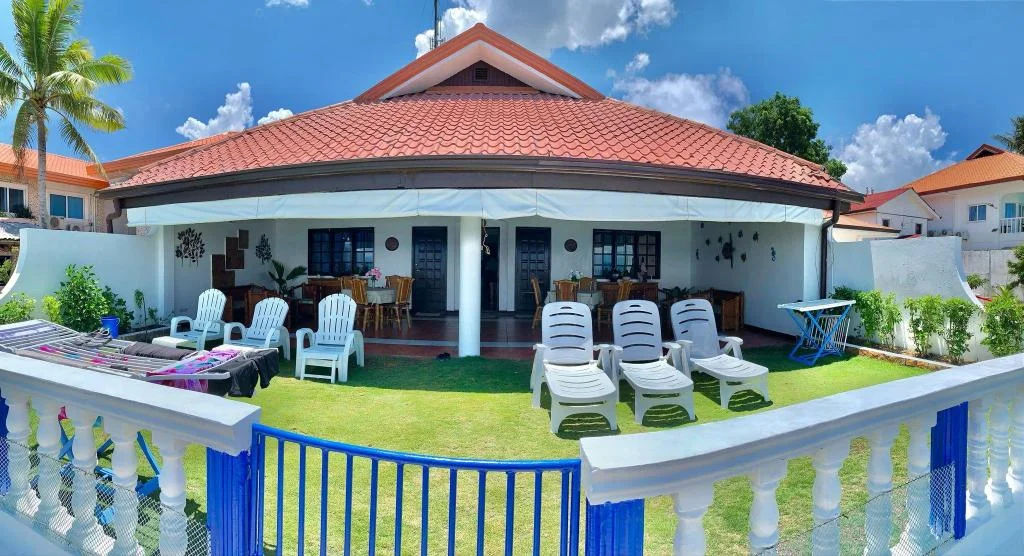
Il Sogno Resort
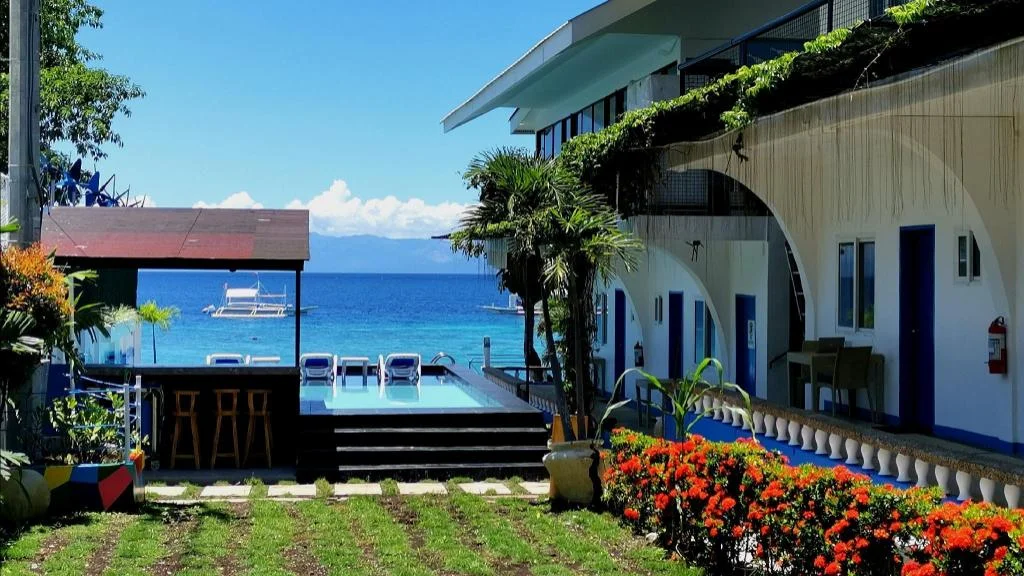
Pescadores Suites Moalboal
Prefer a rental? Vacation rentals near Moalboal
Self-catering condos and apartments — book the exact unit, kitchen included.
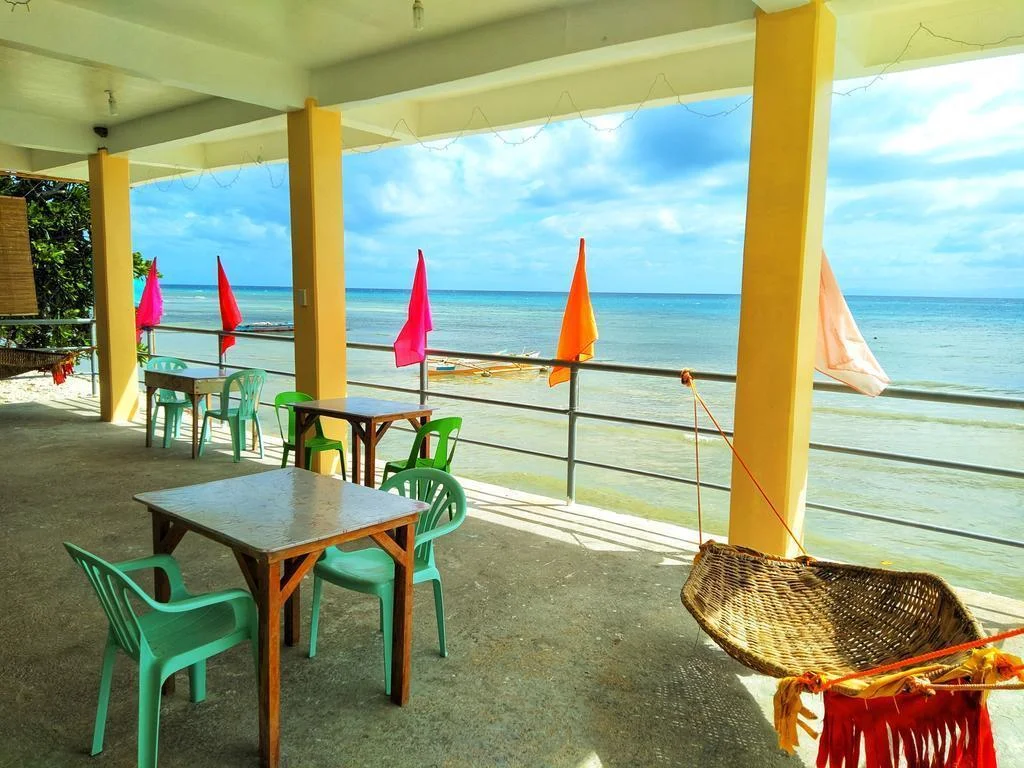
Ocean View Lodging House
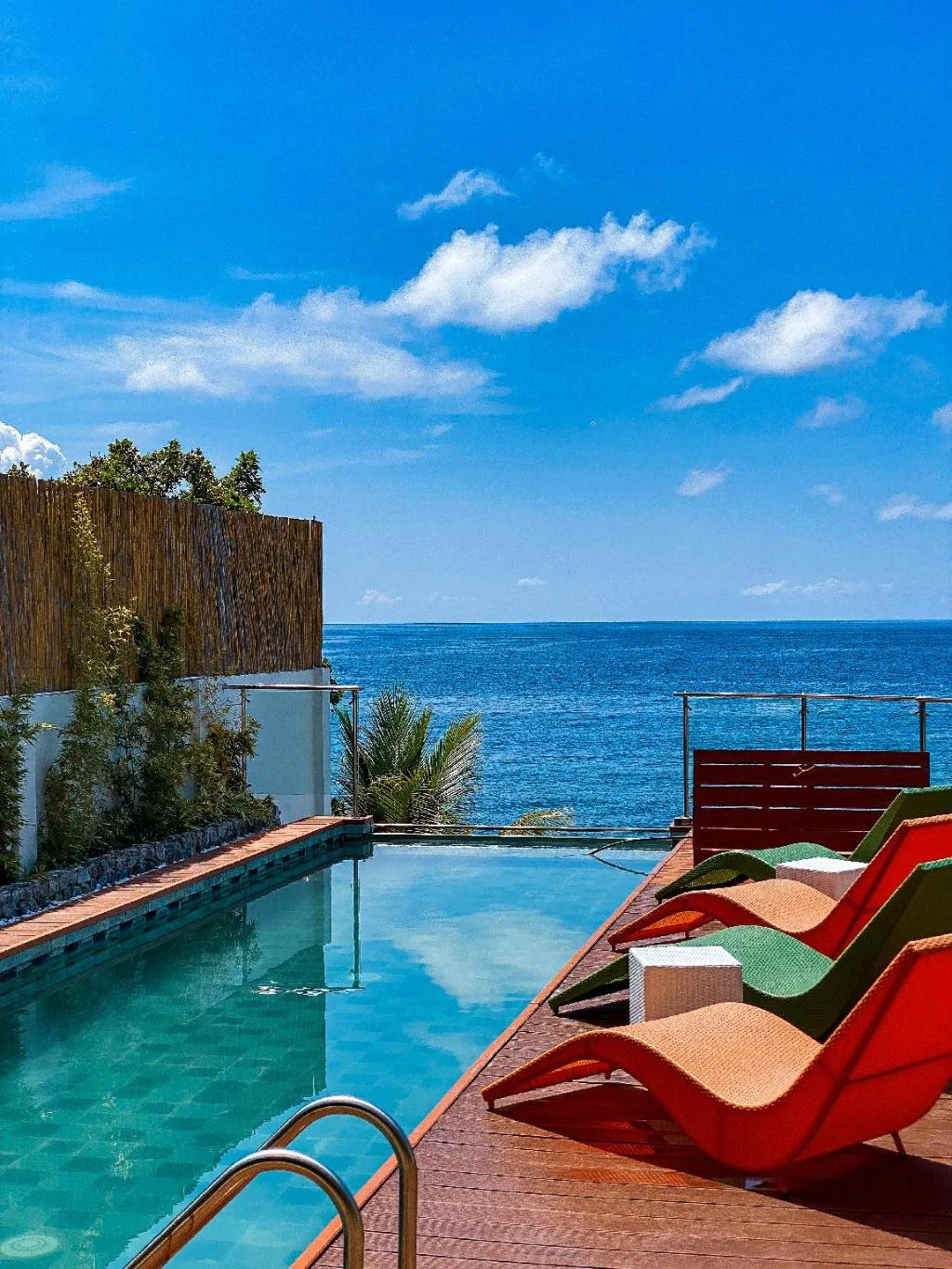
The South Hideaway Oslob
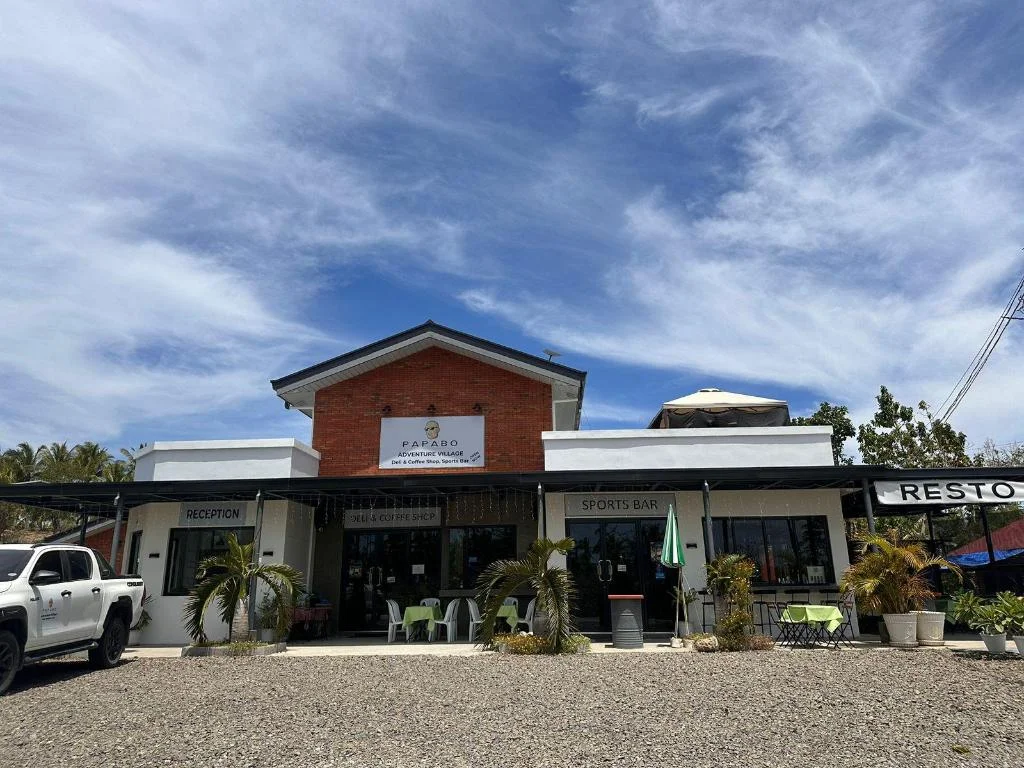
PAPABO Adventure Village
Before you go
Frequently asked
Do Australians need a visa for Cebu, Philippines?
Are there direct flights from Australia to Cebu?
How long does it take to fly from Australia to Cebu?
When is the best time for Australians to visit Cebu?
Is Cebu cheaper than Bali for Australians?
What currency and power plugs do I need in Cebu?
How many days do Australians need in Cebu?
Is Cebu safe for Australian tourists?
More Places to Explore
Whale Shark Watching
Oslob
Swim alongside gentle whale sharks, the world's largest fish, in one of the few places where these magnificent creatures can be reliably encountered.
Kawasan Falls
Badian
A stunning three-tiered waterfall famous for its turquoise waters, bamboo raft rides, and as the endpoint of the famous Badian canyoneering adventure.
Moalboal Sardine Run
Moalboal
Swim with millions of sardines in one of the world's only year-round sardine runs, just meters from shore.
Pescador Island
Moalboal
A world-class marine sanctuary featuring The Cathedral underwater cave and exceptional wall diving.