
TL;DR: Carry cash in Cebu — most jeepneys, tricycles, carinderias, market stalls, and tour operators are cash-only, and cards work mainly at malls and hotels. Local bank ATMs charge around ₱250 per withdrawal (about US$4.03) on foreign cards, plus whatever your home bank adds, and per-withdrawal limits usually cap around ₱10,000–20,000. Money changers in malls (SM, Ayala) and downtown Cebu City beat airport and hotel rates for exchanging dollars. GCash works for tourists in a limited way but isn’t a full replacement for cash. At ₱62 ≈ US$1 (July 2026), budget accordingly. Verified July 2026.
Cebu runs on a mix of cash and cards, and figuring out which one to use where trips up a lot of first-time visitors. The malls around Ayala Center and SM take cards without a second thought, but step into Carbon Market or down Colon Street and it’s pesos only — no tap-to-pay, no card reader, sometimes not even change for a large bill. Tour operators for island-hopping, canyoneering, or whale shark watching often want cash on the day even if you booked and paid a deposit online.
This guide is for anyone landing in Cebu who wants a straight answer on how much cash to carry, which ATMs won’t gouge you, whether their card will actually work, and where to get a fair exchange rate. It’s aimed at first-time visitors and repeat travelers alike — the answers don’t change much year to year, but the fees do, so we’ve verified everything below against 2026 bank fee schedules and recent traveler reports.
Money in Cebu at a Glance
| Method | Typical fee | Where to use it | Notes |
|---|---|---|---|
| ATM withdrawal (BDO, BPI, Metrobank) | ~₱250 flat (BDO) or ~US$3.50 / 1.75% (BPI) + your home bank’s fee | Malls, bank branches, airport | Widest network; per-withdrawal limit usually ₱10,000–20,000 |
| Debit/credit card | Usually free at point of sale; some shops add 2–3% surcharge | Malls, chain restaurants, mid-range+ hotels | Visa and Mastercard widely accepted; Amex spotty |
| Money changer | No fee, built into the buy/sell spread | Malls (SM, Ayala), Cebuana Lhuillier branches, Colon Street | Usually the best rate; skip the airport and hotel counters |
| Airport currency exchange | Weaker rate, no separate fee | Mactan-Cebu International Airport arrivals | Fine for a small “just in case” amount, not your main exchange |
| GCash (e-wallet) | Free to receive/send once verified | Grab, some retailers, bill pay | Tourist registration is limited; not a full cash replacement |
| Cash (pesos) | None | Jeepneys, tricycles, carinderias, markets, most tours | Required almost everywhere outside malls and hotels |
Fees and limits verified against 2026 bank fee schedules; banks update these without much notice, so double-check your card issuer’s current terms before you travel. Verified July 2026.
How Much Cash Should You Bring to Cebu?
Carry more cash than you think you’ll need, in small and medium bills. A rough daily budget for a mid-range traveler covering meals, local transport, and incidentals runs ₱1,000–2,500 (roughly US$16–40) in cash, on top of whatever you prepay for tours and hotels by card. Break large ₱1,000 bills at a mall or convenience store early in the day — market vendors, tricycle drivers, and small eateries frequently can’t make change for anything bigger than a ₱500 note.
Keep a mix of denominations: ₱20s, ₱50s, and ₱100s for jeepneys, tricycles, and small purchases, and ₱500s/₱1,000s for bigger spends. Split your cash between a wallet and a separate stash in your bag or room safe rather than carrying it all in one place — see our guide on staying safe in Cebu for more on that.
Where Can You Withdraw Pesos From an ATM?
BDO, BPI, and Metrobank have the most ATMs around Cebu, including inside SM City Cebu, SM Seaside, Ayala Center Cebu, and Mactan-Cebu International Airport. All three accept foreign Visa/Plus and Mastercard/Cirrus cards. Away from Cebu City — in Moalboal, Oslob, or Bantayan — ATMs thin out fast, so withdraw what you need before you head south or to the islands.
Stick to ATMs attached to a bank branch, mall, or hotel lobby rather than standalone street machines, especially after dark, and always cover the keypad when entering your PIN.
What ATM Fees and Limits Should You Expect?
Budget around ₱250 per withdrawal in local bank fees, on top of whatever your own bank charges. BDO applies a flat fee of about ₱250 (roughly US$4.03) for foreign-issued cards. BPI’s structure runs closer to US$3.50 or 1.75 percent per withdrawal, plus FX mark-up. These are the Philippine bank’s fee — your home bank or card network usually tacks on its own foreign transaction fee and sometimes a flat ATM surcharge, so check your card issuer’s fee schedule before you go.
Per-withdrawal limits commonly land around ₱10,000–20,000, largely because that’s what the cash dispenser can physically release in one go, though some premium cards and machines allow more. If your home bank also caps a lower daily limit, that ceiling applies too. To cut down on the number of ₱250 fees you pay, withdraw a larger amount less often rather than pulling small sums every day or two — just don’t carry more cash than you’re comfortable holding.
A no-foreign-transaction-fee travel debit card (Wise, Revolut, or similar) from your home country won’t dodge the Philippine bank’s withdrawal fee, but it does eliminate your own bank’s markup, which is often the bigger cost over a multi-week trip.
Which Cards Actually Work in Cebu?
Visa and Mastercard are accepted at malls, chain restaurants, and mid-range-to-high-end hotels; American Express acceptance is patchy. Contactless tap-to-pay is common at bigger retailers and cafes in Cebu City and Mactan. Where cards fall short is everywhere small and local: jeepneys, tricycles, carinderias, sari-sari stores, most market stalls, and a lot of independently run tour operators for waterfalls, canyoneering, or island-hopping — these run cash-only, even if you paid a deposit online through an operator or platform.
Some smaller shops and standalone card terminals add a 2–3 percent surcharge for card payments — ask before you tap or swipe if the total looks off.
Where’s the Best Place to Exchange Dollars for Pesos?
Money changers inside malls, not the airport, generally give the best rate. SM City Cebu, SM Seaside, and Ayala Center Cebu all have currency exchange counters, and Cebuana Lhuillier branches (a pawnshop chain that also does forex) are common across the city and typically competitive. Colon Street also has independent money changers, though compare a couple of rates before committing a large amount, since quality varies stall to stall.
Mactan-Cebu International Airport has a 24-hour money changer (Curex) for landing-day convenience, but airport and hotel rates run weaker than what you’ll get in the city — treat the airport exchange as a small “just in case” transaction, not your main currency swap. Bring clean, newer US dollar bills; older or damaged notes sometimes get rejected or offered a worse rate.
Should Tourists Use GCash?
It’s useful as a backup, not a replacement for cash. GCash, the Philippines’ dominant e-wallet, lets you register with a local mobile number and a passport photo, which unlocks basic functions like paying at some retailers or topping up a Grab ride. Full verification — which raises your limits and unlocks more cash-in options — typically requires an Alien Certificate of Registration, something tourists don’t have. Tourist SIMs also usually expire around 30 days, which caps how long the account stays active anyway. If you’re only in Cebu for a week or two, don’t count on GCash for anything beyond small convenience payments; see our Cebu SIM and eSIM guide for getting a number set up in the first place.
Do You Need to Tip in Cebu?
Tipping isn’t obligatory, but it’s welcomed and increasingly common in tourist-facing spots. Check your restaurant bill first — many already add a 10 percent service charge, in which case an extra tip is a bonus, not an expectation. Where there’s no service charge, 10 percent is a fair tip. Tour guides on island-hopping, canyoneering, or waterfall trips typically get ₱100–300 per person for a half or full day; drivers get ₱20–50 or a rounded-up fare. Hand tips directly to the person, not left on the table, when you can.
The Honest Take
Cebu isn’t a hard place to manage money in, but it punishes anyone who assumes it works like a fully cashless country. Card acceptance has grown a lot in the malls and hotels, and that can lull you into thinking you won’t need cash — then you’re stuck at a jeepney stop or a carinderia with only a card and a growling stomach. The ATM fees aren’t brutal (₱250 a pop adds up but isn’t a dealbreaker), but paying it five times because you kept withdrawing small amounts is an unforced error. Withdraw a decent lump sum at a mall ATM early in your trip, exchange a bit more if you’re heading to Moalboal, Oslob, or Bantayan where ATMs get scarce, and keep your cash split up rather than in one pocket. That’s really the whole system.
Get Your Money Sorted Before You Go
Sort your bank card fees and a rough cash budget before you land, then top up your local number and consider a Grab account for cashless rides in the city — our getting around Cebu guide covers that. Pack a spare card as backup in case one gets blocked for “suspicious” overseas activity (call your bank before you travel to flag it), and read up on common scams to avoid in Cebu so your cash doesn’t disappear the wrong way. For the rest of your packing list, see what to pack for Cebu.
If you’re locking in accommodation, compare Cebu City hotels on Agoda — most take cards for the booking itself, which takes some pressure off your cash budget. For tours, browse Cebu day tours and activities on Klook — paying online in advance means less cash to carry on the day, even if some operators still ask for a small cash top-up on site.
Sources
- BDO — Debit Card Limits and Fees
- BPI — Debit Card Fees
- Wise — ATMs in the Philippines: locations, fees, and tips
- BSP — Table of Fees and Charges
- GCash Help Center — Overseas account setup
- ATM fees, exchange locations, and tipping norms cross-checked against 2026 traveler reports and bank fee pages current as of publication. Verified July 2026.
Book Tours & Hotels for This Trip
Find and book the best deals — prices and availability update in real time. Links open in a new tab.
Where to stay near Cebu City
Top-rated hotels for this trip — tap through to check live rates.
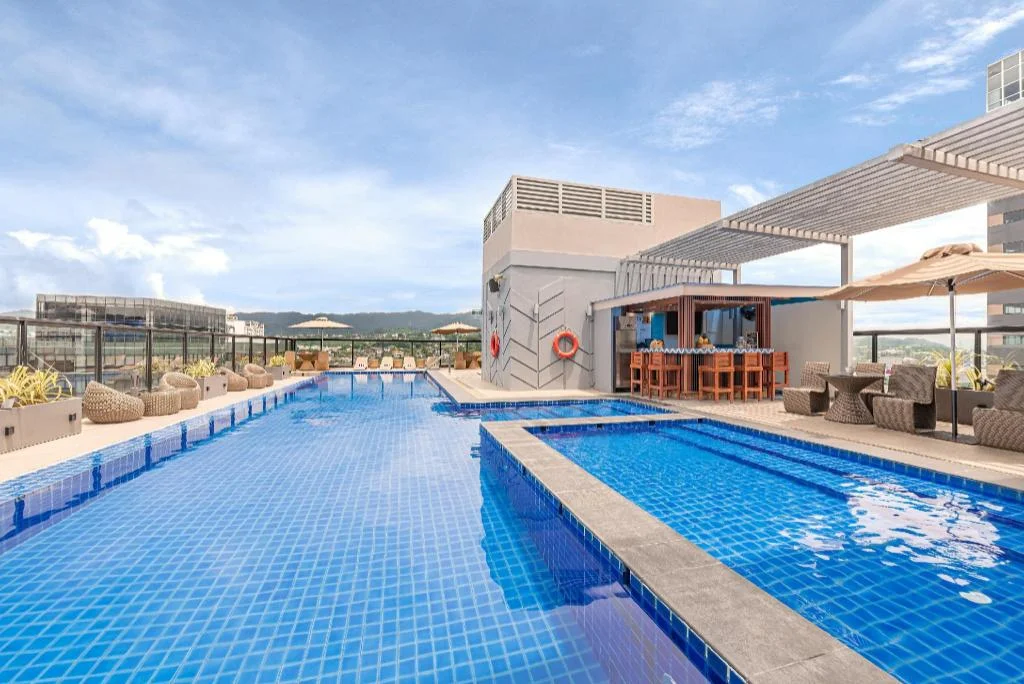
Seda Central Bloc Cebu City
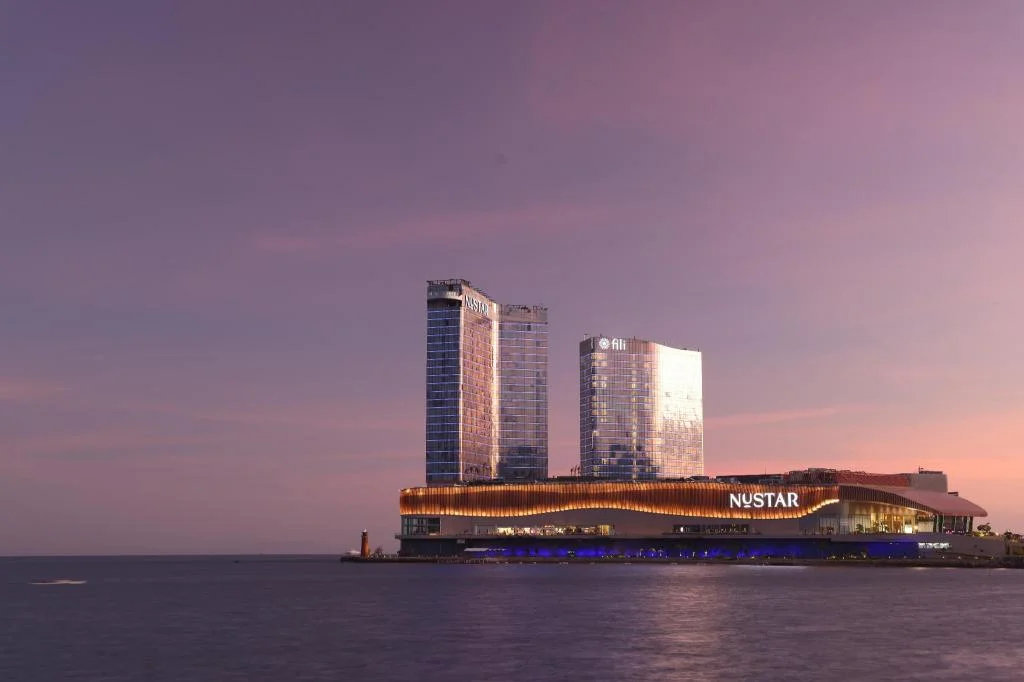
Fili Hotel - NUSTAR Resort & Casino Cebu
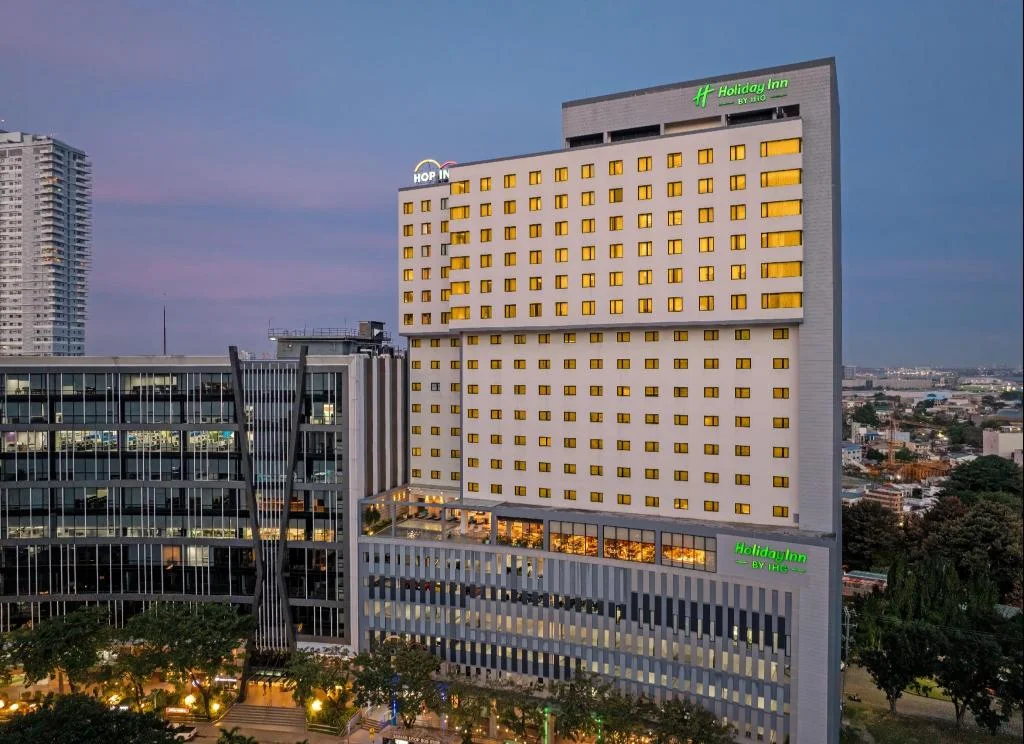
Holiday Inn Cebu City By IHG
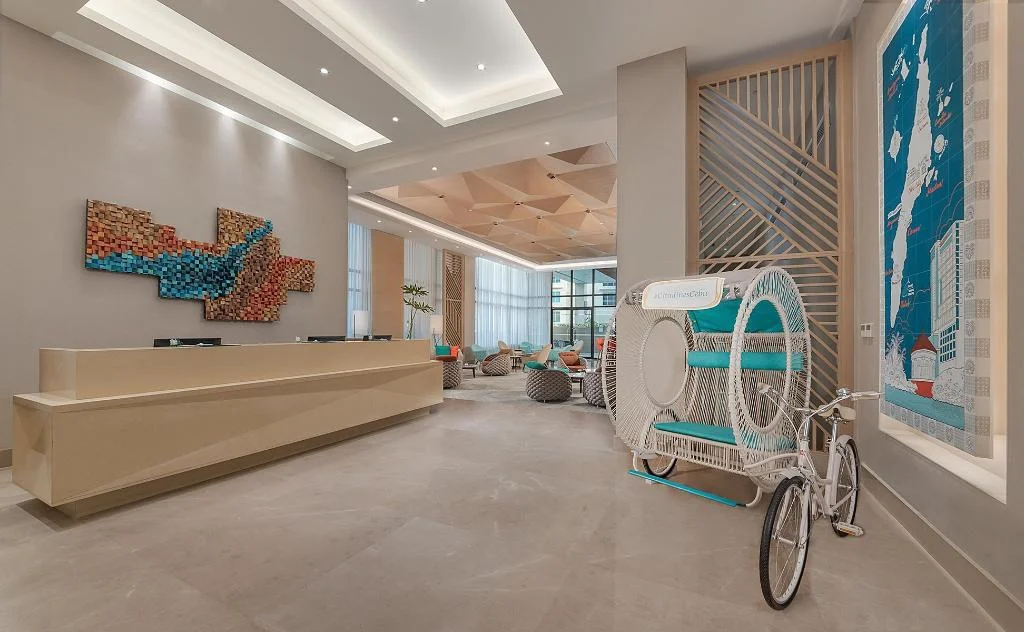
Citadines Cebu City
Prefer a rental? Vacation rentals near Cebu City
Self-catering condos and apartments — book the exact unit, kitchen included.
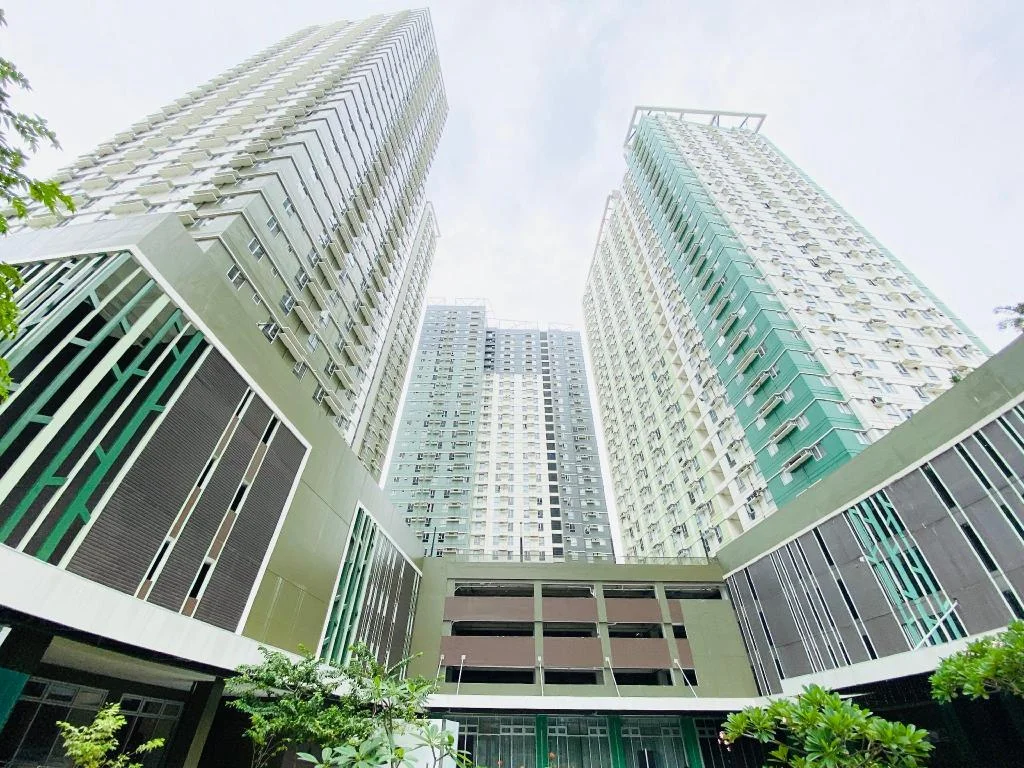
Cebu Avida Riala by P&J
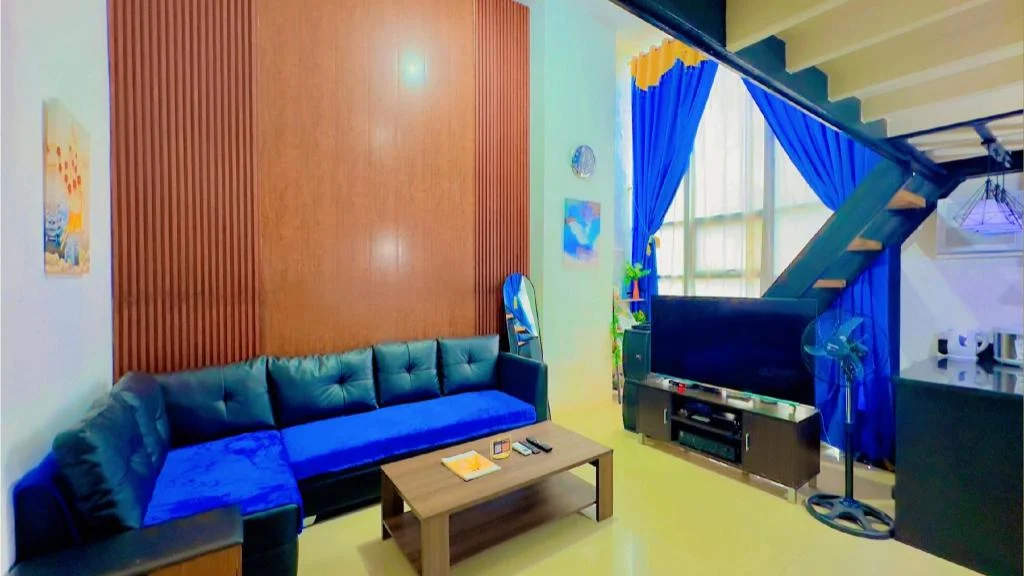
Special Big Loft Unit w/Fibreop Internet & Netflix
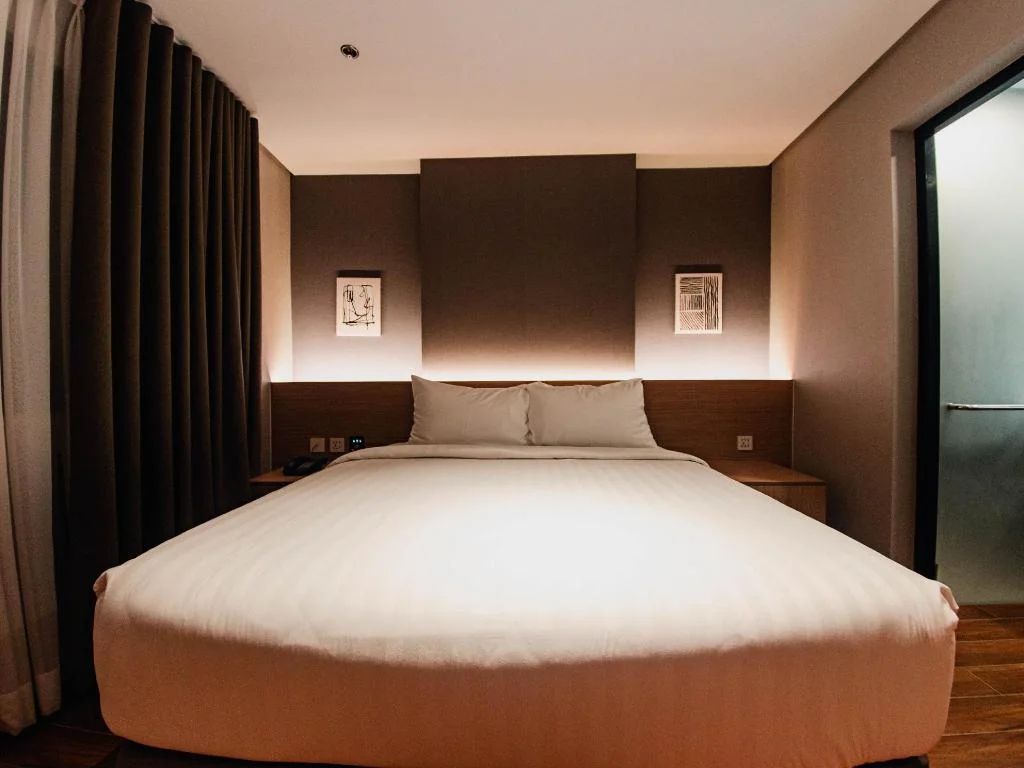
Moonstar Cebu Hotel - Deluxe Room
Before you go
Frequently asked
What is the exchange rate for US dollars to Philippine pesos in 2026?
How much does it cost to withdraw cash from a Cebu ATM?
Is Cebu a cash-only destination?
Which ATMs and banks are best for foreign cards in Cebu?
Can I use GCash as a tourist in Cebu?
Do you need to tip in Cebu?
Is it safe to use ATMs in Cebu?
Should I bring US dollars or just withdraw pesos?
More Places to Explore
Colon Street
Cebu City
The oldest street in the Philippines, a historic commercial thoroughfare that has been Cebu's trading center since Spanish colonial times.
Carbon Market
Cebu City
Cebu's oldest and largest market (since 1909), offering an authentic local shopping experience with fresh produce, seafood, and traditional goods.