
TL;DR: Cebu is safe by Southeast Asia standards, but a handful of money scams repeat often enough to name: the taxi “broken meter” line (real fare ₱150-250 / US$3-4 airport-to-city, scammers ask ₱400-800), resold whale-shark and island-hopping tours padded with fake fees, ATM skimming on unlit standalone machines, the budol-budol “friendship” con, and 15-40% pasalubong markups at the airport. None of it is common enough to ruin a trip - use Grab, book tours direct or through known platforms, and use bank/mall ATMs, and you’ll avoid nearly all of it. Verified July 2026.
Cebu gets millions of visitors a year and the overwhelming majority leave without incident. But every destination this popular attracts a small, predictable set of hustles aimed at people who don’t know the going rate for a taxi ride or a whale-shark ticket. This guide runs through the scams that actually get reported in and around Colon Street, the Carbon Market, Mactan airport, and the southern tour circuit - how each one works, the red flags, and the specific habit that shuts it down. None of this should keep you home; treat it as the same street-smarts you’d bring to any big city, just calibrated to Cebu.
Cebu Scams at a Glance
| Scam | Where it happens | Typical loss | How to avoid it |
|---|---|---|---|
| Taxi “broken meter” | Airport, tourist zones | ₱200-600 (US$3-10) over fair fare | Insist on the meter or use Grab |
| Resold/padded tours | Whale sharks, island hopping | 30-40% markup on tour price | Book direct or via Klook/GetYourGuide |
| ATM skimming | Standalone street ATMs | Full account balance if unnoticed | Use bank-branch or mall ATMs only |
| Budol-budol / “friendship” con | Public areas, malls | Cash/valuables “for safekeeping” | Disengage from overly friendly strangers fast |
| Pasalubong markup | Mactan airport shops | 15-40% above city price | Buy at SM Seaside or Gaisano before your flight |
| Short-changing / bill switch | Markets, money changers | Small bills skimmed per transaction | Count change and pesos in front of the vendor |
Loss figures are typical ranges reported by travelers and local reporting, not guarantees. Verified July 2026.
What’s the Taxi “Broken Meter” Scam?
A driver tells you the meter is broken, then quotes a flat fare far above what the trip should cost. It’s the single most-reported scam in Cebu, and it’s consistent enough that the script barely changes: driver waves you in, meter stays dark, and somewhere near your destination you’re quoted double or triple the real fare. Travelers have documented drivers demanding around ₱300 for the Mactan airport-to-Pier 1 run when a working meter would show closer to ₱150-200.
The fix is simple: before you get in, point at the meter and say “metro, please” (or just watch that the driver flips it on as you pull away). If a driver refuses or claims it’s broken, step out and flag another cab - there’s always another one. At the airport specifically, use the official taxi queue rather than drivers who approach you inside or just outside arrivals, and open your Grab app yourself rather than trusting a stranger who tells you it “doesn’t work here.”
Are Grab and Ride-Hailing Actually Safer?
Yes - the fare locks in before you ride, so there’s nothing to dispute. Grab operates across metro Cebu and removes the entire meter-negotiation problem, which is why it’s the easiest single fix on this list. See our Grab in Cebu guide for how pricing and pickup zones work in practice.
The one wrinkle: airport touts sometimes tell freshly landed tourists that Grab “isn’t available” or has a long wait, trying to funnel them toward a taxi they control. It’s a low-effort scam and easy to sidestep - just check the app yourself instead of taking a stranger’s word for it.
How Do Whale-Shark and Island-Hopping Tours Overcharge?
Middlemen resell the same tour with extra fees bolted on, and in-water “photographers” pressure you into paying for photos you never agreed to. The Oslob whale-shark encounter has an official, posted rate through the local tourism council, but unofficial agencies in Cebu City and Moalboal bundle that same slot with inflated van transport and add-on charges that weren’t part of the original quote. Divers and snorkelers around Moalboal have also reported quotes that jump 30-40% once you’re standing at the dive shop, with “extra” equipment fees appearing that were never mentioned over chat.
Two ways to protect yourself: book the whale-shark trip directly through the Oslob Tourism Office, or book any tour or activity through an established platform like Klook or GetYourGuide, where the price is fixed before you show up. If an in-water photographer offers to shoot you and it wasn’t part of your paid package, treat it as optional - agree on a price first or decline outright. See our Oslob whale sharks guide for the full rundown on official pricing and rules.
Is ATM Skimming a Real Risk?
It’s a documented but avoidable risk, concentrated in standalone street machines rather than bank or mall ATMs. Skimming devices fitted over card slots have turned up on tourist-facing ATMs in busy strips like Colon Street, where foot traffic is heavy and machines sit unattended for long stretches. A compromised card can be cloned and drained within hours.
Before inserting your card anywhere, check the slot and keypad for anything loose, sticky, or glued-on, and cover the keypad when you type your PIN. Stick to ATMs inside bank branches, inside malls like SM Seaside City or Ayala Center Cebu, or at the airport - all of which get regular staff and security oversight that a standalone unit on a sidewalk doesn’t. For a full breakdown of where to withdraw and what fees to expect, see money in Cebu: ATMs, cards, and cash.
What Is the “Friendship” Scam (Budol-Budol)?
A stranger strikes up a friendly conversation, a second “helper” joins in, and between them they talk you into handing over cash or valuables “for safekeeping” - which then vanishes. This is budol-budol, a long-running Filipino con built on fast talk and social pressure rather than force. The Philippine National Bureau of Investigation’s Central Visayas office flagged a resurgence of these operations in late 2025 and early 2026, alongside a wave of related online investment scams.
The honest context: budol-budol overwhelmingly targets locals in everyday settings - markets, sidewalks, waiting areas - rather than tourists inside tourist zones, and cases involving foreign visitors are rare. The defense is straightforward: if a stranger’s friendliness escalates unusually fast, especially toward handling your money or belongings, disengage and walk away. You don’t owe anyone an explanation.
Are Pasalubong Prices at the Airport a Rip-Off?
Marked up, yes - fraudulent, no. Vacuum-packed lechon, dried mangoes, and other pasalubong (homecoming gifts) at the Mactan-Cebu airport pasalubong center typically cost 15-40% more than the same items at city outlets, since even city lechon prices are already premium and the airport adds a convenience layer on top. It’s the same dynamic as any airport gift shop worldwide.
If you’d rather not pay the convenience tax, pick up your pasalubong at SM Seaside City or Gaisano Mactan on your way to the airport - both carry the full range of Cebu specialties (Zubuchon lechon, dried mangoes, otap, chicharon) at standard retail pricing, and both are 10-20 minutes from the terminal by Grab.
What Other Small Scams Should You Watch For?
Short-changing and bill-switching at markets and money changers are the most common low-stakes version of getting ripped off. At Carbon Market and similar cash-heavy spots, count your change before you walk away, and be clear on “per piece” versus “per kilo” pricing before you commit to a purchase - vendors have been known to let the ambiguity work in their favor once the item’s already bagged.
Money changers deserve the same scrutiny. Always count the pesos you’re handed in front of the teller before you leave the counter - a common sleight-of-hand move is to count out the correct amount, then sweep some of it back under the pretext of “straightening the pile.” Use BSP-accredited money changers or your bank/hotel rather than street-side stalls with unusually generous rates, since an implausibly good rate is often the first sign something’s off.
How to Avoid Almost All of It
- Use Grab over street taxis whenever it’s available - it removes the meter dispute entirely.
- Book tours (whale sharks, island hopping, canyoneering) direct or through Klook/GetYourGuide, not through a stranger’s Facebook page or a walk-up “travel agency.”
- Withdraw cash at bank branches, malls, or the airport, not standalone street ATMs.
- Count your change and your pesos in front of whoever hands them to you.
- Treat unusually friendly strangers who want to handle your money or bags with mild suspicion.
- Shop pasalubong at a mall, not just the airport, if price matters to you.
- If you lose real money, get it on record. Insurers and card issuers usually want a police report, and PHGuides sets out how the PNP says to file a blotter entry.
The Honest Take
Cebu is not a dangerous place, and none of the scams above are violent or even especially sophisticated - they’re the same handful of financial hustles you’d meet in any major tourist destination, just with local branding. The taxi meter trick and tour markups are genuinely common enough that you should expect to encounter at least one attempt on a week-long trip; ATM skimming and budol-budol are real but much rarer, and mostly avoidable with basic caution. None of it should overshadow the fact that most drivers, vendors, and tour operators here are straightforward and helpful. Go in informed, not paranoid, and you’ll spend more time enjoying Cebu than defending your wallet. For a broader safety picture beyond scams, see our is Cebu safe for tourists guide.
Get Around It Confidently
Lock in your fare with Grab in Cebu, book your whale-shark day through a trusted Oslob tour on Klook instead of a street reseller, and keep your cash safe with our money in Cebu guide. A little planning turns “watch out for scams” into a non-issue for the rest of your trip.
Sources
- Cebu Daily News / Inquirer — NBI Central Visayas budol-budol warning
- Cebu Daily News / Inquirer — how budol-budol and related scams work
- TripAdvisor traveler reports on Cebu taxi meter fares and Oslob whale-shark tour issues
- Bangko Sentral ng Pilipinas (BSP) guidance on currency exchange and accredited money changers
- Traveler and local reporting on airport pasalubong pricing vs. city mall pricing
- Prices and patterns cross-checked against 2025-2026 traveler reports; confirm specifics locally before you go. Verified July 2026.
Book Tours & Hotels for This Trip
Find and book the best deals — prices and availability update in real time. Links open in a new tab.
Where to stay near Cebu City
Top-rated hotels for this trip — tap through to check live rates.
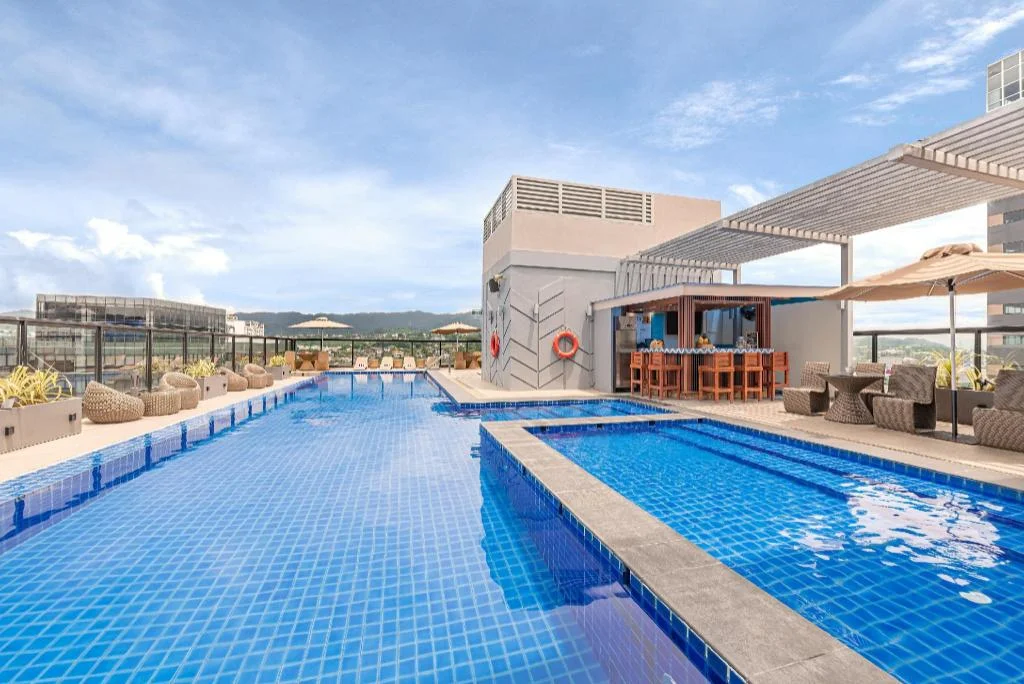
Seda Central Bloc Cebu City
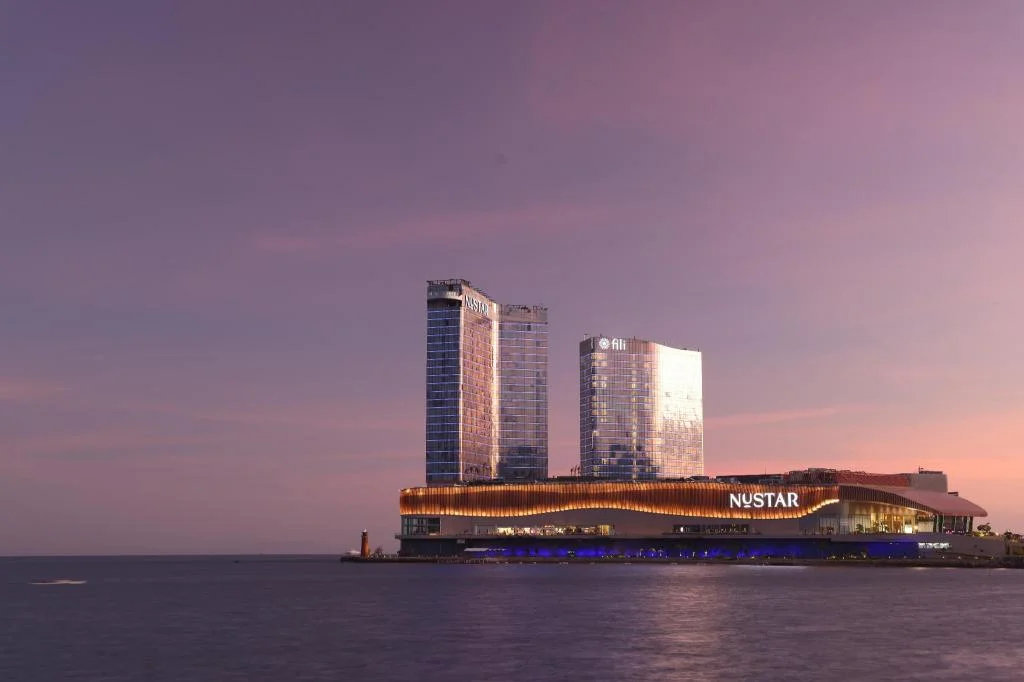
Fili Hotel - NUSTAR Resort & Casino Cebu
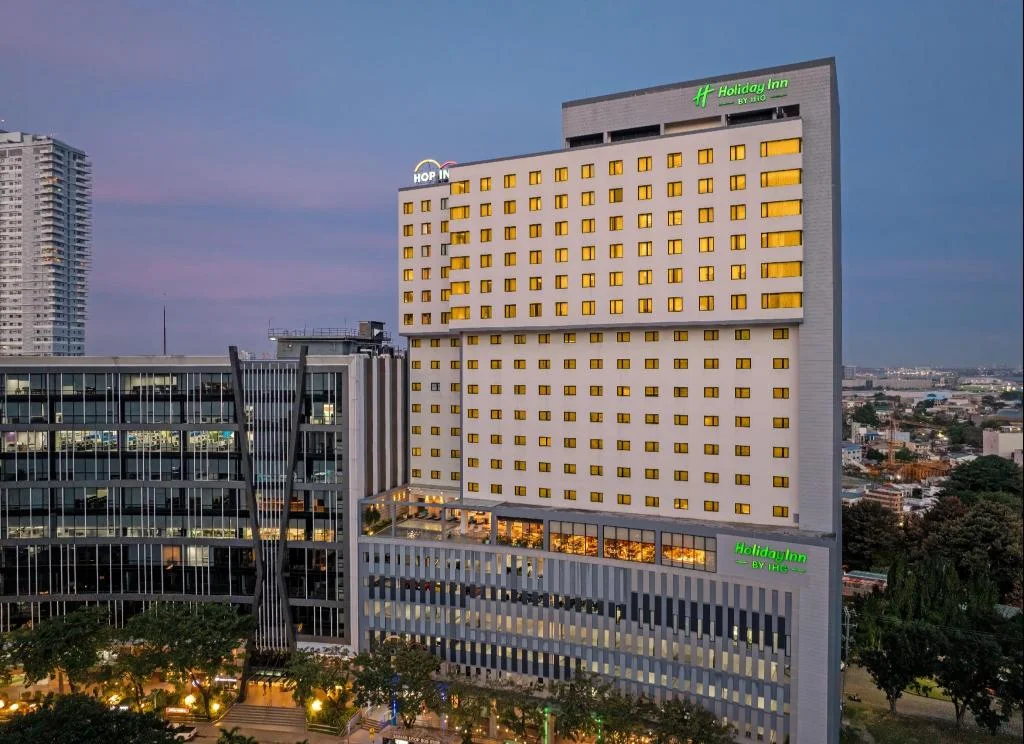
Holiday Inn Cebu City By IHG
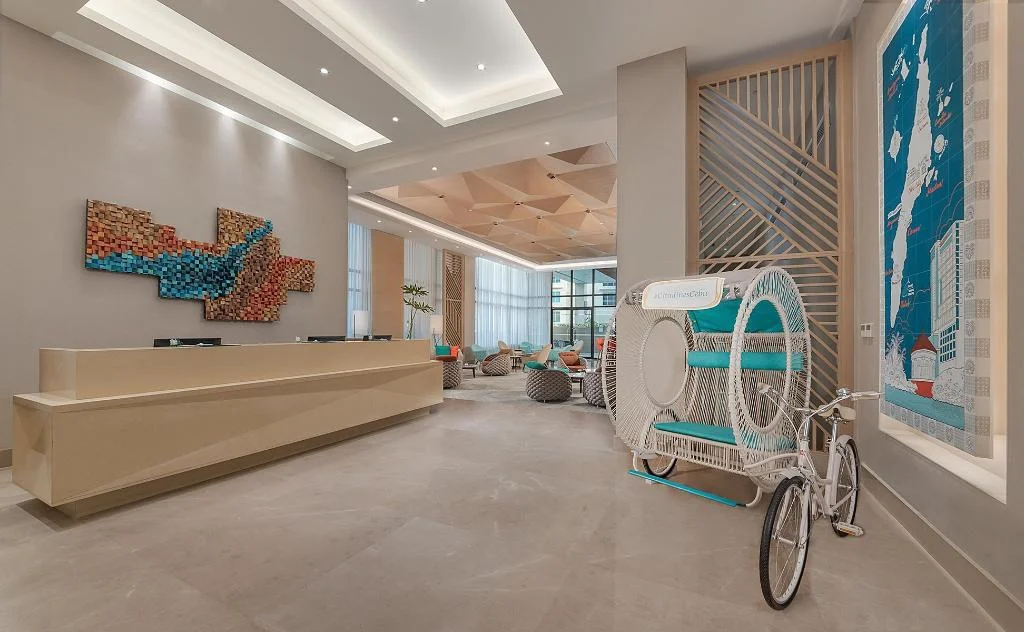
Citadines Cebu City
Prefer a rental? Vacation rentals near Cebu City
Self-catering condos and apartments — book the exact unit, kitchen included.
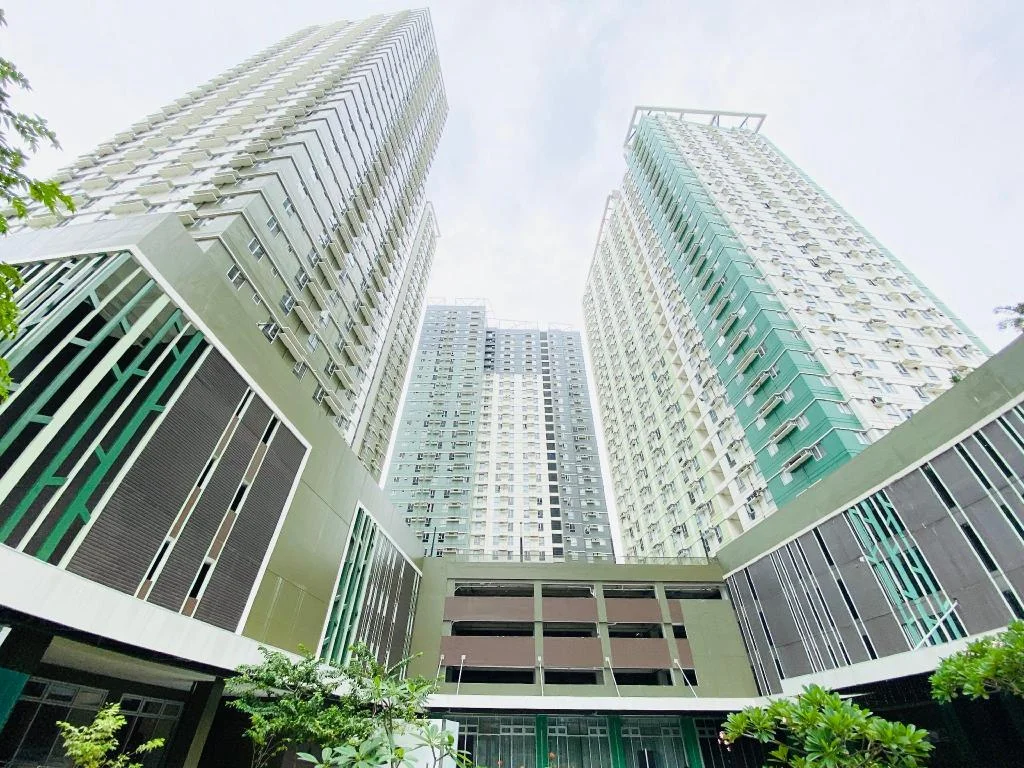
Cebu Avida Riala by P&J
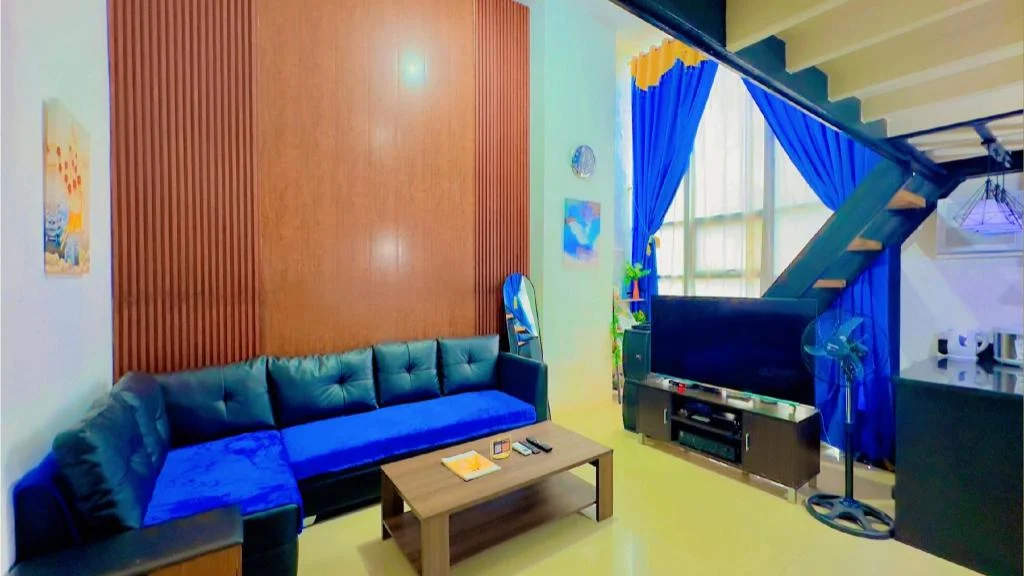
Special Big Loft Unit w/Fibreop Internet & Netflix
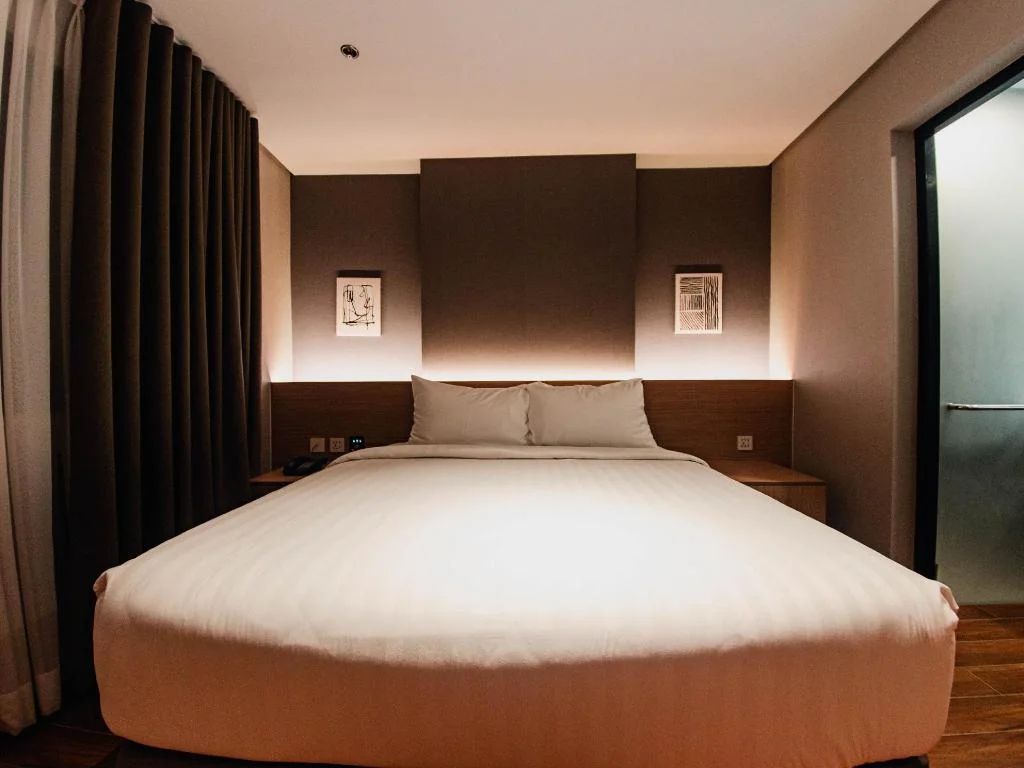
Moonstar Cebu Hotel - Deluxe Room
Before you go
Frequently asked
Is Cebu dangerous for tourists because of scams?
What is the most common scam in Cebu?
Is it safe to use ATMs in Cebu?
How do whale shark tours in Oslob overcharge tourists?
What is budol-budol and should I worry about it?
Are pasalubong prices at Mactan-Cebu airport a rip-off?
Should I use Grab instead of taxis in Cebu?
What should I do if a vendor or driver tries to scam me?
More Places to Explore
Colon Street
Cebu City
The oldest street in the Philippines, a historic commercial thoroughfare that has been Cebu's trading center since Spanish colonial times.
Carbon Market
Cebu City
Cebu's oldest and largest market (since 1909), offering an authentic local shopping experience with fresh produce, seafood, and traditional goods.