
TL;DR: Grab (GrabCar and GrabTaxi) is the easiest way to get around Metro Cebu — book in the app, see the fare upfront, pay cash or card. Airport to IT Park or the city center runs about ₱350–500 (US$6–9). Short hops like IT Park to Ayala Center run ₱100–180. It’s reliable in Cebu City, Mandaue, and Mactan, but coverage thins out fast once you head to Moalboal, Oslob, or other south/north Cebu towns — book a private van or habal-habal for those. Verified July 2026.
If you’re flying into Mactan-Cebu International Airport or staying anywhere in Temple of Leah and Tops Lookout territory in the hills above Cebu City, Grab is the app you’ll open the most. It’s the same idea as Uber or Bolt: request a ride, see the price, get picked up. This guide covers how GrabCar differs from GrabTaxi, what routes actually cost right now, when surge pricing kicks in, and — just as importantly — where Grab simply won’t reach so you don’t waste twenty minutes waiting for a driver who’s never coming. It’s written for first-time visitors, but even longer-term residents get tripped up by the coverage gaps outside the metro.
Grab Fares vs Taxi Fares — Common Cebu Routes
| Route | Grab fare (GrabCar) | Metered taxi (estimate) |
|---|---|---|
| Mactan-Cebu Airport ↔ IT Park | ₱350–500 (US$6–9) | ₱250–350 (US$4–6) |
| Mactan-Cebu Airport ↔ Ayala Center / downtown | ₱350–500 (US$6–9) | ₱270–370 (US$5–6) |
| IT Park ↔ Ayala Center | ₱120–180 (US$2–3) | ₱100–150 (US$2–3) |
| Ayala Center ↔ SM Seaside City | ₱200–300 (US$3–5) | ₱150–220 (US$3–4) |
| Colon Street ↔ Fuente Osmeña / Mango Ave | ₱100–150 (US$2–3) | ₱90–130 (US$2–2) |
| Mandaue ↔ Lapu-Lapu City (Mactan) | ₱250–400 (US$4–7) | Meter varies widely with bridge traffic |
Grab fares are ranges reported by riders in 2025–2026 and shift with traffic, time of day, and surge. Metered taxi estimates use the LTFRB rate of ₱50 flagdown plus ₱13.50/km (effective January 2025), rounded up for typical traffic. Always confirm the fare shown in-app before confirming your ride. Verified July 2026.
How Does Grab Work in Cebu?
Download the Grab app, register with a local or international number, and enter your pickup and drop-off points — the app shows you a fare estimate before you book. You’ll be asked to choose a service type (GrabCar, GrabTaxi, sometimes GrabCar Plus for a bigger vehicle), confirm the price, pick cash or in-app payment, and wait for a driver to arrive. The app gives you the driver’s name, plate number, and live location, and includes a “share my ride” option so someone else can track your trip in real time — genuinely useful if you’re traveling solo at night.
GrabCar vs. GrabTaxi — Which Should You Book?
GrabCar is a private vehicle with a fixed, pre-shown fare; GrabTaxi is a regular metered taxi you book through the same app. GrabCar removes the two biggest taxi headaches in Cebu — drivers who won’t turn on the meter, and price haggling — because you already agreed to the fare when you booked. GrabTaxi keeps the traditional LTFRB meter rate (₱50 flagdown, ₱13.50/km, plus roughly ₱1 per minute waiting time) and typically adds a small booking fee around ₱40, which usually still works out cheaper than GrabCar for short trips in commercial districts like Ayala, SM, or Colon. The trade-off: GrabTaxi supply is thinner outside those commercial cores, so for airport runs or anything off the beaten path, GrabCar is the more dependable pick.
What Does Grab Cost From the Airport?
Expect ₱350–500 (US$6–9) from Mactan-Cebu International Airport to IT Park or downtown Cebu City, and roughly 20% more if you need a 6-seat vehicle for extra luggage or a group. Grab operates at both terminals — walk past the regular taxi stand to the separate, clearly numbered Grab pickup zone near the end of the arrivals path, and book your ride from inside the terminal so a driver is already moving by the time you get there. For the full breakdown of airport transport options, see our guide to getting from Cebu airport to the city center and the Mactan-Cebu Airport guide.
When Does Surge Pricing Hit?
Surge typically spikes on weekday mornings and evenings (roughly 7–9 AM and 5–8 PM) and during heavy rain, when demand for rides jumps faster than driver supply. The app always shows you the surged price before you confirm — nothing gets charged silently. If a fare looks unusually high, it’s often worth waiting five or ten minutes and checking again once the rain lets up or the rush hour traffic clears, since prices reset quickly once demand normalizes.
Cash, Card, or GCash — What’s the Best Way to Pay?
Cash is still the most common way to pay for Grab in Cebu, but GCash, credit/debit cards, and GrabPay wallet balance all work in the app. If you’re paying cash, carry small bills — ₱100 notes or smaller — because drivers frequently can’t break a ₱500 or ₱1,000 bill. Loading your GrabPay wallet or linking GCash beforehand removes that friction entirely and is what most locals and long-term expats use day to day.
Does Grab Work Outside Cebu City?
Grab is solid across Metro Cebu — Cebu City, Mandaue, and Lapu-Lapu on Mactan — but coverage drops sharply once you leave the metro. Moalboal, Oslob, Badian, and most of south Cebu simply aren’t in Grab’s regular service area; drivers can see your request but aren’t obligated to accept it, so you may wait a long time or get no match. The same goes for towns north past Bogo. For those trips, arrange a private van, hire a driver for the day through your resort, or use the public buses covered in our getting around Cebu guide — don’t count on Grab as your fallback once you’re past the city limits.
What About Move It, Angkas, and Motorcycle Taxis?
Move It and Angkas are Cebu’s officially sanctioned motorcycle-taxi apps under the government’s Motorcycle Taxi Pilot Program, and they’re worth knowing about if you’re traveling light and want to cut through traffic. Angkas fares start around ₱60 for short hops and climb to roughly ₱150–180 for longer city trips, with surge pricing applying the same way it does on Grab. They’re fast for solo riders with no luggage, but obviously can’t carry bags or work for groups, and require a helmet (provided) — treat them as a traffic-beating shortcut, not your main mode of transport.
The Honest Take
Grab in Cebu is genuinely good for what it’s built for: predictable pricing, no meter arguments, and a paper trail if something goes wrong. But it isn’t a universal fix. Inside the metro, it’s occasionally more expensive than a metered taxi for a short hop, especially during surge — check both if you’re price-sensitive and near a commercial area where taxis cruise. Outside the metro, don’t rely on it at all; travelers who assume Grab will “just work” in Moalboal or Oslob end up stranded or paying a driver a large tip to bend the rules and accept a long-distance job informally. Book the trip you actually need: Grab for the city and the airport, a private van or your resort’s driver for the provinces, and Move It or Angkas only when you’re solo and unencumbered.
Getting Around the Rest of Cebu
Once you’ve got Grab sorted for the city, pair it with the bigger picture — our getting around Cebu guide covers buses, ferries, and car rental for trips beyond Metro Cebu, and money in Cebu walks through ATMs, cards, and how much cash to carry day to day. If you’re weighing airport transfer options before you land, Klook’s Cebu airport transfer listings are worth comparing against a Grab booking, especially for late-night arrivals or larger groups. And if you’re still picking a base, compare Cebu City hotels on Agoda — staying near IT Park or Ayala Center keeps most of your Grab rides short and cheap.
Sources
- Grab Philippines — Transport (service overview, booking flow)
- Grab — Mactan-Cebu International Airport Transfers (airport pickup details)
- Cebu Daily News — Taxi rates in Metro Cebu (LTFRB flagdown and per-km rates)
- Rider-reported 2025–2026 fares for common Cebu routes cross-checked across multiple travel guides and forum reports; confirm exact pricing in-app before booking. Verified July 2026.
Book Tours & Hotels for This Trip
Find and book the best deals — prices and availability update in real time. Links open in a new tab.
Where to stay near Cebu City
Top-rated hotels for this trip — tap through to check live rates.
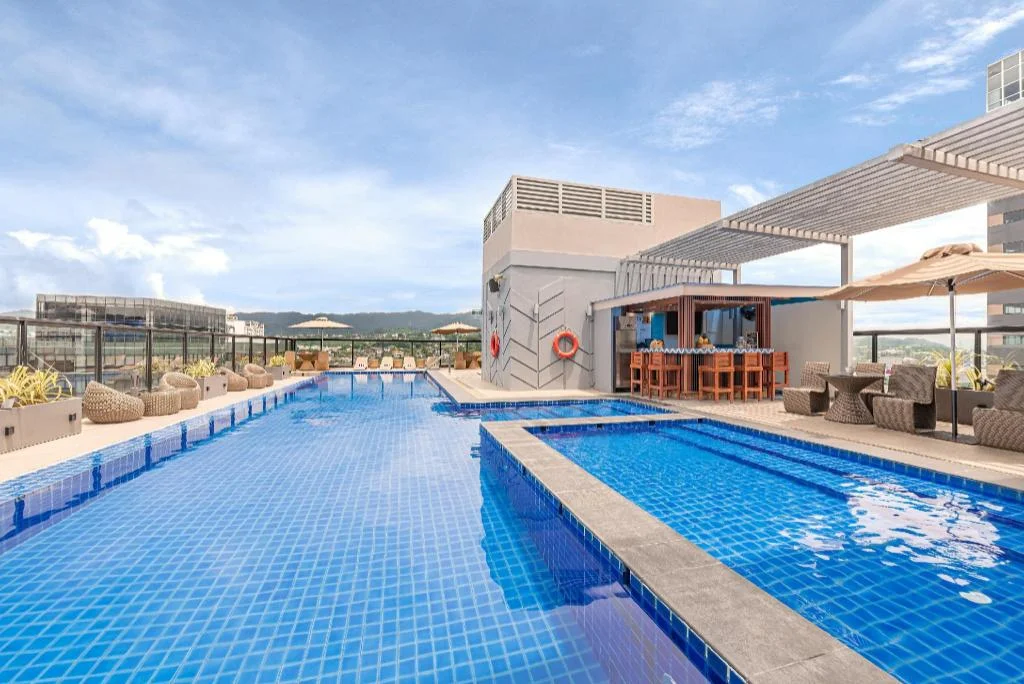
Seda Central Bloc Cebu City

Fili Hotel - NUSTAR Resort & Casino Cebu
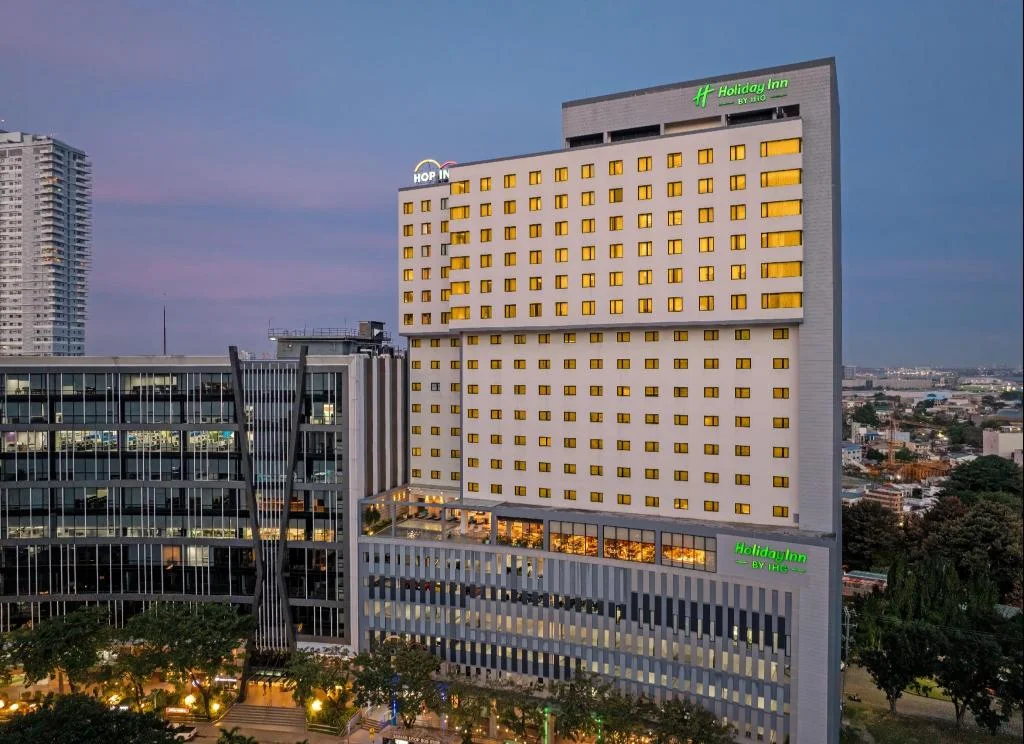
Holiday Inn Cebu City By IHG
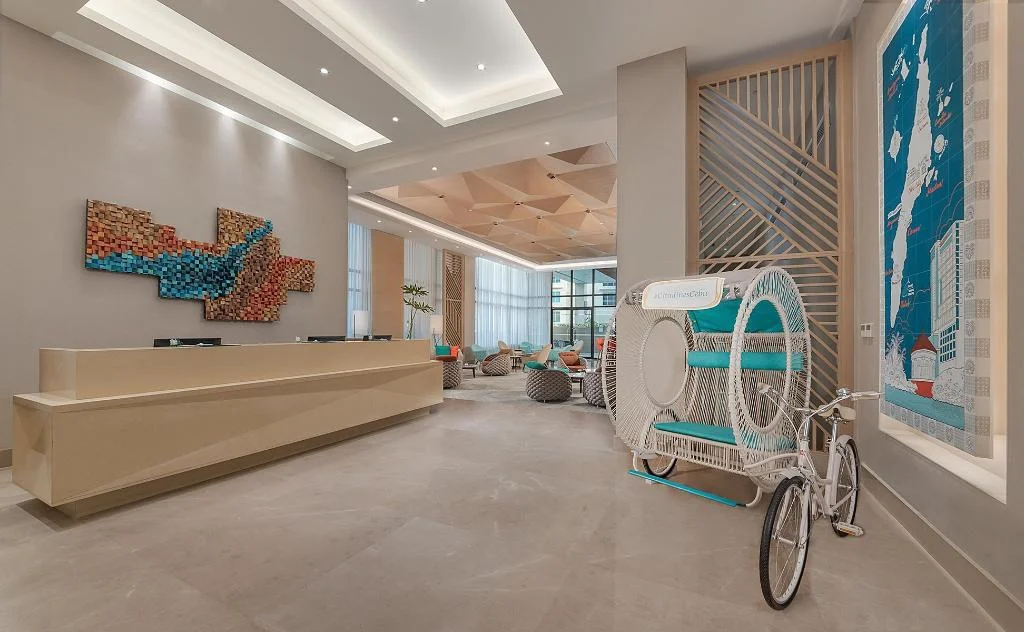
Citadines Cebu City
Prefer a rental? Vacation rentals near Cebu City
Self-catering condos and apartments — book the exact unit, kitchen included.
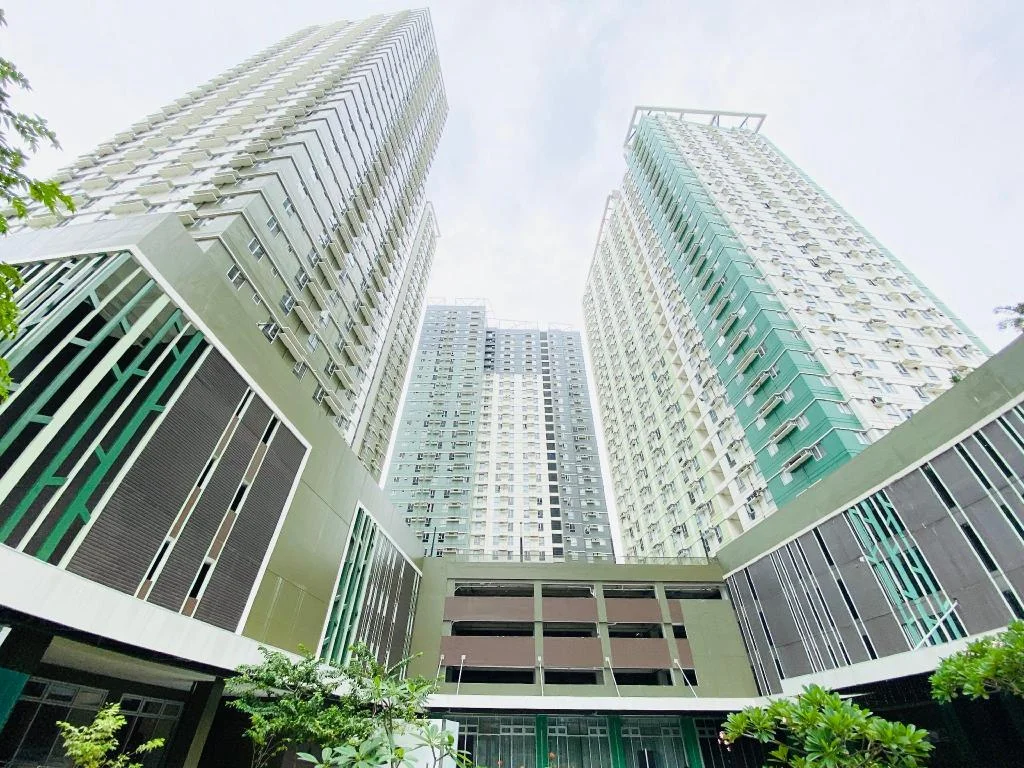
Cebu Avida Riala by P&J
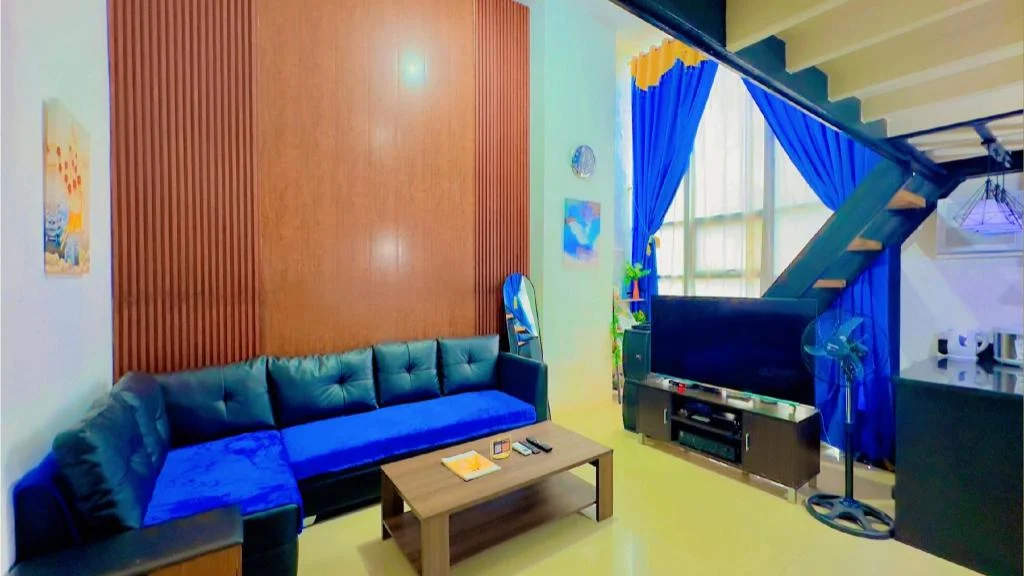
Special Big Loft Unit w/Fibreop Internet & Netflix

Moonstar Cebu Hotel - Deluxe Room
Before you go
Frequently asked
Is Grab available at Mactan-Cebu Airport?
What's the difference between GrabCar and GrabTaxi?
How much is Grab from the airport to Cebu City?
Does Grab work outside Cebu City and Mactan?
Is Grab cheaper than a regular taxi in Cebu?
Can you pay for Grab with cash in Cebu?
What is surge pricing and when does it hit in Cebu?
Should I use Grab, a taxi, or a motorbike taxi in Cebu?
More Places to Explore
Temple of Leah
Cebu City
A magnificent Roman-inspired temple built as a monument of love, nicknamed 'Cebu's Taj Mahal,' offering stunning architecture and city views.
Tops Lookout
Cebu City
Cebu City's premier hilltop viewpoint offering stunning panoramic views of the city, especially spectacular at sunset and nighttime.