TL;DR: Cebu’s tap water is treated, but almost nobody drinks it straight, including locals - old pipes, storage tanks, and a water district still working through a lapsed DOH safety certificate mean bottled or refilled purified water is the norm. A 500ml bottle costs about ₱15-20 (US$0.26-0.34), a 5-gallon refill about ₱25-35 (US$0.43-0.60). Commercial ice at real restaurants is fine; skip ice at sketchy roadside stalls. Islands like Bantayan and Malapascua have their own brackish or stressed water supplies, so drink bottled there too. Bring a refillable bottle to cut down on plastic. Verified July 2026.
If you’ve just landed in Cebu and you’re staring at the tap wondering whether to fill your bottle, here’s the honest answer: don’t, at least not for drinking. This isn’t a “third-world water” scare story - Metro Cebu’s water is treated and regularly tested - but the gap between “meets a standard at the plant” and “safe to drink from your rented condo’s tap” is real, and it’s why bottled and refilled water is such a normal part of daily life here, for tourists and Cebuanos alike. This guide covers what’s actually happening with Cebu’s water supply, what refilling stations and bottled water cost, how to handle ice and street food, and where the risk gets worse (hint: the islands). If you’re building a packing list, pair this with our guide on what to pack for Cebu and the broader Cebu travel checklist before you go.
What Does Water Actually Cost in Cebu?
| Water Option | Cost | US$ Equivalent | Where |
|---|---|---|---|
| Bottled water, 500ml | ₱15-20 | $0.26-0.34 | Sari-sari store, 7-Eleven |
| Bottled water, 1 liter | ₱25-35 | $0.43-0.60 | Convenience store, grocery |
| Purified water, 6-liter jug | ₱50-88 | $0.86-1.52 | Grocery (Wilkins, Absolute, Nature’s Spring) |
| Refill, 5-gallon container (pick-up) | ₱25-35 | $0.43-0.60 | Neighborhood refilling station |
| Refill, 5-gallon container (delivered) | ₱30-50 | $0.52-0.86 | Neighborhood refilling station |
Resort, hotel minibar, and tourist-area prices run higher, sometimes double the above. Confirm locally before you go. Verified July 2026.
Is Cebu’s Tap Water Actually Safe to Drink?
Officially, yes, on paper - but almost nobody actually drinks it straight, and that’s worth paying attention to. Metropolitan Cebu Water District (MCWD), which supplies Cebu City, Mandaue, Lapu-Lapu, and nearby towns, says its treated water meets the Philippine National Standards for Drinking Water, and its water quality lab holds ISO/IEC 17025:2017 accreditation. That’s a genuine credential, not just PR.
The catch is a gap that’s been publicly reported: MCWD’s Department of Health Water Safety Plan certificate lapsed in September 2022, and the utility only submitted an updated plan for review in February 2025. MCWD’s position is that the underlying safety plan and testing regime kept running even without a fresh DOH certificate. Either way, treatment quality at the plant isn’t the only variable - MCWD has also acknowledged losing roughly 29% of the water it produces to old, leaking pipes and illegal connections before it ever reaches a tap. Leaky, aging infrastructure is exactly the kind of thing that lets contamination sneak in after treatment, and it’s a big part of why even locals default to bottled or refilled water rather than trusting whatever comes out of the pipe.
Why Do Locals Still Avoid It?
Because the risk isn’t really about the treatment plant, it’s about everything downstream of it. Add a rooftop storage tank that hasn’t been cleaned recently, an old building’s internal plumbing, or a low-pressure period that lets outside water seep into a cracked pipe, and “treated at the source” stops meaning “safe at the faucet.” That’s why the vast majority of households and businesses in Metro Cebu drink from 5-gallon refill jugs or bottled water rather than the tap, and why foreign embassies, including the US, generally don’t recommend drinking tap water anywhere in the Philippines, Cebu City included, despite it having some of the country’s more modern water infrastructure.
What Do Refilling Stations Cost, and Should You Use Them?
A 5-gallon refill costs about ₱25-35 (US$0.43-0.60) picked up yourself, or ₱30-50 (US$0.52-0.86) delivered. Refilling stations are everywhere in residential Cebu, usually a small storefront with a filtration and UV or ozone treatment setup, and they’re the backbone of how Cebuano households actually get drinking water. If you’re staying somewhere for a week or more, a rented condo or Airbnb, ask your host if there’s a refilling station nearby or a water dispenser already stocked. It’s the cheapest and most eco-friendly option since you reuse the same container instead of buying disposable bottles daily.
How Much Does Bottled Water Cost, and Where Do You Buy It?
Expect ₱15-20 for a small 500ml bottle and ₱25-35 for a 1-liter bottle at a convenience store or sari-sari store, with 6-liter jugs from a grocery running ₱50-88 depending on the brand (Wilkins, Absolute, and Nature’s Spring are the common ones). 7-Eleven, Ministop, and grocery chains like Gaisano and SM Supermarket are the most convenient stops, and nearly every hotel and resort sells bottled water too, just at a markup. If you’re heading out for a full day, canyoneering at Kawasan Falls or island hopping around Mactan, buy a couple of large bottles before you leave the city; small stalls at tourist stops mark prices up significantly.
What About Ice and Street Food?
Ice at hotels, malls, and sit-down restaurants is almost always made from filtered or purified water and is fine to use. Commercial ice suppliers in the Philippines are required to use treated water, and established restaurants buy from those suppliers. The exception is very informal roadside carinderias or ambulant vendors where you can’t verify the ice source; if you’re unsure, ask, or just skip the ice in your drink.
Street food follows the same logic as anywhere with variable water quality: eat things cooked fresh and hot in front of you (grilled skewers, fried lumpia, freshly cooked rice), be more cautious with anything that’s been sitting out, and go easy on raw vegetables or fruit you can’t peel yourself in your first day or two. Most travelers who get sick in Cebu get it from food handling, not the water itself.
Should You Brush Your Teeth With Tap Water?
In Cebu City and Mactan, most travelers brush their teeth with tap water with no problem, since it’s chlorinated at the treatment stage. If you have a sensitive stomach, are traveling with small kids, or you’re staying somewhere with an older building or well water, use bottled or refilled water for brushing instead, at least for the first few days while your gut adjusts. It costs nothing to be cautious and it removes one variable if you do end up feeling off.
Is Island Water Different (Bantayan, Malapascua, Camotes)?
Yes, and it’s generally a bigger downgrade than Cebu City’s tap water. Malapascua’s groundwater is naturally brackish, and travelers and dive shops report it can smell of sulfur, especially in dry season, strong enough that even showers taste salty. Bantayan Island relies on a shared aquifer recharged by rainfall, and saltwater intrusion has been documented in parts of the island as tourism demand has grown; a newer desalination plant from a private operator has started improving supply for some households, but coverage is uneven across the island’s barangays. Camotes and other smaller islands generally lean on similar well and catchment systems.
The practical takeaway: on any of Cebu’s outer islands, buy bottled or refilled water for drinking and brushing your teeth, don’t assume resort tap water is any better than the mainland, and pack a few extra bottles if you’re headed somewhere remote for a multi-day trip. If you’re island-hopping to spots near Temple of Leah or the hills around Tops Lookout on your way out of the city, top up your bottle before you leave; hilltop viewpoints rarely have reliable water for sale.
How to Stay Safe Without Drowning in Plastic
- Carry a reusable bottle and refill it at your hotel’s water dispenser, a 7-Eleven’s water station, or a neighborhood refilling shop rather than buying a new plastic bottle every time.
- Bring a portable filter or purifier (a Grayl bottle, LifeStraw, or Steripen) if you’re doing multi-day trips to smaller islands or waterfalls where bottled water isn’t guaranteed to be available.
- Buy the big jug, not the small bottles, if you’re staying somewhere for more than a couple of nights - a 6-liter jug works out cheaper per liter than a stack of 500ml bottles.
- Skip the straw and the extra plastic bag convenience stores often offer by default; a quick “dili na, salamat” (no need, thanks) goes a long way.
The Honest Take
Cebu’s tap water isn’t a horror story, and it isn’t going to ruin your trip if a stray drop gets in your mouth in the shower. But it’s also not something to rely on for drinking, and the fact that most Cebuanos themselves buy refilled or bottled water tells you everything you need to know: this is a “why risk it when it costs pennies not to” situation, not a “the water will make you violently ill” one. The bigger risk on most trips is actually food handling and ice at informal stalls, not the tap itself. Where you should genuinely be more careful is the outer islands, Bantayan and Malapascua especially, where the water supply is thinner and saltier to begin with. Budget a few hundred pesos for bottled or refilled water across your trip and don’t overthink it beyond that.
Before You Go
Pair this with a broader look at what to bring on our what to pack for Cebu guide, and if anything does go wrong, our hospitals and medical care in Cebu for travelers guide covers where to get help. For the rest of your pre-trip prep, run through the full Cebu travel checklist before you go. And if you’re staying on Bantayan where water is worth planning around, compare Bantayan Island hotels and resorts on Agoda before you book, and check whether your resort provides filtered water on site.
Sources
- MCWD: Cebu Water Safe Despite Lapsed DOH Safety Certificate — SunStar Cebu
- Metro Cebu water district runs 3 years without approved safety plan — Rappler
- Saving MCWD: how Metro Cebu’s water utility plans to bounce back — SunStar Cebu
- MCWD water lab earns ISO accreditation — SunStar Cebu
- 4,000 Bantayan households given access to reliable water services — Cebu Daily News
- CDC Travelers’ Health — Food and Drink Considerations When Traveling
- Bottled water pricing referenced from 2024 DTI-approved suggested retail prices, cross-checked against 2025-2026 grocery and convenience-store listings; confirm current shelf prices locally. Verified July 2026.
Book Tours & Hotels for This Trip
Find and book the best deals — prices and availability update in real time. Links open in a new tab.
Where to stay near Cebu City
Top-rated hotels for this trip — tap through to check live rates.
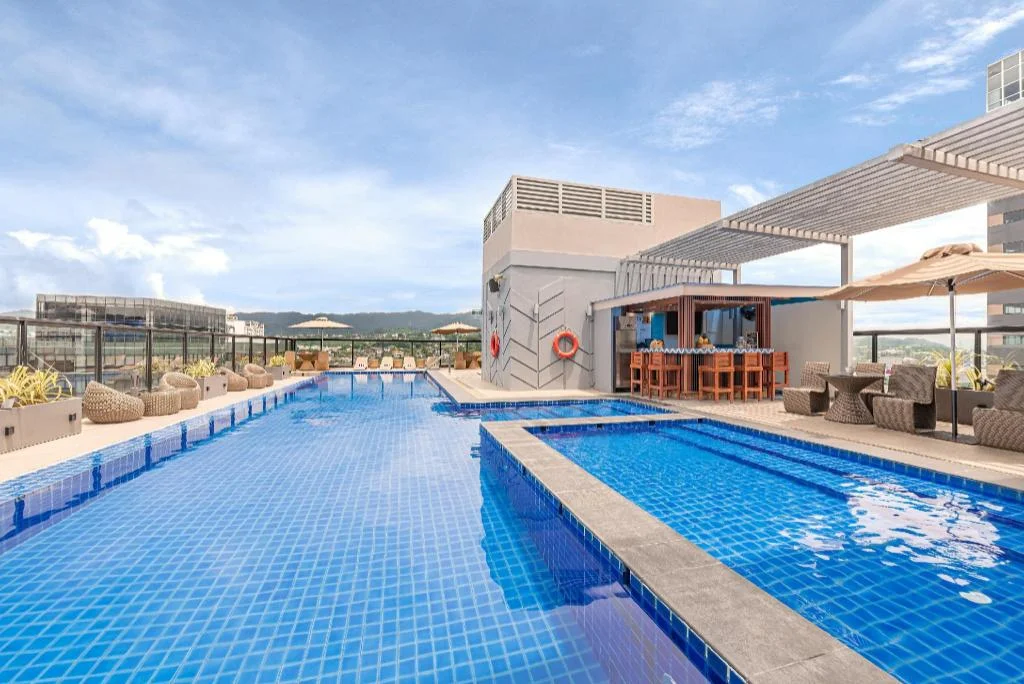
Seda Central Bloc Cebu City
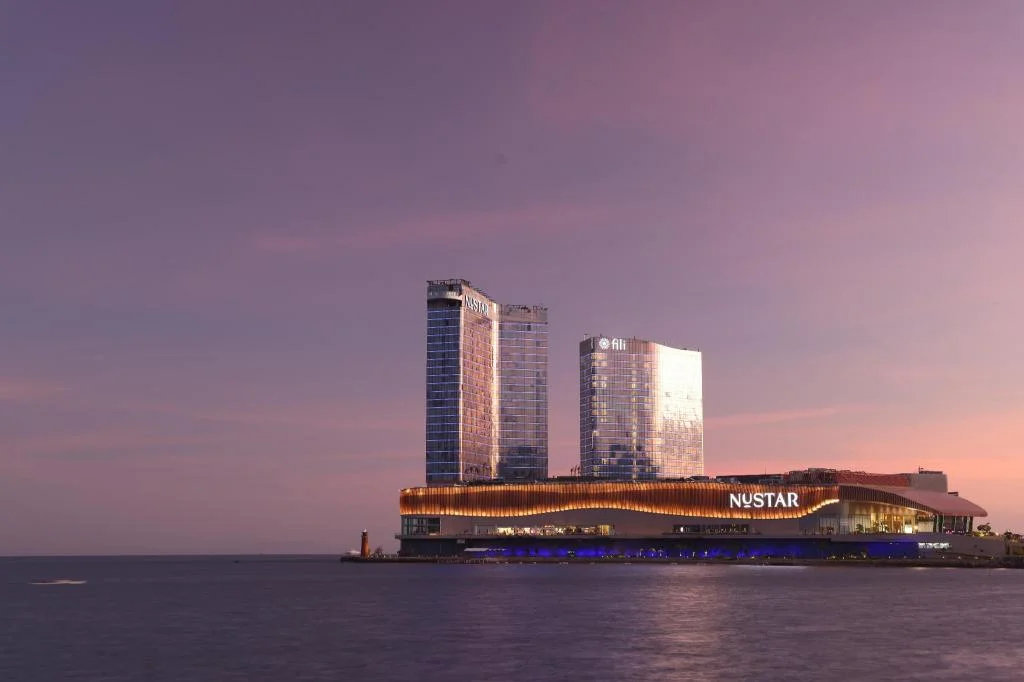
Fili Hotel - NUSTAR Resort & Casino Cebu
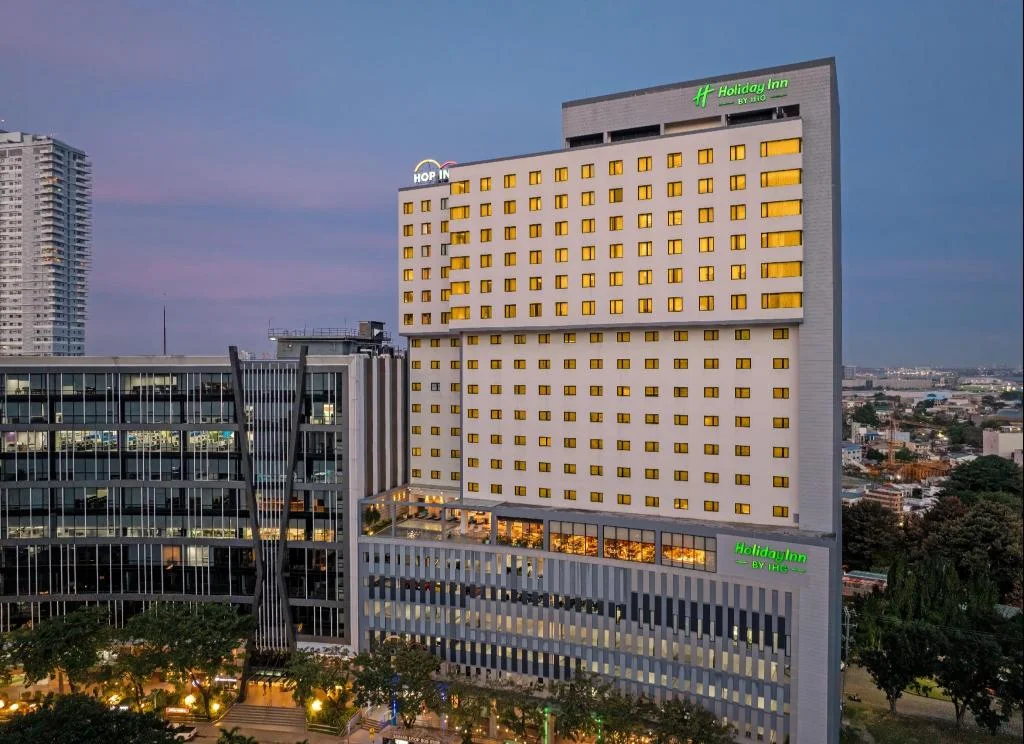
Holiday Inn Cebu City By IHG
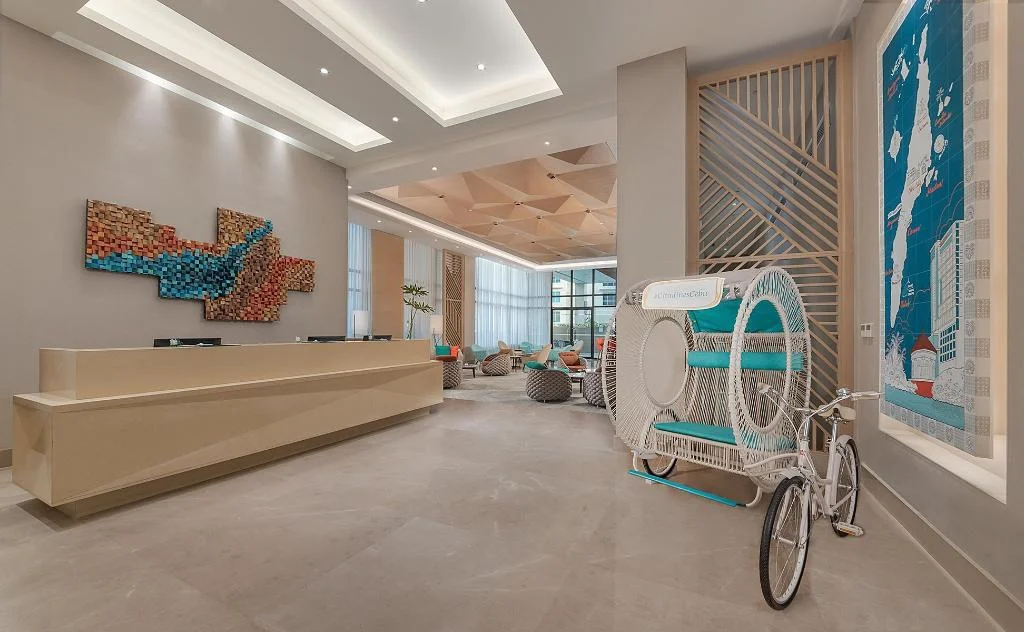
Citadines Cebu City
Prefer a rental? Vacation rentals near Cebu City
Self-catering condos and apartments — book the exact unit, kitchen included.
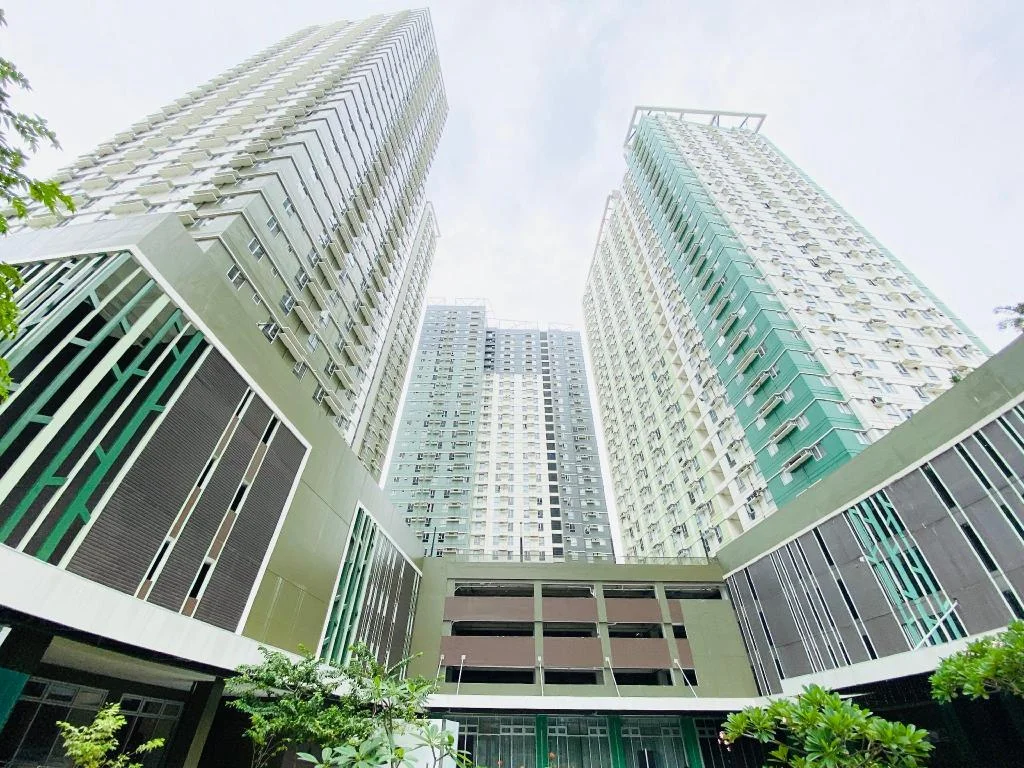
Cebu Avida Riala by P&J
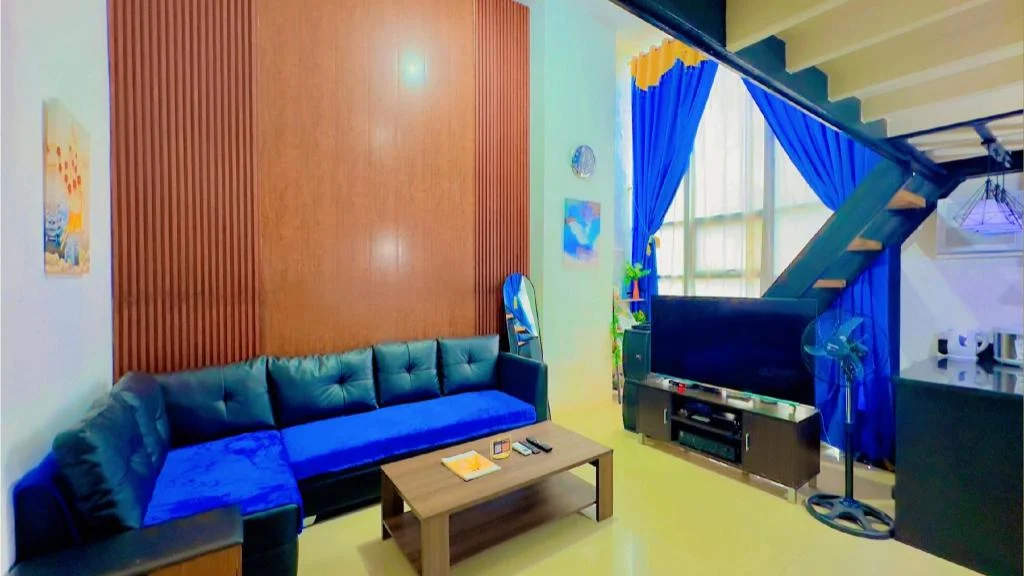
Special Big Loft Unit w/Fibreop Internet & Netflix
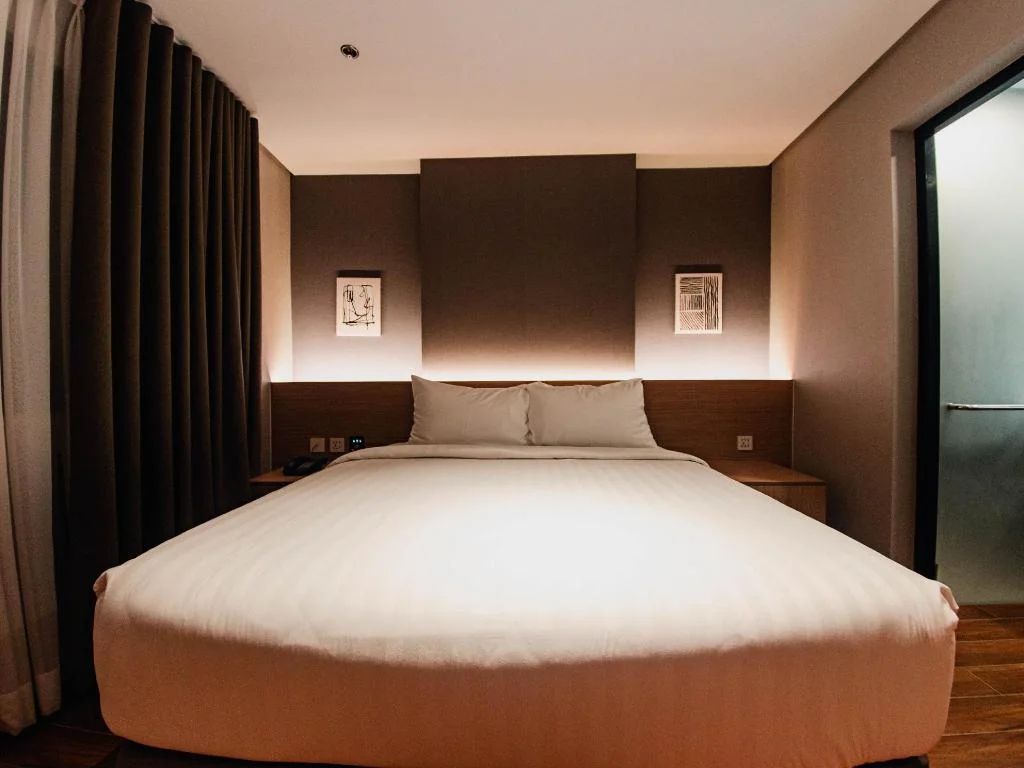
Moonstar Cebu Hotel - Deluxe Room
Before you go
Frequently asked
Can you drink tap water in Cebu?
Is it safe to brush your teeth with tap water in Cebu?
How much does bottled water cost in Cebu?
What do water refilling stations charge per gallon in Cebu?
Is the water on Bantayan or Malapascua island safe to drink?
Can you use ice in drinks in Cebu?
What should you do if you get travelers' diarrhea in Cebu?
Is Cebu City's tap water safer than water in rural towns or smaller islands?
More Places to Explore
Temple of Leah
Cebu City
A magnificent Roman-inspired temple built as a monument of love, nicknamed 'Cebu's Taj Mahal,' offering stunning architecture and city views.
Tops Lookout
Cebu City
Cebu City's premier hilltop viewpoint offering stunning panoramic views of the city, especially spectacular at sunset and nighttime.