
TL;DR: For a real emergency in Cebu, go private if you can: Chong Hua Hospital (Fuente Osmeña / Mandaue) and Cebu Doctors’ University Hospital (Osmeña Boulevard) are the two names locals and expats trust most, both running 24-hour ERs. Expect roughly ₱1,500–15,000 (US$24–242) for a private ER visit versus ₱300+ (US$5+) at a public hospital like Vicente Sotto Memorial Medical Center — but public hospitals mean long queues and are built around PhilHealth, which tourists can’t enroll in. Bring travel insurance with at least US$50,000 in emergency medical coverage; private hospitals want payment upfront without it. Verified July 2026.
Nobody plans a trip to Cebu around hospitals, but it’s one of the first things worth knowing if you’re spending real time here — whether that’s two weeks island-hopping or a few years as an expat. Cebu is the medical hub for the entire Visayas region, so the care is genuinely good; the confusion for foreigners is usually about which hospital to pick, whether to go public or private, and what it’s going to cost you. This guide runs through the hospitals travelers and residents actually use in Metro Cebu, most of them clustered around Cebu City’s downtown near Colon Street and Carbon Market, plus what to expect on cost and insurance.
Private Hospitals in Metro Cebu at a Glance
| Hospital | Type | Location | Known For | ER |
|---|---|---|---|---|
| Chong Hua Hospital | Private, non-profit | Fuente Osmeña, Cebu City + Mandaue City | Nephrology/transplants, gastroenterology, executive checkups | 24-hour |
| Cebu Doctors’ University Hospital (CDUH) | Private | Osmeña Blvd., Cebu City | Heart center, cancer care, orthopedics | 24-hour |
| Perpetual Succour Hospital | Private (Catholic) | Gorordo Ave., Cebu City | Internal medicine, OB-GYN, general surgery | 24-hour |
| UCMed (University of Cebu Medical Center) | Private | Ouano Ave., Mandaue City | General/teaching hospital, broad specialty mix | 24-hour |
| Cebu City Medical Center (CCMC) | Public (city-run) | N. Bacalso Ave., Cebu City | General/community care, 127 beds | Yes, basic |
| Vicente Sotto Memorial Medical Center (VSMMC) | Public (national) | B. Rodriguez St., Cebu City | Trauma, burns, dialysis, neurosurgery — main referral hospital for the Visayas | Yes, Level IV trauma |
Verified July 2026.
Which Hospital Is Best for a Real Emergency?
For anything serious — chest pain, a bad fall, a car accident, a diving incident — Chong Hua Hospital and Cebu Doctors’ University Hospital are where most expats and travel insurers route people first. Both run 24-hour emergency departments with triage systems that see the most critical cases first, both are used to dealing with foreign patients and insurance paperwork, and both have the specialist backup (cardiology, ICU, surgery) that a real emergency needs. If you’re near Mandaue, UCMed and Chong Hua’s Mantawi branch are also credible options.
If the case is trauma-level severe — major burns, a serious head injury, anything needing Level IV trauma care — Vicente Sotto Memorial Medical Center is the region’s main referral hospital and has capacity private hospitals sometimes don’t, but expect a public-hospital experience: crowded, slower, and geared toward PhilHealth members rather than foreign walk-ins.
What’s the Difference Between Public and Private Hospitals Here?
Private hospitals in Cebu are faster, more comfortable, and better set up for foreigners — but they expect payment upfront or proof of insurance before they treat you for anything non-critical. Public hospitals are free or nearly free for PhilHealth members and Filipino citizens, and they carry the region’s most serious trauma and specialist caseload, but they run on long queues and limited English-language patient support, and tourists get no PhilHealth discount.
For a tourist or short-term visitor without local insurance, the honest advice most expats give is: go private for anything you can afford to pay for out of pocket or claim back through travel insurance, and only end up at a public hospital if a private one refers you there (which happens for major trauma, since public hospitals have equipment and ICU capacity some private ones don’t carry).
Chong Hua Hospital: What’s It Known For?
Chong Hua is Cebu’s oldest major private hospital, tracing back to a small clinic in 1909 and formalized in 1950, and it’s still the name most expats mention first. It’s a non-stock, non-profit hospital run by the Asociación Benévola de Cebú, with over 1,000 beds across two campuses: the main one on Don Mariano Cui Street near Fuente Osmeña, and a second tertiary hospital on Mantawi International Drive in Mandaue City. It’s particularly strong in nephrology and kidney transplants, gastroenterology, cardiology (its Heart Institute), oncology, and executive health screening — a common reason expats use it even without an emergency. Both campuses run 24-hour emergency and critical care departments.
Cebu Doctors’ University Hospital: What’s It Known for?
Cebu Doctors’ University Hospital (CDUH), on Osmeña Boulevard, is a 300-bed tertiary hospital and teaching hospital attached to Cebu Doctors’ University. It’s best known for its heart center, cancer care program, and orthopedics — it’s the hospital most commonly named for cardiac interventions and joint replacement in Cebu. Its Osmeña Boulevard location puts it within easy reach of downtown Cebu City and Cebu Business Park, and it runs a 24-hour emergency department equipped for trauma and medical emergencies.
Perpetual Succour Hospital: What’s It Known For?
Perpetual Succour Hospital, on Gorordo Avenue in the Camputhaw area, is a Catholic hospital run by the Sisters of St. Paul of Chartres. It covers a broad range of general specialties — internal medicine, OB-GYN, ENT, general surgery, pulmonology, and pediatrics — and is a common choice for routine specialist care and maternity rather than being the first name people reach for in a major trauma case. It’s PhilHealth- and HMO-accredited and runs 24-hour emergency services.
UCMed: What’s It Known For?
UCMed (University of Cebu Medical Center) is a newer private hospital on Ouano Avenue in Mandaue City, affiliated with the University of Cebu’s medical school. It functions as a general teaching hospital with a broad specialty mix and is a practical option if you’re based in Mandaue or northern Cebu City and don’t want to cross into the more congested downtown core to reach Chong Hua or CDUH.
What Do the Public Hospitals Offer?
Vicente Sotto Memorial Medical Center (VSMMC), on B. Rodriguez Street, is the big one — a national government hospital with roughly 1,500 beds, and the primary referral center for trauma, burns, dialysis, neurosurgery, and other tertiary care across the Visayas and parts of Mindanao. It’s genuinely equipped for the worst-case scenarios, but as a public hospital serving the whole region, expect long waits, crowded wards, and a system built around PhilHealth members rather than foreign visitors.
Cebu City Medical Center (CCMC), on N. Bacalso Avenue, is a smaller, city-government-run general hospital with about 127 beds. It handles community-level medical and dental care with a basic emergency department, and is a reasonable option for non-critical local care but isn’t where you’d want to be for a major emergency.
Neither public hospital is set up to bill international travel insurance directly the way the private hospitals are, so most travelers only end up at one if referred by a private hospital for capacity or equipment reasons.
How Much Should You Expect to Pay?
Rough, unconfirmed-until-you-check figures, since every hospital and case is different:
| Service | Private hospital | Public hospital |
|---|---|---|
| General outpatient consultation | ₱700–1,500 (~US$11–24) | Often free/minimal for PhilHealth members |
| ER visit (consult + basic treatment) | ₱1,500–15,000 (~US$24–242) | From ₱300 (~US$5), excluding most tests/meds |
| Specialist consultation | ₱1,000–2,500+ (~US$16–40+) | Varies, PhilHealth-subsidized for members |
Peso figures at ₱62 ≈ US$1 (July 2026). These are general ranges gathered from hospital and patient-cost reporting, not quotes from any one Cebu hospital — always confirm current rates and any deposit requirement with the hospital’s billing office before treatment, and check what your insurer needs from you (a guarantee letter, a specific network, pre-authorization) before you’re admitted. Verified July 2026.
Do You Need Travel Insurance in Cebu?
Yes, treat it as non-negotiable. Tourist visas don’t qualify you for PhilHealth — that program is only open to foreigners with long-term residency, a work visa, a retirement visa (SRRV), or marriage to a Filipino citizen, and even then it comes with an annual premium. Private hospitals in the Philippines generally expect payment upfront or a guarantee of coverage before non-emergency treatment, so without insurance an ER visit, imaging, or an overnight stay is an out-of-pocket bill. Standard advice for the region is travel insurance with at least US$50,000–100,000 in emergency medical coverage and, ideally, medical evacuation coverage — evacuation without insurance can run into the tens of thousands of dollars. Confirm your policy covers activities you’re actually doing in Cebu (diving, canyoneering, motorbike riding), since these are common exclusions.
The Honest Take
Cebu’s private hospitals are genuinely good by regional standards — Chong Hua and CDUH in particular have real specialist depth, and most expats who’ve used them report solid care at a fraction of Western prices. But don’t assume “good hospital” means “no upfront cost” — it doesn’t, and getting a bill sorted out with a foreign insurer from a hospital bed is a worse time to figure out your coverage than before you fly in. If you’re an expat living here long-term, look seriously at PhilHealth enrollment plus a private HMO on top of it; the combination is what most long-stayers settle on. If you’re just visiting, travel insurance covers you for the vast majority of scenarios and is far cheaper than the alternative. And if a situation is bad enough that a private hospital says you need Vicente Sotto’s trauma capacity, that’s the public system doing exactly the job it’s built for — don’t fight the referral.
For day-to-day precautions rather than worst-case planning, see our guide on whether Cebu is safe for tourists, and check the Philippines visa-free entry rules if you’re figuring out how long you can legally stay while you sort out longer-term health coverage.
Sources
- Chong Hua Hospital — official site (locations, services, emergency care)
- Cebu Doctors’ University Hospital / CebuDoc Group — official site (bed capacity, specialties)
- Perpetual Succour Hospital — official site (location, specialties)
- UCMed — official site (location, affiliation)
- Vicente Sotto Memorial Medical Center — official site and Wikipedia (bed capacity, trauma designation)
- Cebu City Medical Center — City of Cebu official page (location, bed capacity, services)
- PinoyMedical — Emergency Room (ER) price ranges in the Philippines, 2026
- MedicalPinas — hospital and consultation fee ranges, 2025
- PhilHealth foreign-national enrollment rules and premiums per public expat health-insurance guides, 2025–2026 reporting. Verified July 2026.
Find a Clinic Near You
For more listings beyond these six — dental clinics, diagnostic centers, specialist clinics across Cebu and the rest of the Philippines — find more clinics and hospitals on ClinicFinderPH, our sister directory site.
Hospitals aside, most of a Cebu trip is spent nowhere near one. Pair this with our guide on staying safe as a tourist in Cebu and things to do in Cebu to plan the rest of the trip with peace of mind.
Book Tours & Hotels for This Trip
Find and book the best deals — prices and availability update in real time. Links open in a new tab.
Where to stay near Cebu City
Top-rated hotels for this trip — tap through to check live rates.
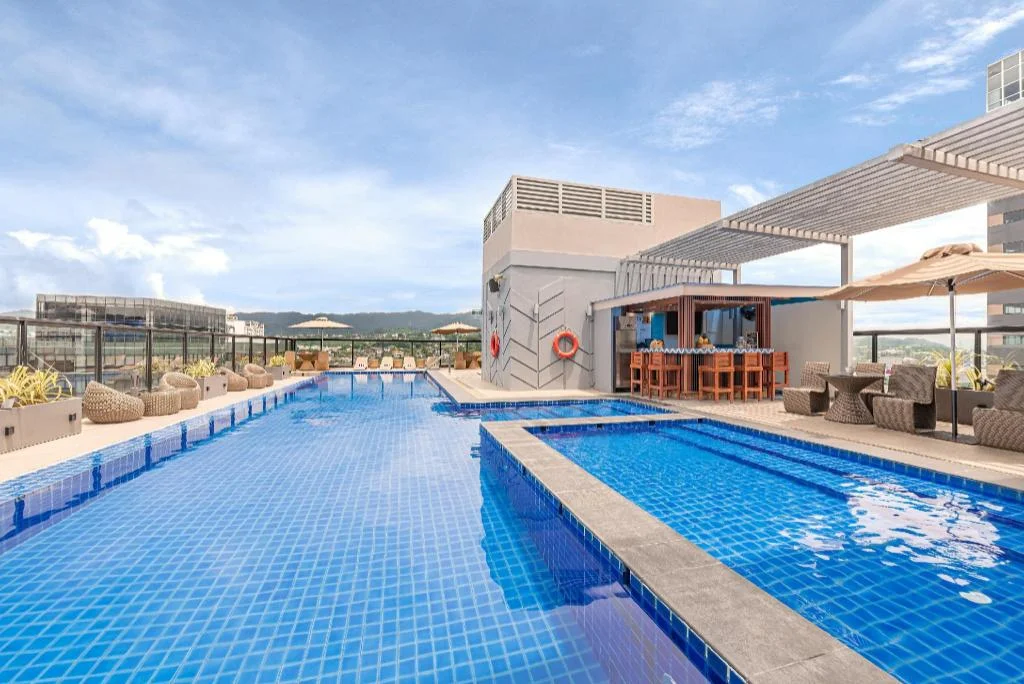
Seda Central Bloc Cebu City
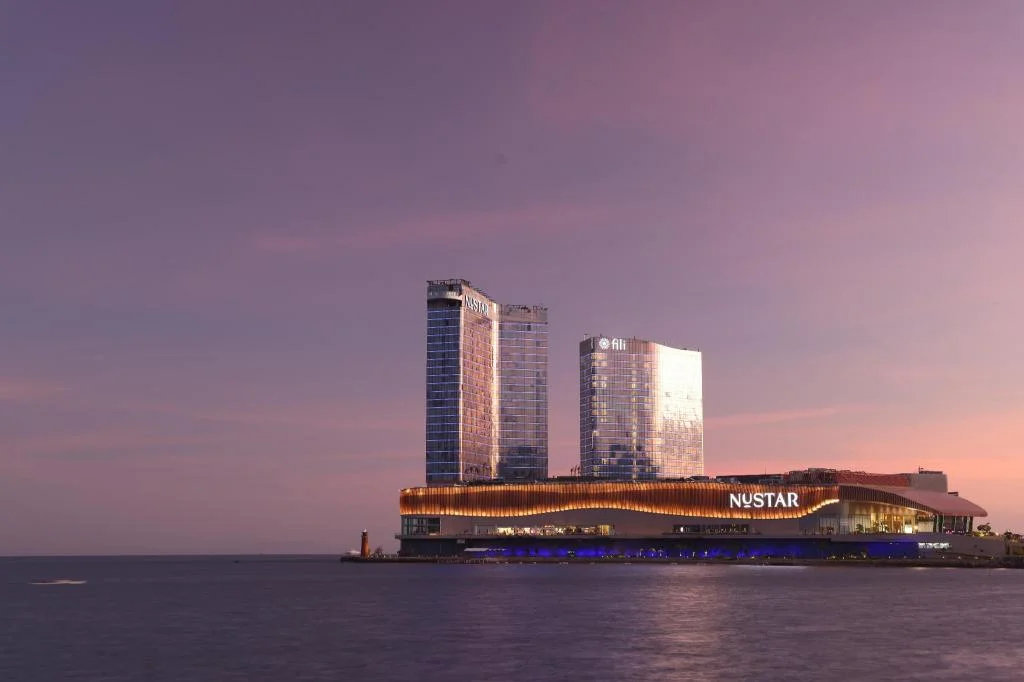
Fili Hotel - NUSTAR Resort & Casino Cebu
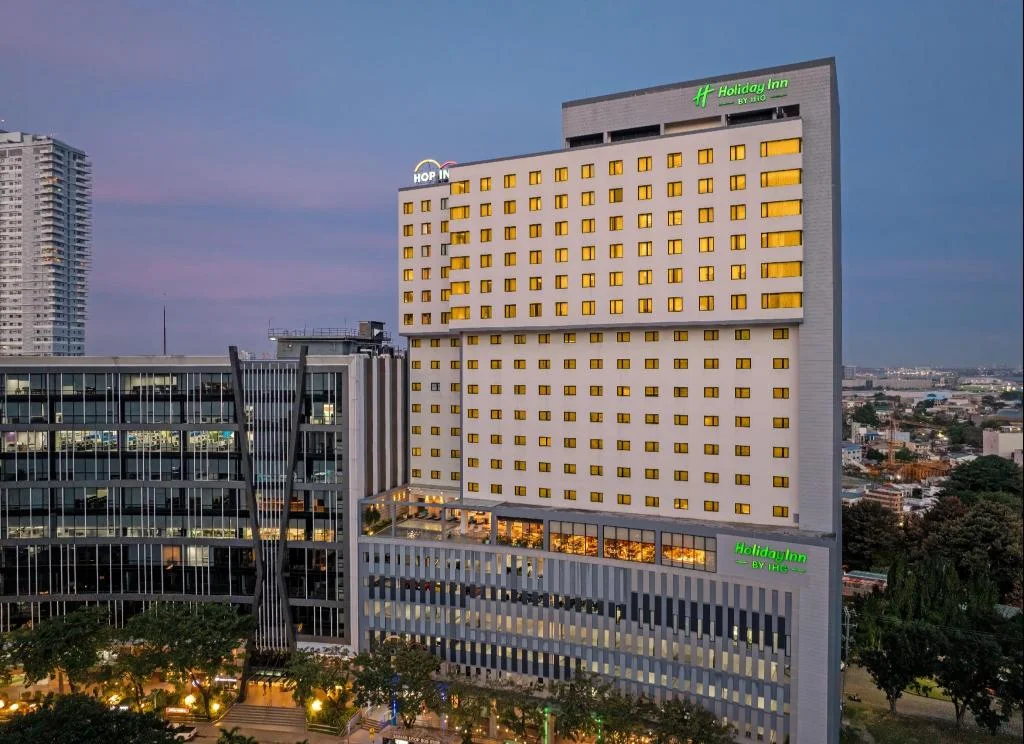
Holiday Inn Cebu City By IHG
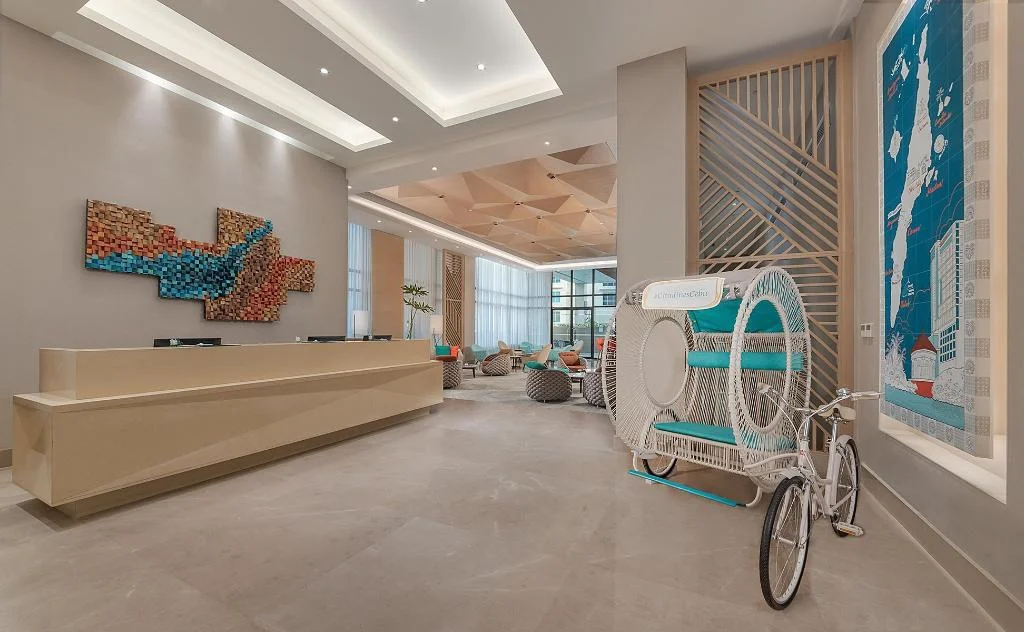
Citadines Cebu City
Prefer a rental? Vacation rentals near Cebu City
Self-catering condos and apartments — book the exact unit, kitchen included.
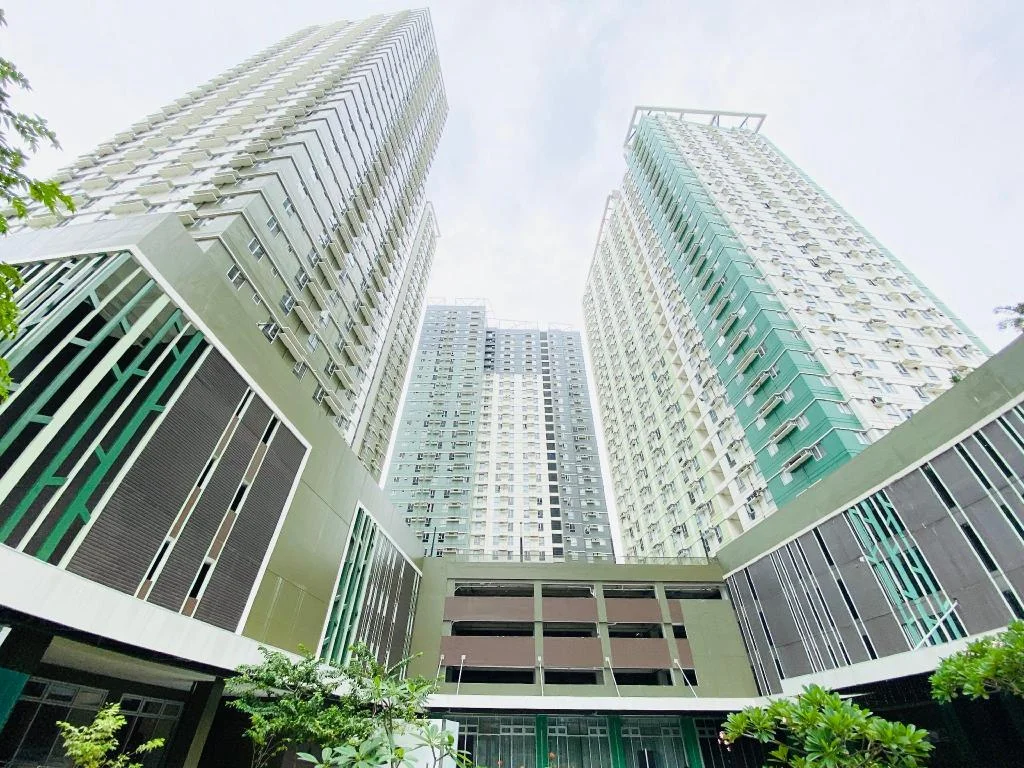
Cebu Avida Riala by P&J
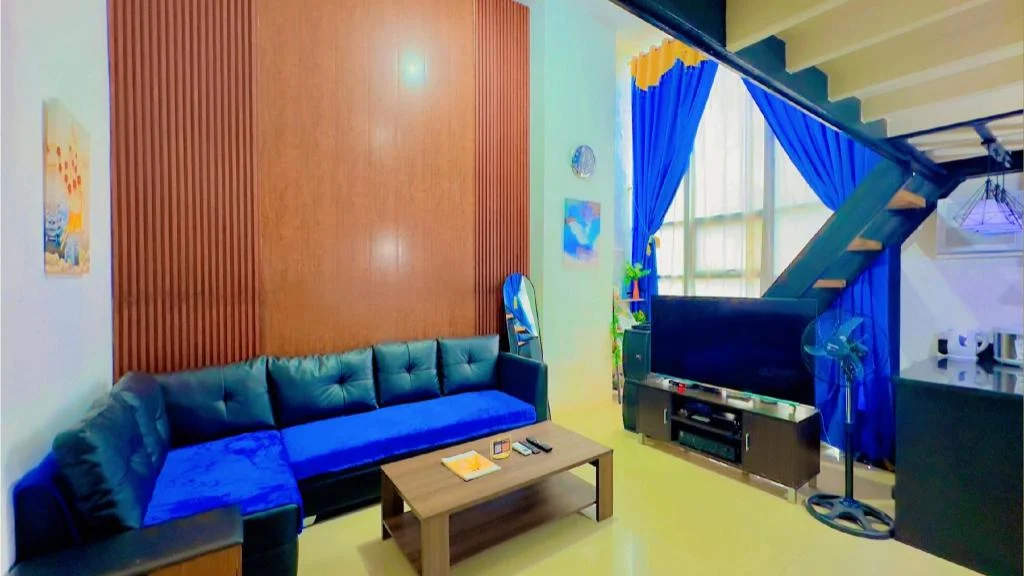
Special Big Loft Unit w/Fibreop Internet & Netflix
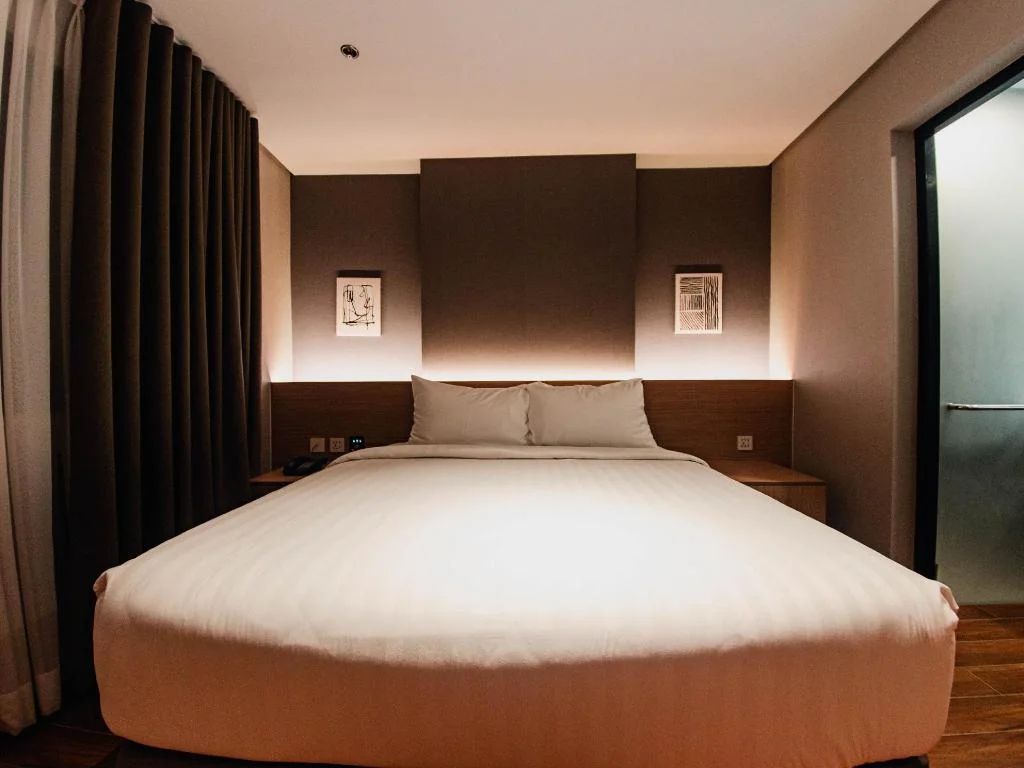
Moonstar Cebu Hotel - Deluxe Room
Before you go
Frequently asked
What is the best private hospital in Cebu?
Should tourists go to a public or private hospital in Cebu?
Do I need travel insurance for a trip to Cebu?
How much does an ER visit cost in Cebu?
Where is Chong Hua Hospital located?
Can foreigners use PhilHealth in the Philippines?
What's the closest hospital to downtown Cebu City?
Is Cebu Doctors' University Hospital good for emergencies?
More Places to Explore
Colon Street
Cebu City
The oldest street in the Philippines, a historic commercial thoroughfare that has been Cebu's trading center since Spanish colonial times.
Carbon Market
Cebu City
Cebu's oldest and largest market (since 1909), offering an authentic local shopping experience with fresh produce, seafood, and traditional goods.