
TL;DR: Expats live in Cebu on tourist-visa extensions (the first 29-day stamp is the visa waiver at ₱2,130/US$37 regular lane), the SRRV retirement visa (US$15,000–50,000 deposit depending on age and pension status, plus a US$1,500 application fee), or the 13a marriage visa (₱20,000–50,000, US$345–862, in fees). A comfortable single-person budget runs US$1,200–1,800/month (roughly ₱70,000–105,000); families budget closer to ₱150,000–170,000 excluding rent. IT Park and Cebu Business Park suit people who want zero commute; Banilad and Talamban suit families near international schools. Private health insurance (US$50–150/month) is close to mandatory since hospitals bill upfront. Crime is trending down city-wide. Visa figures from the BI Citizen’s Charter 2025. Verified September 2026.
Cebu has quietly become one of Southeast Asia’s more livable expat bases, cheaper than Manila, less remote than Palawan or Siargao, with a real international airport, decent hospitals, and an English-speaking population that makes daily errands painless. This guide is the hub for anyone seriously considering Cebu long-term, whether you’re a retiree weighing the SRRV, a remote worker extending tourist visas indefinitely, or someone married into a Cebuano family working out the paperwork. It covers the legal ways to stay, what things actually cost, where people live, and the parts nobody puts in the brochure. For sightseeing while you scout the place, see Temple of Leah up in the hills and the old banking-and-market strip along Colon Street downtown — both worth a visit before you commit to a neighborhood.
Visa Options at a Glance
| Visa route | Who it’s for | Cost | Duration |
|---|---|---|---|
| Tourist visa extensions | Anyone testing the waters | ₱2,130 (US$37) visa waiver for the first 29 days; US$50 ACR I-Card after 59 days, at the BSP rate | Renewable every 1–6 months, no cap in practice |
| Long-Stay Visitor Visa Extension (LSVVE) | Longer tourist stays without other status | ₱13,900 (US$240) visa-required nationals; ₱11,500 (US$198) non-visa-required, per 6 months | 6 months per extension |
| SRRV (retirement) | Retirees 40+ | US$15,000–50,000 deposit (age/pension dependent) + US$1,500 application fee | Indefinite while deposit is maintained |
| 13a (marriage) | Spouses of Filipino citizens | ₱20,000–50,000 (US$345–862) in fees | Probationary 1 year, then permanent |
Tourist-extension and ACR figures are the published rates in the BI Citizen’s Charter 2025, 1st Edition; LSVVE, SRRV and 13a figures come from secondary sources and are less certain. Confirm with the Bureau of Immigration or the Philippine Retirement Authority before budgeting. See our visa extension guide for the Cebu-specific process. Verified September 2026.
What Are Your Visa Options for Staying Long-Term?
Most long-term expats in Cebu use one of three routes: rolling tourist extensions, the SRRV retirement visa, or the 13a marriage visa. None of them is a fast citizenship track, and Philippine immigration rules change often enough that you should treat every number here as a starting point to verify, not a final quote.
Tourist visa extensions are the default for anyone who hasn’t committed to a long-term status. Visa-waiver nationals get an initial 30 days on arrival, then extend at the Bureau of Immigration, with the first 29-day extension — the visa waiver — published at ₱2,130 (US$37) at the regular lane, ₱3,030 online or ₱3,130 express. Past 59 days total in the country, you need an Alien Certificate of Registration (ACR I-Card) at US$50, converted at the Bangko Sentral rate on the day you’re assessed rather than a fixed peso figure. Some expats also use the Long-Stay Visitor Visa Extension (LSVVE), which grants six months at a time for ₱13,900 (US$240) for visa-required nationals or ₱11,500 (US$198) for non-visa-required ones. It’s the most flexible option and requires no deposit, but it means periodic BI office visits indefinitely.
The SRRV (Special Resident Retiree’s Visa) is the closer thing to permanent residency for retirees. As of the program’s late-2025 restructure, applicants aged 50+ deposit US$15,000 if they receive a pension or US$30,000 if they don’t; a newer tier opened eligibility to ages 40–49 at US$25,000 (with pension) or US$50,000 (without). Add a US$1,500 application fee for the principal applicant and US$300 per dependent. The deposit is held in a PRA-accredited bank, remains your money, and is refundable if you ever surrender the visa — but it has to stay parked there the whole time you hold the visa.
The 13a visa is for foreigners married to a Filipino citizen. It requires an NBI/police clearance, a PSA-registered marriage certificate, and a reciprocity agreement between your home country and the Philippines. Fees run roughly ₱20,000–50,000 (US$345–862), and it starts as a one-year probationary visa before converting to permanent resident status. Processing generally takes one to two months.
Whichever route you land on, two recurring obligations sit outside the visa itself. Registered aliens owe a BI annual report in the first 60 days of each calendar year — ₱810 under Section 10 of RA 562 — and anyone who has been here past six months needs an Emigration Clearance Certificate before they’re allowed to leave. Neither is something you can sort out at the airport on the day.
How Much Does It Cost to Live in Cebu?
Budget US$1,200–1,800 a month (about ₱70,000–105,000) for a comfortable single-person lifestyle — a decent one-bedroom condo, regular Grab rides, eating out several times a week, a gym membership, phone plan, and basic health coverage. Families run considerably higher, closer to ₱150,000–170,000 (US$2,586–2,931) a month for day-to-day costs alone, before rent.
Rent is the biggest lever. A studio in IT Park runs ₱15,000–35,000 (US$259–603); a similar unit in Banilad runs ₱12,000–28,000 (US$207–483); Talamban houses and larger units run ₱20,000–60,000 (US$345–1,034); Mabolo is the budget alternative at ₱7,000–18,000 (US$121–310). Expect most landlords to ask for two months’ deposit plus one month advance, so your move-in payment is effectively three months’ rent up front.
The other line item that surprises newcomers is electricity. VECO (Visayan Electric) charges roughly ₱12–15 per kWh (about US$0.21–0.26), among the highest rates in Southeast Asia, so a two-bedroom condo running aircon regularly can hit ₱9,000–14,000 (US$155–241) a month on its own. Food is where you can genuinely save: eating at carenderias and local turo-turo spots keeps grocery and meal costs low by any Western standard, while imported goods and Western-style restaurants close that gap fast. For the full category-by-category breakdown, see our cost of living in Cebu guide.
Where Should You Live?
IT Park and Cebu Business Park suit people who want zero commute and the densest concentration of restaurants, gyms, and nightlife — at the city’s highest rents. Banilad and Talamban, just north, suit families who want more space and quiet, with Cebu International School and Cebu Doctors’ North General Hospital both within a 10–15 minute drive. Mabolo is the practical middle ground: close to Ayala Center and the business districts without IT Park pricing.
None of these are the only options — Lahug, Guadalupe, and parts of Mandaue also come up often among long-term residents — but IT Park, Cebu Business Park, Banilad, and the Banilad–Talamban corridor are where expat demand concentrates, which also means better resale and rental liquidity if you ever buy. Our best neighborhoods to live in Cebu guide breaks down unit prices, commute times, and who each area actually suits.
What About Healthcare?
Chong Hua Hospital and Cebu Doctors’ University Hospital are the two names expats mention most often, both with dedicated international or VIP patient services. Chong Hua carries Joint Commission International accreditation and is known for cardiology; Cebu Doctors’ is known for orthopedics. UCMed and Perpetual Succour Hospital also come up regularly and accept the major HMOs.
Private hospitals here generally operate on a pay-upfront or show-proof-of-coverage basis, which makes private insurance close to essential rather than optional. Expats commonly use Maxicare, Intellicare, or PhilCare locally, or an international insurer like Pacific Cross, running roughly US$50–150 a month depending on age and coverage. A standard consultation with a private doctor runs ₱600–1,500 (US$10–26); specialists run ₱2,000–3,000+ (US$34–52) per visit. See our best hospitals in Cebu guide for a fuller comparison.
PhilHealth is worth adding underneath private cover rather than instead of it. Foreign residents can enrol, and PHGuides sets out which membership category you fall into and how to actually pay the contribution once you’re in.
What Are Schools Like for Expat Kids?
Cebu International School (CIS) is the main international option, running an American-style curriculum and the only IB-authorized school (all three programmes) in the region. Fees are quoted partly in US dollars: roughly US$5,000–7,000 a year for preschool, US$15,000–20,000 for grades 1–6, and US$20,000–25,000 for grades 7–12, plus a separate development fee. Below CIS, a wide tier of private Filipino schools runs ₱40,000–100,000 a year (US$690–1,724), and budget private schools go as low as ₱15,000–40,000 (US$259–690) — a real option if your kids are young and adaptable, though the curriculum and facilities are noticeably different from an international school.
Banking, SIMs, and the Practical Stuff
Foreigners can open accounts at BDO, BPI, and other major banks, but almost every one of them asks for an ACR I-Card, which requires roughly 59 days of continuous stay on an extended visa before it’s issued. Until then, digital-first options like GoTyme or Maya open with just a passport and a local SIM, and cover day-to-day spending, bill pay, and remittances in the meantime. For phone and data, see our SIM and eSIM guide — prepaid plans from Globe or Smart are cheap and don’t require residency paperwork.
For getting around day to day, most expats settle into a mix of Grab, taxis, and the occasional jeepney or habal-habal for short local hops — see our getting around Cebu guide for the full transport breakdown, and Mactan-Cebu Airport for what to expect flying in and out.
Is Cebu Safe?
Yes, broadly, and the trend is improving. Cebu City Police Office data shows total recorded crimes fell from 7,486 in 2024 to 5,268 in 2025 — a 29% drop — with index crimes (the more serious category) down 27% over the same period. Most incidents that touch foreigners are property crime: theft, snatching, and scams, concentrated in poorly lit or low-income areas late at night, not random violence. Living in IT Park, Lahug, Cebu Business Park, Banilad, or Mabolo keeps you mostly clear of the neighborhoods where that risk concentrates. See our is Cebu safe for tourists guide for scam patterns and street-level advice that applies to residents too.
Cebu vs. Manila: Which Should You Pick?
If your priority is lifestyle, quieter pace, beach and mountain access on weekends, lower cost of living, Cebu wins for most people. If your priority is career, deeper corporate and BPO job markets, more embassies, more direct international flights, and a wider (if pricier) range of international schools, Manila still has the edge. Manila’s expat-friendly districts (BGC, Makati, Ortigas) are also generally safer and better-policed than the city average, similar to how Cebu’s expat corridor compares to the rest of Cebu City — but Manila’s traffic is worse by a wide margin, and its cost of living in those same districts runs noticeably above Cebu’s.
The Honest Take
Cebu is a genuinely good place to live cheaply and comfortably by Western standards, but don’t romanticize it. Electricity costs will annoy you every single month. Traffic in the city core during rush hour is bad and getting worse. The visa system rewards patience with paperwork, not a one-time application — plan on repeat trips to BI or the PRA office regardless of which route you pick. Healthcare is genuinely good at the top hospitals, but it is a cash-and-insurance system, not a walk-in public one, and skipping insurance to save money is the single most common regret long-term expats report. If you want quiet, cheap, and warm, and you’re willing to handle the bureaucracy, Cebu delivers. If you need a deep international-school system, dense expat infrastructure, or a fast path to permanent status, look harder at Manila or reconsider whether the Philippines is the right country before picking the city.
Once the paperwork and housing are sorted, the actual living part of Cebu is the easy part — see our things to do in Cebu guide for weekend trip ideas once you’re settled, and best time to visit Cebu for planning around typhoon season if you’re flying family in to visit. For temporary housing while you apartment-hunt, compare short-stay condos and hotels in Cebu City on Agoda.
Sources
- Bureau of Immigration Philippines — visa waiver and extension fees
- Philippine Retirement Authority — SRRV program
- Bureau of Immigration — 13a Immigrant Visa by Marriage
- PHGuides — BI Annual Report, ECC, PhilHealth membership categories
- Cost of living figures cross-checked against multiple 2026 Cebu expat cost-of-living reports and neighborhood rental listings
- Cebu City Police Office 2025 crime statistics as reported in 2026 safety coverage
- Verified July 2026.
Book Tours & Hotels for This Trip
Find and book the best deals — prices and availability update in real time. Links open in a new tab.
Where to stay near Cebu City
Top-rated hotels for this trip — tap through to check live rates.
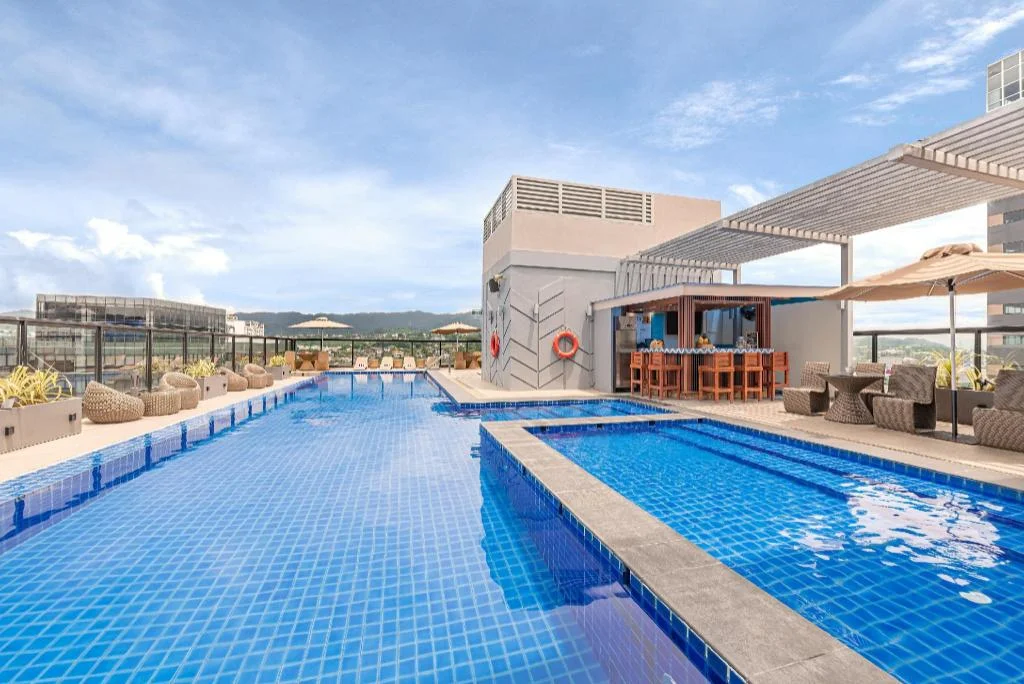
Seda Central Bloc Cebu City
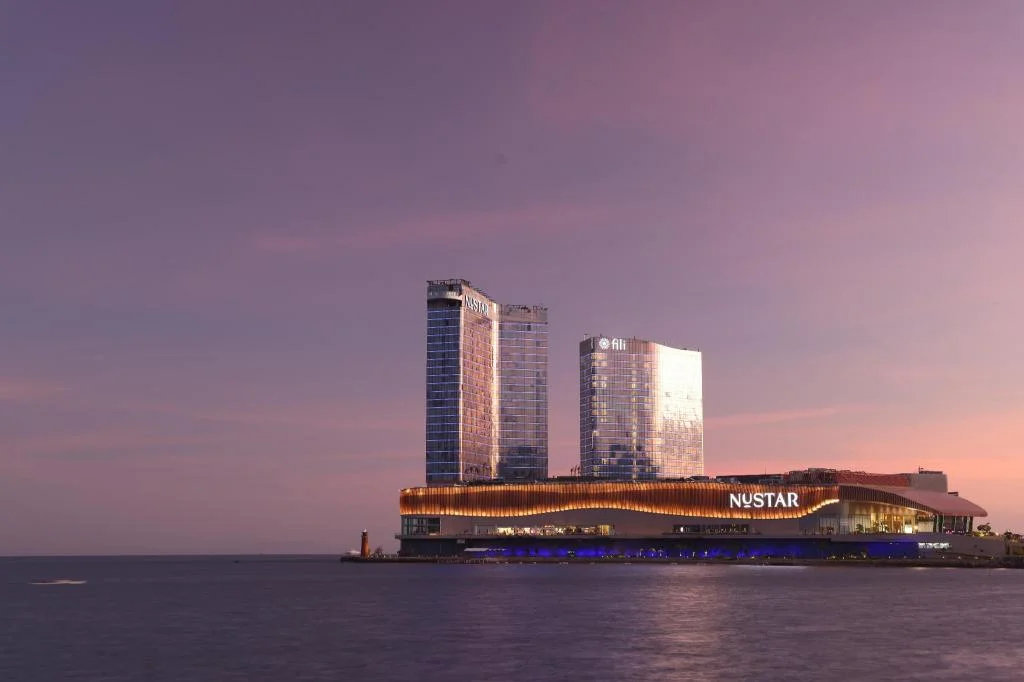
Fili Hotel - NUSTAR Resort & Casino Cebu
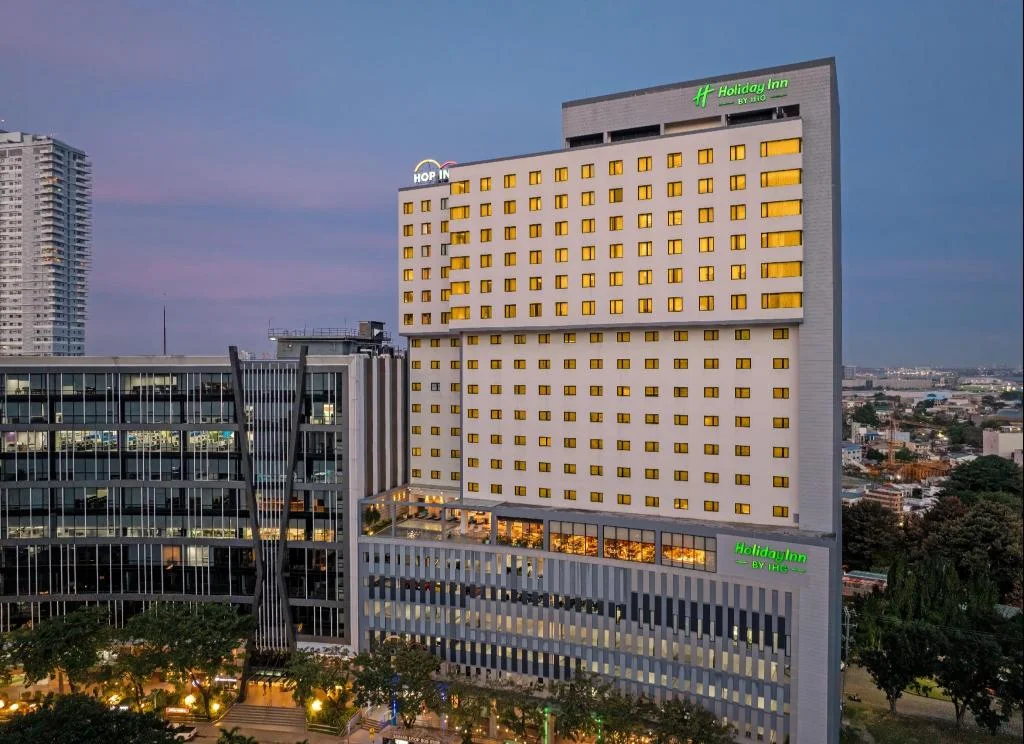
Holiday Inn Cebu City By IHG
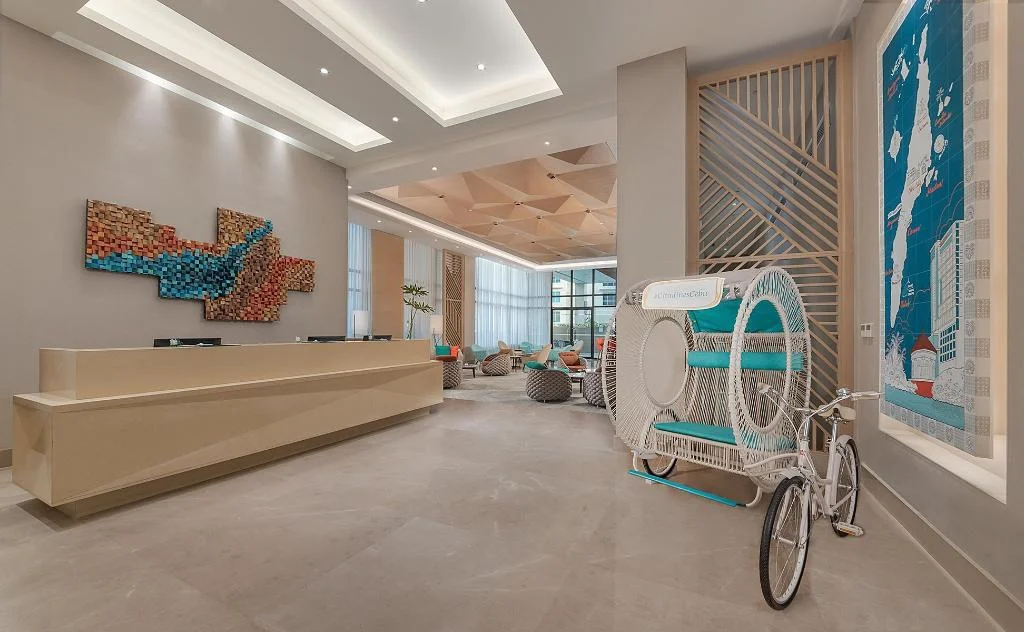
Citadines Cebu City
Prefer a rental? Vacation rentals near Cebu City
Self-catering condos and apartments — book the exact unit, kitchen included.
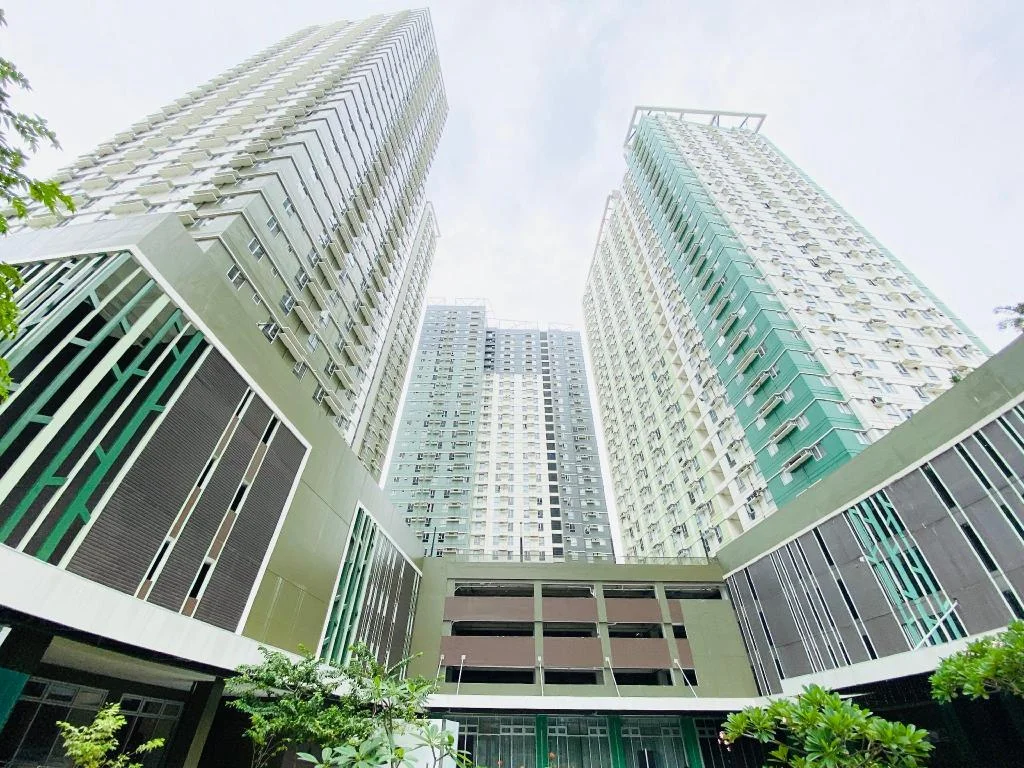
Cebu Avida Riala by P&J
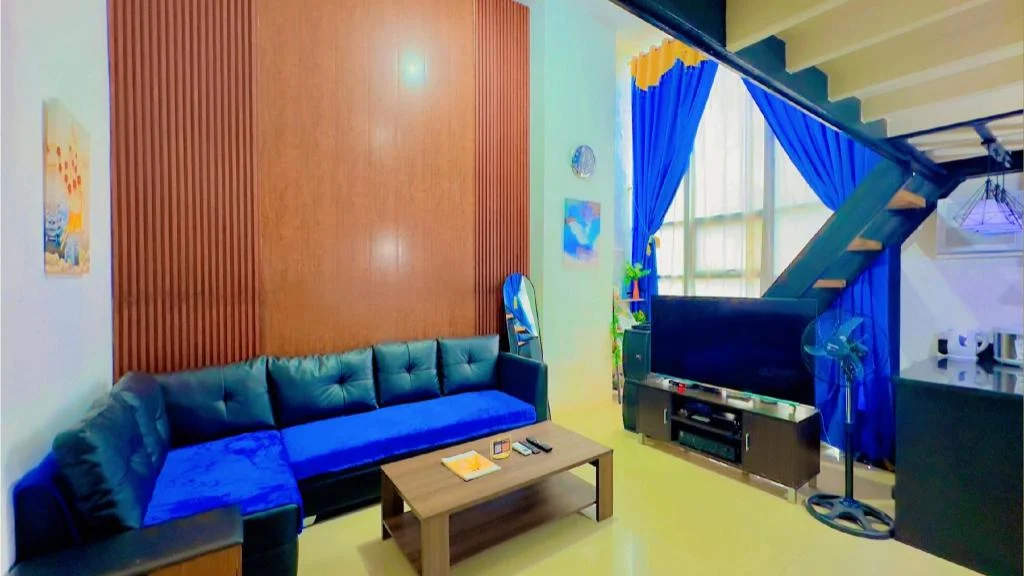
Special Big Loft Unit w/Fibreop Internet & Netflix
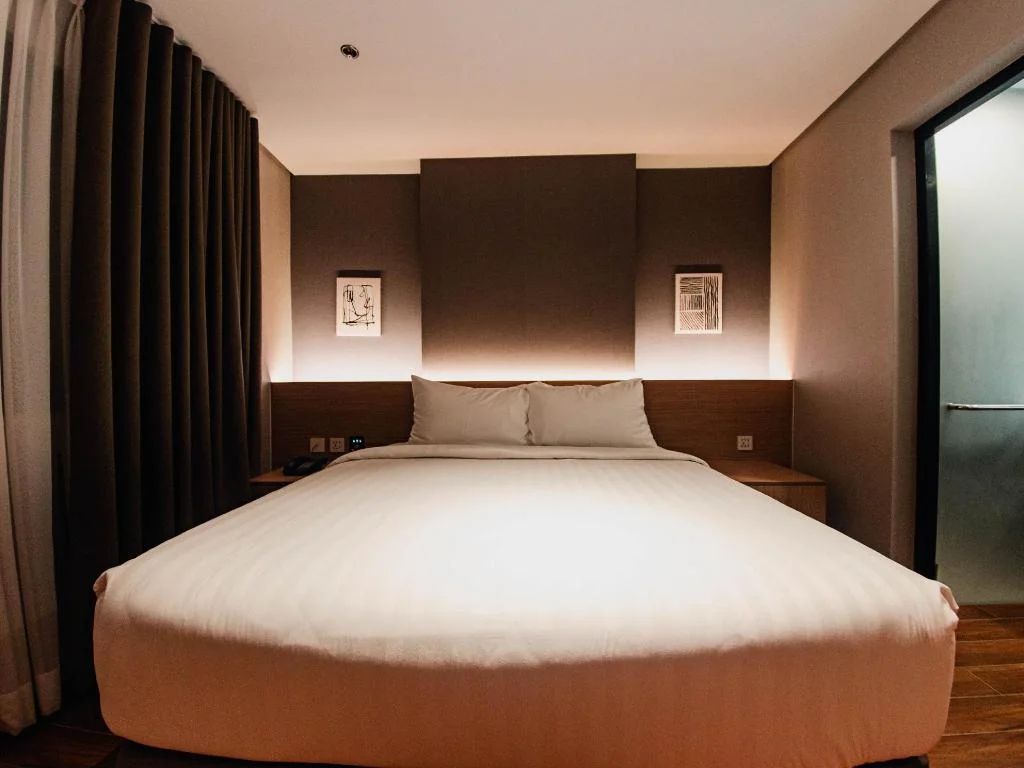
Moonstar Cebu Hotel - Deluxe Room
Before you go
Frequently asked
Can I just live in Cebu on tourist visa extensions?
What is the cheapest legal way for a retiree to stay long-term?
How much does it cost to live in Cebu as a single expat?
Where should expats live in Cebu?
Is healthcare in Cebu good enough for expats?
Is Cebu or Manila better for expats?
Do I need to bring a lot of cash, or can I bank normally?
Is Cebu safe to live in as a foreigner?
More Places to Explore
Temple of Leah
Cebu City
A magnificent Roman-inspired temple built as a monument of love, nicknamed 'Cebu's Taj Mahal,' offering stunning architecture and city views.
Colon Street
Cebu City
The oldest street in the Philippines, a historic commercial thoroughfare that has been Cebu's trading center since Spanish colonial times.