
TL;DR: A single person can live frugally in Cebu for ₱35,000–48,000/month (US$565–774), comfortably for ₱70,000–105,000/month (US$1,129–1,694), and a family of four should plan ₱185,000–235,000/month (US$2,984–3,790) including rent. Rent for a studio runs ₱18,000–28,000, a 1-bedroom ₱22,000–38,000, and a 2-bedroom ₱35,000–65,000. Electricity is the real budget-buster — VECO’s residential rate hit roughly ₱12.36–13.74/kWh through 2026, so a fully-aircon’d condo can add ₱8,000–15,000 a month on top of rent. Verified July 2026.
If you’re weighing a move to Cebu — as a digital nomad, retiree, or someone relocating for work — the number that actually matters isn’t the glossy “live like a king for $1,000” claim you’ll see online. It’s what a real month costs once rent, electricity, food, and Grab rides are added up. This guide breaks down real 2026 prices for renting, eating, getting around, and staying healthy in Cebu, with sample budgets for three different lifestyles. For the fuller relocation picture — visas, banking, and neighborhood picks — pair this with our complete guide to living in Cebu as an expat and best neighborhoods to live in Cebu. On weekends, most residents escape the city traffic to spots like Temple of Leah or Tops Lookout in the Busay hills — worth factoring a small recreation budget for.
Sample Monthly Budgets: Frugal, Comfortable, and Family
| Budget style | Monthly total (₱) | Monthly total (US$) | What it covers |
|---|---|---|---|
| Frugal / long-stay | ₱35,000–48,000 | $565–774 | Studio or shared unit, cooking most meals, jeepneys, minimal aircon |
| Comfortable / mid-range | ₱70,000–105,000 | $1,129–1,694 | 1BR condo, regular Grab, eating out several times a week, gym, phone/internet |
| Family of four | ₱185,000–235,000 | $2,984–3,790 | 2–3BR unit, groceries, utilities, transport — excludes private school tuition |
Based on ₱62 ≈ US$1 (July 2026). Actual costs vary by neighborhood, lifestyle, and how much aircon you run. Verified July 2026.
How Much Is Rent in Cebu?
Rent is the single biggest lever in your budget, and it varies sharply by unit size and neighborhood. IT Park and Cebu Business Park command a premium for the walkability and corporate-grade buildings; Mandaue, Talisay, and outer Cebu City are noticeably cheaper for similar space.
| Unit type | Typical monthly rent (₱) | Typical monthly rent (US$) |
|---|---|---|
| Studio | ₱18,000–28,000 | $290–452 |
| 1-bedroom | ₱22,000–38,000 | $355–613 |
| 2-bedroom | ₱35,000–65,000 | $565–1,048 |
| 3-bedroom house/condo | ₱60,000–120,000+ | $968–1,935+ |
Verified July 2026.
Almost none of these figures include utilities — electricity, water, and internet are billed on top. Most landlords ask for 2 months’ security deposit plus 1–2 months’ advance rent at signing, meaning your move-in cost can be 3–4 months of rent upfront. Confirm the exact deposit terms before you sign; furnished units and shorter lease terms often carry higher deposits. For a deeper dive on finding and negotiating a lease, see our monthly apartment rentals in Cebu guide.
What Do Utilities Actually Cost?
Electricity is the expense that catches people off guard. Visayan Electric (VECO), the utility serving Cebu City, Mandaue, and Lapu-Lapu, has seen its residential rate climb through 2026 — from about ₱12.79/kWh in January down to ₱12.36/kWh in March, then back up to ₱13.74/kWh by June, driven by wholesale power prices and a weaker peso. That’s meaningfully higher than the ₱3–5/kWh you’d pay in parts of Thailand or Vietnam. Running two or three aircon units continuously in a 60–80 sqm condo typically generates a bill of ₱8,000–15,000 a month (about US$129–242). Skip the aircon or use it sparingly and a single-occupant studio’s bill can drop to ₱2,000–4,000.
Internet through PLDT or Converge fiber runs about ₱1,500–3,000/month for standard residential plans (Converge’s entry plan starts around ₱1,500 for 100 Mbps), with premium 1 Gbps plans priced closer to ₱2,099–2,699.
Water is comparatively minor — a single person or couple’s bill is a small fraction of the electricity bill in most buildings, though condo association dues (separate from the base rent quoted above) can add another ₱1,000–3,000 depending on the building.
Budget an extra ₱4,000–8,000/month for combined utilities on top of rent for one person, more for a family running aircon in multiple rooms.
How Much Does Food Cost — Cooking vs Eating Out?
Food cost swings enormously depending on whether you cook, eat local, or eat Western.
| Food option | Cost (₱) | Cost (US$) |
|---|---|---|
| Carinderia / turo-turo meal | ₱100–200 | $1.61–3.23 |
| Fast food meal set | ~₱195 | ~$3.15 |
| Mid-range restaurant, 3-course dinner (per person) | ₱600–1,200 | $10–19 |
| Groceries, single person, monthly | ₱8,000–12,000 | $129–194 |
| Groceries, family of four, monthly | ₱20,000–35,000 | $323–565 |
Verified July 2026.
Cooking at home with local ingredients — rice, market vegetables, fresh fish — keeps food costs remarkably low. Eating exclusively at Western-style restaurants and imported-goods grocery runs (think SM or Ayala’s premium supermarket sections) can easily triple your food budget. One flag worth knowing: food inflation in Cebu Province accelerated to 19.1% year-on-year in May 2026, so these figures can shift faster than usual — sanity-check current prices before you lock in a budget.
What Does Transport Cost in Cebu?
Cebu City traffic is genuinely bad, so factor transport time as much as cost. Our getting around Cebu guide covers the full picture; here’s the budget angle:
- Jeepneys — the cheapest option, with fares starting around ₱12 (about $0.19) for the minimum distance.
- Public transport generally — roughly ₱15 (about $0.24) for a typical one-way trip.
- Grab — the default for most expats and nomads. Grab charges a base fare plus a per-km and per-minute rate plus a roughly ₱20 booking fee, so a short 3–5 km ride across the city typically lands around ₱120–250 ($2–4.03); confirm the exact quote in-app since surge pricing applies during rain or rush hour.
- Regular taxis — flag down around ₱40, plus roughly ₱14/km after that.
Most single people budget ₱4,000–8,000/month on transport if they lean on Grab regularly; jeepney-heavy commuters can cut that in half.
What About Internet, Gym, and Entertainment?
Beyond housing and food, a realistic “comfortable” budget includes:
- Gym membership — commercial chains like Anytime Fitness sit in the mid-range tier, roughly ₱2,300+/month, with pricing varying by branch and promotion.
- Phone/data plan — a local prepaid SIM with a generous data allotment typically runs ₱500–1,500/month; see our SIM and eSIM guide for options.
- Entertainment/social — a few restaurant meals out, the occasional weekend trip to the islands or waterfalls, and coffee shop work sessions can add ₱5,000–15,000/month depending on how often you go out.
What Does Healthcare Cost?
Healthcare in Cebu runs on a layered system rather than one plan covering everything. PhilHealth, the national program, is the baseline but doesn’t cover much beyond basic hospitalization support. Most long-term foreign residents add a local HMO plan for cashless access to routine care and partner hospitals — premiums vary by age and tier but are generally affordable by Western standards. For serious or emergency care, many expats also carry international health insurance, which runs from around US$128/month for a 30-year-old up to US$370/month for a 65-year-old, depending on the plan and coverage level. If you’re planning a longer stay, budgeting for at least a local HMO is worth it — Cebu’s private hospitals (Chong Hua, Cebu Doctors’, Perpetual Succour) are solid, but self-pay costs for anything beyond routine care add up fast.
How to Keep Your Cebu Budget Under Control
- Choose your neighborhood deliberately. IT Park and Cebu Business Park cost more but cut your Grab spend and commute time; Talisay, Mandaue, or outer Cebu City save on rent but add transport cost and time.
- Watch the aircon, not just the rent. Two people with similar rent can have wildly different total costs based on how much they run aircon — it’s frequently the largest swing factor in a monthly bill.
- Cook more than you think you will. Even mixing in three or four home-cooked meals a week meaningfully lowers the grocery-vs-eating-out ratio.
- Budget 15–20% above your calculated total for the first few months while you learn real local prices and adjust to unexpected costs.
- Re-check prices before you commit long-term. With food inflation running in the high teens year-on-year as of mid-2026, numbers a few months old can already be stale.
The Honest Take
Cebu is still cheaper than most Western cities and cheaper than Manila on rent, but it is not the ultra-budget paradise some old blog posts suggest — electricity in particular has crept up to levels that surprise people coming from Thailand, Vietnam, or Indonesia. The honest range for a single person who wants a genuinely comfortable life — not just a bare-bones existence — is closer to US$1,200–1,800/month than the US$700 figures floating around older forums. Families should plan for private school tuition as a separate, often substantial line item on top of the day-to-day numbers above. If your budget is truly tight, you can make Cebu work below US$1,000/month, but it means a modest studio, disciplined cooking, minimal aircon, and jeepneys over Grab — workable, but not the “island paradise on a shoestring” pitch you’ll see elsewhere.
Ready to see the numbers for yourself before committing to a lease? Compare short-stay options in Cebu City on Agoda for your first few weeks while you scout neighborhoods and get a feel for real local pricing — it’s a cheaper way to test the city than signing a year-long lease sight unseen.
Sources
- Visayan Electric (VECO) — rates newsroom (residential ₱/kWh figures, 2026)
- The Freeman/Philstar — April and July 2026 power rate reporting
- Cebu Daily News — Cebu inflation rises to 13.6% in May 2026 (food inflation figure)
- Rappler — fare hikes for jeepneys, buses, ride-hailing, March 2026
- Rental price ranges cross-checked against current Cebu listings on Dot Property, Lamudi, and RentPad, and 2025–2026 market summaries from Bamboo Routes and 3D Academy Cebu
- HMO/international health insurance figures per Pacific Prime and William Russell 2026 expat insurance guides
- General cost-of-living figures cross-checked against Numbeo and Expatistan Cebu City data, June–July 2026
- Prices and rates change; confirm current figures with VECO, your landlord, and your insurer before committing to a lease. Verified July 2026.
Book Tours & Hotels for This Trip
Find and book the best deals — prices and availability update in real time. Links open in a new tab.
Where to stay near Cebu City
Top-rated hotels for this trip — tap through to check live rates.
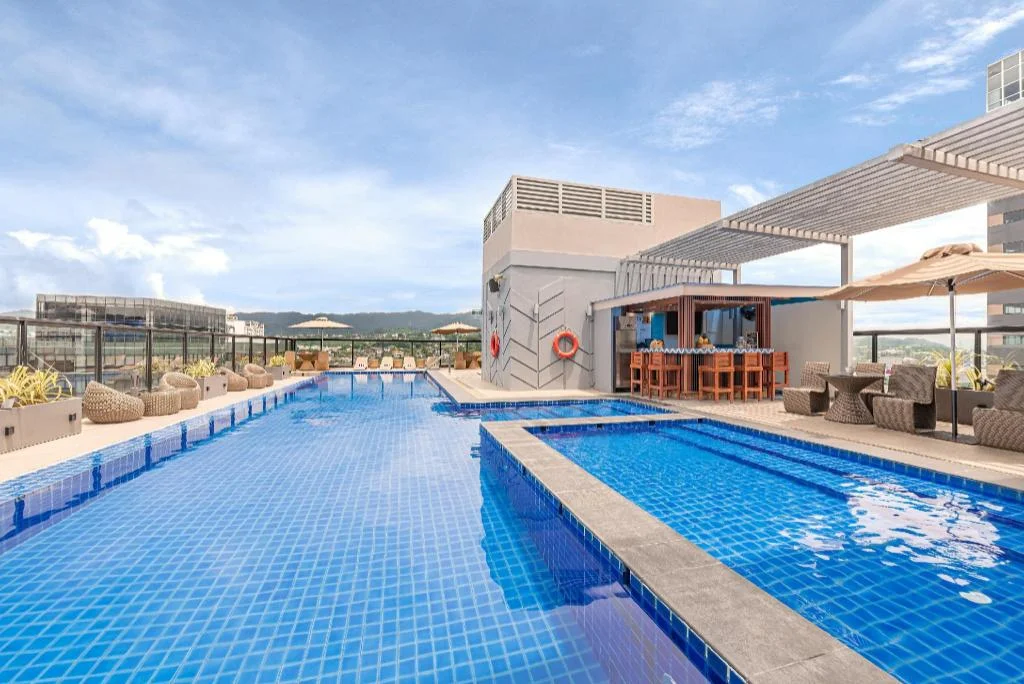
Seda Central Bloc Cebu City

Fili Hotel - NUSTAR Resort & Casino Cebu
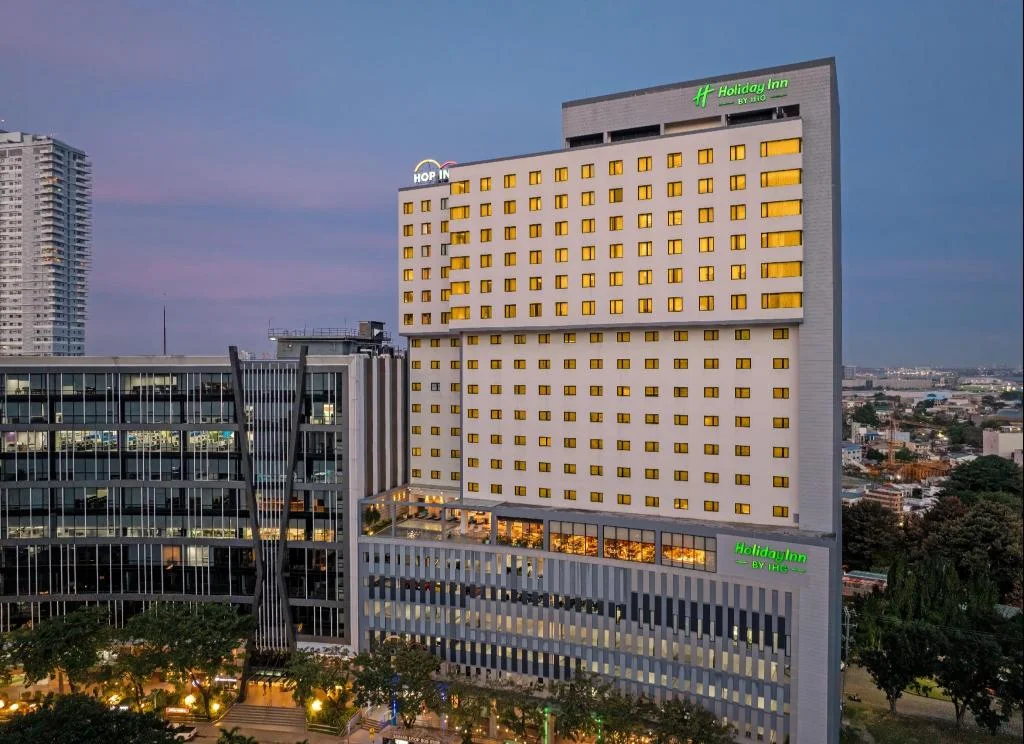
Holiday Inn Cebu City By IHG
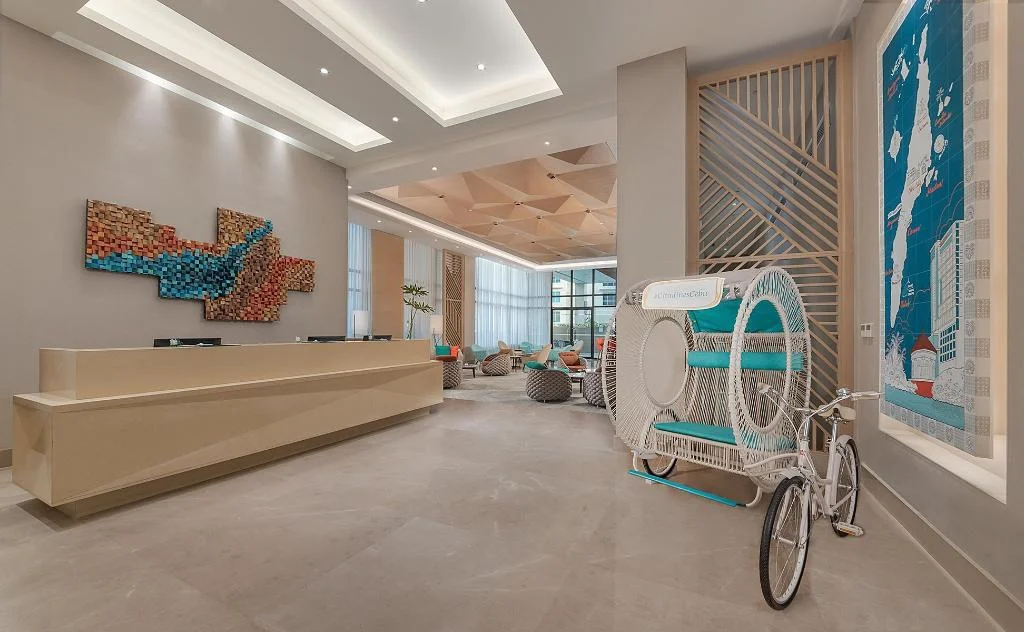
Citadines Cebu City
Prefer a rental? Vacation rentals near Cebu City
Self-catering condos and apartments — book the exact unit, kitchen included.
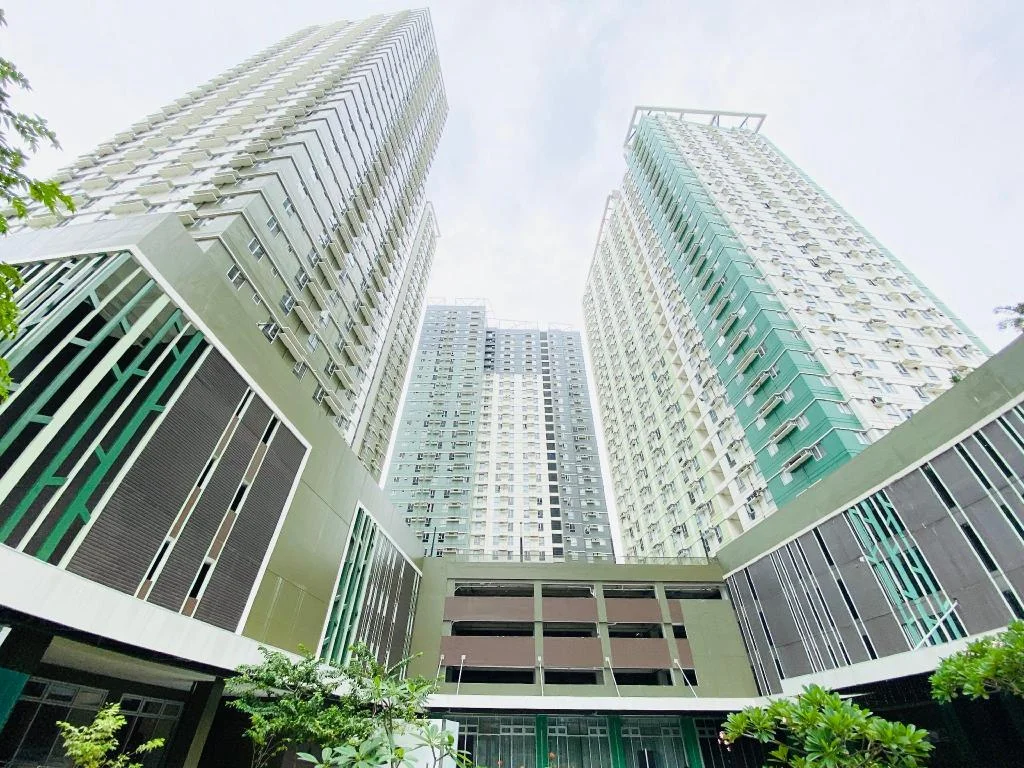
Cebu Avida Riala by P&J
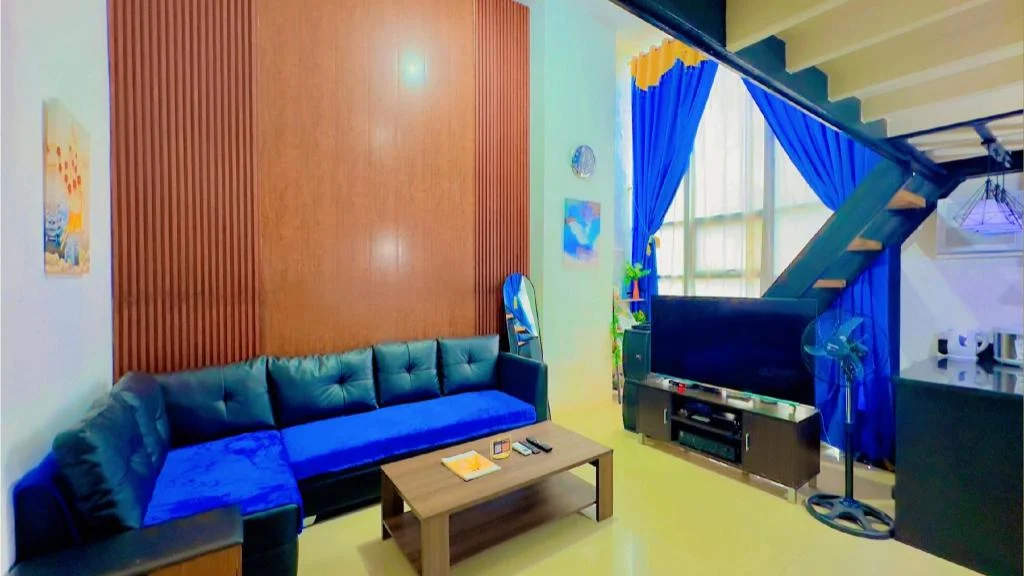
Special Big Loft Unit w/Fibreop Internet & Netflix
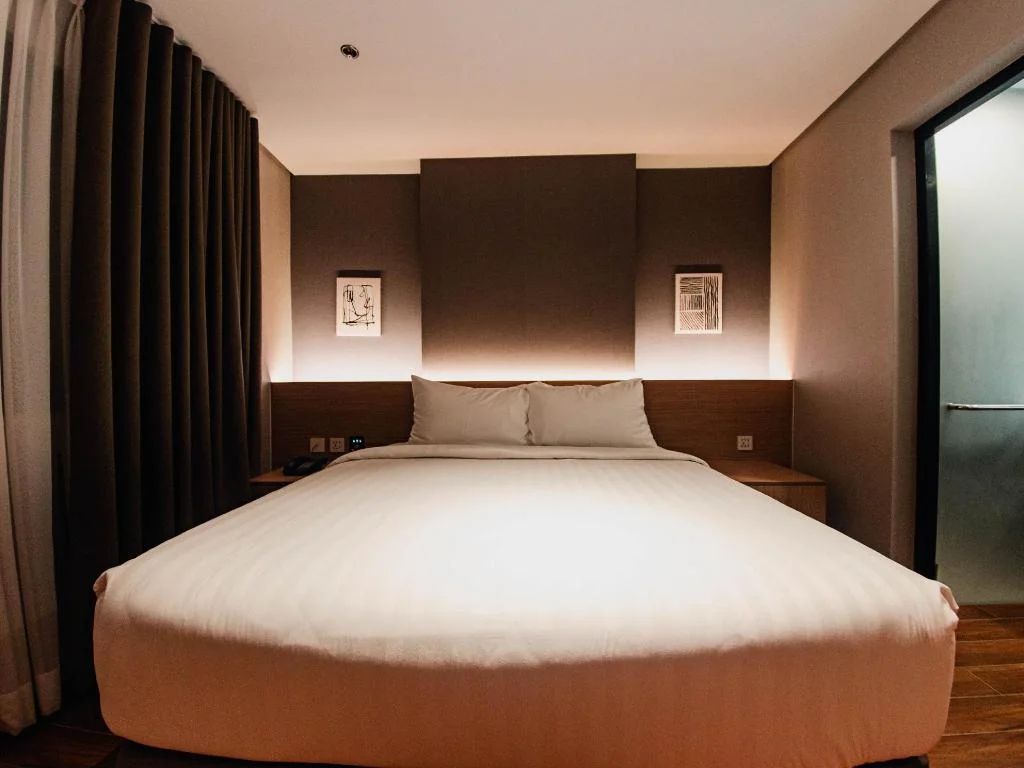
Moonstar Cebu Hotel - Deluxe Room
Before you go
Frequently asked
How much money do I need to live in Cebu per month?
Is Cebu cheaper than Manila?
What's the biggest hidden cost expats underestimate in Cebu?
Can I live in Cebu on US$1,000 a month?
How much does health insurance cost for expats in Cebu?
Is electricity really that expensive in Cebu?
What's a realistic budget for a family of four in Cebu?
Do rental prices in Cebu include utilities?
More Places to Explore
Temple of Leah
Cebu City
A magnificent Roman-inspired temple built as a monument of love, nicknamed 'Cebu's Taj Mahal,' offering stunning architecture and city views.
Tops Lookout
Cebu City
Cebu City's premier hilltop viewpoint offering stunning panoramic views of the city, especially spectacular at sunset and nighttime.