
TL;DR: Cebu City’s fiber internet averages ~125 Mbps download / 105 Mbps upload, fast enough for video calls and cloud work, and IT Park, Cebu Business Park, Banilad, and Lahug are the most reliable areas to base yourself. A comfortable nomad budget runs US$1,300–1,800/month; a lean one is closer to US$700–1,000/month. Most nationalities get 30 days visa-free, extendable at the Cebu Bureau of Immigration, and since June 2025 the Philippines has a dedicated Digital Nomad Visa (12 months, renewable once, US$24,000/year minimum foreign income). Expect occasional rotational brownouts in 2026 — keep a mobile data backup. Verified July 2026.
Cebu doesn’t market itself as a digital nomad hub the way Bali or Chiang Mai do, and that’s part of its appeal — it’s a real working city of 3 million people with fiber internet, a genuine BPO-and-tech economy, international flights, and a beach an hour away, not a curated nomad theme park. This guide is the hub for anyone considering Cebu as a remote-work base: the honest state of the internet and power, where to actually live, what it costs month to month, your visa options including the country’s brand-new Digital Nomad Visa, and how Cebu stacks up against the usual Southeast Asia alternatives. If you’re coming for a week to test the waters, start around IT Park and the Lahug district before deciding whether to commit to a longer stay.
Cebu for Nomads at a Glance
| Category | What to expect | Notes |
|---|---|---|
| Internet | ~125 Mbps down / 105 Mbps up (city average) | Up to 150–300 Mbps on Globe/PLDT fiber in IT Park condos |
| Best base | IT Park, Lahug, Cebu Business Park, Banilad | Most reliable wifi and 24/7 amenities |
| Coworking | Day pass from ~₱400 (~US$7) | Nest Workspaces, The Company, Enspace, KMC Skyrise |
| Monthly budget (solo) | US$700–1,800 | Lean vs. comfortable, excludes flights |
| 1BR rent | US$300–600 (IT Park/Lahug); US$200–400 (Banilad/Mandaue) | Unfurnished runs cheaper than serviced condos |
| Visa (short stay) | 30 days visa-free, extendable | Cebu BI office at GMall of Cebu |
| Visa (long stay) | Digital Nomad Visa, 12 mo + 1 renewal | Requires US$24,000/yr foreign income, launched June 2025 |
Verified July 2026.
Is Cebu’s Internet Actually Good Enough to Work Remotely?
Yes, in the right neighborhoods. Cebu City’s fixed broadband averaged roughly 125 Mbps download and 105 Mbps upload between April 2025 and March 2026, with Globe topping out around 153 Mbps download and PLDT around 156 Mbps upload on their best plans. In practice, that means most fiber-connected condos and coworking spaces in IT Park, Cebu Business Park, Banilad, Lahug, and Mandaue comfortably handle video calls, large file uploads, and cloud-based work.
The catch is consistency, not raw speed. Fiber outages happen, especially during typhoon season (roughly June–December), and 2026 brought rotational one-hour brownouts to parts of Cebu after the Visayas power grid was placed under a red alert with multiple power plants offline. Serious coworking spaces and newer condo buildings run backup generators — Metro Cebu has unusually high generator ownership, close to two-thirds of households and businesses — but you should ask about backup power before committing to a lease or a coworking membership. A local SIM or eSIM with a decent data allowance is the standard backup; see our SIM and eSIM guide for carrier comparisons and prices.
If you’re heading outside the city — Moalboal, Malapascua, Bantayan — lower your expectations. Panagsama Beach in Moalboal, popular with dive-focused nomads, typically runs 20–50 Mbps, workable for email and light video calls but not for heavy uploads or multiple simultaneous calls.
Where Should You Base Yourself?
IT Park in Lahug is the default choice for most nomads, and for good reason — it’s a walkable, master-planned business district built for the BPO industry, which means dense fiber infrastructure, 24-hour security, and cafes and condos packed into a few square blocks. Cebu Business Park (near Ayala Center) and Banilad are quieter, slightly more residential alternatives with similarly strong connectivity.
If beach life matters more than maximum uptime, Moalboal and its dive-town hub Panagsama Beach draw a smaller crowd of nomads who trade some internet reliability for sardine runs and sunset swims, with a roughly 2.5–3 hour bus ride back to Cebu City for anything administrative. Mactan Island looks tempting for its beach resorts and airport proximity, but several nomads report weaker and less consistent internet there than in Cebu City proper, even in newer condo developments — worth testing before you commit to a long lease. For a full area-by-area breakdown, see our guide to digital nomad bases in Cebu.
How Much Does It Cost to Live and Work in Cebu?
Budget US$700–1,000/month for a lean setup, or US$1,300–1,800/month for a comfortable one. A one-bedroom condo in IT Park, Lahug, or Cebu Business Park runs roughly US$300–600/month unfurnished to mid-range serviced; the same unit type in Banilad, Talamban, or Mandaue drops to US$200–400/month. Simple day-to-day living — local food, minimal aircon, no coworking membership — lands around ₱58,000/month (~US$1,000), while a comfortable lifestyle with reliable aircon, a coworking membership, and regular restaurant meals runs closer to ₱87,000–105,000/month (~US$1,500–1,800).
Add-ons to budget for: expat health insurance runs US$60–150/month depending on age and coverage, and a doctor’s consultation typically costs US$15–40 out of pocket. For a full category-by-category breakdown — groceries, transport, utilities, entertainment — see our dedicated cost of living in Cebu guide.
Which Coworking Spaces and Cafes Actually Work?
IT Park has the highest density of coworking options, though most operators quote pricing on request rather than publishing it, so confirm current rates directly before you commit. Nest Workspaces on General Maxilom Avenue lists day passes from around ₱400 (~US$7). The Company, inside Mabuhay Tower in IT Park, and Enspace, in the Park Centrale building, both offer day passes, flexi passes, dedicated desks, and private offices with high-speed fiber, meeting rooms, and community events, but ask for current PHP rates when you inquire. KMC Skyrise 4A (also in IT Park) and Nomads Hub, a co-living hostel-and-coworking combo near F. Ramos Street, round out the main options.
If you’d rather work from cafes, IT Park and Lahug are packed with wifi-friendly options that welcome laptop-and-coffee sessions for a few hours — just be considerate during peak lunch and dinner hours. For a fuller comparison of spaces, day rates, and what’s actually worth a monthly membership, see our guide to the best coworking spaces in Cebu.
What Visa Do You Need to Work Remotely From Cebu?
Most nationalities can enter visa-free for 30 days and extend from there — or, since June 2025, apply for the Philippines’ new Digital Nomad Visa if you qualify. For short stays, extensions are processed at the Bureau of Immigration’s Cebu District Office, now located on the 2nd Floor of GMall of Cebu (Gaisano Mall of Cebu), open Monday–Friday, 9:00 AM–7:30 PM. The typical path: your first extension takes you to 59 days total, then bundled extensions (with your ACR I-Card) cover further stretches, with fees that have historically run in the low thousands of pesos per bundle plus a roughly ₱300 handling fee per extension and about 5 business days processing. Fees and exact bundling change periodically, so confirm current amounts at the BI counter or on their eServices portal before you go.
The bigger development for long-term remote workers is the Philippines Digital Nomad Visa (DNV), officially launched in June 2025. It grants an initial 12-month stay, renewable once for a maximum of 24 months, and requires proof of remote work for a foreign employer or clients, a minimum US$24,000/year in income from outside the Philippines, valid health insurance, a clean criminal record, and — importantly — that your home country has a reciprocal digital nomad arrangement with the Philippines and a Philippine Foreign Service Post. Not every nationality currently qualifies. Apply through evisa.gov.ph or a Philippine embassy; confirm the current fee (reported in the US$200–300 range) and processing time, which has run 6–12 weeks, before you commit to a Cebu move-in date. For entry basics if you’re not pursuing the DNV, see our Philippines visa-free entry guide.
Two things bite nomads who stay on tourist status. Past 59 days you need an ACR I-Card, priced in dollars and paid in pesos at the Bangko Sentral rate on the day. And if any of your work is for a Philippine client rather than a foreign one, that’s a Special Work Permit, not something the tourist stamp covers — PHGuides sets out what an SWP costs and what it allows.
Is There a Digital Nomad Community in Cebu?
Yes, but it’s smaller and more informal than Bali’s or Chiang Mai’s scene. You’ll find a loose network of remote workers and expats clustered around IT Park’s cafes and coworking spaces, a couple of co-living setups near F. Ramos Street, and active Facebook groups for Cebu-based expats and nomads where people swap apartment leads, visa updates, and recommendations. What you won’t find is a dedicated nomad-village infrastructure — weekly meetup nights, nomad-branded retreats, or a critical mass of long-term remote workers in one building. Cebu’s expat base skews toward retirees, BPO professionals, and long-term residents rather than transient nomads, which some people prefer for the calmer pace.
How Does Cebu Compare to Other Southeast Asia Hubs?
Cebu holds its own on internet speed and cost of living against Bali, Chiang Mai, and Da Nang, and English is spoken more widely here than in any of them, which smooths out apartment hunting, banking, and doctor visits. Where Cebu falls short is nomad-specific infrastructure — Bali has a mature ecosystem of nomad coworking chains and retreats, and Chiang Mai’s cost of living and long-stay visa options (like its education visa workarounds) are cheaper and simpler than the Philippines’ bureaucratic extension process. Cebu’s edge is what surrounds the city: world-class diving, island-hopping, and waterfalls within a couple of hours, paired with an actual metropolitan city rather than a resort town.
The Honest Take
Cebu works as a nomad base if you value a real city with genuine infrastructure over a curated nomad scene. The internet is fast enough in the right buildings, the cost of living is low enough to stretch a modest income, and you’re never more than a short flight or ferry from a beach worth visiting on the weekend. But go in clear-eyed: the visa-extension bureaucracy is real paperwork if you’re not eligible for the new Digital Nomad Visa, traffic between districts can eat an hour of your day, and 2026’s rotational brownouts are a reminder that the power grid isn’t bulletproof — ask about backup generators before signing anything. If you want a plug-and-play nomad community with weekly meetups and dedicated nomad coworking chains, Bali or Chiang Mai still do that better. If you want fast wifi, low costs, and a genuine base to explore the rest of the Philippines from, Cebu delivers.
Plan the Rest of Your Stay
Once your work setup is sorted, Cebu’s actual draw is everything around it — start with our guides to digital nomad bases in Cebu and the best coworking spaces in Cebu to lock down where you’ll actually sit down and work, then check cost of living in Cebu for the full budget breakdown. For long weekends, browse serviced condos and hotels in Cebu City on Agoda if you’re not ready to sign a lease, or compare stays in Moalboal on Agoda if you’d rather base near the water. When you need a break from the laptop, book an island-hopping tour on Klook — it’s the easiest way to remember why you picked Cebu in the first place.
Sources
- Bureau of Immigration Philippines — Temporary Visitor (9A) Visa Waiver (entry and extension rules)
- Bureau of Immigration eServices (extension fees, processing)
- Philippines Digital Nomad Visa reporting via Euronews, Globetrender, and KPMG Flash Alert (launch date, eligibility, income requirement)
- Broadbandspeedchecker.co.uk ISP directory — Cebu City (fixed broadband speed averages, Apr 2025–Mar 2026)
- Sunstar Cebu — rotational brownout and Visayas grid red alert reporting (2026)
- Sugbo.ph — coworking space directory and Nest Workspaces pricing
- Cost-of-living figures cross-checked against Numbeo Cebu and Nomads.com Cebu cost-of-living pages
- Confirm visa fees, DNV eligibility, and coworking rates directly with the relevant office/operator before you travel. Verified July 2026.
Book Tours & Hotels for This Trip
Find and book the best deals — prices and availability update in real time. Links open in a new tab.
Where to stay near Cebu City
Top-rated hotels for this trip — tap through to check live rates.
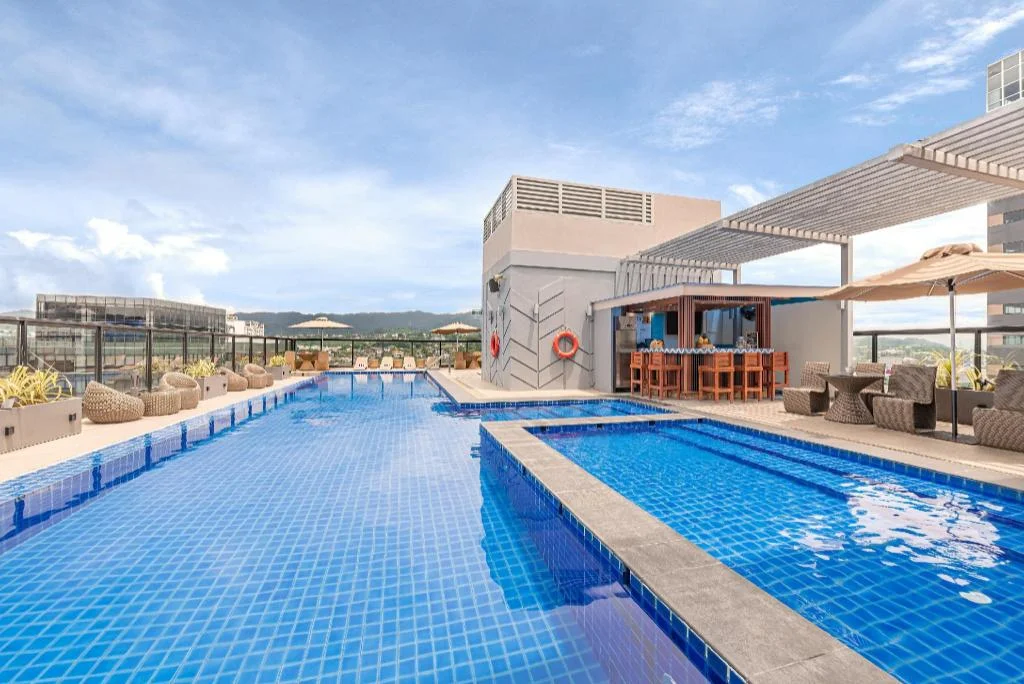
Seda Central Bloc Cebu City
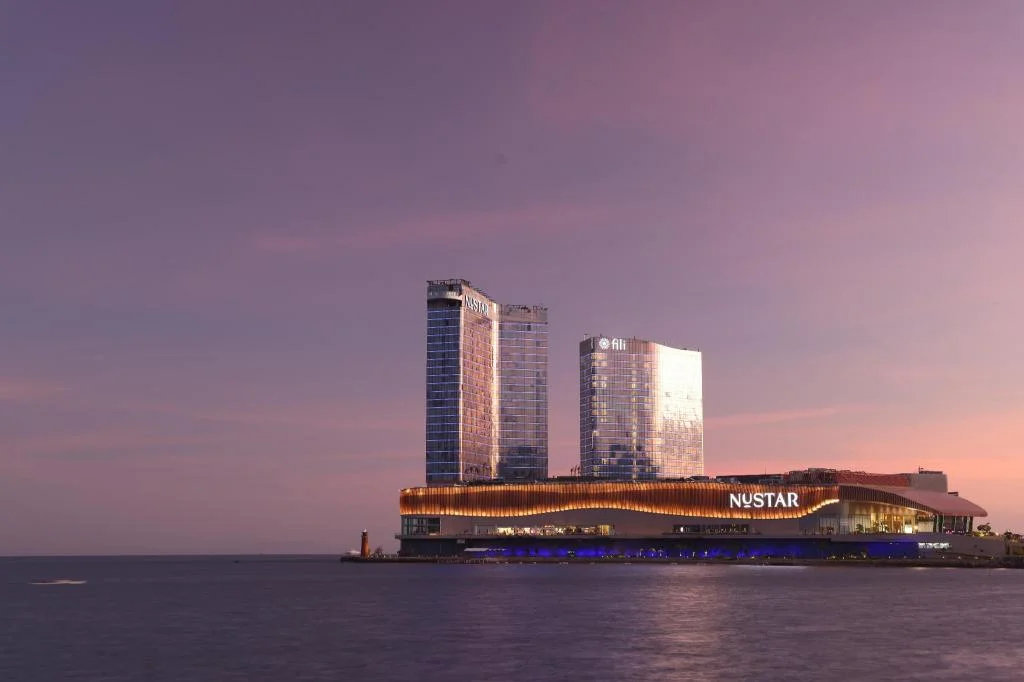
Fili Hotel - NUSTAR Resort & Casino Cebu
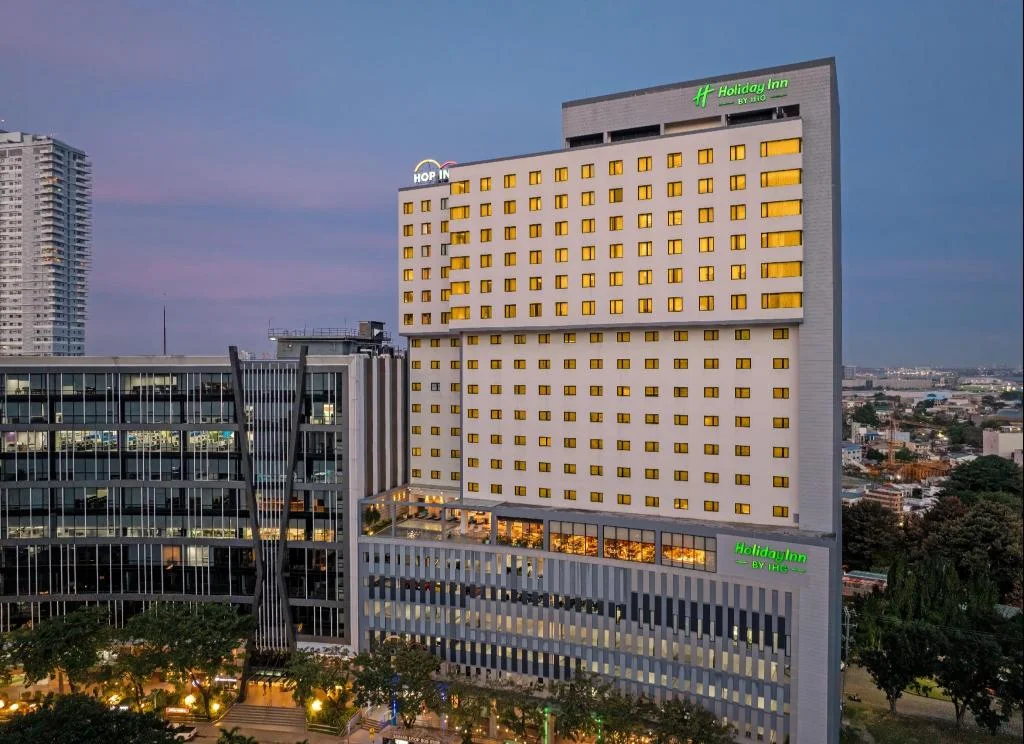
Holiday Inn Cebu City By IHG
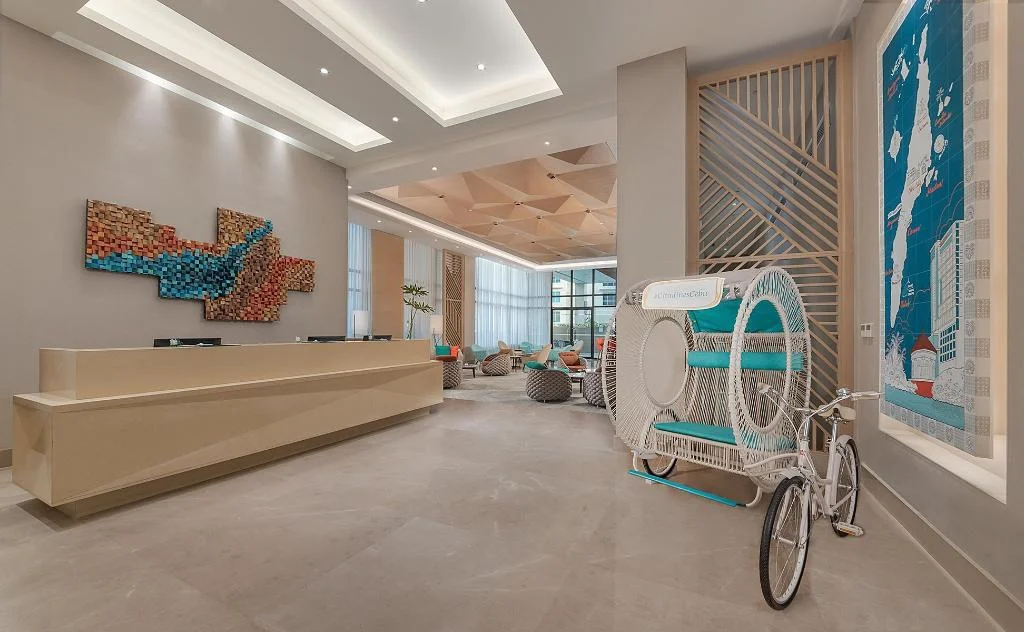
Citadines Cebu City
Prefer a rental? Vacation rentals near Cebu City
Self-catering condos and apartments — book the exact unit, kitchen included.
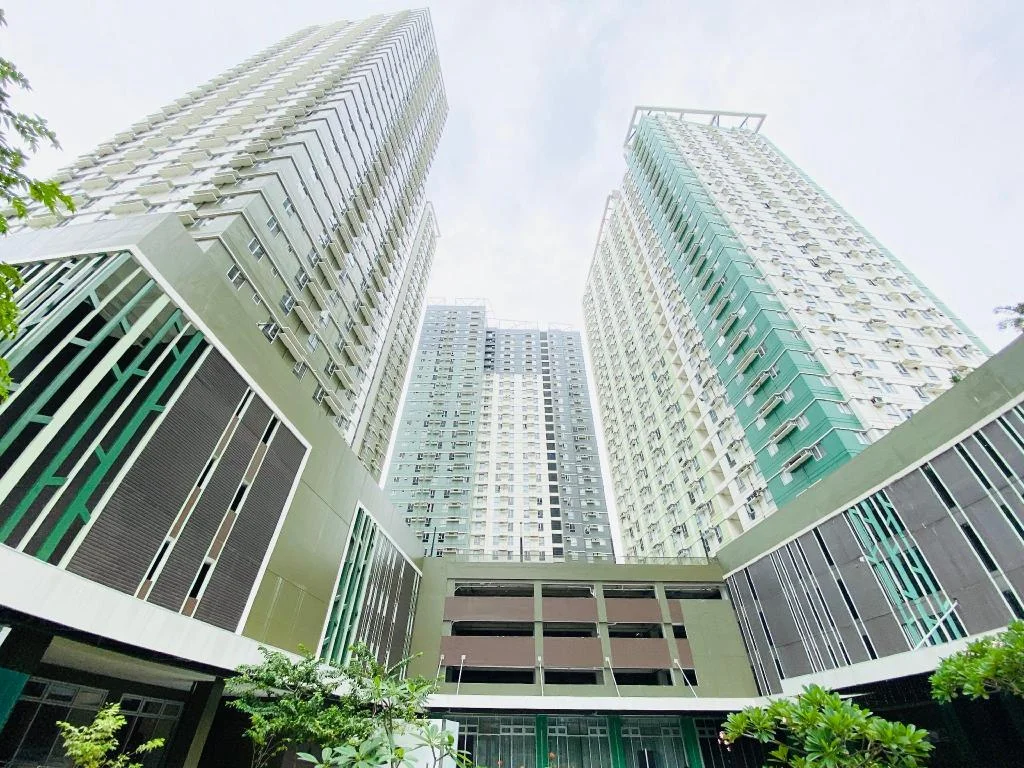
Cebu Avida Riala by P&J
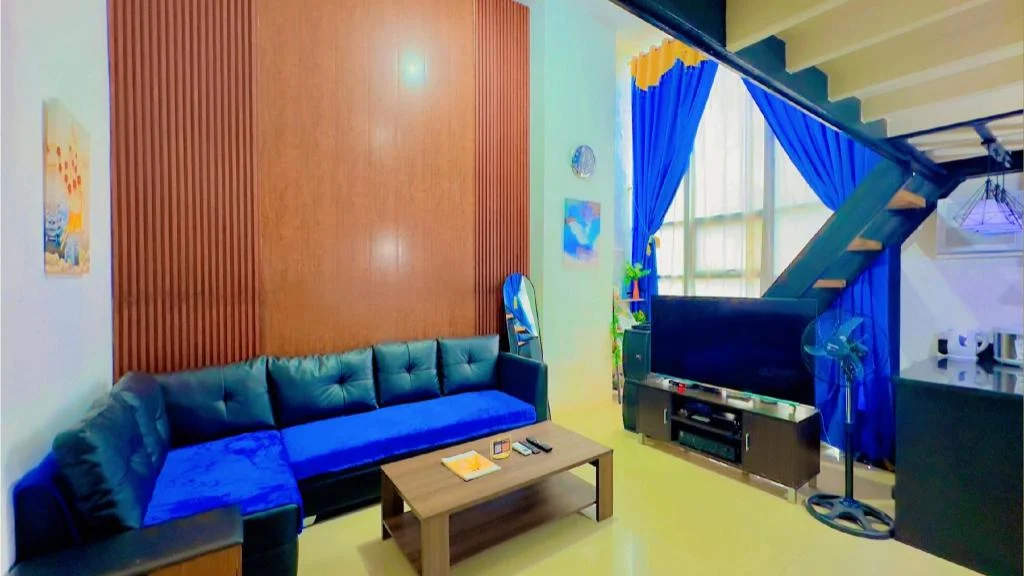
Special Big Loft Unit w/Fibreop Internet & Netflix
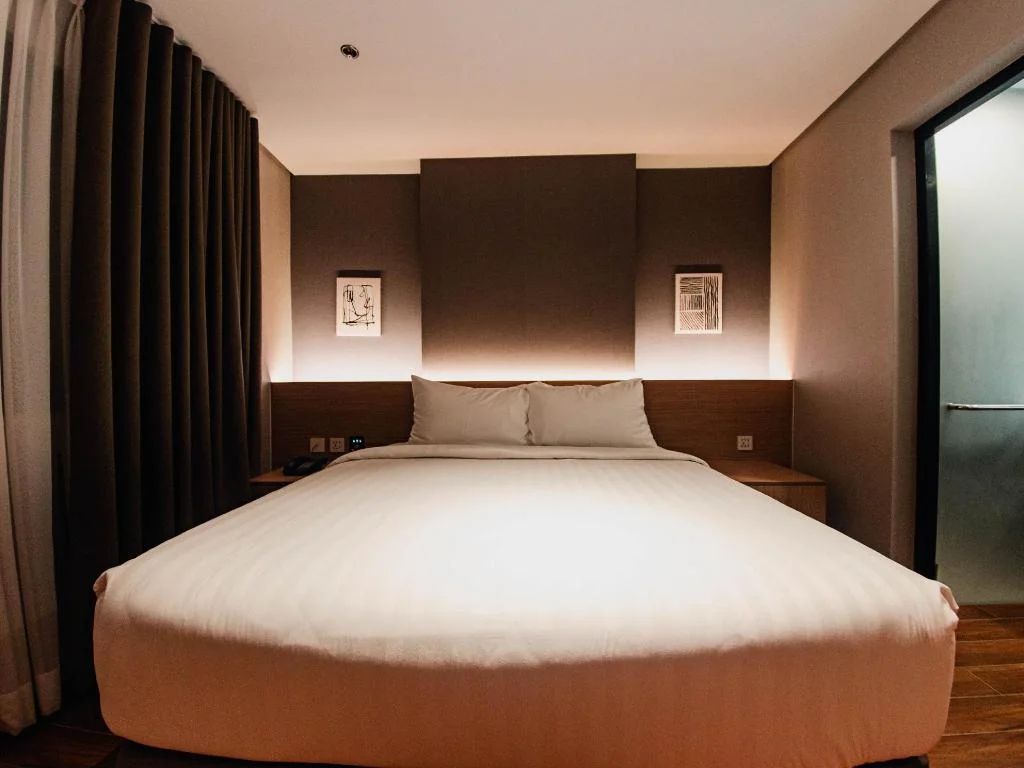
Moonstar Cebu Hotel - Deluxe Room
Before you go
Frequently asked
Is Cebu actually good for digital nomads?
How fast is the internet in Cebu?
What visa do digital nomads need for Cebu?
How much does it cost to live in Cebu as a nomad?
Where should digital nomads base themselves in Cebu?
Are there power outages in Cebu?
Is there a digital nomad community in Cebu?
How does Cebu compare to Bali or Chiang Mai for remote work?
More Places to Explore
Temple of Leah
Cebu City
A magnificent Roman-inspired temple built as a monument of love, nicknamed 'Cebu's Taj Mahal,' offering stunning architecture and city views.
Panagsama Beach
Moalboal
Moalboal's main beach and diving hub, famous for the sardine run and sea turtles just meters from shore.