
TL;DR: For most newcomers, it comes down to IT Park/Lahug (walkable, café-and-condo life, studios roughly ₱15,000–35,000/US$260–600) versus Banilad or Talamban (family houses in gated subdivisions, ₱20,000–100,000+/US$345–1,725+, near international schools and hospitals) versus Cebu Business Park (polished, mall-adjacent, similar pricing to IT Park). Mabolo is the budget version of the same central strip. Mactan suits airport-proximity and beach living at a premium; Talisay and Guadalupe are the more affordable, longer-commute options. Verified July 2026.
If you’re relocating to Cebu for work, retirement, or a long remote-work stint, the neighborhood you pick shapes your daily life more than almost any other decision — commute, safety, school options, and how much of your budget goes to rent. This guide breaks down the residential areas expats and long-stayers actually choose: Lahug/IT Park, Banilad, Mabolo, Cebu Business Park, Talamban, Guadalupe, Mactan, and Talisay. Several of these areas sit close to hillside spots like Temple of Leah and Tops Lookout in Busay, so weekend views are never far even if you live in the flatter, more urban parts of the city. This is a residential lens — for the broader “where should a remote worker or long-term traveler base up” question, see our digital nomad bases guide instead.
Cebu Neighborhoods at a Glance
| Neighborhood | Vibe | Rent tier (studio/1BR) | Best for |
|---|---|---|---|
| IT Park / Lahug | Walkable, café-and-condo, 24/7 energy | ₱15,000–45,000 (~US$260–775) | Young professionals, remote workers |
| Cebu Business Park | Polished, mall-adjacent, mixed residential | ₱18,000–70,000+ (~US$310–1,200+) | Professionals who want Ayala Center on their doorstep |
| Banilad | Established, leafy, gated villages | ₱25,000–100,000+ (~US$430–1,725+) | Families, long-term expats, retirees |
| Mabolo | Local, affordable, central | ₱7,000–18,000 (~US$120–310) | Budget-conscious singles and couples |
| Talamban | Suburban, house-and-garden, near USC | ₱20,000–60,000+ (~US$345–1,035+) | Families wanting space over walkability |
| Guadalupe | Hilly, historic, mixed local-expat | Generally 20–30% below the central strip | Those wanting local-city living, near Busay |
| Mactan (Lapu-Lapu) | Beachfront townships, airport-close | ₱30,000–90,000 (~US$520–1,550) | Airport proximity, resort-style living |
| Talisay City | Quieter, coastal, growing subdivisions | Noticeably below Cebu City equivalents | Affordability, longer commute acceptable |
Ranges are general market rates from current listings and local reporting; actual rent varies by building, floor, and furnishing. Confirm with a listing or agent before signing. Verified July 2026.
Is IT Park (Lahug) Worth the Premium?
Yes, if you value walkability over saving on rent. IT Park in Lahug is Cebu’s tech and BPO hub, and it’s built for people who want to live without a car — cafés, coworking spaces, gyms, restaurants, and night markets like Sugbo Mercado are all within a five-minute walk of most condo towers. Studios generally run ₱15,000–35,000 (about US$260–600), with 1-bedroom units often landing in the ₱30,000–45,000 range (about US$520–775) depending on the building and floor. Avida Towers and Calyx Residences are two of the more commonly cited buildings among renters here. It’s popular with young professionals, digital nomads, and anyone who wants to be in the middle of the action, but it also means the highest density and the least quiet of any option on this list.
Is Cebu Business Park a Better Fit Than IT Park?
It depends on whether you want café culture or mall convenience next door. Cebu Business Park (the Ayala area) sits about 15 minutes from IT Park and centers on Ayala Center Cebu — supermarkets, banks, pharmacies, and international dining all in one stretch. Condo options range from more affordable studios around ₱18,000–25,000 (about US$310–430) up to premium units in buildings like The Alcoves or Park Point Residences that can run ₱70,000 to well over ₱150,000 (about US$1,200–2,585+) for larger two- or three-bedroom units. It reads as slightly more polished and residential-feeling than IT Park after office hours, which some expat families prefer.
Is Banilad the Best Choice for Families?
For most families with kids, yes. Banilad, sitting between Cebu City and Mandaue, is one of the city’s most established residential areas, known for gated subdivisions like Maria Luisa Estate Park and North Town Homes — tree-lined streets, larger houses, and tight security. It’s close to Cebu Doctors’ North General Hospital and to several private and international schools, generally a 10–15 minute drive. Rent ranges widely: mid-range apartments from around ₱25,000 (about US$430), with larger homes in gated villages climbing to ₱100,000+ (about US$1,725+) a month. The trade-off is traffic — Banilad’s main roads get congested during rush hour, and you’ll likely want a car or a reliable Grab habit.
Is Mabolo a Smart Budget Alternative?
Yes — it’s the practical middle ground between IT Park and Ayala without the premium. Mabolo sits geographically between the two and offers a noticeably more local, less polished feel, with studios and small units typically going for ₱7,000–18,000 (about US$120–310). It’s close to both SM City Cebu and Ayala Center, has plenty of short-term rental options, and works well if you want central-city convenience without paying IT Park or CBP rates. It won’t have the same walkable café scene, but for many long-stayers on a tighter budget, that’s a fair trade.
Should You Live in Talamban Instead?
Consider it if you want a house with a yard rather than a condo unit. Talamban, just north of Banilad, is more suburban and less commercialized — wider streets, gated subdivisions, and standalone houses rather than towers. It’s sometimes called the city’s “education district” for its proximity to the University of San Carlos and several schools in the area. Rent for houses typically runs ₱20,000–60,000 (about US$345–1,035), with some larger properties reaching ₱70,000–200,000+ (about US$1,200–3,450+). The catch: parts of Talamban sit on the city’s list of flood-prone barangays, so ask specifically about a property’s flood history before committing, not just the general area’s reputation.
Is Guadalupe Worth Considering?
It’s a reasonable choice if you want a more local, less expat-dense area with hill access. Guadalupe is known for affordability, hilly terrain with skyline views, and easy access to the mountain roads up to Busay — useful if you like weekend trips toward Temple of Leah or Tops Lookout. Rents here and in similar residential pockets like Labangon tend to run 20–30% below the central IT Park/Banilad strip. It’s less geared toward expats specifically, so day-to-day life feels more local, which some people want and others find inconvenient for English-language services.
Mactan or Cebu City — Where Should You Base?
Base in Mactan if airport access and beach living matter more than nightlife and walkability; otherwise stay on the Cebu City side. Mactan Newtown, a master-planned beachfront township in Lapu-Lapu City, has become a magnet for expats and retirees who want 24/7 security, resort-style amenities, and a short ride to Mactan-Cebu International Airport — see our Mactan-Cebu Airport guide for transfer details. Units here run ₱30,000–90,000 a month (about US$520–1,550), pricier than most Cebu City comparables for similar space, largely because you’re paying for beachfront and airport proximity. The downside is distance from Cebu City’s job market and denser services — crossing the Mactan-Mandaue bridges at rush hour adds real time to any city commute.
What About Talisay City?
Talisay is the value play if you’re not chained to a daily commute into central Cebu City. Just south of the city along the South Road Properties (SRP) corridor, Talisay offers noticeably cheaper housing than IT Park, Banilad, or Mactan, with barangays like Pooc popular for their proximity to SM Seaside Cebu and the SRP itself. Expect a 30–40 minute drive into the city center depending on traffic and where exactly you land. It suits retirees, remote workers without a fixed office, and anyone prioritizing space and lower rent over walkable urban amenities.
How to Choose the Right Area for You
- No car, want to walk everywhere: IT Park, Cebu Business Park, or central Mabolo.
- Kids in school, want a yard: Banilad or Talamban, near the private/international school cluster.
- Tight budget, still central: Mabolo, or Guadalupe for a more local feel.
- Airport access and beach lifestyle matter most: Mactan Newtown.
- Lowest cost, commute is negotiable: Talisay City.
- Before signing anything: visit at different times of day, ask about flooding history for that specific street, and check the actual commute time to your workplace or school during rush hour, not off-peak.
For the visa, cost-of-living, and paperwork side of relocating, our full guide to living in Cebu as an expat and our safety guide cover the rest of the groundwork.
The Honest Take
None of these neighborhoods are objectively “the best” — they trade off walkability, cost, and space against each other, and the right pick depends entirely on whether you’re single and want café culture, or raising a family and want a yard. IT Park and Cebu Business Park get the most expat attention because they’re the easiest to land in without a car, but that convenience comes at close to the top of the local price range. Banilad and Talamban are genuinely better for families, but budget for a car or consistent Grab spending, and specifically ask about flood history — several barangays in and around these areas have flooded in past typhoon events, and “leafy and established” doesn’t automatically mean “high ground.” Mactan’s beachfront townships are appealing but isolate you from Cebu City’s job and service density unless the airport commute is your priority. If your budget is the main constraint, don’t rule out Talisay or Guadalupe just because fewer expats live there — you’ll pay meaningfully less for comparable space, and Grab and the local transport network make the longer commute manageable for most people.
Sources
- Best Areas to Live in Cebu: Top 10 Neighborhoods for Expats — 3D Universal Academy
- A Local’s Guide to the Best Neighborhoods to Live in Cebu — Cebu Real Estate
- Living in IT Park: Pros and Cons of Cebu’s Most Walkable District — 3D Universal Academy
- Cebu Business Park / Ayala (Cebu City): Best Areas to Live in Cebu — 3D Universal Academy
- Banilad (Cebu City): Best Areas to Live in Cebu — 3D Universal Academy
- Why More Expats & Retirees are Moving to Mactan Newtown — Mactan Newtown
- Talisay City: Best Areas to Live in Cebu — 3D Universal Academy
- Cebu City: 22 Barangays Susceptible to Flooding — SunStar Cebu
- 7 Cebu Neighborhoods Safe from Typhoon Floods — Cebu Grand Realty
- Rent ranges cross-checked against current Lamudi, Dot Property, and OnePropertee listings. Confirm exact figures with a current listing or licensed agent. Verified July 2026.
Ready to Scout in Person?
The only way to really know if a neighborhood fits is to spend a few nights there before committing to a lease. Book a short-term stay in IT Park or Cebu Business Park on Agoda to test the walkable central option, or try a few nights in Mactan if beach-and-airport living is what you’re after. Once you’ve narrowed it down, pair this with our guides to living in Cebu as an expat and getting around Cebu to finish planning the move.
Book Tours & Hotels for This Trip
Find and book the best deals — prices and availability update in real time. Links open in a new tab.
Where to stay near Cebu City
Top-rated hotels for this trip — tap through to check live rates.
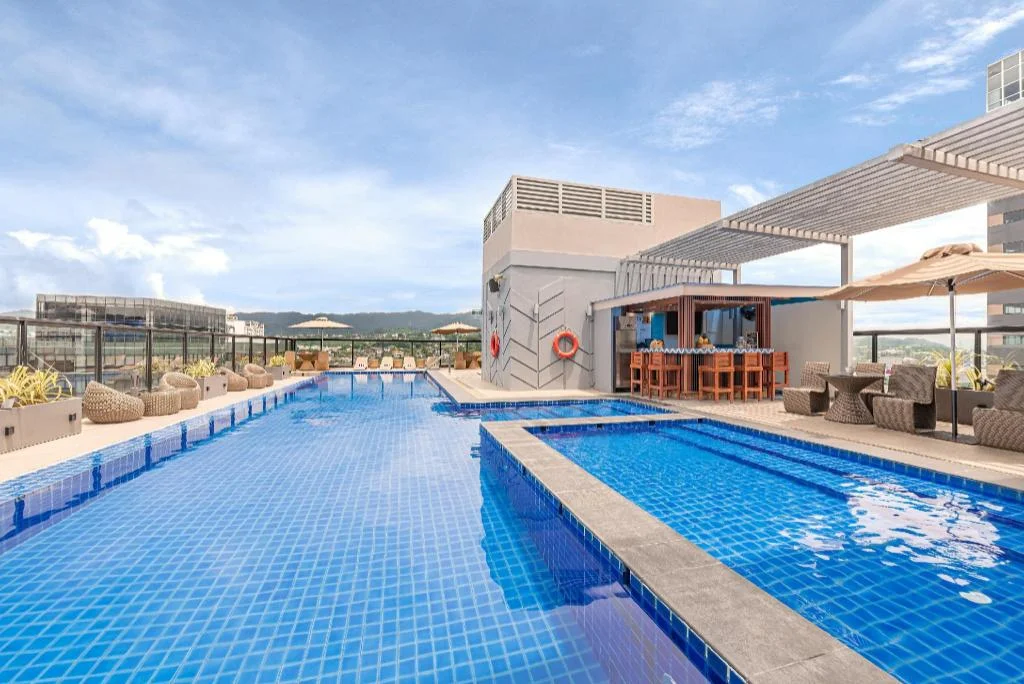
Seda Central Bloc Cebu City
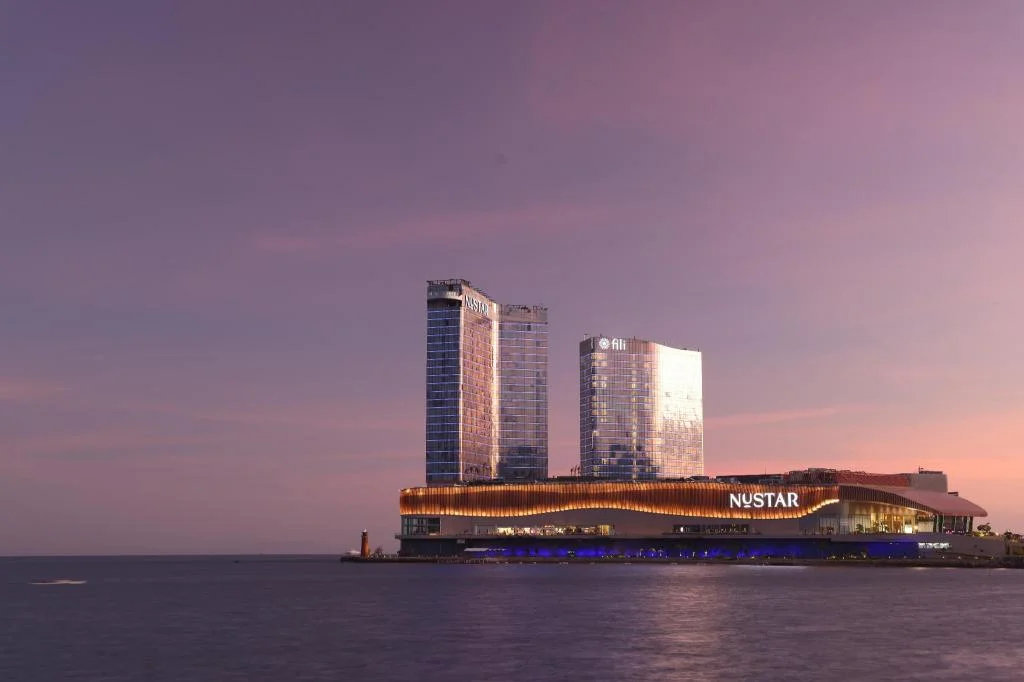
Fili Hotel - NUSTAR Resort & Casino Cebu
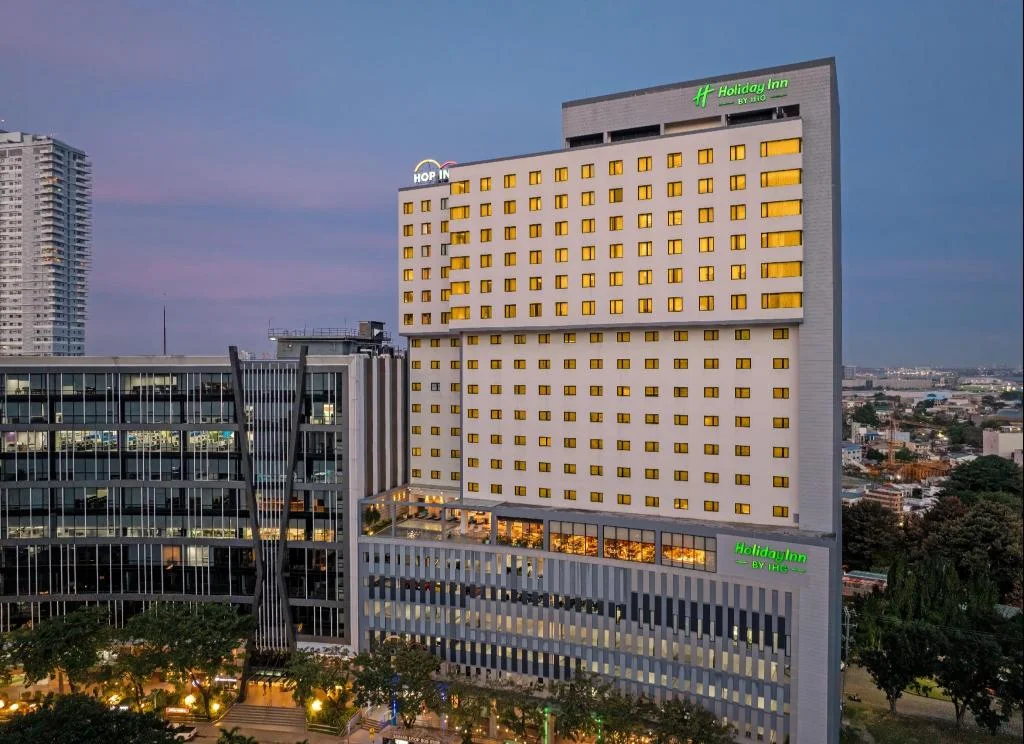
Holiday Inn Cebu City By IHG
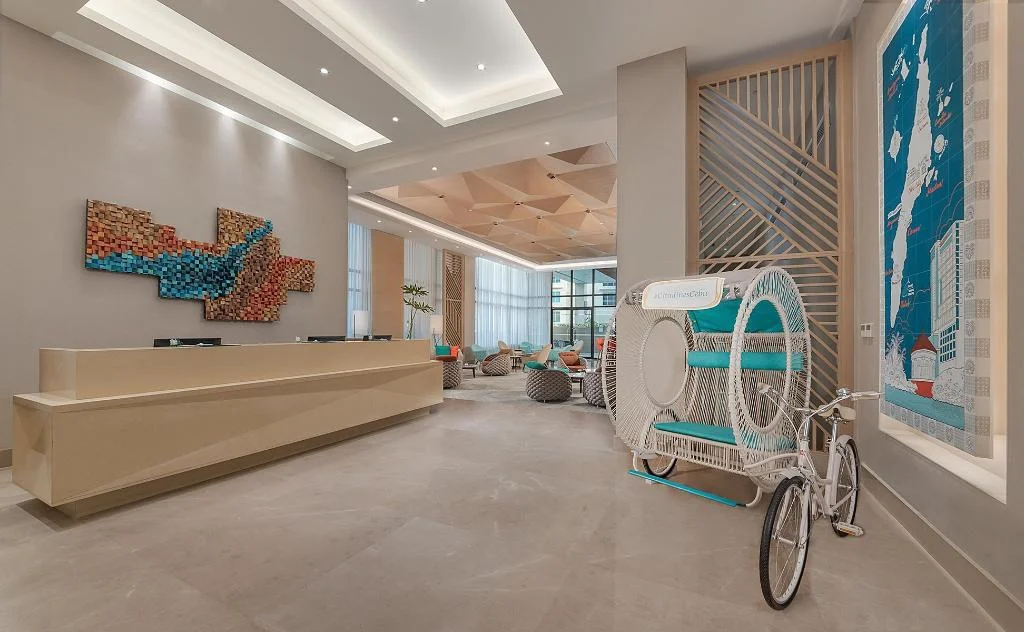
Citadines Cebu City
Prefer a rental? Vacation rentals near Cebu City
Self-catering condos and apartments — book the exact unit, kitchen included.
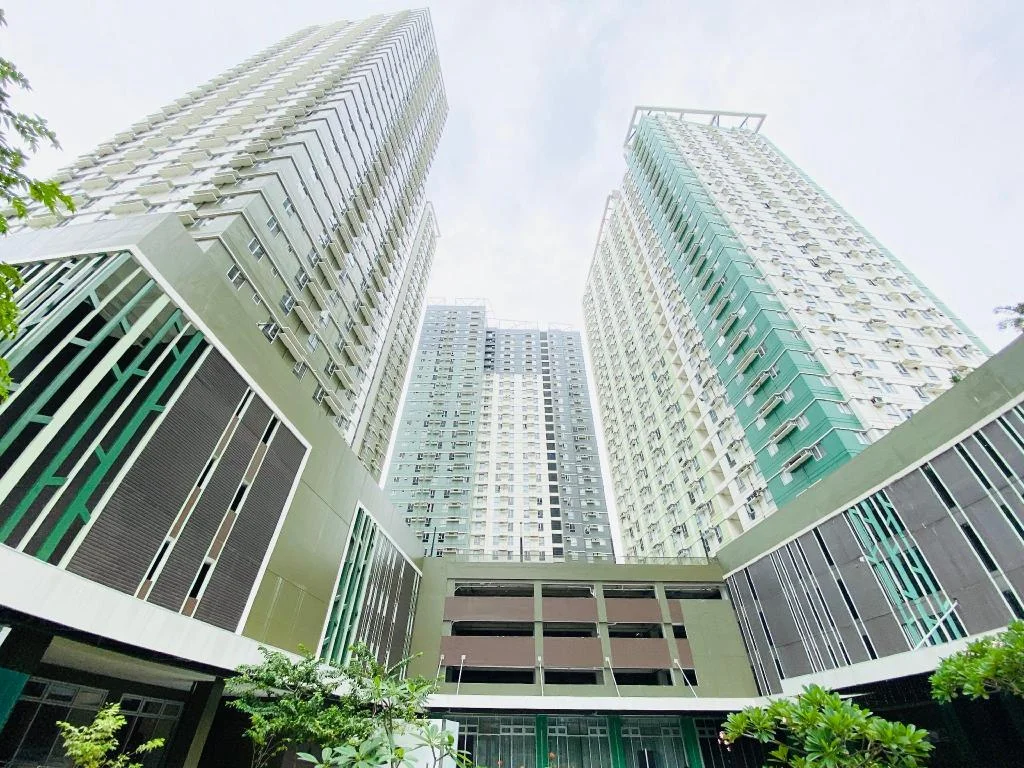
Cebu Avida Riala by P&J
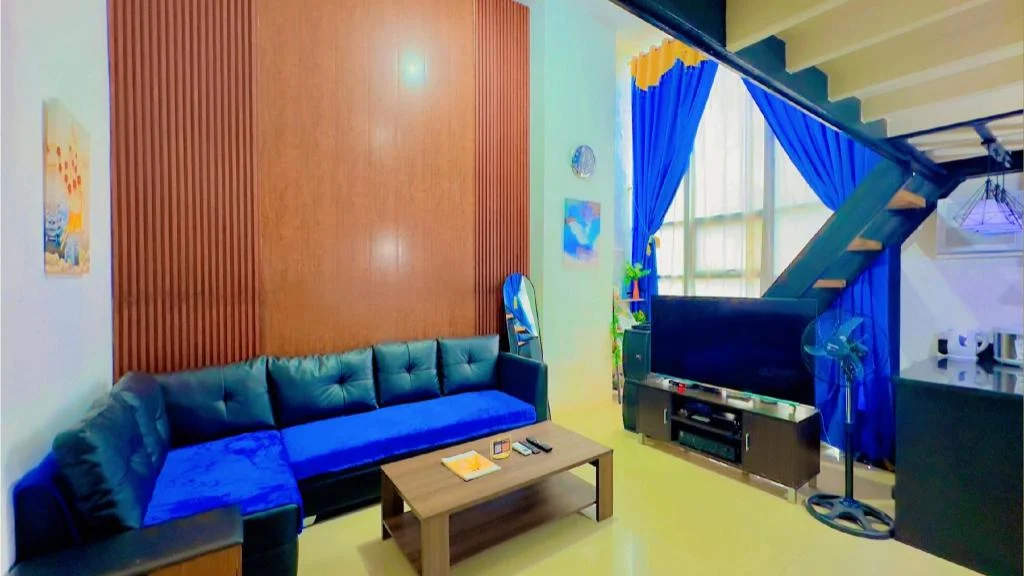
Special Big Loft Unit w/Fibreop Internet & Netflix
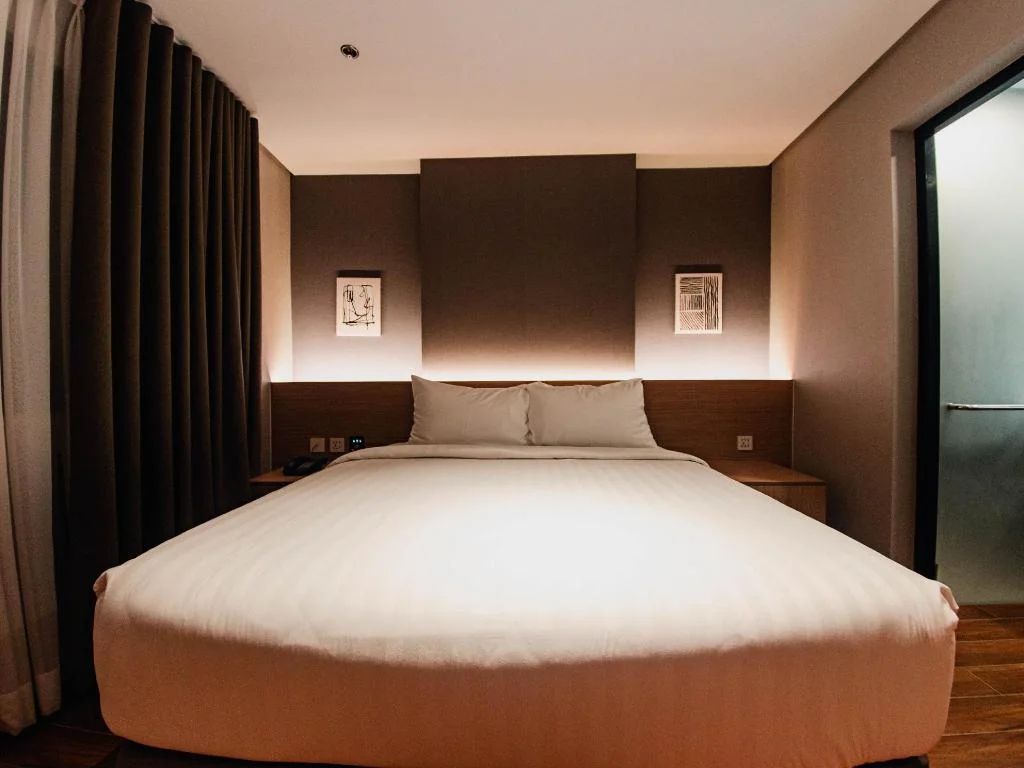
Moonstar Cebu Hotel - Deluxe Room
Before you go
Frequently asked
What is the best area to live in Cebu for expats?
How much does it cost to rent an apartment in Cebu?
Is IT Park or Cebu Business Park better for expats?
Where do families with kids usually live in Cebu?
Is it cheaper to live in Cebu City or Mactan?
Is Talisay a good place for expats to live?
Which Cebu neighborhoods flood during typhoons?
Do I need a car to live in these neighborhoods?
More Places to Explore
Temple of Leah
Cebu City
A magnificent Roman-inspired temple built as a monument of love, nicknamed 'Cebu's Taj Mahal,' offering stunning architecture and city views.
Tops Lookout
Cebu City
Cebu City's premier hilltop viewpoint offering stunning panoramic views of the city, especially spectacular at sunset and nighttime.