
TL;DR: The Bureau of Immigration’s Cebu District Office is on the 2nd floor of GMall of Cebu, North Reclamation Area, Cebu City (it moved from Mandaue’s JCentre Mall in January 2024 — don’t trust older directions). A first 29-day extension is the visa waiver at ₱2,130 (regular lane; ₱3,030 online, ₱3,130 express). After 59 days a one-month extension is ₱3,400 regular / ₱4,400 express, exclusive of the US$50 Tourist ACR I-Card — so a follow-up renewal lands nearer ₱6,300–8,600 all-in. Bring your passport, photocopies, and cash — most counters don’t accept cards. Rates from the BI Citizen’s Charter 2025; confirm at the cashier before you budget around it. Verified September 2026.
If your 30-day stamp is running out and you’re not ready to leave Cebu, you extend it at the Bureau of Immigration (BI) office, not at the airport and not online-only. This guide walks through where the Cebu office actually is right now (it’s moved), what the in-person process looks like step by step, what it costs in real peso ranges rather than guesses, and when you’re required to also get an ACR I-Card. It’s written for the tourist doing this for the first time, whether you’re stretching a beach trip, working remotely for a few extra months, or just not ready to book that flight home. If you’re staying downtown near Colon Street or anywhere in the old city center, budget extra time to get out to the North Reclamation Area — it’s not walkable.
Extension Costs at a Glance
| Situation | Typical cost (₱) | Approx. US$ | Notes |
|---|---|---|---|
| First extension (29-day visa waiver, brings you to 59 total) | ₱2,130 regular · ₱3,030 online · ₱3,130 express | $37–54 | BI Citizen’s Charter 2025 published rate |
| Follow-up extension (1 month, after 59 days, age 16+) | ₱3,400 regular · ₱4,400 express | $59–76 | Charter states these are exclusive of the US$50 ACR I-Card, so budget ₱6,300–8,600 all-in |
| Tourist ACR I-Card (required past 59 days) | ~US$50 equivalent | ~$50 | Plus ~₱500 express lane fee if you want it faster |
| Long-Stay Visitor Visa Extension (up to 6 months) | ₱11,500–13,900 | $198–240 | Non-visa-required vs. visa-required nationalities |
| Overstay penalty | ~₱500/month + ~₱500 motion fee | ~$9–17 | On top of your extension fee |
Extension and ACR figures come from the BI Citizen’s Charter 2025, 1st Edition, the Bureau’s own published schedule, rather than from applicant reports — PHGuides lists the same table broken out by lane. LSVVE and overstay figures are still sourced from secondary reporting and are the least certain rows here. The Bureau revises its schedule periodically without announcing it widely, so confirm the exact total at the cashier window. Verified September 2026.
Where Is the BI Office in Cebu?
The Cebu District Office is on the 2nd floor of GMall of Cebu (Gaisano Mall of Cebu), A. Soriano Avenue, North Reclamation Area, Cebu City. It relocated here from its long-time home at JCentre Mall in Mandaue back in January 2024, confirmed by both the Bureau of Immigration’s own advisory and the mall itself. If you’ve read an older blog post or forum thread sending you to Mandaue, ignore it — that office isn’t there anymore.
Office hours are Monday to Friday, 9:00 AM–7:30 PM, closed weekends and public holidays. There’s also a smaller satellite counter at Gaisano Mactan Island Mall (Annex Building, Pajo, Lapu-Lapu City) for those based on Mactan, though it handles a narrower range of transactions than the main district office — call ahead if you need anything beyond a basic extension.
Grab or a taxi from Cebu City center or Mactan to North Reclamation Area typically takes 15–30 minutes depending on traffic; it’s not a walkable errand from downtown.
How Do You Extend a Tourist Visa in Cebu?
You go in person (or start online), fill out a form, submit your passport with photocopies, pay at the cashier, and wait for your stamp — usually the same day if you arrive early. Here’s the walk-in version most tourists use:
- Arrive early. Mornings, and avoid Mondays or the day after a long weekend — the queue backs up fast.
- Get the application form at the Public Information counter or the Visa Extension Desk.
- Fill it out and submit it with your passport, a photocopy of your passport’s bio page, and a photocopy of your latest entry or extension stamp.
- An officer checks your eligibility — how many days you have left, whether you’re within the extendable window, and whether you owe any overstay penalty.
- Pay at the cashier, in cash, in Philippine pesos.
- Wait for processing. With complete documents and an early arrival, same-day turnaround (roughly 1–2 hours) is common. During peak season or with incomplete paperwork, it can stretch into the afternoon or require a next-day pickup.
- Check your passport before you leave the counter. Confirm the new expiry date is stamped correctly.
There’s also a partial online path through the Bureau’s eServices portal for some straightforward extensions, where you can pay by card or e-wallet. It’s worth checking first if your case is simple, but longer extensions, ACR I-Card applications, and anything unusual still need the in-person visit.
How Much Does It Actually Cost?
Your first 29-day extension is the visa waiver, and it costs ₱2,130 at the regular lane — ₱3,030 if you file through the e-services online system, or ₱3,130 at the express lane. Those are the published rates in the Bureau of Immigration Citizen’s Charter 2025, 1st Edition, not an estimate, and PHGuides sets out the same schedule line by line.
Ignore the ₱3,000–4,500 figure you’ll see quoted around the web for this step. It conflates the visa waiver with the next extension: after 59 days, a one-month extension is ₱3,400 regular or ₱4,400 express for applicants 16 and above, and the charter states those are exclusive of the US$50 ACR I-Card. Add the card at the BSP rate and a second renewal genuinely lands around ₱6,300–8,600 — which is where the higher numbers come from, one step later than people think.
If you want to skip repeat visits, the Long-Stay Visitor Visa Extension (LSVVE) covers up to six months in one application, priced around ₱11,500 for non-visa-required nationalities and ₱13,900 for visa-required ones. It’s a bigger upfront cost but far fewer trips to GMall of Cebu.
Whatever the posted number, treat it as an estimate, not a quote — confirm the live total at the cashier. BI fee schedules get revised without a lot of public notice, and the gap between sources here is itself evidence of that.
When Do You Need an ACR I-Card?
Once your total stay passes 59 days (your original 30 days plus a 29-day extension), BI requires you to hold a “Tourist” Alien Certificate of Registration I-Card (ACR I-Card). It’s a separate application from the visa extension itself — bring your passport, your latest extension receipt, an accomplished ACR application form, and two 2x2 photos on a white background. The standard fee runs around US$50 (paid in peso equivalent), plus roughly ₱500 if you pay for express lane processing. Full ACR I-Card issuance can take a couple of weeks, though the express lane speeds up the initial application step. PHGuides breaks the ACR I-Card fee down by validity period — US$50 for one year, US$100 for two and US$150 for three, converted at the Bangko Sentral rate on the day you’re assessed — and covers renewal and cancellation separately.
What Should You Bring?
- Passport valid well beyond your planned stay.
- Photocopies of the bio page and your latest entry or extension stamp — bring a couple of extra copies; mall copy stalls exist but queuing for one wastes time.
- Cash in Philippine pesos. Most BI counters don’t take cards.
- Your eTravel confirmation, if you registered it (see our Philippines visa-free entry guide if you haven’t done this step yet).
- Two 2x2 white-background photos, only if you’re past 59 days and applying for the ACR I-Card.
Walk-In vs. Using an Agent — Which Should You Pick?
Walk-in works fine for a straightforward first extension if you have a free morning; an agent is worth the extra fee if your case is complicated or your time isn’t. Dive shops, language schools, and expat-focused agencies around Cebu regularly offer visa-run assistance for a service charge on top of the official BI fees — useful if you’re mid-course, running a business, or just don’t want to lose a day to a government office. If you’re a first-timer with a simple passport situation and nothing unusual going on, doing it yourself is the cheaper option and not actually that hard once you know where the office is.
The Honest Take
Nobody enjoys a morning at a government office, and BI Cebu is no exception — bring patience, arrive early, and don’t expect the posted fee schedule to perfectly match what you pay at the counter. The bigger risk isn’t the process itself, it’s treating an old blog post as current fact: the office moved in 2024, fees get revised, and forum threads from a few years back will send you to the wrong mall or quote a fee that’s no longer accurate. If you’re building a long Cebu stay around remote work or slow travel, it’s worth budgeting for the LSVVE up front rather than doing three separate monthly extensions — it’s usually less total hassle even if the sticker price looks bigger. And if this is your first time doing a visa run anywhere, don’t be shy about paying an agent for your first extension just to see how the process works before you try it solo next time.
If you’re staying in Cebu long enough to need more than one extension, it’s worth locking in accommodation near the city rather than moving hotels every few weeks — compare longer-stay options in Cebu City on Agoda. And if you haven’t sorted out a local SIM or eSIM for the extra months, check current Philippines eSIM and SIM options on Klook before you’re stuck relying on mall Wi-Fi during the wait.
Sources
- Bureau of Immigration Philippines — official site
- BI Cebu District Office relocation advisory
- Bureau of Immigration eServices portal
- BI Citizen’s Charter 2025, 1st Edition — published Regular/Express lane fee schedules (visa waiver ₱2,130; one-month after 59 days ₱3,400/₱4,400 exclusive of the US$50 ACR I-Card)
- PHGuides — Tourist Visa Extension (the same schedule, broken out by lane)
- PHGuides — ACR I-Card (fee by validity period, BSP conversion rule)
- Gaisano Mall of Cebu’s own confirmation of the BI office opening at GMall of Cebu
- Recent 2025–2026 reporting from Cebu-based visa facilitators and expat guides on the ACR I-Card process and office conditions
- Fees, address, and process cross-checked across multiple current sources; fees taken from the BI Citizen’s Charter 2025, 1st Edition rather than secondary reporting. Verified September 2026.
Extending your stay is usually the easy part — the bigger question is what to do with the extra time. Pair this errand with a proper look at things to do in Cebu, or if you’re settling in for longer, read our guide to living in Cebu as an expat and make sure you’ve completed the mandatory eTravel arrival registration if you haven’t already. Balikbayans figuring out the difference between visa rules and their dual citizenship options should also check our balikbayan guide to Cebu.
Book Tours & Hotels for This Trip
Find and book the best deals — prices and availability update in real time. Links open in a new tab.
Where to stay near Cebu City
Top-rated hotels for this trip — tap through to check live rates.
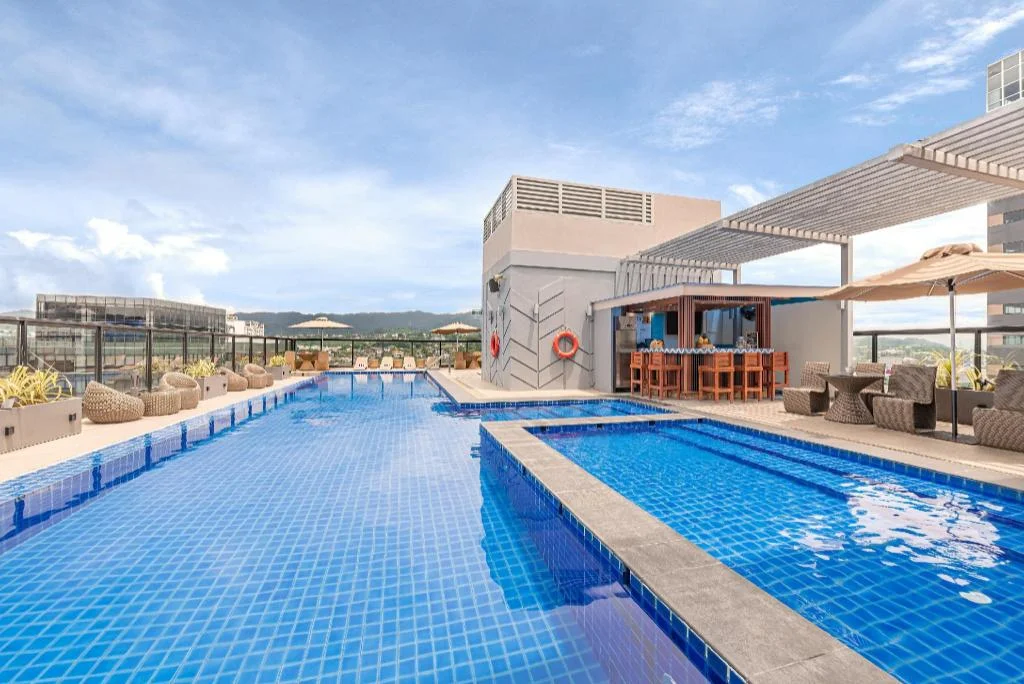
Seda Central Bloc Cebu City
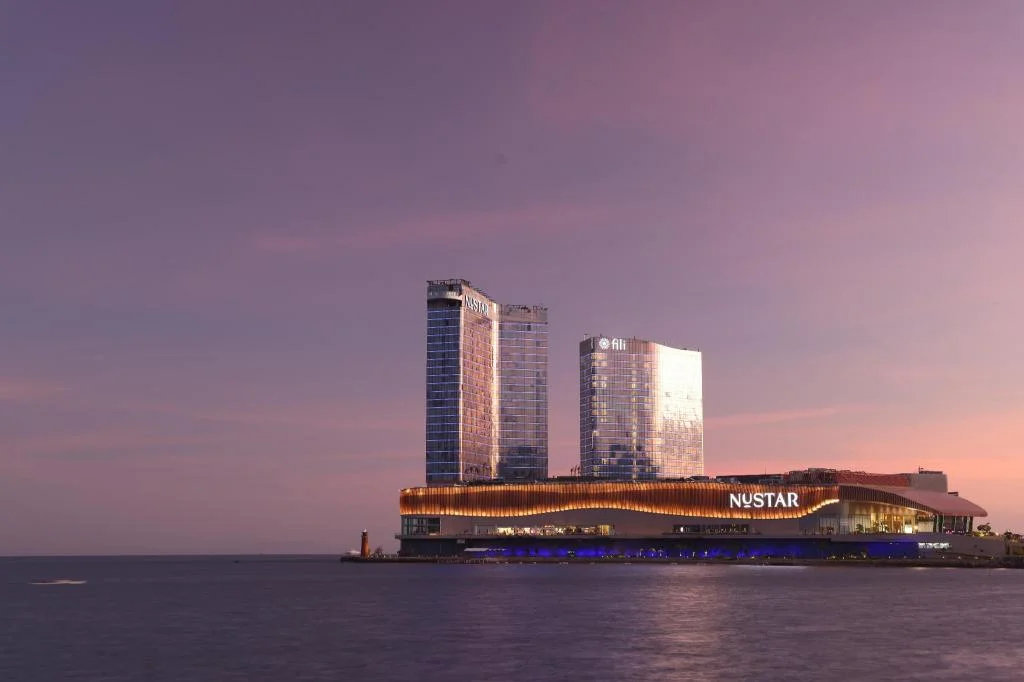
Fili Hotel - NUSTAR Resort & Casino Cebu
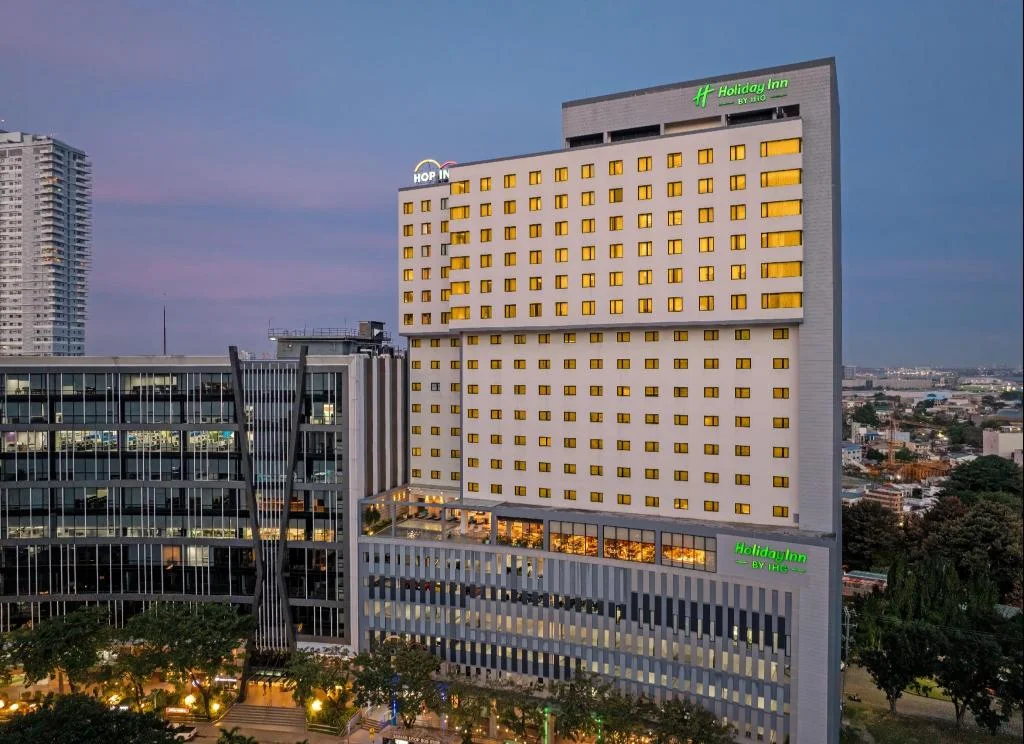
Holiday Inn Cebu City By IHG
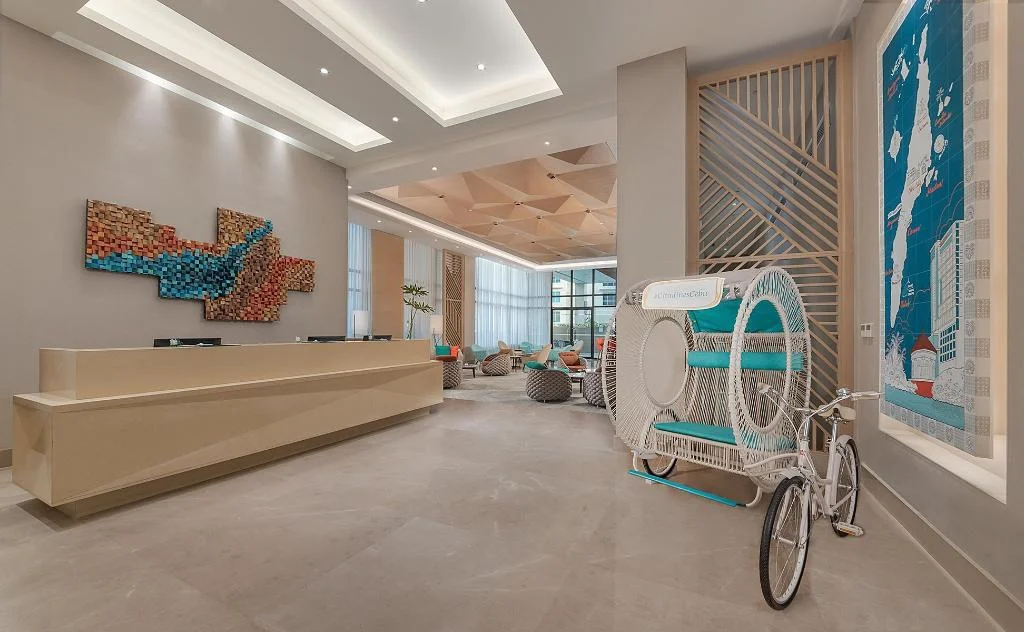
Citadines Cebu City
Prefer a rental? Vacation rentals near Cebu City
Self-catering condos and apartments — book the exact unit, kitchen included.
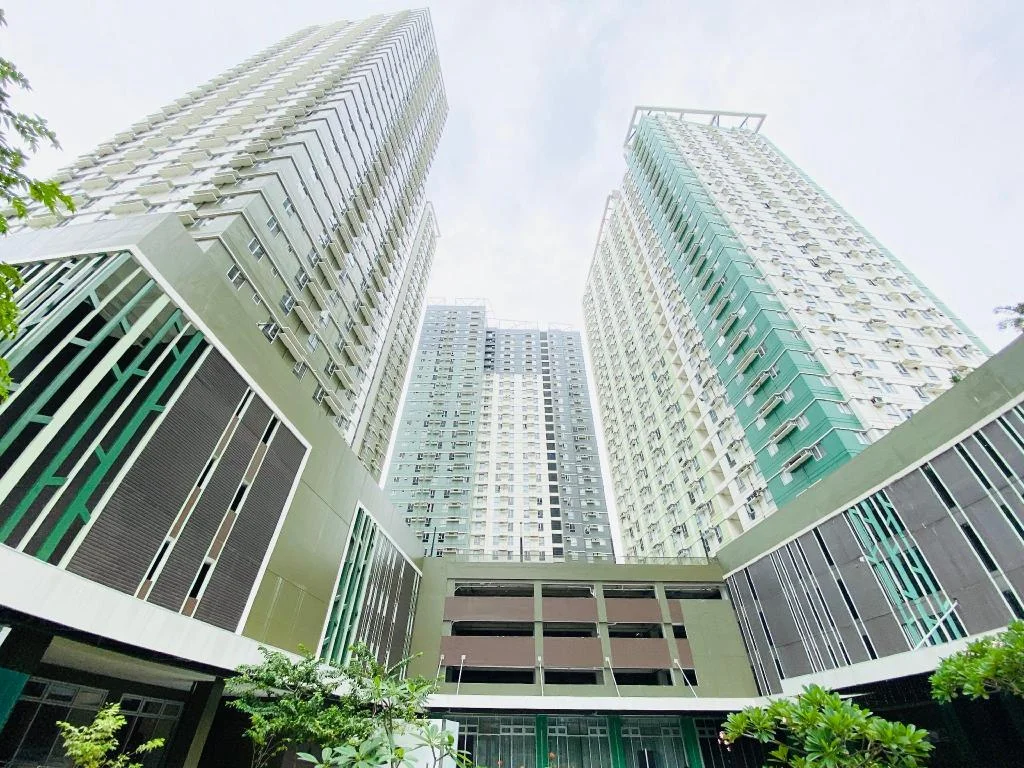
Cebu Avida Riala by P&J
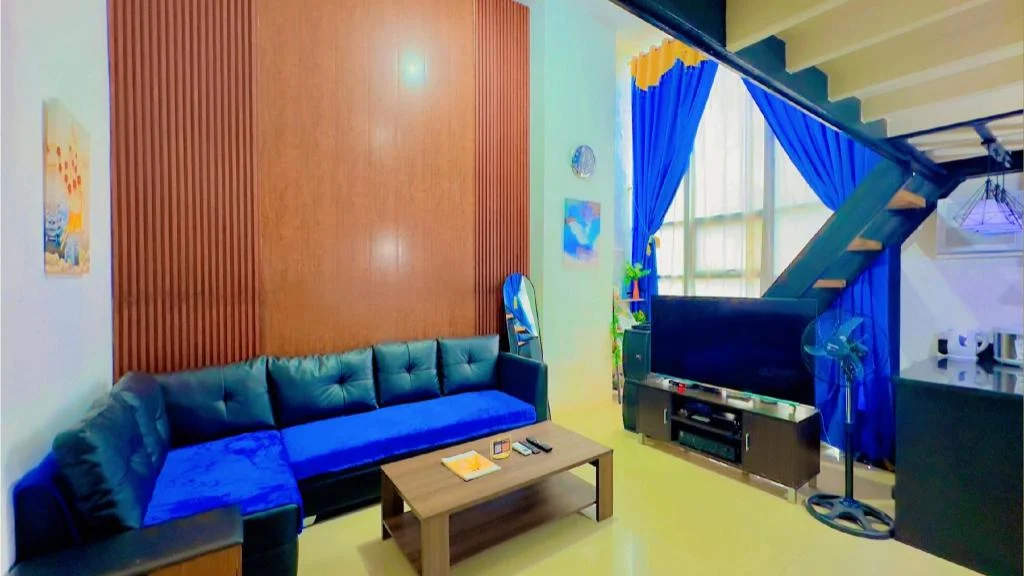
Special Big Loft Unit w/Fibreop Internet & Netflix
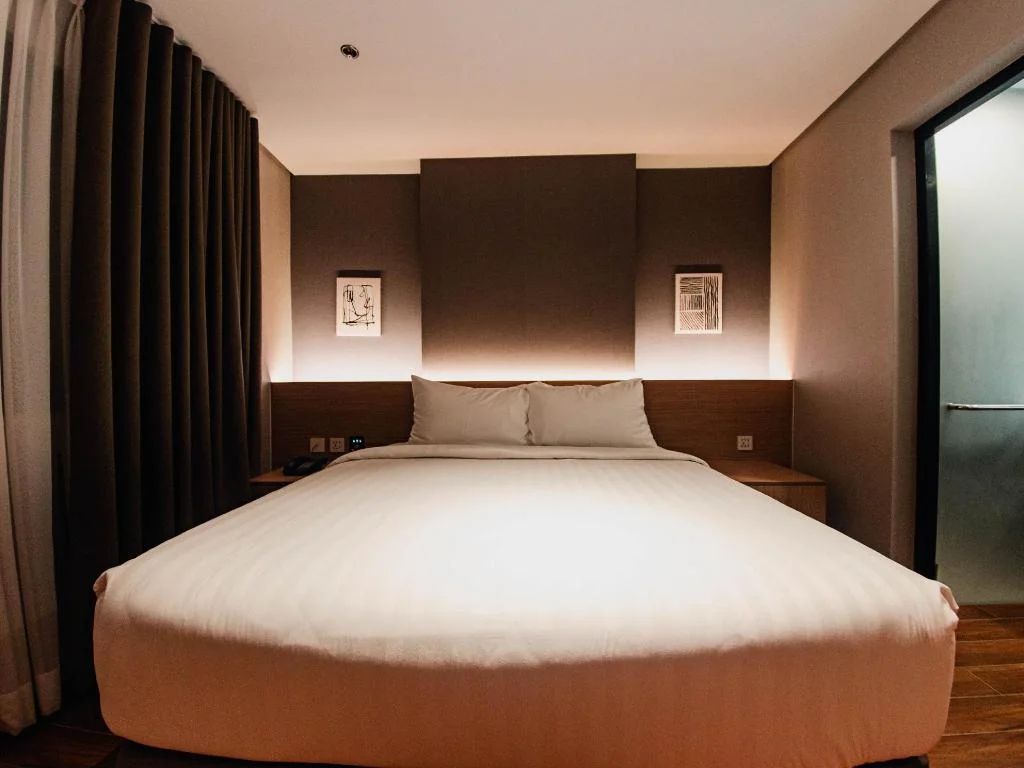
Moonstar Cebu Hotel - Deluxe Room
Before you go