
TL;DR: Cebu has real diving — 30-meter thresher shark dives at Malapascua, wall dives and current at Moalboal — and regular travel insurance usually won’t cover a diving accident. A short-term DAN-style dive plan runs roughly US$20–60 for a trip, and the nearest hyperbaric chamber is in Mandaue City, about four hours from Malapascua by boat and road. A chamber session alone runs around ₱38,000 (~US$655) plus oxygen, often needing more than one. Dive with a PADI 5-Star shop, confirm certification requirements before booking thresher or wall dives, and build in a 24-hour surface interval before flying. Verified July 2026.
Cebu isn’t just a place to snorkel off a sandbar — it’s one of the Philippines’ major dive destinations, with Moalboal’s sardine run and wall dives a short boat ride from shore, and Malapascua drawing divers from around the world for one thing: thresher sharks, seen almost nowhere else on a routine dive schedule. That means Cebu also carries the real risks of any serious dive destination — decompression sickness, barotrauma, strong current, and a hyperbaric chamber that isn’t next door. This guide isn’t here to scare you off the water. It’s here to lay out, plainly, what insurance to carry, what the emergency picture actually looks like, and how to pick an operator that takes safety seriously — so the risk stays where it belongs: low, and managed.
Do You Actually Need Dive Insurance in Cebu?
Yes — because your regular travel insurance almost certainly excludes scuba diving, or caps evacuation coverage far below what a real dive accident costs. Most standard travel policies treat scuba as a high-risk activity and either exclude it outright or cap medical evacuation at a level that won’t cover an air ambulance and multi-session hyperbaric treatment. Dive shops across Moalboal and Malapascua sell or recommend DAN (Divers Alert Network) plans specifically because they close that gap: dive-related injury coverage, medical evacuation, and a 24/7 emergency hotline staffed by people who understand decompression sickness, not just generic travel mishaps.
| Coverage type | Typical cost | What it covers |
|---|---|---|
| DAN short-term plan (1 day) | ~US$20 | Single-day dive trip cover |
| DAN short-term plan (11–30 days) | ~US$60 | Full-trip cover for a multi-day dive holiday |
| DAN annual membership | Varies by plan/country | Year-round dive accident + evacuation cover |
| Hyperbaric chamber session (Cebu, out of pocket) | ~₱38,000 (~US$655) + oxygen | Per session; DCS often needs more than one |
Prices from Cebu-area dive center listings and DAN-affiliated sources, current as of mid-2026. Confirm exact current rates on DAN’s own site before buying — this table is a planning reference, not a quote. Verified July 2026.
This is general safety information, not personalized financial or insurance advice. Read the actual policy wording, check what’s excluded (depth limits, decompression diving, pre-existing conditions), and confirm coverage details directly with DAN or your chosen provider before you dive.
What Does Dive Insurance Actually Cover?
A dedicated dive accident plan covers the things regular travel insurance skips: decompression sickness treatment, hyperbaric chamber costs, and medical evacuation from a remote dive site to definitive care. Local operators describe DAN-style plans as including emergency medical treatment (including chamber time), evacuation and repatriation, and dive-specific injury and illness cover — plus, in some plans, gear loss or trip protection layered on top. If you’re doing an Open Water certification course, ask your shop about student medical coverage; some certifying agencies bundle limited medical coverage automatically for the course period, separate from what you’d buy for recreational diving afterward. Confirm what applies to your specific course and provider — don’t assume it’s included.
Where’s the Nearest Hyperbaric Chamber — And What Does That Actually Mean?
The chamber serving Cebu’s dive sites is in Mandaue City on the mainland, and getting a diver there from Malapascua or deep into Moalboal’s outer sites takes real time — plan for hours, not minutes. For a Moalboal-based diver, it’s a multi-hour road trip across the island. For Malapascua, operators describe the realistic evacuation timeline as roughly four hours, combining a boat crossing back to the mainland with a road transfer to Mandaue — which is exactly why local dive shops are blunt about carrying insurance and diving conservatively. Decompression sickness treatment works best started quickly, so this transfer time is the single biggest argument for staying well within your no-decompression limits and certification level, not for skipping the dive.
Ask any shop you book with, before you get in the water, what their specific dive emergency plan is: which chamber they use, how oxygen is administered on the boat, and who coordinates the evacuation. A good shop will have a clear, rehearsed answer. If they don’t, that’s a signal.
How Do You Pick a Reputable Dive Center in Cebu?
Look for PADI 5-Star Dive Center status as a baseline, then verify the details yourself — guide ratios, oxygen on board, and gear maintenance records. Cebu has several 5-Star operations: Cebu Fun Divers, Savedra Dive Center, Neptune Diving Resort, and Quo Vadis in Moalboal, and Thresher Shark Divers, Devocean Divers, and Malapascua Exotic Island Dive Resort among the recognized shops at Malapascua. That rating is a reasonable filter, not a guarantee — before you book, ask directly:
- What’s the diver-to-guide ratio on the boat you’ll be on?
- Is oxygen carried on every dive boat, and is staff trained in its use?
- What’s their policy on checking certification level before booking depth-restricted sites?
- Do they brief currents and site conditions before every dive, not just once at check-in?
If a shop offers you a thresher shark trip or a deep wall dive without asking for your certification card, that’s a red flag, not a convenience.
Do You Need Advanced Certification for Thresher Sharks at Malapascua?
In practice, yes. Sightings at Monad Shoal run around 25 meters, and while the sharks have shifted in recent years toward the shallower Kimud Shoal (roughly 15–20 meters), that site is still classified as an advanced dive. Most shops will ask for Advanced Open Water certification, or run an instructor-led checkout dive first if you’re Open Water only. The sharks themselves are calm and not aggressive — the safety question is about depth, current, and dive discipline, not the animal. Confirm the current site, depth, and certification requirement directly with your shop when you book, since conditions and shark location can shift season to season.
What About Currents and Strong-Current Sites?
Moalboal and the channels around Malapascua can run a real current, and that’s usually where things go wrong — not the depth itself. Sites like Pescador Island and stretches of Moalboal’s wall are known for current that can build quickly, which is part of why guided diving is close to mandatory in practice across Cebu’s marine sanctuaries: currents, boat traffic, and tide timing change by the day, and a local divemaster knows what that day looks like. If a guide calls a dive off or shortens it because of current, that’s the system working, not a service failure.
How Long Should You Wait to Fly After Diving?
Build in at least 24 hours between your last dive and your flight, even though the bare minimum is lower. DAN and PADI’s guidance is a 12-hour minimum surface interval after a single no-decompression dive, 18 hours after repetitive dives across multiple days, and substantially longer after any decompression diving. Both organizations recommend the more conservative 24-hour buffer as standard practice, since it accounts for things like a loss of cabin pressure or an unusually deep or long final dive. This matters concretely in Cebu: a lot of itineraries schedule a live-aboard or a heavy multi-tank day right before a flight home through Mactan-Cebu International Airport — build your last dive day around your flight, not the other way around.
The Honest Take
Diving in Cebu is genuinely good, and the safety infrastructure around it is real but thin. There is one hyperbaric chamber serving the whole province, hours away from the best dive sites by boat and road, and that’s simply the geography — no operator can shorten that distance. The good news is that the actual risk is manageable and well understood: stay within your certification level, dive with a properly rated shop, don’t skip the insurance because it feels like an upsell, and respect the guide’s call on current and depth even when it’s inconvenient. The divers who end up needing that chamber are almost always the ones who pushed past a limit someone told them not to. Don’t be the case study.
If you’re brand new to diving, do your Open Water certification with a 5-Star shop in Moalboal first, where conditions are gentler, before booking anything at Malapascua’s deeper thresher shark sites.
Plan the Rest of Your Dive Trip
Pair this with our guide to diving in Cebu overall for site-by-site planning, and read up on travel insurance for the Philippines for the non-diving side of your coverage. For non-diving days, Malapascua’s beaches and Moalboal’s sardine run are both worth the surface interval. Compare DAN’s current plans or book a certified dive package through Klook’s Cebu diving listings before you go, and confirm your specific shop’s safety setup directly before your first dive.
Sources
- DAN Dive Insurance — Cebu Fun Divers, Moalboal (pricing, coverage)
- Dive Insurance in Moalboal — Savedra Dive Center (coverage detail)
- Cebu Recompression Chamber — Evolution Diving Resort (chamber location, cost, evacuation time from Malapascua)
- Hyperbaric Chambers — Dive Philippines (chamber background, Mandaue location)
- Guidelines for Flying After Diving — Divers Alert Network (no-fly interval guidance)
- Thresher Sharks of Malapascua — ZuBlu Diving (Monad/Kimud Shoal depth, certification)
- Dive center listings for PADI 5-Star status — Cebu Fun Divers, Savedra Dive Center, Neptune Diving Resort, Quo Vadis (Moalboal); Thresher Shark Divers, Devocean Divers, Malapascua Exotic Island Dive Resort (Malapascua)
- Verified July 2026.
Book Tours & Hotels for This Trip
Find and book the best deals — prices and availability update in real time. Links open in a new tab.
Where to stay near Moalboal
Top-rated hotels for this trip — tap through to check live rates.
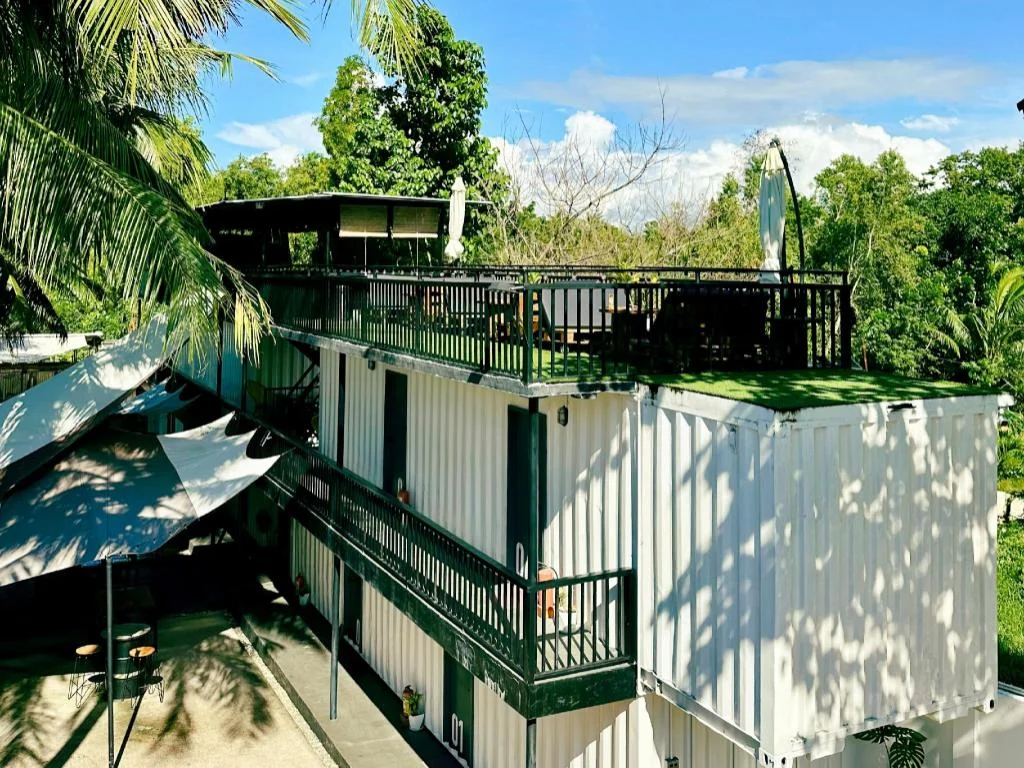
PIG DIVE HOSTEL MOALBOAL
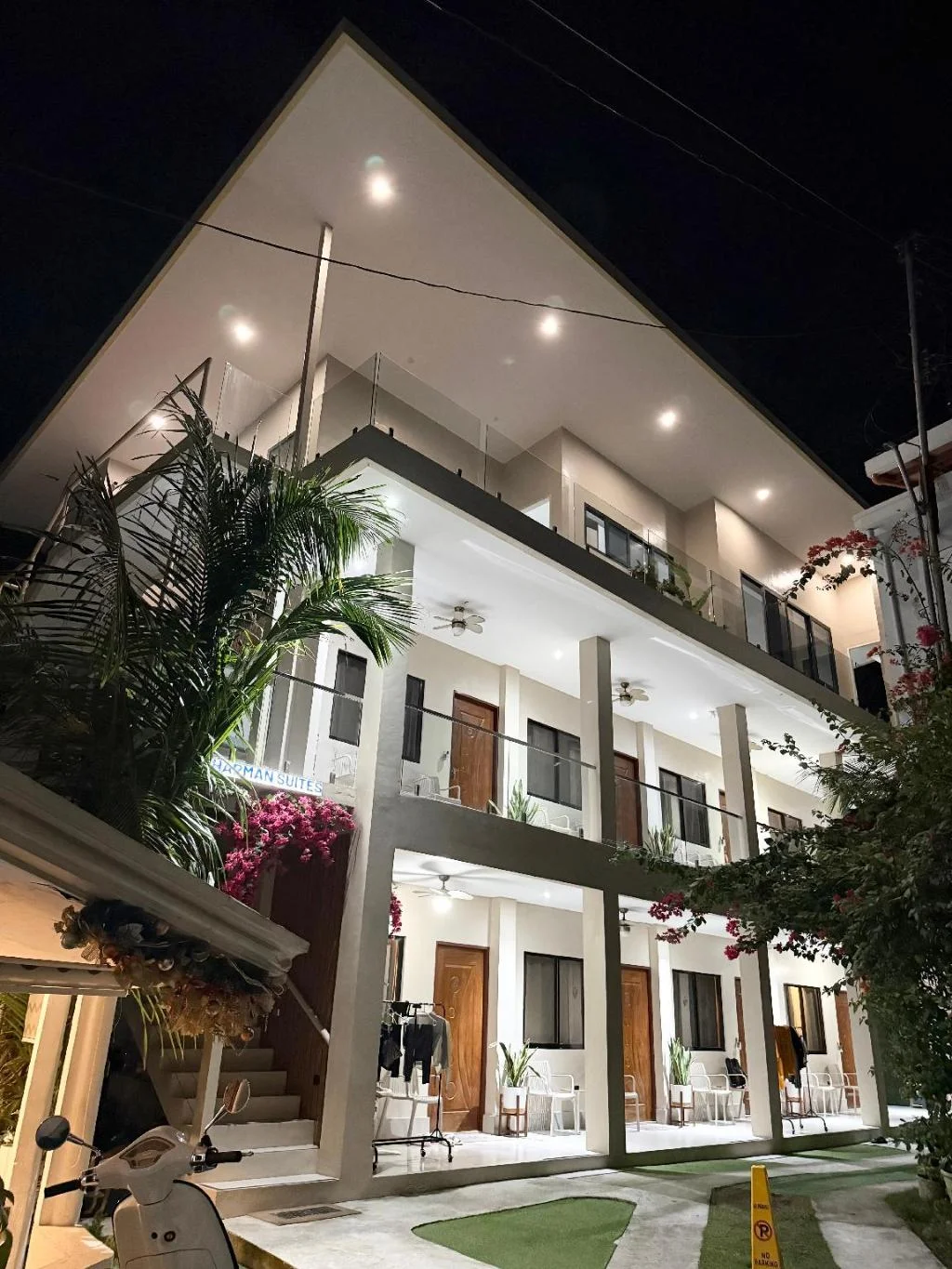
Harman Suites Moalboal
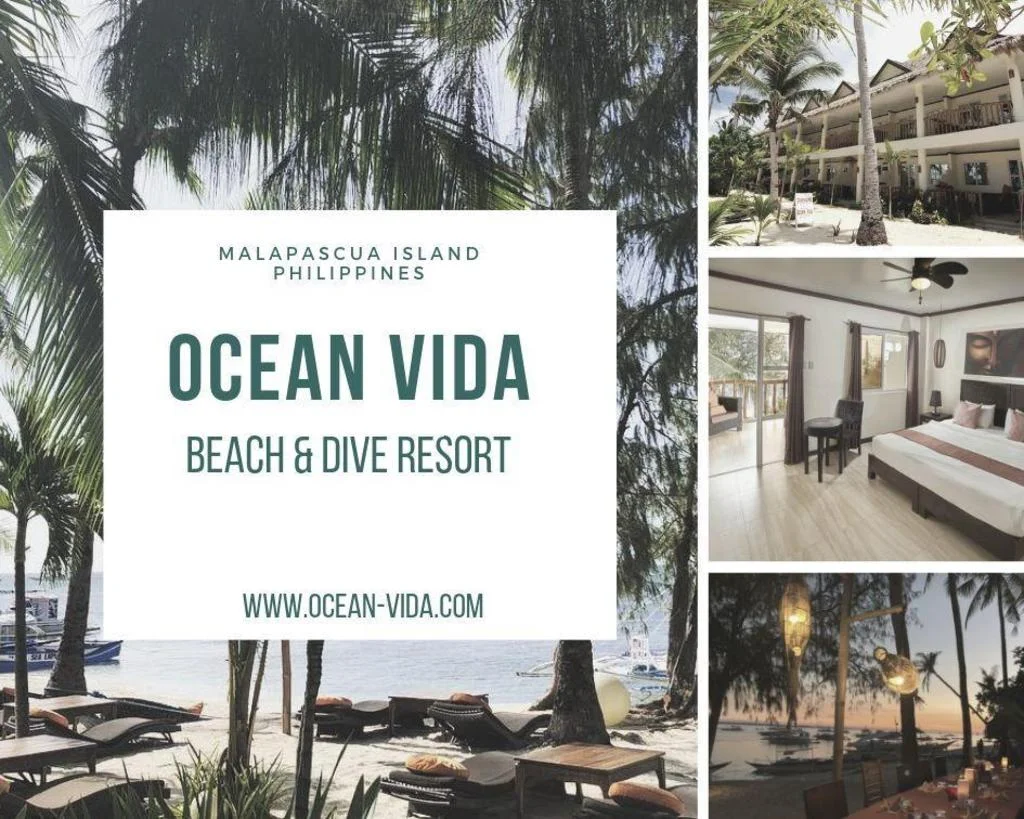
Ocean Vida Resort
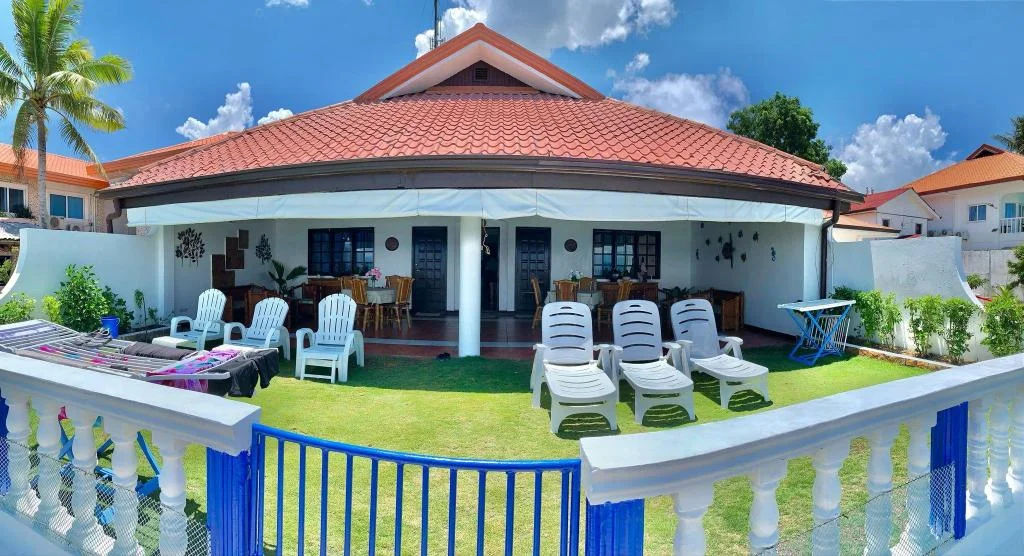
Il Sogno Resort
Prefer a rental? Vacation rentals near Moalboal
Self-catering condos and apartments — book the exact unit, kitchen included.
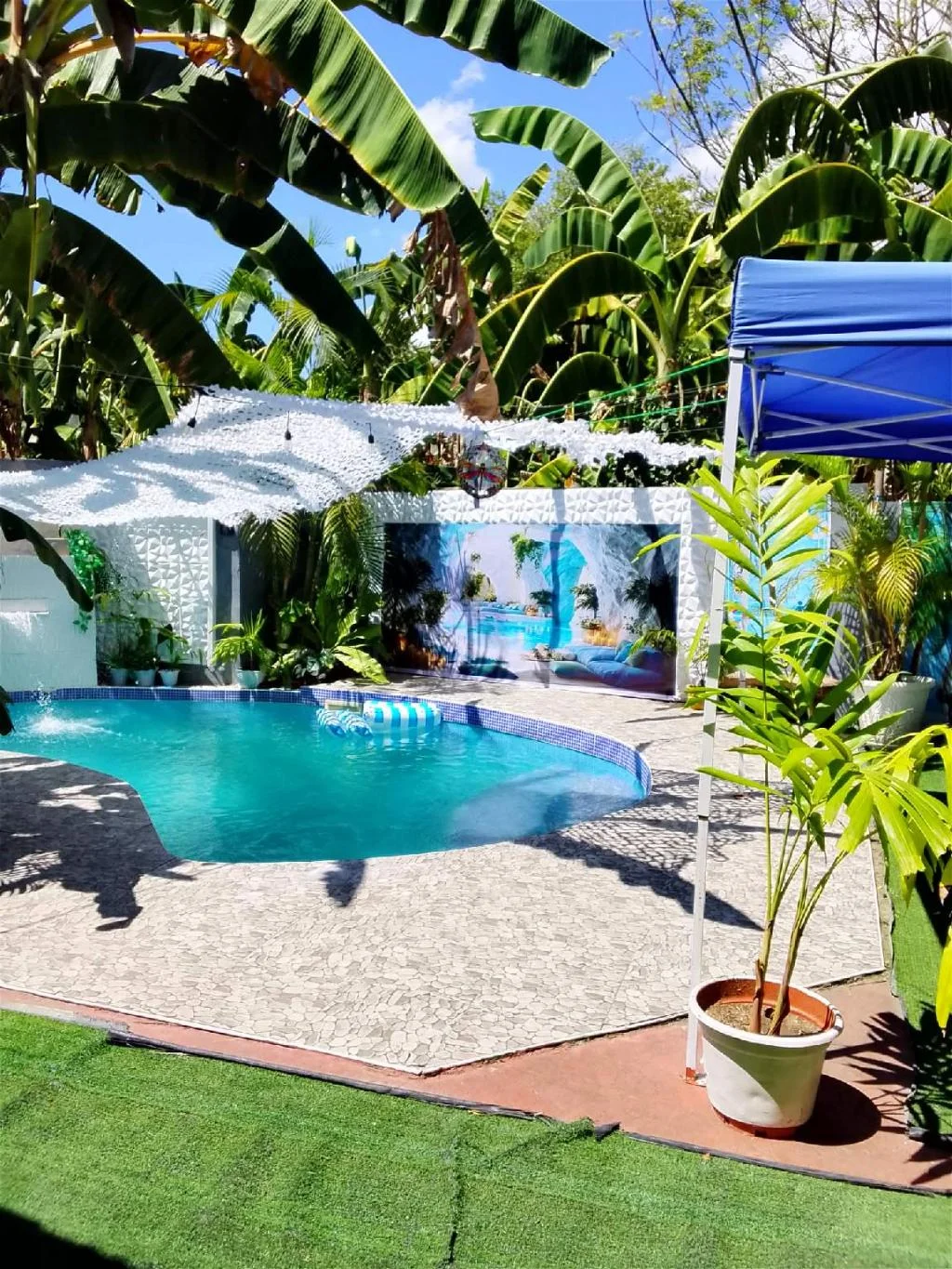
Two crazy monkeys
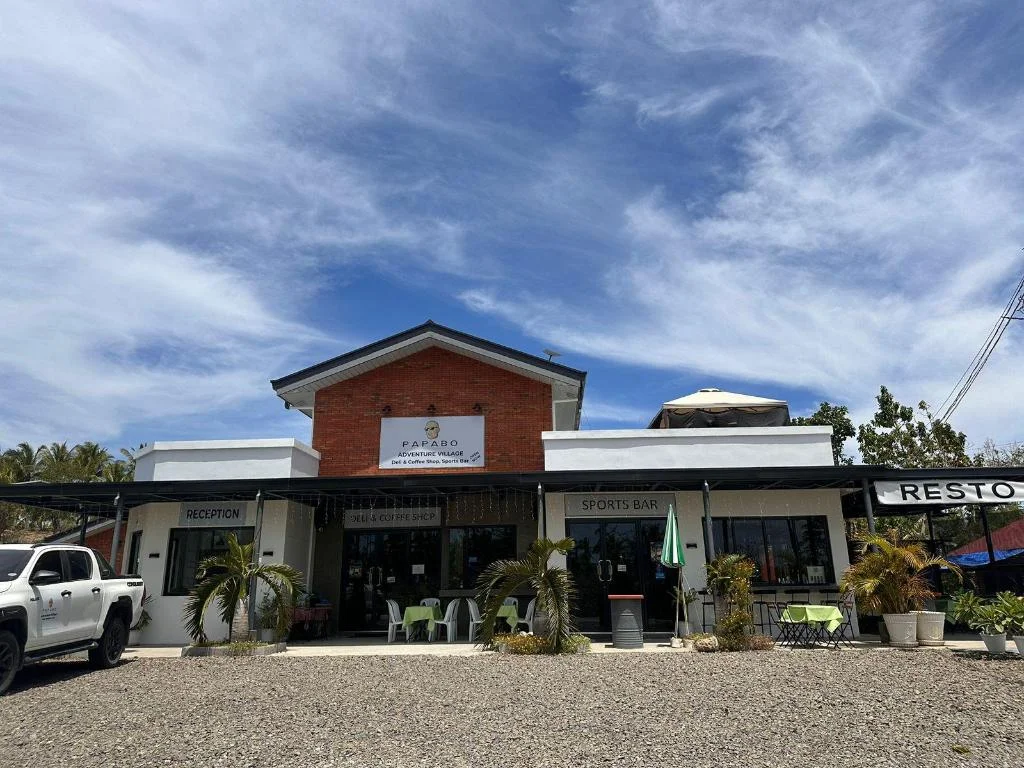
PAPABO Adventure Village
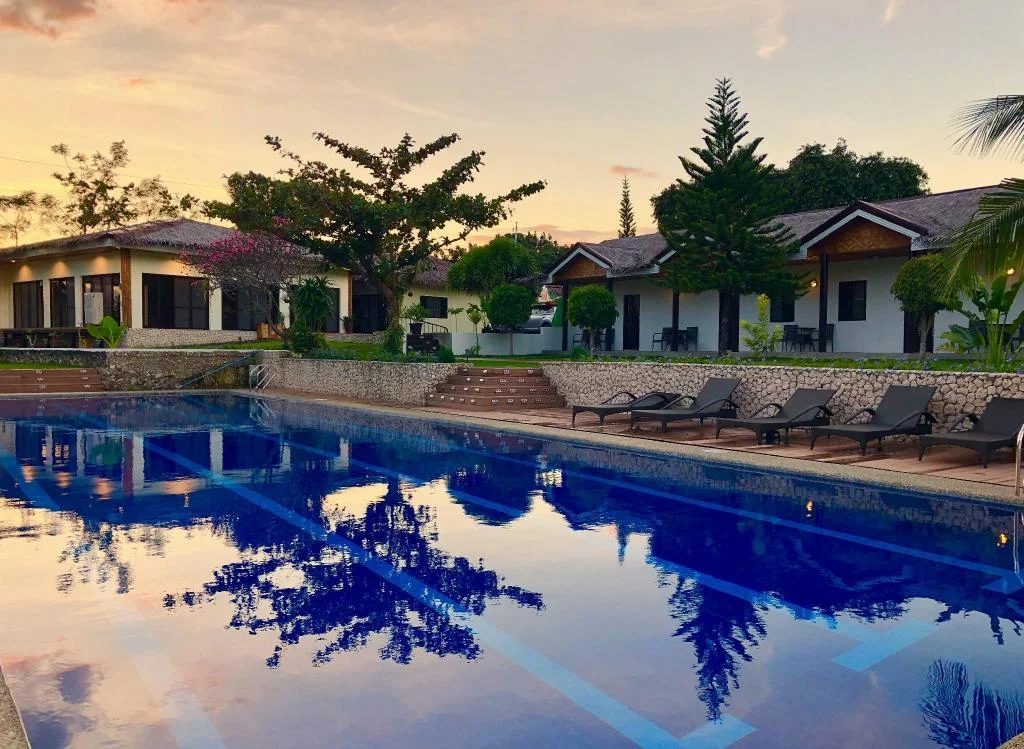
Casa de Moalboal
Before you go
Frequently asked
Do I need dive insurance in Cebu?
How much does DAN dive insurance cost?
Where is the nearest hyperbaric chamber to Cebu's dive sites?
How much does hyperbaric chamber treatment cost in Cebu?
Do I need advanced certification to dive with thresher sharks at Malapascua?
How long should I wait to fly after diving in Cebu?
Are the dive centers in Moalboal and Malapascua reputable?
What are the main things that go wrong on Cebu dive trips?
Is it safe to dive without a guide in Cebu?
More Places to Explore
Malapascua Island
Daanbantayan
A world-famous diving paradise known for thresher shark encounters, featuring beautiful white sand beaches and laid-back island vibes.
Moalboal Sardine Run
Moalboal
Swim with millions of sardines in one of the world's only year-round sardine runs, just meters from shore.