
TL;DR: Sumilon Island sits just off Oslob and is best known for its shifting white sandbar and one of the Philippines’ oldest marine sanctuaries (since 1974). Go the budget route with a public boat from Bancogon wharf (~₱1,500/US$26 per boat, up to 10 people, plus ₱50/US$1 per-person environmental fee), or book the all-inclusive Bluewater Sumilon Island Resort day pass (from ~₱4,247/US$73 per person, with lunch, transfers, and facilities). The sandbar is widest at low tide in the dry season (January–April) and can nearly disappear at high tide or in wetter months. Most visitors pair the crossing with Oslob’s whale sharks and Tumalog Falls as one long day trip. Verified July 2026.
Sumilon Island is a small, privately managed island a short boat ride off the coast of Oslob, at the very southern tip of Cebu. It’s known for two things: a sandbar that grows, shrinks, and sometimes moves entirely depending on the tide, and a marine protected area that’s been closed to fishing since 1974, one of the oldest in the country. This guide is for anyone weighing up whether to go the cheap-and-simple route with a public boat, or pay for the Bluewater Sumilon Island Resort day pass, and how to fold the island into an Oslob day trip that already includes whale sharks and Tumalog Falls. It’s a half-day stop, not a destination in itself, so plan it as part of a bigger southern Cebu itinerary rather than a dedicated trip.
Sumilon Island at a Glance
| Option | Price (per person unless noted) | What you get |
|---|---|---|
| Public boat, Bancogon wharf | ~₱1,500/boat (US$26), shared up to 10 pax | Round-trip crossing only, DIY sandbar and beach time |
| Environmental fee | ₱50 (US$1) | Island entrance fee, paid alongside the boat fare |
| Snorkel/marine sanctuary package | ~₱2,200 (US$38) | Gear and guided access to the sanctuary reef |
| Bluewater Sumilon day pass (via OTA) | from ~₱4,247 (US$73) | Round-trip transfer, buffet lunch, pool, kayaking, snorkeling gear |
| Whale shark + Sumilon sandbar combo tour | from ~₱2,100 (US$36) | Whale shark watching + Tumalog Falls + public-boat Sumilon crossing |
Prices vary by operator, season, and group size — confirm directly with the boatmen’s association at Bancogon, the resort, or your tour operator before paying. Verified July 2026.
How Do You Get to Sumilon Island?
You reach Sumilon by boat from Mainland Bancogon wharf in Oslob — there’s no other way in. Bancogon is a few minutes by tricycle or habal-habal from the main Oslob whale shark watching area, so most visitors combine the two stops in one trip south. Public outrigger boats leave Bancogon at 8:00 AM, 10:00 AM, 12:00 PM, and 2:00 PM, with the 10–15 minute crossing, and return at 9:00 AM, 11:00 AM, 1:00 PM, and 3:00 PM. If you’re booking the Bluewater Resort day pass instead, the resort runs its own scheduled transfers from Puerto Sumilon, typically operating between 8:00 AM and 3:00 PM.
Getting to Oslob itself takes real time: from Cebu City it’s roughly 3.5–4.5 hours by car via the South Coastal Road through Carcar, Barili, and Argao, or a similar stretch by bus from the South Bus Terminal. Because of the drive, almost nobody visits Sumilon as a standalone trip — it’s bolted onto a whale shark morning or an overnight in Oslob.
How Much Does It Cost to Visit Sumilon Island?
Expect to pay roughly ₱1,550 (US$27) per person for the bare-minimum public boat and entrance fee, or ₱4,000+ (US$70+) for the full Bluewater day pass. Going independently, the boat fare runs about ₱1,500 (US$26) per boat, split among however many people you’re traveling with (boats typically hold up to around 10 passengers), plus a flat ₱50 (US$1) per-person environmental fee collected on the island. If you want snorkel gear and guided access to the marine sanctuary arranged for you rather than freelancing it, tack on roughly ₱2,200 (US$38) more.
The Bluewater Sumilon Island Resort day pass, booked through platforms like Klook or Traveloka, starts around ₱4,247 (US$73) per person and bundles round-trip transfers, a buffet lunch with soft drinks, and use of the resort’s pool, kayaks, and snorkeling equipment. Rates shift by weekday versus weekend, and the resort adds a ₱500 per-person surcharge on major holidays. None of these numbers are fixed enough to treat as gospel — confirm the current rate with whichever operator or wharf you’re booking through before you hand over cash.
Public Boat vs. Bluewater Resort Day Pass — Which Should You Choose?
Go public if you want the sandbar and sanctuary cheaply and don’t mind bringing your own lunch; go Bluewater if you want a full resort day with food, a pool, and no logistics to manage. The public boat gets you to the same sandbar and the same marine sanctuary waters for a fraction of the price, but you’re on your own for food, shade, and gear, and you’re working around the fixed departure times from Bancogon.
The Bluewater day pass costs three to four times as much, but it removes almost every decision: transfers are scheduled, lunch is included, and you get access to areas of the island — the infinity pool, the resort’s own coves, guided cave and lagoon stops — that public-boat visitors don’t reach. If you’re short on time or traveling with kids who’ll want a pool break, the day pass earns its price. If you’re backpacking south Cebu on a budget, the public boat plus a packed lunch does the job.
Is the Marine Sanctuary Snorkeling Worth It?
Yes, for an easy, pretty snorkel — not for a bucket-list dive experience. Sumilon’s marine sanctuary has been off-limits to fishing since 1974, making it one of the oldest protected reefs in the Philippines, and the payoff is healthy coral cover and reef fish in calm, shallow water just off the beach. It’s beginner-friendly and a good fit for families or anyone snorkeling for the first time.
Set expectations correctly, though: it doesn’t have the density of marine life you’d get from the Moalboal sardine run or the thresher sharks off Malapascua. Treat Sumilon’s reef as a calm, scenic add-on to the sandbar visit, not the main event of your Cebu diving list.
When Does the Sumilon Sandbar Appear?
The sandbar is at its widest during low tide in the dry season, roughly January through April — at high tide or during the wetter months, it can shrink to almost nothing. Sumilon’s sandbar isn’t a fixed feature; it’s shaped by currents and tide, so the same spot that looks like a long white spit in one photo can be mostly underwater a few hours later. If a big, walkable sandbar is the reason you’re making the trip, check the tide schedule for your visit date and time your boat around low tide rather than just picking a convenient departure slot. Local boatmen and the resort staff can usually tell you same-day whether the sandbar is “out” or not.
Can You Combine Sumilon Island with Oslob Whale Sharks and Tumalog Falls?
Yes — this is how most people actually experience Sumilon, as the last stop on a long Oslob day trip. The typical sequence starts early: a dawn whale shark session at Oslob’s whale shark watching area, a stop to rinse off and cool down at Tumalog Falls, then the short transfer to Bancogon wharf for the Sumilon crossing in the late morning or early afternoon. Joiner tours packaging all three typically start around ₱2,100 (US$36) per person for the public-boat version of Sumilon, rising toward ₱3,500 (US$60) or more if you swap in the Bluewater resort day tour instead of the public boat.
Whale shark watching itself has its own fee structure — reported figures range from around ₱500 (US$9) for Filipino passport holders to ₱1,000 (US$17) for foreign visitors, though pricing has been inconsistent across sources and operators — so confirm the current whale shark fee separately when you book. For the whale shark portion specifically, see our full Oslob whale sharks guide.
How to Choose Your Sumilon Trip
- Tight budget, flexible schedule: public boat plus your own snorkel gear, packed lunch, and patience with the fixed departure times.
- Family day out, want zero logistics: Bluewater day pass — pool, buffet, and gear sorted for you.
- Whale sharks are the priority, Sumilon is a bonus: book a combo tour that bundles the whale shark session, Tumalog Falls, and the public-boat Sumilon crossing into one day.
- Sandbar photos are the whole point: check the tide chart and dry-season timing before you lock in any tour date.
Ready to book the crossing or the combo? Search Sumilon Island and Oslob tours on Klook to compare public-boat joiner tours against the Bluewater resort day pass, or browse Oslob accommodation on Agoda if you’re staying overnight to catch an early whale shark slot before the island.
The Honest Take
Sumilon is a genuinely nice half-day stop, not a must-see landmark — don’t build a whole southern Cebu trip around it. The sandbar photos you’ve seen online depend entirely on tide and season, so a badly timed visit can mean a thin strip of sand instead of the wide white spit in the marketing shots. The marine sanctuary is real and well-managed, but it’s a calm, easy snorkel rather than a world-class dive site, and the Bluewater day pass, while comfortable, is priced closer to a resort experience than a quick beach stop.
The honest move: treat Sumilon as the closing chapter of an Oslob day, not the headline. Do the whale sharks early to beat the crowds, cool off at Tumalog Falls, and let Sumilon be the relaxed final stretch — ideally timed around low tide so the sandbar is actually there when you arrive.
Combine It With the Rest of South Cebu
Pair Sumilon Island with the rest of Oslob’s compact sightseeing — the old Spanish-era Baluarte Watchtower is a five-minute stop worth the detour on your way to or from Bancogon wharf. If you’re staying overnight rather than day-tripping from Cebu City, see our guide to where to stay in Oslob and Bantayan, and if you’re driving down from the city, our Cebu City to Oslob guide covers the route, timing, and bus options in full.
Sources
- Bluewater Sumilon Island Resort — official site (accommodation, day pass inquiries)
- Klook — Bluewater Sumilon Day Pass listing (package inclusions, pricing)
- Island Trek Tours — Oslob whale shark and Sumilon combo tours (combo tour pricing, boat schedules)
- Boat fares, environmental fees, and sandbar/tide notes cross-checked against 2026 traveler reporting; confirm current rates with the Bancogon boatmen’s association or your operator before you go. Verified July 2026.
Book Tours & Hotels for This Trip
Find and book the best deals — prices and availability update in real time. Links open in a new tab.
Where to stay near Oslob
Top-rated hotels for this trip — tap through to check live rates.
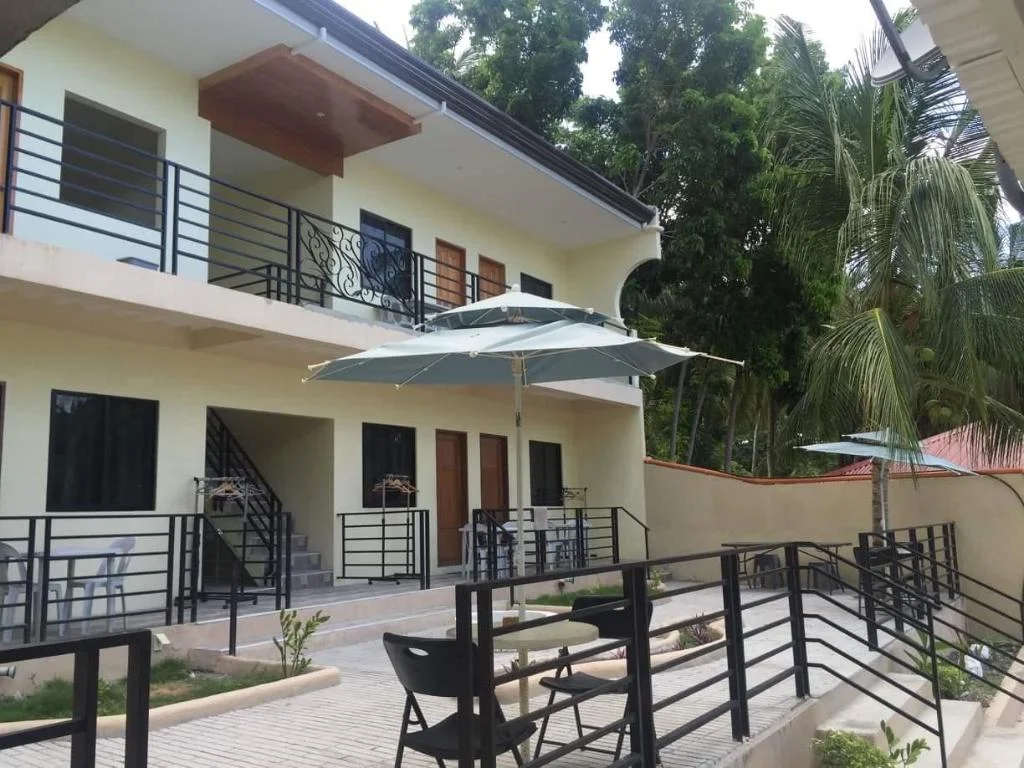
Joaquim's Lodge
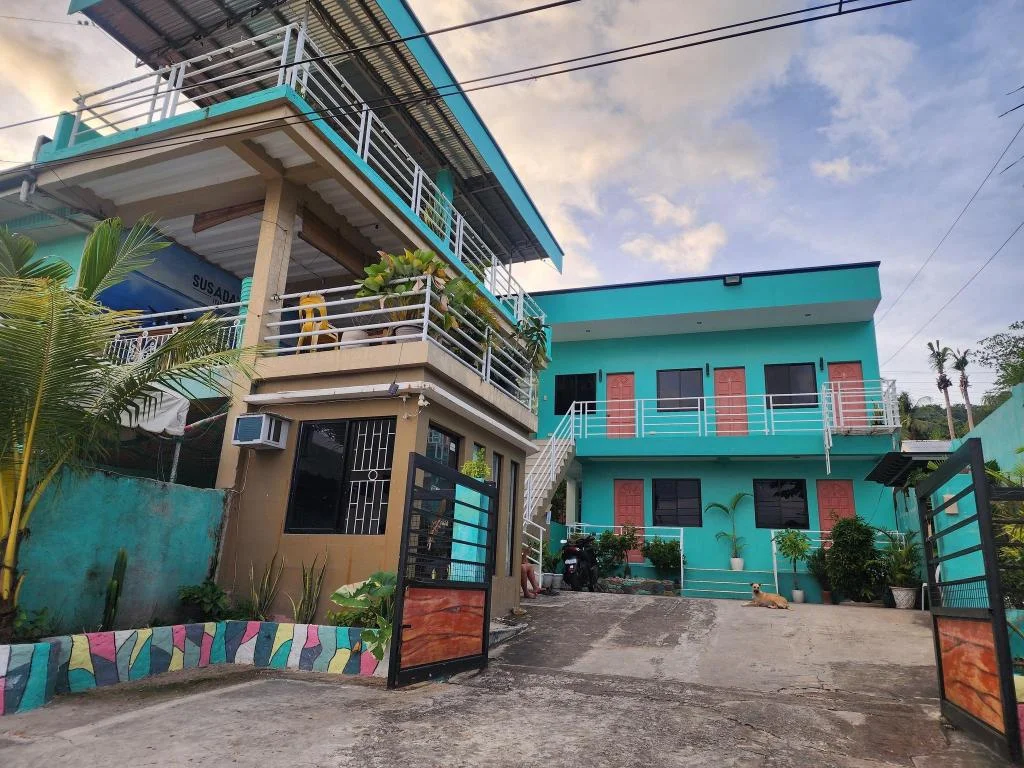
Susada's Inn
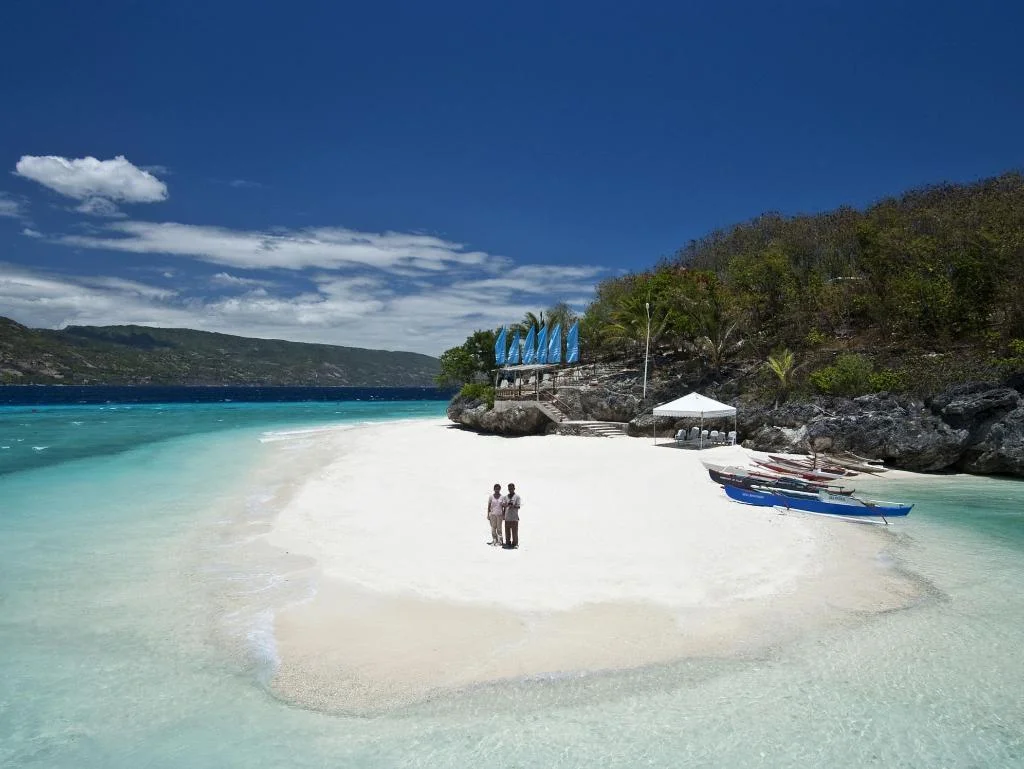
Bluewater Sumilon Island Resort
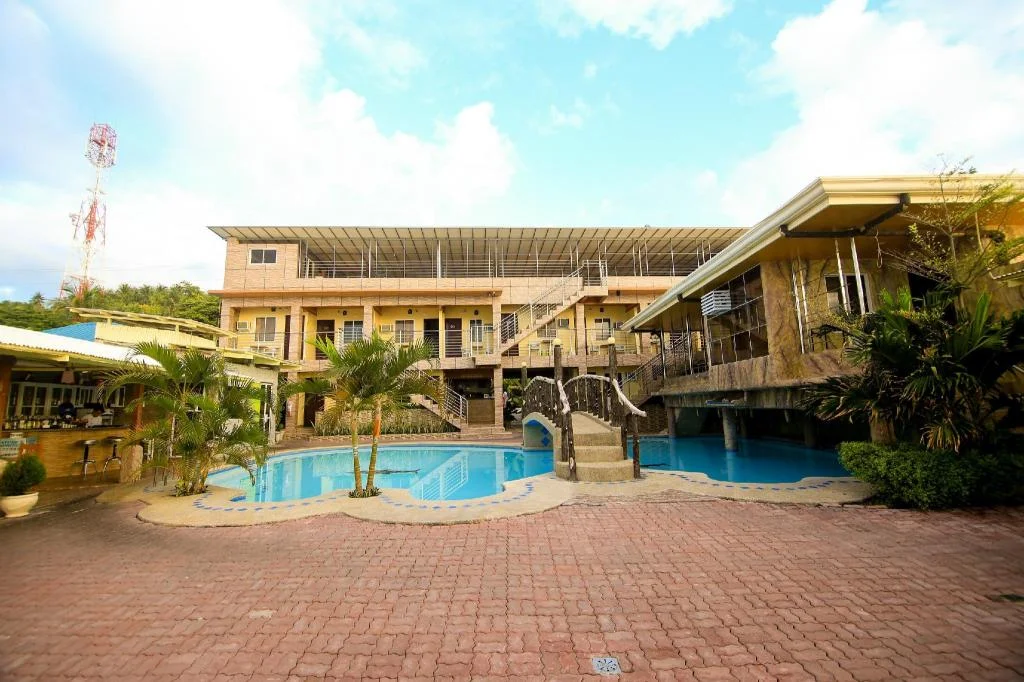
Ging-Ging Hotel & Resort
Prefer a rental? Vacation rentals near Oslob
Self-catering condos and apartments — book the exact unit, kitchen included.
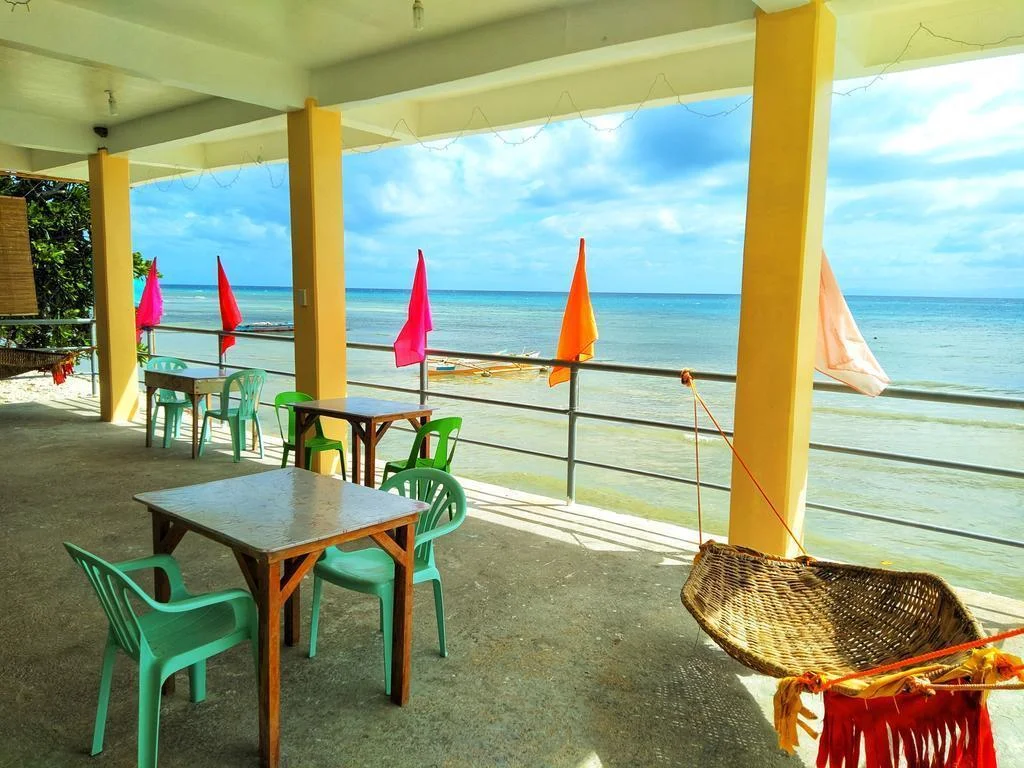
Ocean View Lodging House
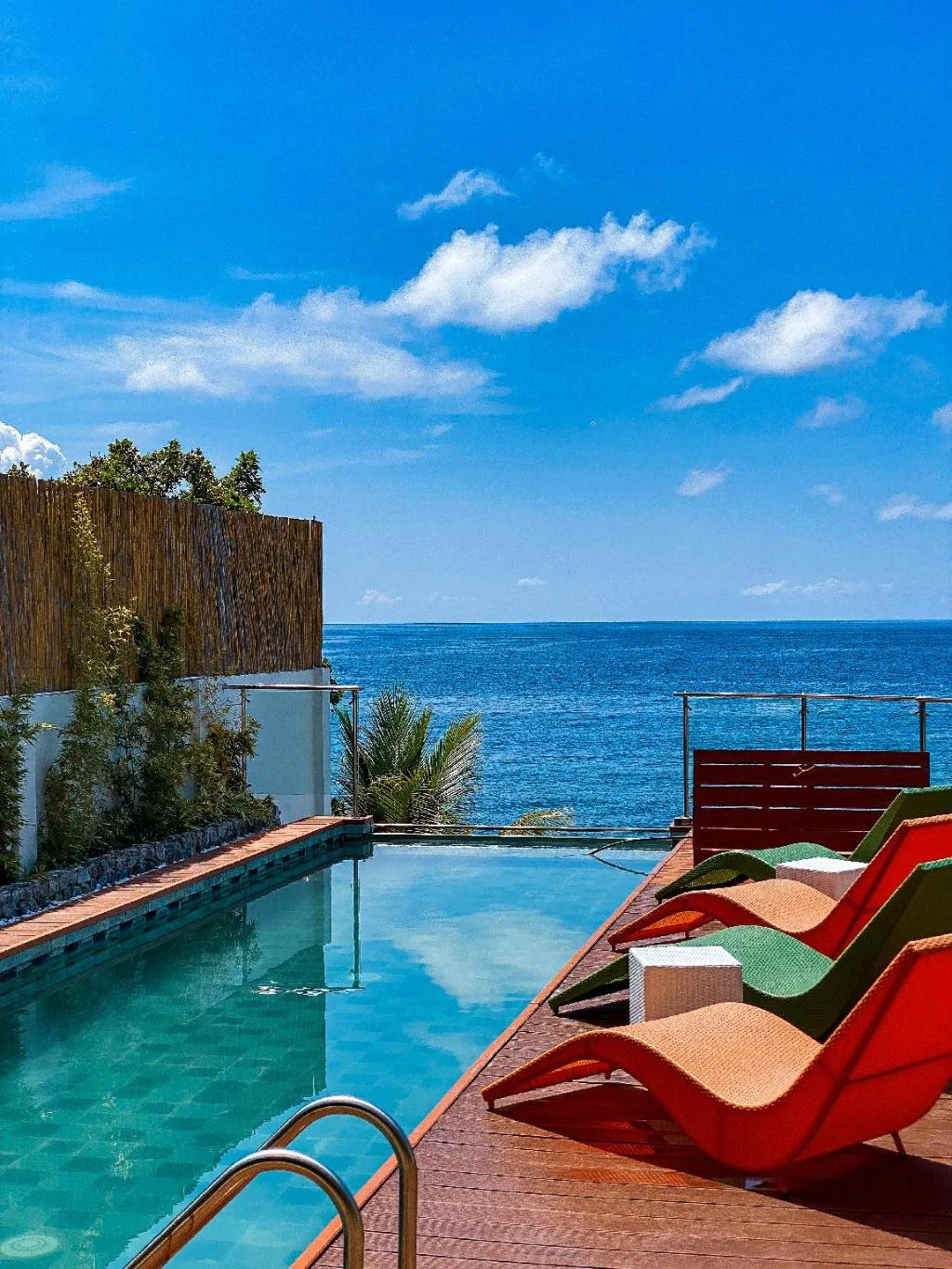
The South Hideaway Oslob
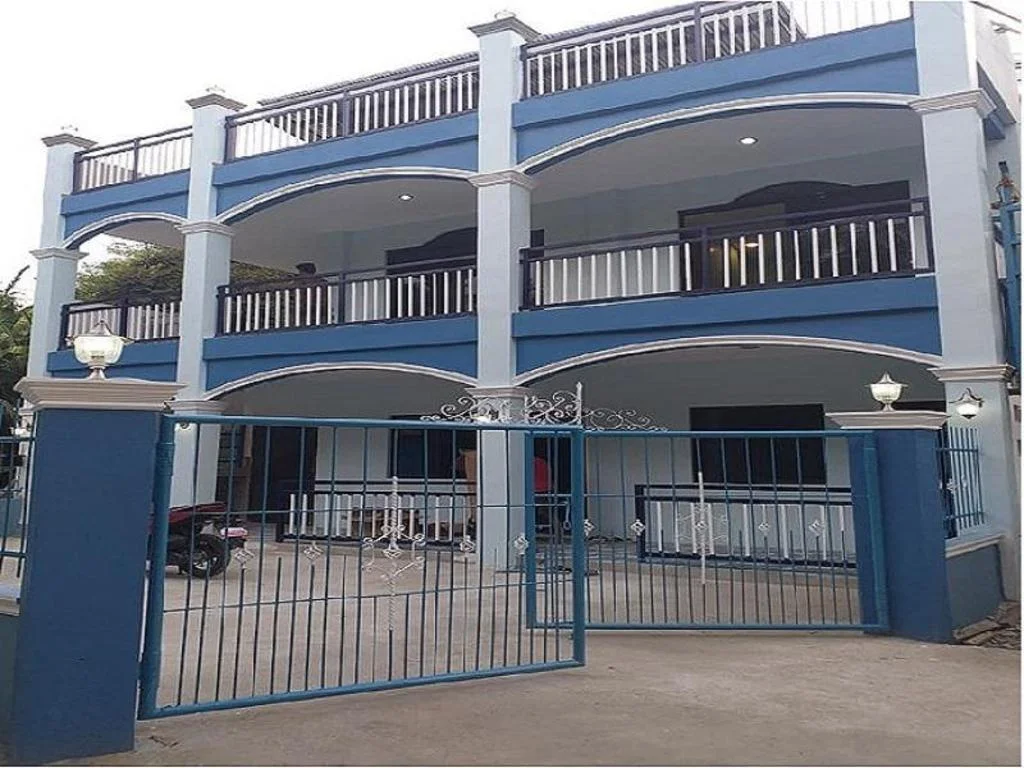
Azulea Family Deluxe 1 * own CR, shower, AC, TV
Before you go
Frequently asked
How much does it cost to visit Sumilon Island?
Is Sumilon Island the same as Bluewater Sumilon Resort?
How do you get to Sumilon Island?
Is the Sumilon sandbar always there?
Is the Sumilon Island marine sanctuary worth snorkeling?
Can you combine Sumilon Island with Oslob whale sharks and Tumalog Falls?
Should you do the public boat or the Bluewater day pass?
Do you need a guide or tour operator to visit Sumilon Island?
More Places to Explore
Sumilon Island
Oslob
A pristine coral island with a famous shifting white sandbar, excellent snorkeling, and the distinction of being the Philippines' first marine sanctuary.
Whale Shark Watching
Oslob
Swim alongside gentle whale sharks, the world's largest fish, in one of the few places where these magnificent creatures can be reliably encountered.
Tumalog Falls
Oslob
A spectacular curtain waterfall cascading down a moss-covered cliff into a shallow turquoise pool, creating a dreamlike natural retreat.
Baluarte Watchtower
Oslob
A 1788 Spanish watchtower built to defend against Moro raiders, now preserved as part of Oslob's heritage complex.