
TL;DR: Sumilon’s sandbar is a genuine shifting sandbar, not a fixed beach — it’s widest and whitest at low tide in the dry months (roughly November–May) and can shrink or partly submerge during the habagat rainy season (June–October). Visiting costs roughly ₱1,250–1,500 (US$22–26) for the Bluewater day-use entrance alone, or ₱2,000–4,600 (US$35–79) for an all-in tour with boat and lunch; a DIY public boat from Oslob plus the ₱50 environmental fee is the cheapest route in. Go at low tide, early morning or late afternoon, for the sand at its best. Verified July 2026.
Sumilon’s sandbar is the reason half the photos of Sumilon Island exist — a blade of pure white sand pointing out into turquoise water at the island’s northeastern tip, off the coast of Oslob in southern Cebu. What makes it different from a normal beach is that it isn’t fixed: the tide swallows and reveals it twice a day, and the season reshapes it over months, so the sandbar you see in a June Instagram post and the one you see in a February postcard can genuinely look like two different places. This guide is about the sandbar specifically — what makes it shift, when to see it at its biggest, what it costs to get there, and how to time your visit. For the rest of the island (the lagoon, the lighthouse trail, the resort, cliff-jumping), see the companion Sumilon Island guide — this one stays focused on the sand.
Sumilon Sandbar at a Glance
| Access option | What’s included | Approx. cost | Notes |
|---|---|---|---|
| Public banka from Oslob | Round-trip boat only | ~₱1,500 per boatload + ₱50/person environmental fee | Cheapest; split boat cost with your group; no resort facilities |
| Bluewater day-use pass | Resort side entrance, pool, trails (boat separate) | ₱1,250 nett weekday / ₱1,500 nett weekend, per adult | Direct from Bluewater Sumilon; kids 5–11 roughly ₱1,000–1,250 |
| All-in day tour package | Round-trip boat, lunch, sandbar/snorkel access | ₱2,000–4,600 (~US$35–79) per person | Via tour operators or Klook/Viator-style platforms; price swings with inclusions |
| Snorkeling add-on | Gear + reef access around the sandbar | ~₱2,200 where charged separately | Confirm whether your package already includes this |
Prices vary by operator, season, and whether you book direct or through a platform — confirm the exact figure when you book. Verified July 2026.
Why Does the Sandbar Shift?
It shifts because it’s built from loose sand sitting on a reef flat, not a permanent shoreline, so tide and current reshape it constantly. Twice a day the tide comes in and largely covers it; at low tide, the sand reappears as a walkable spit that can stretch a good distance into the water. Over longer stretches — weeks and months — the prevailing wind and current also nudge how much sand piles up and where, which is why the sandbar in dry season photos often looks fuller and whiter than it does in wet-season shots. None of this makes it unpredictable in a scary way — it’s a normal, well-documented feature of shallow reef-flat sandbars throughout the Visayas — but it does mean “when should I go” is a real question with a real answer, not just marketing copy.
When Is the Sandbar Biggest? Dry Season vs Rainy Season
The sandbar is generally at its widest and whitest during the dry, amihan-influenced months, roughly November through May, and at its smallest during the habagat rainy season from June through October. In the dry months, calmer seas and the northeast monsoon pattern tend to build up more exposed sand and keep the water clearer for photos and snorkeling. During the rainy season, stronger swells and runoff can flatten the sandbar, cloud the water, and in some conditions submerge more of it even at low tide. This tracks with the general best-time-to-visit pattern for southern Cebu generally — see our best time to visit Cebu guide for the province-wide breakdown — but the sandbar reacts to it more visibly than most beaches because there’s simply less sand mass buffering the change.
Within any given month, tide still matters more day-to-day than season. Check a tide table for Oslob before you go and aim to be on the island within an hour or two of low tide — that’s true in January just as much as in August, it’s just that January’s low tide will typically show you more sand than August’s will.
How Do You Get to the Sandbar?
You either book the Bluewater Sumilon day-use pass, which lands you on the resort side of the island, or you take a public banka from the Oslob mainland jump-off and walk or bike over. Bluewater Sumilon Island Resort controls the developed side of the island and the boats that run from its own dock; a day pass gets you the pool, the buffet-style lunch on weekends, and use of the trails, with the sandbar itself a short walk or bike ride away. The alternative is arranging your own outrigger boat from the public jump-off point near the Oslob whale shark area — cheaper, no facilities, but it puts you on the same sand.
Most travelers doing whale sharks and Sumilon in one day combine the two: an early whale shark session, then a boat over to Sumilon by mid-morning. If you’re planning the whole day, our Cebu City to Oslob guide covers the drive and timing, and the Oslob whale sharks guide covers the shark side of the morning in full.
Is the Sandbar Worth the Extra Trip?
Yes, if white-sand-bar photos and a genuinely good snorkel are on your list — it’s a short, low-effort add-on to an Oslob day that’s already worth doing for the whale sharks. The sandbar sits inside the Sumilon Marine Sanctuary, one of the country’s oldest marine protected areas, so the reef flat right off the sand has noticeably more fish than a typical resort beach. It’s not a full-day destination on its own unless you’re also doing the rest of the island — the lagoon, the lighthouse trail, the cliff jump — which is why most people book it as a half-day stop rather than a standalone trip.
Tips for Photos and Snorkeling
- Time it to low tide. This matters more than the season for any single visit — a high-tide arrival in peak dry season can still leave you with barely any exposed sand.
- Go early or late for light. Morning and late afternoon give softer light and a much cooler walk across open sand than midday.
- Bring your own snorkel mask if you have one. Rental gear exists on the island, but fit and condition vary, and having your own avoids a queue.
- Don’t step on live coral. The reef flat around the sandbar is part of a protected sanctuary — walk on sand, not coral, when wading out.
- Bring cash in small bills. Environmental fees, snacks, and any add-ons are typically cash-only.
The Honest Take
The sandbar photos you’ve seen online are real, but they’re not guaranteed — you can absolutely show up at high tide in October and find a thin sliver of wet sand instead of the postcard version. If the sandbar itself is your main reason for visiting Sumilon, check the tide table and lean toward the dry season (November–May) rather than booking blind. It’s also worth being honest that the Bluewater side of the island functions as a resort day-use product, so weekends can get crowded with day-trippers around the pool and lunch buffet — if you want a quieter sandbar experience, a weekday visit or the DIY public-boat route tends to feel less packaged. Skip it only if you’re extremely tight on time in Oslob and have to choose between it and the whale sharks — the sharks are the harder-to-replicate experience of the two.
Sources
- Bluewater Sumilon Island Resort — official day-use offer (day-use pricing and inclusions)
- Sumilon Island Day Tour — Island Trek Tours (package pricing, boat fares)
- Sumilon Island Cebu Travel Guide 2026 — Sugbo.ph (sandbar seasonality, marine sanctuary background)
- How to Visit Sumilon Island in Cebu — Jonny Melon (access routes, sandbar description)
- Prices and seasonal patterns cross-checked against multiple 2025–2026 tour-operator listings. Confirm current rates locally before you go. Verified July 2026.
Pair the sandbar with an early whale shark encounter for a full Oslob morning, or book straight through to Sumilon’s day tour options on Klook if you’d rather have the boat and lunch handled for you. If you’re basing yourself in Oslob for the night before an early sandbar run, compare Oslob accommodation on Agoda. For the rest of the island beyond the sand, head to our full Sumilon Island guide, and for more shifting and hidden sandbars around the province, see the best white-sand beaches in Cebu.
Book Tours & Hotels for This Trip
Find and book the best deals — prices and availability update in real time. Links open in a new tab.
Where to stay near Oslob
Top-rated hotels for this trip — tap through to check live rates.
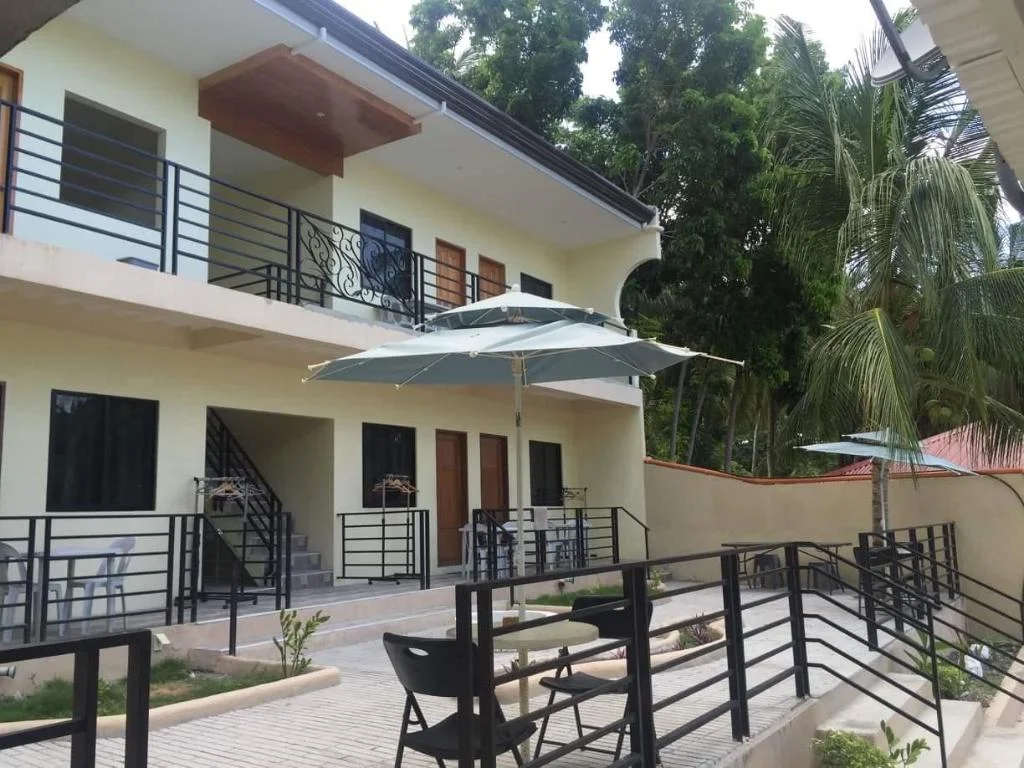
Joaquim's Lodge
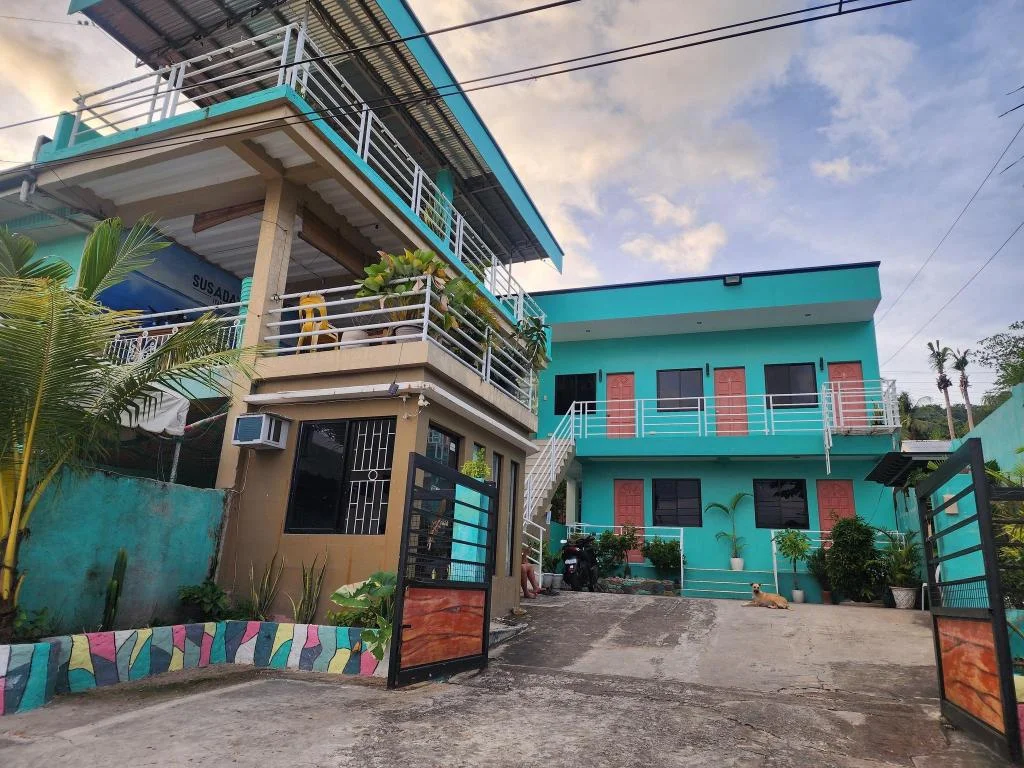
Susada's Inn
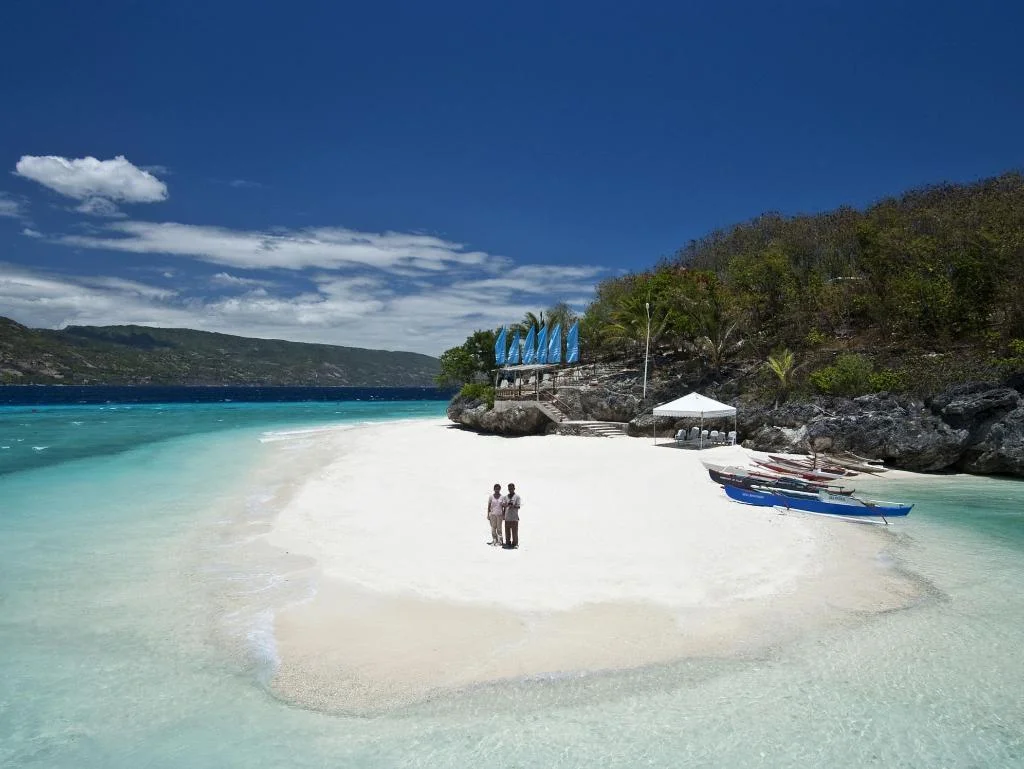
Bluewater Sumilon Island Resort
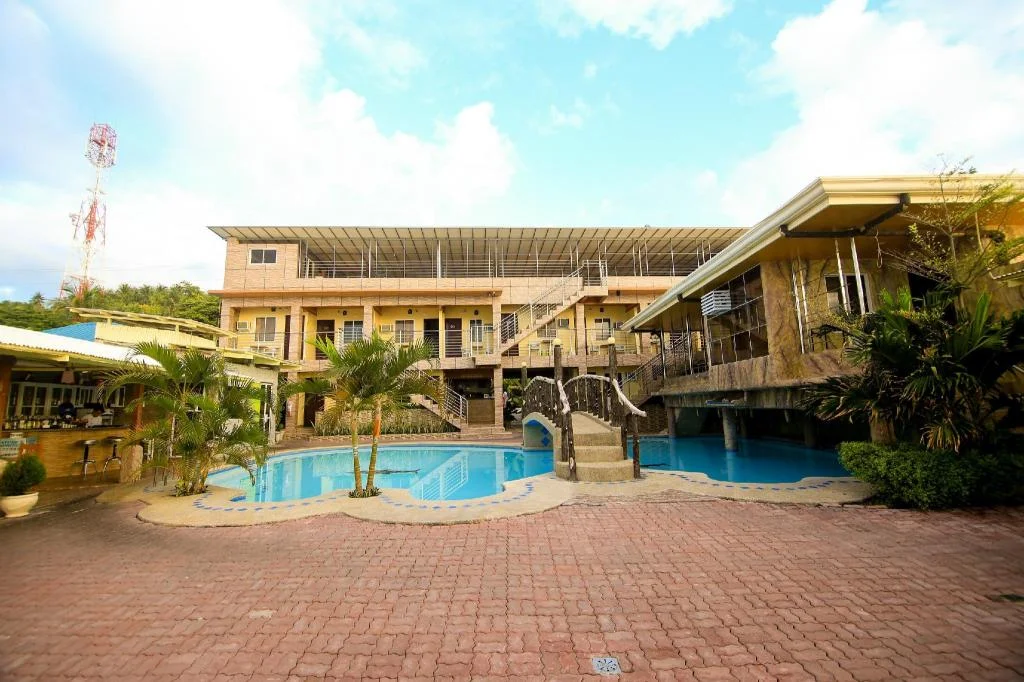
Ging-Ging Hotel & Resort
Prefer a rental? Vacation rentals near Oslob
Self-catering condos and apartments — book the exact unit, kitchen included.
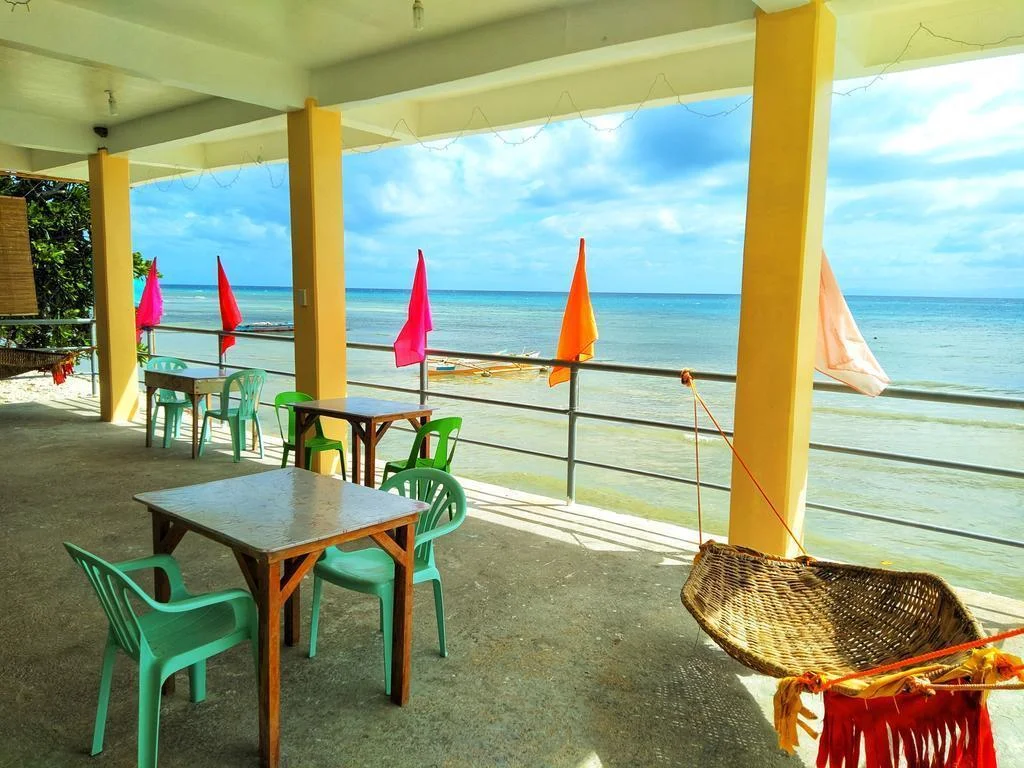
Ocean View Lodging House
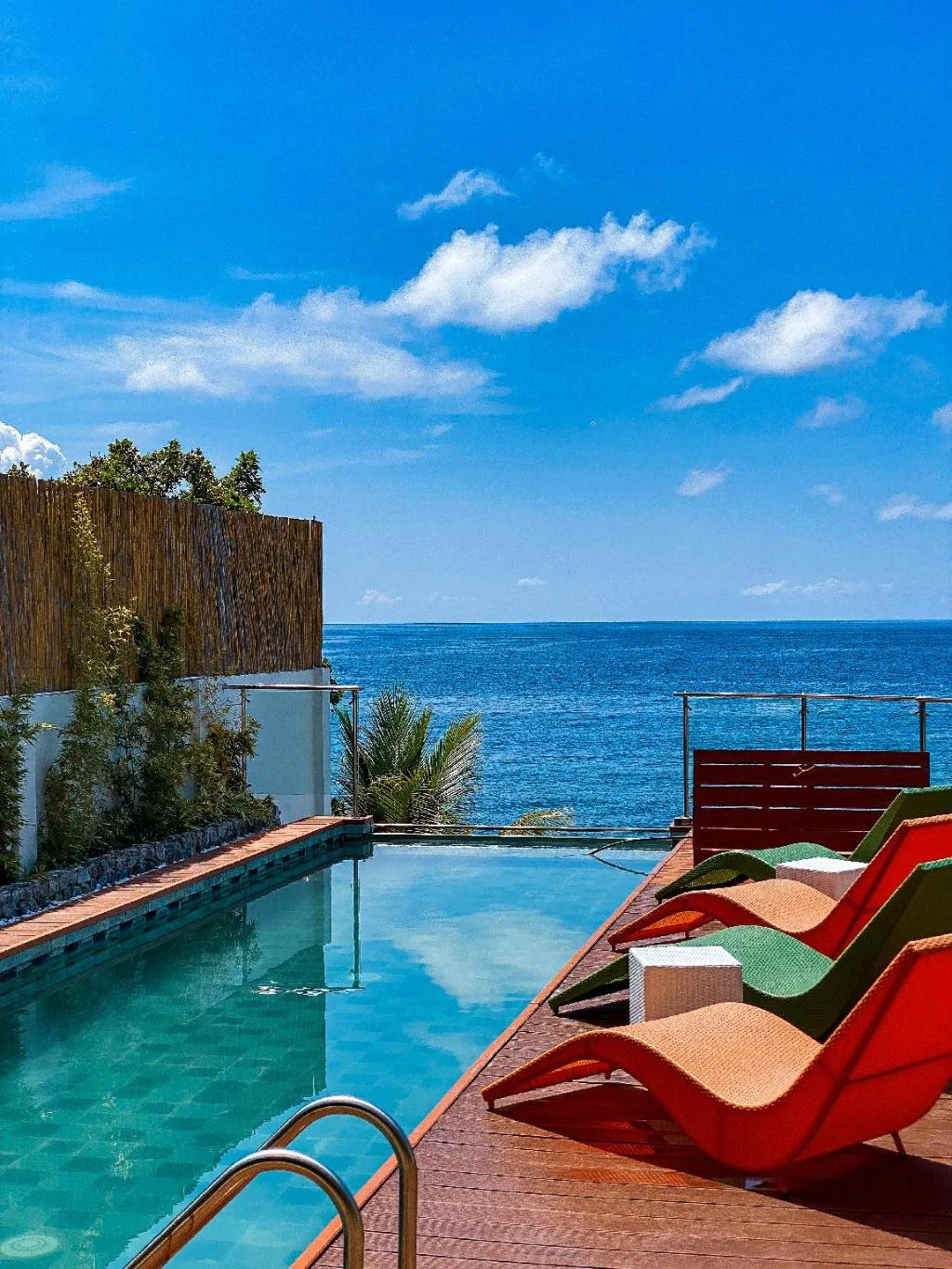
The South Hideaway Oslob
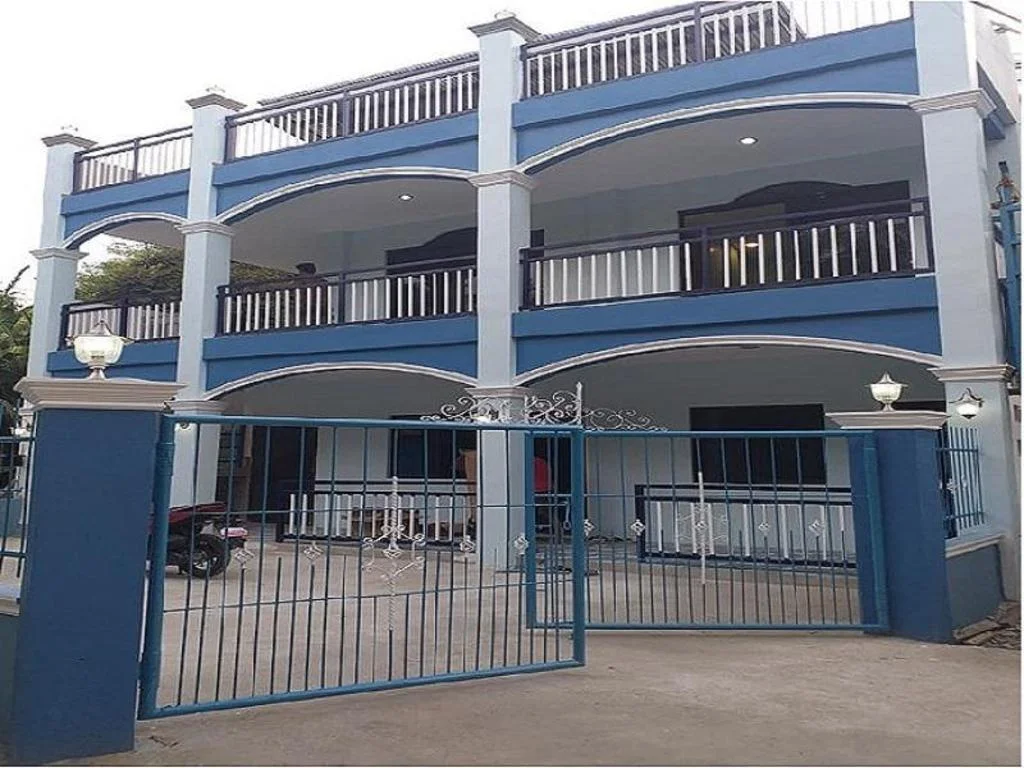
Azulea Family Deluxe 1 * own CR, shower, AC, TV
Before you go
Frequently asked
Is the Sumilon sandbar always visible?
Does the sandbar really move position?
How much does it cost to visit the Sumilon sandbar?
Do you need to book through Bluewater Resort to see the sandbar?
What's the best time of day and year to photograph the sandbar?
Can you snorkel around the sandbar?
How does the sandbar compare to the rest of Sumilon Island?
Is Sumilon sandbar worth combining with whale shark watching in Oslob?
More Places to Explore
Sumilon Island
Oslob
A pristine coral island with a famous shifting white sandbar, excellent snorkeling, and the distinction of being the Philippines' first marine sanctuary.
Whale Shark Watching
Oslob
Swim alongside gentle whale sharks, the world's largest fish, in one of the few places where these magnificent creatures can be reliably encountered.
Tumalog Falls
Oslob
A spectacular curtain waterfall cascading down a moss-covered cliff into a shallow turquoise pool, creating a dreamlike natural retreat.