
TL;DR: Cebu is a day-boat diving destination, not a liveaboard hub. A handful of operators (Philippines Aggressor, Infiniti, Gypsy, Seadoors, Dolphin Philippines) run 6-10 night Visayas itineraries touching Bohol and sometimes Negros. Per-night rates run ₱14,800-22,800 (US$255-394), so a full trip lands around ₱89,000-228,000 (US$1,530-3,940). Land-based beats liveaboard on cost for Cebu-only sites. Verified July 2026.
Search “liveaboard diving Cebu” and you’ll find real listings, but the honest answer is that Cebu isn’t a liveaboard destination the way Palawan’s Tubbataha Reef or Indonesia’s Raja Ampat are. Nearly all diving here — Malapascua’s thresher sharks, Moalboal’s sardine run, Mactan’s house reefs — runs as land-based day trips from a resort. What does exist is a small set of multi-night boats that depart from or route through Cebu City, Malapascua, or Moalboal, using Cebu as one stop on a wider Visayas route that picks up Bohol’s Balicasag and Cabilao islands and, occasionally, Negros’ Apo Island. This guide covers which operators actually run these trips, what they cost, and when a land-based multi-stop trip beats paying for a boat cabin.
Visayas Liveaboards at a Glance
| Boat | Rating (liveaboard.com) | From (per night) | Approx. US$ |
|---|---|---|---|
| Gypsy | 9.6/10 | ₱16,478 | ~$284 |
| Infiniti | 9.3/10 | ₱17,185 | ~$296 |
| Philippines Aggressor II | 9.0/10 | ₱22,843 | ~$394 |
| Philippines Aggressor | 8.8/10 | ₱22,277 | ~$384 |
| Seadoors | 8.6/10 | ₱14,781 | ~$255 |
| Dolphin Philippines | 8.5/10 | ₱20,156 | ~$348 |
Per-night starting rates as listed on liveaboard.com; actual trip price depends on itinerary length (typically 6-10 nights), cabin type, and season. Verified July 2026.
Do Liveaboards Actually Run Out of Cebu?
Yes, a small number of real operators do, but they’re Visayas-wide trips that use Cebu as a stop, not Cebu-specific cruises. Boats currently listed for the region — Philippines Aggressor, Philippines Aggressor II, Infiniti, Gypsy, Seadoors, and Dolphin Philippines — depart from or route through Cebu City, Malapascua, Moalboal, or Dumaguete depending on the specific itinerary and season. That’s a genuinely different model from the resort-and-day-boat setup that most Cebu diving runs on, and it’s worth being clear-eyed about before you book: you’re paying for a multi-region trip, not a dedicated deep dive into Cebu’s own sites.
What Does a Typical Visayas Route Actually Cover?
A standard itinerary runs from Cebu north to Malapascua, then south through the Cebu Strait to Bohol, finishing along Cebu’s southern coast at Moalboal. Departing Cebu, boats typically head north toward Gato Island and Malapascua first, where divers get the thresher sharks of Monad and Kimud Shoal along with Gato’s sun-lit swim-throughs. From there, the route usually runs south through the Cebu Strait, picking up Cabilao and the marine sanctuary at Balicasag in Bohol. The itinerary then curves around Cebu’s southern coast and heads toward Moalboal, known for its coral walls just meters from shore and the sardine run that hugs Panagsama Beach, with a stop at Pescador Island for its swim-throughs and coral gardens. Some operators extend the loop further to Apo Island and Dauin off Negros. The upshot: you’re getting a genuine tour of the central Visayas, with Cebu’s two headline sites as part of a longer chain, not the whole trip.
How Much Does a Visayas Liveaboard Cost?
Plan on roughly ₱89,000-228,000 (about US$1,530-3,940) per person for a full 6-10 night trip, based on current per-night starting rates across the operators above — before international or domestic flights, gear rental if you don’t own your own, and any single-cabin supplement. That’s several multiples of what the same number of dive days would cost booked land-based through Moalboal or Malapascua dive shops, which is the trade-off you’re paying for: no packing between stops, access to a few sites a day boat genuinely can’t reach comfortably, and a set, guided schedule for the whole trip.
What Experience Level Do You Need?
Most operators ask for Open Water certification with 10-20 logged dives; some routes want Advanced Open Water and 50-plus dives. The exact requirement depends on the specific boat and itinerary — a trip that spends more time at Malapascua’s current-exposed sites or Bohol’s deeper walls will typically set a higher bar than one weighted toward Moalboal’s gentler reefs. Confirm directly with the operator before booking, and be honest about your logged dive count; boats run a fixed schedule and can’t slow down for an underprepared diver the way a flexible day-boat shop can.
When Does a Land-Based Dive Safari Beat a Liveaboard?
If Cebu’s own sites are actually what you want — thresher sharks, the sardine run, Pescador’s wall — a land-based, resort-to-resort trip almost always wins on cost and focus. Basing yourself in Moalboal for a few days, then transferring to Malapascua for the thresher shark dawn dive (or the reverse), lets you dive exactly the two sites Cebu is famous for without paying liveaboard rates for the nights spent transiting toward Bohol or Negros. Our Cebu diving overview covers how that combination trip actually works, transfer times included. A liveaboard earns its price when you specifically want Bohol’s Balicasag and Cabilao, or Negros’ Apo Island and Dauin, folded into the same trip without booking each leg separately — that’s a genuinely different, broader goal than “I want to dive Cebu.”
The trade-offs run both ways. A liveaboard removes the multi-hour road transfers between Moalboal and Malapascua that a land-based trip requires, and gets you to sites like Balicasag that aren’t a realistic day-trip add-on from either base. A land-based safari costs less, lets you change plans day to day, and doesn’t require you to be comfortable sleeping and living on a boat for close to a week. Neither is objectively better — match the choice to what you actually want to see and how much flexibility matters to you.
What’s Included on a Visayas Liveaboard, and What Isn’t?
Meals, cabin accommodation, guided dives, and tank fills are standard inclusions on nearly every liveaboard worldwide, including the Visayas boats above — nitrox, alcohol, marine park fees, and crew gratuities usually aren’t. Read the specific boat’s inclusions list line by line before comparing prices across operators, since a lower per-night rate sometimes hides a longer list of add-on fees. If you dive nitrox, ask whether it’s included or a paid surcharge — on a 6-10 night trip with three or four dives a day, that surcharge adds up fast. Bring your own dive computer, a save-a-dive spares kit, and motion sickness medication if you’re at all prone to it; unlike a day boat where a rough hour is easily shrugged off, a full week on the water without effective seasickness management is a genuinely miserable trip.
How Far Ahead Should You Book a Visayas Liveaboard?
Further than most divers expect — well-rated boats with limited cabins on a fixed 6-10 night rotation fill up months ahead for peak season dates, particularly around dry-season months when sea conditions are calmest for the Malapascua crossing and the Bohol leg. If your travel dates are fixed and you’re set on a specific boat rather than whichever one has space, start looking and messaging operators as early as you can rather than assuming a same-month booking will be available. Confirm the operator’s cancellation and rescheduling policy too — a lost cabin week is a bigger financial hit than a missed land-based dive day, since the whole trip is pre-paid and scheduled around fixed departure dates rather than bookable day by day.
The Honest Take
Cebu gets called a “liveaboard destination” in some search results and roundup articles, and that’s an overstatement. The real diving economy here is land-based, resort-and-day-boat, and it’s built that way because the two headline experiences — thresher sharks and the sardine run — are both close enough to shore that a boat cabin adds cost without adding much you can’t get from a good land-based itinerary. The liveaboards that do exist are legitimate, well-rated operations, but they’re selling a broader Visayas trip, not a deeper look at Cebu specifically. Book one if Bohol and Negros are genuinely on your list alongside Cebu and you’d rather not arrange three separate legs. Skip it, and save real money, if Cebu’s own sites are the actual goal.
Plan the Rest of Your Dive Trip
If a land-based trip through Cebu’s own sites is the better fit, start with our full Cebu diving guide for how to sequence Moalboal and Malapascua, and compare dive-friendly stays in Moalboal on Agoda. If you do want to look at a Visayas liveaboard, browse current Cebu and Visayas diving packages on Klook alongside the operators listed above, and confirm cabin availability and season directly with the boat before committing.
Sources
- LiveAboard.com — 8 Liveaboards in Visayas, Philippines (operators, itinerary routes, per-night pricing, dive site coverage)
- LiveAboard.com — 13 Liveaboards in Philippines (broader Philippines liveaboard context)
- ZuBlu Diving — Top Liveaboard Itineraries in the Philippines
- Verified July 2026.
Book Tours & Hotels for This Trip
Find and book the best deals — prices and availability update in real time. Links open in a new tab.
Where to stay near Moalboal
Top-rated hotels for this trip — tap through to check live rates.
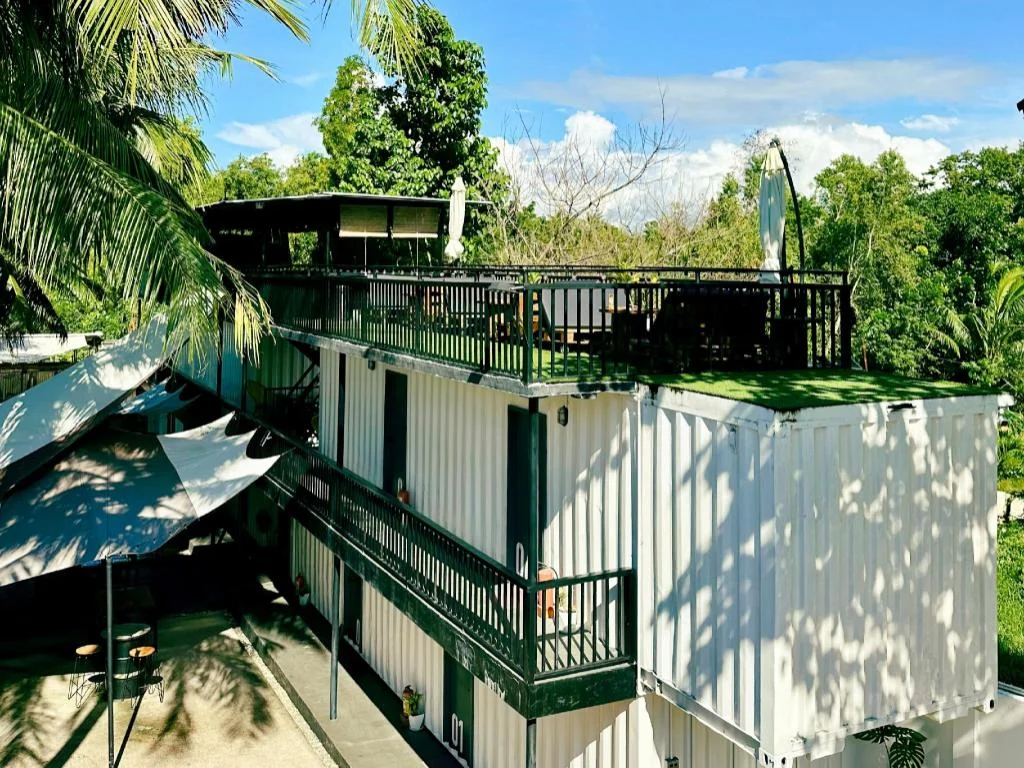
PIG DIVE HOSTEL MOALBOAL
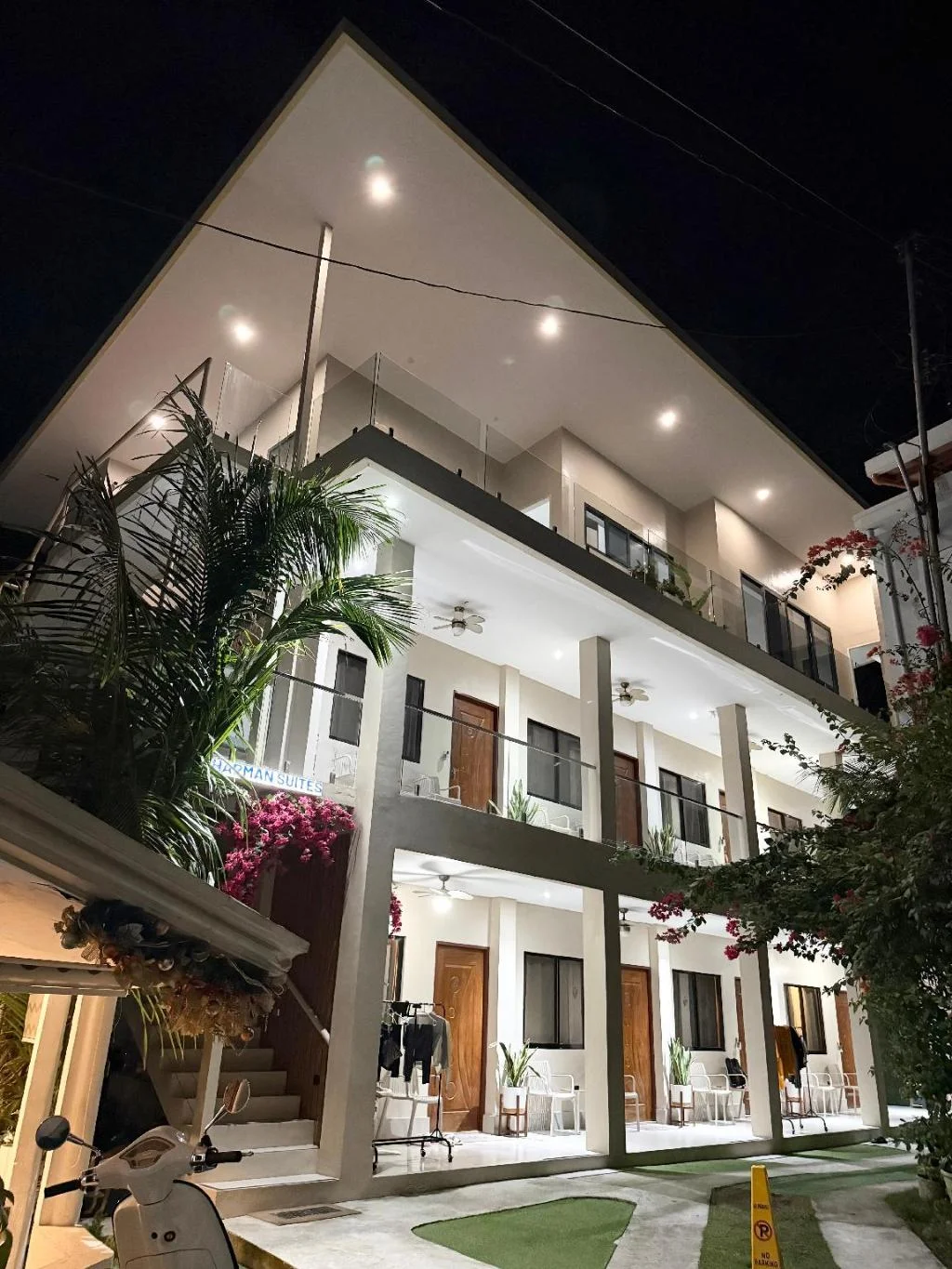
Harman Suites Moalboal
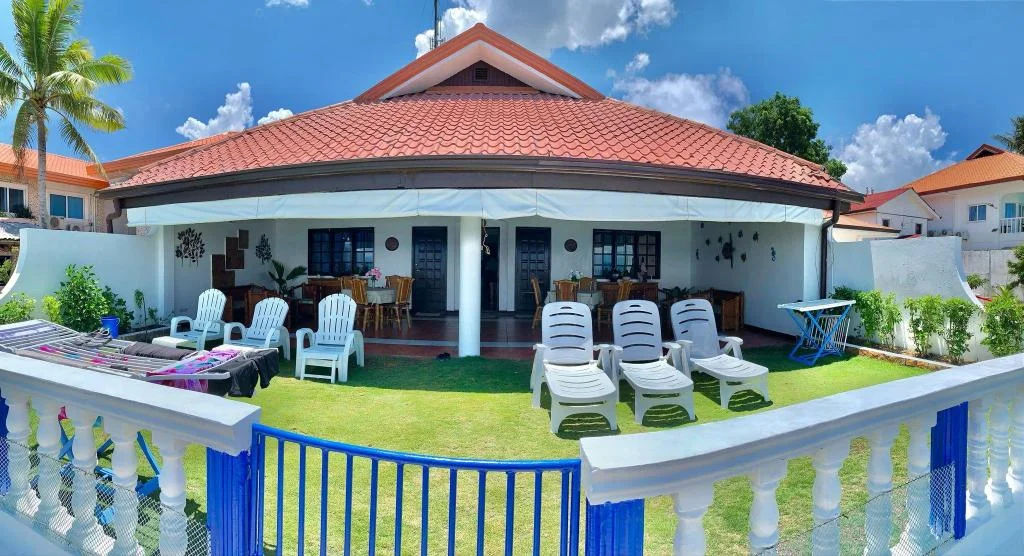
Il Sogno Resort
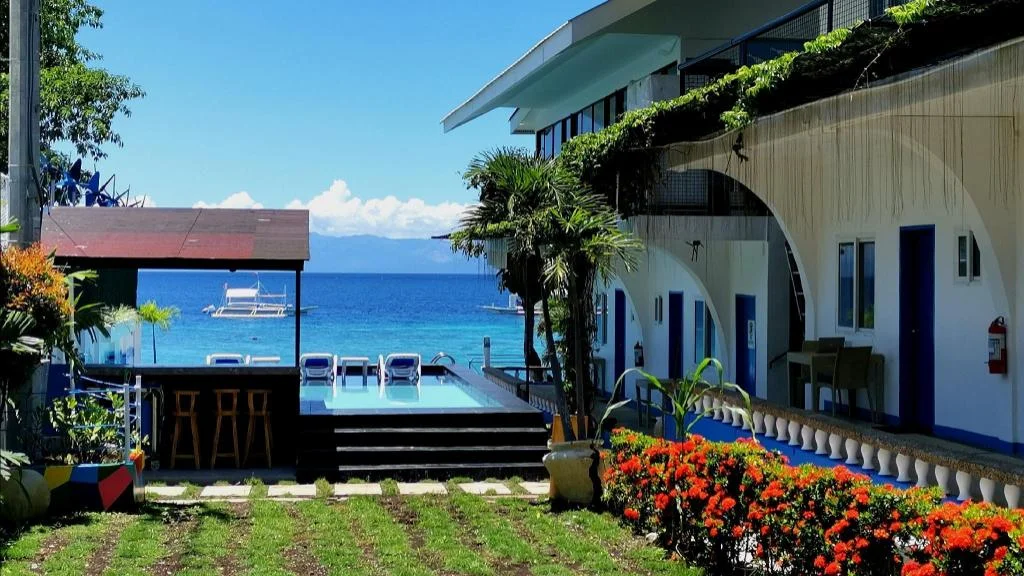
Pescadores Suites Moalboal
Prefer a rental? Vacation rentals near Moalboal
Self-catering condos and apartments — book the exact unit, kitchen included.
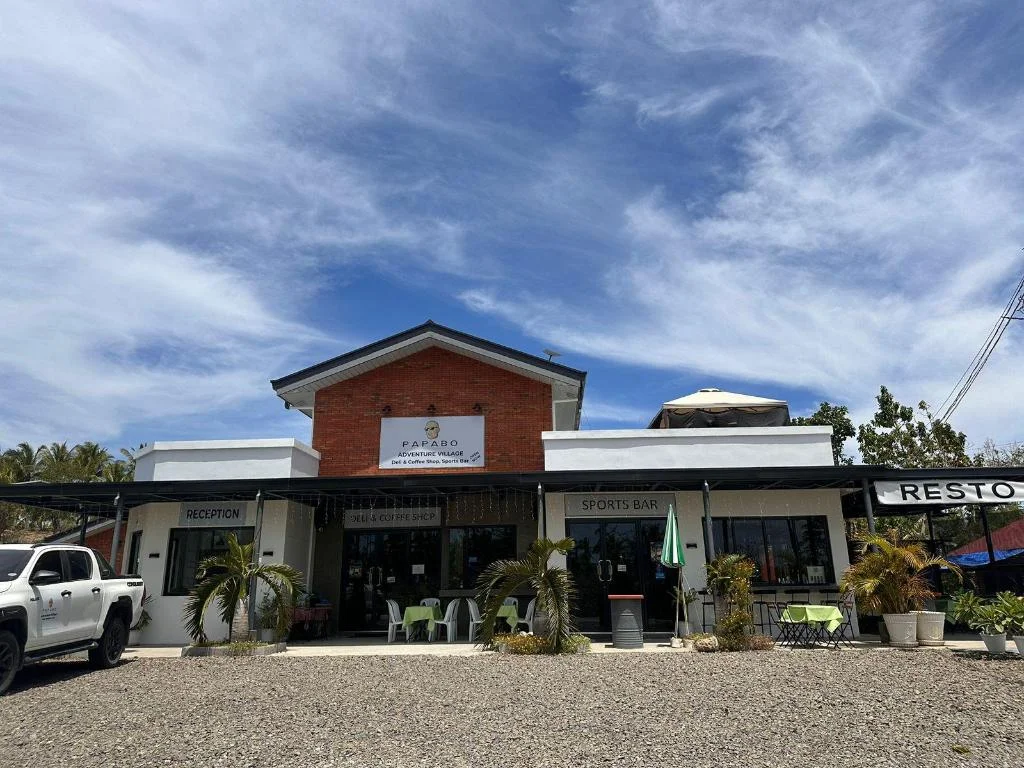
PAPABO Adventure Village
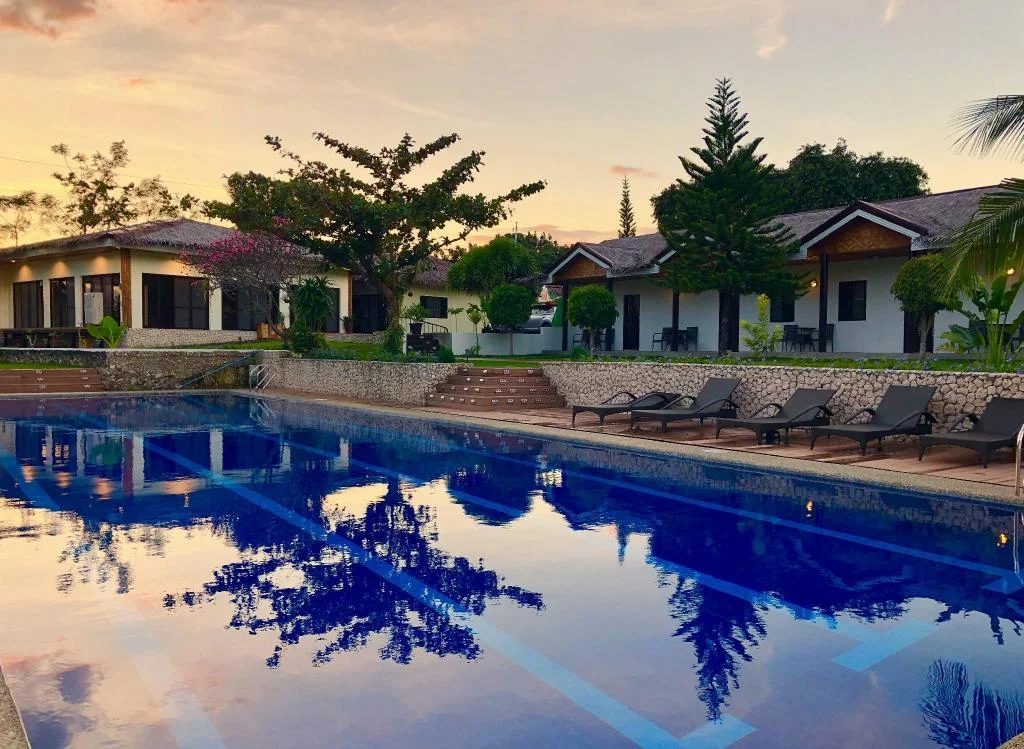
Casa de Moalboal
Althea Appartelle
Before you go