
TL;DR: Cebu’s jeepneys are the cheapest way around the city — a base ride costs ₱13–14 (about US$0.22–0.24) for the first 4 km, though the exact fare depends on whether your driver has updated to the March 2026 LTFRB hike yet. Routes are marked with a number-and-letter code (like 04L or 17C) painted on the jeepney; hand your fare forward, say your destination, and call out “Para!” to stop. A handful of codes cover most of what visitors need: Colon, IT Park, Ayala Center, and SM City. It’s not comfortable and it’s not fast, but it’s real Cebu, and at these prices it’s hard to argue with. Verified July 2026.
If you’ve landed in Colon Street or wandered through downtown Cebu, you’ve already seen them: battered, brightly painted jeepneys packed to the rafters, horns blaring, route codes scrawled across the windshield in a system nobody quite explains to you. Jeepneys are the backbone of how ordinary Cebuanos get to work, school, and the market, and they’re also the single cheapest way for a visitor to move around the city without booking a Grab every time. This guide is for anyone who wants to actually ride one — not just admire them from a taxi window — covering the code system, the fare, the etiquette, and the routes that get you between the places tourists and expats actually go: Colon, Carbon Market, IT Park, and the malls.
Cebu Jeepney Basics: Fare, Codes, and Routes
| What | Details | Notes |
|---|---|---|
| Minimum fare | ₱13 (rising to ₱14 under a March 2026 LTFRB hike) | ~US$0.22–0.24 for the first 4 km |
| Per extra km | ~₱2 | Longer rides (e.g., city to Talisay) cost more |
| Payment | Cash only, passed hand-to-hand | Bring small bills and coins |
| How to stop | Say “Para!” or “Para po!” | No marked stops on most routes |
| Route markers | Windshield/side code (e.g., 04L, 17C) | Number = route, letter = variation |
| Operating hours | Roughly 5:00 AM–10:00 PM on most routes | Fewer jeeps after dark; use Grab instead |
Verified July 2026.
How Much Is a Jeepney Ride in Cebu?
A standard jeepney ride starts at ₱13 for the first 4 kilometers, one of the cheapest fares anywhere in Southeast Asia. In March 2026 the LTFRB approved a nationwide ₱1 increase to ₱14 for traditional jeepneys (plus a bump in the per-kilometer rate), but LTFRB Region 7, which covers Cebu, was still finalizing its own rollout timeline when the hike was announced. In practice this means you might board a jeepney still charging ₱13 and another down the street already charging ₱14 — check the printed fare matrix taped near the driver’s seat, or just ask, “Pila man plete?” (“How much is the fare?”). Modern, air-conditioned jeepneys and the CIBUS bus-style service charge more, typically ₱15–17 minimum. Either way, confirm the current fare locally before you go — it’s a moving target as the fare hike rolls out region by region.
How Does the Jeepney Code System Work?
Each jeepney displays a route code — a number plus a letter — that tells you where it’s going. The number identifies the general route, and the letter marks a specific variation (a slightly different path, a different endpoint, or a loop in the opposite direction). For example, 04L and 04M both connect Lahug and Ayala Center, but take different streets. There’s no single public map that’s kept fully current, since routes get renumbered as the city works through the national jeepney modernization program, so the fastest way to learn a code in real time is to ask: mall security guards, hotel staff, and tricycle drivers all know the current codes for their area, and they’re used to pointing tourists in the right direction.
What Are the Useful Routes for Visitors?
A handful of codes cover almost everywhere tourists and expats need to go — Colon, Carbon, IT Park, Ayala Center, and SM City.
| Code | Route | Use it for |
|---|---|---|
| 04L | Lahug ↔ Ayala Center (via SM City) | IT Park/Lahug hotels to Ayala or SM |
| 04M | Lahug ↔ Ayala Center (via IT Park) | Direct hop between IT Park and Ayala |
| 14D | Ayala Center ↔ Colon | Ayala to the old downtown/Colon Street |
| 13C | Talamban ↔ Colon (via Ayala area) | Northern Cebu City down to Colon |
| 17B/17C | Apas/IT Park ↔ Carbon Market | IT Park to Carbon Market and back |
| CIBUS | Ayala ↔ IT Park ↔ SM Seaside ↔ South Bus Terminal | Modern bus-style option, fixed stops, aircon |
Codes and routings verified against 2024–2026 commuter reporting; drivers occasionally alter paths, so confirm the destination painted on the jeepney before boarding. Verified July 2026.
For most visitors staying around IT Park or Ayala Center, 04L and 04M are the workhorses — you’ll see a steady stream of them running that corridor all day. If you’re headed into the old town for the Basilica, Fort San Pedro, or Carbon Market, look for anything ending in Colon.
How Do You Pay the Fare?
Hand your money to the passenger closest to you, say your destination or fare, and it gets relayed forward to the driver by hand. This is standard jeepney etiquette across the Philippines, not a Cebu quirk: everyone on board silently cooperates to pass coins and bills up front and change back. Say your destination clearly (“Ayala, sir” or just state the fare if you know it), and don’t be shy about it — locals do this constantly and won’t think twice about helping a confused-looking tourist. Bring exact change or small bills; a ₱500 note for a ₱13 fare will visibly annoy a driver who’s carrying maybe ₱200 in coins for the whole day.
How Do You Get the Jeepney to Stop?
Say “Para!” or “Para po!” (“po” adds politeness) loud enough for the driver to hear over the engine and the road noise, a few seconds before you reach your stop. There are no marked bus stops on most routes — jeepneys pick up and drop off anywhere along the road, which is convenient once you know your bearings and disorienting the first few times. If you’re not sure where to get off, tell the driver your destination when you board and ask them to tell you when you’re there; most drivers will.
Are E-Jeepneys Replacing the Old Ones?
Not yet, and not soon. Cebu is one of the pilot cities under the national Public Transport Modernization Program, and you’ll increasingly spot air-conditioned electric or “modern” jeepneys and the CIBUS bus-style service on select corridors like Ayala–IT Park–SM Seaside. Nationally, e-jeepney deployment picked up through 2025, but electrified units still make up only a small slice of the country’s jeepney fleet, and the government’s target of rationalizing all routes by the end of 2026 has already slipped once amid coordination issues between national and local agencies. For a visitor, the practical takeaway is simple: expect the classic diesel jeepney to still be your main ride for the foreseeable future, with modern aircon options as a pricier alternative on a few specific routes.
Jeepney Etiquette and Safety Tips
- Offer your seat to elderly passengers, pregnant riders, or anyone carrying a small child — it’s expected, not optional.
- Keep your bag on your lap, not on the floor or an open seatback pocket, especially when the jeepney is full.
- Don’t flash your phone or wear headphones that block out the driver calling your stop or a conductor’s questions.
- Avoid late-night solo rides on routes you don’t know; take a Grab instead once jeepneys thin out after dark.
- Watch your head and knees — jeepneys are built for average Filipino height, and taller visitors will duck a lot.
For late-night trips, the airport, or when you’re carrying luggage, compare jeepneys against Grab and taxis in our Cebu taxi fares and scam guide — most visitors end up using both depending on time of day and how much they’re carrying. If you want a fully planned low-cost day using jeepneys and public transport, see our Cebu budget itinerary.
The Honest Take
Jeepneys are not comfortable. They’re hot, cramped, and loud, the ride is bumpy, and if you don’t know the code system you will get on the wrong one at least once — everyone does. But at ₱13–14 a ride, they’re absurdly cheap, they run constantly on the main corridors, and riding one is a genuinely different experience from watching Cebu go by through a car window. Skip them if you’re short on time, traveling with a lot of luggage, or going somewhere off the main routes — a Grab is worth the extra ₱100–200 in those cases. Ride one if you’re staying a few days around IT Park, Ayala, or Colon and want to move like a local instead of a tourist; the worst that happens is you get off at the wrong stop and have to ask someone which jeepney goes back.
Getting Around the Rest of Cebu
Jeepneys cover the city well, but they’re not your only option and not always the fastest one. For a full breakdown of Grab, taxis, buses, and rental options across Metro Cebu, see our guide to getting around Cebu. If your day trip needs door-to-door reliability — an early flight, a long trip south, or a night out — book a private airport transfer or day tour on Klook instead, and save the jeepney rides for daytime hops around the city center.
Sources
- LTFRB — Fare Rates (national minimum fare and 2026 hike)
- Manila Bulletin — LTFRB approves ‘balanced’ fare hikes for jeepneys, other PUVs, March 2026
- Cebu Daily News — Lost in Cebu? Here’s a guide to Cebu City’s jeepney route codes
- Cebu Daily News — LTFRB-7 awaits directive to implement provisional fare hike
- Sugbo.ph — Navigate Cebu’s jeepney routes like a pro
- Commutetour — Cebu Jeepney Routes and Codes and Ayala Center Cebu terminal routes
- Route codes cross-checked against multiple 2023–2026 commuter reports; confirm the current code with drivers or mall staff, since routes shift under the national modernization program. Verified July 2026.
Book Tours & Hotels for This Trip
Find and book the best deals — prices and availability update in real time. Links open in a new tab.
Where to stay near Cebu City
Top-rated hotels for this trip — tap through to check live rates.
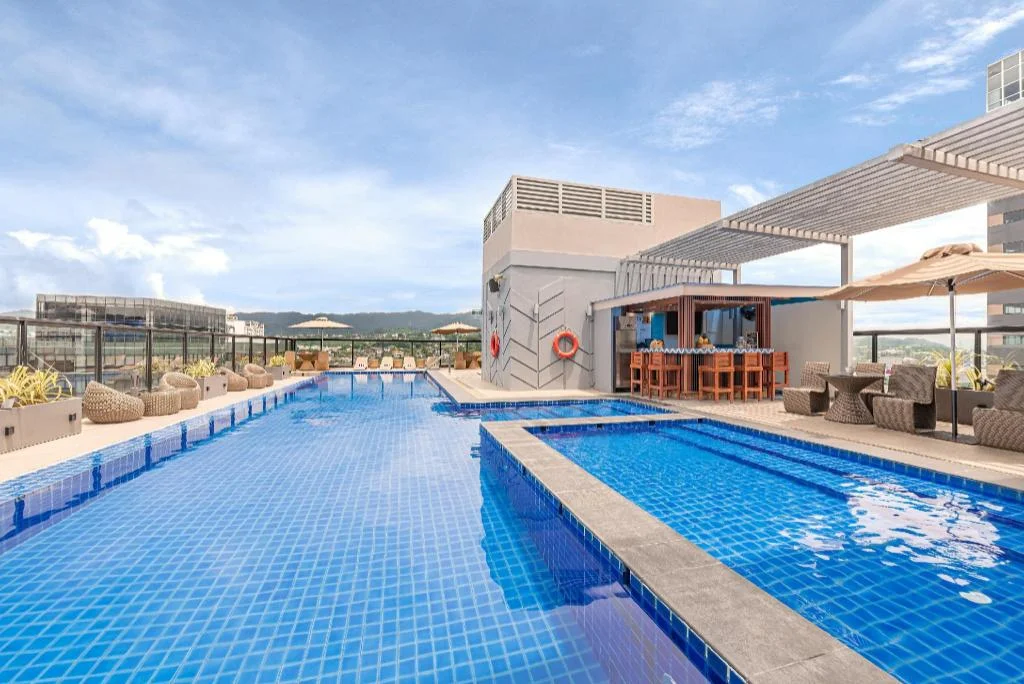
Seda Central Bloc Cebu City
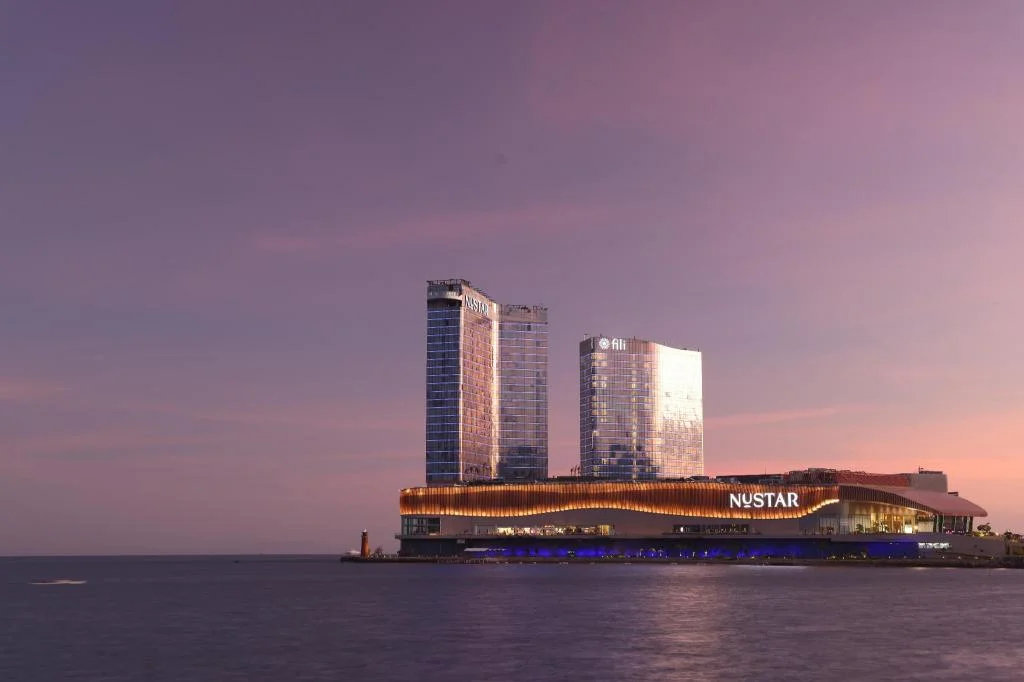
Fili Hotel - NUSTAR Resort & Casino Cebu
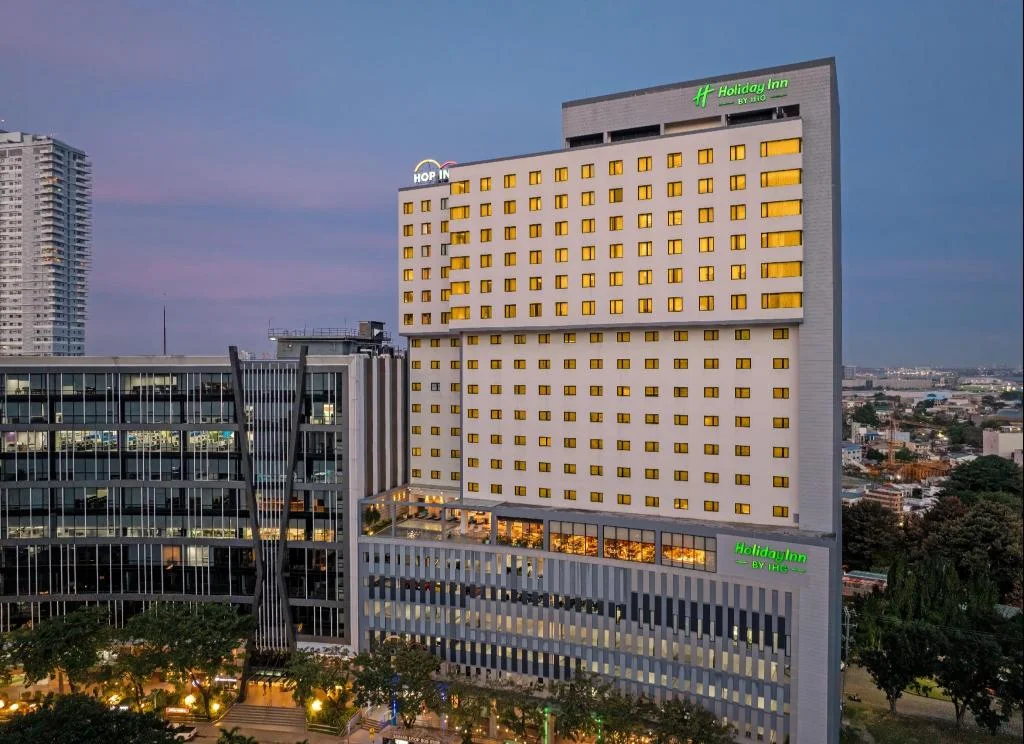
Holiday Inn Cebu City By IHG
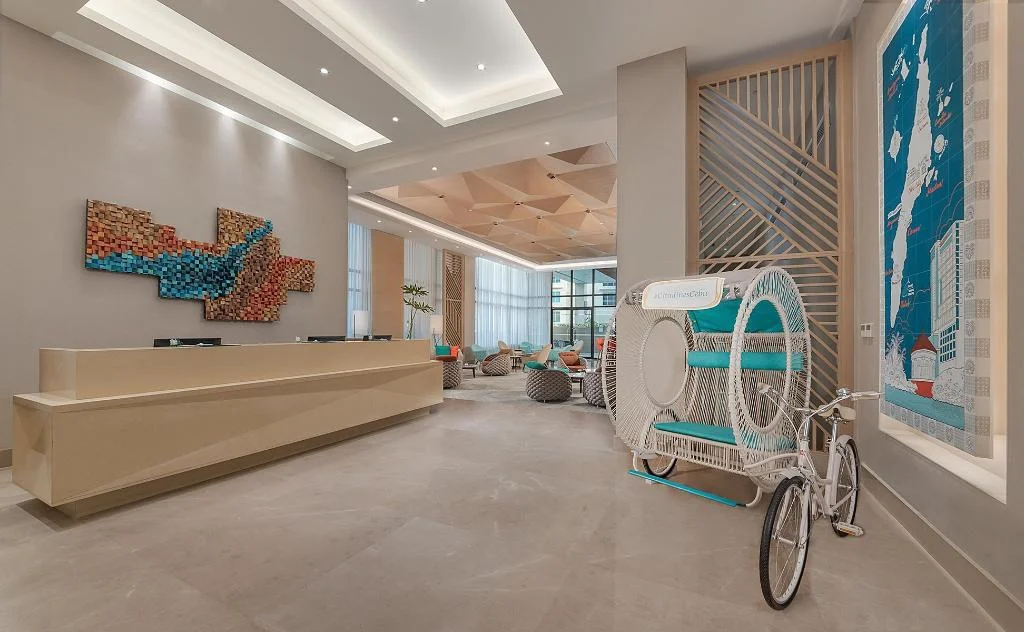
Citadines Cebu City
Prefer a rental? Vacation rentals near Cebu City
Self-catering condos and apartments — book the exact unit, kitchen included.
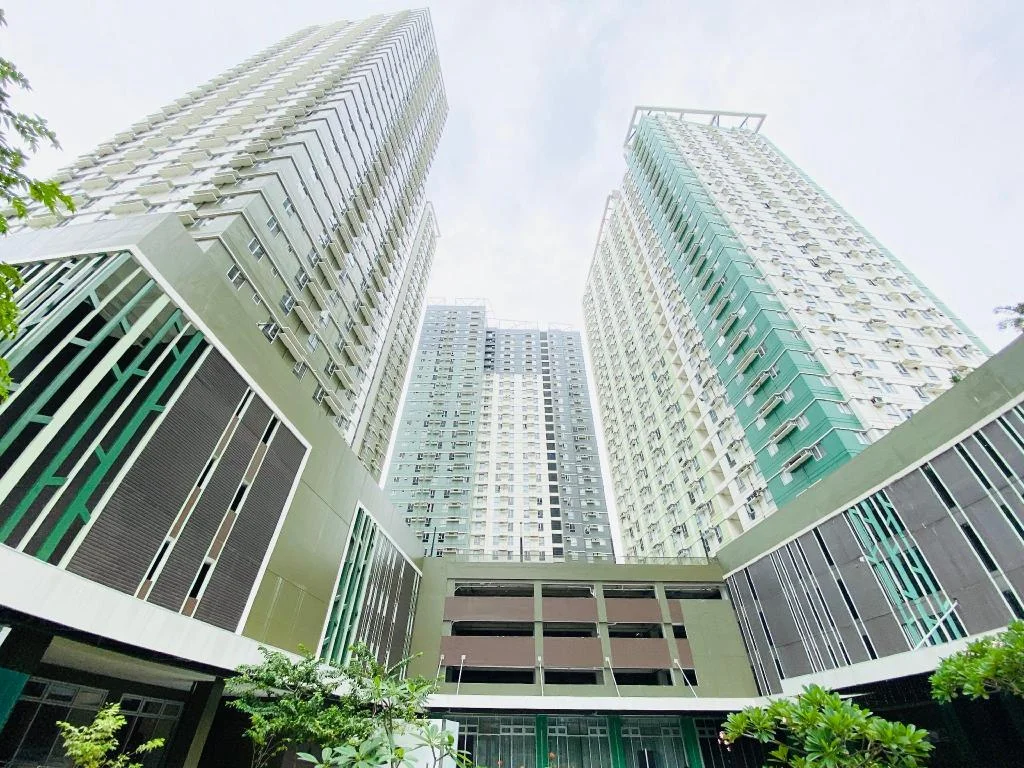
Cebu Avida Riala by P&J
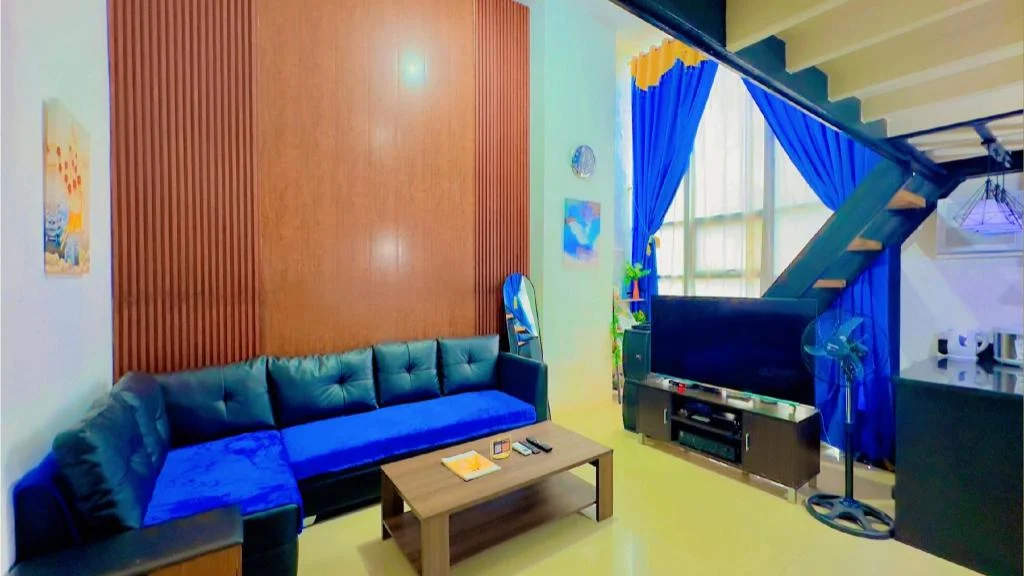
Special Big Loft Unit w/Fibreop Internet & Netflix
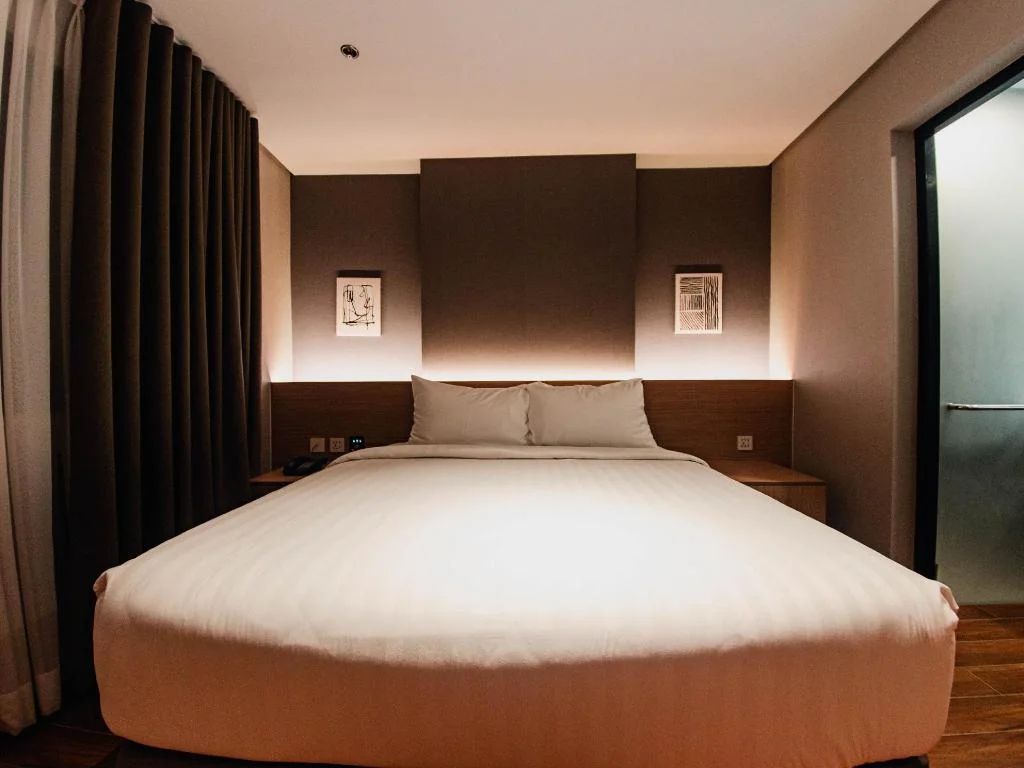
Moonstar Cebu Hotel - Deluxe Room
Before you go
Frequently asked
How much is a jeepney ride in Cebu?
What do the jeepney codes like 04L or 17C mean?
How do you pay the fare on a jeepney in Cebu?
How do you tell the driver to stop?
Are e-jeepneys replacing the old jeepneys in Cebu?
Is it safe for tourists to ride jeepneys in Cebu?
Can I use Grab or a taxi instead of a jeepney?
What's the best jeepney route for a first-time visitor?
More Places to Explore
Colon Street
Cebu City
The oldest street in the Philippines, a historic commercial thoroughfare that has been Cebu's trading center since Spanish colonial times.
Carbon Market
Cebu City
Cebu's oldest and largest market (since 1909), offering an authentic local shopping experience with fresh produce, seafood, and traditional goods.