
TL;DR: Kalanggaman’s twin sandbars are administered by Palompon, Leyte — not Cebu — but the easiest way in is still a day tour from Malapascua Island (about 2 hours each way by boat), or the OceanJet fastcraft to Palompon (3 hours from Cebu City) if you want to camp overnight. Entrance fees for 2026 run roughly ₱100–300 for Filipino tourists and ₱1,000 for foreigners on a day visit (about US$2–16), higher overnight. There’s no electricity, no fresh water, and only one small store on the island, so pack in what you need. Verified July 2026.
Kalanggaman shows up on every “best islands in the Philippines” list for one reason: two long, pale sandbars stretching out from opposite ends of a tiny island, with water so clear it looks fake in photos. The catch is that it’s not actually in Cebu — it belongs to Palompon, a town across the strait in Leyte — which is why so many travelers searching “Kalanggaman from Cebu” end up confused about how to get there. This guide breaks down both real routes: the simpler day tour that starts from Malapascua Island in northern Cebu, and the more involved ferry-to-Palompon route that lets you camp on the sandbar overnight. Either way, budget a full day, cash for entrance fees, and a weather backup plan.
Kalanggaman at a Glance
| Route | From | Travel time (one way) | Typical cost |
|---|---|---|---|
| Malapascua day tour | Bounty Beach, Malapascua | ~1.75–2 hrs by boat | ₱800–2,500/person (joiner, incl. lunch + fees) |
| Palompon ferry + boat | Cebu City pier → Palompon port | 3 hrs (OceanJet) + ~1 hr boat | ₱1,100–1,920 ferry + ₱4,500–6,000 boat (whole boat, split per group) |
| Entrance, day (Filipino) | — | — | ₱100–300/person |
| Entrance, day (foreign) | — | — | ₱1,000/person |
| Entrance, overnight (foreign) | — | — | ₱1,500/person |
| Tent rental (from Palompon) | — | — | ₱200–300/night |
Prices in Philippine pesos, US$ at ₱62 ≈ US$1 (July 2026). Fees are set by the Palompon Eco-Tourism Office and change without much notice — confirm current rates before you travel. Verified July 2026.
How Do You Get to Kalanggaman Island From Cebu?
There’s no direct route — you either go through Malapascua or through Palompon, Leyte, and the two options suit different trips.
Via Malapascua (the easier way): Get yourself to Malapascua Island first — a bus or van from Cebu City to Maya port in Daanbantayan (see our Cebu City to Malapascua via Maya guide), then a short outrigger boat crossing to the island. From there, resorts and tour operators run joiner day tours to Kalanggaman, typically leaving Bounty Beach around 6:00–7:00 AM for the roughly 1 hour 45 minute crossing. This is the route almost everyone doing Kalanggaman “from Cebu” actually takes, and it folds in neatly with a Malapascua diving trip.
Via Palompon (for overnight camping): OceanJet runs a daily fastcraft from Cebu City direct to Palompon, departing around 10:00 AM and arriving about 1:00 PM (roughly 3 hours), with a return trip at 1:30 PM. Cokaliong also operates a slower overnight RORO on this route for a fraction of the fare. From Palompon port, register with the Palompon Eco-Tourism Office (PETO) at Liberty Park and arrange a pump boat for the roughly one-hour crossing to the island. This is the only practical way to camp on Kalanggaman overnight, since Malapascua-based tours are day-trip only.
Either way, treat it as an all-day (or two-day) commitment — this isn’t a quick add-on to a Cebu City itinerary.
How Much Does It Cost?
Fees are tiered by residency, and they’ve climbed in recent years as Palompon works to manage crowding and fund upkeep.
| Fee type | Palompon resident | Other Filipino tourist | Foreign tourist |
|---|---|---|---|
| Day entrance | ~₱100 (US$2) | ~₱300 (US$5) | ₱1,000 (US$16) |
| Overnight entrance | ~₱150 (US$2) | ~₱450 (US$7) | ₱1,500 (US$24) |
| Cottage rental (small–large) | — | ₱375–1,000 (US$6–16) | — |
| Tent rental (2–4 person) | — | ₱200–300 (US$3–5) | — |
Some sources list a flat ₱150/₱225 Filipino rate instead of the resident/non-resident split above — the LGU has adjusted tiers more than once. Confirm the exact structure and current pesos with the Palompon Eco-Tourism Office before you go. Verified July 2026.
On top of entrance, budget for the boat. From Malapascua, joiner day tours bundling the crossing, entrance fee, and a simple lunch run roughly ₱800–2,500 per person depending on the operator and group size; a private charter runs about ₱2,000–2,500 for the whole boat. From Palompon, boats are chartered whole and split among your group — about ₱4,500 for up to 20 people, rising to ₱6,000 for 35. There are no ATMs at the port or on the island, so bring cash for everything.
Malapascua Day Tour vs Palompon Overnight: Which Should You Do?
Pick the Malapascua day tour if you’re already up north for diving or beach time — thresher sharks at dawn and Kalanggaman in the same trip is a genuinely good combo, and the operator handles the LGU registration for you. See our Malapascua Island guide for where to stay and what else to do while you’re based there.
Pick the Palompon overnight route if the point of the trip is the sandbar itself, especially at sunrise or sunset when the day-tour crowds are gone. It’s more logistics (ferry booking, in-person LGU registration, bringing your own tent or renting one), but it’s the only way to actually sleep on the island.
Is Camping Overnight Worth It?
If you can handle basic conditions, yes — camping is what turns Kalanggaman from “nice day trip” into “one of the best nights out on the water in the Visayas.” Once the day-tour boats leave in the late afternoon, the sandbar empties out and you get the sunset, the stars, and the sunrise largely to yourself.
The trade-off is real roughing-it: no electricity, no fresh water for showers, and one small store with limited snacks and drinks. Bring your own food, drinking water, a headlamp or lantern, and everything you need for the night — there’s nowhere to buy it once you’re there.
When’s the Best Time to Go?
November through May, during the Amihan (northeast monsoon) season, when the Camotes Sea between Cebu and Leyte is at its calmest. March to May is peak season — the best odds of flat water and clear skies, but also the busiest and priciest. Avoid June through October if you have flexibility: habagat-season swells regularly cancel the crossing outright, from either Malapascua or Palompon, and you don’t want to burn a travel day on a trip that gets called off at the dock.
The Honest Take
Kalanggaman earns the hype — the two sandbars and the color of the water are as good as the photos suggest, and it’s still less crowded than Boracay-adjacent islands with a similar look. But go in with your eyes open: this is a full travel day (or two), not a quick side trip, the fees have been rising and vary by source, and rough seas genuinely do cancel boats with little warning outside the Amihan months. If your Cebu itinerary is already packed with south Cebu waterfalls and whale sharks, Kalanggaman is a stretch too far for most short trips — it makes far more sense as an add-on to a Malapascua-focused diving trip or a dedicated Leyte detour than as a bolt-on to a standard Cebu City vacation.
Get There and Book Ahead
If you’re routing through Malapascua, compare Malapascua and northern Cebu island-hopping tours on Klook before you go, since availability and prices shift by season. For accommodation, browse places to stay in Malapascua on Agoda — book your base there first, then slot in the Kalanggaman day tour once you’ve confirmed dates. Pair the trip with our Malapascua Island guide for thresher shark diving and Bounty Beach, or check the best islands in Cebu roundup if Kalanggaman’s logistics feel like too much for this visit.
Sources
- Palompon Eco-Tourism Office / Palompon Destinations — official Kalanggaman reservations portal
- Philippine News Agency — Kalanggaman entrance fee reporting
- Leyte Samar Daily News — Palompon LGU rate updates for Kalanggaman visitors
- OceanJet — Cebu–Palompon fastcraft schedule and fares
- Fees, boat rates, and schedules cross-checked against 2025–2026 traveler reports; confirm current rates and departure times locally before you go. Verified July 2026.
Book Tours & Hotels for This Trip
Find and book the best deals — prices and availability update in real time. Links open in a new tab.
Where to stay near Daanbantayan
Top-rated hotels for this trip — tap through to check live rates.
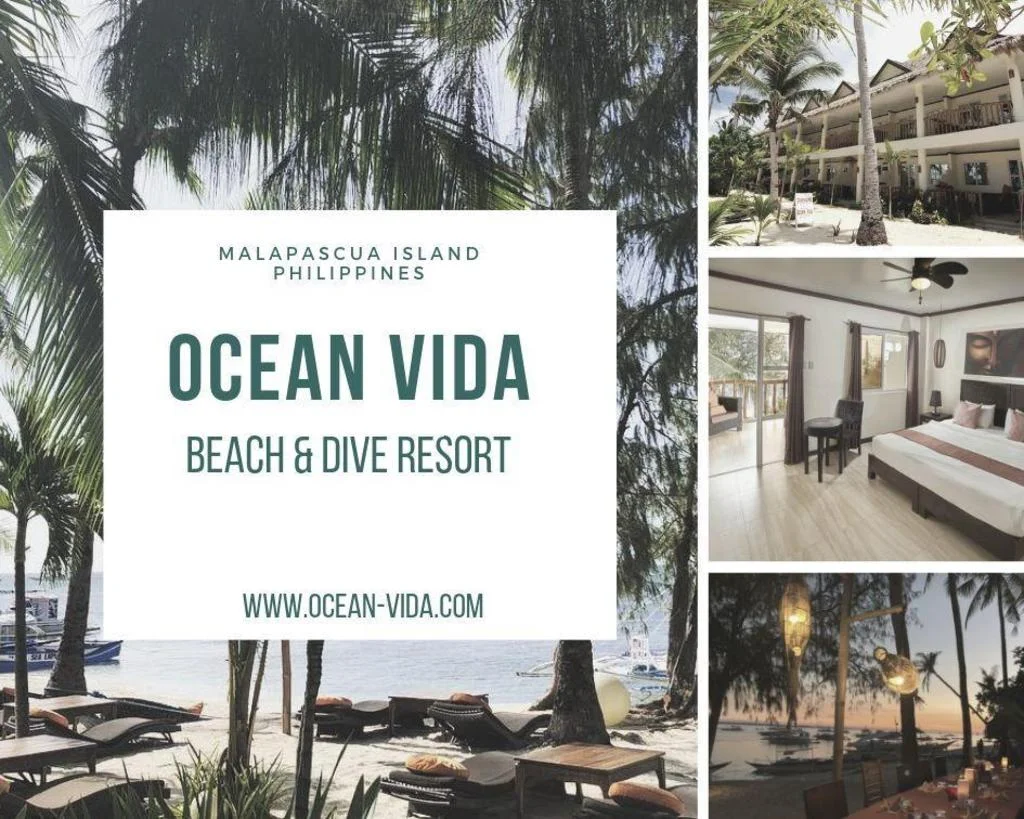
Ocean Vida Resort
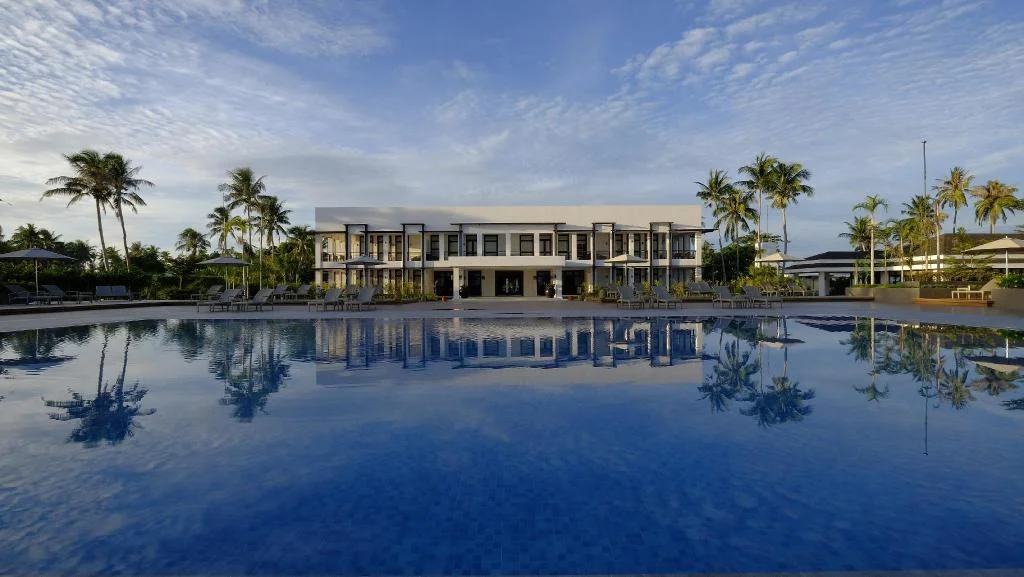
Kandaya Resort
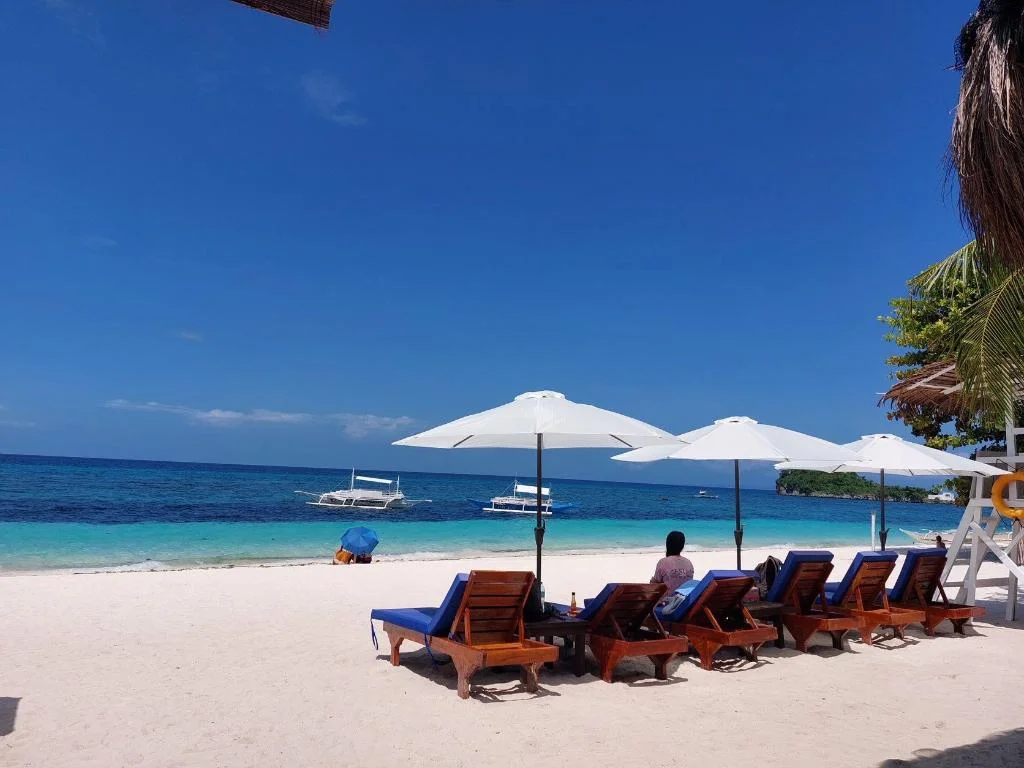
Avila's Horizon Dive Resort Malapascua
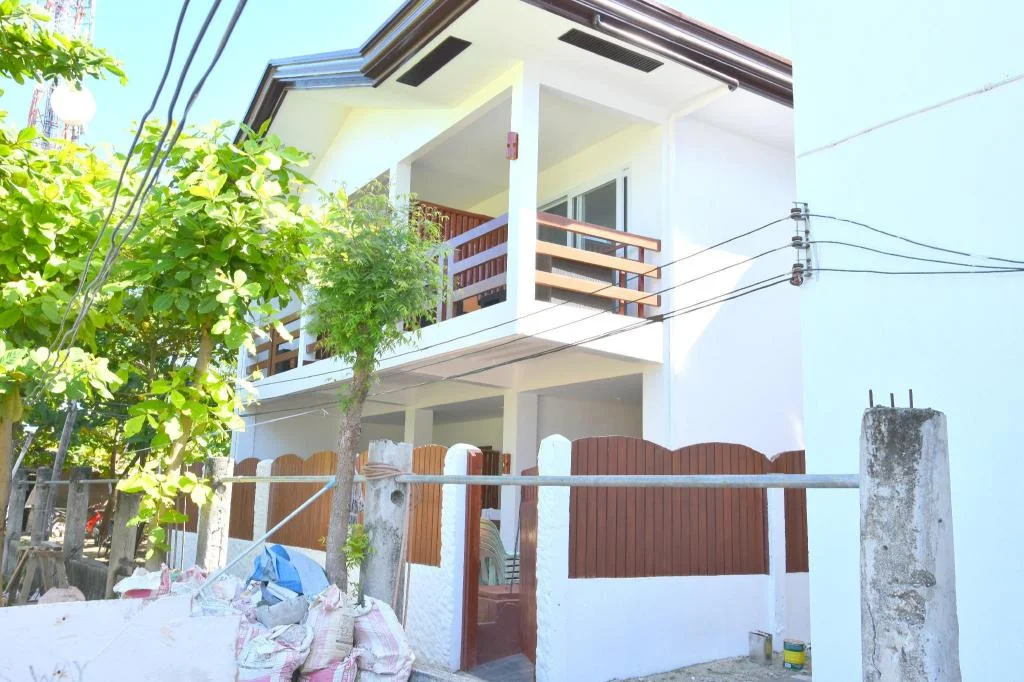
Malapatel
Prefer a rental? Vacation rentals near Daanbantayan
Self-catering condos and apartments — book the exact unit, kitchen included.
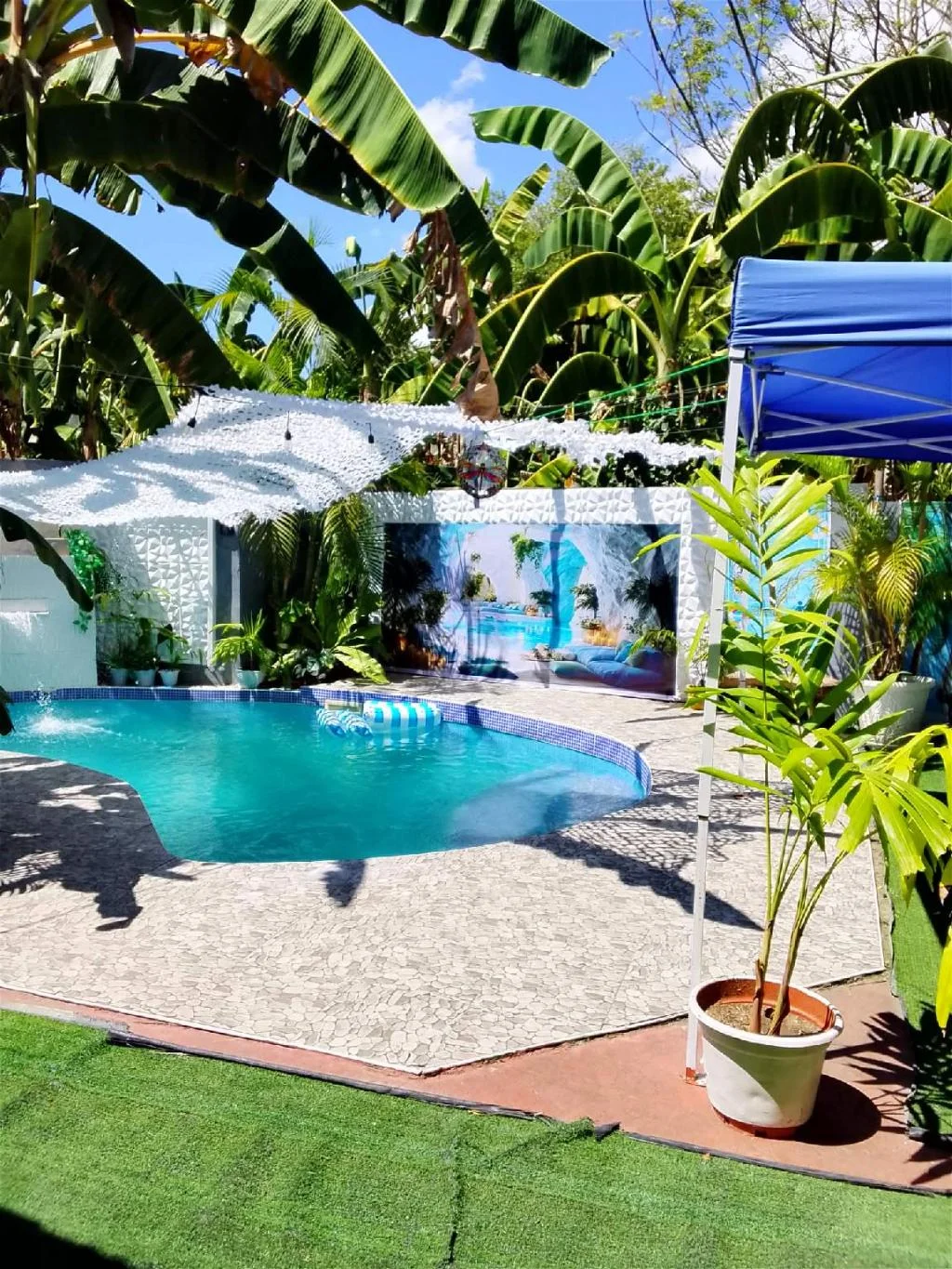
Two crazy monkeys
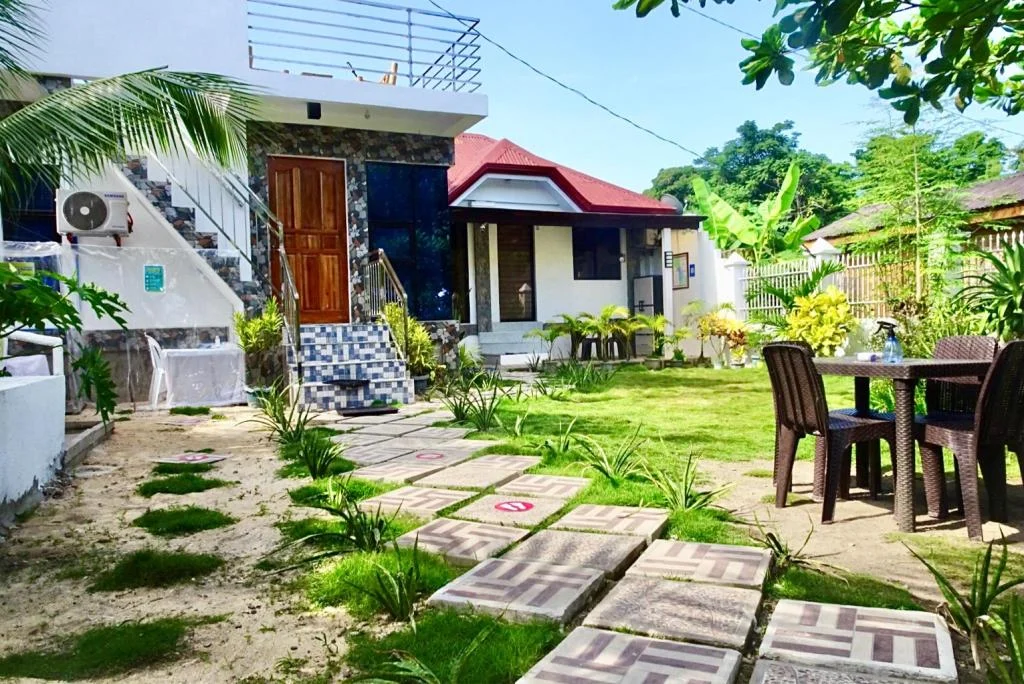
Chief's Villa 2 (Save up to50 prcnt for long term)
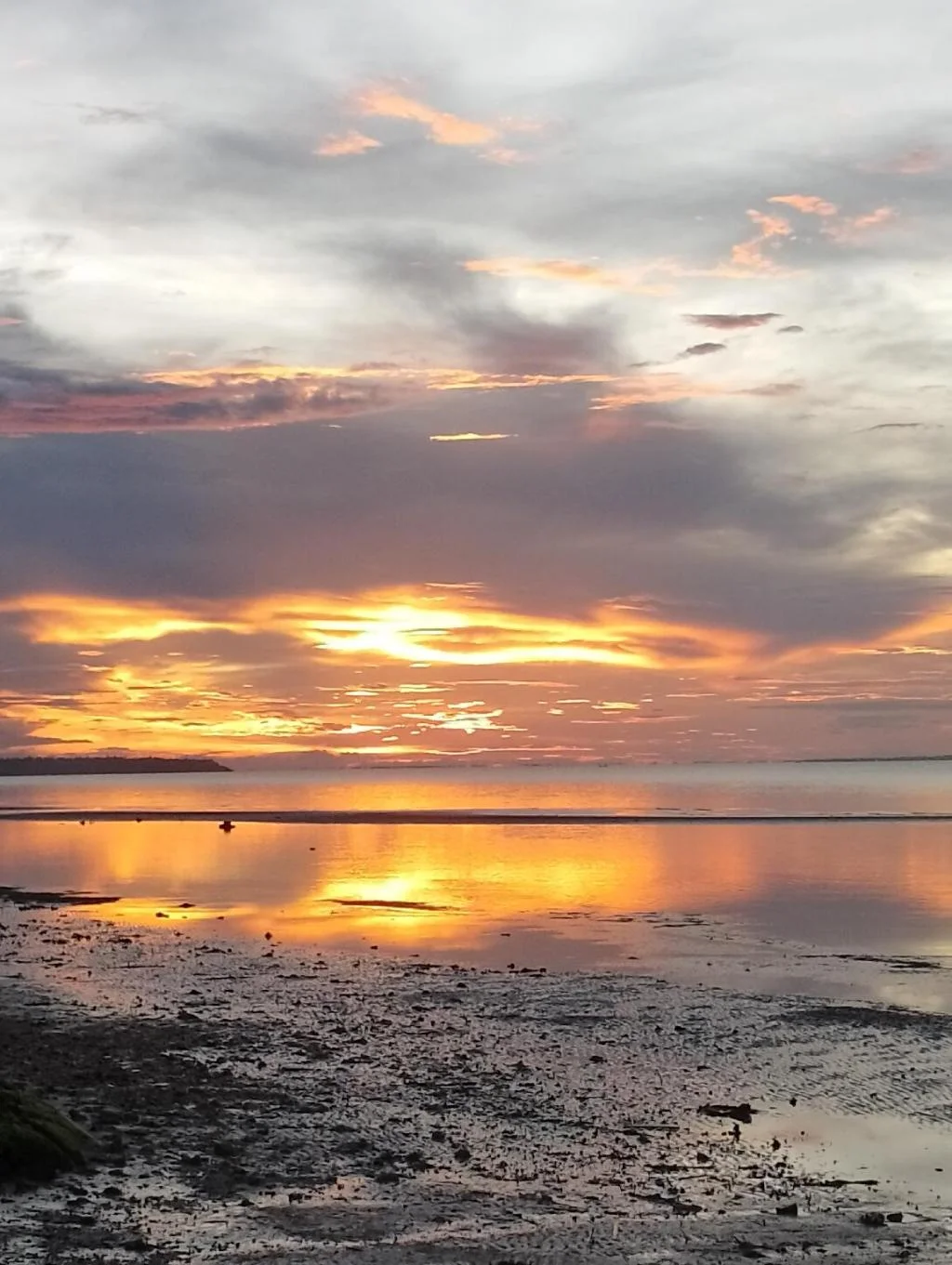
Little Sanity beach house
Before you go
Frequently asked
Is Kalanggaman Island in Cebu?
How do you get to Kalanggaman Island from Cebu?
How much does Kalanggaman Island entrance cost?
Can you camp overnight on Kalanggaman Island?
Is Kalanggaman Island worth the trip from Cebu?
Which is better: a Malapascua day tour or going via Palompon?
What's the best time of year to visit Kalanggaman Island?
Are there facilities on Kalanggaman Island?
More Places to Explore
Malapascua Island
Daanbantayan
A world-famous diving paradise known for thresher shark encounters, featuring beautiful white sand beaches and laid-back island vibes.
Maya Port
Daanbantayan
The bustling fishing port that serves as the gateway to Malapascua Island and showcases traditional northern Cebu fishing culture.
Bounty Beach
Daanbantayan
Malapascua's main beach featuring powdery white sand, crystal-clear waters, and a relaxed atmosphere lined with beachfront restaurants and dive shops.