Perrelos Century-old Acacia Trees
A roughly 3.2-kilometer stretch of century-old acacia trees arching over the national highway in Barangay Perrelos, Carcar City.
The overview
About Perrelos Century-old Acacia Trees
The Perrelos acacia trees form a shaded canopy over roughly 3.2 kilometers of the national highway in Barangay Perrelos, Carcar City, stretching from Sitio Dunggoan to Sitio Kamagayan. The trees date to around 1915, when Claude Russell, then district engineer of the Bureau of Public Works in Cebu, oversaw the planting of acacia along 58 kilometers of first-class roads across the province as part of an early American-era road-beautification program. Most of Cebu's original roadside acacia elsewhere fell to war damage or later road projects, but the Perrelos trees survived in large part because southern Cebu was spared the worst destruction of the 1945 Liberation, when retreating Japanese forces moved north ahead of the American landing. The surviving row became a rare, intact stretch of century-old roadside acacia in the province. In 2019, an online petition drawing roughly 11,000 signatures helped persuade the Department of Public Works and Highways to reroute a planned road-widening project rather than cut the trees down, cementing their status as a protected piece of local heritage. Drivers heading along the South Road today still pass beneath the arching canopy, one of the more distinctive roadside sights in southern Cebu.
What makes it worth it
Highlights
- Acacia trees planted circa 1915 under an American-era road program
- Roughly 3.2 km of tree-lined national highway
- Survived WWII destruction that hit northern Cebu harder
- Saved from a road-widening project by a 2019 petition
- One of southern Cebu's most photographed roadside sights
- 1 Best viewed from a passing vehicle or a brief roadside stop; there are no formal parking areas, so pull over carefully. Early morning or late afternoon light works well for photos. Location approximate — confirm on arrival.
Wayfinder route
How to get there
From Cebu City South Bus Terminal, take a bus or van heading south along the Cebu South Road; the tree-lined stretch runs through Barangay Perrelos just before or after Carcar proper, depending on route (about 1-1.5 hours from Cebu City).
Before you go
Frequently asked
How much is the entrance fee at Perrelos Century-old Acacia Trees?
What are the opening hours at Perrelos Century-old Acacia Trees?
When is the best time to visit Perrelos Century-old Acacia Trees?
How long should you spend at Perrelos Century-old Acacia Trees?
Book tours & tickets for Perrelos Century-old Acacia Trees
Skip-the-line tickets and guided tours with real-time prices and free cancellation on most options. Link opens in a new tab.
Book Heritage & City Tours on KlookAffiliate link — we may earn a small commission at no extra cost to you.
Nearby on the chart
Where to stay & eat nearby
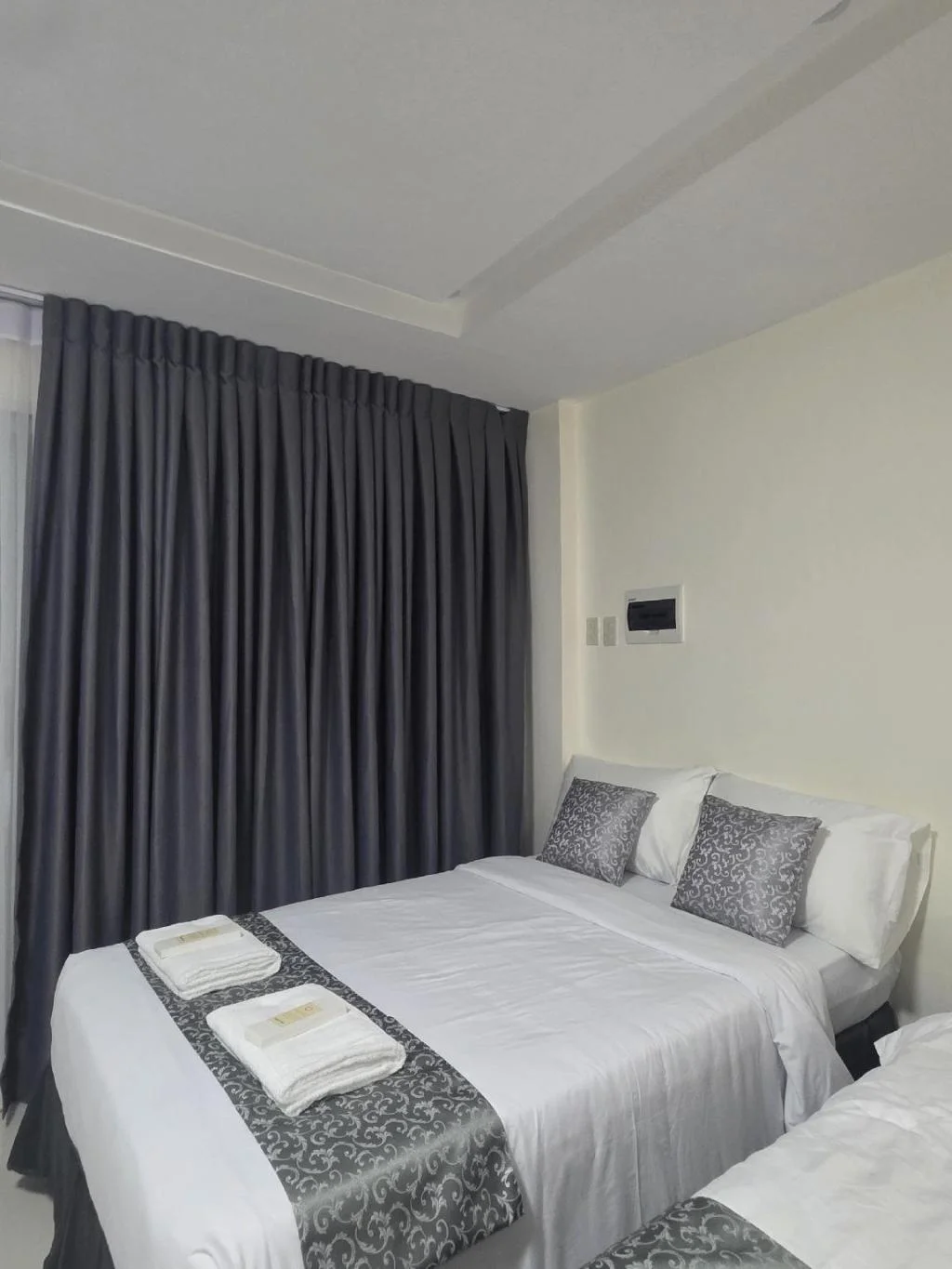
Paraiso de Lourdes Mountain Resort
Carcar City
A 19-room mountain resort in Guadalupe, Carcar City, a heritage town in southern Cebu.
View & Book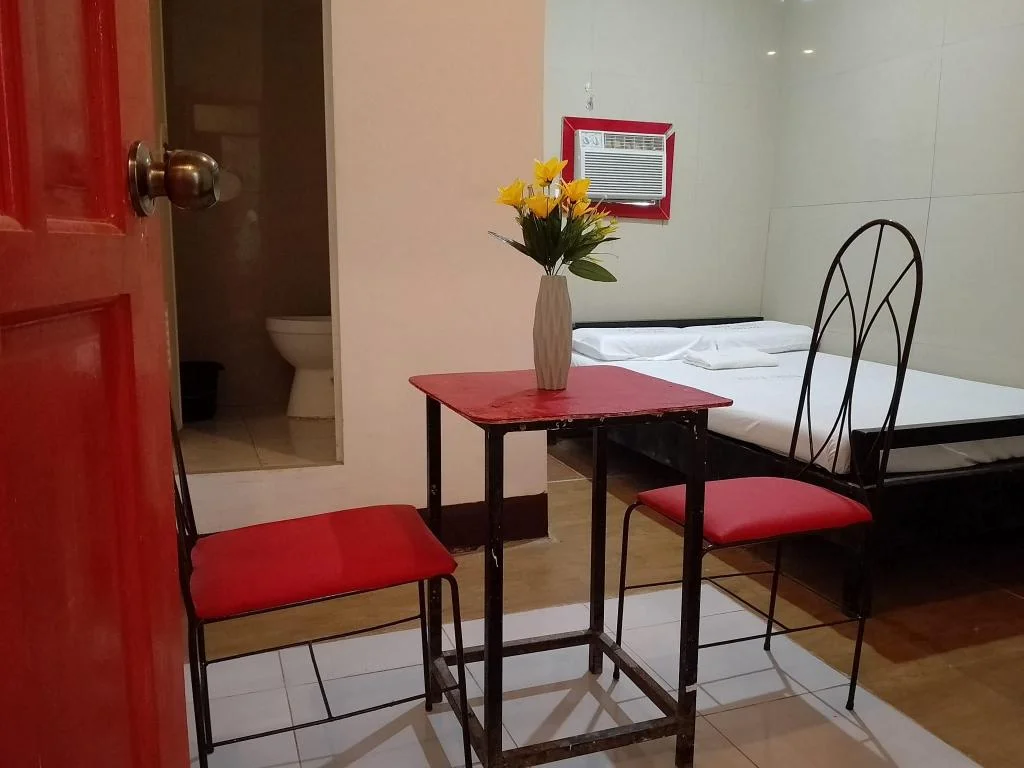
WJV INN Carcar
Carcar City
Nightly apartment rental in Carcar City with free parking and 24-hour room service.
View & Book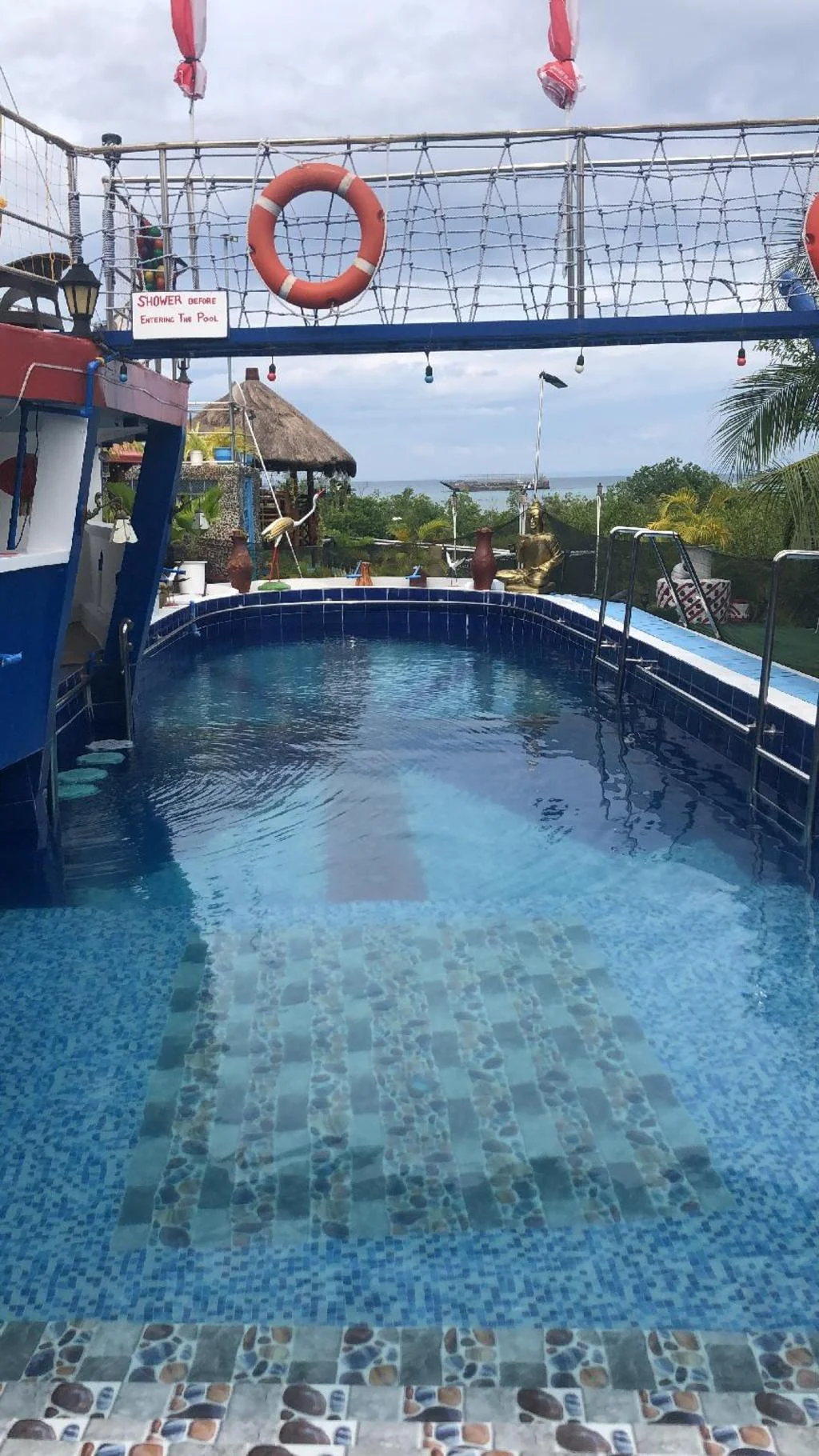
Pirate Galeon Resort
Carcar City
A single-room, four-star boutique stay in Perelos, Carcar City, near Cebu's heritage south coast.
View & BookCarcar Eco Farm Resorts
Carcar City
Eco-friendly farm resort in Liburon with garden grounds, a pool, terrace, and on-site restaurant.
View & BookWhere to stay near Carcar City
Search live rates for hotels and rentals near Perrelos Century-old Acacia Trees on Agoda — filter by your dates, price, and guest score.
Keep exploring
You might also like
Casa Real (Balay Lungsod sa Argao)
Argao
The oldest surviving municipal hall in Cebu, a Spanish-era bahay-na-bato fronting the plaza that doubles as Argao's heritage museum.
Bantayan Town Plaza
Bantayan
The historic heart of Bantayan town, featuring heritage architecture, shaded walkways, and proximity to the island's oldest church and local food scene.
Doong Island Baluarte (Watchtower)
Bantayan
Ruins of an 18th-century Spanish watchtower on boat-only Doong Island, part of the Bantayan Island group.
Bogo City Public Plaza and Heritage Walk
Bogo City
The historic heart of Bogo City featuring the colonial-era church, plaza, and heritage buildings that tell the story of northern Cebu.
Entrance Fee
Free
Opening Hours
Open 24 hours (public road)
Duration
15-30 minutes
Difficulty
Easy
Best Time to Visit
Early morning or late afternoon for photography; year-round.
Share this destination
Planning your Cebu trip?
Our free guides cover what to do, how to get there, and where to stay across Cebu.
Explore travel guides →