University of San Carlos Museum
One of Cebu's oldest museums, with natural history, anthropology, and archaeology collections at USC's Downtown Campus.
The overview
About University of San Carlos Museum
The University of San Carlos Museum, housed at USC's Downtown Campus on P. del Rosario Street, is one of the oldest and most established museums in Cebu, built around collections assembled by the university's Divine Word Missionary founders. Its holdings span natural history, anthropology, and archaeology, including shells, taxidermy specimens, ceramics, and ethnographic artifacts gathered from across the Philippines and Southeast Asia. The archaeological and ethnological galleries document pre-colonial trade pottery, tribal artifacts from Mindanao and the Cordillera, and regional wildlife specimens, reflecting the university's long-running research and missionary connections across the country. It functions as both a teaching resource for USC students and a public-facing heritage collection. Visitors should expect a modest, old-school museum experience rather than an interactive one, but the depth and age of the collection make it a worthwhile stop for those interested in natural history and Philippine ethnography, offering a contrast to the ancestral-house museums in nearby Parian.
What makes it worth it
Highlights
- One of Cebu's oldest museums
- Natural history and anthropology collections
- Pre-colonial pottery and tribal artifacts
- Housed at USC Downtown Campus
- Research and teaching collection
- Compact, walkable downtown location
- 1 Bring a valid ID to present to campus security at the lobby. Visit on a weekday, since hours pause at midday and it may be closed on Sundays. Free for USC students; a modest fee applies for the public. Location approximate — confirm on arrival.
Wayfinder route
How to get there
From Ayala Center or SM City Cebu, take a taxi or Grab to USC Downtown Campus on P. del Rosario Street (10-15 minutes), a short walk from Fuente Osmeña and Sto. Rosario Parish.
Before you go
Frequently asked
How much is the entrance fee at University of San Carlos Museum?
What are the opening hours at University of San Carlos Museum?
When is the best time to visit University of San Carlos Museum?
How long should you spend at University of San Carlos Museum?
Book tours & tickets for University of San Carlos Museum
Skip-the-line tickets and guided tours with real-time prices and free cancellation on most options. Link opens in a new tab.
Book Heritage & City Tours on KlookAffiliate link — we may earn a small commission at no extra cost to you.
Nearby on the chart
Where to stay & eat nearby
Marco Polo Plaza Cebu
Cebu City
Luxury 5-star hotel on Nivel Hills with panoramic mountain and city views.
View & BookWaterfront Cebu City Hotel & Casino
Cebu City
Landmark full-service hotel and casino in Lahug with convention facilities and multiple dining venues.
View & Book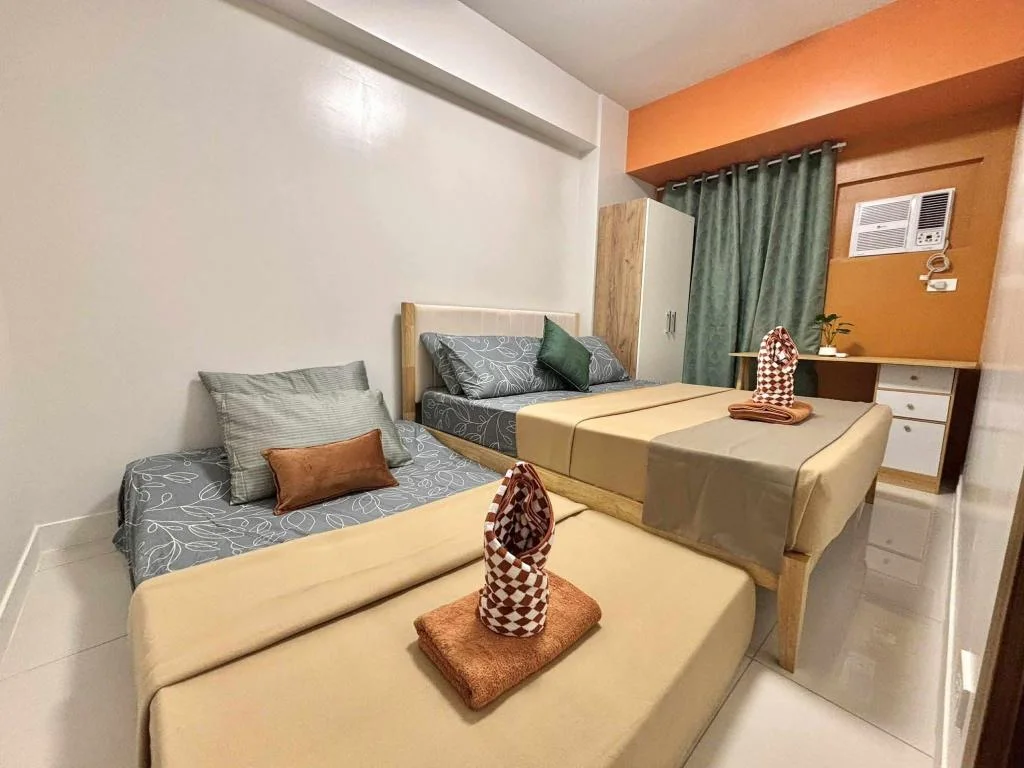
1 bedroom with balcony
Cebu City
A one-bedroom unit with a balcony on General Maxilom Avenue, Cebu City, rated a perfect 10 out of 10.
View & Book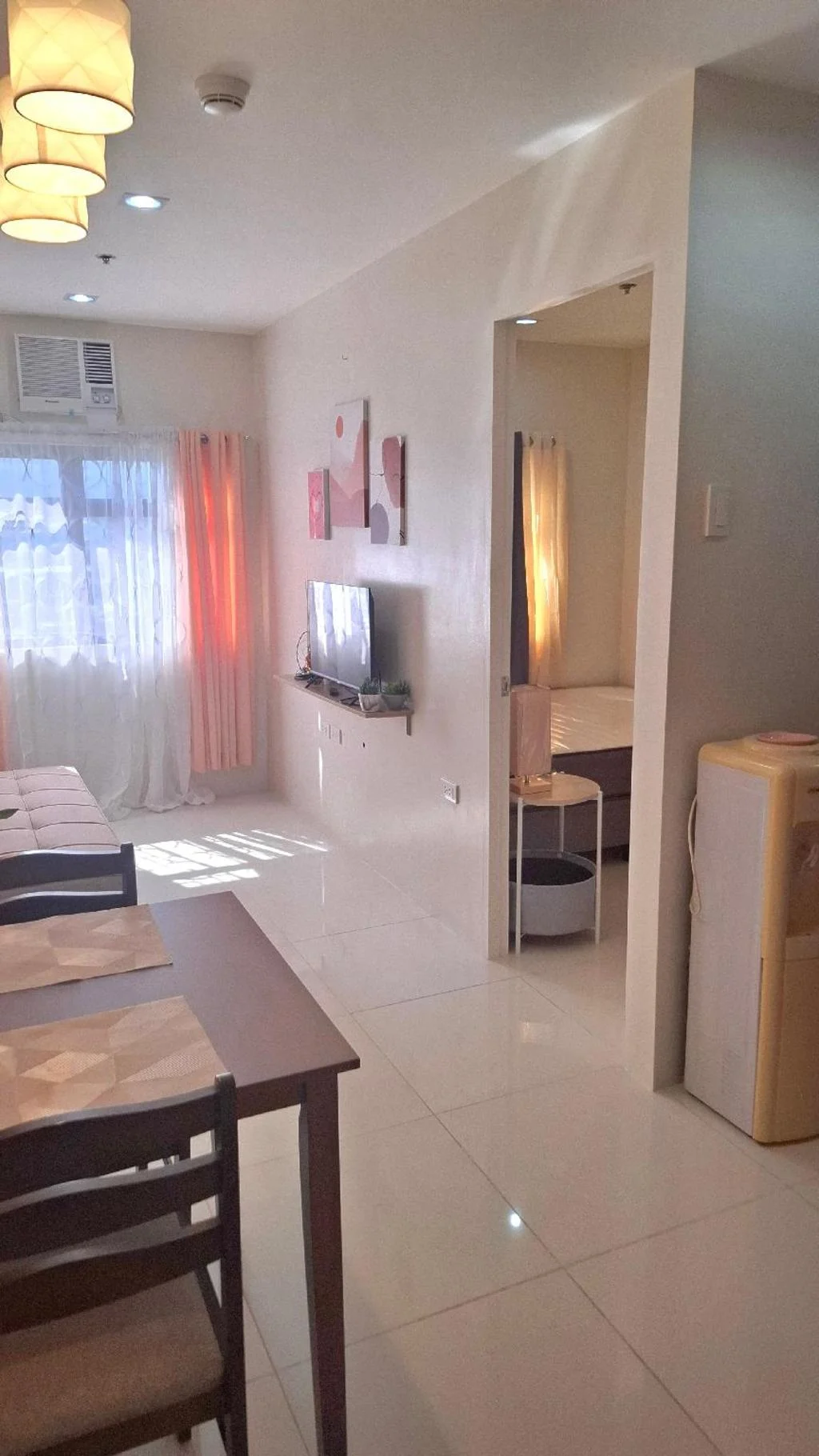
1BR Furnished Condo w/ WIFI at Midpoint Banilad
Cebu City
5-star 1-bedroom condo rental with Wi-Fi in Banilad, Cebu City, rated 9.1/10.
View & BookWhere to stay near Cebu City
Search live rates for hotels and rentals near University of San Carlos Museum on Agoda — filter by your dates, price, and guest score.
Keep exploring
You might also like
Casa Real (Balay Lungsod sa Argao)
Argao
The oldest surviving municipal hall in Cebu, a Spanish-era bahay-na-bato fronting the plaza that doubles as Argao's heritage museum.
Bantayan Town Plaza
Bantayan
The historic heart of Bantayan town, featuring heritage architecture, shaded walkways, and proximity to the island's oldest church and local food scene.
Doong Island Baluarte (Watchtower)
Bantayan
Ruins of an 18th-century Spanish watchtower on boat-only Doong Island, part of the Bantayan Island group.
Bogo City Public Plaza and Heritage Walk
Bogo City
The historic heart of Bogo City featuring the colonial-era church, plaza, and heritage buildings that tell the story of northern Cebu.
Entrance Fee
PHP 30-75 for the general public; free for USC students
Opening Hours
Monday-Friday, 8:30 AM - 12:00 PM and 1:30 - 5:00 PM (weekend hours vary, confirm ahead)
Duration
45 minutes - 1 hour
Difficulty
Easy
Best Time to Visit
Weekday mornings; year-round
Share this destination
Planning your Cebu trip?
Our free guides cover what to do, how to get there, and where to stay across Cebu.
Explore travel guides →