
TL;DR: Aguinid Falls in Samboan, at the far southern tip of Cebu, is a multi-tier limestone waterfall you climb rather than just photograph — most visitors do levels 1 through 5, with the top tiers closed to the public for safety. Expect to pay around ₱300-350 per person (US$5-6) for the all-in package with a mandatory guide and gear, plus a small parking fee. Get there by south-bound bus from Cebu South Bus Terminal toward Bato via Barili (₱150-250, about 3-4 hours), then a short habal-habal to the entrance. Go in dry season, skip it after heavy rain, and pair it with the rest of the south Cebu waterfall-and-beach loop. Verified July 2026.
Most waterfalls in Cebu are something you look at, wade near, or maybe jump into. Aguinid Falls, tucked into Barangay Tangbo in the far-south town of Samboan, is different — it’s a waterfall you climb, tier by tier, pulling yourself up wet limestone with a rope in one hand and a guide’s voice in your ear telling you where to put your feet. It sits close to the mainit hot spring and Montpellier Falls in neighboring Malabuyoc, and not far from the southernmost tip of Cebu in Santander, which makes it a natural stop if you’re doing a proper south Cebu loop rather than just the highlight-reel spots like Kawasan and Oslob. This guide covers what it actually costs, how the levels break down, how to get there without a private van, and who this trip is (and isn’t) for.
Aguinid Falls at a Glance
| Item | Detail |
|---|---|
| Location | Barangay Tangbo, Samboan, Cebu (far south, ~130-140 km from Cebu City) |
| Entrance + guide package | ~₱300-350 per person (US$5-6), gear and guide usually included |
| Parking | ~₱20-50 |
| Hours | Roughly 8:00 AM-5:00 PM daily (confirm locally — some report earlier open/later close) |
| Levels open to public | 1-5 (a few reports say up to 7); top tiers closed |
| Bus fare from Cebu South Bus Terminal | ~₱150-250 one-way |
| Travel time from Cebu City | ~3-4 hours by bus |
| Best time to go | December-June (dry season) |
Verified July 2026. Fees at Aguinid Falls are set and collected locally rather than through a centralized tourism office, so treat these as a solid planning range and confirm the exact number at the barangay entrance on the day.
How Much Does Aguinid Falls Cost in 2026?
Budget around ₱300-350 per person (US$5-6) for the full package, plus a small parking fee. Most recent visitor reports describe a single bundled fee that covers the mandatory guide, a helmet, a life vest, and aqua shoes. A few older write-ups instead describe a smaller base entrance fee (as low as ₱30) with the guide fee handled separately and tipped directly — so the exact split can vary depending on who’s collecting that day. Either way, expect to pay roughly the same total once tips are factored in. Parking near the entrance runs about ₱20-50, paid to a local household rather than a formal lot.
Bring cash in small bills. There’s no card payment here, and change can be limited at a rural falls entrance.
How Do You Get to Aguinid Falls From Cebu City?
Take a south-bound bus from Cebu South Bus Terminal toward Bato via Barili, and get off at Samboan or Barangay Tangbo. The terminal is on N. Bacalso Avenue in Cebu City. Buses on this route run through most of the day, and the fare is roughly ₱150-250 one-way depending on the bus line and whether it’s air-conditioned. Travel time runs about 3-4 hours, longer if you catch traffic through Barili or Moalboal.
Tell the conductor you’re headed for Aguinid Falls — they’ll know the stop even if it’s not clearly marked. From the drop-off, hop on a habal-habal (motorcycle taxi) for the short ride to the falls entrance; agree on the fare before you get on since it isn’t metered or fixed.
If you’re already in Moalboal, renting a scooter is the easier move — the ride down to Samboan takes roughly an hour to ninety minutes, and scooter rental runs about ₱300-400 a day. This is also the more practical option if you plan to hit multiple south Cebu waterfalls (Aguinid, plus the other falls scattered around Samboan and Malabuyoc) in one day, since bus schedules between small towns are inconvenient for hopping around.
What Are the Levels — How Hard Is the Climb?
Aguinid Falls has around eight limestone tiers, but only the lower five are generally open to visitors — the top ones are closed to the public. This isn’t canyoneering in the Kawasan sense, where you jump down through a series of pools. At Aguinid you climb up, using natural handholds in the limestone and fixed ropes at the trickier sections, with your guide calling out where to step.
- Levels 1-3: Manageable for most reasonably fit visitors — shallow pools, some scrambling, jungle scenery, and a short walk in.
- Levels 4-5: Where it gets more physical — steeper rock, a stronger current pushing against you, and a couple of spots where you’re relying on the rope and your guide’s spotting rather than your own balance. Level 4 typically has the deepest pool, good for a swim once you’re up.
- Levels 6-8: Closed to the general public after past accidents on the exposed upper climbs. These are reserved for experienced canyoneering teams with proper equipment, not a walk-in tourist activity.
It’s not technical climbing, but it’s also not a casual dip. If you have bad knees, a fear of heights, or you’re bringing small children, stick to the lower levels and say so when your guide asks how far you want to go.
Is Aguinid Falls Worth It?
Yes, if you want something more active than a photo-op waterfall and you’re already making the trip south. It’s a genuinely different experience from most of Cebu’s falls — you’re working for the view, not just walking up to it. The limestone tiers, the jungle setting, and the fact that it isn’t overrun with tour buses (yet) make it feel more like a local secret than a checklist stop.
It’s not worth a dedicated day trip from Cebu City on its own, though. The bus ride alone eats close to seven hours round trip. It earns its place on the itinerary when you’re already doing a south Cebu loop — Moalboal, Badian, Oslob, and the far-south towns like Samboan and Santander.
Safety and What to Bring
The real risk at Aguinid isn’t the entrance fee, it’s the rock. Limestone gets slick fast, and the current at the higher (open) levels can genuinely push you off balance when the falls are running high after rain. Guides are there for a reason — listen to them about which levels are open that day, and don’t push past what they clear for your group.
Bring quick-dry clothes, a dry bag or waterproof phone pouch, cash in small bills, and water shoes if you have your own (rental fit can be inconsistent). Guides commonly ask visitors to skip sunscreen and bug spray before getting in the water, since the falls feed the local water supply downstream.
The Honest Take
Aguinid Falls rewards people who want an active, slightly adrenaline-flavored waterfall day over a leisurely swim-and-photo stop. If that’s you, this is one of the better-value adventure activities in south Cebu — cheap, guided, and genuinely different from the rest of the province’s falls. If you’re traveling with young kids, anyone with mobility issues, or you just want to float in a pool and relax, this isn’t the spot; go to a gentler falls instead, or stop at level 1-2 only and call it a day.
Skip it entirely during or right after heavy rain — the guides may close the upper levels anyway, and a muddy, high-current climb isn’t worth forcing. Weekday mornings are quieter than weekends, when local families and day-trippers from nearby towns fill the lower pools.
Given how far south Samboan sits, don’t try to bolt this onto a single Cebu City day trip. It works best as one stop on a multi-day south Cebu run — see our south Cebu 3-day itinerary for how to sequence it with Kawasan, Oslob, and Moalboal without a punishing amount of backtracking.
Combine It With the Rest of South Cebu
Samboan sits at the far southern edge of Cebu, close to the southernmost tip of Cebu in Santander and the Liloan-Santander ferry crossing to Negros. A short ride north gets you to Malabuyoc, home to Montpellier Falls and the Mainit Hot Spring — a natural add-on if you’re already stopping for waterfalls in this part of the province.
Further up the coast, Badian’s Kawasan Falls canyoneering and Oslob’s whale shark tours are the two big-name draws most travelers chain together with a south Cebu run. If you want the full menu of Cebu’s falls before deciding which ones make your list, check our best waterfalls in Cebu roundup, or go deeper on the lesser-known ones in our hidden waterfalls in Cebu guide.
For the climb itself, most people just show up and pay the guide fee on-site — there’s no real booking system for Aguinid. But if you want a packaged south Cebu adventure day that bundles canyoneering, whale sharks, and falls with transport handled for you, search south Cebu adventure tours on Klook — useful if you’d rather not chase buses and habal-habals solo. If you’re basing yourself nearby for a night, compare places to stay in Moalboal on Agoda — it’s the most convenient base for a Samboan falls run plus the rest of the south coast.
Sources
- Cebu Insider — Aguinid Falls guide (fees, levels, hours)
- A Wanderful Sole — Aguinid Falls travel guide (levels, bus route, fare)
- We Seek Travel — Aguinid Falls guide (entrance fee variance, safety history)
- Journey Era — Aguinid Falls in Samboan Cebu (levels, transport, Moalboal alternative)
- Bus routes and fares cross-checked against South Cebu bus terminal reporting (Ceres-operated Bato-via-Barili route). Confirm current fees and bus schedules locally before you go. Verified July 2026.
Book Tours & Hotels for This Trip
Find and book the best deals — prices and availability update in real time. Links open in a new tab.
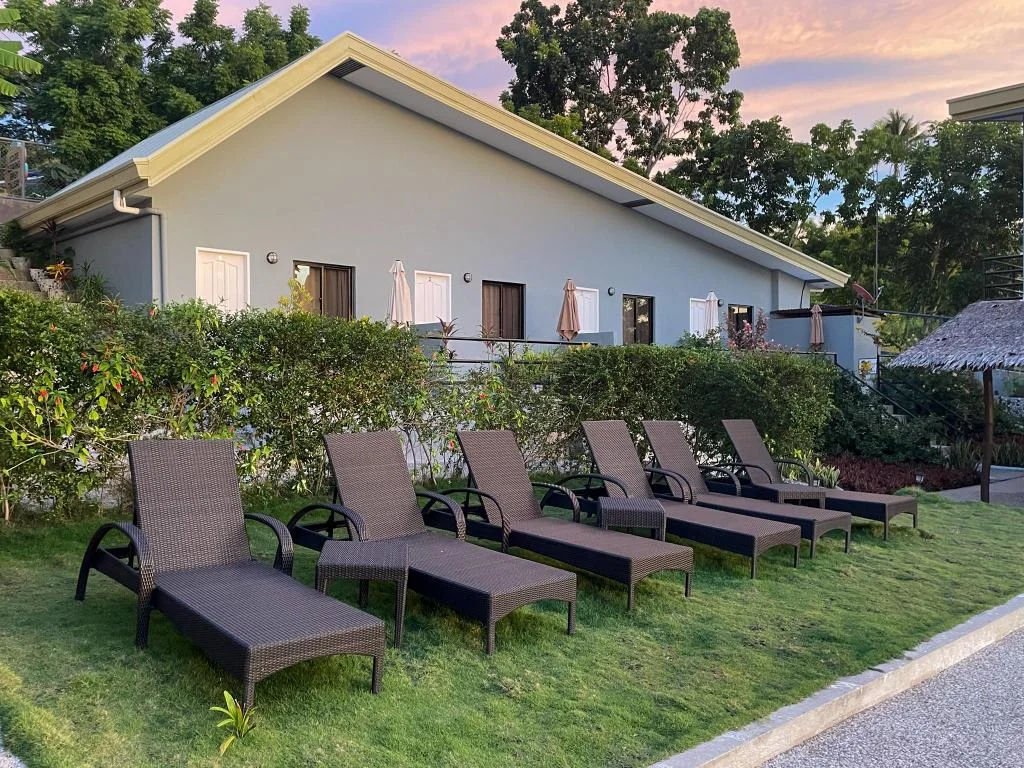
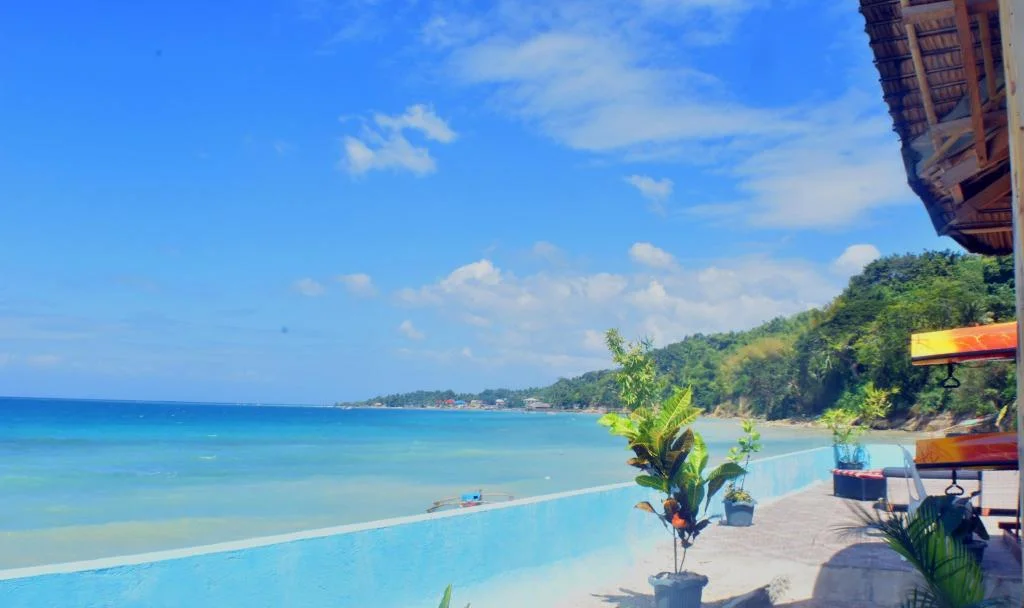
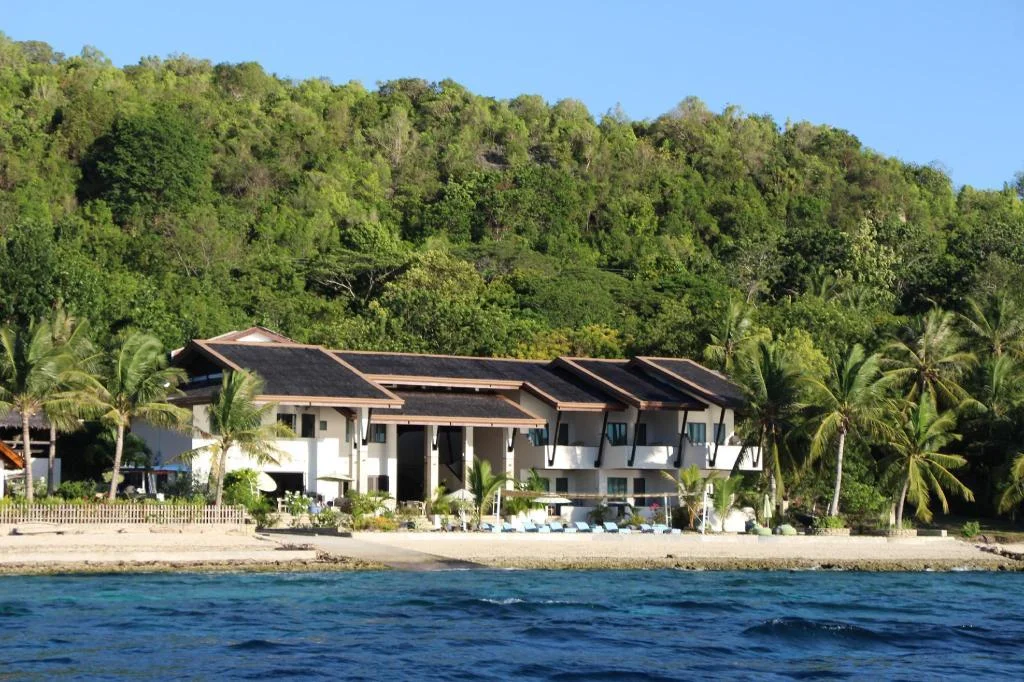
Where to stay near Santander
Top-rated hotels for this trip — tap through to check live rates.
Before you go
Frequently asked
How much does it cost to visit Aguinid Falls?
Do you need a guide at Aguinid Falls?
How many levels does Aguinid Falls have and how hard is it?
How do you get to Aguinid Falls from Cebu City?
Is Aguinid Falls safe?
When is the best time to visit Aguinid Falls?
Can you combine Aguinid Falls with other south Cebu spots in one trip?
What should you bring to Aguinid Falls?
More Places to Explore
Montpellier Falls
Malabuyoc
A scenic multi-level waterfall in Malabuyoc's highlands, reached via a moderate trek through forests and farmlands.
Southernmost Tip of Cebu
Santander
A scenic geographical landmark marking the extreme southern point of Cebu Island, offering panoramic strait views and memorable photo opportunities.
Mainit Hot Spring
Malabuyoc
A natural geothermal hot spring with therapeutic mineral-rich waters, offering a unique wellness experience in Malabuyoc.