
TL;DR: Bogo City is northern Cebu’s sugar-and-fishing hub, about 100 km and 3–3.5 hours by bus from Cebu City (₱200 / ~US$3.50 via Ceres Liner from the North Bus Terminal). The main draw is Capitancillo Islet, a marine-sanctuary sandbar with a working lighthouse — boats run ₱1,500–5,000 (US$26–86) from Polambato Port or Nailon Wharf, plus a ₱50 (US$1) entrance fee. Bogo sits on the corridor toward Bantayan and Malapascua’s actual ferry ports, so it works best as a stopover, not a standalone beach destination. The city was the epicenter of the magnitude 6.9 earthquake of September 30, 2025; recovery was ongoing as of mid-2026, so check current conditions before visiting. Verified July 2026.
Bogo City doesn’t market itself the way Moalboal or Bantayan do, and that’s kind of the point. It’s a real northern Cebu city — sugarcane fields, a fishing wharf, a busy public plaza — that most travelers pass through on the way to somewhere else, not a destination built for tourists. The reason to stop is Capitancillo Islet, a small coral sandbar with a lighthouse and a marine sanctuary sitting a short boat ride offshore, plus a walkable heritage core around the Bogo City Public Plaza. This guide is for travelers building a north Cebu loop — Malapascua, Bantayan, Medellin — who want to know what Bogo actually offers, how to get there, what it costs, and where the city stands after being the epicenter of the September 2025 earthquake. If you want a resort strip, this isn’t it. If you want a working Cebu town with one genuinely good island day trip attached, keep reading.
Bogo City at a Glance
| What | Details | Notes |
|---|---|---|
| Distance from Cebu City | ~100 km / 3–3.5 hrs by bus | Ceres Liner, Cebu North Bus Terminal, ~₱200 (US$3.50) |
| Boat to Capitancillo Islet | ₱1,500 (small, 4–5 pax) to ₱5,000 (up to 15 pax) | US$26–86, round trip, from Polambato Port / Nailon Wharf |
| Islet entrance fee | ₱50/person | US$1, protected marine sanctuary |
| Diving at Capitancillo | ₱150/dive | US$3, three recognized dive sites |
| Kayak rental | ₱150/hour | US$3 |
| Cottage rental | ₱200/group | US$3.50 |
| Signature food | Pintos (corn delicacy) | Sold by highway vendors near the bus stops |
Prices are informal small-operator rates gathered from recent traveler and operator reports — confirm with boatmen or the tourism office before you go. Verified July 2026.
What Is Bogo City Known For?
Bogo is known for sugarcane, fishing, and being the last real city before the highway splits toward Bantayan and Malapascua’s ferry ports. Sugarcane plantations took root here in the 1920s, and the city’s economy still leans on sugar and fishery alongside a growing local government push into tourism. It became a component city of Cebu province in 2007 (confirmed for good in 2011, after a Supreme Court back-and-forth over a batch of cityhood laws that also affected Naga and Carcar) — one of Cebu’s six component cities, not a brand-new municipality dressed up for visitors. The town center still runs around the public plaza and St. Vincent Ferrer Parish, and the working wharf at Polambato is as much a fishing and cargo port as a tourist jump-off.
How Do You Get to Bogo City?
Take a Ceres Liner bus marked Hagnaya or Maya from the Cebu North Bus Terminal — nearly every bus heading up the northern route to San Remigio or Daanbantayan passes straight through Bogo. The ride covers roughly 100 km and takes about 3 to 3.5 hours, traffic depending, for around ₱200 (US$3.50). Tell the conductor where you’re getting off; the main Bogo bus terminal sits on the edge of the city, so if your destination is the plaza or Polambato Port, ask to be dropped closer in.
By private van or car, budget 2.5 to 3 hours each way. There’s no domestic airport in Bogo — fly into Mactan-Cebu International Airport and connect by road.
Is Capitancillo Islet Worth the Trip?
Yes, if quiet water and a working lighthouse over sandbar selfies is what you’re after. Capitancillo is a small coral islet a short boat ride off Bogo, protected as a marine sanctuary with three recognized dive sites and a wall on its southwest side that’s popular for snorkeling. There’s a lighthouse, a strip of white sand, and turquoise water — but no restaurants, no permanent shelter, and no accommodation beyond what you carry in (some travelers camp overnight with their own tent and supplies).
Boats leave from a handful of jump-off points around Bogo — Polambato Port, Nailon Wharf, Marangog Cove, and Odlot Hideaway — with the crossing taking anywhere from 15 to 45 minutes depending on which one you use. A small pump boat for 4–5 people runs around ₱1,500 (US$26) round trip; a larger boat for up to 15 people is closer to ₱5,000 (US$86). Expect a ₱50 (US$1) per-person entrance fee, ₱150 (US$3) per dive, and ₱150 (US$3) an hour for kayaks. Bring your own water, food, and sun cover — there’s nothing to buy on the island itself. Compare Cebu island-hopping and boat tour options on Klook if you’d rather book through an operator than arrange a boatman directly.
What Else Is There to Do in Bogo City?
Beyond the islet, Bogo rewards a slow half-day rather than a packed itinerary. The Bogo City Public Plaza and Heritage Walk anchors the town center, with St. Vincent Ferrer Parish Church nearby — a good stretch-your-legs stop if you’re breaking up the bus ride north. Nailon Beach, a quieter stretch on the way to the wharf, gets far less traffic than Bantayan’s beaches and suits an easy swim or sunrise rather than a full beach day. And don’t skip pintos — ground young corn steamed in corn husks with milk and butter, sold by vendors along the highway and near the bus stops. It’s Bogo’s answer to a pasalubong snack, and it survives the rest of a north Cebu trip better than most local sweets.
Is Bogo a Good Base for Bantayan or Malapascua?
Loosely, and with a caveat: Bogo itself isn’t a ferry departure point for either island. The actual ports are Hagnaya in neighboring San Remigio (for Bantayan) and Maya in Daanbantayan (for Malapascua), both further up the same highway, plus Kawit Port in Medellin as an alternate Bantayan route. Bogo sits on that corridor, which makes it a workable stopover town — a place to grab pintos, see Capitancillo, or overnight — rather than the launch point itself. If your plan is strictly island-hopping, treat Bogo as a waypoint on a longer north Cebu loop rather than your home base, and confirm current port schedules with the Daanbantayan/Malapascua gateway guide or our Bantayan Island guide before you commit to a route.
What Happened in the September 2025 Earthquake — and Is It Safe to Visit Now?
A magnitude 6.9 earthquake struck on September 30, 2025, with its epicenter near Bogo City — the strongest quake ever recorded in northern Cebu and the country’s deadliest since 2013. It damaged tens of thousands of homes across the province and killed dozens of people, prompting Cebu to declare a state of calamity. Bogo’s city government adopted a formal “Build Back Better Bogo” recovery framework in the aftermath, and by early 2026 the city had wound down its tent-city operations for displaced residents. Even so, reporting from mid-2026 described rebuilding of dozens of damaged public buildings as still slow going, with a significant funding gap for repairs.
None of this means Bogo is closed to visitors — Philippine tourism officials kept Cebu open throughout the recovery, and daily life, transport, and the Capitancillo boat trade have resumed. But it does mean you should visit with some awareness: some public buildings and heritage structures may still be under repair, local capacity for tourists is limited compared to before, and it’s worth checking recent local reporting or asking your driver/boatman about current conditions before you go. This is a recovering community first and a tourist stop second — factor that into your expectations, and consider that your spending (a boat ride, a lunch, pintos from a vendor) supports a local economy that’s still rebuilding.
How to Choose: Day Trip, Stopover, or Overnight
- Day trip from Cebu City — doable but long: ~3 hours each way by bus means 6+ hours of travel for a half-day at Capitancillo. Better if you’re already staying in north Cebu.
- Stopover on a north Cebu loop — the most efficient use of Bogo: break your bus or van ride to San Remigio, Medellin, or Daanbantayan with a few hours for the islet and the plaza.
- Overnight — worth considering only if you want unhurried island time (early boat out, late boat back) or you’re combining Bogo with Capitancillo camping; hotel options in the city itself are limited, so most travelers base in Bantayan or Cebu City instead and day-trip in.
The Honest Take
Bogo isn’t a beach resort town, and if you show up expecting Bantayan-level infrastructure you’ll be disappointed — there’s no strip of beachfront hotels, no built-out tourist zone, and Capitancillo Islet has zero amenities beyond a boat ride and a lighthouse. What you get instead is a genuine, unpolished slice of northern Cebu: sugarcane country, a working fishing wharf, and a quiet marine sanctuary that hasn’t been overrun. That’s worth an afternoon for the right traveler — someone who wants the islet and the corn snacks without the crowds — but it’s not worth restructuring a whole itinerary around unless you’re already passing through on the way to Bantayan or Malapascua.
Visit Bogo with realistic expectations post-earthquake, too. This is still a city working through recovery, not a fully bounced-back tourist product. Skip it if you’re short on time and only want beach days — go straight to Bantayan or Malapascua instead. Come here if you’re curious about a working Cebu city, want Capitancillo’s quieter reef, or are building a proper north Cebu loop and don’t mind an unglamorous stopover along the way.
Combine It With the Rest of North Cebu
Pair Bogo with a broader loop rather than visiting it alone — it slots naturally into a north Cebu grand day tour alongside Bantayan and Malapascua, or as a stop on the way to under-the-radar towns in Cebu if you’re chasing places without the crowds. Check tour and transfer options for northern Cebu on Klook before you lock in a route, and confirm ferry schedules at Hagnaya or Maya if an island crossing is next on your itinerary.
Sources
- City of Bogo — official city profile (history, cityhood, demographics)
- Bogo, Cebu — Wikipedia (cityhood timeline, sugar industry background)
- 2025 Cebu earthquake — Wikipedia (magnitude, epicenter, casualties)
- GMA News — Bogo adopts ‘Build Back Better Bogo’ framework
- The Freeman/Philstar — earthquake recovery gains pace, tent city ends
- SunStar Cebu — Bogo City recovery still slow eight months after quake
- Island Hopping in the Philippines — Capitancillo Island guide (boat rates, jump-off points)
- Boat rates, distances, and travel times cross-checked against recent traveler and operator reports; confirm current pricing locally. Verified July 2026.
Book Tours & Hotels for This Trip
Find and book the best deals — prices and availability update in real time. Links open in a new tab.
Where to stay near Cebu City
Top-rated hotels for this trip — tap through to check live rates.
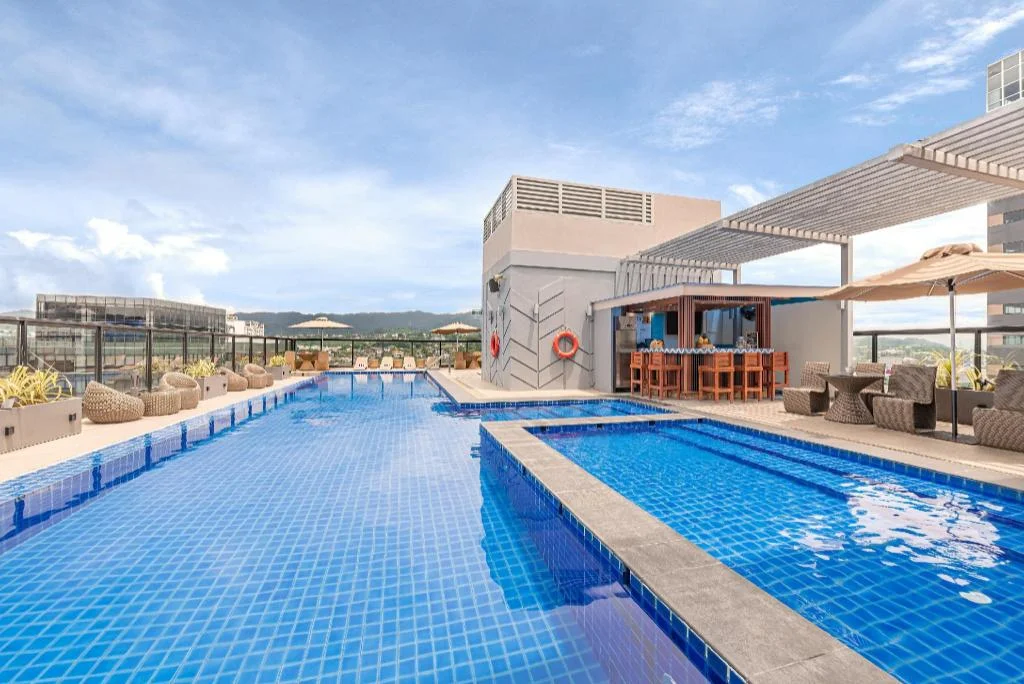
Seda Central Bloc Cebu City
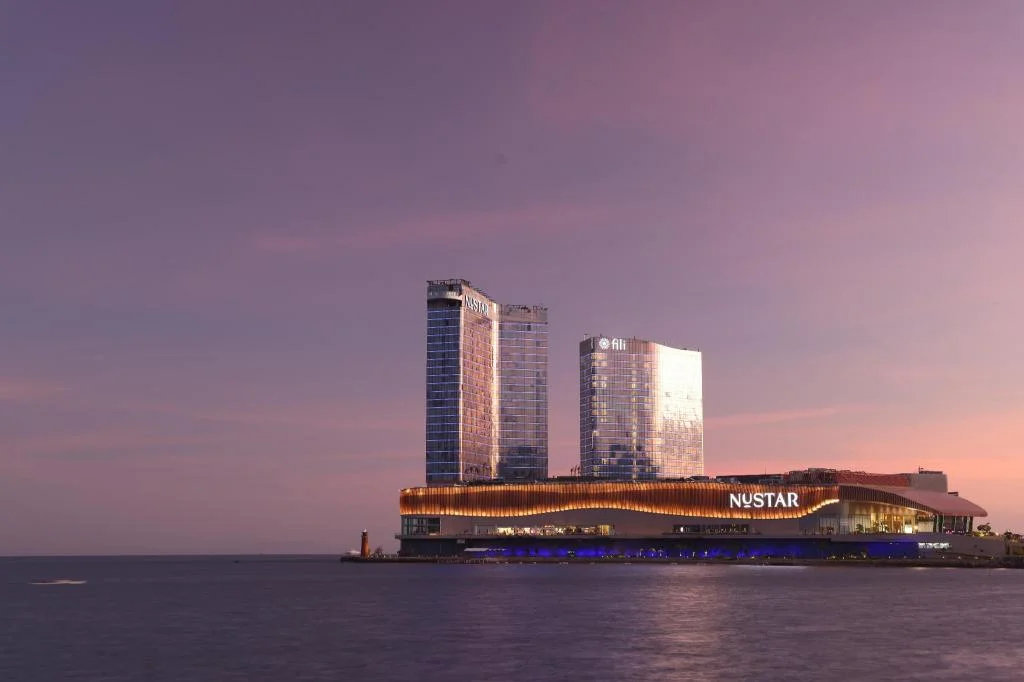
Fili Hotel - NUSTAR Resort & Casino Cebu
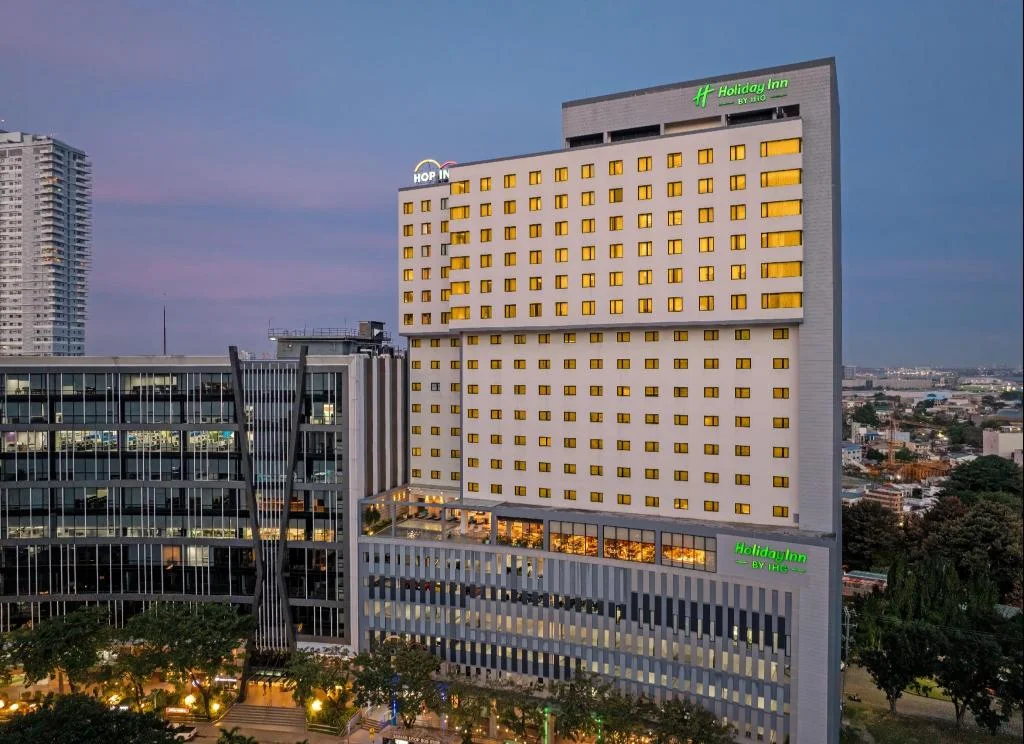
Holiday Inn Cebu City By IHG
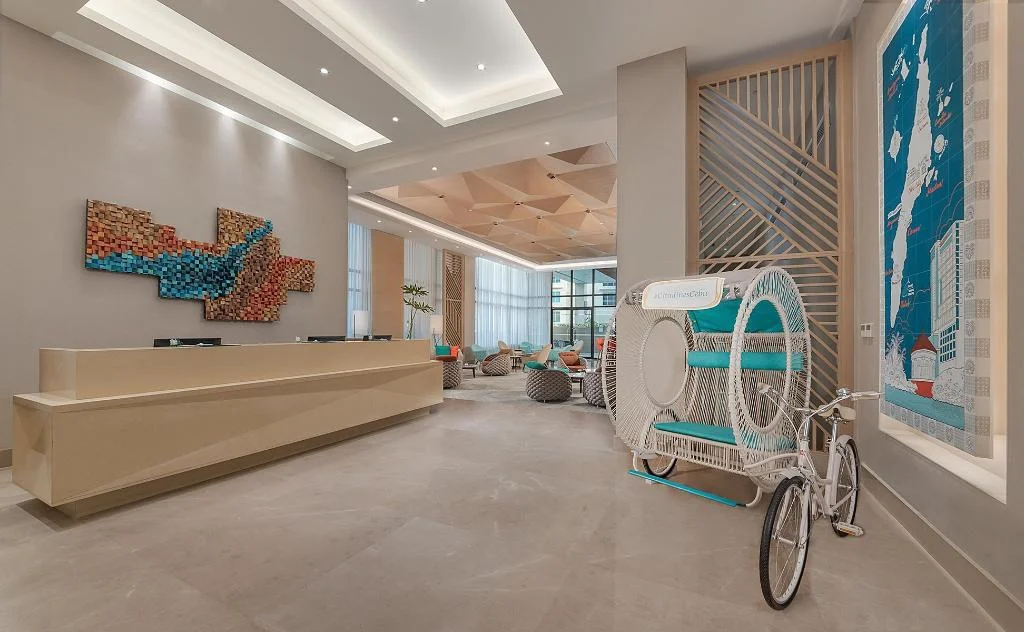
Citadines Cebu City
Prefer a rental? Vacation rentals near Cebu City
Self-catering condos and apartments — book the exact unit, kitchen included.
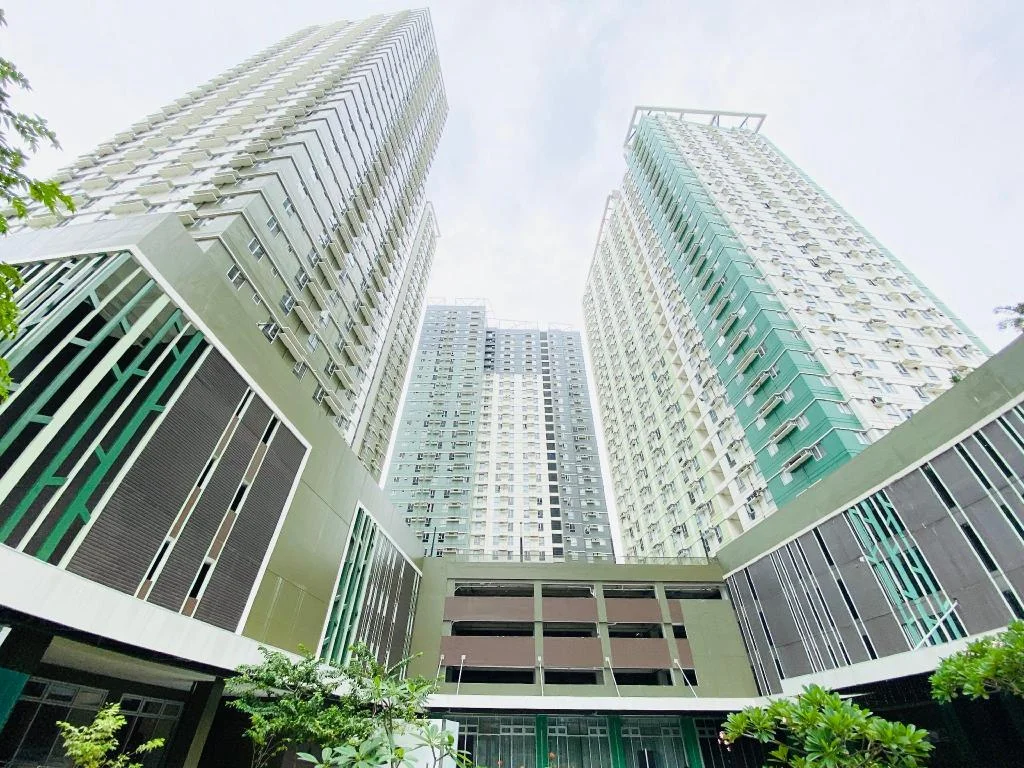
Cebu Avida Riala by P&J
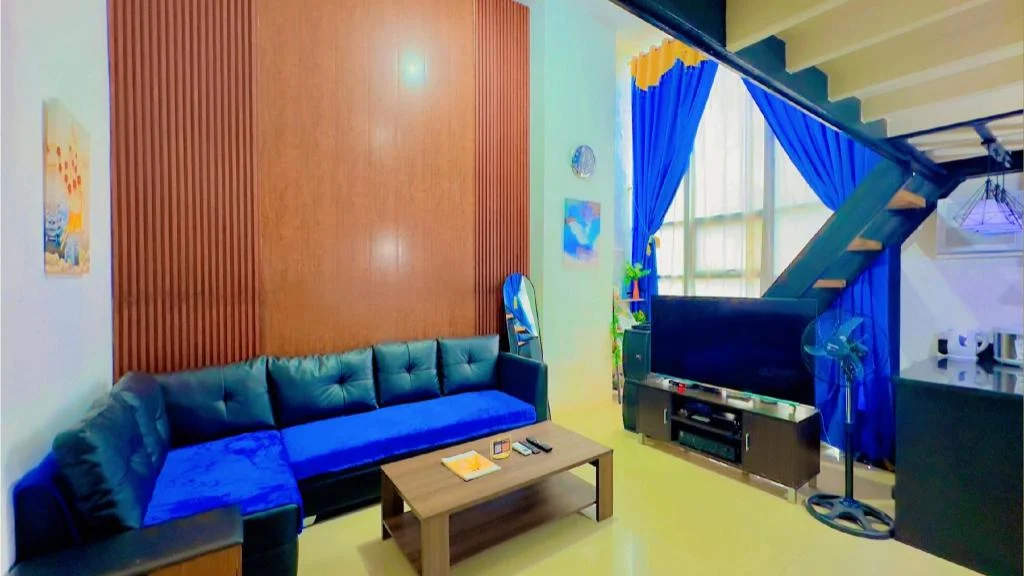
Special Big Loft Unit w/Fibreop Internet & Netflix
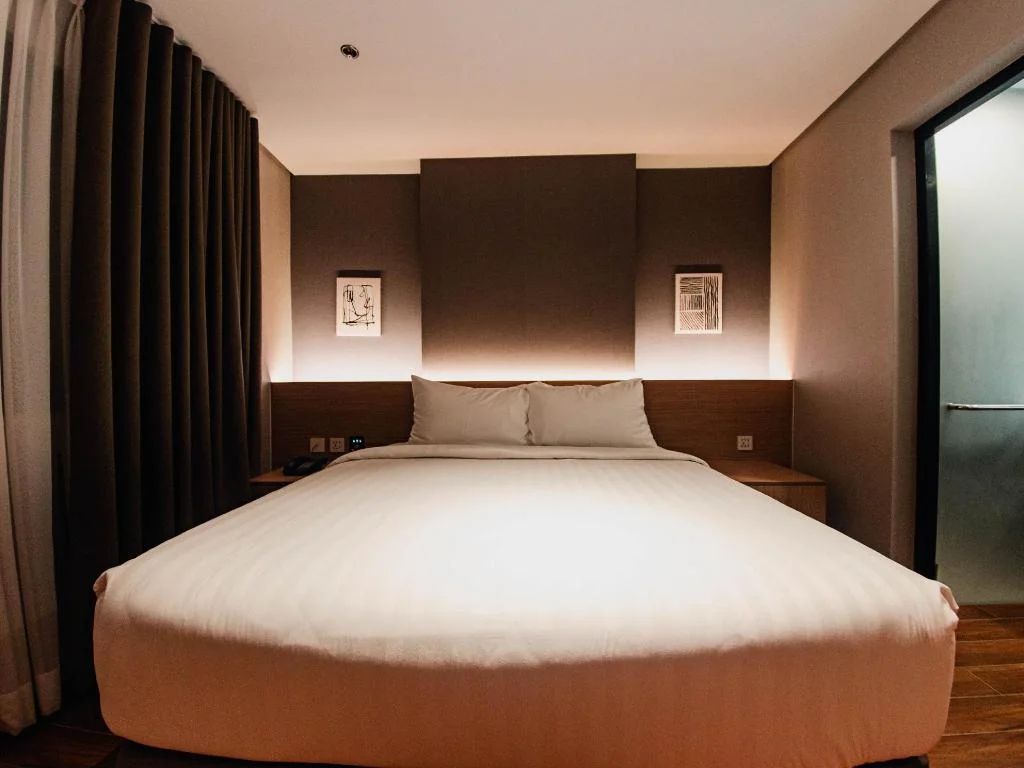
Moonstar Cebu Hotel - Deluxe Room
Before you go
Frequently asked
What is Bogo City known for?
How do you get to Bogo City from Cebu City?
Is Capitancillo Islet worth visiting?
How much does a boat to Capitancillo Islet cost?
Is Bogo City a gateway to Bantayan Island?
Is Bogo City safe to visit after the September 2025 earthquake?
What should you eat in Bogo City?
Can you day-trip Bogo City from Cebu City?
More Places to Explore
Capitancillo Island
Bogo City
A pristine uninhabited island with a white sandbar, excellent marine sanctuary, and crystal-clear snorkeling waters off Bogo City's coast.
Bogo City Public Plaza and Heritage Walk
Bogo City
The historic heart of Bogo City featuring the colonial-era church, plaza, and heritage buildings that tell the story of northern Cebu.
Gibitngil Island
Medellin
A scenic island featuring the dramatic Dakit-Dakit Sandbar extending into turquoise waters - one of northern Cebu's most photogenic natural formations.
Temple of Leah
Cebu City
A magnificent Roman-inspired temple built as a monument of love, nicknamed 'Cebu's Taj Mahal,' offering stunning architecture and city views.