
TL;DR: Caohagan is a five-hectare fishing village in the Olango Island Group off Mactan, privately owned since 1991 by a Japanese retiree, Katsuhiko Sakiyama, whose wife started the island’s now-famous quilting livelihood. Entry runs ₱100–200 (about US$2–3.50), getting there means a chartered bangka from Maribago wharf (~15–30 minutes) or a joiner island-hopping tour for ₱2,150–5,300 per person, and the seafood “paluto” lunch is good but pricey — a large lobster alone can hit ₱3,500. It’s usually paired with Nalusuan and Hilutungan in one day, and it’s worth the stop for the community story more than for having the best reef in Cebu. Verified July 2026.
Most people who end up on Caohagan didn’t set out to visit it specifically — it’s the third stop on a Mactan island-hopping tour, tucked between Nalusuan Island and Hilutungan Marine Sanctuary. But it’s the one with the story: a tiny, densely packed fishing barangay bought by a Japanese retiree in 1991, whose wife taught the local women to quilt and whose money built the village school. This guide covers what it actually costs, how to get there, whether the seafood lunch and the quilts are worth your money, and how Caohagan stacks up against its more scenic neighbors — written for anyone deciding whether to add it to a Mactan day trip.
What Is Caohagan Island, and Why Does Everyone Mention a Japanese Man?
Caohagan is a working fishing village on a sandbar-sized island — about five hectares — in the Cebu Strait, part of the Olango Island group under Lapu-Lapu City. Roughly 650–700 residents live there, packed onto so little land that it’s one of the more densely populated dots of sand in the strait.
The “Japanese man” is Katsuhiko Sakiyama, who left a job in Tokyo in the late 1980s, traveled looking for a place to settle, and bought the island with his wife Junko in 1991. He’s not a resort developer — Caohagan has no hotel, no big commercial pier, and no branded attraction. It’s still a fishing community; Sakiyama’s role has been funding a school, sending island kids to college on scholarships, covering medical costs, and — through Junko — starting the quilting program that’s now the island’s second livelihood after fishing.
How Do You Get to Caohagan Island?
There’s no scheduled ferry — you charter a boat, almost always as part of a wider island-hopping trip. The shortest and most common route is a motorized bangka from the Maribago wharf on Mactan, roughly 15–30 minutes one-way depending on conditions. Boats also run from Cordova, Angasil, and Marigondon on the mainland side of the strait, though those crossings take longer.
In practice, very few travelers charter a boat to Caohagan alone. It sits close enough to Nalusuan and Hilutungan that operators bundle all three into one trip, so you’ll typically board a boat once in the morning and hop between all three islands over three to five hours.
What Does It Cost to Visit Caohagan Island?
Budget ₱100–200 for island entry, plus whatever you pay for the boat and lunch. Here’s the rough breakdown for 2026.
| Item | Cost | Notes |
|---|---|---|
| Island entrance fee | ₱100–200 (US$2–3.50) | Kids often half price; pay on arrival |
| Joiner island-hopping tour (3 islands) | ₱2,150–5,300 per person | Usually bundles Caohagan, Nalusuan, Hilutungan |
| Private boat charter | ₱3,500–7,000 per boat (10–30 pax) | Split among your group; negotiate duration and stops |
| Seafood paluto lunch | ₱500–1,500+ per person, extra | Buy the catch, cooking is free |
| Snorkel gear rental | ₱100–200 | Bring your own mask if you have one |
Verified July 2026. Prices vary by operator, group size, and season — confirm current rates with your tour operator or boatman before you commit.
Compare packages before booking: browse Cebu island-hopping tours on Klook to see current three-island combos and reviews, or check GetYourGuide’s Mactan snorkeling and island tours for alternate operators and time slots.
What’s the Story Behind the Caohagan Quilts?
Caohagan’s quilting program started in 1996 and now supports more than a hundred women — about a fifth of the island’s population. Junko Sakiyama, a former instructor at one of Tokyo’s biggest quilting schools, taught the craft to islanders as an income source that didn’t depend on the sea. Many quilters work without printed patterns, piecing designs from memory and experience.
Finished work ranges from small pouches and table runners to full bedspreads, and the nicer pieces are largely made to order for export to Japan, so what’s actually for sale when you visit depends on the day. It’s a genuine cottage industry, not a tourist prop — if you buy a piece directly from a quilter, that money goes straight to her rather than through a middleman.
Is the Seafood Paluto Lunch Worth It?
It’s good seafood, cooked well, but priced like a specialty restaurant rather than an island stall. Vendors along the beach sell live catch — fish, crab, lobster, prawns, clams, and shells — and if you buy from them, they’ll cook it for you at no extra charge, which is the local “paluto” (you-buy-we-cook) style found across Cebu’s seafood markets.
The catch is the pricing: a large lobster alone can run around ₱3,500, and smaller items add up quickly once you’re feeding a group. Bring an extra ₱500–1,500 per person in cash if you want a proper seafood meal, agree on the price before anything goes on the grill, and don’t be shy about asking for the per-kilo rate up front. If you’re on a tight budget, eat a lighter lunch on Caohagan and save your appetite (and cash) for a sit-down seafood restaurant back on Mactan.
Is the Snorkeling at Caohagan Worth It?
The reef just off the beach is decent, but it’s not the reason people come to this stretch of the strait. There’s a shallow marine sanctuary area with visible coral and reef fish, serviceable for a casual snorkel session, especially for beginners or kids. But if snorkeling quality is your main criteria, Nalusuan Island and Hilutungan Marine Sanctuary both have a stronger reputation for visibility and coral coverage — see our best snorkeling spots in Cebu for how the three compare. Most tours give you 30–45 minutes in the water at Caohagan before moving on, which is enough time to see what’s there without needing much more.
DIY, Joiner Tour, or Private Charter — How Should You Visit?
A joiner tour is the easiest and usually cheapest per person; a private charter is worth it for groups of four or more who want control over timing. A shared island-hopping tour bundles the boat, the entrance fees, and often lunch logistics into one price, and you don’t have to negotiate with boatmen yourself. A private charter costs more upfront (₱3,500–7,000 for the boat) but splits down to a similar or lower per-person cost for a group of six or more, and lets you decide how long to stay at each island and skip anything that doesn’t interest you.
Arranging your own boat with no group and no operator is the least practical option here — Caohagan doesn’t have public transport infrastructure, and most boatmen expect you to be doing the standard three-island route anyway.
The Honest Take
Caohagan is worth the stop, but go in with the right expectations. It is not a resort island, not the best snorkeling in the area, and not a cheap seafood lunch — it’s a real fishing village that happens to have an unusual backstory and a genuinely impressive community program. The quilting industry and the school are the actual draw; the beach and reef are a bonus, not the headline.
The honest downsides: it gets crowded when multiple tour boats land around midday, some travelers report pushy seafood vendors during busy stretches, and the paluto pricing can feel steep for what’s a short island stop. Go early if you can, agree on seafood prices before ordering, and treat Caohagan as the cultural stop in your three-island day rather than the scenic highlight — save that expectation for Nalusuan and Hilutungan.
Combine It With the Rest of Mactan
Caohagan makes the most sense as one leg of a full Mactan day out. Pair it with Nalusuan Island for the better reef, Hilutungan Marine Sanctuary for more snorkeling time, and the wider Olango Island Wildlife Sanctuary area if you’re interested in birdwatching on the same trip. Our Mactan island-hopping guide breaks down how operators typically structure the three-island route and what a fair price looks like.
If you’re staying over on Mactan to make an early boat, compare Mactan hotels and resorts on Agoda — basing yourself near Maribago cuts down on transfer time before your morning departure. Book your island-hopping tour a day or two ahead in peak season, since the better-reviewed operators fill their morning slots first.
Sources
- Caohagan Island — Wikipedia (location, size, population, access)
- “On Caohagan Island, a Community of Quilters Spread the Love” — Mabuhay Magazine, Philippine Airlines (Sakiyama history, quilting program)
- “Quilts of Caohagan” — The Freeman/Philstar (quilting program background)
- Recent traveler reports and 2025–2026 tour listings on entrance fees, boat routes, and seafood pricing. Verified July 2026.
Book Tours & Hotels for This Trip
Find and book the best deals — prices and availability update in real time. Links open in a new tab.
Where to stay near Lapu-Lapu City
Top-rated hotels for this trip — tap through to check live rates.
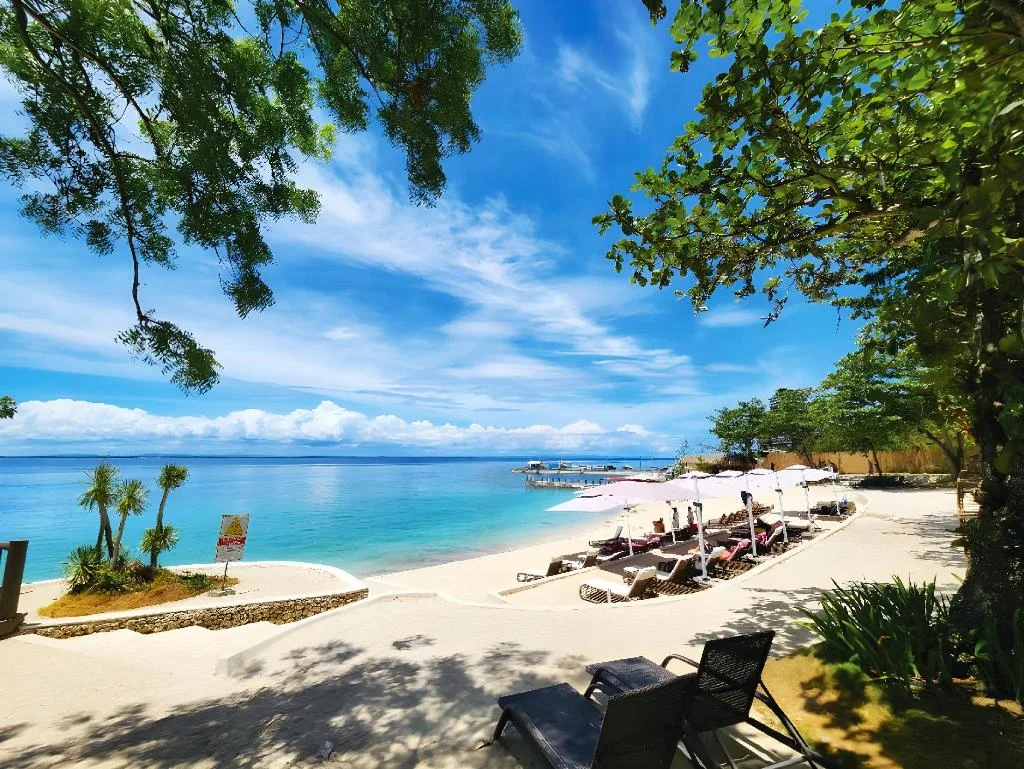
Mercure Mactan Cebu
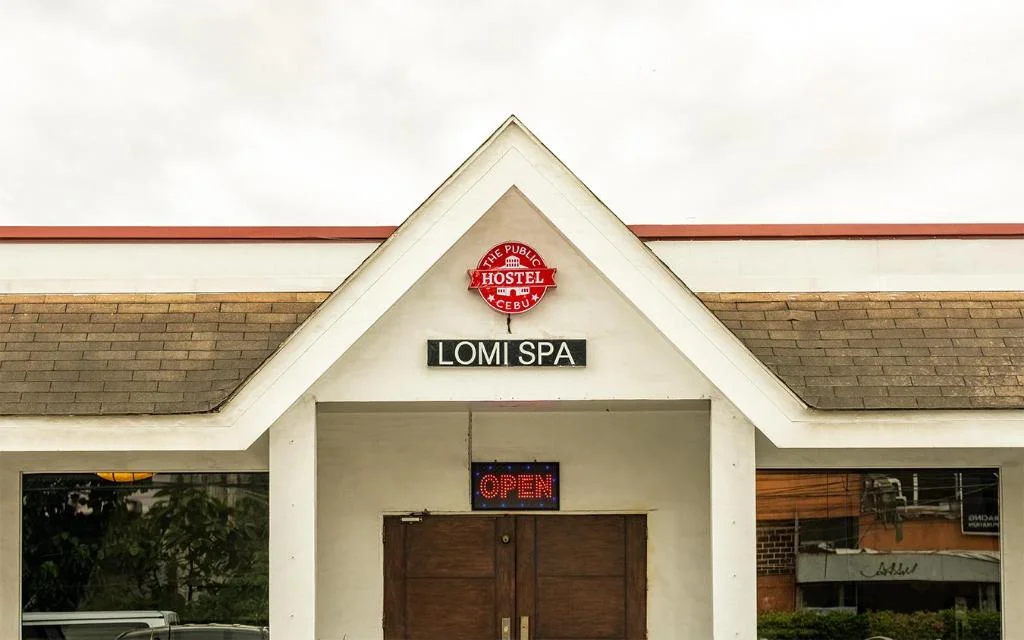
Public House Hostel
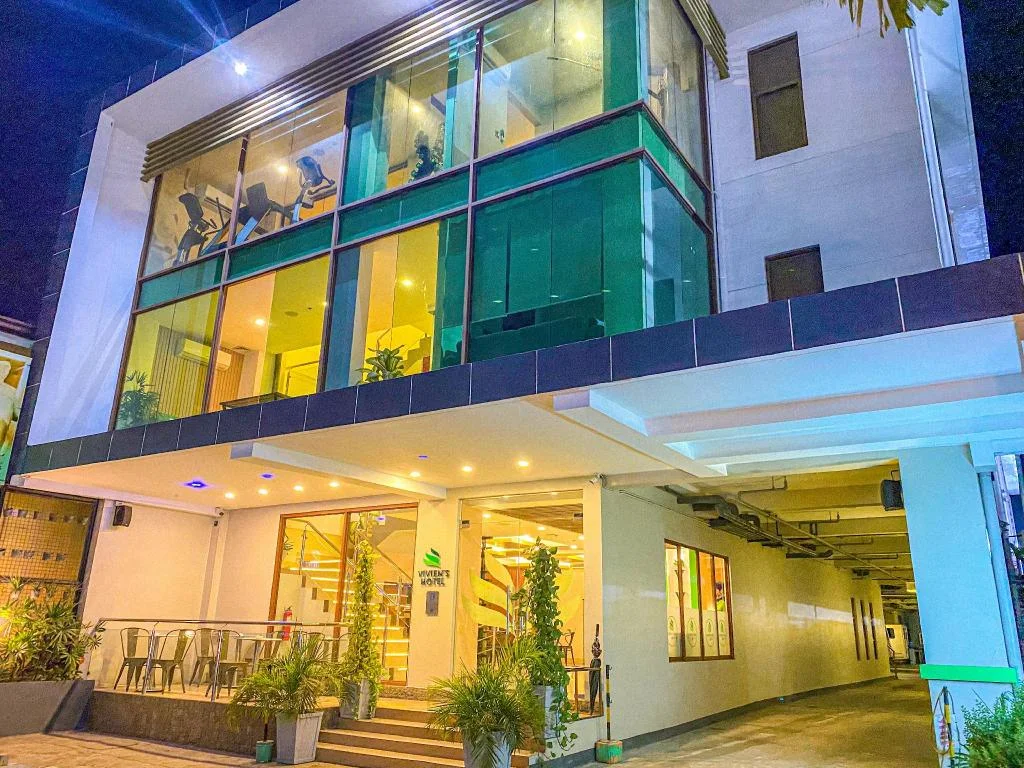
Vivien's Hotel
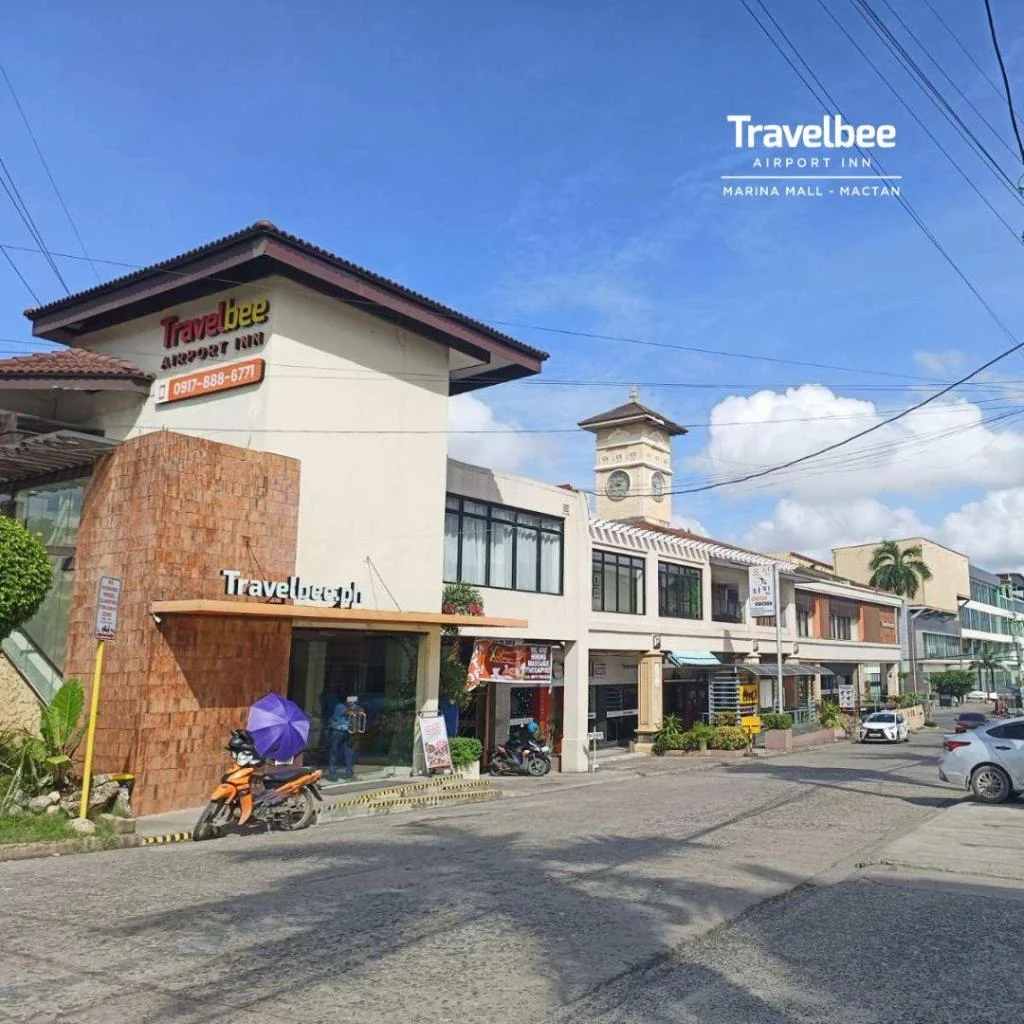
Travelbee Airport Inn
Prefer a rental? Vacation rentals near Lapu-Lapu City
Self-catering condos and apartments — book the exact unit, kitchen included.
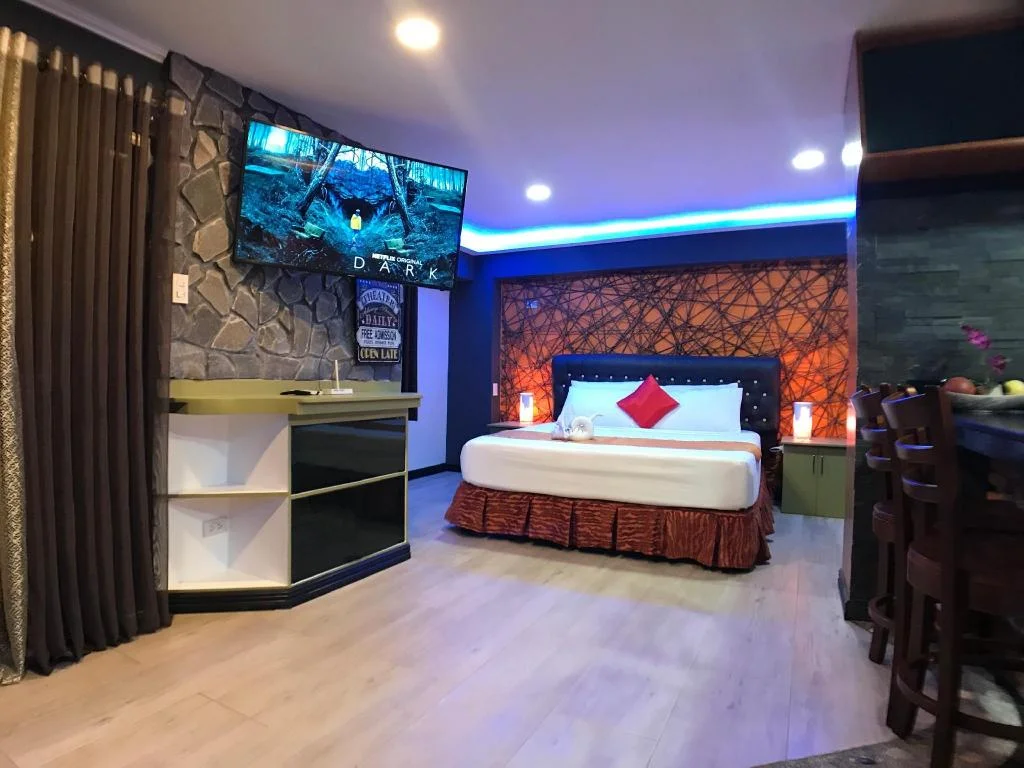
ClockWorkOrange Luxury Suites
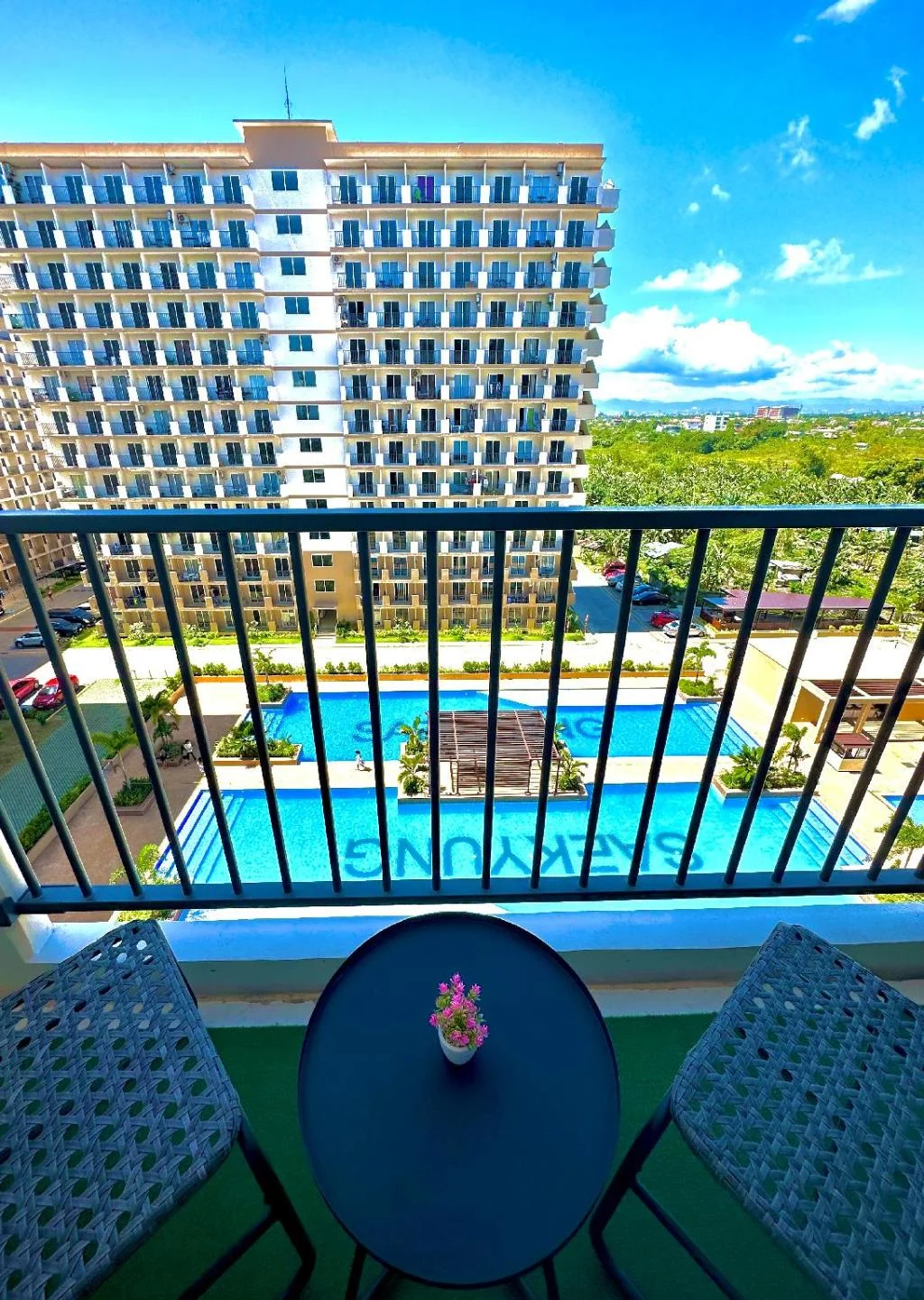
Condo with POOL/BALCONY/KITCHEN/NETFLIX/HOT SHOWER

JeeCee Homes condo near Cebu Mactan Airport
Before you go
Frequently asked
How much does it cost to visit Caohagan Island?
Why is Caohagan Island owned by a Japanese man?
Can you buy the Caohagan quilts on the island?
Is the seafood lunch on Caohagan worth it?
How do you get to Caohagan Island?
Is Caohagan Island worth visiting?
Is Caohagan Island crowded?
What else is there to do besides the seafood and quilts?
More Places to Explore
Nalusuan Island Marine Sanctuary
Lapu-Lapu City
A small island sanctuary famous for its 500-meter wooden pier over turquoise waters, with excellent snorkeling and resort facilities.
Hilutungan Marine Sanctuary
Lapu-Lapu City
One of the Philippines' oldest marine sanctuaries with pristine coral reefs, abundant tropical fish, and excellent snorkeling for all skill levels.
Olango Island Wildlife Sanctuary
Lapu-Lapu City
A 920-hectare wetland sanctuary and one of the world's seven major migratory bird flyways, hosting thousands of birds from Siberia, China, and Japan.